

LVIV -- Oleh Bodnov studies at a high school in Lviv's Soviet-era concrete-slab outskirts. His mother moved to Italy when he was 4, leaving him to live with his grandmother. Now 16 years old, the sensitive, curly mopped student says it's been extremely difficult to cope.
"At first my grandmother told me she'd gone to town just for a few days." He says. "But after a month, I began to realize my mother wasn't coming back. I was hysterical."
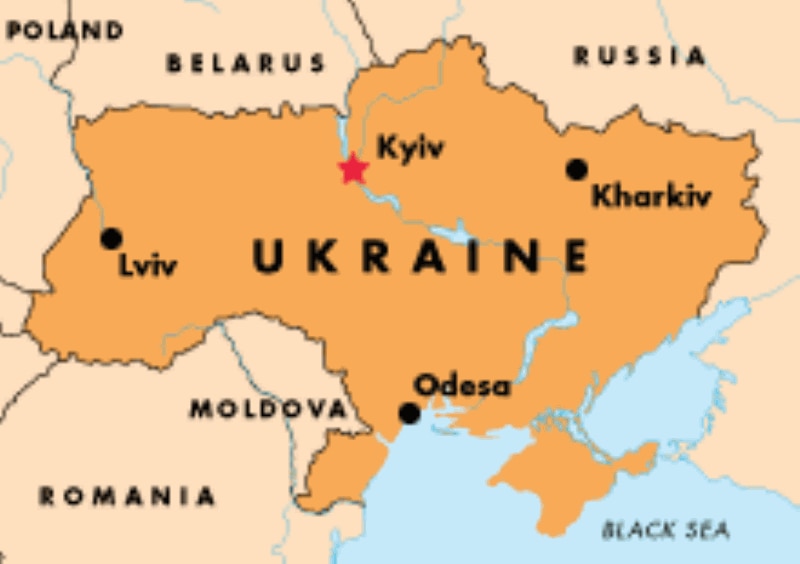
This city in western Ukraine feels the most European in the country, but it's largely impoverished. Many of its residents have left to find work abroad.
 Marta HorbachBodnov says he's come to accept his mother's decision to take up the housekeeping work she said would provide for his future. But soft-spoken 13-year-old Marta Horbach is less accepting. Her mother left to work in the United States when Marta was only 2.
"She tries to stay involved, and she sends presents," Horbach says. "We speak once a week, but we have nothing really to talk about because she doesn’t know what interests me."
Western Ukraine was a stronghold of the Orange Revolution. But those who took to the streets five years ago are deeply disillusioned by their leaders' failure to deliver on their promises of tackling endemic corruption and enacting desperately needed economic reforms.
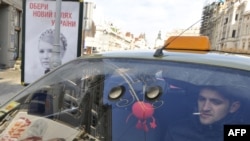
The Orange Revolution's heroine, Prime Minister Yulia Tymoshenko, is one of two candidates in this weekend's presidential election. If she stands any chance of winning, she'll have to rally support from people here. But some say they're not even going to the polls this time.
Seat Of National Culture
Some Lviv residents have returned home after losing their jobs abroad in the financial crisis. But remittances from migrants who remain in the West are a lifeline for family members weathering the devastating effects of the economic crisis at home, where prices for basic goods have more than tripled.
In one grade school, teachers of children left behind say they try to act as surrogate parents as best they can. But there's another issue even more important to people here than financial troubles.
In a country split between its largely Russian-speaking east and European-looking west, people here feel they're the keepers of Ukrainian identity.
 Anna Ruditskaya"It's the most important issue in our lives: our language, our national heroes," says school deputy director Anna Ruditskaya. "Ours is the only school in the district to teach children about their national traditions from first grade."
Not long ago, just saying those words would have been dangerous. Until the collapse of communism in 1991, Ukrainians were sent to prison for promoting their native culture.
One teacher says her parents were denied promotions at work after she sang a Ukrainian nationalist song as a young schoolgirl. Such memories will play a key part in the election: Geographic location is the best indicator of which of the two candidates -- Tymoshenko or her rival, pro-Moscow Viktor Yanukovych -- people will support.
Split History
Much of the reason is a difference in history. Unlike Yanukovych's base of eastern Ukraine -- which was a part of Russian Empire since the 18th century -- western Ukraine was ruled largely by Poland and the Austro-Hungarian Empire until the Red Army invaded in 1939. Moscow then spent decades putting down an insurgent army based here.
On a late snowy afternoon in central Lviv, Ukrainian Catholic clergy chant inside a Baroque chapel as mostly elderly worshippers hunch over in prayer. The ornately gilded interior looks decidedly Western, unlike many Orthodox churches in eastern Ukraine.
Lviv's historic city center is badly in need of renovation. But it's a stunning collection of Polish- and Austrian-influenced Renaissance and Baroque architecture. Perhaps nowhere is the division between east and west felt more keenly than here.
 The new statue of Stepan Bandera in LvivIn a large square across town, a new statue bears a striking resemblance to typical Soviet-era figures of Lenin. In fact, it's of a Ukrainian insurgent army leader, and it's highly controversial. Stepan Bandera, who fought against the Soviets before leading a Ukrainian government in exile, was assassinated by the KGB in Munich in 1959.
Last month, outgoing President Viktor Yushchenko stirred controversy by naming Bandera a Hero of Ukraine. Many in eastern Ukraine denounce him for collaborating with the Nazis during World War II. The Simon Wiesenthal Center, a U.S. Jewish human rights group, also criticized Yushchenko, saying Bandera's followers were linked to the deaths of thousands of Jews.
The statue is guarded by a platoon of security service officers in fatigues, their numbers doubled ahead of the election amid rumors of bomb plots.
Broken Promises
Some here say honoring Bandera -- a sensitive issue that required public debate -- was the last of Yushchenko's many mistakes. But people strolling in the statue's square believe the partisan leader's opposition to Soviet rule was vital for preserving Ukrainian culture. Maria Kots says the criticism against Bandera is led by Moscow, which is still seeking to undermine his legacy.
"Yushchenko's decision was historic," she says. "Bandera is our hero."
 Yushchenko has rehabilitated other nationalist figures, saying Ukrainians can build their nation only by looking back to their roots. He's focused his presidency on promoting Ukrainian language and history, often antagonizing Moscow. But many here who strongly supported Yushchenko during the Orange Revolution say he's done nothing to improve the lives of ordinary Ukrainians suffering from the economic crisis.
People in Lviv say the president and his former Orange ally Tymoshenko wasted their opportunity for reform by fighting each other instead. Yushchenko's decision on February 4 to back a controversial election-law amendment spearheaded by Yanukovych and opposed by Tymoshenko has further cemented the conviction shared by many that personal rivalries have trumped public welfare in the contest for Ukraine's future.
Disgust And Mistrust
In downtown Lviv, cars slide dangerously over icy streets piled with snow. Despite a record snowfall this year, there's not a single snowplow in sight -- proof, people say, that politicians are absconding with public money. They say some of it is being spent on the black Mercedes and Porsche Cayennes that speed through town bearing government license plates.
As the February 7 election approaches, there's deep cynicism about the country's future. People say they've lost all trust in politicians, especially the two candidates. Tymoshenko and Yanukovych have fought a bitter campaign, hurling insults and accusing each other of preparing to falsify the election. Tymoshenko upped the ante on February 4, calling for a second Orange Revolution if there's evidence Yanukovych rigs the polls.
Like many in Lviv, Bohdan Horetsky says he'll vote for Tymoshenko only because she's the lesser of two evils. Horetsky says she's no less corrupt than stout Yanukovych, who spent time in jail in his youth and lost the presidency five years ago after vote-rigging then sparked the Orange Revolution.
"Tymoshenko makes promises and delivers nothing," Horetsky says. "But how can a former convict head a state? It's clear to anyone Yanukovych is the wrong person."
Others say they're too disgusted by politics to vote.
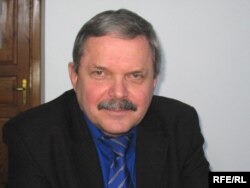 Myroslav MarynovychUkraine Fatigue
Scholar Myroslav Marynovych of Lviv's Ukrainian Catholic University was a Soviet-era dissident who spent years as a political prisoner and later led students to Kyiv to take part in the Orange Revolution. He says there's no real choice in the election.
"This historical moment is very shameful for Ukraine," he says. "Because there's a clear difference between the speed of society's inner development and the slowness of the political elite's development."
Marynovych says people across Ukraine have come to understand their country's problems -- and, crucially, how democracy should work -- while their leaders have fanned antagonisms between eastern and western Ukraine for their own advantage.
Marynovych says ordinary Ukrainians are ready for a dramatic, grassroots change. But real reform would be difficult without outside support. And Western interest in Ukraine, he fears, is dwindling.
"What I'm most afraid of is that the West will say, "We don't understand what's going on there," he says, "and we're not interested in understanding it. Let Russia take care of that country!'"
What Ukraine needs, Marynovych says, is a new Marshall Plan -- to give Ukrainians the opportunity to reform their county, and less reason to leave their children for migrant work in the West.
"At first my grandmother told me she'd gone to town just for a few days." He says. "But after a month, I began to realize my mother wasn't coming back. I was hysterical."
This city in western Ukraine feels the most European in the country, but it's largely impoverished. Many of its residents have left to find work abroad.
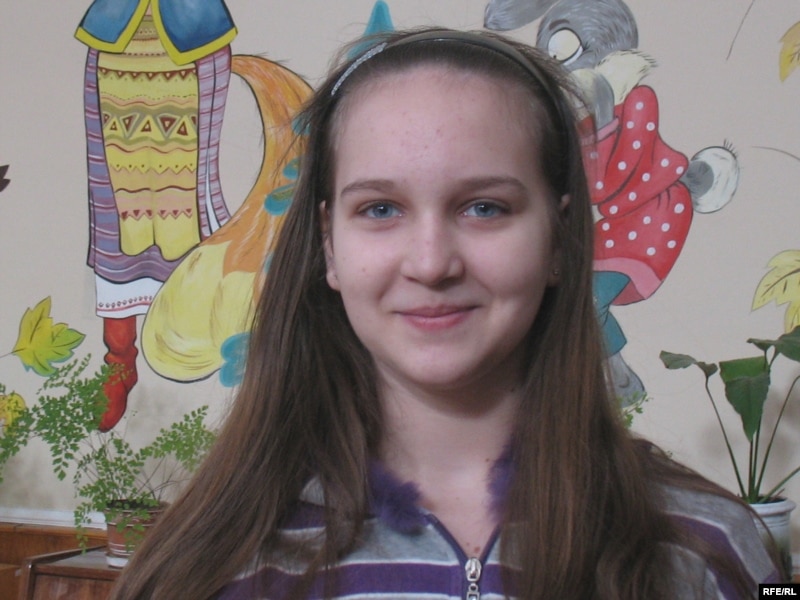
"She tries to stay involved, and she sends presents," Horbach says. "We speak once a week, but we have nothing really to talk about because she doesn’t know what interests me."
Western Ukraine was a stronghold of the Orange Revolution. But those who took to the streets five years ago are deeply disillusioned by their leaders' failure to deliver on their promises of tackling endemic corruption and enacting desperately needed economic reforms.
The Orange Revolution's heroine, Prime Minister Yulia Tymoshenko, is one of two candidates in this weekend's presidential election. If she stands any chance of winning, she'll have to rally support from people here. But some say they're not even going to the polls this time.
Seat Of National Culture
Some Lviv residents have returned home after losing their jobs abroad in the financial crisis. But remittances from migrants who remain in the West are a lifeline for family members weathering the devastating effects of the economic crisis at home, where prices for basic goods have more than tripled.
In one grade school, teachers of children left behind say they try to act as surrogate parents as best they can. But there's another issue even more important to people here than financial troubles.
In a country split between its largely Russian-speaking east and European-looking west, people here feel they're the keepers of Ukrainian identity.

Not long ago, just saying those words would have been dangerous. Until the collapse of communism in 1991, Ukrainians were sent to prison for promoting their native culture.
One teacher says her parents were denied promotions at work after she sang a Ukrainian nationalist song as a young schoolgirl. Such memories will play a key part in the election: Geographic location is the best indicator of which of the two candidates -- Tymoshenko or her rival, pro-Moscow Viktor Yanukovych -- people will support.
Split History
Much of the reason is a difference in history. Unlike Yanukovych's base of eastern Ukraine -- which was a part of Russian Empire since the 18th century -- western Ukraine was ruled largely by Poland and the Austro-Hungarian Empire until the Red Army invaded in 1939. Moscow then spent decades putting down an insurgent army based here.
On a late snowy afternoon in central Lviv, Ukrainian Catholic clergy chant inside a Baroque chapel as mostly elderly worshippers hunch over in prayer. The ornately gilded interior looks decidedly Western, unlike many Orthodox churches in eastern Ukraine.
Lviv's historic city center is badly in need of renovation. But it's a stunning collection of Polish- and Austrian-influenced Renaissance and Baroque architecture. Perhaps nowhere is the division between east and west felt more keenly than here.

Last month, outgoing President Viktor Yushchenko stirred controversy by naming Bandera a Hero of Ukraine. Many in eastern Ukraine denounce him for collaborating with the Nazis during World War II. The Simon Wiesenthal Center, a U.S. Jewish human rights group, also criticized Yushchenko, saying Bandera's followers were linked to the deaths of thousands of Jews.
The statue is guarded by a platoon of security service officers in fatigues, their numbers doubled ahead of the election amid rumors of bomb plots.
Broken Promises
Some here say honoring Bandera -- a sensitive issue that required public debate -- was the last of Yushchenko's many mistakes. But people strolling in the statue's square believe the partisan leader's opposition to Soviet rule was vital for preserving Ukrainian culture. Maria Kots says the criticism against Bandera is led by Moscow, which is still seeking to undermine his legacy.
"Yushchenko's decision was historic," she says. "Bandera is our hero."
People in Lviv say the president and his former Orange ally Tymoshenko wasted their opportunity for reform by fighting each other instead. Yushchenko's decision on February 4 to back a controversial election-law amendment spearheaded by Yanukovych and opposed by Tymoshenko has further cemented the conviction shared by many that personal rivalries have trumped public welfare in the contest for Ukraine's future.
Disgust And Mistrust
In downtown Lviv, cars slide dangerously over icy streets piled with snow. Despite a record snowfall this year, there's not a single snowplow in sight -- proof, people say, that politicians are absconding with public money. They say some of it is being spent on the black Mercedes and Porsche Cayennes that speed through town bearing government license plates.
As the February 7 election approaches, there's deep cynicism about the country's future. People say they've lost all trust in politicians, especially the two candidates. Tymoshenko and Yanukovych have fought a bitter campaign, hurling insults and accusing each other of preparing to falsify the election. Tymoshenko upped the ante on February 4, calling for a second Orange Revolution if there's evidence Yanukovych rigs the polls.
Like many in Lviv, Bohdan Horetsky says he'll vote for Tymoshenko only because she's the lesser of two evils. Horetsky says she's no less corrupt than stout Yanukovych, who spent time in jail in his youth and lost the presidency five years ago after vote-rigging then sparked the Orange Revolution.
"Tymoshenko makes promises and delivers nothing," Horetsky says. "But how can a former convict head a state? It's clear to anyone Yanukovych is the wrong person."
Others say they're too disgusted by politics to vote.
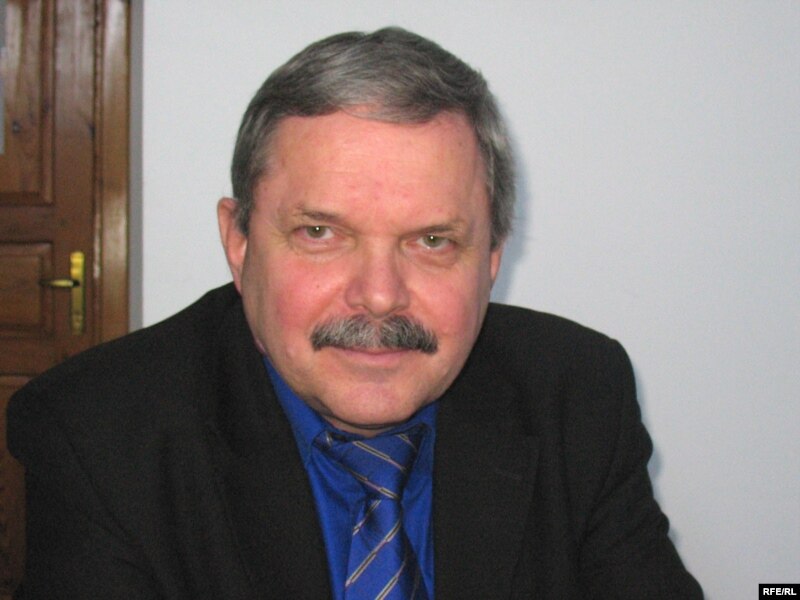
Scholar Myroslav Marynovych of Lviv's Ukrainian Catholic University was a Soviet-era dissident who spent years as a political prisoner and later led students to Kyiv to take part in the Orange Revolution. He says there's no real choice in the election.
"This historical moment is very shameful for Ukraine," he says. "Because there's a clear difference between the speed of society's inner development and the slowness of the political elite's development."
Marynovych says people across Ukraine have come to understand their country's problems -- and, crucially, how democracy should work -- while their leaders have fanned antagonisms between eastern and western Ukraine for their own advantage.
Marynovych says ordinary Ukrainians are ready for a dramatic, grassroots change. But real reform would be difficult without outside support. And Western interest in Ukraine, he fears, is dwindling.
"What I'm most afraid of is that the West will say, "We don't understand what's going on there," he says, "and we're not interested in understanding it. Let Russia take care of that country!'"
What Ukraine needs, Marynovych says, is a new Marshall Plan -- to give Ukrainians the opportunity to reform their county, and less reason to leave their children for migrant work in the West.