



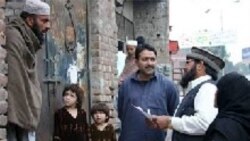
Prague, 25 August 2005 (RFE/RL) -- Islamabad's decision to close the camps affects some 100,000 refugees in Kurram and Bajaur -- two of Pakistan's seven "tribal agencies" near Afghanistan's southeastern border.
On 6 August, Pakistan announced that all Afghan refugee camps in those areas would be closed by the end of August. Yesterday, Islamabad rejected a request by Kabul to delay the move.
Islamabad have said the refugee camps pose a “security threat.” Pakistan's home minister, Aftab Ahmed Sherpao, said militants use the camps as safe havens as they travel to and from Afghanistan.
Officials in Kabul have accused Pakistan of ignoring cross-border infiltrations into Afghanistan by Taliban and foreign Al-Qaeda fighters trying to derail September’s parliamentary elections. Sherpao denies the charge.
"The Afghan government has said several times that Pakistan is doing this," Sherpao said. "But it is not true. Anyway, we are trying to arrest those foreign [terrorists] who are living there. And we don’t want our soil to be used for terrorism and those acts.”
The Afghan government has called on Islamabad to postpone the camp closures in Bajaur and Kurram so that refugees have time to sell property, close businesses, and prepare for the move. Most of the refugees affected by the closures are from families who have lived in Pakistan for 20-25 years.
In a statement on 22 August, the Afghan government said repatriation efforts must comply with international law and previous agreements by a tripartite commission comprised of Pakistani, U.S., and Afghan officials. The statement implied that Pakistan might be forcing some refugees back to Afghanistan against their will.
But the UN’s refugee agency, the UNHCR, said the closure of the camps in Pakistan's tribal areas is in full compliance with international law and Tripartite Commission agreements. A UNHCR statement said Pakistan is preserving the opportunity for asylum by giving the refugees a choice between voluntary repatriation or relocation elsewhere in Pakistan.
Pakistan began closing temporary refugee camps for Afghans in 2003. In 2004, the process was expanded to include older camps in the tribal regions near the Afghan border.
Islamabad said the consolidation of other refugee camps in Pakistan has made space available for those who do not want to return to Afghanistan yet.
In a report issued yesterday, the UN refugee agency said more than 500,000 Afghan families still live in Pakistan -- a total of more than 3 million people. It said most families arrived in 1979 and 1980, an exodus triggered by the Soviet invasion of Afghanistan. About 80 percent of Afghan refugees who are still in Pakistan said their families had arrived there by 1985.
The UNHCR report warned of considerable challenges ahead for the Afghan government to ensure education and job opportunities for Afghan children born in exile.
About 2.5 million refugees have returned to Afghanistan from Pakistan since the beginning of 2002. About 245,000 of those repatriations took place earlier this year.
But repatriations from areas close to the border have been relatively slow -- particularly among families that first established a presence in Pakistan more than two decades ago.
Sasha Ali, a spokeswoman for the UNHCR in Peshawar, said that more refugees in the tribal area of Bajaur have been registering for voluntary repatriation after a delegation from the camps visited Afghanistan to investigate conditions for returnees.
“The number of people who want to return to Afghanistan from Bajaur is increasing," she said. "The pace of returnees [who are registering] suggests that a large percentage of them will return.”
But fewer than 4,000 of the 32,000 refugees living in camps in Bajaur had registered for repatriation by earlier this week. Only 400 had actually departed by 22 August.
In Kurram, just under half of the 70,000 Afghans living in refugee camps had registered with the UNHCR for repatriation by 23 August. The UNHCR said 13,000 have gone through all of the procedures necessary to receive repatriation assistance. That process includes high-tech iris recognition tests to ensure refugees have not previously received repatriation aid.
Each returnee is eligible for transport assistance ranging from $3 to $30 -- plus $12 to help with their reintegration inside Afghanistan.
Many refugees said they are not yet ready to return. RFE/RL's correspondent in Peshawar, Najib Aamir, spoke to one Afghan man who is among thousands of refugees in the tribal regions who are refusing to go back to Afghanistan at this time.
“We request that the Pakistani government and our Pakistani brothers allow us to continue living here for two more years until Afghanistan is able to stand on its own feet – and refugees happily and voluntarily agree to be repatriated to their homeland," Aamir said.
Pakistan's government also has ordered tens of thousands of Afghans to leave a slum area of Islamabad by 10 September. Although residents there still receive food aid and other assistance from the UNHCR, the area is not a refugee camp.
On 6 August, Pakistan announced that all Afghan refugee camps in those areas would be closed by the end of August. Yesterday, Islamabad rejected a request by Kabul to delay the move.
Islamabad have said the refugee camps pose a “security threat.” Pakistan's home minister, Aftab Ahmed Sherpao, said militants use the camps as safe havens as they travel to and from Afghanistan.
Officials in Kabul have accused Pakistan of ignoring cross-border infiltrations into Afghanistan by Taliban and foreign Al-Qaeda fighters trying to derail September’s parliamentary elections. Sherpao denies the charge.
"The Afghan government has said several times that Pakistan is doing this," Sherpao said. "But it is not true. Anyway, we are trying to arrest those foreign [terrorists] who are living there. And we don’t want our soil to be used for terrorism and those acts.”
The Afghan government has called on Islamabad to postpone the camp closures in Bajaur and Kurram so that refugees have time to sell property, close businesses, and prepare for the move. Most of the refugees affected by the closures are from families who have lived in Pakistan for 20-25 years.
In a statement on 22 August, the Afghan government said repatriation efforts must comply with international law and previous agreements by a tripartite commission comprised of Pakistani, U.S., and Afghan officials. The statement implied that Pakistan might be forcing some refugees back to Afghanistan against their will.
But the UN’s refugee agency, the UNHCR, said the closure of the camps in Pakistan's tribal areas is in full compliance with international law and Tripartite Commission agreements. A UNHCR statement said Pakistan is preserving the opportunity for asylum by giving the refugees a choice between voluntary repatriation or relocation elsewhere in Pakistan.
Pakistan began closing temporary refugee camps for Afghans in 2003. In 2004, the process was expanded to include older camps in the tribal regions near the Afghan border.
Islamabad said the consolidation of other refugee camps in Pakistan has made space available for those who do not want to return to Afghanistan yet.
In a report issued yesterday, the UN refugee agency said more than 500,000 Afghan families still live in Pakistan -- a total of more than 3 million people. It said most families arrived in 1979 and 1980, an exodus triggered by the Soviet invasion of Afghanistan. About 80 percent of Afghan refugees who are still in Pakistan said their families had arrived there by 1985.
The UNHCR report warned of considerable challenges ahead for the Afghan government to ensure education and job opportunities for Afghan children born in exile.
About 2.5 million refugees have returned to Afghanistan from Pakistan since the beginning of 2002. About 245,000 of those repatriations took place earlier this year.
But repatriations from areas close to the border have been relatively slow -- particularly among families that first established a presence in Pakistan more than two decades ago.
Sasha Ali, a spokeswoman for the UNHCR in Peshawar, said that more refugees in the tribal area of Bajaur have been registering for voluntary repatriation after a delegation from the camps visited Afghanistan to investigate conditions for returnees.
“The number of people who want to return to Afghanistan from Bajaur is increasing," she said. "The pace of returnees [who are registering] suggests that a large percentage of them will return.”
But fewer than 4,000 of the 32,000 refugees living in camps in Bajaur had registered for repatriation by earlier this week. Only 400 had actually departed by 22 August.
In Kurram, just under half of the 70,000 Afghans living in refugee camps had registered with the UNHCR for repatriation by 23 August. The UNHCR said 13,000 have gone through all of the procedures necessary to receive repatriation assistance. That process includes high-tech iris recognition tests to ensure refugees have not previously received repatriation aid.
Each returnee is eligible for transport assistance ranging from $3 to $30 -- plus $12 to help with their reintegration inside Afghanistan.
Many refugees said they are not yet ready to return. RFE/RL's correspondent in Peshawar, Najib Aamir, spoke to one Afghan man who is among thousands of refugees in the tribal regions who are refusing to go back to Afghanistan at this time.
“We request that the Pakistani government and our Pakistani brothers allow us to continue living here for two more years until Afghanistan is able to stand on its own feet – and refugees happily and voluntarily agree to be repatriated to their homeland," Aamir said.
Pakistan's government also has ordered tens of thousands of Afghans to leave a slum area of Islamabad by 10 September. Although residents there still receive food aid and other assistance from the UNHCR, the area is not a refugee camp.

