



Accessibility links

Breaking News

UN Environment Chief Calls For End To Illegal Wildlife Trade

1/7
Forty years after the Convention on International Trade in Endangered Species of Wild Fauna and Flora ( CITES --> http://www.cites.org/ ) was signed on March 3, 1973, parties to this agreement are meeting in Bangkok this month to discuss further protection for several species that are under threat. Russia is home to many of the animals that are on endangered lists. Although the vast country is rich in biodiversity, many of its most iconic creatures are struggling to survive as they grapple with poaching and a loss of habitat.
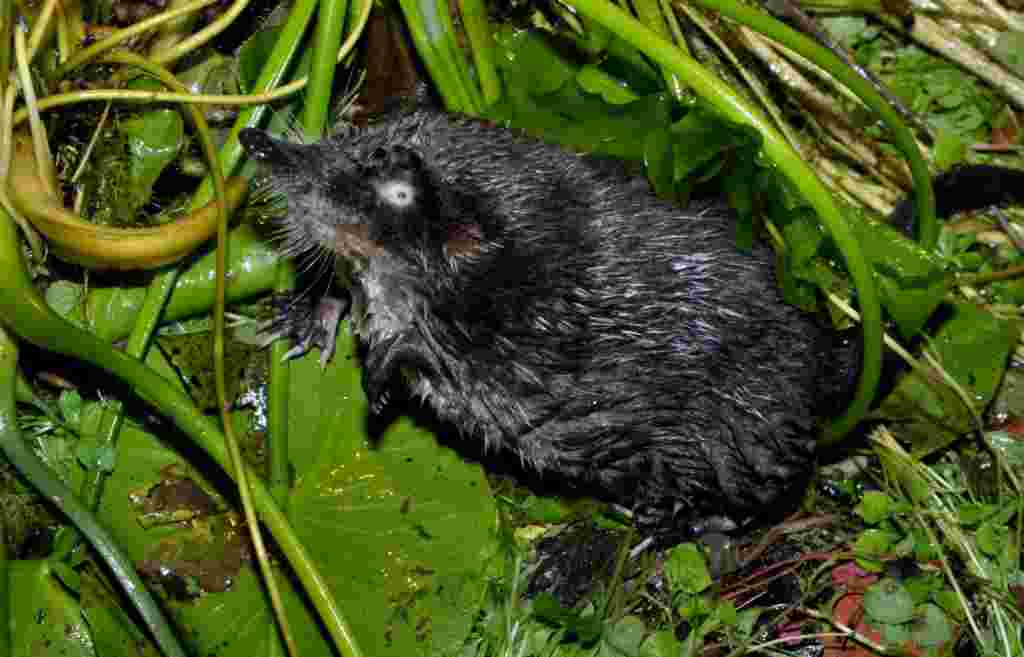
The semiaquatic Russian Desman can still be found on the banks of the Volga, Don, and Ural rivers. However, it's population numbers were seriously dented by hunters harvesting its much sought-after fur. Although it is now a protected species, loss of habitat means that there only some 40,000 in the wild.
2/7 The semiaquatic Russian Desman can still be found on the banks of the Volga, Don, and Ural rivers. However, it's population numbers were seriously dented by hunters harvesting its much sought-after fur. Although it is now a protected species, loss of habitat means that there only some 40,000 in the wild.
Forty years after the Convention on International Trade in Endangered Species of Wild Fauna and Flora ( CITES --> http://www.cites.org/ ) was signed on March 3, 1973, parties to this agreement are meeting in Bangkok this month to discuss further protection for several species that are under threat. Russia is home to many of the animals that are on endangered lists. Although the vast country is rich in biodiversity, many of its most iconic creatures are struggling to survive as they grapple with poaching and a loss of habitat.
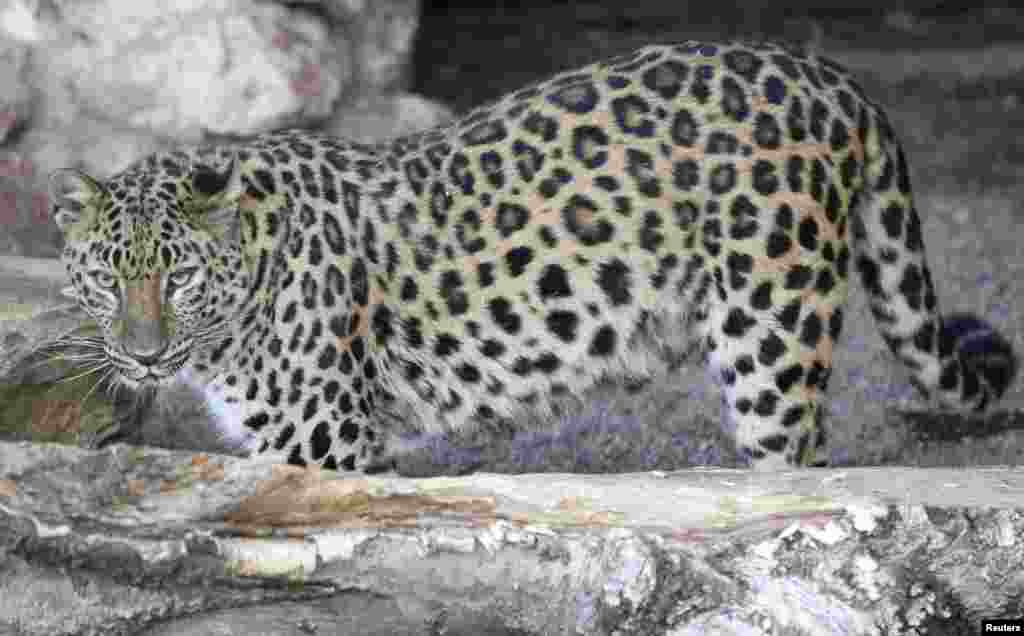
The critically endangered Amur leopard (aka Manchurian leopard) used to be found in large swathes of northeast Asia, but is now only native to the Primorye region in southeastern Russia and Jilin Province in northeastern China. A census carried out in 2007 only succeeded in locating around 30 of these beasts.
3/7 The critically endangered Amur leopard (aka Manchurian leopard) used to be found in large swathes of northeast Asia, but is now only native to the Primorye region in southeastern Russia and Jilin Province in northeastern China. A census carried out in 2007 only succeeded in locating around 30 of these beasts.
Forty years after the Convention on International Trade in Endangered Species of Wild Fauna and Flora ( CITES --> http://www.cites.org/ ) was signed on March 3, 1973, parties to this agreement are meeting in Bangkok this month to discuss further protection for several species that are under threat. Russia is home to many of the animals that are on endangered lists. Although the vast country is rich in biodiversity, many of its most iconic creatures are struggling to survive as they grapple with poaching and a loss of habitat.
The saiga antelope, which is known for its distinctive nose structure, used to inhabit a massive area across the Eurasian steppes. Now it can only be found along the Russian-Kazakh border and it is classified as critically endangered by the International Union for Conservation of Nature (<b><a href="http://www.iucn.org/">IUCN</a></b>). Although there were still around 2 million extant animals in the USSR in the 1950s, <strong><a href="http://newswatch.nationalgeographic.com/2013/02/22/save-the-saiga-poachers-responsible-for-a-dwindling-population/" target="_blank">only around 150,000 remain </a></strong>in the wild today.&nbsp;
4/7 The saiga antelope, which is known for its distinctive nose structure, used to inhabit a massive area across the Eurasian steppes. Now it can only be found along the Russian-Kazakh border and it is classified as critically endangered by the International Union for Conservation of Nature (IUCN). Although there were still around 2 million extant animals in the USSR in the 1950s, only around 150,000 remain in the wild today. 
Forty years after the Convention on International Trade in Endangered Species of Wild Fauna and Flora ( CITES --> http://www.cites.org/ ) was signed on March 3, 1973, parties to this agreement are meeting in Bangkok this month to discuss further protection for several species that are under threat. Russia is home to many of the animals that are on endangered lists. Although the vast country is rich in biodiversity, many of its most iconic creatures are struggling to survive as they grapple with poaching and a loss of habitat.
The distinctive Arctic Beluga whale (aka white whale) are known for their <strong><a href="http://www.rferl.org/content/russian-scientist-talks-about-beluga-captures-practices/24757883.html" target="_blank">impressive vocal abilities</a></strong> as well as for their flexible necks, which are unique among whales and allow them to move their head in all directions. This engaging animal is listed as &quot;near threatened&quot; by the IUCN but some fear its status could worsen if hunting management efforts are not maintained.&nbsp;
5/7 The distinctive Arctic Beluga whale (aka white whale) are known for their impressive vocal abilities as well as for their flexible necks, which are unique among whales and allow them to move their head in all directions. This engaging animal is listed as "near threatened" by the IUCN but some fear its status could worsen if hunting management efforts are not maintained. 
Forty years after the Convention on International Trade in Endangered Species of Wild Fauna and Flora ( CITES --> http://www.cites.org/ ) was signed on March 3, 1973, parties to this agreement are meeting in Bangkok this month to discuss further protection for several species that are under threat. Russia is home to many of the animals that are on endangered lists. Although the vast country is rich in biodiversity, many of its most iconic creatures are struggling to survive as they grapple with poaching and a loss of habitat.
6/7
Forty years after the Convention on International Trade in Endangered Species of Wild Fauna and Flora ( CITES --> http://www.cites.org/ ) was signed on March 3, 1973, parties to this agreement are meeting in Bangkok this month to discuss further protection for several species that are under threat. Russia is home to many of the animals that are on endangered lists. Although the vast country is rich in biodiversity, many of its most iconic creatures are struggling to survive as they grapple with poaching and a loss of habitat.
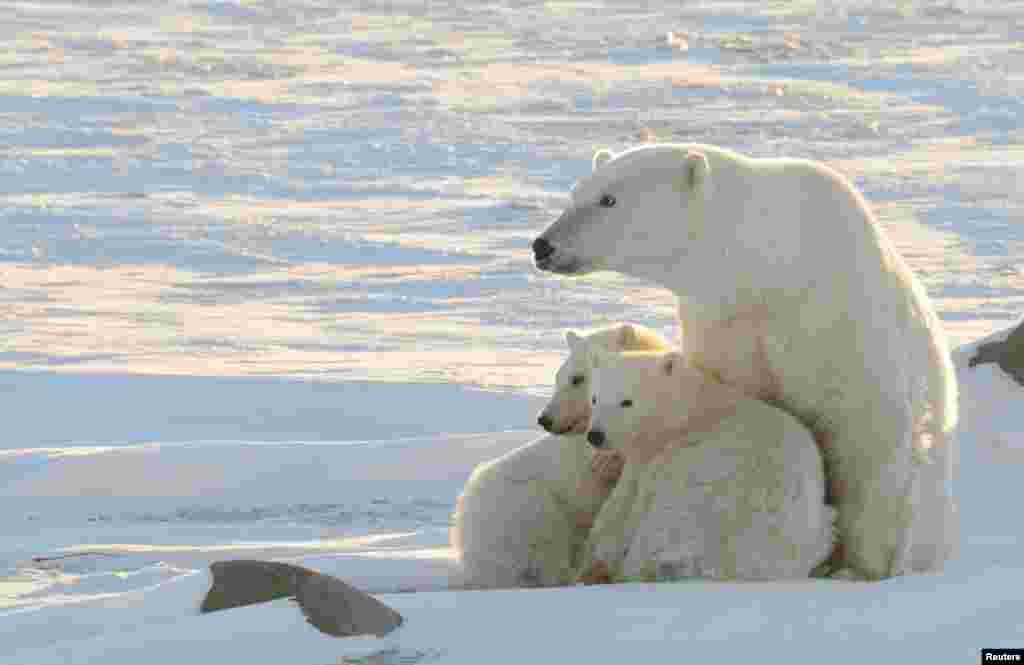
The iconic polar bear is the world&#39;s largest land predator with some specimens weighing up to 800 kilograms. The IUCN estimated that its population worldwide was 20,000-25,000 in 2008 but has listed it as &quot;vulnerable&quot; because of threats posed by climate change, which could seriously reduce its habitat.
7/7 The iconic polar bear is the world's largest land predator with some specimens weighing up to 800 kilograms. The IUCN estimated that its population worldwide was 20,000-25,000 in 2008 but has listed it as "vulnerable" because of threats posed by climate change, which could seriously reduce its habitat.
Forty years after the Convention on International Trade in Endangered Species of Wild Fauna and Flora ( CITES --> http://www.cites.org/ ) was signed on March 3, 1973, parties to this agreement are meeting in Bangkok this month to discuss further protection for several species that are under threat. Russia is home to many of the animals that are on endangered lists. Although the vast country is rich in biodiversity, many of its most iconic creatures are struggling to survive as they grapple with poaching and a loss of habitat.
Previous slide
Next slide
The head of the United Nations environment agency has called on the international community to fight the illegal wildlife trade.

Achim Steiner, speaking in Bangkok, said a massive rise in the poaching of endangered African elephants and rhinos for their tusks and horns should be a “wake-up call” for the world.

Steiner said the illicit trade in protected wildlife species generates billions of dollars a year, making it comparable to illegal drugs and weapons sales.

The UN official was speaking at the opening meeting of the 178-nation Convention on International Trade in Endangered Species (CITES).

The convention has granted protected status to some 35,000 species of plants and animals, including sharks, tigers, and polar bears.

With reporting by AP
XS
SM
MD
LG