














Sunday, May 27, 2012


Fast Facts

  • RFE/RL's North Caucasus Service reports the news in one of the most violent and dangerous regions in the world where media freedom and journalists remain under severe threat.
  • Languages: Avar, Chechen, Circassian
  • Coverage: Two hours daily
  • Established: 2002
  • Distribution: Radio (SW, Satellite)
  • Location: Prague headquarters
  • Staff: 10 (Prague), 25 stringers
  • The only international broadcaster to provide objective news and analysis to the North Caucasus in Chechen, Circassian and Avar.
 

Media Environment

  • Freedom House Freedom of the Press Index, 2010: Not Free (175th/196)
  • Reporters Without Borders Press Freedom Index, 2009: 153rd/175
  • Media outlets in the North Caucasus face the same limitations as those elsewhere in Russia, with the additional hazard of being located in one of the most violent and dangerous regions in the world. Assassinations and bombings by both Islamist rebels and Russian security forces are common, and anyone viewed as a potential threat can be imprisoned at the whim of the region’s strongmen. Chechnya has yet to recover from the two devastating wars with Russia in the 1990s, and ethnic tensions throughout the region remain high.

History

  • The North Caucasus Service launched its first broadcast on April 3, 2002.
  • Service broadcasts were initially 15-minute segments in Avar, Chechen, Circassian, and Russian languages, but the Russian segment was dropped in favor of three 20-minute segments in the three other languages.


Highlights

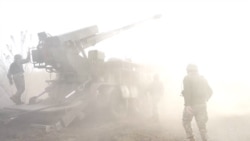
  • The North Caucasus Service reported regularly on the course of hostilities during the five-day Russo-Georgian conflict in 2008, complementing eyewitness reports with Russian and Ossetian accounts. The service was widely praised for informing audiences in the North Caucasus of the war’s developments.
  • The North Caucasus Service is often the only media outlet to report on human rights abuses in the region. In one prominent case in July 2008, it reported that security forces in Daghestan killed four people, including a pregnant woman, on the mere suspicion that they sympathized with the resistance.
  • Correspondent Aslanbaek Dadayev was awarded the David Burke Award in 2005 for his reporting on the Beslan school hostage crisis. He was one of the few correspondents to witness the hostage tragedy from beginning to end. An ethnic Chechen, he took an enormous risk just by working in the area, and his reportage of the events in Belsan was among the best offered by any media outlet.
  • In March 2005, the North Caucasus Service interviewed Chechen President Aslan Maskhadov, in what was the last time he spoke to the media before he was killed days later. The service was also the first and only media outlet to interview his successor, Abdul-Khalim Sadullayev.

Facts & Stats

​​

CHECHNYA

Population

1,103,686 (2002 estimate)

Ethnic Groups:
Chechen 93.5%
Russian 3.7%
Kumyk 0.8%
Ingush and others 2%

Religions:
Sunni Muslim, Eastern Orthodox

Languages:
Chechen, Russian, others

DAGHESTAN

Population
2,576,531 (2002)

Ethnic Groups:
Northeast Caucasians 75%
(Avar, Dargin, Lezgin, and others)
Turkic and others 20%
(Kumyk, Nogai, Azeri, and others)
Russian 5%

Religions:
Muslim 90.4%
Eastern Orthodox and other 9.6%

Languages:
Russian, over 30 others

INGUSHETIA

Population
467,294 (2002)

Ethnic Groups:
Ingush 77.3%
Chechen 20.4%
Russian 1.2%
other 1.1%

Religions:
Sunni Muslim, Eastern Orthodox

Langagues:
Ingush, Russian

KABARDINO-BALKARIA

Population

901,494 (2002)

Ethnic Groups:
Kabardin 55.3%
Russian 25.1%
Balkar 11.6%
other 76%

Religions:
Sunni Muslim, Eastern Orthodox

Languages:
Kabardin, Balkar, Russian

KARACHAYEVO-CHERKESSIA

Population
439,470 (2002)

Ethnic Groups:
Karachai 38.5%
Russian 33.6%
Cherkess 11.3%
Abazin 7.4%
Nogai 3.4%
other 5.8%

Religions:
Sunni Muslim, Eastern Orthodox

Languages:
Karachai, Cherkess, Russian, others