




(RFE/RL) -- U.S. Deputy Secretary of State James Steinberg and Swedish Foreign Minister Carl Bildt have urged members of Bosnia-Herzegovina's tripartite Presidency to work together to solve a constitutional crisis that threatens to destabilize the country.
Gathering at the EU's military base on the outskirts of Sarajevo, the two top envoys met with seven Bosnian leaders, including Bosnian Serb Prime Minister Milorad Dodik, Muslim officials Haris Silajdzic and Sulejman Tihic, and Bozo Ljubic, the head of Bosnia's Croatian Democratic Community party.
Following the meeting at Camp Butmir, the headquarters of the EU's 2,000-strong peacekeeping force, Bildt told journalists, "We have come here, representatives of the European Union as well as the United States, in order to say to the leaders of Bosnia that now is really the time to join the rest of the region in moving forward with European, Euro-Atlantic integration."
Bildt, whose country holds the EU Presidency, said the meeting would be followed by "continued deliberation inside the political parties, between the political parties and between them and us in the days to come."
He said a new meeting with the same participants, including EU Enlargement Commissioner Olli Rehn, is scheduled to be held in Sarajevo on October 20.
U.S. diplomat Steinberg said all sides appear to feel the urgency of the moment.
"I come away from these discussions believing that there is a broad recognition, both among the parties we talked to and in the country more generally, that we face a critical time in Bosnia-Herzegovina's future," Steinberg said.
"A critical time that offers both an opportunity to accelerate Bosnia-Herzegovina's Euro-Atlantic integration or, if we fail to take advantage of this moment, continue the stalemate that will not only prevent progress but risk the ability of Bosnia and Herzegovina to move forward and meet the urgent challenges ahead."
For his part, Bosnian Serb leader Dodik said, "We think that there is no need to change the constitution, but our parliament made a decision that we take part in the talks. "
Tihic, a former member of the tripartite Presidency and the current head of the Party of Democratic Action (SDA), said: "The issue of state property was discussed. There is a promise that if we get an agreement by the end of the year, Bosnia will be able to apply for a position of a candidate for the EU membership, will join the Schengen 'white list' and it will be on the road to join NATO."
Bosnian Croat leader Ljubic said he "presented the proposals for constitutional changes the are to be discussed in next week or 10 days with representatives of EU and U.S. and if that is going to be included, we can be part of solution."
At the heart of the crisis are disagreements between the ethnic Serbian, Muslim, and Croatian leaders over how to reach compromises on key issues such as constitutional reform.
'Things Have Run Aground'
Gordana Knezevic, the head of RFE/RL's Balkan Service, says that powerful politicians among all three ethnic groups are trying to shape constitutional reform to suit their own interests.
"Things have run aground due to the quarrel over changing the constitution of Bosnia-Herzegovina. The constitution has to be changed in order to move Bosnia from being a protectorate of the international community into the status of a sovereign state, if Bosnia is to have any hope of one day joining the EU," Knezevic says. "But any change of constitution is rejected by those who fear they will lose the power they have under the current arrangement.”
 One of the most vocal critics has been Milorad Dodik, the prime minister of Bosnia's Serb entity, the Republika Srbska. Dodik has threatened to withdraw his entity's cooperation in Bosnia's federal institutions if the constitutional changes fail to preserve the substantial autonomy the Republika Srbska now enjoys.
Bosnia-Herzegovina unites the Republika Srbska with the Muslim-Croat Federation in terms agreed under the U.S.-brokered Dayton accords, which ended the four-year Bosnian War in 1995.
In recent months both Bosnian Muslim and Croat politicians have also expressed reservations about redefining the constitution to increase the powers of the central government.
Knezevic notes that many of those who rose to power during the war or the chaotic years that followed fear that a strong constitution and institutions more in line with those of the EU could jeopardize their positions.
But the constitutional crisis comes as only the latest sign of a generally disintegrating political order in Bosnia that has increasingly worried the international community.
During the first 10 years following the Dayton agreement, the country made several notable steps toward unification. A big achievement was the consolidation of Bosnian armed forces under the impetus of NATO. There is also today a functional, if not completely unified, police force.
But in recent years, progress toward unification has slowed dramatically, partly in response to a worsening economic situation and growing nationalism.
Since November 2008, more than 21,000 Bosnians have lost their jobs, an alarming development in a country already faced with 40 percent unemployment.
Deepened Economic Ties
The Republika Srbska, meanwhile, has deepened its economic ties to Serbia and threatened to stop cooperating with Bosnia's national electricity distributor, Elektropronos.
The international community's top official in Bosnia, High Representative Valentin Inzko, has attempted to bring the Serbs back in line to keep the power grid operational. But that has only fueled the threats by Bosnian Serbs to withdraw from federal institutions altogether.
The Republika Srpska is not the only problem. Croats in the Muslim-Croat Federation have drawn closer to Croatia. Some politicians have even revived calls for autonomy for Bosnia's Croats, like that enjoyed by Serbs in the Republika Srpska.
The tensions in Bosnia will be dramatically illustrated today as representatives of the Republika Srbska and the Muslim-Croat Federation are brought together at Camp Butmir.
The camp is located on the unmarked boundary between the two entities and has two entrances. The Bosnian Serb delegates will arrive by the entrance on their side of the line, Muslims and Croats from the other.
Gathering at the EU's military base on the outskirts of Sarajevo, the two top envoys met with seven Bosnian leaders, including Bosnian Serb Prime Minister Milorad Dodik, Muslim officials Haris Silajdzic and Sulejman Tihic, and Bozo Ljubic, the head of Bosnia's Croatian Democratic Community party.
Following the meeting at Camp Butmir, the headquarters of the EU's 2,000-strong peacekeeping force, Bildt told journalists, "We have come here, representatives of the European Union as well as the United States, in order to say to the leaders of Bosnia that now is really the time to join the rest of the region in moving forward with European, Euro-Atlantic integration."
Bildt, whose country holds the EU Presidency, said the meeting would be followed by "continued deliberation inside the political parties, between the political parties and between them and us in the days to come."
He said a new meeting with the same participants, including EU Enlargement Commissioner Olli Rehn, is scheduled to be held in Sarajevo on October 20.
U.S. diplomat Steinberg said all sides appear to feel the urgency of the moment.
"I come away from these discussions believing that there is a broad recognition, both among the parties we talked to and in the country more generally, that we face a critical time in Bosnia-Herzegovina's future," Steinberg said.
"A critical time that offers both an opportunity to accelerate Bosnia-Herzegovina's Euro-Atlantic integration or, if we fail to take advantage of this moment, continue the stalemate that will not only prevent progress but risk the ability of Bosnia and Herzegovina to move forward and meet the urgent challenges ahead."
For his part, Bosnian Serb leader Dodik said, "We think that there is no need to change the constitution, but our parliament made a decision that we take part in the talks. "
Tihic, a former member of the tripartite Presidency and the current head of the Party of Democratic Action (SDA), said: "The issue of state property was discussed. There is a promise that if we get an agreement by the end of the year, Bosnia will be able to apply for a position of a candidate for the EU membership, will join the Schengen 'white list' and it will be on the road to join NATO."
Bosnian Croat leader Ljubic said he "presented the proposals for constitutional changes the are to be discussed in next week or 10 days with representatives of EU and U.S. and if that is going to be included, we can be part of solution."
At the heart of the crisis are disagreements between the ethnic Serbian, Muslim, and Croatian leaders over how to reach compromises on key issues such as constitutional reform.
'Things Have Run Aground'
Gordana Knezevic, the head of RFE/RL's Balkan Service, says that powerful politicians among all three ethnic groups are trying to shape constitutional reform to suit their own interests.
"Things have run aground due to the quarrel over changing the constitution of Bosnia-Herzegovina. The constitution has to be changed in order to move Bosnia from being a protectorate of the international community into the status of a sovereign state, if Bosnia is to have any hope of one day joining the EU," Knezevic says. "But any change of constitution is rejected by those who fear they will lose the power they have under the current arrangement.”
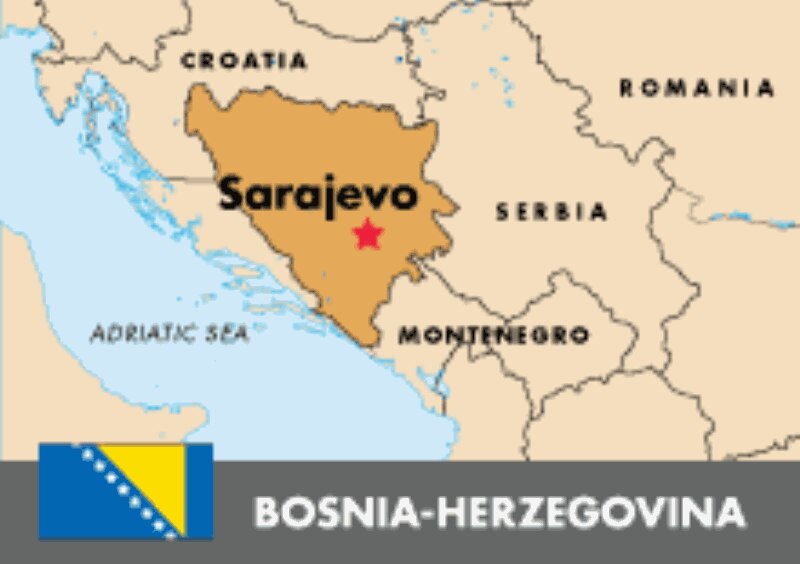
Bosnia-Herzegovina unites the Republika Srbska with the Muslim-Croat Federation in terms agreed under the U.S.-brokered Dayton accords, which ended the four-year Bosnian War in 1995.
In recent months both Bosnian Muslim and Croat politicians have also expressed reservations about redefining the constitution to increase the powers of the central government.
Knezevic notes that many of those who rose to power during the war or the chaotic years that followed fear that a strong constitution and institutions more in line with those of the EU could jeopardize their positions.
But the constitutional crisis comes as only the latest sign of a generally disintegrating political order in Bosnia that has increasingly worried the international community.
During the first 10 years following the Dayton agreement, the country made several notable steps toward unification. A big achievement was the consolidation of Bosnian armed forces under the impetus of NATO. There is also today a functional, if not completely unified, police force.
But in recent years, progress toward unification has slowed dramatically, partly in response to a worsening economic situation and growing nationalism.
Since November 2008, more than 21,000 Bosnians have lost their jobs, an alarming development in a country already faced with 40 percent unemployment.
Deepened Economic Ties
The Republika Srbska, meanwhile, has deepened its economic ties to Serbia and threatened to stop cooperating with Bosnia's national electricity distributor, Elektropronos.
The international community's top official in Bosnia, High Representative Valentin Inzko, has attempted to bring the Serbs back in line to keep the power grid operational. But that has only fueled the threats by Bosnian Serbs to withdraw from federal institutions altogether.
The Republika Srpska is not the only problem. Croats in the Muslim-Croat Federation have drawn closer to Croatia. Some politicians have even revived calls for autonomy for Bosnia's Croats, like that enjoyed by Serbs in the Republika Srpska.
The tensions in Bosnia will be dramatically illustrated today as representatives of the Republika Srbska and the Muslim-Croat Federation are brought together at Camp Butmir.
The camp is located on the unmarked boundary between the two entities and has two entrances. The Bosnian Serb delegates will arrive by the entrance on their side of the line, Muslims and Croats from the other.