


I remember it very clearly. It was April 30, 1992, and I'd finally gotten fed up with the daily Serbian shelling of Sarajevo. So I left the city and went to stay with a relative in Belgrade. She was happy to see me, but incredulous when I told her why I was there. Despite my stories, she chose to believe Serbian State Television, which told her all was quiet in Bosnia-Herzegovina.
Today, more than 16 years later, she is fully aware of the crimes that were committed in her name. But there are many others in Serbia and across the Balkans who are not.
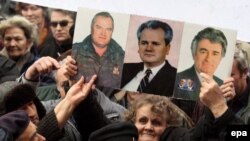
Recently a Serbian page on the social-networking website Facebook was launched that openly promotes hatred, glorifies the infamous act of genocide carried out in Srebrenica in July 1995, and praises indicted war criminal and wartime Bosnian Serb military commander Ratko Mladic. The site invites all those who think "Muslims are best on a barbeque or swimming in sulfuric acid" to join them. And more than 1,000 youngsters have done so already.
In Bosnia, another Facebook page was quickly set up calling on the authorities in Belgrade to react and to prevent the spread of hate speech by closing down the Serbian page. Some 8,000 people signed in support of this demand.
It might seem that 1,000 people signing up to this call for hatred isn't that many, especially considering the torrent of hate propaganda that people in Serbia are exposed to. After all, every country has racist haters. The key in Serbia is how the authorities are reacting and will react.
"This crime is not under our jurisdiction," Special Prosecutor for Organized Crime Radoje Gvozdenovic told RFE/RL. His office last year launched an initiative to combat Internet hate crimes, but it has been stalled by the Justice Ministry.
Rejecting Tolerance
This latest Facebook war, though, is only the tip of the iceberg. It's easy to find many websites promoting ethnic hatred against Serbs as well. Sports stadiums across Serbia, Croatia, and Bosnia are festooned with slogans of hatred. And, as a rule, the authorities are passive.
It is a far cry from Tito's Yugoslavia, where the authorities had zero tolerance for hatred. The state media were relentless for half a century in pushing the idea of brotherhood and unity throughout the region. Most people in the Balkans dreamed of peace and coexistence.
But it only took Slobodan Milosevic, Croatian leader Franjo Tudjman, and others a few years to destroy that harmony. The ghosts of ancient conflicts were dredged up and soon were haunting the Balkans. Everyone spoke of revenge. People who previously didn't dare to speak out were suddenly lionized. Hatred became the dominant ideology of the region. Those who urged tolerance were viewed as ethnic traitors and hounded until they either relented or fled the country.
Of all the Balkan countries, Croatia so far has done the best job of coming to terms with its past and confessing the war crimes that were committed. All indicted war criminals from Croatia have been arrested and handed over to international prosecutors. The Croatian media regularly runs stories about war crimes committed by all sides, including those committed by Croatian forces.
In general, the authorities are dealing effectively with the past. Although their actions might not be enough to satisfy the European Union, they are certainly better than what Bosnia and Serbia have done.
Last week, Milorad Dodik, the prime minister of the Republika Srpska (the ethnic-Serbian entity of Bosnia-Herzegovina), said that the "Republika Srpska will not be judged by Muslims!" Dodik said later that international media and embassies had misunderstood his statement and "colored it negatively." In most countries, such a gaffe would be enough to force a resignation -- in the Republika Srpska, Dodik will likely be considered a hero.
Serbian Denial
Serbia, of course, did extradite Radovan Karadzic this year and the government in Belgrade deserves credit for that. But Bosnian Serb wartime commander Ratko Mladic and former Croatian Serb leader Goran Hradzic -- both indicted by The Hague tribunal -- are still at large.
The Belgrade daily "Politika" recently published a feuilleton by Serbian nationalist ideologue Dobrica Cosic claiming that former Bosnian Muslim leader Alija Izetbegovic was responsible for the massacre of Muslims at Srebrenica. "During the brutal war in Bosnia," Cosic asserts, "only the Bosnian Serb military command behaved with honor and chivalry."
Recently, two ethnic-Albanian boxers were asked by the sports minister to write a "statement of loyalty" to Serbia before they could be granted the pensions they had earned. The mayor of Belgrade refused to receive the Croatian ambassador to Serbia. A prominent Serbian opposition leader says repeatedly that the border between Serbia and Croatia is only temporary. A recent poll found that 60 percent of Serbians have no idea why Karadzic was indicted.
In short, Serbs do not know about the war crimes committed in their name and, it seems, they have no desire to know about them. They know that they supported Milosevic and his cronies. It is easier fro them to plead ignorance than to admit complicity.
It would be wrong to say all the tensions in the former Yugoslav states originate in Serbia. All ethnic groups in the region have a tendency to emphasize their own victimization and whitewash their crimes. But the roots of this mind-set are deepest in Serbia, where the past has been actively mythologized and a totalitarian state purged all dissonant voices.
The tendency to quash dissent on these issues is still very strong there. The prominent Serbian writer Filip David has counted more than 100 anti-Semitic books published in Serbia in the last year, including Adolf Hitler's "Mein Kampf" and a gem called "The Kingdom Of Hazar," which lists the family names of suspect Jews.
At least 120,000 people were killed during the wars in the former Yugoslavia. Some 17,000 people are still missing. The International Criminal Tribunal for the former Yugoslavia (ICTY) has indicted 161 people and 23 are currently on trial in The Hague. Some 200 people are facing war crimes charges in the various countries of the former Yugoslavia.
But the rhetoric across the region is becoming increasingly heated. The international community periodically pats itself on the back for establishing peace in the Balkans, and there have been moving examples of real reconciliation. But overall, the situation is more like a cease-fire than a peace. As Filip David has said, "You cannot talk about reconciliation with a portrait of Slobodan Milosevic hanging on the wall."
Nenad Pejic is associate director of broadcasting at RFE/RL. The views expressed in this commentary are the author's own and do not necessarily reflect those of RFE/RL
Today, more than 16 years later, she is fully aware of the crimes that were committed in her name. But there are many others in Serbia and across the Balkans who are not.
Recently a Serbian page on the social-networking website Facebook was launched that openly promotes hatred, glorifies the infamous act of genocide carried out in Srebrenica in July 1995, and praises indicted war criminal and wartime Bosnian Serb military commander Ratko Mladic. The site invites all those who think "Muslims are best on a barbeque or swimming in sulfuric acid" to join them. And more than 1,000 youngsters have done so already.
In Bosnia, another Facebook page was quickly set up calling on the authorities in Belgrade to react and to prevent the spread of hate speech by closing down the Serbian page. Some 8,000 people signed in support of this demand.
It might seem that 1,000 people signing up to this call for hatred isn't that many, especially considering the torrent of hate propaganda that people in Serbia are exposed to. After all, every country has racist haters. The key in Serbia is how the authorities are reacting and will react.
"This crime is not under our jurisdiction," Special Prosecutor for Organized Crime Radoje Gvozdenovic told RFE/RL. His office last year launched an initiative to combat Internet hate crimes, but it has been stalled by the Justice Ministry.
Rejecting Tolerance
This latest Facebook war, though, is only the tip of the iceberg. It's easy to find many websites promoting ethnic hatred against Serbs as well. Sports stadiums across Serbia, Croatia, and Bosnia are festooned with slogans of hatred. And, as a rule, the authorities are passive.
It is a far cry from Tito's Yugoslavia, where the authorities had zero tolerance for hatred. The state media were relentless for half a century in pushing the idea of brotherhood and unity throughout the region. Most people in the Balkans dreamed of peace and coexistence.
But it only took Slobodan Milosevic, Croatian leader Franjo Tudjman, and others a few years to destroy that harmony. The ghosts of ancient conflicts were dredged up and soon were haunting the Balkans. Everyone spoke of revenge. People who previously didn't dare to speak out were suddenly lionized. Hatred became the dominant ideology of the region. Those who urged tolerance were viewed as ethnic traitors and hounded until they either relented or fled the country.
Of all the Balkan countries, Croatia so far has done the best job of coming to terms with its past and confessing the war crimes that were committed. All indicted war criminals from Croatia have been arrested and handed over to international prosecutors. The Croatian media regularly runs stories about war crimes committed by all sides, including those committed by Croatian forces.
In general, the authorities are dealing effectively with the past. Although their actions might not be enough to satisfy the European Union, they are certainly better than what Bosnia and Serbia have done.
Last week, Milorad Dodik, the prime minister of the Republika Srpska (the ethnic-Serbian entity of Bosnia-Herzegovina), said that the "Republika Srpska will not be judged by Muslims!" Dodik said later that international media and embassies had misunderstood his statement and "colored it negatively." In most countries, such a gaffe would be enough to force a resignation -- in the Republika Srpska, Dodik will likely be considered a hero.
Serbian Denial
Serbia, of course, did extradite Radovan Karadzic this year and the government in Belgrade deserves credit for that. But Bosnian Serb wartime commander Ratko Mladic and former Croatian Serb leader Goran Hradzic -- both indicted by The Hague tribunal -- are still at large.
The Belgrade daily "Politika" recently published a feuilleton by Serbian nationalist ideologue Dobrica Cosic claiming that former Bosnian Muslim leader Alija Izetbegovic was responsible for the massacre of Muslims at Srebrenica. "During the brutal war in Bosnia," Cosic asserts, "only the Bosnian Serb military command behaved with honor and chivalry."
Recently, two ethnic-Albanian boxers were asked by the sports minister to write a "statement of loyalty" to Serbia before they could be granted the pensions they had earned. The mayor of Belgrade refused to receive the Croatian ambassador to Serbia. A prominent Serbian opposition leader says repeatedly that the border between Serbia and Croatia is only temporary. A recent poll found that 60 percent of Serbians have no idea why Karadzic was indicted.
In short, Serbs do not know about the war crimes committed in their name and, it seems, they have no desire to know about them. They know that they supported Milosevic and his cronies. It is easier fro them to plead ignorance than to admit complicity.
It would be wrong to say all the tensions in the former Yugoslav states originate in Serbia. All ethnic groups in the region have a tendency to emphasize their own victimization and whitewash their crimes. But the roots of this mind-set are deepest in Serbia, where the past has been actively mythologized and a totalitarian state purged all dissonant voices.
The tendency to quash dissent on these issues is still very strong there. The prominent Serbian writer Filip David has counted more than 100 anti-Semitic books published in Serbia in the last year, including Adolf Hitler's "Mein Kampf" and a gem called "The Kingdom Of Hazar," which lists the family names of suspect Jews.
At least 120,000 people were killed during the wars in the former Yugoslavia. Some 17,000 people are still missing. The International Criminal Tribunal for the former Yugoslavia (ICTY) has indicted 161 people and 23 are currently on trial in The Hague. Some 200 people are facing war crimes charges in the various countries of the former Yugoslavia.
But the rhetoric across the region is becoming increasingly heated. The international community periodically pats itself on the back for establishing peace in the Balkans, and there have been moving examples of real reconciliation. But overall, the situation is more like a cease-fire than a peace. As Filip David has said, "You cannot talk about reconciliation with a portrait of Slobodan Milosevic hanging on the wall."
Nenad Pejic is associate director of broadcasting at RFE/RL. The views expressed in this commentary are the author's own and do not necessarily reflect those of RFE/RL