




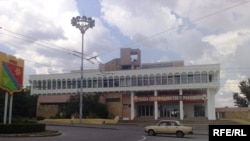
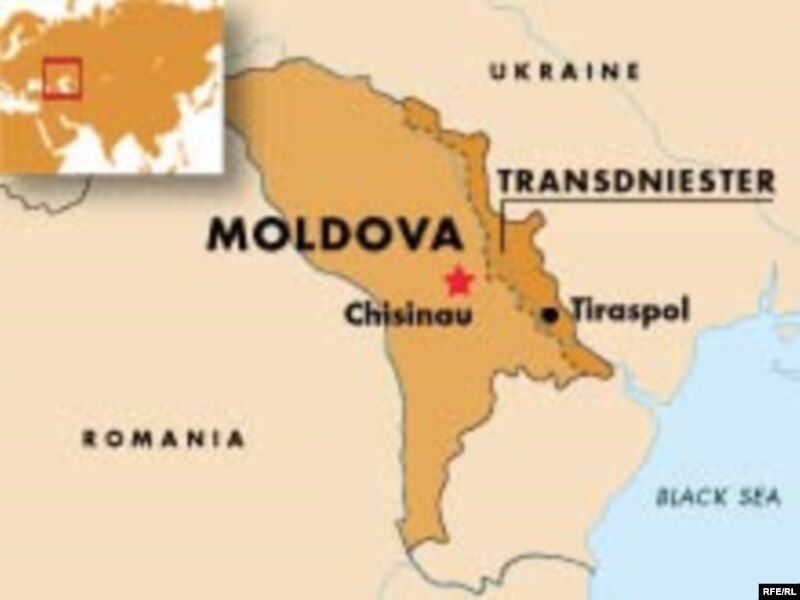
TIRASPOL -- Forlorn concrete apartment blocks greet visitors just across the heavily guarded border of this lush sliver of land along the Dniester River. Elderly men push baby carriages through the half-abandoned streets: it's mostly the very young and old who remain in breakaway Transdniester.
This region split from Moldova soon after the Soviet collapse in 1991, following a brutal war that killed around 1,500 people and ended with the intervention of Russian peacekeepers.
It's been locked in a frozen conflict and seemingly stuck in time ever since, but some believe an opposition victory in Moldova earlier this month could provide a chance to finally settle Transdniester's status.
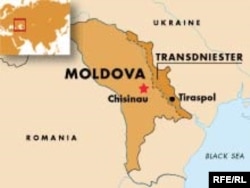 So little has changed in the region, it could be a museum of the Soviet Union, right down to the hammer-and-sickle insignia adorning official buildings.
Near an outdoor market in the border town of Bendery, some new cafes and shops show relative signs of life. But pensioner Larissa Kilmichenka, who sells inexpensive clothes to help make ends meet, says life is indescribably tough.
"I can't support my family on a pension of 400 rubles," she says. "You can't survive on that. It's simply impossible."
Looking To Moscow
Transdniester once produced most of Moldova's industrial output. But now factories stand idle, hit hard by sanctions from Chisinau, which insists Transdniester is part of its sovereign territory. Since last year, the global financial crisis has further wiped out 60 percent of metals and other exports.
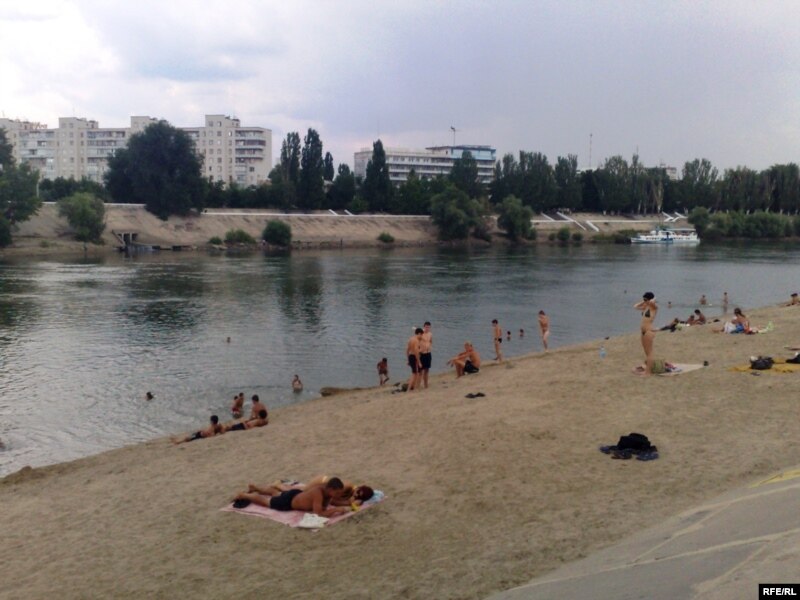
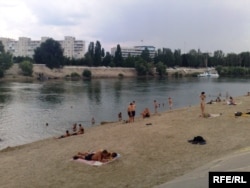 A sleepy day on the beach in TiraspolToday, only financial aid from Russia props up an economy that would otherwise collapse. Crime may also help: the unregulated region is reputed to be a center for traffickers of drugs, arms, and women forced into prostitution.
The median income is around $150 a month. Asked how life here could possibly improve for Transdniester's 400,000 residents, Kilmichenka cites only one option. She says the region must join Russia.
"There's no alternative," she says, "because we won't survive without Russia."
But even ardent Moscow loyalists admit joining Russia requires a stretch of the imagination: the two allies, which don't share a border, are separated by more than 600 kilometers of Ukrainian territory.
Transdniester used to belong to Ukraine until 1939, when it was merged with part of Romania to create Moldova in the Molotov-Ribbentrop Pact between the Soviet Union and Nazi Germany. The agreement is 70 years old this week.
No Compromise
After the Soviet Union collapsed, Transdniestrians backed secession for fear Moldova would rejoin Romania.
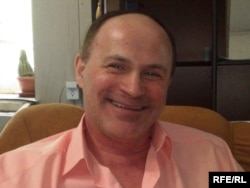 Vladimir PasyutinLocal legislator Vladimir Pasyutin, who owns furniture and agriculture businesses, says Moldova is an artificial state that should be allowed to split apart, and blames the Moldovan authorities for Transdniester's problems.
"We've tried to come to an agreement with Moldova from the very beginning, ever since 1989," he says. "We first began talking about a confederation, and we've always tried to compromise."
But that spirit of compromise can be hard to detect. Most people in Transdniester voted to join Russia in a referendum three years ago, and many were heartened when Moscow recognized two Georgian separatist regions last year.
A statue of Lenin still lords over the barren central square of the capital, Tiraspol. Across a shaky bridge over the Dniester River, teenagers jump into pea-green water on a lazy summer day.
They appear no different from their counterparts elsewhere -- except for the fact that they live in a self-proclaimed republic not recognized by any country. Seventeen-year-old Alyona Timurzina says Transdniester will never again be part of Moldova.
"We don't want to have anything to do with Moldova," she says. "We may have been small during the war, but we remember everything that happened. How our fathers died, for example -- including mine."
Caught In A Trap
But a small handful of residents is deeply pained by Transdniester's refusal to engage with Chisinau. Among them are members of the opposition Social Democratic Party, housed in two rooms of a crumbling one-story residential building near Tiraspol's main square.
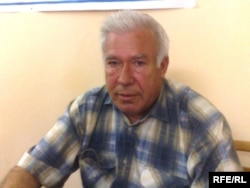 Aleksandr RadchenkoWhite-haired and weary-looking, party head Aleksandr Radchenko says President Igor Smirnov and his allies split from Moldova in 1992 not because of their political convictions, but because they refused to give up communist-era control of the region's lucrative industry.
He says the separatist leaders are still holding Transdniester hostage to their desire to enrich themselves.
"Nonrecognition is a golden paradise," Radchenko says. "The longer it goes on, the better it is for them, even though the people suffer because of it."
Russia maintains hundreds of troops in Transdniester. Many here speak Russian, and the Kremlin has issued Russian passports to thousands of residents.
Radchenko says Moscow's main interest in the region is for maintaining influence over Moldova. He says Transdniester is a pawn in a geopolitical competition with the West.
"Whatever anyone tells you here, Transdniester is the front line of Russia's interests [to the West]," he says. "That's why it appears the conflict in Transdniester will remain frozen for a long time."
New Government To Bring Change?
On-again-off-again talks between Transdniester and Moldova, mediated by international organizations, broke down last year. But the opposition victory in Moldova's parliamentary elections this month appears set to end eight years of Communist Party rule. Some believe Transdniester's leaders will be more willing to talk to a new liberal coalition.
But a change of regime in Chisinau also promises to put Moldova on a path toward European integration, and away from Russian influence -- which others believe may harden the Kremlin's support for Transdniester's separatists.
Back in the town of Bendery, human rights activist Grigory Valovoi says President Smirnov welcomes a large governing coalition in Moldova only because it will be easier to manipulate than the current Communist leaders.
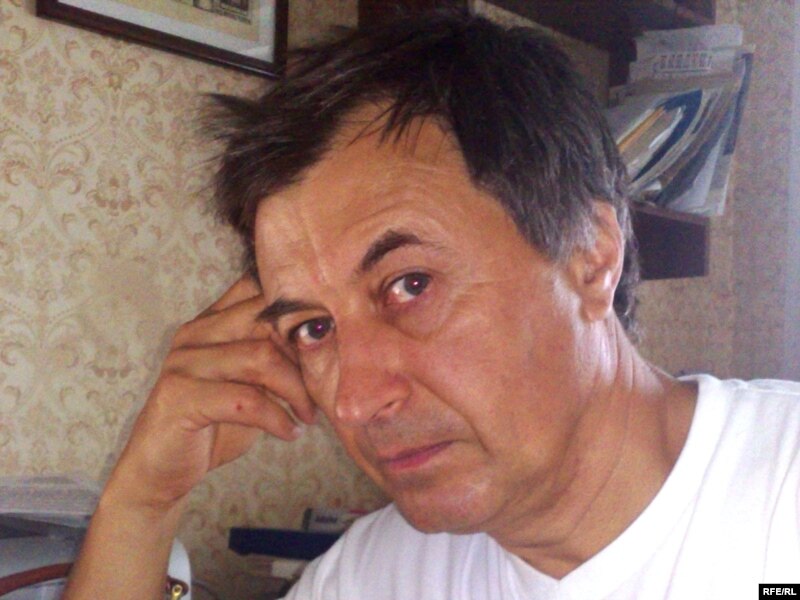
 Grigory Valovoi "The situation in Moldova's parliament will allow Transdniester's authorities only to further drag out the negotiation process," he says.
Valovoi publishes an opposition newspaper and runs Transdniester's only independent radio station from a small apartment on the eighth floor of a decrepit building whose elevator broke down years ago.
He says most people in Transdniester are weary of their isolation and impoverishment. But he doesn't believe change is coming for a population that's fallen by half since 1992, chiefly from migration to other former Soviet republics.
"I don't see a future for this strip of land," Valovoi says. "Most young people want to leave and those who remain don't even remember there was a war in 1992. All they know are the official cliches drilled into them."
Transdniester's frozen conflict will end, Valovoi says, only when Moscow wants it to.
This region split from Moldova soon after the Soviet collapse in 1991, following a brutal war that killed around 1,500 people and ended with the intervention of Russian peacekeepers.
It's been locked in a frozen conflict and seemingly stuck in time ever since, but some believe an opposition victory in Moldova earlier this month could provide a chance to finally settle Transdniester's status.
Near an outdoor market in the border town of Bendery, some new cafes and shops show relative signs of life. But pensioner Larissa Kilmichenka, who sells inexpensive clothes to help make ends meet, says life is indescribably tough.
"I can't support my family on a pension of 400 rubles," she says. "You can't survive on that. It's simply impossible."
Looking To Moscow
Transdniester once produced most of Moldova's industrial output. But now factories stand idle, hit hard by sanctions from Chisinau, which insists Transdniester is part of its sovereign territory. Since last year, the global financial crisis has further wiped out 60 percent of metals and other exports.
The median income is around $150 a month. Asked how life here could possibly improve for Transdniester's 400,000 residents, Kilmichenka cites only one option. She says the region must join Russia.
"There's no alternative," she says, "because we won't survive without Russia."
But even ardent Moscow loyalists admit joining Russia requires a stretch of the imagination: the two allies, which don't share a border, are separated by more than 600 kilometers of Ukrainian territory.
Transdniester used to belong to Ukraine until 1939, when it was merged with part of Romania to create Moldova in the Molotov-Ribbentrop Pact between the Soviet Union and Nazi Germany. The agreement is 70 years old this week.
No Compromise
After the Soviet Union collapsed, Transdniestrians backed secession for fear Moldova would rejoin Romania.

"We've tried to come to an agreement with Moldova from the very beginning, ever since 1989," he says. "We first began talking about a confederation, and we've always tried to compromise."
But that spirit of compromise can be hard to detect. Most people in Transdniester voted to join Russia in a referendum three years ago, and many were heartened when Moscow recognized two Georgian separatist regions last year.
A statue of Lenin still lords over the barren central square of the capital, Tiraspol. Across a shaky bridge over the Dniester River, teenagers jump into pea-green water on a lazy summer day.
They appear no different from their counterparts elsewhere -- except for the fact that they live in a self-proclaimed republic not recognized by any country. Seventeen-year-old Alyona Timurzina says Transdniester will never again be part of Moldova.
"We don't want to have anything to do with Moldova," she says. "We may have been small during the war, but we remember everything that happened. How our fathers died, for example -- including mine."
Caught In A Trap
But a small handful of residents is deeply pained by Transdniester's refusal to engage with Chisinau. Among them are members of the opposition Social Democratic Party, housed in two rooms of a crumbling one-story residential building near Tiraspol's main square.

He says the separatist leaders are still holding Transdniester hostage to their desire to enrich themselves.
"Nonrecognition is a golden paradise," Radchenko says. "The longer it goes on, the better it is for them, even though the people suffer because of it."
Russia maintains hundreds of troops in Transdniester. Many here speak Russian, and the Kremlin has issued Russian passports to thousands of residents.
Radchenko says Moscow's main interest in the region is for maintaining influence over Moldova. He says Transdniester is a pawn in a geopolitical competition with the West.
"Whatever anyone tells you here, Transdniester is the front line of Russia's interests [to the West]," he says. "That's why it appears the conflict in Transdniester will remain frozen for a long time."
New Government To Bring Change?
On-again-off-again talks between Transdniester and Moldova, mediated by international organizations, broke down last year. But the opposition victory in Moldova's parliamentary elections this month appears set to end eight years of Communist Party rule. Some believe Transdniester's leaders will be more willing to talk to a new liberal coalition.
But a change of regime in Chisinau also promises to put Moldova on a path toward European integration, and away from Russian influence -- which others believe may harden the Kremlin's support for Transdniester's separatists.
Back in the town of Bendery, human rights activist Grigory Valovoi says President Smirnov welcomes a large governing coalition in Moldova only because it will be easier to manipulate than the current Communist leaders.
Valovoi publishes an opposition newspaper and runs Transdniester's only independent radio station from a small apartment on the eighth floor of a decrepit building whose elevator broke down years ago.
He says most people in Transdniester are weary of their isolation and impoverishment. But he doesn't believe change is coming for a population that's fallen by half since 1992, chiefly from migration to other former Soviet republics.
"I don't see a future for this strip of land," Valovoi says. "Most young people want to leave and those who remain don't even remember there was a war in 1992. All they know are the official cliches drilled into them."
Transdniester's frozen conflict will end, Valovoi says, only when Moscow wants it to.