




One spring day about 20 years ago, I entered the building of Serbian State Television in Belgrade to file a report for Sarajevo television. As I prepared to file my daily report, someone stopped me and said an order had come "from above" that my reports had to be approved prior to transmission. The day before, a documentary I'd done on the situation in Kosovo had aired and apparently the people "above" didn't like it.
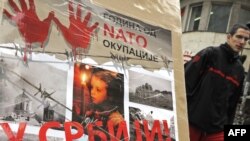
Ten years ago today, NATO launched air strikes against Serbia. The 78-day war ended with the Serbian Army's withdrawal from Kosovo. Various sources say that between 1,200 and 2,500 people were killed. NATO suffered no casualties and did not use ground forces.
But now, a decade later, who can claim victory?
NATO forced the Serbian withdrawal and some 800,000 ethnic Albanians who had fled the region were able to return. The bloc prevented the crisis from pouring over into neighboring countries. Kosovo declared its independence from Serbia on February 17, 2008, and to date 54 countries have recognized the new state.
Serbia could claim victory, too, of a sort. Strongman Slobodan Milosevic was finally defeated. Democratic elections were held, and Serbia today is moving toward EU integration. Voters have handed the nationalist parties that organized violent protests against Kosovo's independence last year a series of defeats.
But, so far at least, this isn't one of those happily-ever-after stories.
NATO's action against Serbia created a precedent that the alliance is still trying to grapple with as part of its large post-Cold War identity crisis.
Kosovo's independence still hasn't been recognized by two-thirds of the countries in the world and, according to Serbian sources, about 200,000 ethnic Serbs have left the region. (Pristina denies this.) The central government in Pristina is still struggling to assert control over the entire territory of the country.
Simmering Anger
In Serbia, Milosevic's party is back in power and familiar nationalist rhetoric still predominates. The government line on the NATO air strikes has not changed over the last decade: the attacks were illegal; the deaths of Serbian civilians were not justified; the country's sovereignty was violated; and so on. You never hear mention of the hundreds of thousands of ethnic Albanians who had been chased out of the region by Serbian forces. As the editor of a Belgrade online newspaper put it recently, the official speeches spend all their time remembering that Serbia was bombed but never mention why Serbia was bombed.
Serbia continues to resist any gesture that indicates recognition of Kosovo. Belgrade boycotts international meetings to which delegates from Kosovo are invited. It is pursuing a case before the International Court of Justice (ICJ) asking that Kosovo's independence declaration be nullified. Officials in Serbia say Belgrade will never recognize an independent Kosovo.
Of course, Serbia has the right to oppose Kosovar independence by any legal means, and there are indications that some changes are taking place behind the scenes. Official Serbian policy has renounced violence and the creation of parallel institutions in the ethnic-Serb-majority parts of Kosovo. The new government in Belgrade has discontinued the policy of paying public-sector workers in Kosovo double salaries. Serbia has said it is open to cooperation with Kosovo on rebuilding cultural institutions and will not block Kosovo's bid to join the International Monetary Fund (IMF).
But violence does take place, and parallel institutions continue to exist. Officials in Belgrade say that some political parties support violence and finance activities in Kosovo, but the Serbian government no longer does.
Still, the media in Serbia and many political leaders remain in a state of denial about the country's recent past. Last week, the Serbian parliament speaker wished former Bosnian Serb wartime leader Ratko Mladic -- who is an indicted war criminal and a fugitive -- a happy birthday and all the deputies in the chamber applauded. The human rights violations, rapes, murders, and other atrocities committed by Serbian forces in Kosovo remain largely unknown and undiscussed among Serbs.
Painful Prejudices
Belgrade has announced plans to indict those it says are responsible for the deaths of soldiers during the withdrawal from Sarajevo in May 1992, but it says nothing about why Serbian forces had spent the previous month shelling the city. When the ICJ ruled in 2007 that Bosnia had not proven that Serbia was guilty of genocide during the war, Serbian media widely reported the story. But media failed to report that the court said Serbia had failed to do everything it could to prevent the genocide.
Mladic remains at large and Serbia remains in denial about the massacre of Bosnian Muslims at Srebrenica. Schoolchildren are taught about crimes committed against Serbs, but not about crimes committed by Serbs. This policy of denial has created an alarming situation among young Serbs. A 2007 poll of youths found that more than 30 percent say "there is no need" to be acquainted with ethnic Albanians. Fifty percent think the Cyrillic alphabet should be given preference to the Latin alphabet. Twenty-five percent "cannot imagine" having sex with a member of another ethnic group, and 20 percent expressed a desire to live in an ethnically pure state. It is unlikely these figures have improved since the poll was taken.
To be fair, I should say it is likely the responses would be similar among ethnic-Albanian youths in Kosovo. I shudder to think what these attitudes mean for the region when this generation takes over political power.
It would be too much to expect Belgrade to recognize Kosovo's independence, just as it would be too much to expect Kosovo to seek closer ties with Serbia. But if leaders in the two countries could somehow create a chink in the wall separating their nations, they would find ample evidence that the mutual interests of ethnic Serbs and ethnic Albanians remain strong. The two countries remain key trading partners in agriculture, energy, and labor. They have common needs in education, health care, and pensions. They have vital mutual interests in combating trafficking and organized crime.
But not many leaders want to see these facts. The rare leader who does is quickly labeled a "traitor," as happened to Cedomir Jovanovic last weekend. Jovanovic is the leader of Serbia's Liberal Democratic Party, who is known for speaking openly about the role Serbia played in the Balkan wars and about crimes committed by Serbs. Three young men tried to attack his car, but Jovanovich managed to escape, together with his wife and three children.
Serbian television briefly reported the event, but not the context. Serbia's state of denial continues.
Nenad Pejic is associate director of broadcasting for RFE/RL. The views expressed in this commentary are the author's own and do not necessarily reflect those of RFE/RL
Ten years ago today, NATO launched air strikes against Serbia. The 78-day war ended with the Serbian Army's withdrawal from Kosovo. Various sources say that between 1,200 and 2,500 people were killed. NATO suffered no casualties and did not use ground forces.
But now, a decade later, who can claim victory?
NATO forced the Serbian withdrawal and some 800,000 ethnic Albanians who had fled the region were able to return. The bloc prevented the crisis from pouring over into neighboring countries. Kosovo declared its independence from Serbia on February 17, 2008, and to date 54 countries have recognized the new state.
Serbia could claim victory, too, of a sort. Strongman Slobodan Milosevic was finally defeated. Democratic elections were held, and Serbia today is moving toward EU integration. Voters have handed the nationalist parties that organized violent protests against Kosovo's independence last year a series of defeats.
But, so far at least, this isn't one of those happily-ever-after stories.
NATO's action against Serbia created a precedent that the alliance is still trying to grapple with as part of its large post-Cold War identity crisis.
Kosovo's independence still hasn't been recognized by two-thirds of the countries in the world and, according to Serbian sources, about 200,000 ethnic Serbs have left the region. (Pristina denies this.) The central government in Pristina is still struggling to assert control over the entire territory of the country.
Simmering Anger
In Serbia, Milosevic's party is back in power and familiar nationalist rhetoric still predominates. The government line on the NATO air strikes has not changed over the last decade: the attacks were illegal; the deaths of Serbian civilians were not justified; the country's sovereignty was violated; and so on. You never hear mention of the hundreds of thousands of ethnic Albanians who had been chased out of the region by Serbian forces. As the editor of a Belgrade online newspaper put it recently, the official speeches spend all their time remembering that Serbia was bombed but never mention why Serbia was bombed.
Serbia continues to resist any gesture that indicates recognition of Kosovo. Belgrade boycotts international meetings to which delegates from Kosovo are invited. It is pursuing a case before the International Court of Justice (ICJ) asking that Kosovo's independence declaration be nullified. Officials in Serbia say Belgrade will never recognize an independent Kosovo.
Of course, Serbia has the right to oppose Kosovar independence by any legal means, and there are indications that some changes are taking place behind the scenes. Official Serbian policy has renounced violence and the creation of parallel institutions in the ethnic-Serb-majority parts of Kosovo. The new government in Belgrade has discontinued the policy of paying public-sector workers in Kosovo double salaries. Serbia has said it is open to cooperation with Kosovo on rebuilding cultural institutions and will not block Kosovo's bid to join the International Monetary Fund (IMF).
But violence does take place, and parallel institutions continue to exist. Officials in Belgrade say that some political parties support violence and finance activities in Kosovo, but the Serbian government no longer does.
Still, the media in Serbia and many political leaders remain in a state of denial about the country's recent past. Last week, the Serbian parliament speaker wished former Bosnian Serb wartime leader Ratko Mladic -- who is an indicted war criminal and a fugitive -- a happy birthday and all the deputies in the chamber applauded. The human rights violations, rapes, murders, and other atrocities committed by Serbian forces in Kosovo remain largely unknown and undiscussed among Serbs.
Painful Prejudices
Belgrade has announced plans to indict those it says are responsible for the deaths of soldiers during the withdrawal from Sarajevo in May 1992, but it says nothing about why Serbian forces had spent the previous month shelling the city. When the ICJ ruled in 2007 that Bosnia had not proven that Serbia was guilty of genocide during the war, Serbian media widely reported the story. But media failed to report that the court said Serbia had failed to do everything it could to prevent the genocide.
Mladic remains at large and Serbia remains in denial about the massacre of Bosnian Muslims at Srebrenica. Schoolchildren are taught about crimes committed against Serbs, but not about crimes committed by Serbs. This policy of denial has created an alarming situation among young Serbs. A 2007 poll of youths found that more than 30 percent say "there is no need" to be acquainted with ethnic Albanians. Fifty percent think the Cyrillic alphabet should be given preference to the Latin alphabet. Twenty-five percent "cannot imagine" having sex with a member of another ethnic group, and 20 percent expressed a desire to live in an ethnically pure state. It is unlikely these figures have improved since the poll was taken.
To be fair, I should say it is likely the responses would be similar among ethnic-Albanian youths in Kosovo. I shudder to think what these attitudes mean for the region when this generation takes over political power.
It would be too much to expect Belgrade to recognize Kosovo's independence, just as it would be too much to expect Kosovo to seek closer ties with Serbia. But if leaders in the two countries could somehow create a chink in the wall separating their nations, they would find ample evidence that the mutual interests of ethnic Serbs and ethnic Albanians remain strong. The two countries remain key trading partners in agriculture, energy, and labor. They have common needs in education, health care, and pensions. They have vital mutual interests in combating trafficking and organized crime.
But not many leaders want to see these facts. The rare leader who does is quickly labeled a "traitor," as happened to Cedomir Jovanovic last weekend. Jovanovic is the leader of Serbia's Liberal Democratic Party, who is known for speaking openly about the role Serbia played in the Balkan wars and about crimes committed by Serbs. Three young men tried to attack his car, but Jovanovich managed to escape, together with his wife and three children.
Serbian television briefly reported the event, but not the context. Serbia's state of denial continues.
Nenad Pejic is associate director of broadcasting for RFE/RL. The views expressed in this commentary are the author's own and do not necessarily reflect those of RFE/RL