



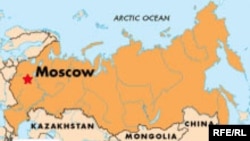
Voronezh Oblast's chief doctor, Mikhail Chubirko, said today 208 patients have received albumin injections from a female donor who was HIV-positive.
Chubirko said 70 people have already been identified and will undergo tests in the coming days.
The regional prosecutor's office has opened an investigation into whether doctors at the blood-transfusion center had taken all proper safety precautions.
(local agencies)
The UN On AIDS
The UN On AIDS

The United Nations has issued its annual report on the AIDS epidemic. Here are some of its findings:
- There are currently an estimated 40.3 million people living with HIV, the virus that causes AIDS. Of those, 17.5 million are women and 2.3 million are children under the age of 15.
- There were an estimated 4.9 million new HIV infections in 2005, including 700,000 children under the age of 15.
- An estimated 3.1 million people, including 570,000 children, died of AIDS in 2005.
- According to the report, more than 25 million people have died of AIDS worldwide since the disease was recognized in 1981.
- In Eastern Europe and Central Asia, the number of HIV-positive people reached 1.6 million in 2005, up from 1.2 million in 2003. The bulk of people living with HIV in the region are in the Russian Federation and Ukraine. "Ukraine's epidemic continues to grow, with more new HIV infections occurring each year, while the Russian Federation has the biggest AIDS epidemic in all of Europe," the report states. A private Russian survey cited in the report found "no postive changes in sexual behaviour, with condom use decreasing slightly among people in their twenties."
- In Central Asia, Uzbekistan and Kazakhstan have seen the most dramatic increases of HIV infections. In the Caucasus, the situation is described "relatively stable."
See also:
Central Asia: AIDS Project Seeks To Avert Epidemic
Eastern Europe: European Commission Warns Of 'Resurgent' HIV/AIDS Epidemic
Listen to a short interview by RFE/RL's Tajik Service with Gregory Henning Mikkelsen, director of EU team for a joint EU/UN AIDS initiative. In the November 21, 2005, interview, Mikkelsen describes the epidemic in Central Asia.Real Audio Windows Media
