




Iranian authorities confiscated Azima's passport in January and charged her with spreading propaganda against the state in her work for Radio Farda. On September 4, she was allowed to pick up her passport and told that the travel ban against her had been lifted.
RFE/RL President Jeffrey Gedmin welcomed the decision, and said that Azima's long ordeal in Iran will soon be over. "The return of her passport brings us much closer to the day when she can be reunited with her children and newborn grandson, as well as her colleagues at Radio Farda," Gedmin said.
BBG Chairman James Glassman said that "Azima embodies the commitment of the staff of Radio Farda, and all U.S. international broadcasters, to the fair and impartial transmission of news to audiences denied access to such journalism."
A U.S. State Department spokesman, Tom Casey, also praised the development. He added that the State Department hopes that "other Americans detained or prevented from leaving the country will also be able to do so in the near future."
Azima told Radio Farda that her legal situation remains unclear, and the case against her is still open. She said that her mother's house, which was put up as bail for her release, would not be returned, and that a court date has yet to be set.
She has said she intends to leave Iran as soon as possible.
Read the RFE/RL statement on the end of Iran's travel ban against Azima.
Iranian-Americans Detained In Iran
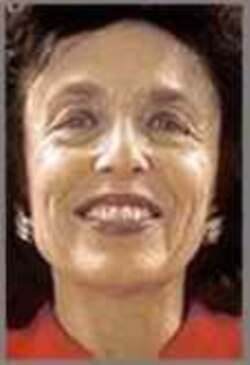 Haleh Esfandiari, the director of the Middle East program at the Woodrow Wilson International Center for Scholars, was detained in Iran in May. She was charged with acting against Iran's national security. Esfandiari along with another detained Iranian-American scholar, Kian Tajbakhsh, appeared on Iranian television in July in a program that -- according to Iranian officials -- showed that the two are linked to a U.S. plot to destabilize Iran's Islamic establishment. Human-rights groups strongly condemned the program and said any statements that were made were coerced. Esfandiari was released from jail on August 21 on a bail of about $300,000. She was allowed to leave Iran on September 3.
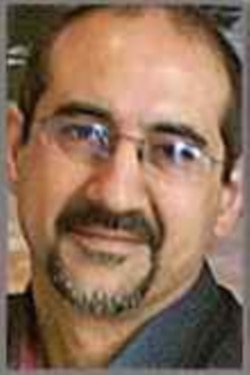 Kian Tajbakhsh, a consultant with the Open Society Institute, was also detained in Iran in May, and released on bail on September 20. He is also facing security charges including acting against Iran's national security. He was reportedly detained at Tehran's notorious Evin prison in solitary confinement.
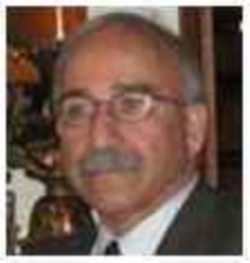 Ali Shakeri, a peace activist and businessman based in Irvine, California, is believed to have been detained since May 8. He was reportedly arrested at Tehran's international airport while leaving for Europe. Iranian authorities confirmed his detention in June. On August 12, Tehran's deputy prosecutor said that Shakeri's case was not related to the cases of Esfandiari and Tajbakhsh and that "the time had not yet arrived for providing full information about his situation." His wife, colleagues, and human-rights groups have expressed concern over his fate.
 Parnaz Azima, a broadcaster with Radio Farda, was prevented from leaving Iran since a visit to her sick mother in January, when authorities confiscated her passport and charged her with working with Radio Farda and spreading propaganda against the state. On September 3, intelligence officials told her to collect her passport. Azima said she will leave Iran in the near future.