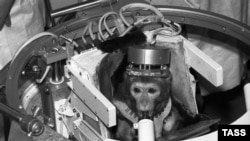
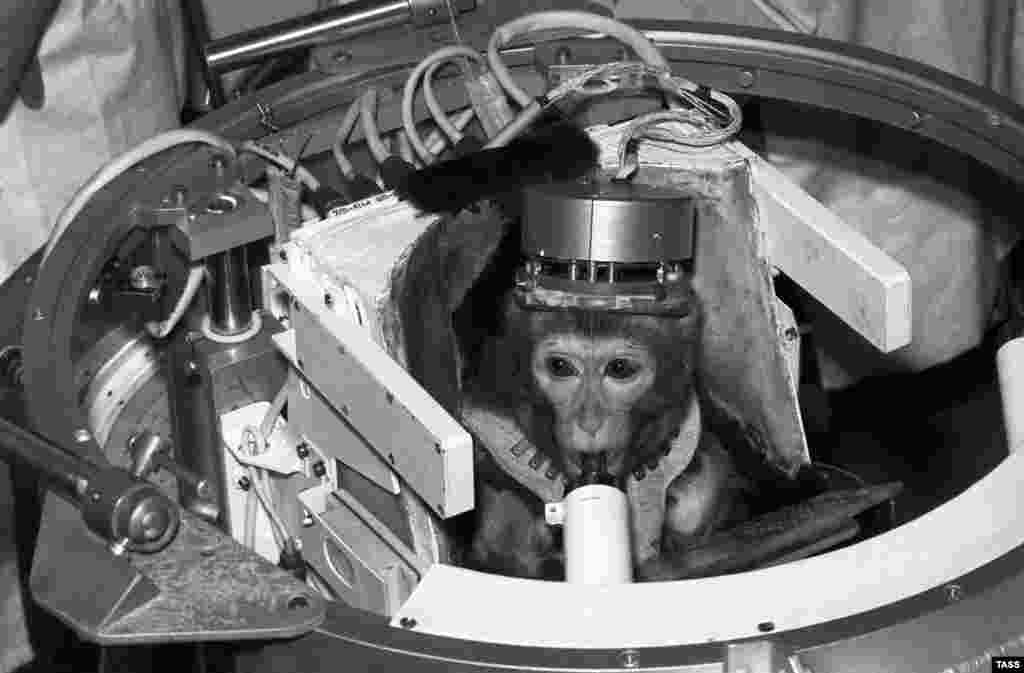
Soviet monkey Dryoma went up into space in September 1987, before being presented to Cuban leader Fidel Castro.
Tehran is planning to send a live monkey into space after a previous failed attempt, according to Iranian media reports.
Hamid Fazeli, the head of the Iranian Space Agency, was quoted by local media as saying the launch date would be sometime during a 10-day period starting January 31.
That day coincides with the 34th anniversary of the 1979 Islamic Revolution.
According to the Mehr news agency, the monkeys are now in quarantine and will be sent up in a capsule named Pishgam, or Pioneer, which will be aboard a Kavoshgar rocket.
Iran has previously sent small animals into space, including a rat, turtles, and worms. But its attempt to send a monkey in 2011 failed, with officials providing no explanation.
PHOTO GALLERY: Monkeys In Space
Monkeys In Space
1/6In May 1959, the United States' Able and Miss Baker were the first monkeys to successfully return to Earth after being in space.
Animals -- in particular monkeys -- have a long history of space travel.
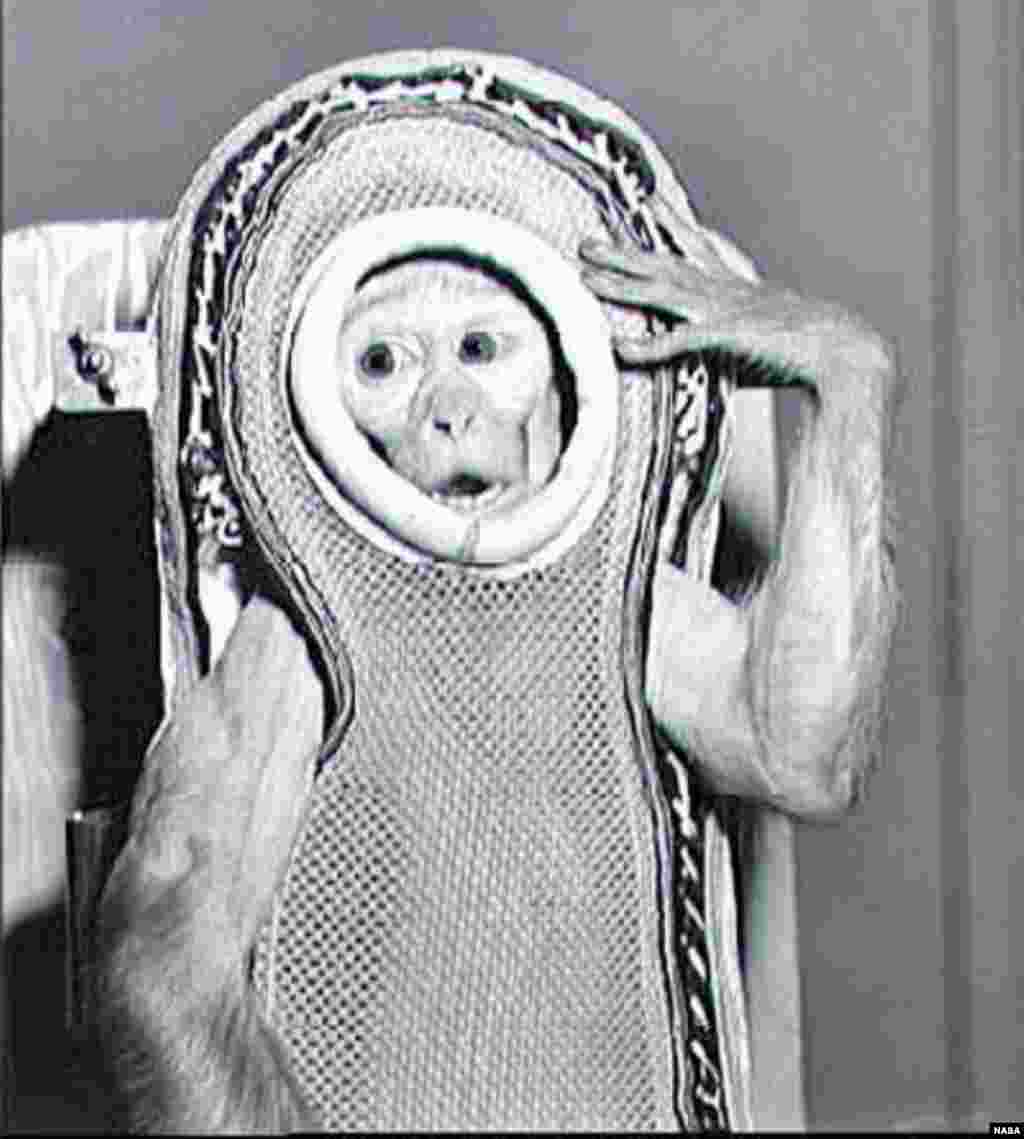
2/6A rhesus monkey Sam preparing for his flight on the United States' "Little Joe 2" in December 1959. The flight reached close to the edge of space and Sam survived the mission.
Animals -- in particular monkeys -- have a long history of space travel.
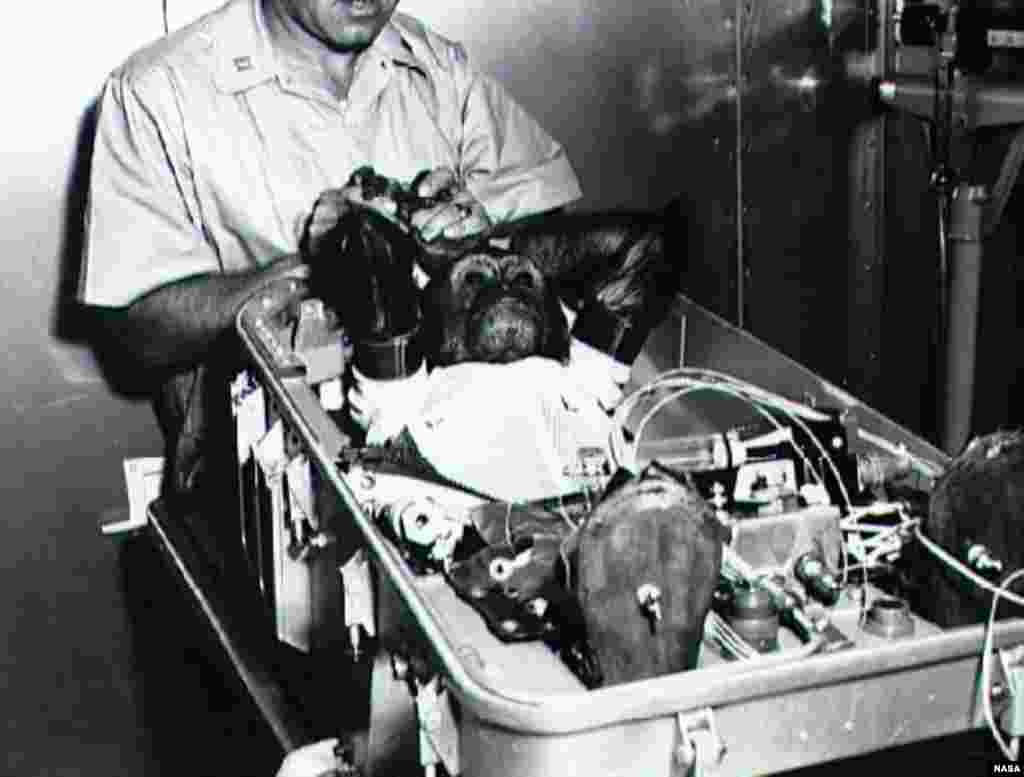
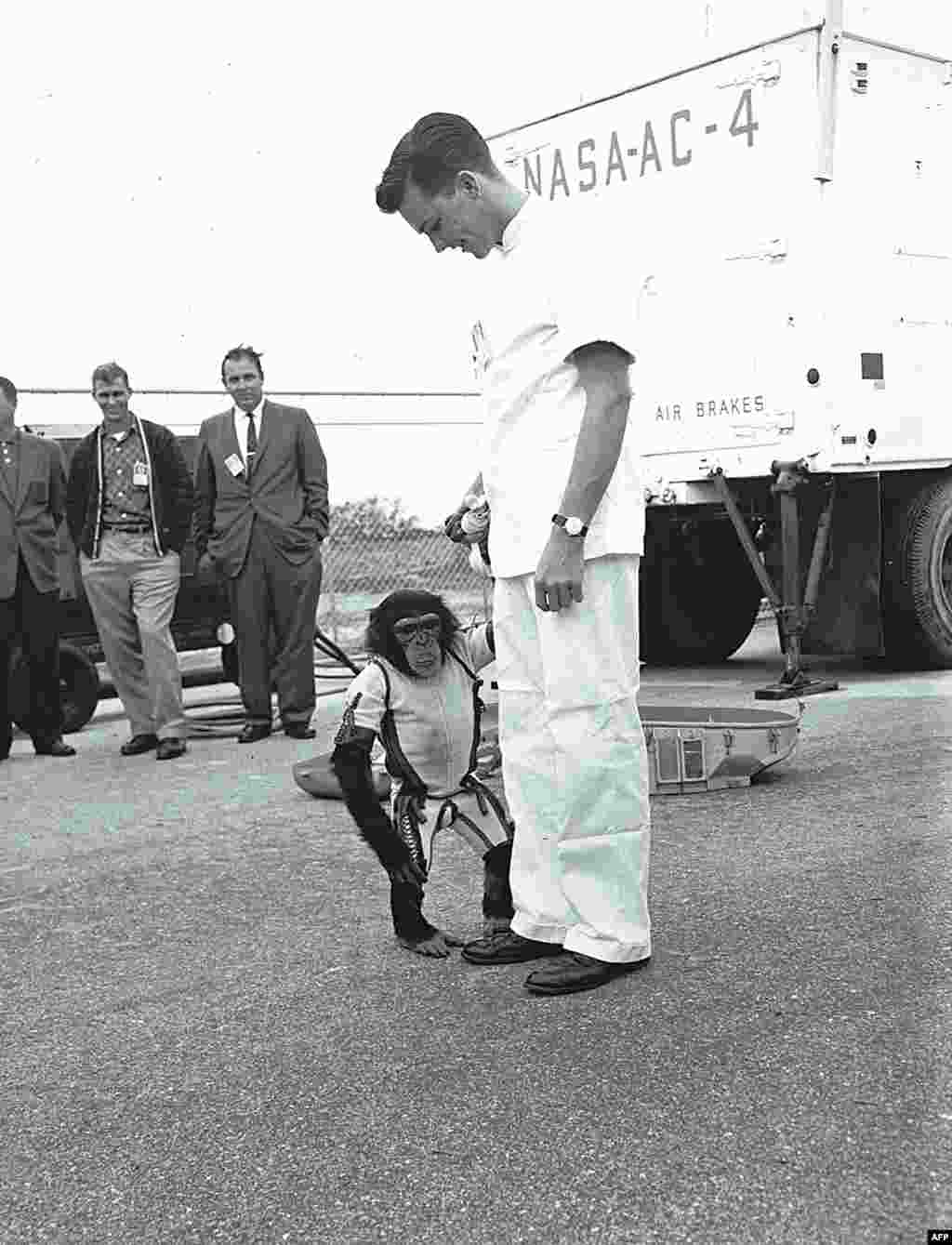
3/6Enos, a chimpanzee, wears a space suit in his flight couch while being prepared for insertion in the United States's "Mercury-Atlas 5" capsule in 1961. Enos survived the mission.
Animals -- in particular monkeys -- have a long history of space travel.
4/6U.S. astronaut Alan Shepard is photographed with Ham, a chimpanzee who preceded him in space, with a 16 minute sub-orbital flight aboard the "Mercury Redstone" rocket in 1961.
Animals -- in particular monkeys -- have a long history of space travel.
5/6Soviet monkey Dryoma pictured in October 1989 during a pre-flight examination. After making it back safely to Earth, Dryoma was given to Cuban leader Fidel Castro.
Animals -- in particular monkeys -- have a long history of space travel.
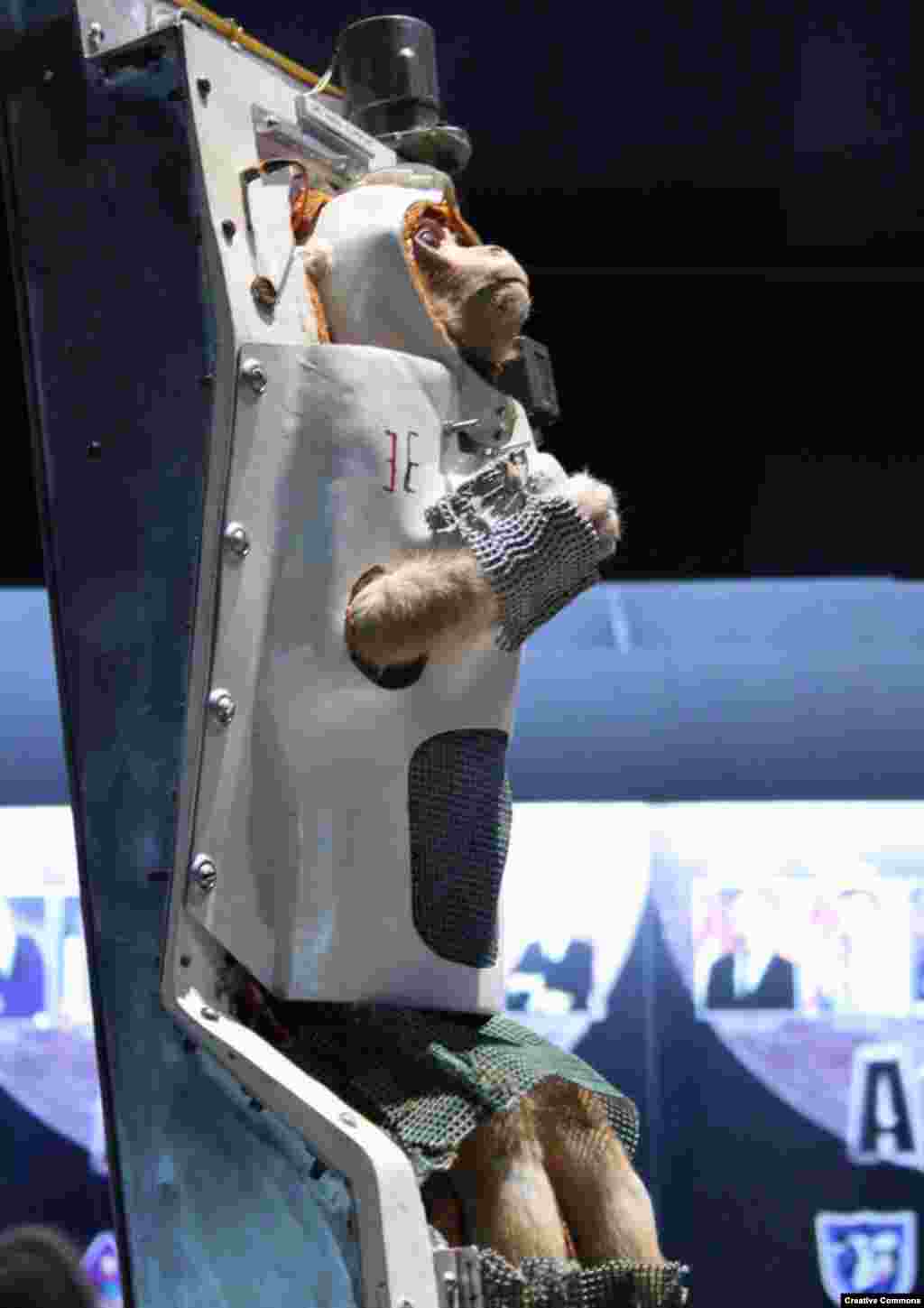
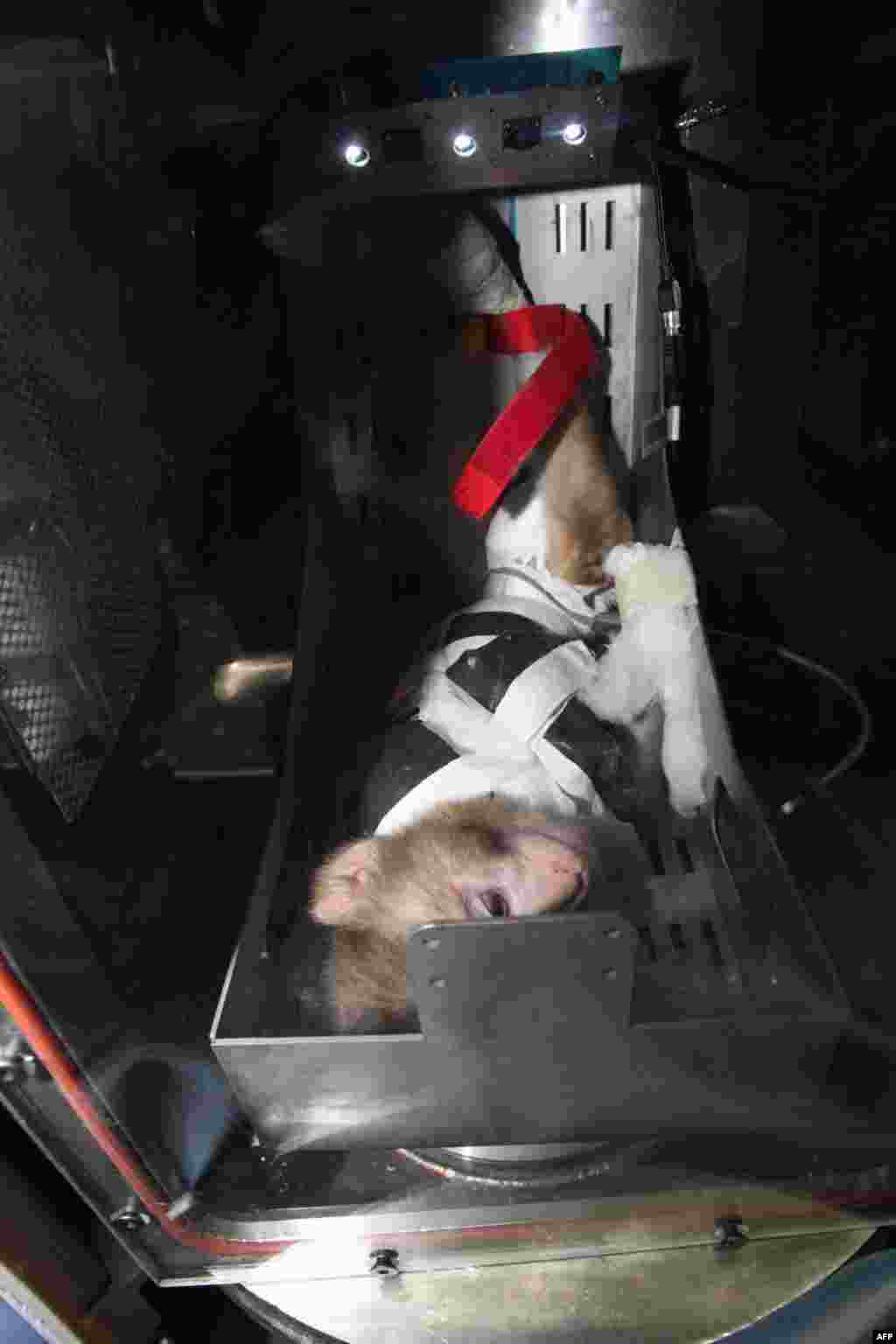
6/6A monkey is tied inside the replica capsule of the Iranian-made "Kavoshgar-4" rocket during the unveiling ceremony of four new home-built prototype satellites in Tehran in February 2011.
Animals -- in particular monkeys -- have a long history of space travel.
Previous slide
Next slide
Animals -- in particular monkeys -- have a long history of space travel. Fruit flies were the first living things in 1947 to make it to space, as part of the U.S. program -- they also made it back alive.
The focus switched to monkeys, presumably because of their intelligence and biological similarities to man, which meant researchers could better test the feasibility of space flight for humans.
The first primate astronaut was Albert, a rhesus monkey, who suffocated in a V2 rocket after reaching 62 kilometers, short of the 100 kilometers required to reach space. But the first monkey in space was Albert's successor, Albert II, who reached 134 kilometers. He perished on the way back due to a parachute malfunction.
The first monkeys to reach space and return safely were Able and Miss Baker in 1959, traveling on a U.S. "Jupiter" missile.
The first animal to orbit the Earth was the legendary Soviet stray dog, Laika. The plan was to euthanize Laika in space seven days into the mission with poisoned food. But due to an equipment malfunction she died of stress and heat exhaustion after a few hours.
Iran is hoping for better success. Fazeli said the monkey project would help Iran prepare for "sending a man into space," scheduled for 2020.
Iran's space program has unsettled the West, which fears it could be used to develop missiles capable of carrying nuclear weapons. But Tehran says its program is for scientific and civilian purposes only.