International Envoy Warns Against Bosnian Escalation
International Envoy Warns Against Bosnian Escalation
High Representative Valentin Inzko said the situation in Bosnia was "the worst" since the end of the 1992-95 war. (file photo)
Valentin Inzko, the international high representative in Bosnia-Herzegovina, has raised the prospect of sending in European Union soldiers if the current unrest in the country escalates.
Inzko told the Austrian "Kurier" daily on February 9 that the situation in Bosnia was "the worst" since the end of the 1992-95 war.
"If the situation escalates, we will possibly have to think about EU troops. But not right now," he said.
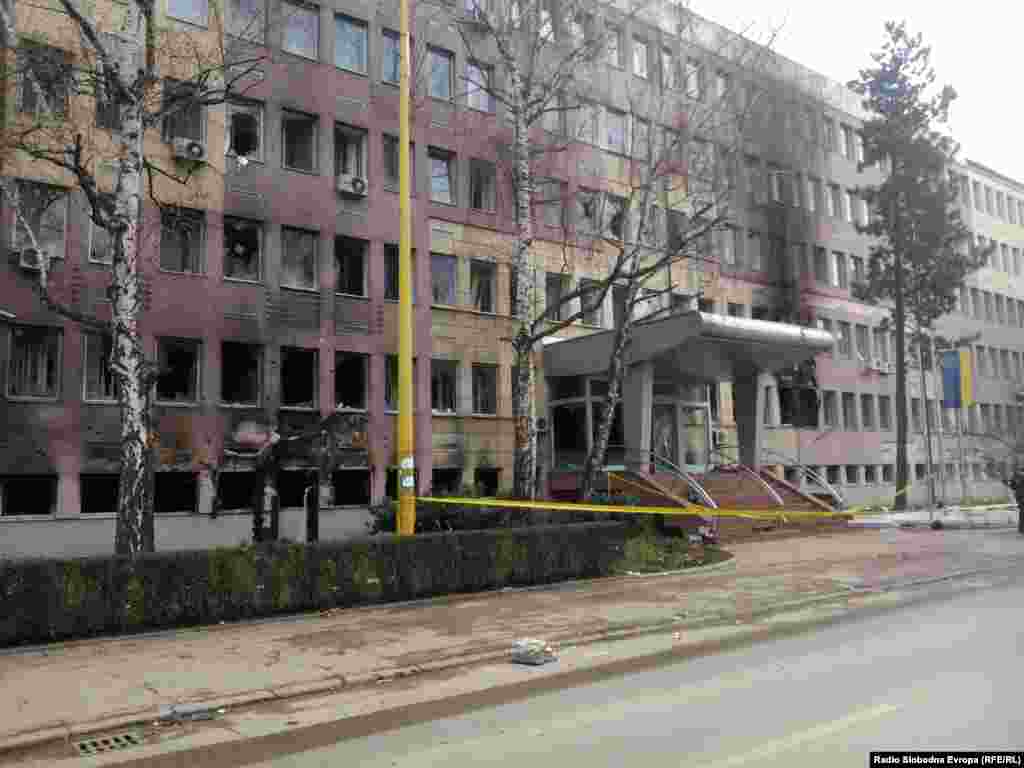
Hundreds of people were injured, and government buildings were set on fire in several cities, including in the capital, Sarajevo, on February 7.
Local governments in four cities, including Sarajevo, have resigned amid the unrest.
Tensions, however, began to ease on February 8, when protests were mostly peaceful.
On February 9, hundreds of people marched in Sarajevo to accuse police of mistreating recently arrested protesters and demand their release.
The U.S. Embassy in Sarajevo issued a statement saying politicians should listen to the protesters and authorities should end the violence.
PHOTO GALLERY: Bosnia-Herzegovina: The Calm After The Storm
Bosnia-Herzegovina: The Calm After The Storm
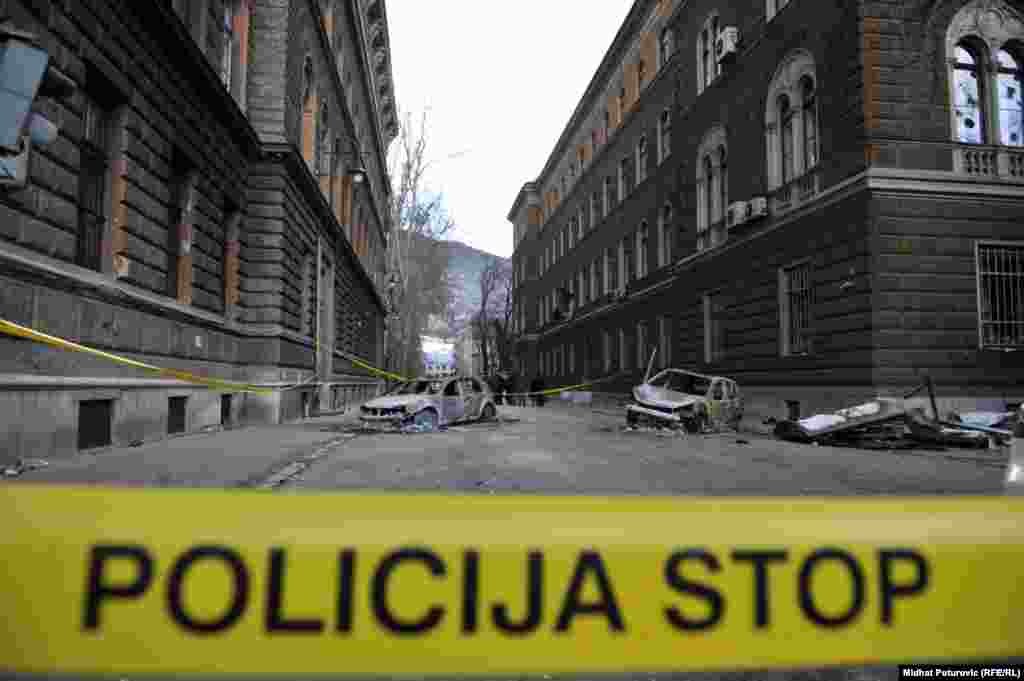
1/20The Bosnian capital, Sarajevo, saw some of the worst violence, with protesters clashing with police and setting fire to government buildings and a number of vehicles.
An uneasy calm has now descended on Sarajevo and other Bosnian cities, which have been wracked by fierce protests in recent days. Many locations have been left scarred by violent demonstrations over accusations of corruption among government officials and the state of the country's economy. Bosnia is facing intensifying economic and social problems nearly 20 years after the end of the 1992-1995 civil war. The country of some 3.8 million people is one of the poorest in Europe, with many residents living below official poverty lines. It is estimated that more than 40 percent of Bosnians are unemployed or underemployed. (RFE/RL's Balkan Service)
2/20
An uneasy calm has now descended on Sarajevo and other Bosnian cities, which have been wracked by fierce protests in recent days. Many locations have been left scarred by violent demonstrations over accusations of corruption among government officials and the state of the country's economy. Bosnia is facing intensifying economic and social problems nearly 20 years after the end of the 1992-1995 civil war. The country of some 3.8 million people is one of the poorest in Europe, with many residents living below official poverty lines. It is estimated that more than 40 percent of Bosnians are unemployed or underemployed. (RFE/RL's Balkan Service)
3/20
An uneasy calm has now descended on Sarajevo and other Bosnian cities, which have been wracked by fierce protests in recent days. Many locations have been left scarred by violent demonstrations over accusations of corruption among government officials and the state of the country's economy. Bosnia is facing intensifying economic and social problems nearly 20 years after the end of the 1992-1995 civil war. The country of some 3.8 million people is one of the poorest in Europe, with many residents living below official poverty lines. It is estimated that more than 40 percent of Bosnians are unemployed or underemployed. (RFE/RL's Balkan Service)
4/20
An uneasy calm has now descended on Sarajevo and other Bosnian cities, which have been wracked by fierce protests in recent days. Many locations have been left scarred by violent demonstrations over accusations of corruption among government officials and the state of the country's economy. Bosnia is facing intensifying economic and social problems nearly 20 years after the end of the 1992-1995 civil war. The country of some 3.8 million people is one of the poorest in Europe, with many residents living below official poverty lines. It is estimated that more than 40 percent of Bosnians are unemployed or underemployed. (RFE/RL's Balkan Service)
5/20
An uneasy calm has now descended on Sarajevo and other Bosnian cities, which have been wracked by fierce protests in recent days. Many locations have been left scarred by violent demonstrations over accusations of corruption among government officials and the state of the country's economy. Bosnia is facing intensifying economic and social problems nearly 20 years after the end of the 1992-1995 civil war. The country of some 3.8 million people is one of the poorest in Europe, with many residents living below official poverty lines. It is estimated that more than 40 percent of Bosnians are unemployed or underemployed. (RFE/RL's Balkan Service)
6/20
An uneasy calm has now descended on Sarajevo and other Bosnian cities, which have been wracked by fierce protests in recent days. Many locations have been left scarred by violent demonstrations over accusations of corruption among government officials and the state of the country's economy. Bosnia is facing intensifying economic and social problems nearly 20 years after the end of the 1992-1995 civil war. The country of some 3.8 million people is one of the poorest in Europe, with many residents living below official poverty lines. It is estimated that more than 40 percent of Bosnians are unemployed or underemployed. (RFE/RL's Balkan Service)
7/20
An uneasy calm has now descended on Sarajevo and other Bosnian cities, which have been wracked by fierce protests in recent days. Many locations have been left scarred by violent demonstrations over accusations of corruption among government officials and the state of the country's economy. Bosnia is facing intensifying economic and social problems nearly 20 years after the end of the 1992-1995 civil war. The country of some 3.8 million people is one of the poorest in Europe, with many residents living below official poverty lines. It is estimated that more than 40 percent of Bosnians are unemployed or underemployed. (RFE/RL's Balkan Service)
8/20
An uneasy calm has now descended on Sarajevo and other Bosnian cities, which have been wracked by fierce protests in recent days. Many locations have been left scarred by violent demonstrations over accusations of corruption among government officials and the state of the country's economy. Bosnia is facing intensifying economic and social problems nearly 20 years after the end of the 1992-1995 civil war. The country of some 3.8 million people is one of the poorest in Europe, with many residents living below official poverty lines. It is estimated that more than 40 percent of Bosnians are unemployed or underemployed. (RFE/RL's Balkan Service)
9/20
An uneasy calm has now descended on Sarajevo and other Bosnian cities, which have been wracked by fierce protests in recent days. Many locations have been left scarred by violent demonstrations over accusations of corruption among government officials and the state of the country's economy. Bosnia is facing intensifying economic and social problems nearly 20 years after the end of the 1992-1995 civil war. The country of some 3.8 million people is one of the poorest in Europe, with many residents living below official poverty lines. It is estimated that more than 40 percent of Bosnians are unemployed or underemployed. (RFE/RL's Balkan Service)
10/20
An uneasy calm has now descended on Sarajevo and other Bosnian cities, which have been wracked by fierce protests in recent days. Many locations have been left scarred by violent demonstrations over accusations of corruption among government officials and the state of the country's economy. Bosnia is facing intensifying economic and social problems nearly 20 years after the end of the 1992-1995 civil war. The country of some 3.8 million people is one of the poorest in Europe, with many residents living below official poverty lines. It is estimated that more than 40 percent of Bosnians are unemployed or underemployed. (RFE/RL's Balkan Service)
11/20
An uneasy calm has now descended on Sarajevo and other Bosnian cities, which have been wracked by fierce protests in recent days. Many locations have been left scarred by violent demonstrations over accusations of corruption among government officials and the state of the country's economy. Bosnia is facing intensifying economic and social problems nearly 20 years after the end of the 1992-1995 civil war. The country of some 3.8 million people is one of the poorest in Europe, with many residents living below official poverty lines. It is estimated that more than 40 percent of Bosnians are unemployed or underemployed. (RFE/RL's Balkan Service)
12/20
An uneasy calm has now descended on Sarajevo and other Bosnian cities, which have been wracked by fierce protests in recent days. Many locations have been left scarred by violent demonstrations over accusations of corruption among government officials and the state of the country's economy. Bosnia is facing intensifying economic and social problems nearly 20 years after the end of the 1992-1995 civil war. The country of some 3.8 million people is one of the poorest in Europe, with many residents living below official poverty lines. It is estimated that more than 40 percent of Bosnians are unemployed or underemployed. (RFE/RL's Balkan Service)
13/20Some of the worst clashes occurred in the northern city of Tuzla.
An uneasy calm has now descended on Sarajevo and other Bosnian cities, which have been wracked by fierce protests in recent days. Many locations have been left scarred by violent demonstrations over accusations of corruption among government officials and the state of the country's economy. Bosnia is facing intensifying economic and social problems nearly 20 years after the end of the 1992-1995 civil war. The country of some 3.8 million people is one of the poorest in Europe, with many residents living below official poverty lines. It is estimated that more than 40 percent of Bosnians are unemployed or underemployed. (RFE/RL's Balkan Service)
14/20
An uneasy calm has now descended on Sarajevo and other Bosnian cities, which have been wracked by fierce protests in recent days. Many locations have been left scarred by violent demonstrations over accusations of corruption among government officials and the state of the country's economy. Bosnia is facing intensifying economic and social problems nearly 20 years after the end of the 1992-1995 civil war. The country of some 3.8 million people is one of the poorest in Europe, with many residents living below official poverty lines. It is estimated that more than 40 percent of Bosnians are unemployed or underemployed. (RFE/RL's Balkan Service)
15/20
An uneasy calm has now descended on Sarajevo and other Bosnian cities, which have been wracked by fierce protests in recent days. Many locations have been left scarred by violent demonstrations over accusations of corruption among government officials and the state of the country's economy. Bosnia is facing intensifying economic and social problems nearly 20 years after the end of the 1992-1995 civil war. The country of some 3.8 million people is one of the poorest in Europe, with many residents living below official poverty lines. It is estimated that more than 40 percent of Bosnians are unemployed or underemployed. (RFE/RL's Balkan Service)
16/20
An uneasy calm has now descended on Sarajevo and other Bosnian cities, which have been wracked by fierce protests in recent days. Many locations have been left scarred by violent demonstrations over accusations of corruption among government officials and the state of the country's economy. Bosnia is facing intensifying economic and social problems nearly 20 years after the end of the 1992-1995 civil war. The country of some 3.8 million people is one of the poorest in Europe, with many residents living below official poverty lines. It is estimated that more than 40 percent of Bosnians are unemployed or underemployed. (RFE/RL's Balkan Service)
17/20The violence also spread to other towns and cities in Bosnia, including Mostar.
An uneasy calm has now descended on Sarajevo and other Bosnian cities, which have been wracked by fierce protests in recent days. Many locations have been left scarred by violent demonstrations over accusations of corruption among government officials and the state of the country's economy. Bosnia is facing intensifying economic and social problems nearly 20 years after the end of the 1992-1995 civil war. The country of some 3.8 million people is one of the poorest in Europe, with many residents living below official poverty lines. It is estimated that more than 40 percent of Bosnians are unemployed or underemployed. (RFE/RL's Balkan Service)
18/20
An uneasy calm has now descended on Sarajevo and other Bosnian cities, which have been wracked by fierce protests in recent days. Many locations have been left scarred by violent demonstrations over accusations of corruption among government officials and the state of the country's economy. Bosnia is facing intensifying economic and social problems nearly 20 years after the end of the 1992-1995 civil war. The country of some 3.8 million people is one of the poorest in Europe, with many residents living below official poverty lines. It is estimated that more than 40 percent of Bosnians are unemployed or underemployed. (RFE/RL's Balkan Service)
19/20
An uneasy calm has now descended on Sarajevo and other Bosnian cities, which have been wracked by fierce protests in recent days. Many locations have been left scarred by violent demonstrations over accusations of corruption among government officials and the state of the country's economy. Bosnia is facing intensifying economic and social problems nearly 20 years after the end of the 1992-1995 civil war. The country of some 3.8 million people is one of the poorest in Europe, with many residents living below official poverty lines. It is estimated that more than 40 percent of Bosnians are unemployed or underemployed. (RFE/RL's Balkan Service)
20/20
An uneasy calm has now descended on Sarajevo and other Bosnian cities, which have been wracked by fierce protests in recent days. Many locations have been left scarred by violent demonstrations over accusations of corruption among government officials and the state of the country's economy. Bosnia is facing intensifying economic and social problems nearly 20 years after the end of the 1992-1995 civil war. The country of some 3.8 million people is one of the poorest in Europe, with many residents living below official poverty lines. It is estimated that more than 40 percent of Bosnians are unemployed or underemployed. (RFE/RL's Balkan Service)