

Wednesday, May 22, 2013


TEXT SIZE - +

Audio Podcast: Alternative Rock From Yellow Dogs

Yellow Dogs

Payam Razi
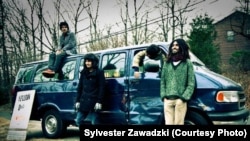
The alternative rock band Yellow Dogs released its first album, "In the Kennel," last May. The album was the fruit of five years of collaboration, with most of the music written in Tehran before the band left for New York City a year ago.

The prominent U.S. music magazine "Rolling Stone" is even taking notice, writing about the band in an article just this week.

The songs featured in this episode are "Dragon Flower," "Sex Machine," and "Golden Age."

Yellow Dogs formed in 2006 in Iran, leaving in January 2010 for a concert in Turkey before permanently relocating to New York City.

As for the name, band members explain that they used to jokingly call one another "yellow dog" -- a slang expression in Persian that means something like, "This guy is uncontrollable."

Band member Obaash told Iranian.com that the name refers to the concept of breaking boundaries, which goes to the heart of the band's work.

We also introduce another Iranian artist -- Tehran-based vocalist Mahsa Vahdat. We'll have more about her in the next episode, but the song that serves as an introduction to her work is called "Meditating Over A Photo." It's from her 2009 album "Scent Of Reunion."

Your host is Payam Razi.

Listen to or download the latest episode of "The Iran Sound From Way Out" below or subscribe on iTunes. For previous episodes, click here.

The Iran Sound From Way Out: Episode 5


Audio Episode 4: Backstage In Berlin With Kiosk

Kiosk in Berlin, November 2010

Payam Razi
"The Iran Sound From Way Out" is a new music podcast that explores the best of Iran's underground music scene. (Subscribe on iTunes here.)

Despite the restrictions imposed by the Islamic republic's ruling authorities, Iran has a vibrant underground artistic life.

In the last 10 years, many Iranian musicians have introduced Western musical devices, influences, and instruments into traditional Persian melodies and musical traditions, branding their own Persian sub-genre in familiar styles such as rap and blues.

For this episode, Radio Farda's chief music producer Payam Razi takes listeners backstage in Berlin to talk to Kiosk, one of the first underground bands to gain mass popularity among Iranian youth:

The Iran Sound From Way Out Episode 4


The rock-blues-jazz band Kiosk started in Tehran in 2003 and over the years developed a signature musical style to go along with their Farsi lyrics. They often lift musical elements from Roma traditions, particularly from Russia and the Balkans.

The group started out playing in a basement in the Iranian capital and moved West after some trouble with the Iranian authorities. Many of their songs indirectly comment on the political or social situation in Iran by invoking proverbs, using humor, or playing with other cultural references.

Kiosk just released their fourth album, "Triple Distilled: Live At Yoshi's" -- a nod to the world-famous San Francisco jazz club, where some of the biggest names in jazz have performed.

English translations of many Kiosk songs are provided by the band here.
Sobhani performing in Berlin
Kiosk's guitarist and soloist, Arash Sobhani, moved to the United States in 2005 to release the band's first album, "Ordinary Man." They have since produced three other albums: "amor de la velocidad" (2007), "Global Zoo" (2008), and, in October, "Triple Distilled: Live At Yoshi's." They were the first of the underground Iranian bands to release an album on iTunes.

The songs featured in this program in order of appearance: Yarom bia (from "Global Zoo"), Yarom bia (recorded live in Berlin), Green Field, Taghsire man bood (from "Ordinary man"), Afsoos (from "amor de la velocidad"), Pragmatism Eshghi (from "Global Zoo"), Agha negah dar (from "Global Zoo"), Kafsh (from "Global Zoo" and their performance live in Berlin), Ay Ay (recorded live in Berlin) and Sex Machine from The Yellow Dogs.


WATCH: Kiosk performing at Yoshi's:

Episode 3: Talking To Free Keys

Kiosk on stage

"The Iran Sound From Way Out" is a new music program from RFE/RL that focuses on the best of Iran's underground music scene.

Despite the restrictions imposed by the Islamic republic's ruling authorities, Iran has a vibrant underground artistic life.

In the last 10 years, many Iranian musicians have introduced Western musical devices, influences, and instruments into traditional Persian melodies and musical traditions, branding their own Persian sub-genre in familiar styles such as rap and blues.

Listen below as Radio Farda's chief music producer, Payam Razi, interviews the Iranian rock band Free Keys in Tehran and introduces Kiosk, a hugely popular Iranian band currently on an international tour.

The Iran Sound From Way Out: Episode 3


More about the bands you'll hear in Episode 3:

Free Keys

The Tehran-based band Free Keys gained attention as part of Bahman Ghobadi's 2009 film "No One Knows About Persian Cats" (watch the whole movie online here, legally) about the music scene in Tehran.

In the movie, two members of a fictional band try to leave Iran to go on tour, but run into problems with documents as part of the movie's larger plot.

In real life, back in 2008 Free Keys were trying to go to Britain to go on tour, but two band members were prevented from going because they had not done the two years of military service required in Iran.

The only band member who made it to Britain was the bassist, Arya, who eventually left the band. The other two members stayed in Tehran, where they picked up a few new members and are busy working on their new EP "Asthmatic."

Free Keys started in 2007 with Pooya on vocals, Arash on drums, and Arya playing bass. After Arya left, Amon joined on guitar and vocals, and Ali joined as the new bassist.

They are now working on their next album, "Dream Mechanics," which is set for release later this year.

The Free Keys songs heard this podcast are "Dreaming," "Freaky," and "Time's Spin Part 2."

Kiosk
Kiosk

"The Iran Sound From Way Out" will interview the band Kiosk, which formed in a Tehran basement in 2003, in Berlin later this month. Submit a question for the band by leaving a comment below or e-mailing music(at)radiofarda.com -- Payam will take the two best questions directly to the band.

Kiosk released their fourth album, "Triple Distilled: Live At Yoshi's," on October 8. Watch their new video here.

Kiosk has long been popular among young Iranians. The band's guitarist and soloist, Arash Sobhani, moved to the United States in 2005 to release the band's first album, "Ordinary Man." They have since produced three other albums: "amor de la velocidad" (2007), "Global Zoo" (2008) and "Triple Distilled: Live At Yoshi's."

Kiosk songs featured on this podcast are: "Eshghe Soraat" ("Love for Speed," from "amor de la velocidad"), "To Kojaee?" ("Where Are You?," from "amor de la velocidad"), "Ordinary Man" (from "Ordinary Man"), "Roozmaregi" ("Boredom." from "Ordinary Man"), "Agha Negah Dar" ("Stop the Car," from "Global Zoo"), and "Green Grass" (from "Triple Distilled: Live At Yoshi's").

Audio Episode 2: 127's Folk-Punk And The Progressive Rock Of Free Keys

The Iranian rock band 127

Payam Razi
"The Iran Sound From Way Out" is a new music program from RFE/RL that focuses on the best of Iran's underground music scene.

Despite the restrictions imposed by the Islamic republic's ruling authorities, Iran has a vibrant underground artistic life.

In the last 10 years, many Iranian musicians have introduced Western musical devices, influences, and instruments into traditional Persian melodies and musical traditions, branding their own Persian sub-genre in familiar styles such as rap and blues.

Listen below as Radio Farda's chief music producer, Payam Razi, leads you through a musical world of new talents largely unknown to the West.

The Iran Sound From Way Out: Episode 2


More about the musicians you'll hear in Episode 2:

127

Founded in 2001, Iranian rock band 127 (pictured above) now operates out of New York City.

The band has produced four albums to date and is working on a fifth.

One of the not-yet-released songs from their upcoming album, "Supreme Guru," is featured in this podcast.

The other songs featured in this podcast are "Nobar," "Tico Tico," "No Jazz In The Army," and "Doctor."

Free Keys

Free Keys formed in Tehran in 2007.

The band recently held a few underground concerts with another Iranian rock band, The Yellow Dogs, at a hidden venue in the Iranian capital.

They released their first album in 2008, after which some of the band members worked with filmmaker Bahman Ghobadi on his "No One Knows About Persian Cats," a pseudo-documentary about the underground music scene in Tehran.

The band has since left Iran.

They are introduced in this podcast with the song "Dreaming." They are now working on their next album, "Dream Mechanics," which is set for release later this year.

Audio Episode 1: Radio Tehran, Gachpaj, Kiosk, And Yas

Payam Razi

"The Iran Sound From Way Out" is a new music program from RFE/RL with the best of Iran's underground music scene.

Despite the restrictions imposed by the Islamic republic's ruling authorities, Iran has a vibrant underground artistic life. In the last 10 years, many Iranian musicians have introduced Western musical devices, influences, and instruments into traditional Persian melodies and musical traditions, branding their own Persian sub-genre in familiar styles such as rap and blues.

Listen below as Radio Farda's chief music producer, Payam Razi, leads you through a musical world of new talents largely unknown to the West.

The Iran Sound From Way Out
 

Music From Episode 1


Radio Tehran

Iranian rock band Radio Tehran recorded and produced the songs on their new album "88" in Iran. The band is now based in London. The song presented in this podcast is "Gelaye," which means "Complaint."


Gachpaj

The band Gachpaj formed in 2007 and are based in Tehran. You can listen and download their songs here.


Kiosk

The band Kiosk formed in a Tehran basement in 2003. Their song lyrics are often critical of the social and political conditions inside Iran and their musical style is heavily influenced by blues and jazz -- a combination that did not go over well with Iran's strict Islamic authorities, who banned them from performing. Despite this, Kiosk continues to be hugely popular among young Iranians. The name Kiosk refers to the endless makeshift studios or rehearsal places the band had to use in Tehran in order to dodge the authorities. Kiosk's guitarist and soloist Arash Sobhani moved to the United States in 2005 to release the band's first album, "Ordinary Man." They have since produced two other albums: "amor de la velocidad" (2007) and "Global Zoo" (2008). The band is now based in the United States. The song presented in this podcast is called "Hame Ragham Mojood ast," which means "All Sorts Of Items Available" and is from "amor de la velocidad."


Yas

Yas is the first and only Iranian rapper legally releasing his music inside the country while touring internationally. Yas raps about societal and cultural issues in a new genre of music he helped create: Persian rap. This new style of music adapts hip hop to the rhythms inherent in Persian language. In a "Huffington Post" interview, Yas says he first heard hip-hop as a 16-year-old, when his father started bringing him Tupac albums from trips abroad. The song presented in this podcast is "Piadeh Misham," which means "I Want To Get Off Here." The lyrics of his songs have been translated to English on his official Facebook page. Many of his songs are also available on his Facebook page for free.

Most Popular