








Our Affiliates
 
 
RFE/RL Radio


RFE/RL Iran Coverage Cited Around the World 

RFE/RL's coverage of the post-election crisis in Iran has been cited by a variety of media outlets around the world. More


RFE/RL's Balkan Service


RFE/RL launched its broadcasts to the Balkans in 1994 in the midst of the wars that swept the region, as a voice of peace and reconciliation. With a network of 150 journalists throughout the Balkans, distributed across six bureaus, the Balkan Service has developed a unique model of regional and national broadcasting. It has become the chief media promoter of the values of democracy, human rights, and freedom of expression in the postwar and postcommunist societies of the new Balkan states.


Features & Multimedia

President Says Serbia's Future With West  

Serbian President Boris Tadic has been praised for bringing Belgrade closer to the West and toning down nationalist fervor. But in an exclusive RFE/RL interview, he also talks about dilemmas over Kosovo independence and war crimes tribunals. More


In The Balkans, The Headlines Preceded The War 

The phones were ringing off the hook with angry Croats accusing Sarajevo state television of being "anti-Croatian television." It was late October 1991 and I was the station's program director. There was a war going on in Croatia and our evening news cast that day included a story about an Orthodox priest who had been beaten up by Croatian forces. More


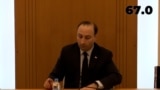
Mladic Video May Affect Serbia's EU Bid Video

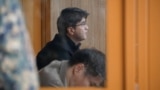
A Bosnian television station has shown what it says is recent video footage of indicted Bosnian Serb war crimes suspect Ratko Mladic freely enjoying life with members of his family and at parties attended by scores of guests. But officials in Belgrade say the footage is at least eight years old, and allege it was leaked to undermine Serbia's EU membership bid by suggesting Belgrade is not meeting its promise to arrest Mladic. More



Hidden Racism Rises To Serbia's Surface Video

Serbia's Romany minority has been the target of violent attacks and other hate crimes in recent years. But some Romany leaders say that hidden, institutionalized racism presents an even greater danger. Produced by Iva Martinovic of RFE/RL's Balkan Service. More


Societies Susceptible To Racism Video

As Eastern Europe prepares to mark 20 years since the fall of communism, many countries find themselves grappling with spiraling racist violence. Why have ultranationalist groups been gaining momentum and claiming a rising number of victims? More


Local Languages
 
Subscribe
Subscribe to Balkan Report

Subscribe
to a weekly update of news, features, and analysis on the Balkans.
 
 
Facts & Stats
Map of Balkans

BOSNIA-HERZEGOVINA

Population
4,590,310 (2008 estimate)

Ethnic Groups:
Bosniak 48%
Serbian 37.1%
Croatian 14.3%
other 0.6% (2000)

Religions:
Muslim 40%
Orthodox 31%
Roman Catholic 15%
other 14%

Languages:
Bosnian/Serbian/Croatian

KOSOVO

Population
2,126,708 (2007 estimate)

Ethnic Groups:
Albanian 88%
Serbian 7%
others 5%

Religions:
Muslim, Serbian Orthodox, Roman Catholic

Languages:
Albanian, Serbian, others

MACEDONIA

Population
2,061,315 (2008 estimate)

Ethnic Groups:
Macedonian 64.2%
Albanian 25.2%
Turkish 3.9%, Romany 2.7%
Serbian 1.8%
other 2.2% (2002 census)

Religions:
Macedonian Orthodox 64.7%
Muslim 33.3%
other 2%

Languages:
Macedonian 66.5%
Albanian 25.1%
Turkish 3.5%
Romany 1.9%
Serbian 1.2%
other 1.8%

MONTENEGRO

Population
678,177 (July 2008 estimate)

Ethnic groups:
Montenegrin 43%
Serbian 32%
Bosniak 8%
Albanian 5%
other 12%

Religions:
Orthodox, Muslim, Roman Catholic

Languages:
Montenegrin, Serbian, Bosnian, Albanian, Croatian

SERBIA

Population

7,498,001(2002 census)

Ethnic Groups:
Serbian 82.9%
Hungaran 3.9%
Bosniak 1.8%
Romany 1.4%
Montenegrin 0.9%
Croatian 0.9%
other 8.2%

Religions:
Serbian Orthodox 85%
Catholic 5.5%
Protestant 1.1%
Muslim 3.2%
other 5.2%

Languages:
Serbian 88.3%
Hungarian 3.8%
Bosniak 1.8%
Romany 1.1%
other 5%