Accessibility links

Breaking News

Polish Leaders Urge Blinken To Lift Limits On Ukraine's Use Of Long-Range Weapons

U.S. Secretary of State Antony Blinken (left) and Polish Foreign Minister Radoslaw Sikorski talk to reporters in Warsaw on September 12.

U.S. Secretary of State Antony Blinken on September 12 concluded a European tour in Poland, where he heard more appeals for a change in Washington's policy restricting the use of Western-supplied weaponry for long-range strikes inside Russia.

Polish Foreign Minister Radek Sikorski argued that Ukraine should be allowed to use Western weapons against Russia in self-defense because Moscow "is committing war crimes by attacking civilian targets."

“Missiles that hit these civilian targets are fired from bomber aircraft from over the territory of Russia. These bombers take off from airfields on Russia’s territory,” Sikorski said. “A victim of aggression has the right to defend itself.”

Blinken traveled to Warsaw to meet with Sikorski, Polish President Andrzej Duda, and Prime Minister Donald Tusk after spending a day in Kyiv with British Foreign Secretary David Lammy during which the two diplomats pledged to bring the Ukrainian requests to their leaders.

U.S. President Joe Biden and British Prime Minister Keir Starmer are to meet in the United States on September 13 amid signs both Washington and London are growing more receptive to changing the policy on long-range weapons.

“As what Russia’s doing has changed, as the battlefield has changed, we’ve adapted,” Blinken said at a news conference in Warsaw, reiterating a statement he made in the Ukrainian capital.

"One of the purposes of my visit to Kyiv yesterday was to hear from our Ukrainian partners what they believe they need now to deal with the current battlefield, including in eastern Ukraine and other parts of the country," Blinken said.

“I can tell you that as we go forward we will do exactly what we have already done, which is we will adjust as necessary…in order to defend against Russian aggression," Blinken said.

Biden in May altered the policy to allow Ukraine to fire U.S.-provided missiles across the border into Russia in self-defense, but he has maintained a limit on the distance they can be fired.

Ukrainian President Volodymyr Zelenskiy has voiced his request for that restriction be lifted multiple times.

One of the key requests from Kyiv is to use U.S.-produced Army Tactical Missile Systems, known by the acronym ATACMS. But the Pentagon has said they wouldn't be the answer to the main threat Ukraine faces from glide bombs, which are being fired from more than 300 kilometers away -- beyond the ATACMS reach.

Biden and Starmer will talk about the issue when they meet in Washington, Blinken said, prompting speculation that an announcement on a change in the policy could come out of the meeting.

But Senator Chris Coons (Democrat-Delaware) told U.S. broadcaster MSNBC on September 12 that an announcement was more likely to come when Zelenskiy visits the United States later this month for the UN General Assembly.

Earlier on September 12, a British newspaper reported that London has already given Ukraine the green light to use its Storm Shadow missiles for long-range strikes deep into Russian territory. The Guardian quoted unidentified government sources as saying a decision had been made behind closed doors. British officials have not confirmed the report.

Fath-360: The Iranian Missile Reportedly In Russian Hands
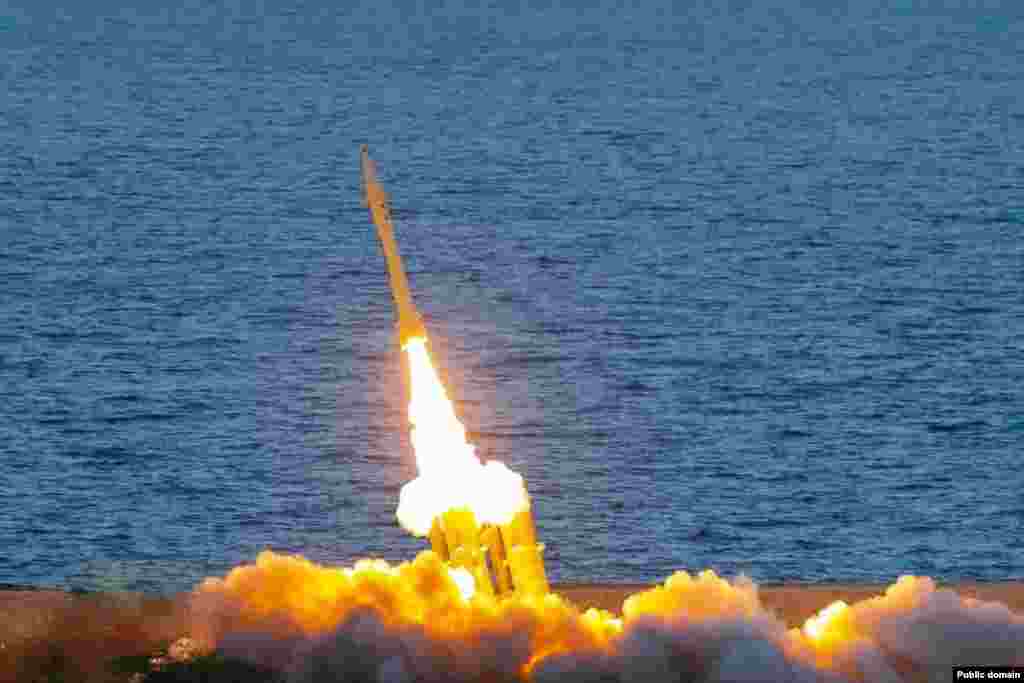
A Fath-360 missile is launched during military exercises in southern Iran in November 2022.<br />
<br />
The short-range ballistic missile was first unveiled at a Tehran military parade in April 2022. Fath means &ldquo;conquest&rdquo; in Persian. Each 5.2-meter-long missile can carry a 150-kilogram warhead. That is some three times the explosive charge of the notorious Iranian-designed Shahed drones that have killed scores of Ukrainian civilians since first being deployed by Russia in 2022.<br />
&nbsp;
1/6 A Fath-360 missile is launched during military exercises in southern Iran in November 2022.

The short-range ballistic missile was first unveiled at a Tehran military parade in April 2022. Fath means “conquest” in Persian. Each 5.2-meter-long missile can carry a 150-kilogram warhead. That is some three times the explosive charge of the notorious Iranian-designed Shahed drones that have killed scores of Ukrainian civilians since first being deployed by Russia in 2022.
 
Recent media reports claim Russia has received Fath-360 missile systems from Iran, along with hundreds of missiles. Here is what that weapon system looks like, and how it could influence the war in Ukraine.
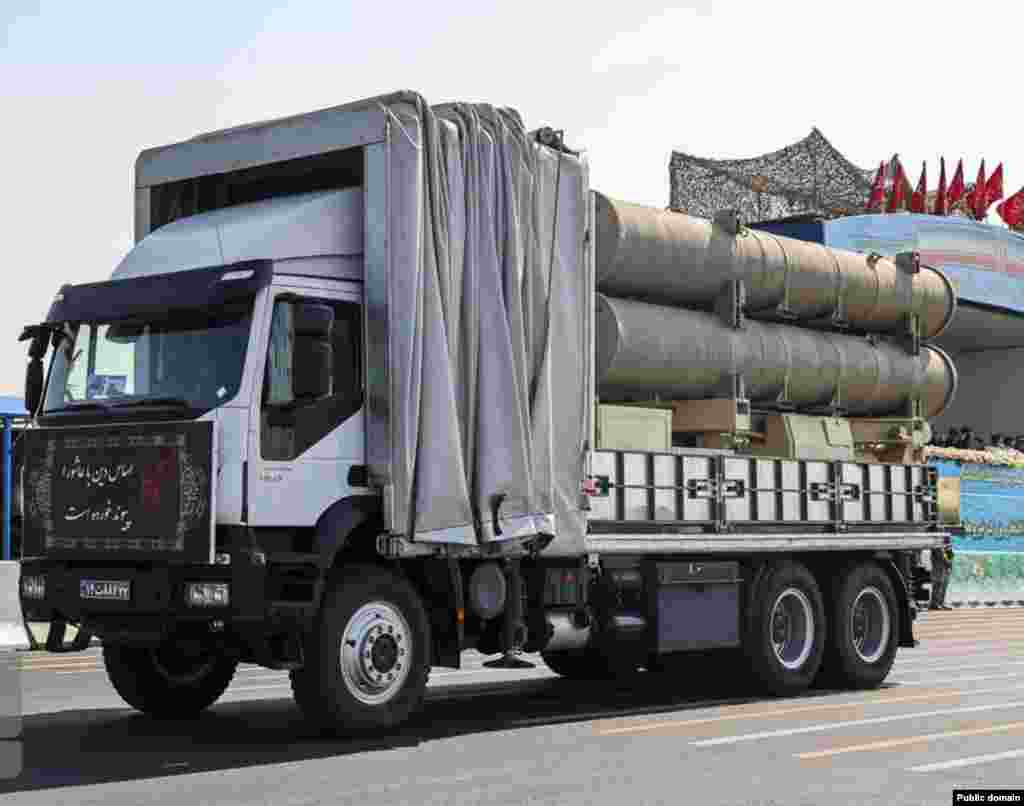
A Fath-360 missile system is paraded in Tehran in September 2022.<br />
<br />
The weapon&#39;s missile pods are hidden inside the trailer of a truck designed to look like a civilian vehicle, making its detection from the air difficult. Fath-360 missiles have a relatively imprecise hit radius of around 30 meters, meaning they are likely to be used against large stationary targets such as buildings and infrastructure.<br />
&nbsp;
2/6 A Fath-360 missile system is paraded in Tehran in September 2022.

The weapon's missile pods are hidden inside the trailer of a truck designed to look like a civilian vehicle, making its detection from the air difficult. Fath-360 missiles have a relatively imprecise hit radius of around 30 meters, meaning they are likely to be used against large stationary targets such as buildings and infrastructure.
 
Recent media reports claim Russia has received Fath-360 missile systems from Iran, along with hundreds of missiles. Here is what that weapon system looks like, and how it could influence the war in Ukraine.
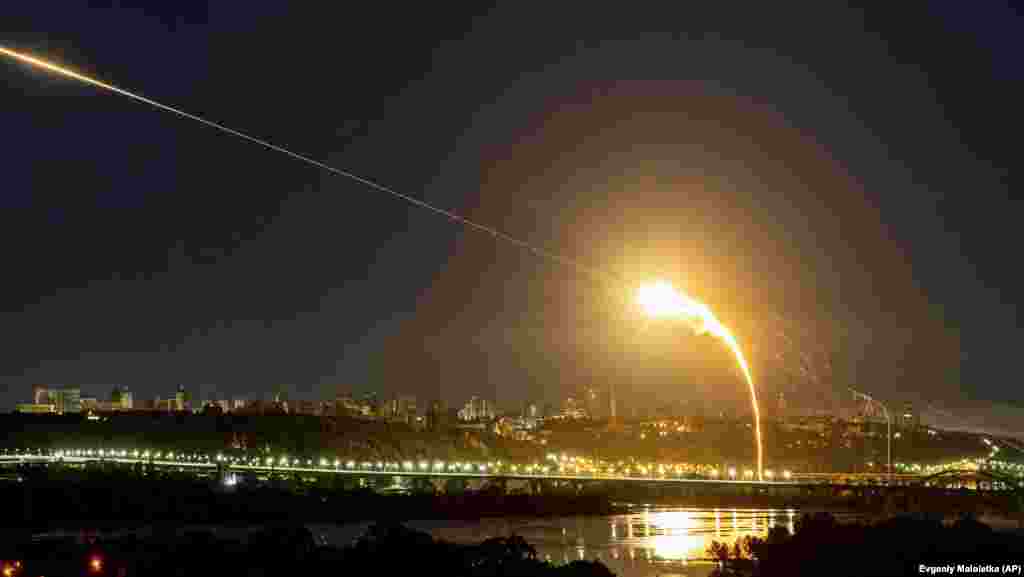
An Iranian-designed Shahed drone is shot down over Kyiv in May 2023.<br />
<br />
With a maximum speed of nearly 5,000 kilometers per hour, the Fath-360 is infinitely more difficult to intercept than the <strong><a href="https://en.wikipedia.org/wiki/HESA_Shahed_136">airplane-like Shahed drones</a></strong>. But the missile&rsquo;s shorter range of 120 kilometers means it is likely to pose a threat only to areas near the front lines.
3/6 An Iranian-designed Shahed drone is shot down over Kyiv in May 2023.

With a maximum speed of nearly 5,000 kilometers per hour, the Fath-360 is infinitely more difficult to intercept than the airplane-like Shahed drones. But the missile’s shorter range of 120 kilometers means it is likely to pose a threat only to areas near the front lines.
Recent media reports claim Russia has received Fath-360 missile systems from Iran, along with hundreds of missiles. Here is what that weapon system looks like, and how it could influence the war in Ukraine.
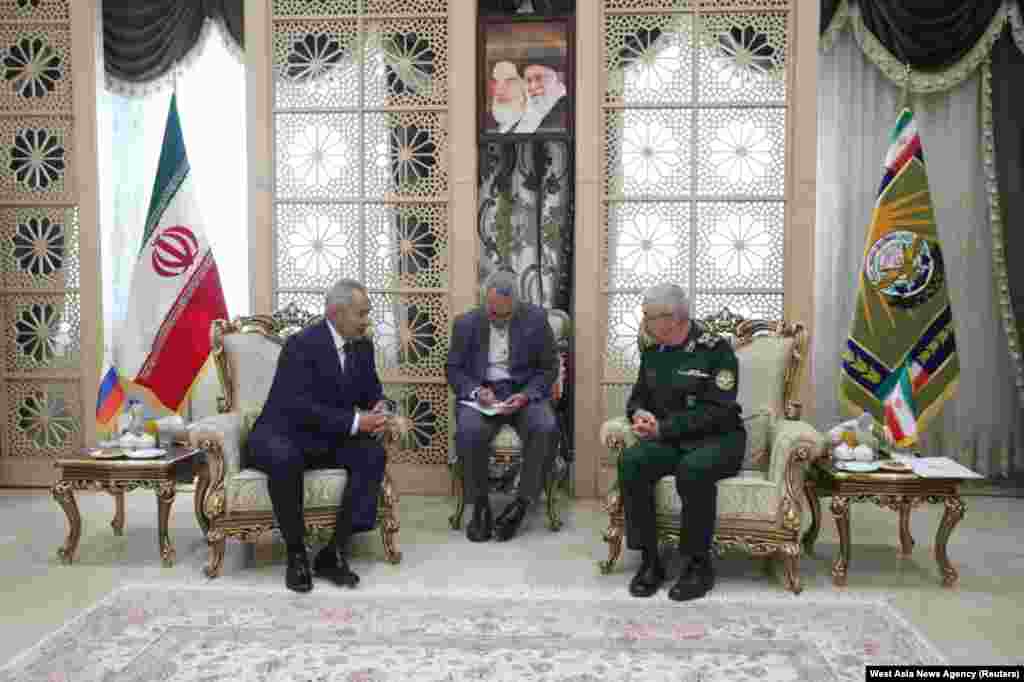
Iran&rsquo;s military chief, Major General Mohammad Bagheri (right), meets with Russian Security Council chief Sergei Shoigu in Tehran on August 5.<br />
<br />
Reports that Tehran <strong><a href="https://www.reuters.com/business/aerospace-defense/iran-deliver-hundreds-ballistic-missiles-russia-soon-intel-sources-say-2024-08-09/">was training Russian soldiers</a></strong> in using Iranian missiles emerged after this meeting between top military officials of Russia and Iran.<br />
<br />
&nbsp;
4/6 Iran’s military chief, Major General Mohammad Bagheri (right), meets with Russian Security Council chief Sergei Shoigu in Tehran on August 5.

Reports that Tehran was training Russian soldiers in using Iranian missiles emerged after this meeting between top military officials of Russia and Iran.

 
Recent media reports claim Russia has received Fath-360 missile systems from Iran, along with hundreds of missiles. Here is what that weapon system looks like, and how it could influence the war in Ukraine.
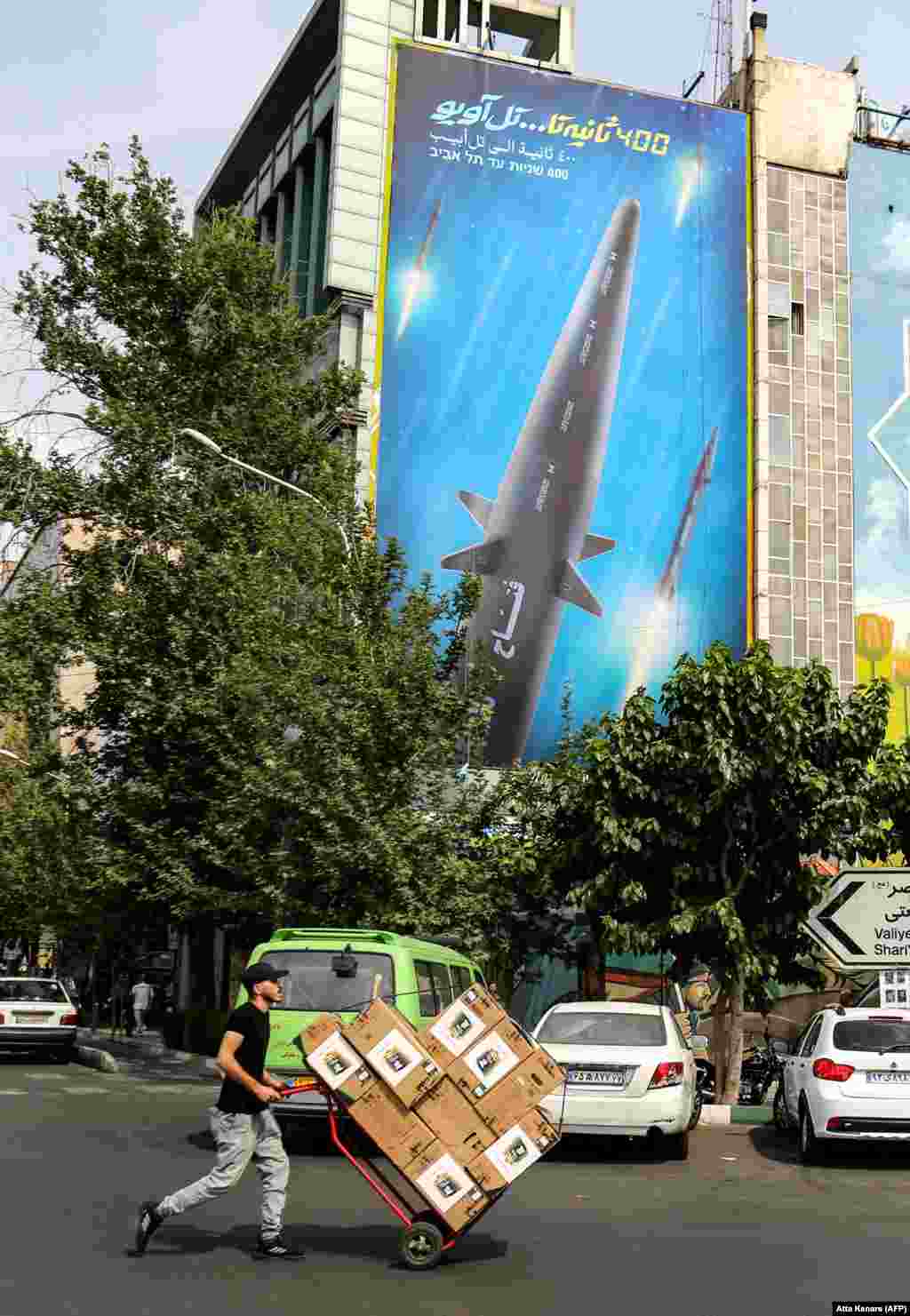
A poster in Tehran shows a larger missile from the same family as the Fath-360.<br />
<br />
Tehran has denied reports its missiles are being supplied to Russia but a senior Iranian lawmaker appeared to contradict the official line. On September 7, Ahmad Bakhshayesh Ardestani told Iranian media, &quot;We have to barter for our needs, including importing soybeans and wheat. Part of the barter involves sending missiles, and another part involves sending military drones to Russia.&quot;<br />
<br />
&nbsp;
5/6 A poster in Tehran shows a larger missile from the same family as the Fath-360.

Tehran has denied reports its missiles are being supplied to Russia but a senior Iranian lawmaker appeared to contradict the official line. On September 7, Ahmad Bakhshayesh Ardestani told Iranian media, "We have to barter for our needs, including importing soybeans and wheat. Part of the barter involves sending missiles, and another part involves sending military drones to Russia."

 
Recent media reports claim Russia has received Fath-360 missile systems from Iran, along with hundreds of missiles. Here is what that weapon system looks like, and how it could influence the war in Ukraine.
A truck-mounted Iranian missile is fired into Iraq in September 2022.&nbsp;<br />
<br />
A U.S. State Department spokesperson on September 9 <strong><a href="https://euromaidanpress.com/2024/09/10/us-incredibly-alarmed-by-reported-iran-missile-transfers-to-russia-but-maintains-ukraine-deep-strike-ban/">told reporters</a></strong> Washington was &quot;incredibly alarmed&quot; by reports of the Fath-360 missile systems being handed to Russia and warned of unspecified &ldquo;significant consequences&rdquo; if the reports were confirmed.&nbsp;<br />
&nbsp;
6/6 A truck-mounted Iranian missile is fired into Iraq in September 2022. 

A U.S. State Department spokesperson on September 9 told reporters Washington was "incredibly alarmed" by reports of the Fath-360 missile systems being handed to Russia and warned of unspecified “significant consequences” if the reports were confirmed. 
 
Recent media reports claim Russia has received Fath-360 missile systems from Iran, along with hundreds of missiles. Here is what that weapon system looks like, and how it could influence the war in Ukraine.
Previous slide
Next slide

Russian President Vladimir Putin issued a warning about a change in the policy, saying on September 12 that if the West allows Kyiv to use longer-range weapons to strike Russian targets it would mean NATO would be "at war" with Russia.

"This would in a significant way change the very nature of the conflict," Putin told a state television reporter. "It would mean that NATO countries, the U.S., European countries, are at war with Russia," he added.

"If that's the case, then taking into account the change of nature of the conflict, we will take the appropriate decisions based on the threats that we will face."

Putin claimed that the Ukrainian military could only carry out such strikes when using data from NATO satellites and that only military personnel of NATO "can carry out flight tasks for these missile systems."

With reporting by AP and dpa
  • 16x9 Image

    Current Time

    Current Time is the Russian-language TV and digital network run by RFE/RL.

This item is part of
XS
SM
MD
LG