


WATCH: Pakistani Police Detain Hundreds Of Afghan Citizens In Karachi
Police in the southern Pakistani province of Sindh have arrested more than 250 Afghan refugees and migrants as part of a new crackdown aimed at repatriating undocumented Afghans.
Most of the arrests and detentions have occurred in Karachi since September 11. The seaport is the capital of Sindh and also serves as the key industrial and trade hub for the Muslim nation.
"The government has directed the police and other [law enforcement] organizations to arrest Afghans living illegally in Sindh and elsewhere in the country," Kamran Tissori, the governor of Sindh, told journalists on September 11.
Afghan refugees and Pakistani human rights campaigners say the arrests are aimed at harassing mostly impoverished Afghans who cannot return to Taliban-ruled Afghanistan because of security fears or economic reasons.
"The mass arrest of Afghan refugees is based on their racial profiling," Muniza Kakar, a lawyer who has voluntarily represented Afghan refugees arrested in Karachi, wrote on X, the social media platform formerly known as Twitter.
At An Impasse: Pakistani-Afghan Border Still Closed As Tensions Rise
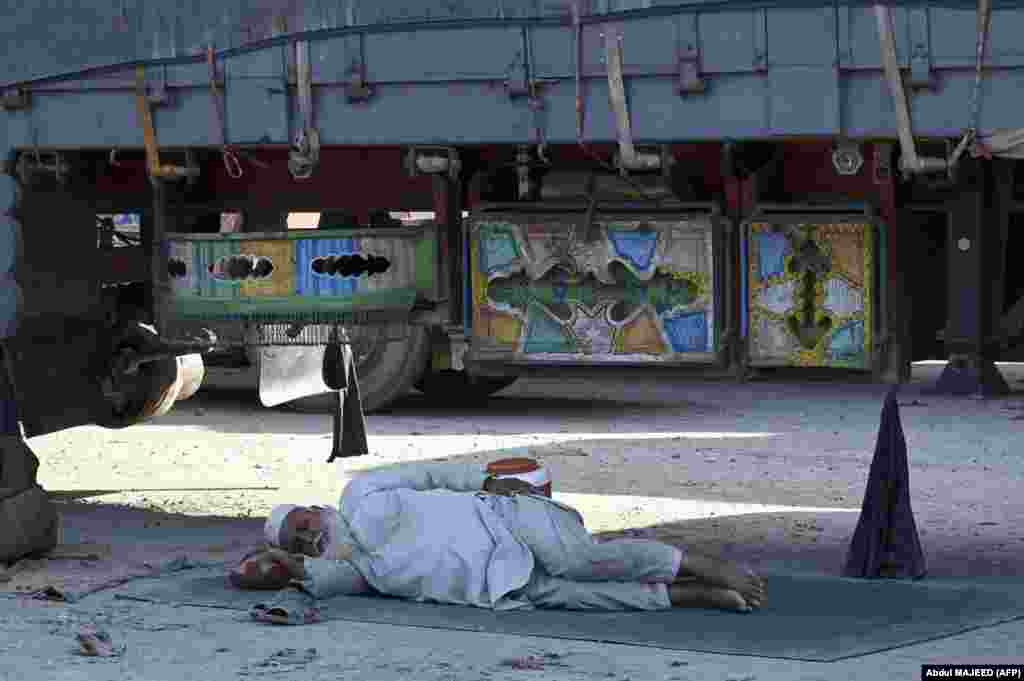
1/8A man takes a nap under a truck near the Pakistani-Afghan border at Torkham on September 11.
Hundreds of trucks and travelers were left stranded a week into the closure of the border, after a gunfight erupted across the frontier that left a Taliban guard and an Afghan civilian dead on September 6.
Trucks remain stranded amid growing tensions at the border between Afghanistan and Pakistan, following a firefight that led to the closure of the countries' main crossing point.
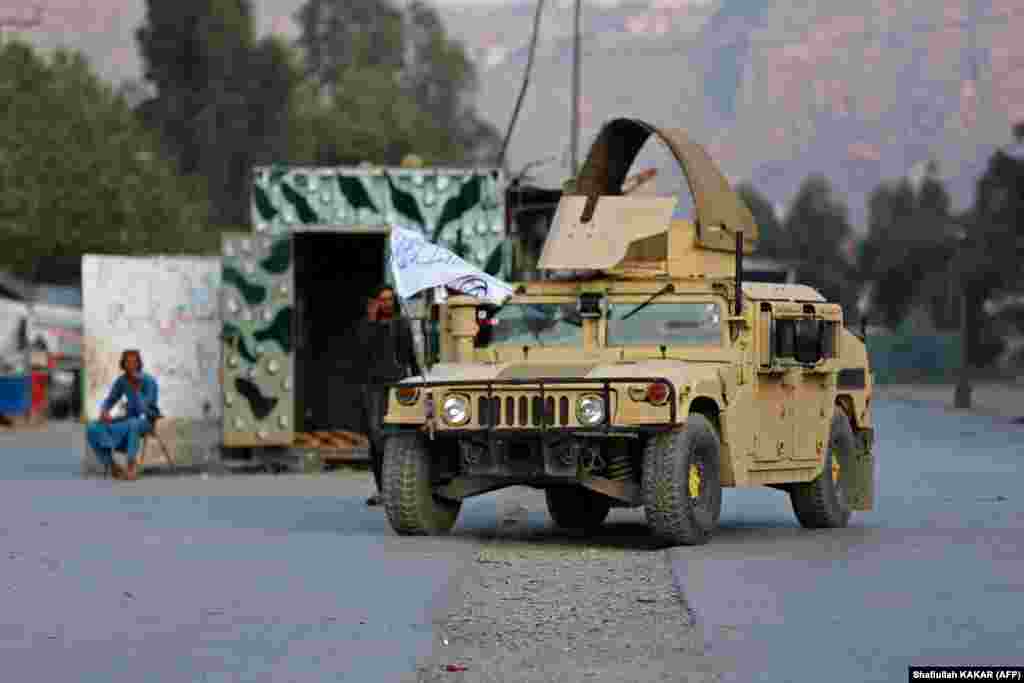
2/8A Humvee is seen near the closed gates of the Torkham border crossing.
Pakistan defended its decision to close its main border crossing with landlocked Afghanistan, saying Taliban authorities there were trying to build "unlawful structures" on its territory and "resorted to indiscriminate firing" when challenged.
Trucks remain stranded amid growing tensions at the border between Afghanistan and Pakistan, following a firefight that led to the closure of the countries' main crossing point.
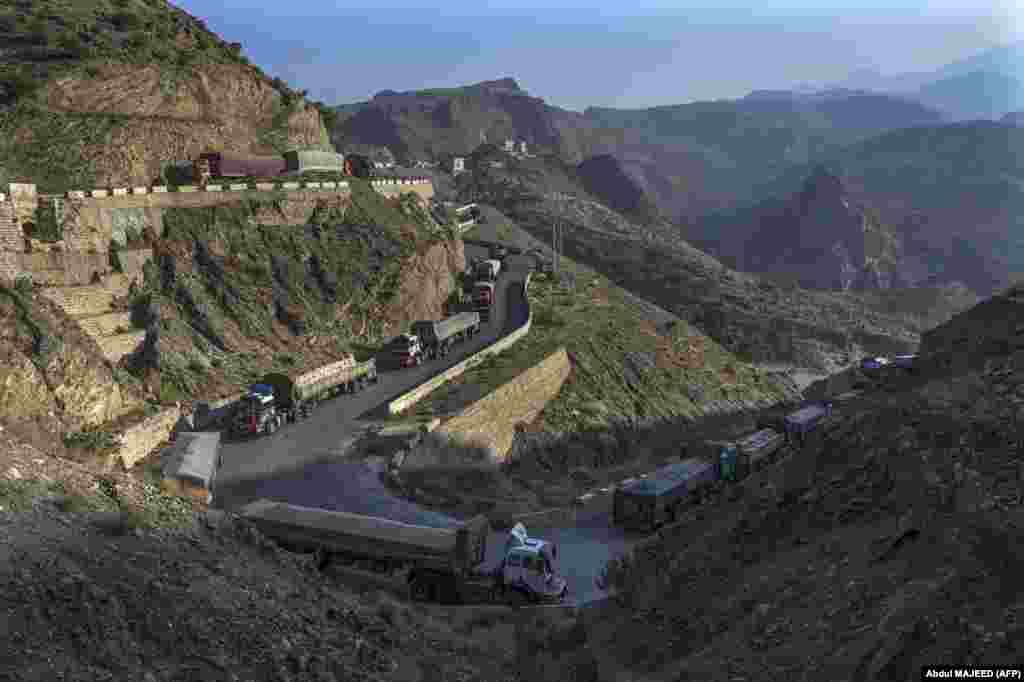
3/8Trucks are seen lined up near the border.
The same day as the firefight, the Pakistani military saidfour soldiers had been killed in clashes with militants in the northwestern Chitral district, which borders eastern Afghanistan.
Trucks remain stranded amid growing tensions at the border between Afghanistan and Pakistan, following a firefight that led to the closure of the countries' main crossing point.
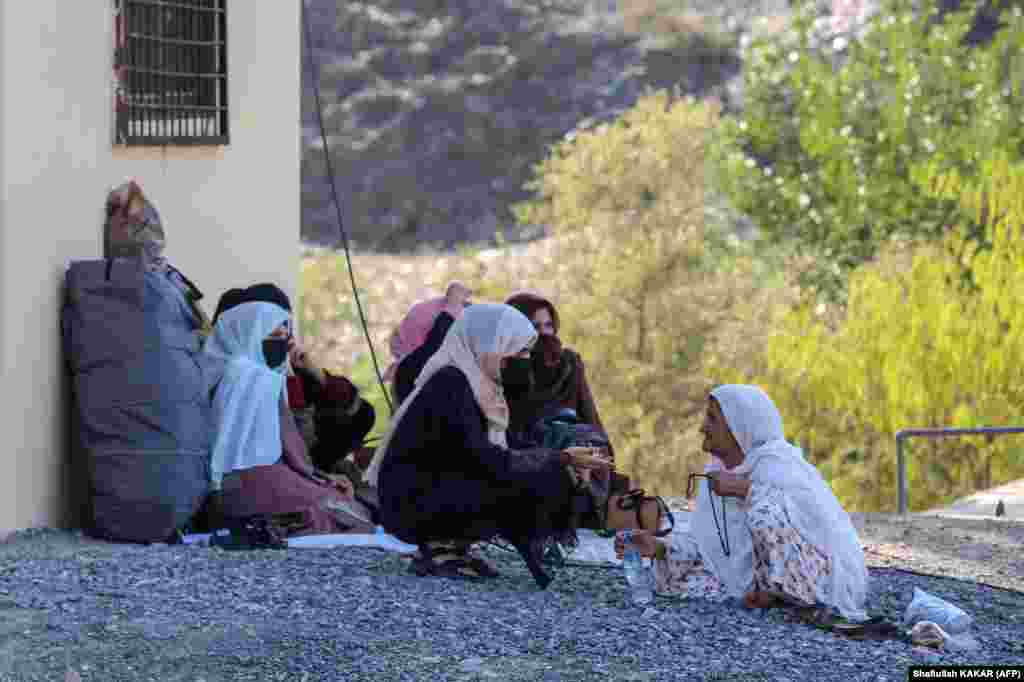
4/8Afghan women sit along a road on September 11 as they wait for the reopening of the border crossing.
The Tehrik-e Taliban Pakistan (TTP) extremist group, which is believed to be based in Afghanistan, said in a September 6 statement that a large number of its fighters had entered Chitral.
Trucks remain stranded amid growing tensions at the border between Afghanistan and Pakistan, following a firefight that led to the closure of the countries' main crossing point.
5/8Trucks are seen parked at the border.
The border clashes have highlighted the deteriorating relations between Pakistan and the Afghan Taliban, longtime allies who have fallen out over the Afghan militant group's alleged support for the TTP.
Trucks remain stranded amid growing tensions at the border between Afghanistan and Pakistan, following a firefight that led to the closure of the countries' main crossing point.
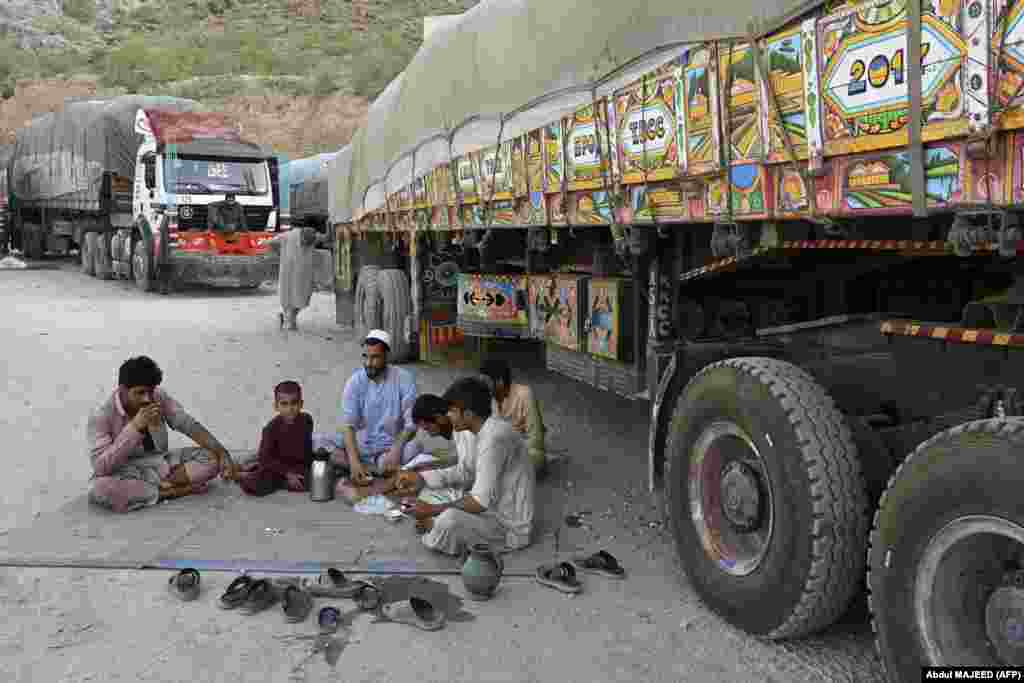
6/8Truck drivers and young children drink tea near their parked vehicles.
Pakistan is in the grip of an economic downturn, while Afghanistan is facing a catastrophic humanitarian crisis under the leadership of the Taliban, which took control in mid-2021.
Trucks remain stranded amid growing tensions at the border between Afghanistan and Pakistan, following a firefight that led to the closure of the countries' main crossing point.
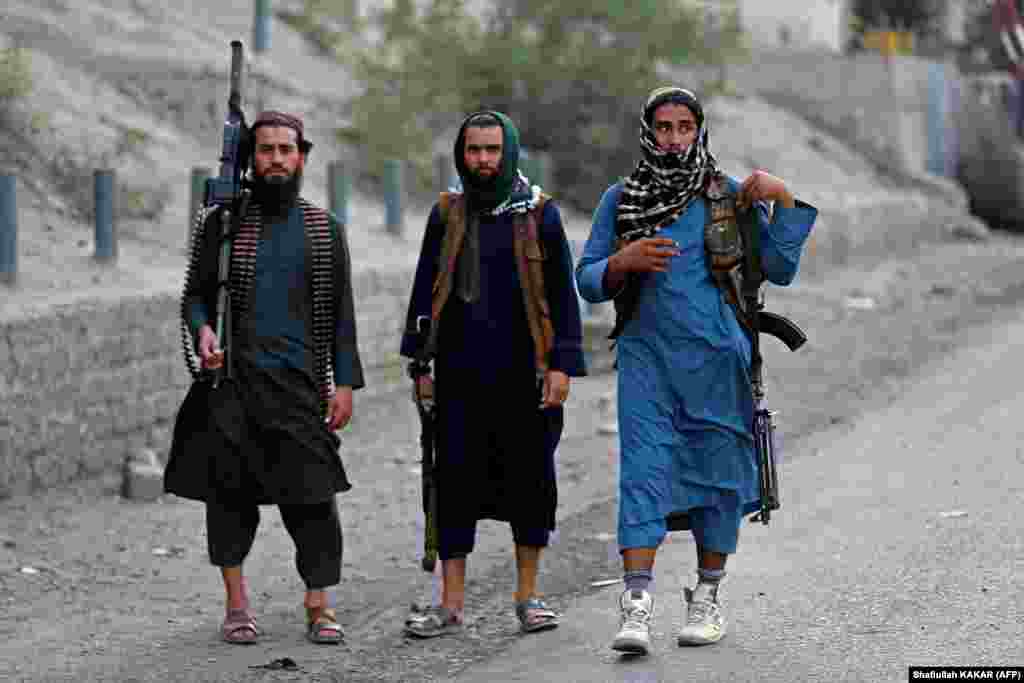
7/8Armed Taliban security personal stand guard near the historic border crossing on September 6 after travel was suspended.
Pakistan was one of only three countries to grant formal recognition to the previous Taliban government of 1996–2001. This time, Pakistan, like all other countries, has withheld recognition.
Trucks remain stranded amid growing tensions at the border between Afghanistan and Pakistan, following a firefight that led to the closure of the countries' main crossing point.
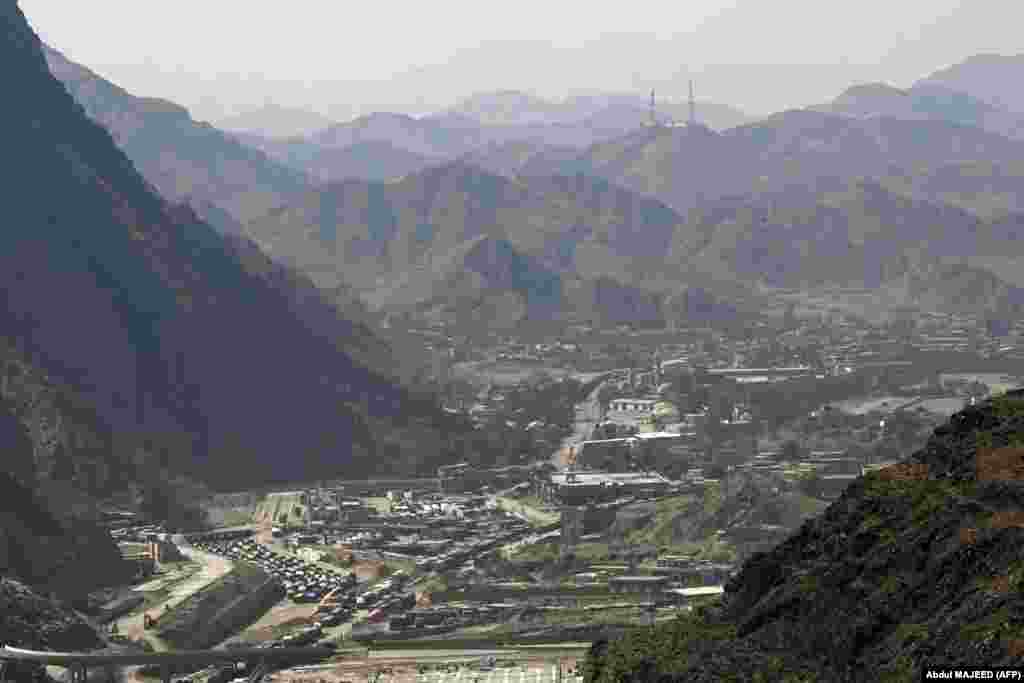
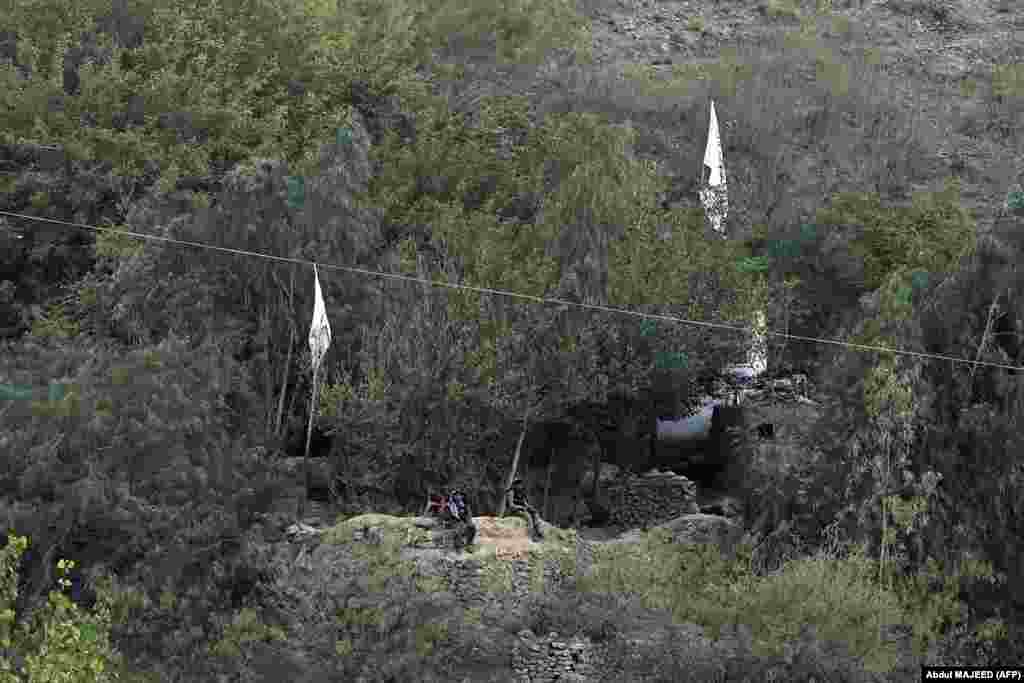
8/8Taliban security personnel keep watch at a post near Torkham on September 11.
The Taliban disputes the demarcation, while Islamabad says it inherited the international border after gaining independence from Britain in 1947.
Trucks remain stranded amid growing tensions at the border between Afghanistan and Pakistan, following a firefight that led to the closure of the countries' main crossing point.
Previous slide
Next slide
Kakar said that many of the detained Afghans possessed cards issued by the Pakistani government identifying them as Afghans.
"Urgent action needed to protect refugee rights," she wrote.
Afghan refugees in Pakistan complain of harassment and a lack of information and help in completing the paperwork needed for extending their stay in the country.
“After my Pakistani visa ended in July, I repeatedly applied to extend it but the government, unfortunately, has not processed it,” said one such refugee, who said his name was Ahmad.
“The Pakistani government announcement has created huge pressure and most of us now face mental health problems,” he told RFE/RL’s Radio Azadi.
The Pakistani government issued Proof of Registration cards for more than 1 million Afghans that expired on June 30.
Qaiser Khan Afridi, a spokesman for the United Nations High Commissioner for Refugees (UNHCR), told Radio Mashaal that the UNHCR is discussing the issue with the federal authorities in Islamabad.*
"I am extremely afraid of being arrested whenever I go to the market to buy groceries," said Aimal Habibi, an Afghan refugee in Sindh.
Since the early 1980s, Pakistan has hosted one of the largest refugee populations in the world.
But it has not signed the 1951 UN Convention Relating to the Status of Refugees. It also is not a signatory of the 1967 protocol, which broadens the definition of who can be considered a refugee.
Islamabad currently hosts about 1.4 million documented Afghan refugees. An equal number of undocumented Afghans are estimated to also be living in the country.

*Correction: A previous version of this story misquoted the spokesman for the UNHCR about an extension of the deadline.
RFE/RL's Radio Mashaal is a public-service broadcaster providing a powerful alternative to extremist propaganda in Pakistan's remote tribal regions along the border with Afghanistan.
RFE/RL's Radio Azadi is one of the most popular and trusted media outlets in Afghanistan. Nearly half of the country's adult audience accesses Azadi's reporting on a weekly basis.