




Russia resumed its missile and drone attacks on Kyiv, Odesa, and other Ukrainian cities on September 17, hours after the US Congress passed a sanctions package that supporters say will increase pressure on Moscow and countries that help finance its war against Ukraine.
Ukrainian President Volodymyr Zelenskyy said it was "symbolic" that the US House of Representatives passed the Lindsey O. Graham Sanctioning Russia and Iran Act of 2026 amid another Russian ballistic missile and drone attack on Ukraine.
He said Russian strikes hit civilian and energy infrastructure in eight regions, damaging homes in Kyiv and Odesa and injuring more than 10 people, including children.
"The Lindsey Graham bill, along with other strong sanctions steps by our partners against the source of this war -- against Russia -- is an extremely powerful tool that can stop this terrorist war and bring Russia to the point where it has to make peace," Zelenskyy wrote in a post on X.

Ukrainian Foreign Minister Andriy Sybiha welcomed the passage of the Russia sanctions bill, calling it a strong response to Moscow's continued attacks on Ukraine.
Sybiha urged further sanctions, including a full embargo, restrictions on Russia's so-called shadow fleet, and blocking sanctions targeting its military-industrial complex.
"We can stop Putin by depriving him of the resources to continue this war," Sybiha wrote on X.
Kyiv Mayor Vitali Klitschko said 18 people, including children, had been injured in the capital, while a repeat drone strike sparked a fire in an administrative building.
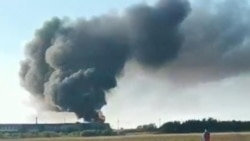

Regional authorities said a Russian overnight strike on Odesa injured six people, including two children, and damaged residential buildings, a private home and infrastructure.
Zaporizhzhya, in southeastern Ukraine, was hit by a Russian missile strike that injured three people and damaged industrial facilities, according to regional authorities.
Meanwhile, Russian officials reported that a Ukrainian drone attack damaged an oil refinery in the Russian city of Yaroslavl.
Authorities in Russia's Krasnodar region said drone debris sparked a fire at an oil refinery, which was quickly extinguished. No injuries reported.
The refinery, located about 250 kilometers northeast of Moscow, had previously been targeted by Ukrainian drones and halted processing at two of its three crude distillation units following the August attack.
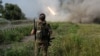
Zelenskyy confirmed the attack on the Yaroslavl oil refinery, adding that Ukraine's Security Service had carried out a strike on a military airfield in Rostov, in southern Russia near the Ukrainian border, damaging three planes and three helicopters.
The attacks that targeted energy facilities in Russia and Ukraine followed US President Donald Trump's announcement of an energy truce between the two countries on September 14, although neither side has confirmed such an agreement.
Earlier, Trump had also urged Zelenskyy to stop targeting Russian diesel infrastructure, blaming the attacks for a diesel shortage that is "hurting the world."