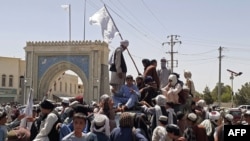
Taliban fighters hoisting the group’s flag in Kandahar, which was captured on August 12.
The Taliban’s capture of two crucial cities in Afghanistan -- Kandahar and Herat -- marks a major turning point in the 20-year war between the internationally backed Afghan government and the Taliban insurgency, observers say.
Kandahar, the nation’s second-largest city, is the economic hub of southern Afghanistan. It also served as the capital of the brutal Taliban regime that ruled the country from 1996-2001.
The ancient city of Herat, the country’s third-biggest urban center, is a major cultural and commercial hub in western Afghanistan.
Analysts say the fall of the cities in the space of just hours on August 12 has decisively shifted the balance of power in Afghanistan in the Taliban’s favor.
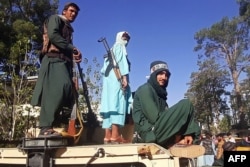
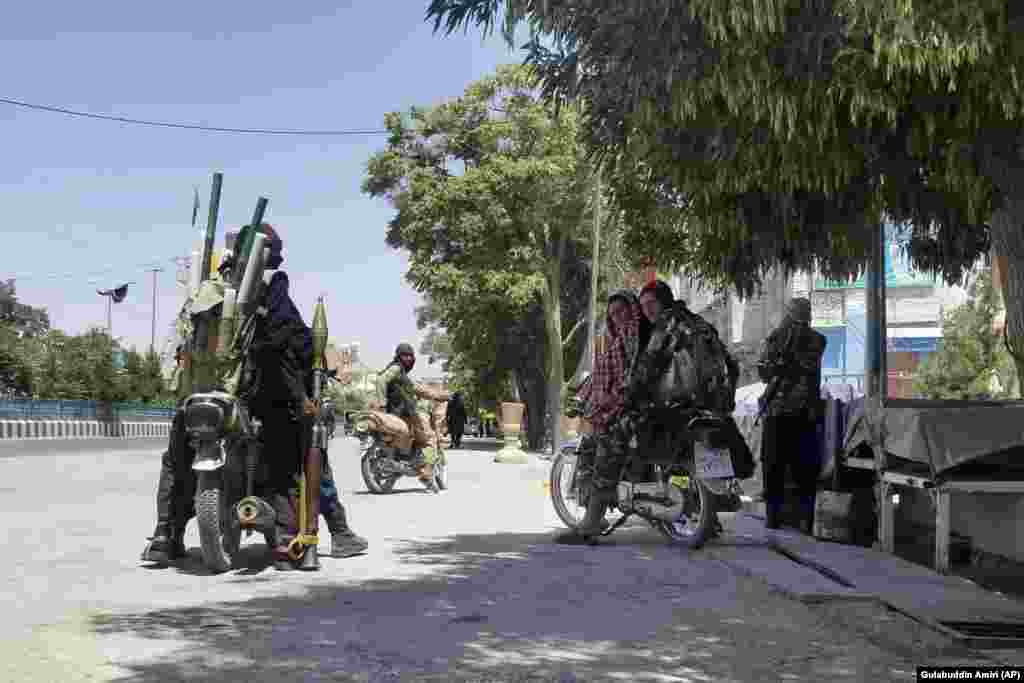
Taliban fighters in Herat.
After effectively seizing control of Afghanistan’s west, south-central, and most of the north, the insurgents are expected to advance on Kabul, directly threatening the survival of the Western-backed central government.
“The fall of Kandahar feels like a game-changing event,” says Jonathan Schroden, a former adviser to the U.S. military and a security expert with the U.S.-based nonprofit research and analysis organization CNA.
“As a former capital of the Islamic Emirate [of Afghanistan], the Taliban's seizure of it feels like the reestablishment of the emirate inside Afghanistan,” he adds, referring to the official name of Taliban’s regime that ruled from 1996-2001.
‘Balance Of Power In Favor Of The Taliban’
The Taliban had captured 16 of Afghanistan’s 34 provincial capitals as of August 13 and seized control of over half of the country’s roughly 400 districts in a blistering offensive since the start of the final withdrawal of foreign troops on May 1.
Fleeing Fighting, Afghans Flood Into Kabul And Gather At Pakistan Border
Tens of thousands of people have been flooding into the Afghan capital, Kabul, and gathering at the Pakistan border to escape the escalating fighting between Taliban militants and government forces. As more provincial capitals fell to the Taliban, Afghanistan's Refugees and Repatriations Ministry said that more than 35,000 families had arrived in the capital over the last week and that officials are struggling to provide them food and shelter.
Show moreShow less
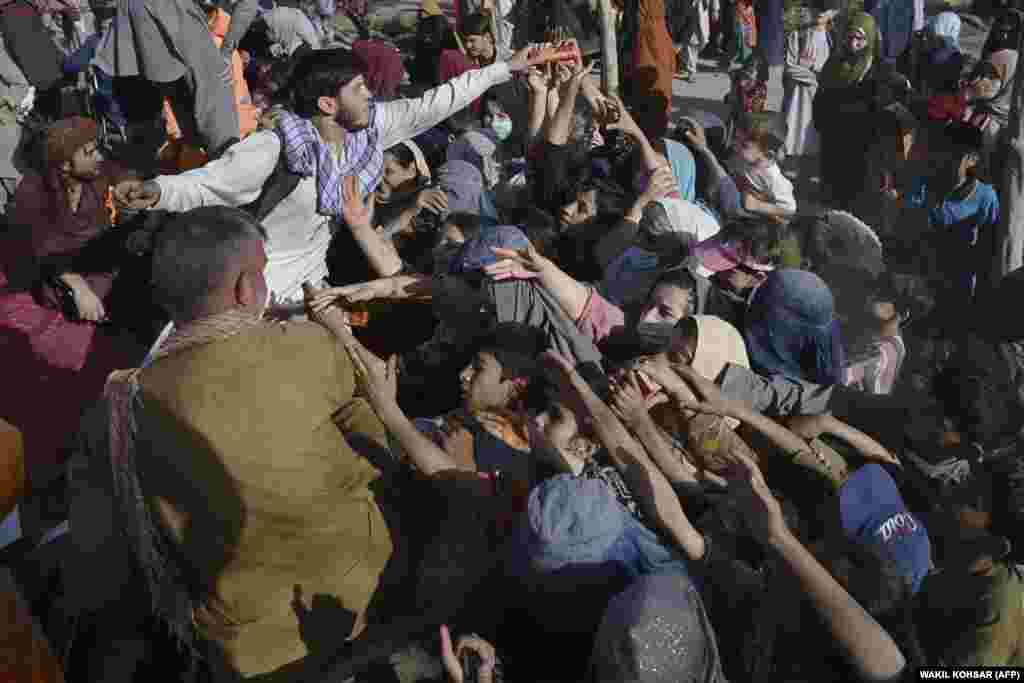
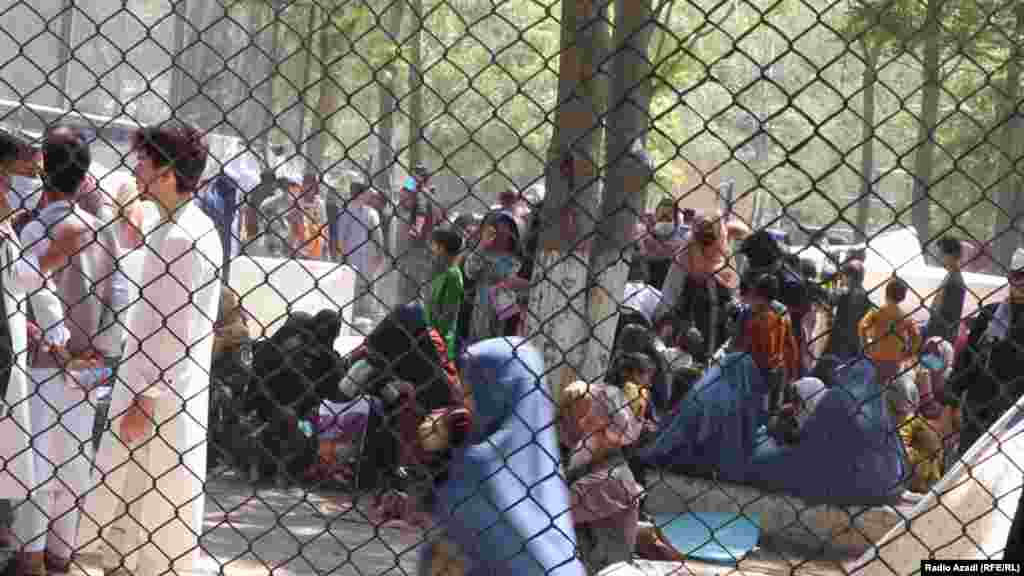
2/18Thousands of internally displaced people (IDPs) flooded into Kabul's northern Khair Khana district on August 11. Many traveled from Badakhshan, Baghlan, Kunduz, Takhar, and other Afghan provinces that have been overrun by Taliban militants.
Tens of thousands of people have been flooding into the Afghan capital, Kabul, and gathering at the Pakistan border to escape the escalating fighting between Taliban militants and government forces. As more provincial capitals fell to the Taliban, Afghanistan's Refugees and Repatriations Ministry said that more than 35,000 families had arrived in the capital over the last week and that officials are struggling to provide them food and shelter.
Show moreShow less
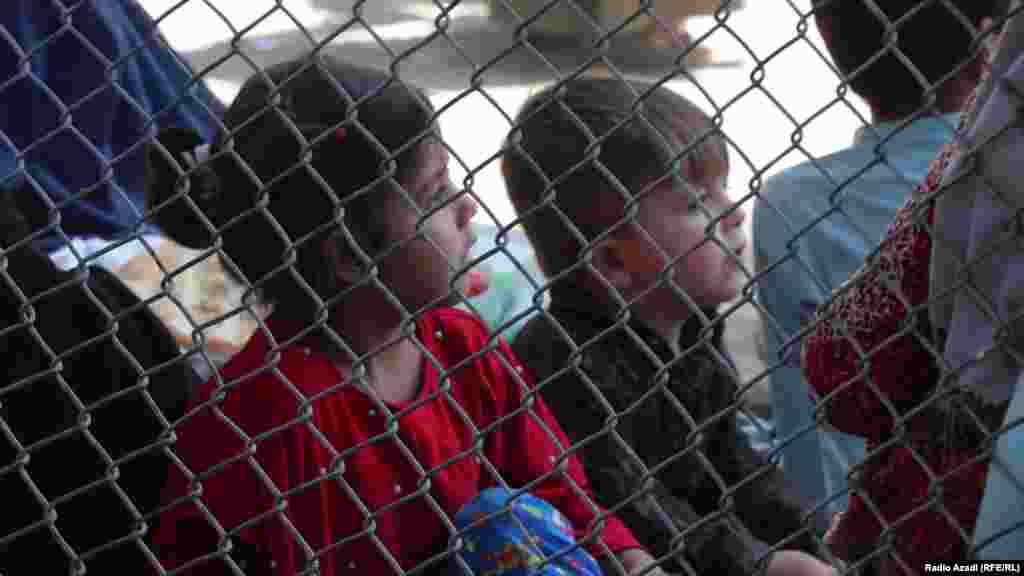
3/18Children who have fled recent fighting find safety in the Afghan capital, Kabul.
Tens of thousands of people have been flooding into the Afghan capital, Kabul, and gathering at the Pakistan border to escape the escalating fighting between Taliban militants and government forces. As more provincial capitals fell to the Taliban, Afghanistan's Refugees and Repatriations Ministry said that more than 35,000 families had arrived in the capital over the last week and that officials are struggling to provide them food and shelter.
Show moreShow less
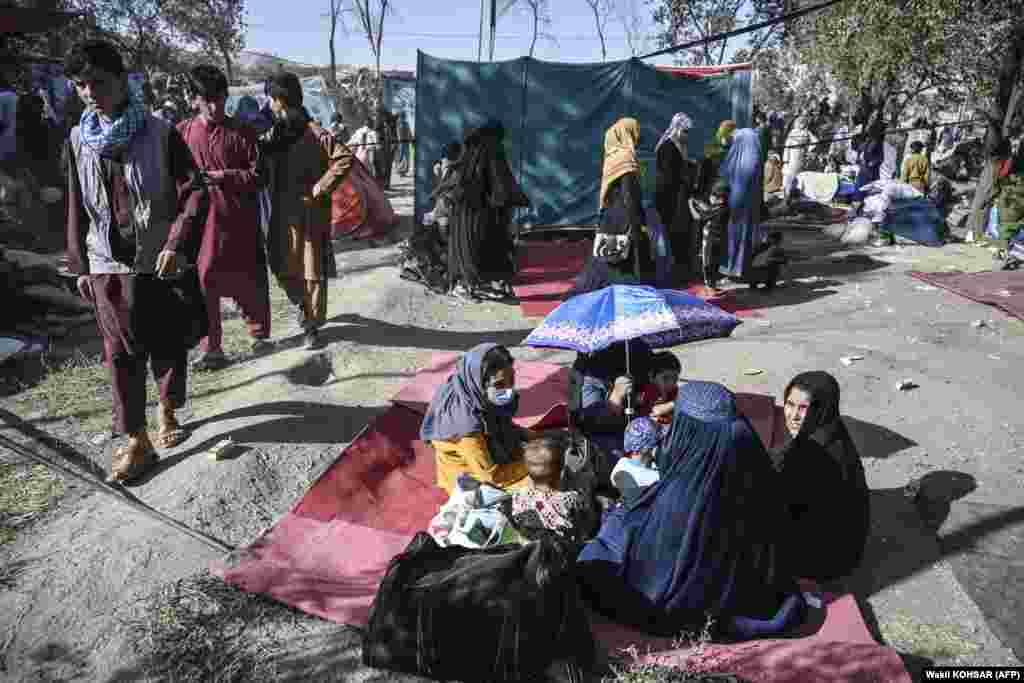
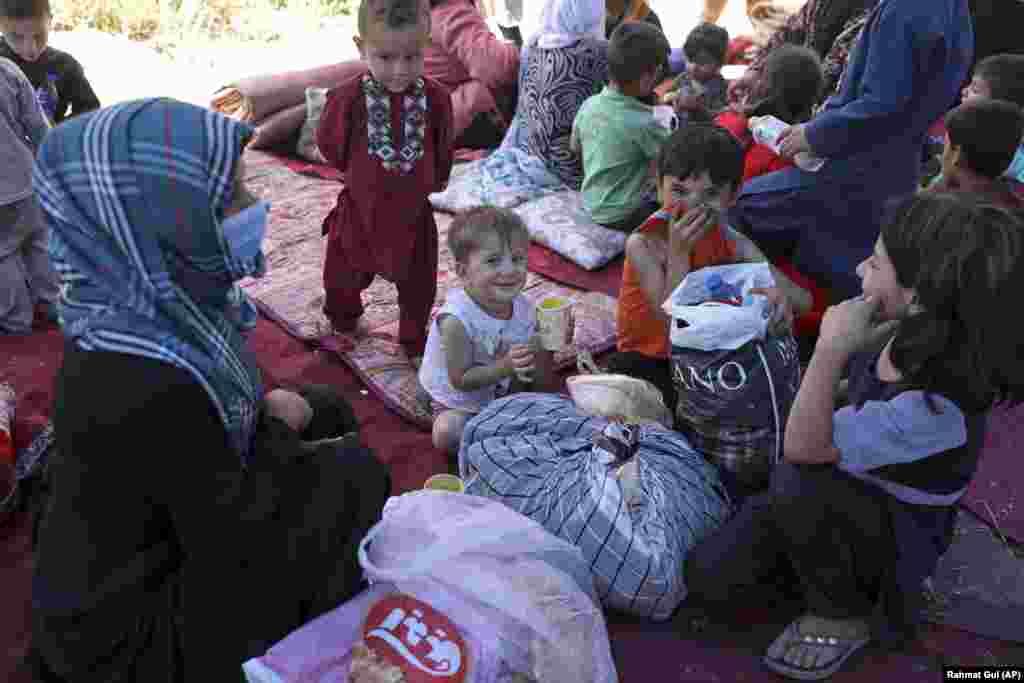
4/18Internally displaced Afghan families rest in a field in Kabul after fleeing Kunduz and Takhar provinces, where fighting raged between Taliban militants and Afghan security forces.
Tens of thousands of people have been flooding into the Afghan capital, Kabul, and gathering at the Pakistan border to escape the escalating fighting between Taliban militants and government forces. As more provincial capitals fell to the Taliban, Afghanistan's Refugees and Repatriations Ministry said that more than 35,000 families had arrived in the capital over the last week and that officials are struggling to provide them food and shelter.
Show moreShow less
5/18Some Afghan families have been living in tents at a makeshift camp in the Sara-e Shamali district of Kabul.
Tens of thousands of people have been flooding into the Afghan capital, Kabul, and gathering at the Pakistan border to escape the escalating fighting between Taliban militants and government forces. As more provincial capitals fell to the Taliban, Afghanistan's Refugees and Repatriations Ministry said that more than 35,000 families had arrived in the capital over the last week and that officials are struggling to provide them food and shelter.
Show moreShow less
6/18Internally displaced Afghans sit under their shelters at the Sara-e Shamali camp in Kabul.
Tens of thousands of people have been flooding into the Afghan capital, Kabul, and gathering at the Pakistan border to escape the escalating fighting between Taliban militants and government forces. As more provincial capitals fell to the Taliban, Afghanistan's Refugees and Repatriations Ministry said that more than 35,000 families had arrived in the capital over the last week and that officials are struggling to provide them food and shelter.
Show moreShow less
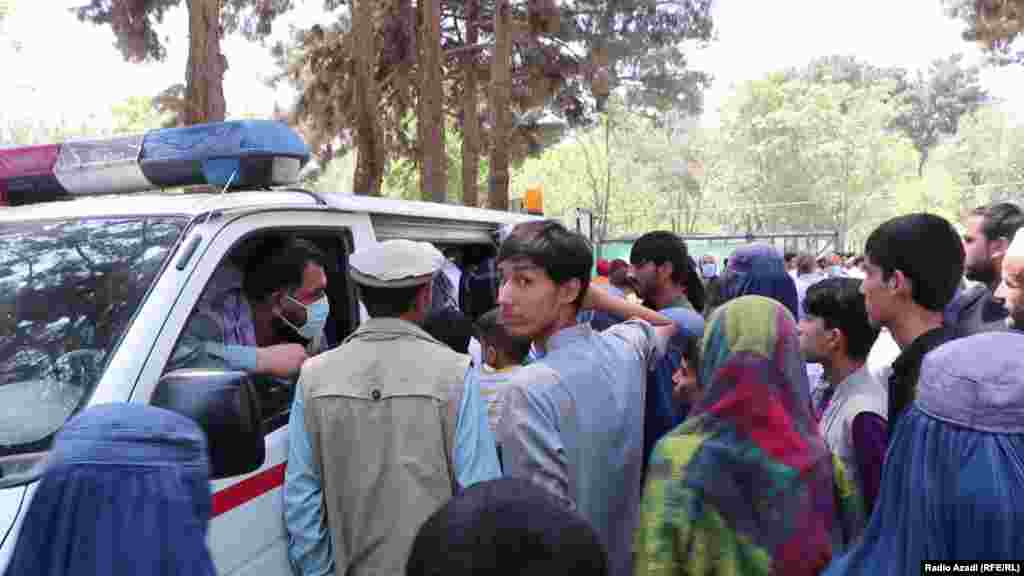
7/18People seeking medical care gather around an ambulance in Kabul's northern Khair Khana district on August 11.
Tens of thousands of people have been flooding into the Afghan capital, Kabul, and gathering at the Pakistan border to escape the escalating fighting between Taliban militants and government forces. As more provincial capitals fell to the Taliban, Afghanistan's Refugees and Repatriations Ministry said that more than 35,000 families had arrived in the capital over the last week and that officials are struggling to provide them food and shelter.
Show moreShow less
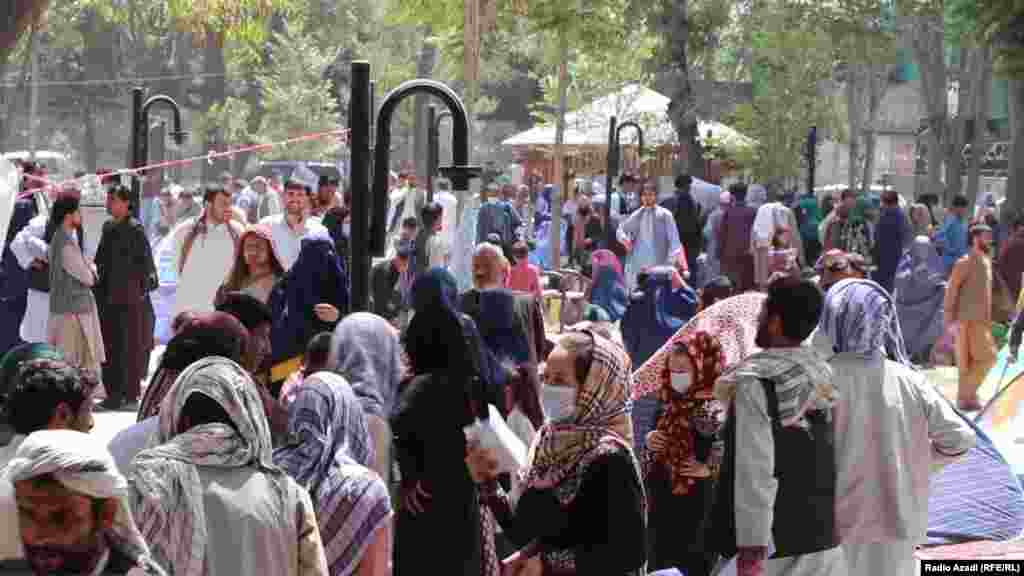
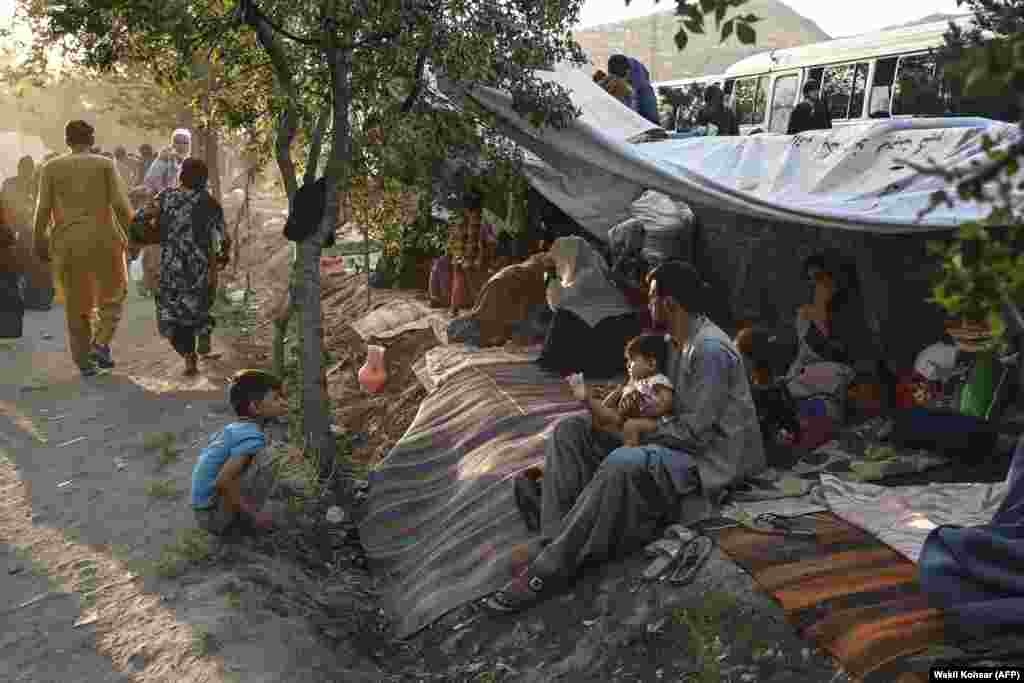
8/18Displaced Afghans have been living in this Kabul park.
Tens of thousands of people have been flooding into the Afghan capital, Kabul, and gathering at the Pakistan border to escape the escalating fighting between Taliban militants and government forces. As more provincial capitals fell to the Taliban, Afghanistan's Refugees and Repatriations Ministry said that more than 35,000 families had arrived in the capital over the last week and that officials are struggling to provide them food and shelter.
Show moreShow less
9/18Displaced children from Afghanistan's northern provinces take refuge in a public park in Kabul.
Tens of thousands of people have been flooding into the Afghan capital, Kabul, and gathering at the Pakistan border to escape the escalating fighting between Taliban militants and government forces. As more provincial capitals fell to the Taliban, Afghanistan's Refugees and Repatriations Ministry said that more than 35,000 families had arrived in the capital over the last week and that officials are struggling to provide them food and shelter.
Show moreShow less
10/18An Afghan child receives medical treatment in a Kabul park.
Tens of thousands of people have been flooding into the Afghan capital, Kabul, and gathering at the Pakistan border to escape the escalating fighting between Taliban militants and government forces. As more provincial capitals fell to the Taliban, Afghanistan's Refugees and Repatriations Ministry said that more than 35,000 families had arrived in the capital over the last week and that officials are struggling to provide them food and shelter.
Show moreShow less
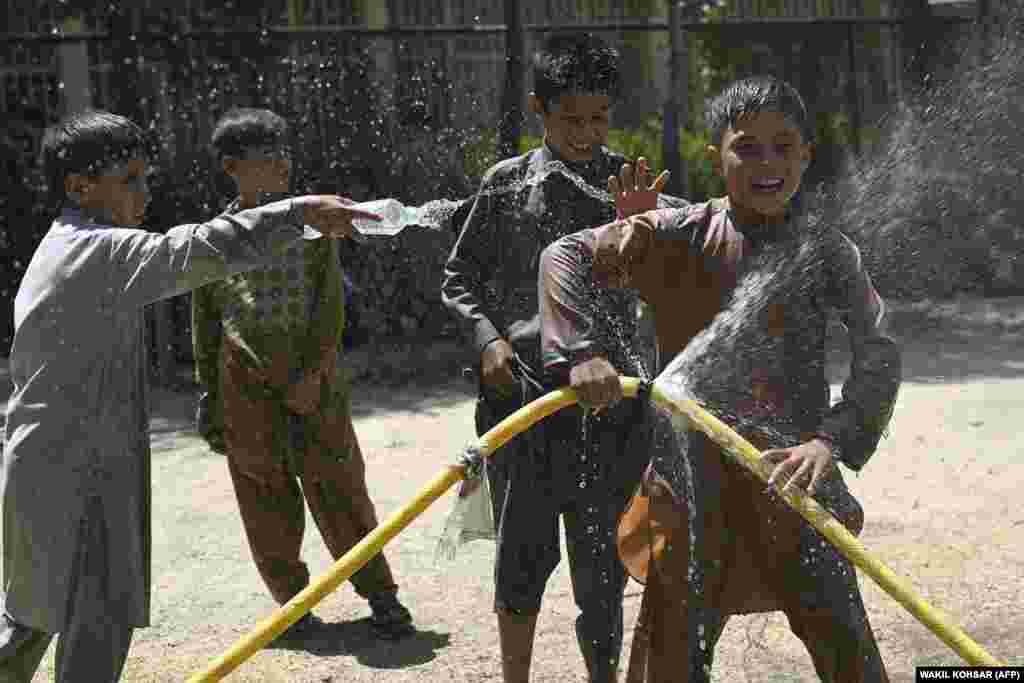
11/18Afghan children cool off while playing with a hose at the Shahr-e Naw park in Kabul.
Tens of thousands of people have been flooding into the Afghan capital, Kabul, and gathering at the Pakistan border to escape the escalating fighting between Taliban militants and government forces. As more provincial capitals fell to the Taliban, Afghanistan's Refugees and Repatriations Ministry said that more than 35,000 families had arrived in the capital over the last week and that officials are struggling to provide them food and shelter.
Show moreShow less
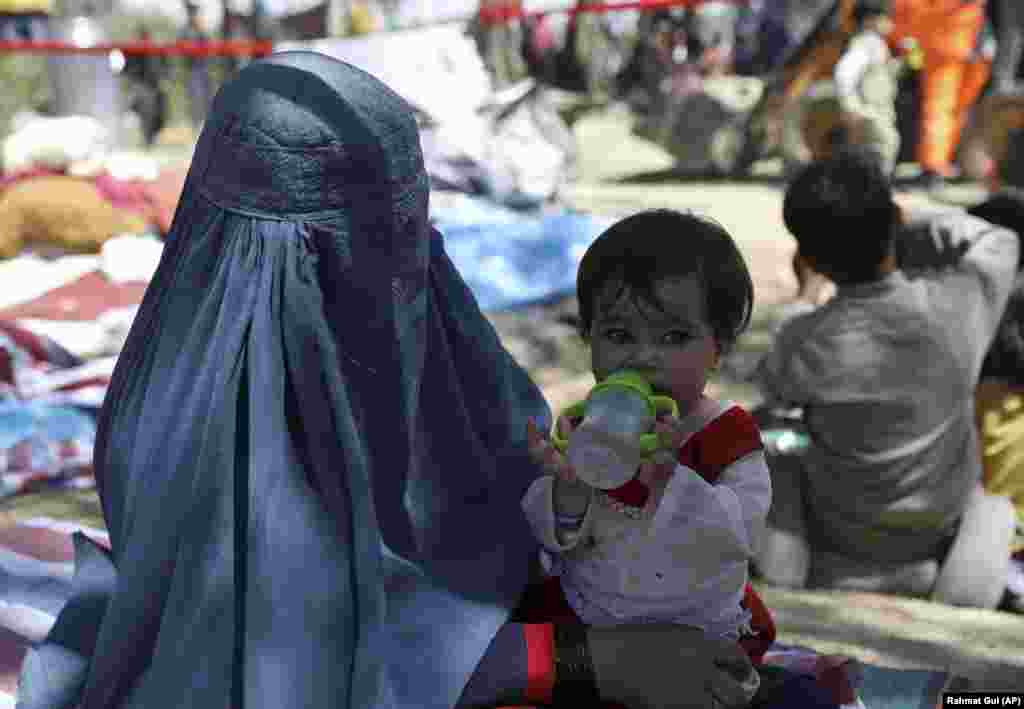
12/18An Afghan woman and child in a Kabul public park.
Tens of thousands of people have been flooding into the Afghan capital, Kabul, and gathering at the Pakistan border to escape the escalating fighting between Taliban militants and government forces. As more provincial capitals fell to the Taliban, Afghanistan's Refugees and Repatriations Ministry said that more than 35,000 families had arrived in the capital over the last week and that officials are struggling to provide them food and shelter.
Show moreShow less
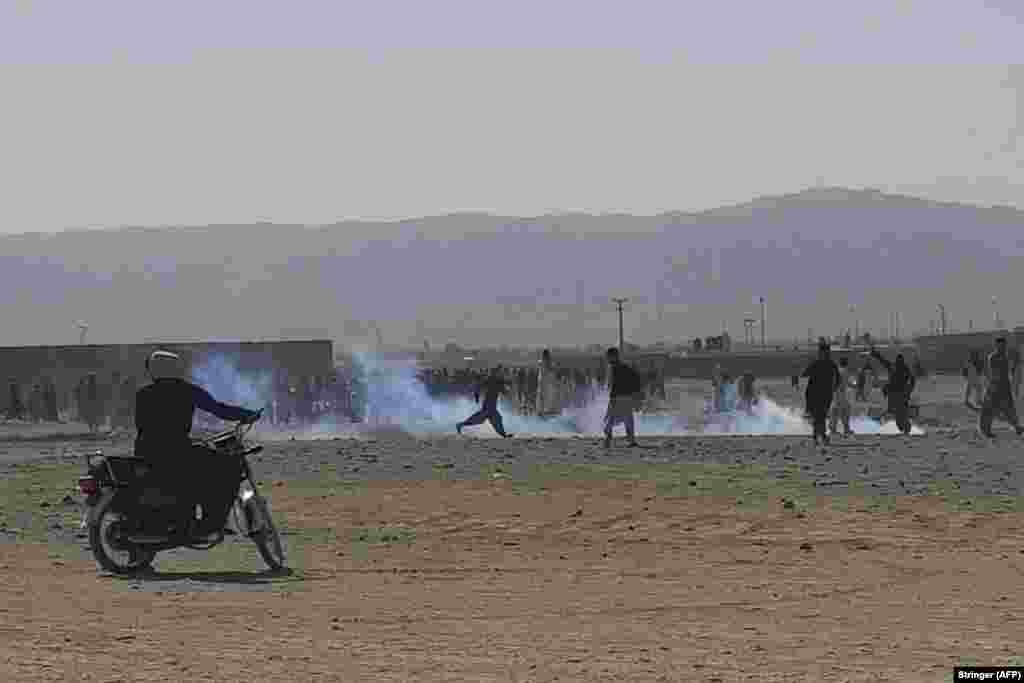
13/18Pakistani security forces use tear gas to disperse displaced Afghans who were gathering at the Pakistani border on August 12. Many Afghans want to get to the Pakistani city of the Chaman border crossing, but it was closed after the Taliban took control of the Kandahar side.
Tens of thousands of people have been flooding into the Afghan capital, Kabul, and gathering at the Pakistan border to escape the escalating fighting between Taliban militants and government forces. As more provincial capitals fell to the Taliban, Afghanistan's Refugees and Repatriations Ministry said that more than 35,000 families had arrived in the capital over the last week and that officials are struggling to provide them food and shelter.
Show moreShow less
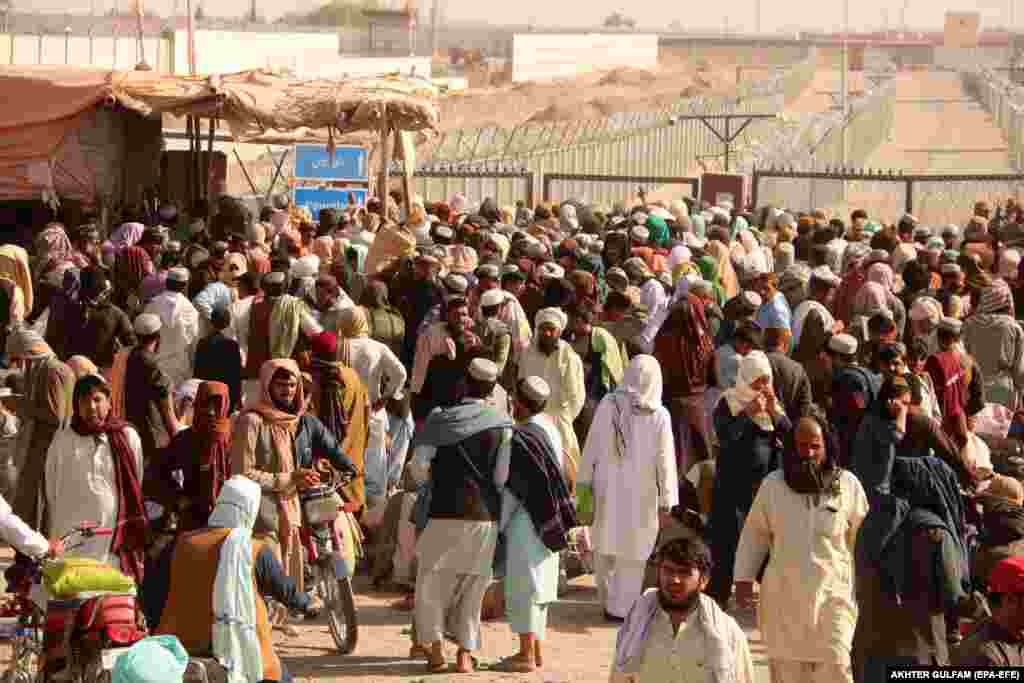
14/18People stranded at the Afghan-Pakistan border on August 11 after the Chaman crossing was closed. The Taliban's shadow governor for Kandahar Province issued a statement a week before, announcing the closure of the border.
Tens of thousands of people have been flooding into the Afghan capital, Kabul, and gathering at the Pakistan border to escape the escalating fighting between Taliban militants and government forces. As more provincial capitals fell to the Taliban, Afghanistan's Refugees and Repatriations Ministry said that more than 35,000 families had arrived in the capital over the last week and that officials are struggling to provide them food and shelter.
Show moreShow less
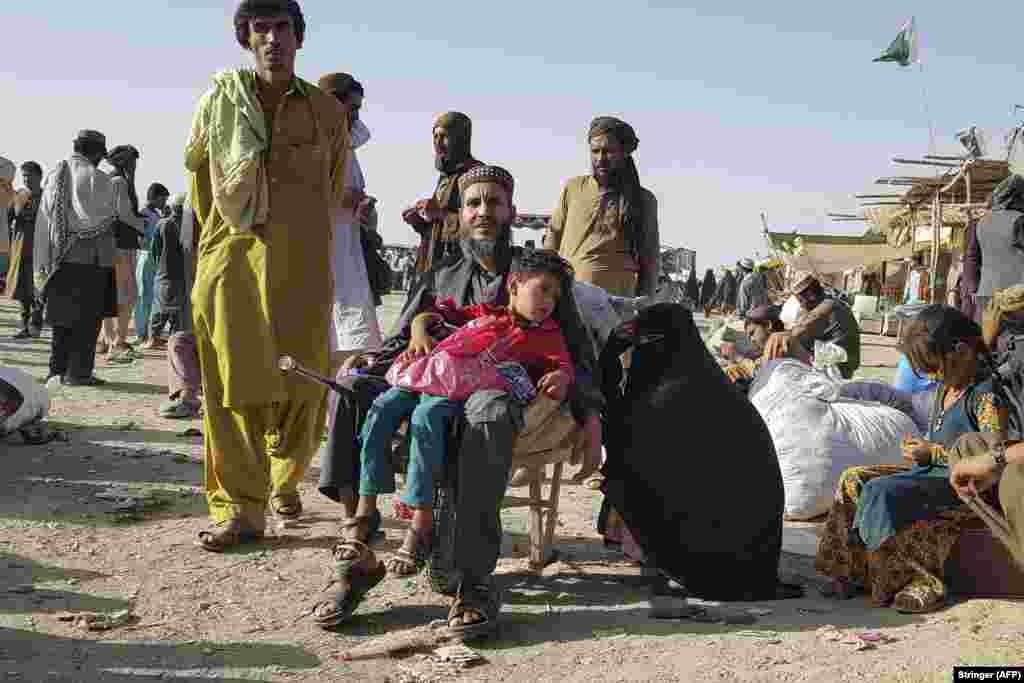
15/18Afghan families stranded at the Afghan-Pakistan border on August 12. The Taliban has taken control of most of Kandahar Province and there has been heavy fighting in the provincial capital as government forces try to hold onto Kandahar city.
Tens of thousands of people have been flooding into the Afghan capital, Kabul, and gathering at the Pakistan border to escape the escalating fighting between Taliban militants and government forces. As more provincial capitals fell to the Taliban, Afghanistan's Refugees and Repatriations Ministry said that more than 35,000 families had arrived in the capital over the last week and that officials are struggling to provide them food and shelter.
Show moreShow less
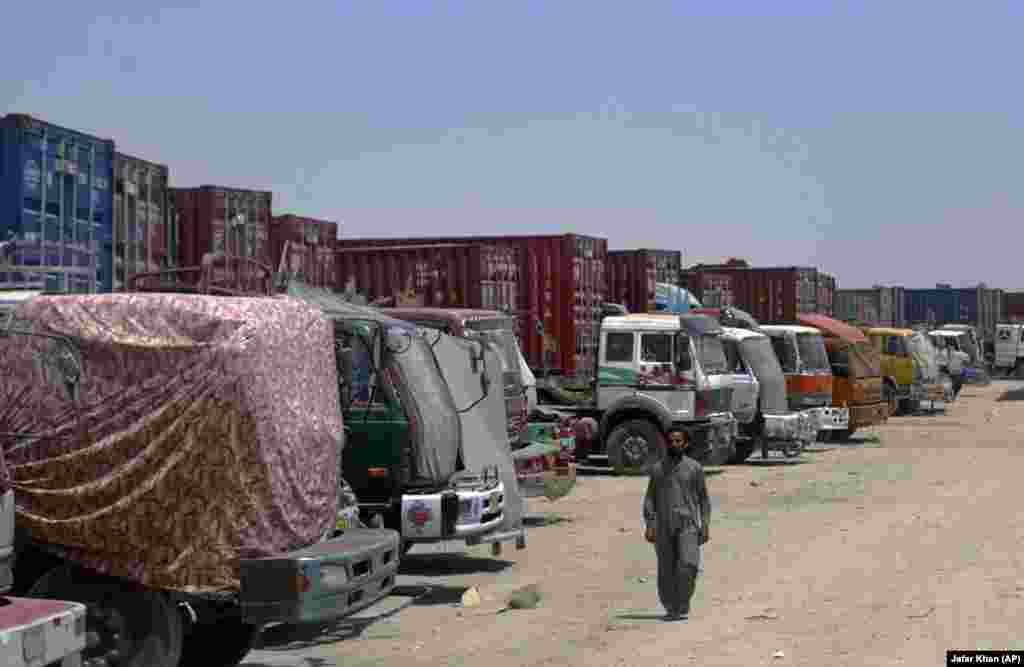
16/18A driver walks past Afghan-bound trucks stuck at the Chaman border crossing.
Tens of thousands of people have been flooding into the Afghan capital, Kabul, and gathering at the Pakistan border to escape the escalating fighting between Taliban militants and government forces. As more provincial capitals fell to the Taliban, Afghanistan's Refugees and Repatriations Ministry said that more than 35,000 families had arrived in the capital over the last week and that officials are struggling to provide them food and shelter.
Show moreShow less
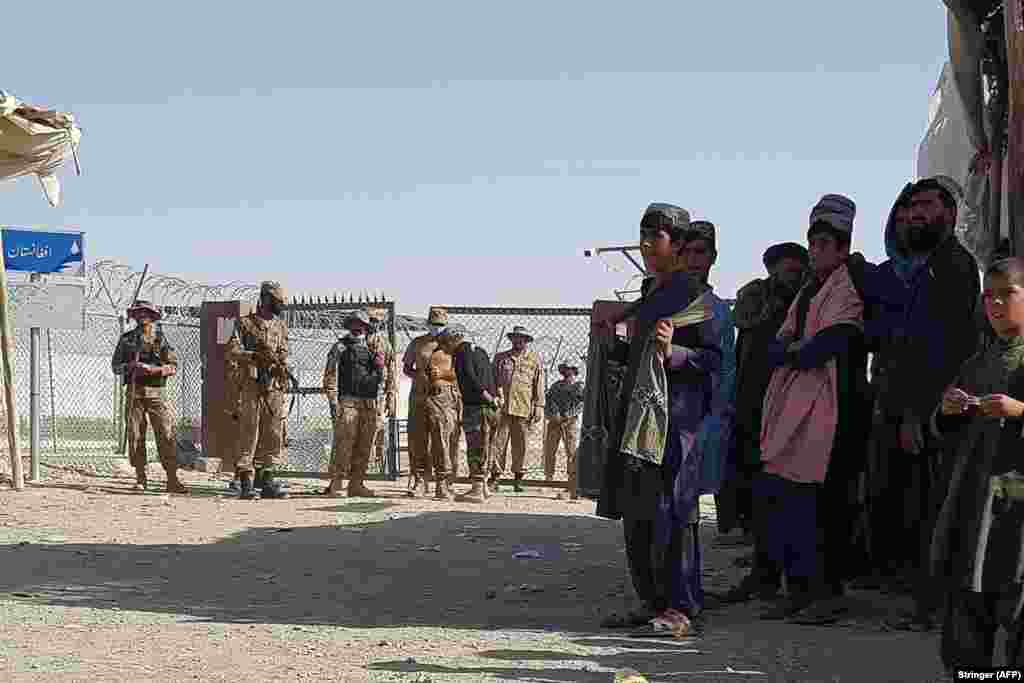
17/18Pakistani soldiers stand guard as stranded Afghans wait for the reopening of the border crossing on August 12.
Tens of thousands of people have been flooding into the Afghan capital, Kabul, and gathering at the Pakistan border to escape the escalating fighting between Taliban militants and government forces. As more provincial capitals fell to the Taliban, Afghanistan's Refugees and Repatriations Ministry said that more than 35,000 families had arrived in the capital over the last week and that officials are struggling to provide them food and shelter.
Show moreShow less
18/18Taliban fighters took control of Ghazni, the capital of Ghazni Province, on August 12. It becomes the 10th Afghan provincial capital to fall to the militants over the past week. Ghazni is located 150 kilometers southwest of Kabul and has major strategic importance. It lies along the Kabul-Kandahar highway that connects the capital with militant strongholds in the south.
Tens of thousands of people have been flooding into the Afghan capital, Kabul, and gathering at the Pakistan border to escape the escalating fighting between Taliban militants and government forces. As more provincial capitals fell to the Taliban, Afghanistan's Refugees and Repatriations Ministry said that more than 35,000 families had arrived in the capital over the last week and that officials are struggling to provide them food and shelter.
Show moreShow less
Previous slide
Next slide
The Taliban seized Kandahar and Herat after weeks of heavy fighting in and around those cities. Regular government troops, special forces, and civilian militias were increasingly overrun in recent days. Many government forces retreated, surrendered, or deserted, with some even joining the militants.
Ismail Khan, one of Afghanistan’s most powerful former warlords, was captured by Taliban fighters on August 13 shortly after the fall of Herat. The elderly Khan had been leading a pro-government civilian militia in defense of Herat.
In another blow, Lashkar Gah, the provincial capital of the southern province of Helmand, fell to the Taliban the same day, further consolidating the militant group’s grip on the country’s southern Pashtun heartland.
The region is a stronghold of the Taliban, a predominately Pashtun group.
Two other southern provincial capitals, Tarin Kowt, in neighboring Uruzgan Province, and Qalat, the capital of Zabul Province, also collapsed on August 13.
Afghan civilians fleeing the city of Herat, which was captured on August 12.
Having largely sewn up the south, the Taliban is marching on Kabul, the nation’s capital and home to around 5 million people. Tens of thousands of people fleeing the militants' advance have taken refuge in the overcrowded city in recent weeks.
Closing In On Kabul
On August 12, the insurgents took over Ghazni, a strategic city in southeastern Afghanistan, directly threatening Kabul. The city is located on the main highway connecting Kabul and Kandahar and is located just 150 kilometers from the capital.
In a further sign that the Taliban was turning its focus on Kabul, the militants on August 13 seized Pul-e Alam, the provincial capital of Logar Province. The city is just 70 kilometers from Kabul. Logar is also the home province of President Ashraf Ghani.
“The simultaneous fall of Ghazni, Herat, and Kandahar has definitely shifted the balance of power in favor of the Taliban,” says Ali Adili, a researcher at the Afghanistan Analysts Network, an independent think tank in Kabul.
“Residents of Kabul feel the inevitability of the city being the next possible target,” he adds.
‘Politicking’
The speed and scale of the Afghan military’s collapse has shocked observers. The Taliban has gained control of 16 provincial capitals in just a single week.
Some observers have likened the capitulation to the Islamic State (IS) extremist group’s capture of large swaths of Iraq and Syria in 2014, when it declared a so-called “caliphate.”
As of August 13, the government controls only three major cities -- Kabul, Jalalabad, and Mazar-e Sharif. The latter is a major commercial hub and the largest city in northern Afghanistan. The city, a rare island of government control in the north, has been under siege for weeks.
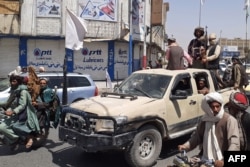
Taliban fighters drive an Afghan National Army vehicle through a street in Kandahar on August 13.
Afghan forces are now focused on defending Kabul, where a major Taliban assault could cause a humanitarian disaster. It is unclear if the militants will attempt to forcibly take over the city or try to negotiate its surrender. Afghan officials have vowed to resist the insurgents.
U.S. defense officials say that Taliban fighters could isolate Afghanistan's capital in a month and possibly take it over within 90 days.
In response to the Taliban's swift advances, the U.S. military said on August 12 that it would send about 3,000 extra troops to Afghanistan within 48 hours to help evacuate U.S. Embassy staff from Kabul. Other embassies and aid groups said they also were getting their people out.
Washington has declared August 31 as the date when all of its forces will have been withdrawn from Afghanistan -- nearly 20 years after a U.S.-led invasion overthrew the Taliban government.
“While there is a lot of politicking that could yet take place to save Kabul from Taliban military capture, the deck now appears to be stacked against the government,” says Schroden.
Frud Bezhan is Senior Regional Editor in the English-language Central Newsroom at RFE/RL, leading coverage of the Middle East, South Asia, and Central Asia. Previously, he was the Regional Desk Editor for the Near East, with a primary focus on Iran, Afghanistan, and Pakistan. As a correspondent, he reported from Afghanistan, Turkey, Kosovo, and Western Europe.