

Accessibility links

Breaking News

Trade-Hindering Turmoil On Afghan-Pakistan Border Is Just Part Of Problem

A Pakistani soldier keeps guard at the Friendship Gate, which marks the Afghan border crossing at the Pakistani town of Chaman.

CHAMAN, Pakistan -- Despite allegations of a massacre near a border crossing between southern Afghanistan and Pakistan, foot traffic is resuming across this normally bustling trade and travel crossroads in South Asia.

The partial reopening at a key point of the Afghan-Pakistani border follows a purported deal between Taliban fighters and Pakistani officials.

But ongoing delays and reports of the mounting civilian casualties in nearby Afghan districts under Taliban control highlight major obstacles to the normalization of trade or other aspects of life in the region amid a dire security situation.

In the southern Afghan province of Kandahar, the district around the Spin Boldak border crossing into Pakistan is among dozens that have fallen into Taliban hands since the withdrawal of U.S.-led international troops began in May.
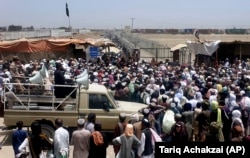
Those stranded at the border move to cross into Afghanistan from the crossing point at Chaman on July 17.

Afghan government forces are said to be trying to retake the district from the militants.

But a Pakistani official told RFE/RL's Radio Mashaal that the partial reopening of the Spin Boldak crossing adjacent to the Pakistani town of Chaman was the result of a July 21 meeting between Taliban representatives and Pakistani border officials.

The source, who did not want to be identified because he was not authorized to talk publicly about the situation, said the Taliban has agreed to allow people to cross the border on foot each day from 8 a.m. to 11 a.m.

A former head of the Pakistan Traders Association, Daro Khan Achakzai, told Radio Mashaal on July 23 that merchants are suffering due to insecurity in the area.

He said even though the border is now being opened for foot traffic, containers full of goods intended for trading remain stranded on both sides.
Achakzai said the area on the Afghan side of the border is under Taliban control and that Pakistan doesn't recognize Taliban authority.

He said that means Pakistan also is not accepting documents on things like customs fees -- inflicting huge losses on trapped traders.

And while would-be traders and others are eager to see the checkpoint fully reopened, renewed traffic could complicate a precarious security situation that already has Islamabad and Kabul sniping undiplomatically in public.

Cross-Border Tensions

Afghan officials routinely accuse Pakistan of supporting the Taliban and abetting cross-border attacks.

Such fears intensified on July 22 when Afghan officials alleged Taliban fighters had stormed and looted homes and killed at least 100 innocent civilians in attacks throughout Spin Boldak on orders from their Pakistani "bosses."

The allegation echoed similar charges during recent months in other parts of the country where the Taliban has taken over more sparsely populated districts.
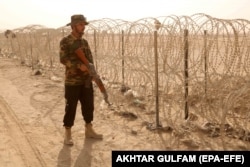
A Pakistani security official patrols the Pakistani side of the border, at Chaman, on July 18, following its reopening days after the Taliban took control of the Afghan crossing point at Spin Boldak.

A Taliban spokesman dismissed claims of that group's involvement in attacks on civilians in Spin Boldak.

"The Taliban have always denied any involvement in the incident, which has sparked a huge public outcry,” Afghan Interior Ministry spokesman Mirwais Stanekzai told RFE/RL's Radio Azadi on July 23.

“But in the Spin Boldak area where the killings took place, no group other than the Taliban holds power,” Stanekzai said. "It is under Taliban control, and everything that happens there depends on the Taliban."

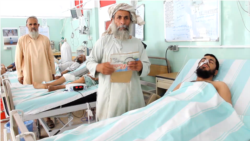
The head of Mirwais Hospital in Kandahar told Radio Azadi this week that more than 300 wounded people were admitted over a span of 10 days from nearby war zones, including Spin Boldak.

He said the fighting also killed at least 77 people whose bodies were brought to the hospital, "most of them unidentified.”
He said “it seems that many civilians are among those killed."

Stanekzai said "the vast majority" of those killed "were civilians and innocent people," including some who "used to work in the government but have been sitting at home for a long time now."

Many of the dead are young people, including athletes, activists, entrepreneurs, vloggers, and people "suspected of sympathies with the government of Afghanistan," he said.

'Revenge' Killings

In newly captured areas, the ministry spokesman said, Taliban gunmen have "initially been friendly to the people but after they took control of the area, they harassed people and even killed some people in retaliatory attacks."

Stanekzai charged that “the Taliban have killed...for revenge.”

A number of the latest reports appear to testify to revenge killings in the area.

Taliban gunmen evicted and killed a comedian and former Afghan soldier overnight on July 22-23 who was popular on social media in Kandahar's Dand district, which the group overran several days ago. Photos from the scene showed his corpse with his hands tied.
Taliban Seizes Civilian Homes In Kandahar As Government Forces Fight To Defend City
please wait

No media source currently available

0:00 0:02:11 0:00

Officials in Kandahar said the Taliban also dragged a tribal elder from Daman district, Mahboob Khan, from his home and shot him dead.

The violence has been so alarming that the withdrawing U.S. forces acknowledged they have conducted recent air strikes to support Afghan security forces, reportedly including in Kandahar.

Taliban spokesman Zabihullah Mujahid told Radio Azadi on July 23 that "several air strikes" near the city of Kandahar killed three Taliban fighters.

Mujahid said the Taliban "condemns these U.S. air strikes." He accused the United States violating its February 2020 Doha agreement with the Taliban that paved the way for the withdrawal of international forces.

Slain Photojournalist Danish Siddiqui: A Life In Pictures

A photo of Danish Siddiqui during the Pulitzer Prize ceremony in New York in 2018. Siddiqui was killed amid clashes near the Afghanistan-Pakistan border on July 16. According to Reuters, Siddiqui had been wounded in the arm by shrapnel earlier in the day while reporting on fighting in the border town of Spin Boldak. After having that wound bandaged, he was speaking to local shopkeepers when the Taliban attacked again, killing Siddiqui and a senior Afghan military officer.
1/21 A photo of Danish Siddiqui during the Pulitzer Prize ceremony in New York in 2018. Siddiqui was killed amid clashes near the Afghanistan-Pakistan border on July 16. According to Reuters, Siddiqui had been wounded in the arm by shrapnel earlier in the day while reporting on fighting in the border town of Spin Boldak. After having that wound bandaged, he was speaking to local shopkeepers when the Taliban attacked again, killing Siddiqui and a senior Afghan military officer.
Reuters photojournalist Danish Siddiqui was killed on July 16 while embedded with Afghan special forces battling the advance of the Taliban. The veteran Indian photographer was based in Mumbai and was part of a team that won the Pulitzer Prize for feature photography in 2018. The photos below are highlights from Siddiqui's 11-year career with Reuters. 
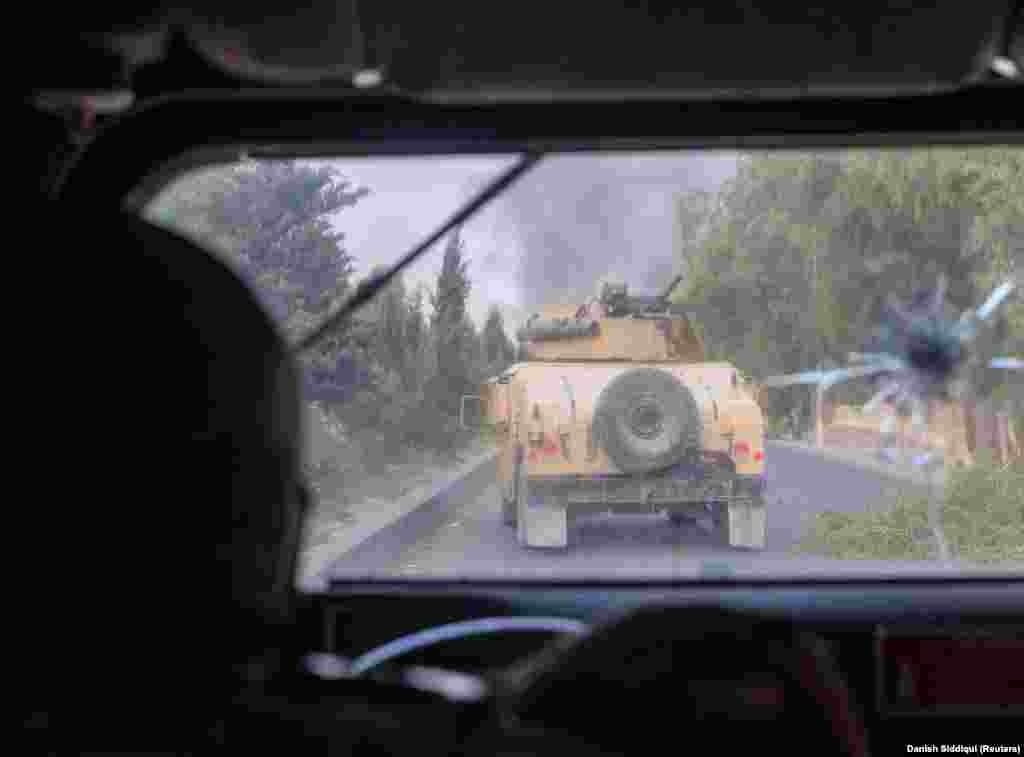
An Afghan special forces soldier fires at Taliban militants during the rescue mission of a police officer besieged at a check post in Afghanistan's Kandahar Province on July 13.
2/21 An Afghan special forces soldier fires at Taliban militants during the rescue mission of a police officer besieged at a check post in Afghanistan's Kandahar Province on July 13.
Reuters photojournalist Danish Siddiqui was killed on July 16 while embedded with Afghan special forces battling the advance of the Taliban. The veteran Indian photographer was based in Mumbai and was part of a team that won the Pulitzer Prize for feature photography in 2018. The photos below are highlights from Siddiqui's 11-year career with Reuters. 
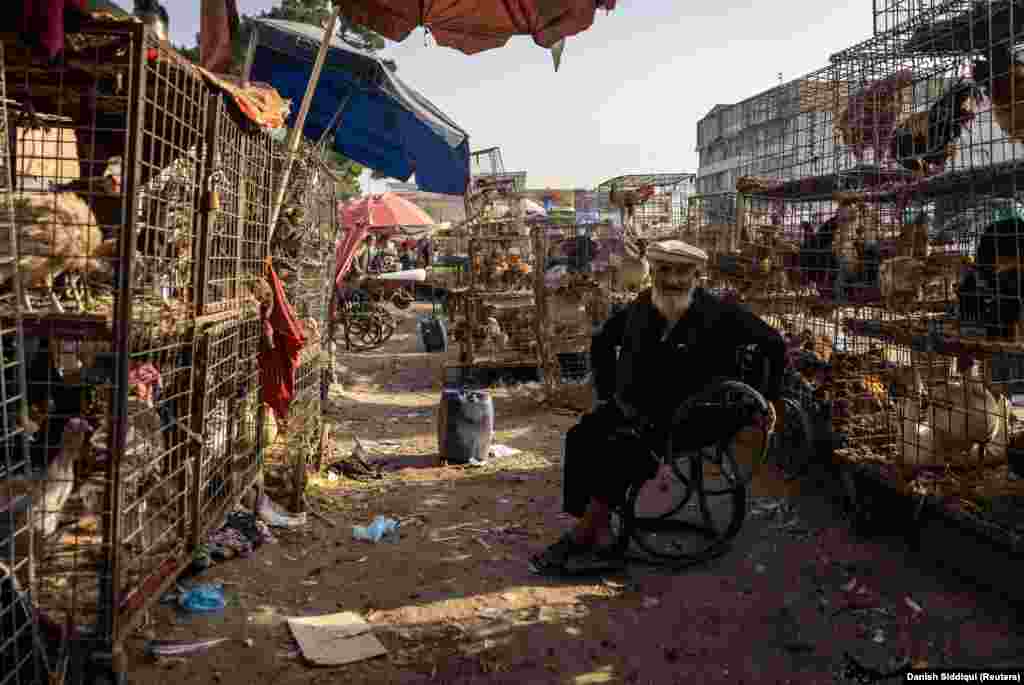
A man selling chickens and ducks awaits customers at a market along a road in Kabul on July 4.
3/21 A man selling chickens and ducks awaits customers at a market along a road in Kabul on July 4.
Reuters photojournalist Danish Siddiqui was killed on July 16 while embedded with Afghan special forces battling the advance of the Taliban. The veteran Indian photographer was based in Mumbai and was part of a team that won the Pulitzer Prize for feature photography in 2018. The photos below are highlights from Siddiqui's 11-year career with Reuters. 
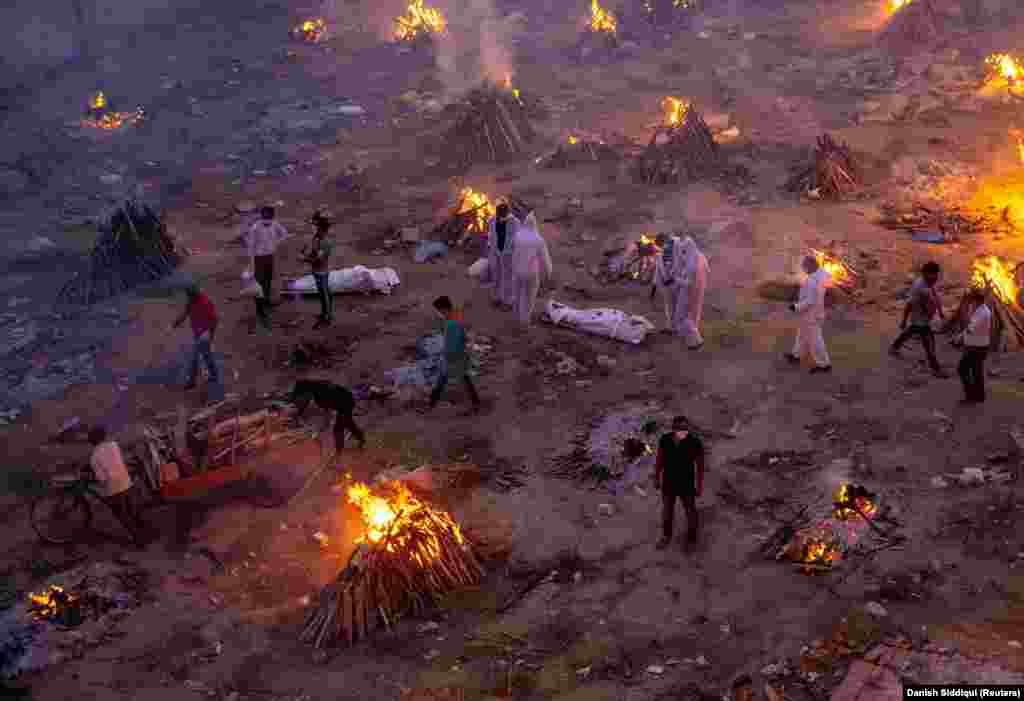
People wait to cremate COVID-19 victims at a crematorium in New Delhi on April 23. 
4/21 People wait to cremate COVID-19 victims at a crematorium in New Delhi on April 23. 
Reuters photojournalist Danish Siddiqui was killed on July 16 while embedded with Afghan special forces battling the advance of the Taliban. The veteran Indian photographer was based in Mumbai and was part of a team that won the Pulitzer Prize for feature photography in 2018. The photos below are highlights from Siddiqui's 11-year career with Reuters. 
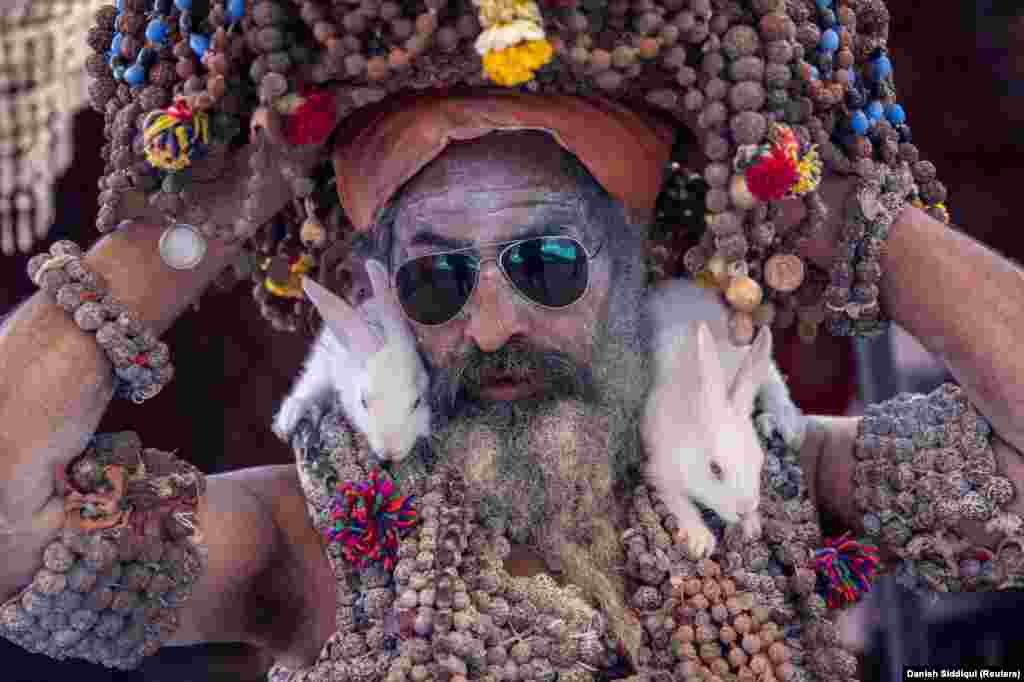
A Hindu holy man attends the Kumbh Mela Festival in Haridwar, India, on April 11.
5/21 A Hindu holy man attends the Kumbh Mela Festival in Haridwar, India, on April 11.
Reuters photojournalist Danish Siddiqui was killed on July 16 while embedded with Afghan special forces battling the advance of the Taliban. The veteran Indian photographer was based in Mumbai and was part of a team that won the Pulitzer Prize for feature photography in 2018. The photos below are highlights from Siddiqui's 11-year career with Reuters. 
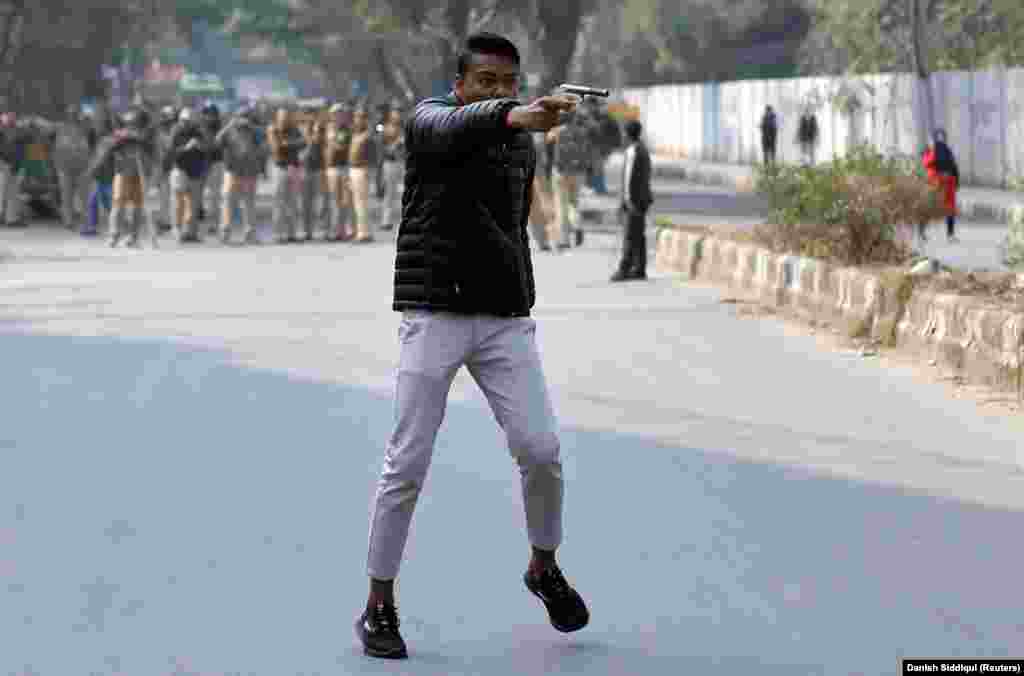
A man brandishes a gun in New Delhi on January 30, 2020, during a violent protest against a new citizenship law.
6/21 A man brandishes a gun in New Delhi on January 30, 2020, during a violent protest against a new citizenship law.
Reuters photojournalist Danish Siddiqui was killed on July 16 while embedded with Afghan special forces battling the advance of the Taliban. The veteran Indian photographer was based in Mumbai and was part of a team that won the Pulitzer Prize for feature photography in 2018. The photos below are highlights from Siddiqui's 11-year career with Reuters. 
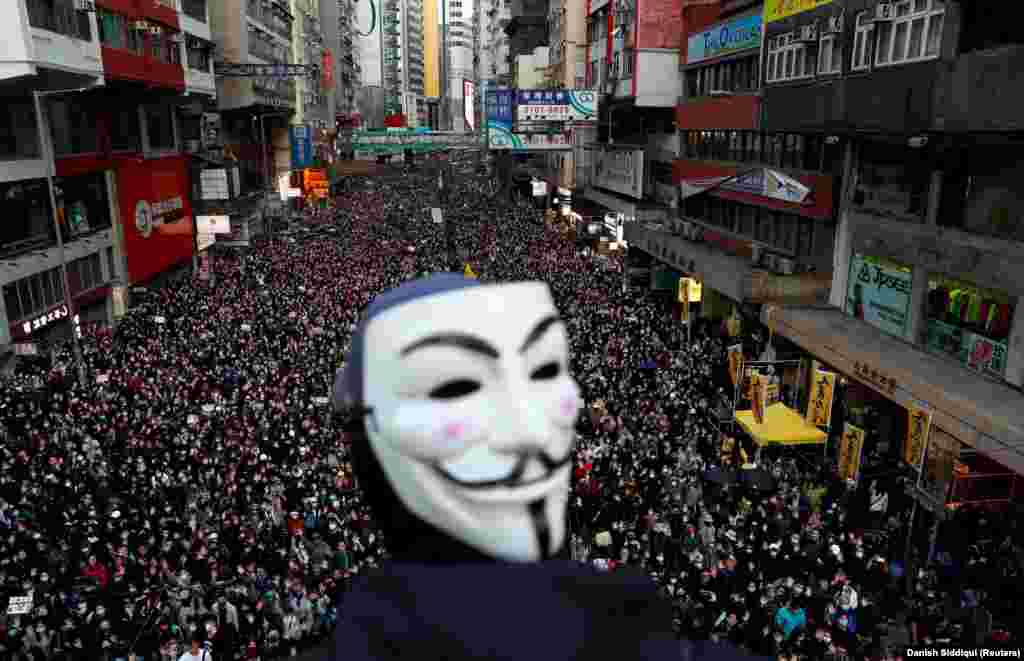
A protester wearing a Guy Fawkes mask marches in a massive protest in Hong Kong on December 8, 2019, against the perceived erosion of democracy there.
7/21 A protester wearing a Guy Fawkes mask marches in a massive protest in Hong Kong on December 8, 2019, against the perceived erosion of democracy there.
Reuters photojournalist Danish Siddiqui was killed on July 16 while embedded with Afghan special forces battling the advance of the Taliban. The veteran Indian photographer was based in Mumbai and was part of a team that won the Pulitzer Prize for feature photography in 2018. The photos below are highlights from Siddiqui's 11-year career with Reuters. 
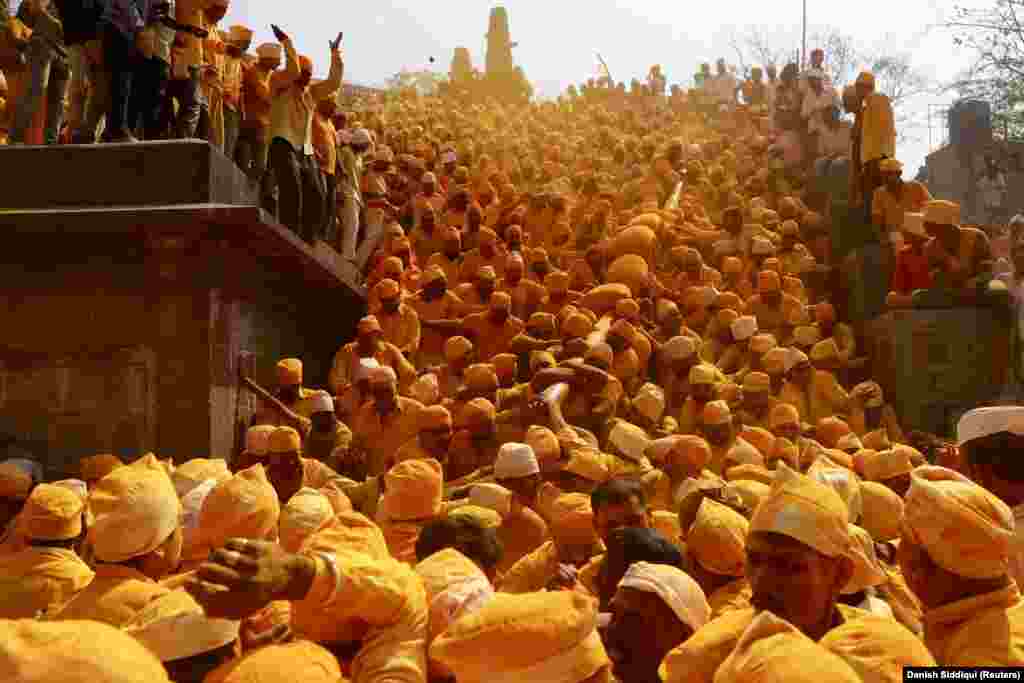
Hindus colored with turmeric powder during a festival at a temple in Jejuri, India, on February 4, 2019.
8/21 Hindus colored with turmeric powder during a festival at a temple in Jejuri, India, on February 4, 2019.
Reuters photojournalist Danish Siddiqui was killed on July 16 while embedded with Afghan special forces battling the advance of the Taliban. The veteran Indian photographer was based in Mumbai and was part of a team that won the Pulitzer Prize for feature photography in 2018. The photos below are highlights from Siddiqui's 11-year career with Reuters. 
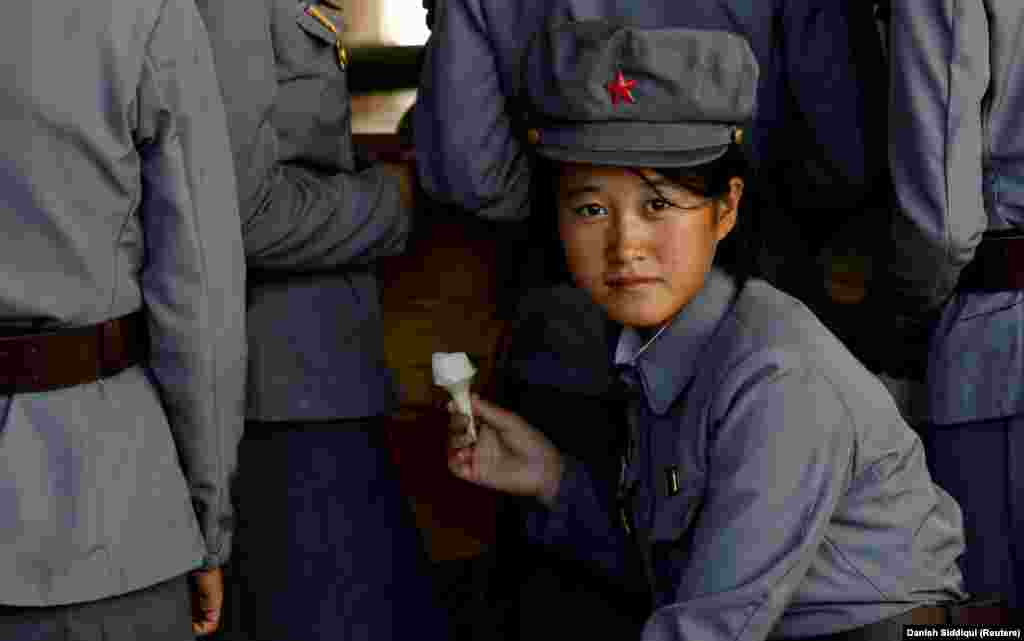
A young North Korean soldier eats ice cream as she visits a zoo in Pyongyang on September 12, 2018. 
9/21 A young North Korean soldier eats ice cream as she visits a zoo in Pyongyang on September 12, 2018. 
Reuters photojournalist Danish Siddiqui was killed on July 16 while embedded with Afghan special forces battling the advance of the Taliban. The veteran Indian photographer was based in Mumbai and was part of a team that won the Pulitzer Prize for feature photography in 2018. The photos below are highlights from Siddiqui's 11-year career with Reuters. 
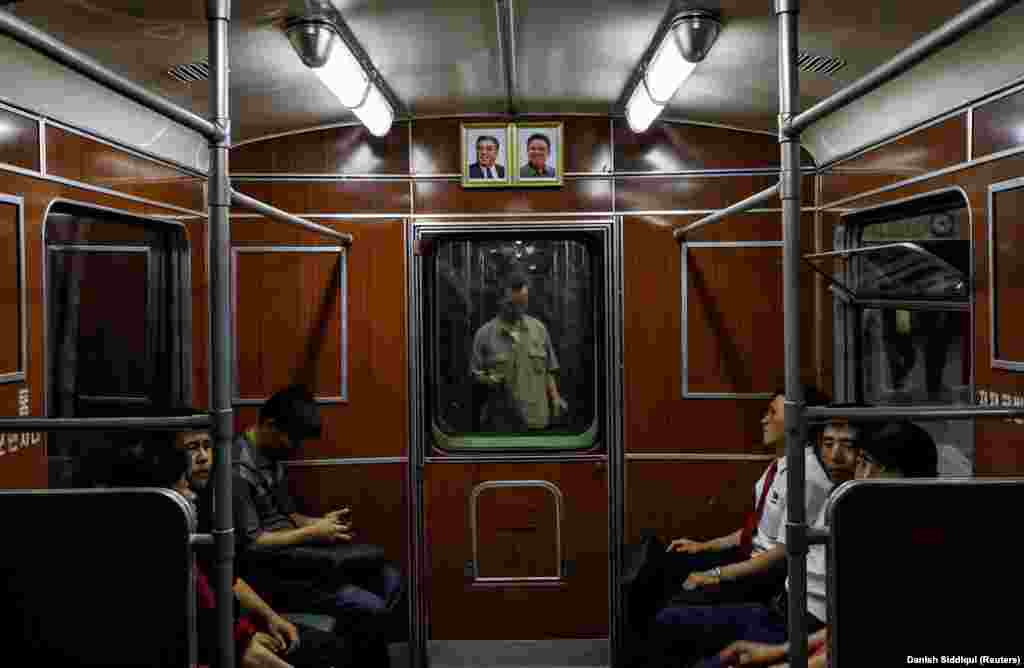
Portraits of the late North Korean leaders Kim Il Sung and Kim Jong Il are seen on a train as it leaves a subway station in Pyongyang, North Korea, on September 11, 2018.
10/21 Portraits of the late North Korean leaders Kim Il Sung and Kim Jong Il are seen on a train as it leaves a subway station in Pyongyang, North Korea, on September 11, 2018.
Reuters photojournalist Danish Siddiqui was killed on July 16 while embedded with Afghan special forces battling the advance of the Taliban. The veteran Indian photographer was based in Mumbai and was part of a team that won the Pulitzer Prize for feature photography in 2018. The photos below are highlights from Siddiqui's 11-year career with Reuters. 
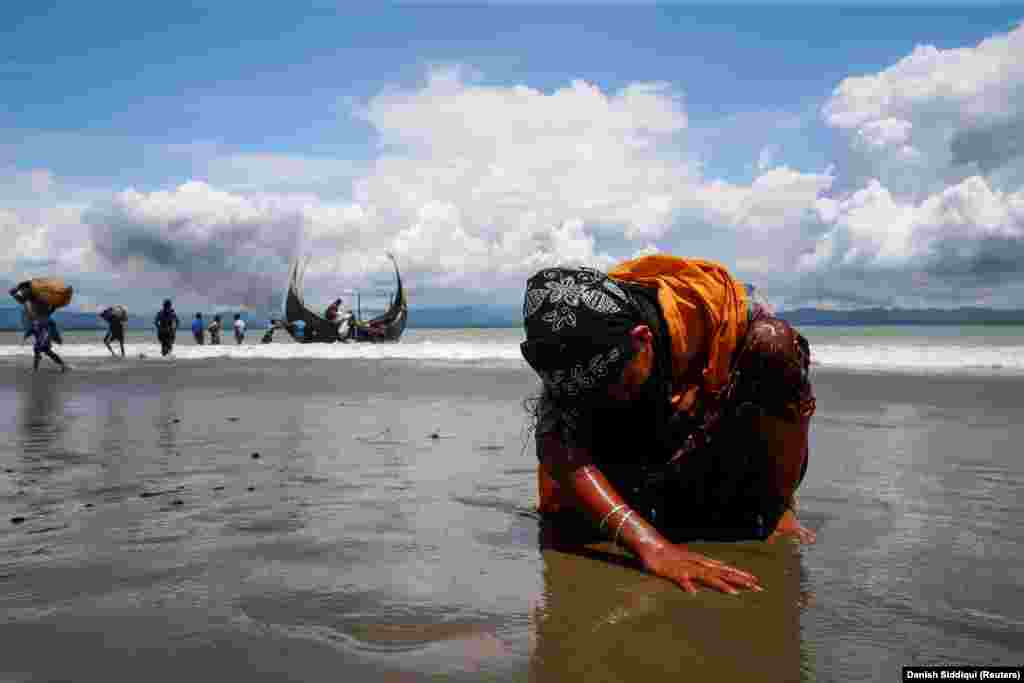
An exhausted Rohingya refugee touches the sand of a Bangladesh beach after fleeing Burma (also known as Myanmar) by boat through the Bay of Bengal on September 11, 2017. 
11/21 An exhausted Rohingya refugee touches the sand of a Bangladesh beach after fleeing Burma (also known as Myanmar) by boat through the Bay of Bengal on September 11, 2017. 
Reuters photojournalist Danish Siddiqui was killed on July 16 while embedded with Afghan special forces battling the advance of the Taliban. The veteran Indian photographer was based in Mumbai and was part of a team that won the Pulitzer Prize for feature photography in 2018. The photos below are highlights from Siddiqui's 11-year career with Reuters. 
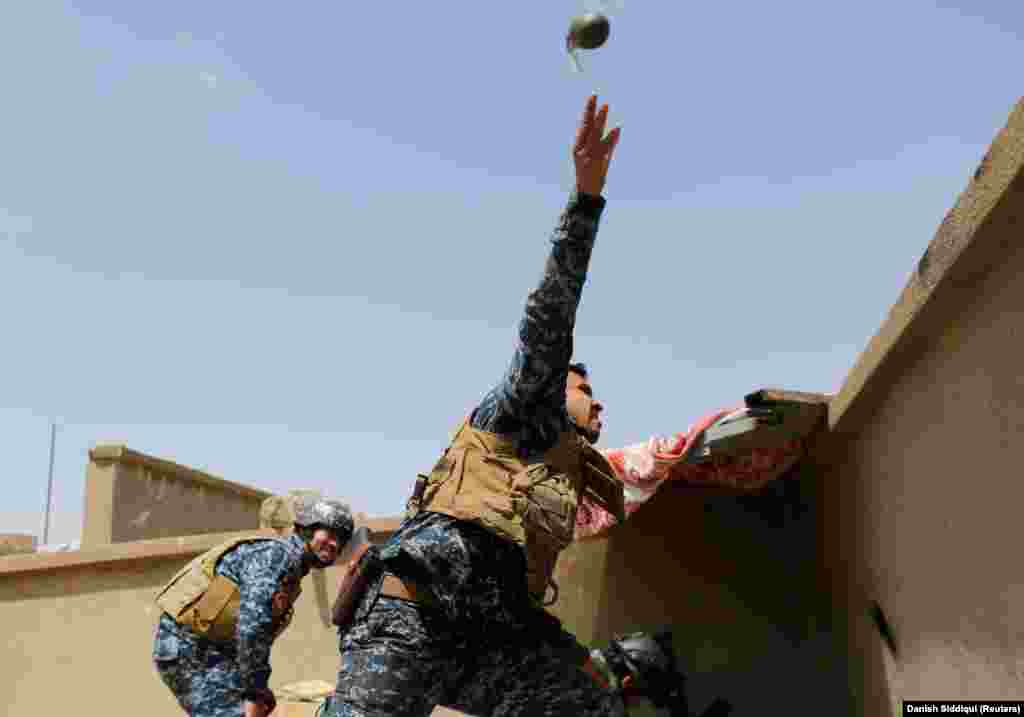
An Iraqi federal policeman throws a hand grenade during clashes with Islamic State (IS) fighters in western Mosul, Iraq, on April 29, 2017.
12/21 An Iraqi federal policeman throws a hand grenade during clashes with Islamic State (IS) fighters in western Mosul, Iraq, on April 29, 2017.
Reuters photojournalist Danish Siddiqui was killed on July 16 while embedded with Afghan special forces battling the advance of the Taliban. The veteran Indian photographer was based in Mumbai and was part of a team that won the Pulitzer Prize for feature photography in 2018. The photos below are highlights from Siddiqui's 11-year career with Reuters. 
Hindu priests perform prayers in a cave on the banks of the River Ganges in Devprayag, India, on March 28, 2017.
13/21 Hindu priests perform prayers in a cave on the banks of the River Ganges in Devprayag, India, on March 28, 2017.
Reuters photojournalist Danish Siddiqui was killed on July 16 while embedded with Afghan special forces battling the advance of the Taliban. The veteran Indian photographer was based in Mumbai and was part of a team that won the Pulitzer Prize for feature photography in 2018. The photos below are highlights from Siddiqui's 11-year career with Reuters. 
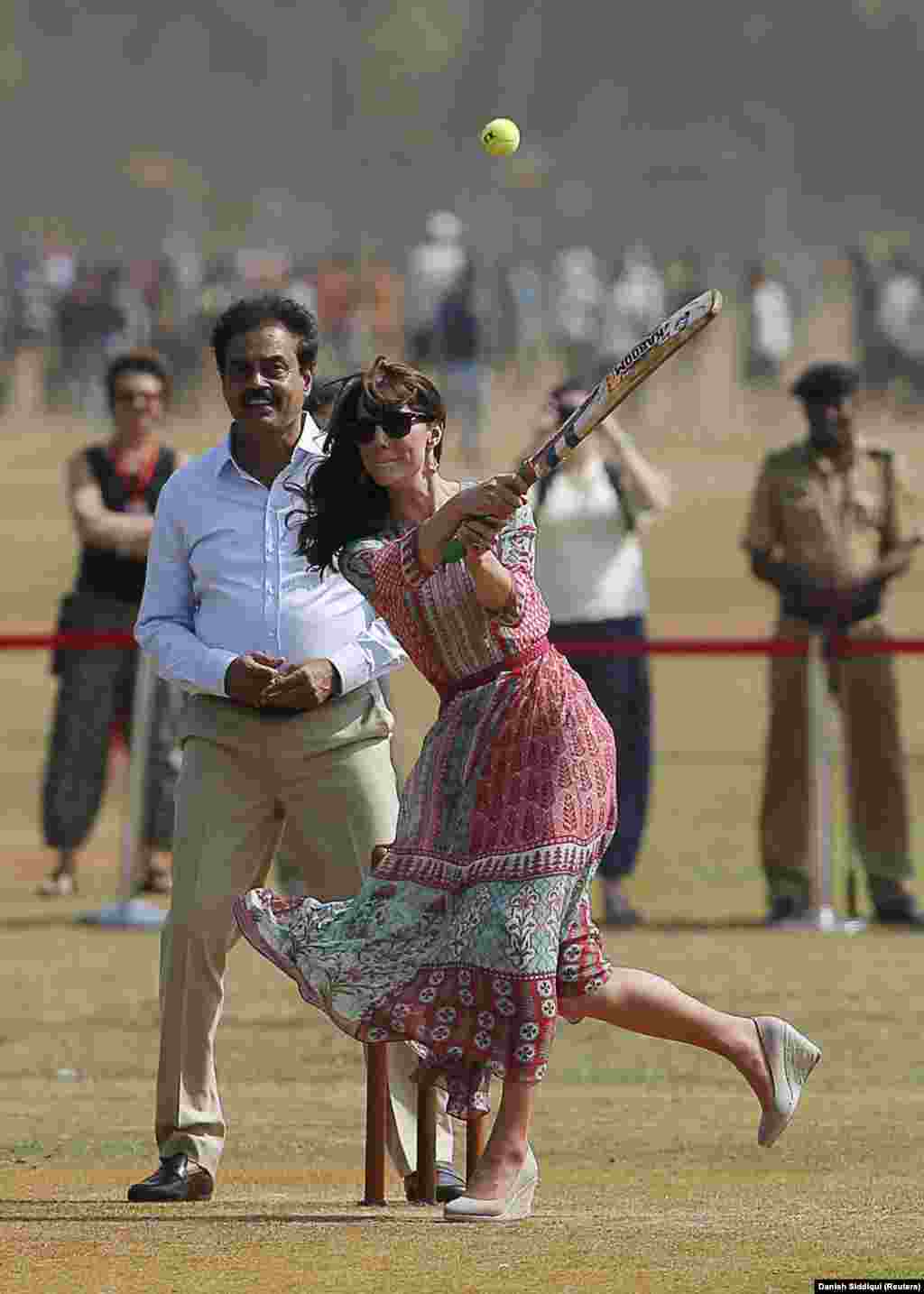
England's Catherine, Duchess of Cambridge, plays cricket with children in Mumbai, India, on April 10, 2016.
14/21 England's Catherine, Duchess of Cambridge, plays cricket with children in Mumbai, India, on April 10, 2016.
Reuters photojournalist Danish Siddiqui was killed on July 16 while embedded with Afghan special forces battling the advance of the Taliban. The veteran Indian photographer was based in Mumbai and was part of a team that won the Pulitzer Prize for feature photography in 2018. The photos below are highlights from Siddiqui's 11-year career with Reuters. 
A lone moviegoer enjoys the classic Bollywood movie Dilwale Dulhania Le Jayenge (The Big Hearted Will Take the Bride) in a theater in Mumbai on December 11, 2014. 
15/21 A lone moviegoer enjoys the classic Bollywood movie Dilwale Dulhania Le Jayenge (The Big Hearted Will Take the Bride) in a theater in Mumbai on December 11, 2014. 
Reuters photojournalist Danish Siddiqui was killed on July 16 while embedded with Afghan special forces battling the advance of the Taliban. The veteran Indian photographer was based in Mumbai and was part of a team that won the Pulitzer Prize for feature photography in 2018. The photos below are highlights from Siddiqui's 11-year career with Reuters. 
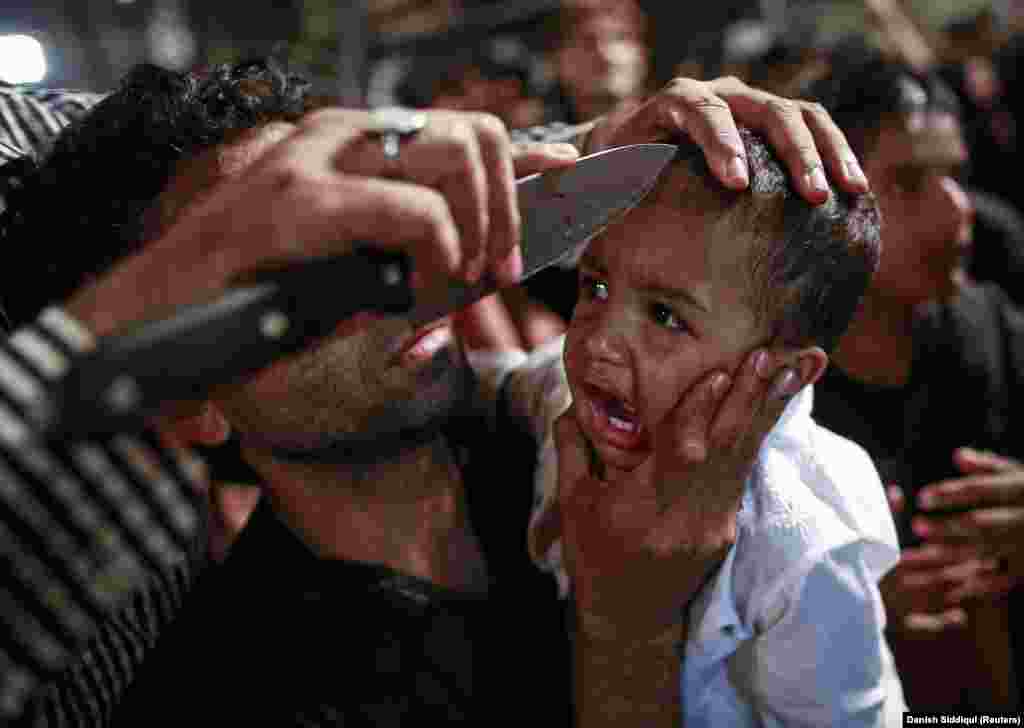
A Shi'ite Muslim has his child gashed with a knife during a religious procession in Mumbai on November 3, 2014. 
16/21 A Shi'ite Muslim has his child gashed with a knife during a religious procession in Mumbai on November 3, 2014. 
Reuters photojournalist Danish Siddiqui was killed on July 16 while embedded with Afghan special forces battling the advance of the Taliban. The veteran Indian photographer was based in Mumbai and was part of a team that won the Pulitzer Prize for feature photography in 2018. The photos below are highlights from Siddiqui's 11-year career with Reuters. 
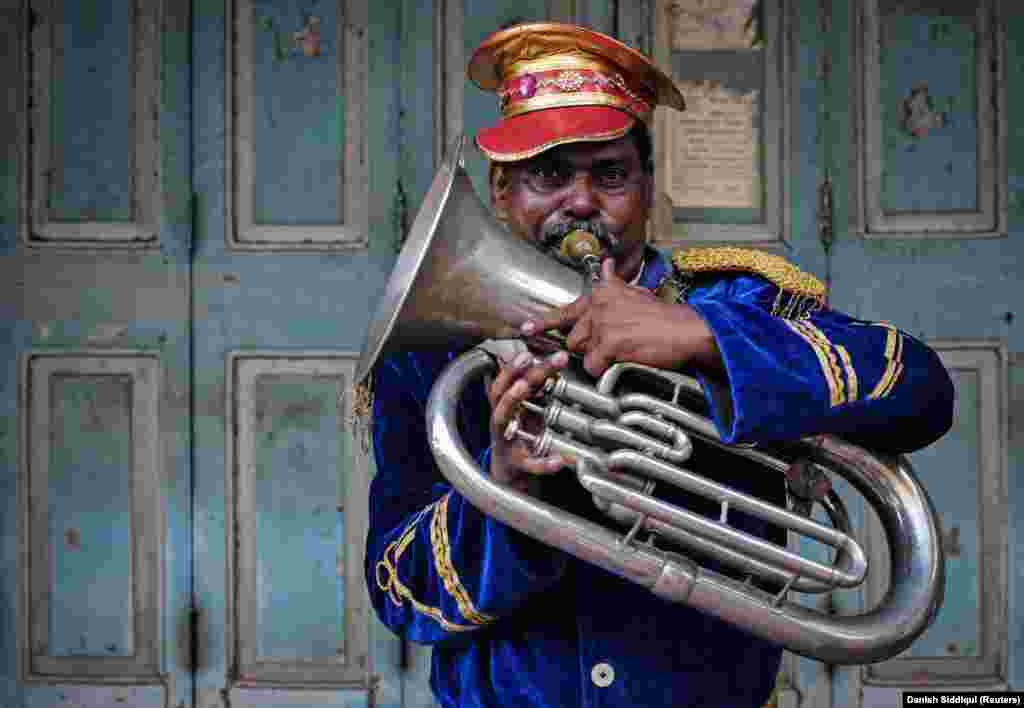
A member of a local band plays his instrument during a marriage ceremony in Mumbai on May 11, 2014. 
17/21 A member of a local band plays his instrument during a marriage ceremony in Mumbai on May 11, 2014. 
Reuters photojournalist Danish Siddiqui was killed on July 16 while embedded with Afghan special forces battling the advance of the Taliban. The veteran Indian photographer was based in Mumbai and was part of a team that won the Pulitzer Prize for feature photography in 2018. The photos below are highlights from Siddiqui's 11-year career with Reuters. 
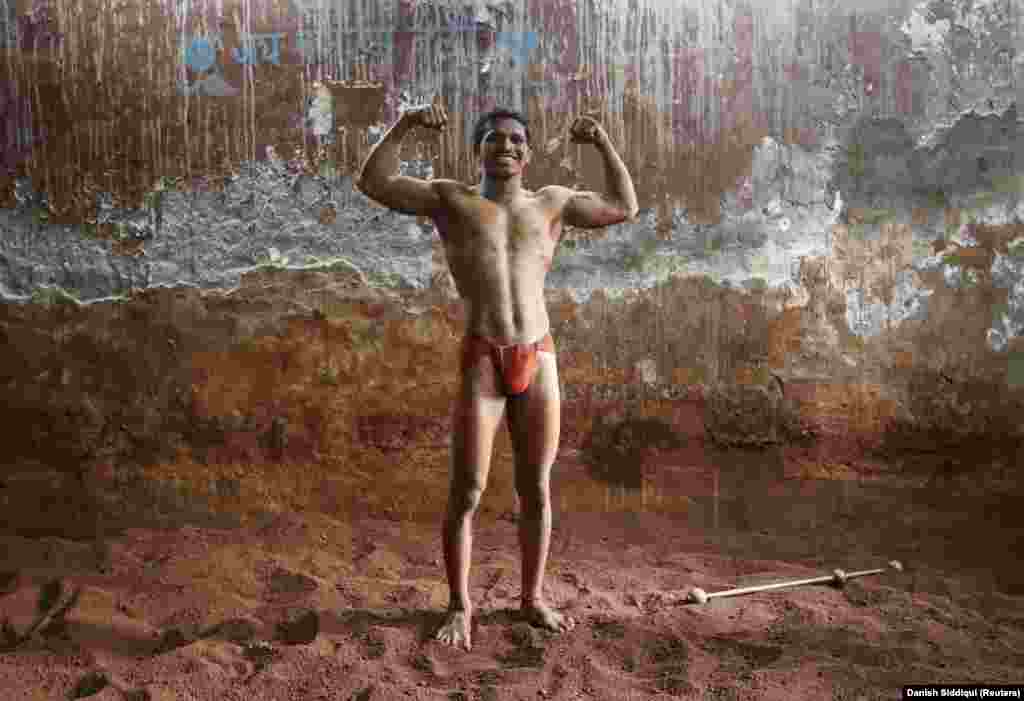
Deepak Mane, a 19-year-old wrestler, poses inside a traditional Indian wrestling center in Mumbai on March 24, 2014. 
18/21 Deepak Mane, a 19-year-old wrestler, poses inside a traditional Indian wrestling center in Mumbai on March 24, 2014. 
Reuters photojournalist Danish Siddiqui was killed on July 16 while embedded with Afghan special forces battling the advance of the Taliban. The veteran Indian photographer was based in Mumbai and was part of a team that won the Pulitzer Prize for feature photography in 2018. The photos below are highlights from Siddiqui's 11-year career with Reuters. 
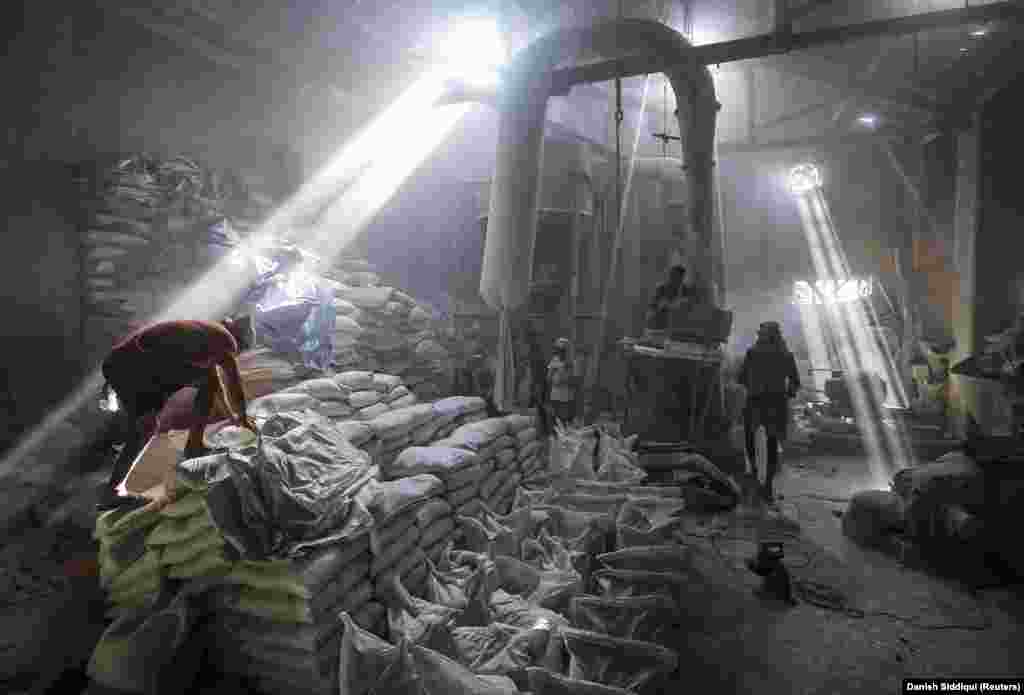
Employees work inside a limestone-powder factory in an industrial area of Mumbai on March 11, 2014. 
19/21 Employees work inside a limestone-powder factory in an industrial area of Mumbai on March 11, 2014. 
Reuters photojournalist Danish Siddiqui was killed on July 16 while embedded with Afghan special forces battling the advance of the Taliban. The veteran Indian photographer was based in Mumbai and was part of a team that won the Pulitzer Prize for feature photography in 2018. The photos below are highlights from Siddiqui's 11-year career with Reuters. 
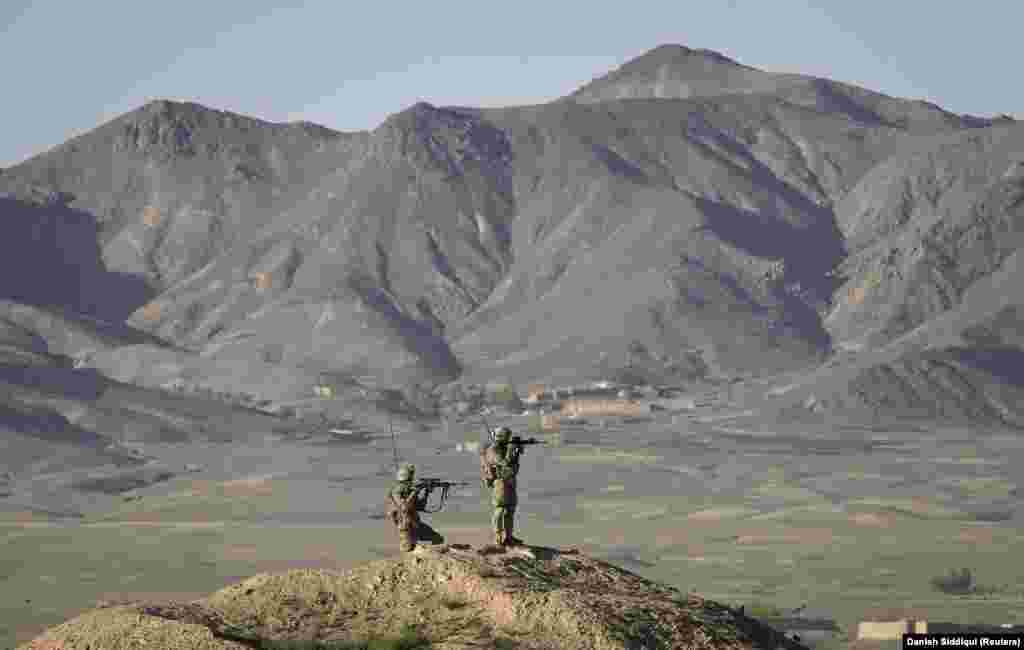
U.S. Army soldiers on a hilltop during a patrol in a village in Afghanistan's eastern Kherwar district on May 19, 2012. 
20/21 U.S. Army soldiers on a hilltop during a patrol in a village in Afghanistan's eastern Kherwar district on May 19, 2012. 
Reuters photojournalist Danish Siddiqui was killed on July 16 while embedded with Afghan special forces battling the advance of the Taliban. The veteran Indian photographer was based in Mumbai and was part of a team that won the Pulitzer Prize for feature photography in 2018. The photos below are highlights from Siddiqui's 11-year career with Reuters. 
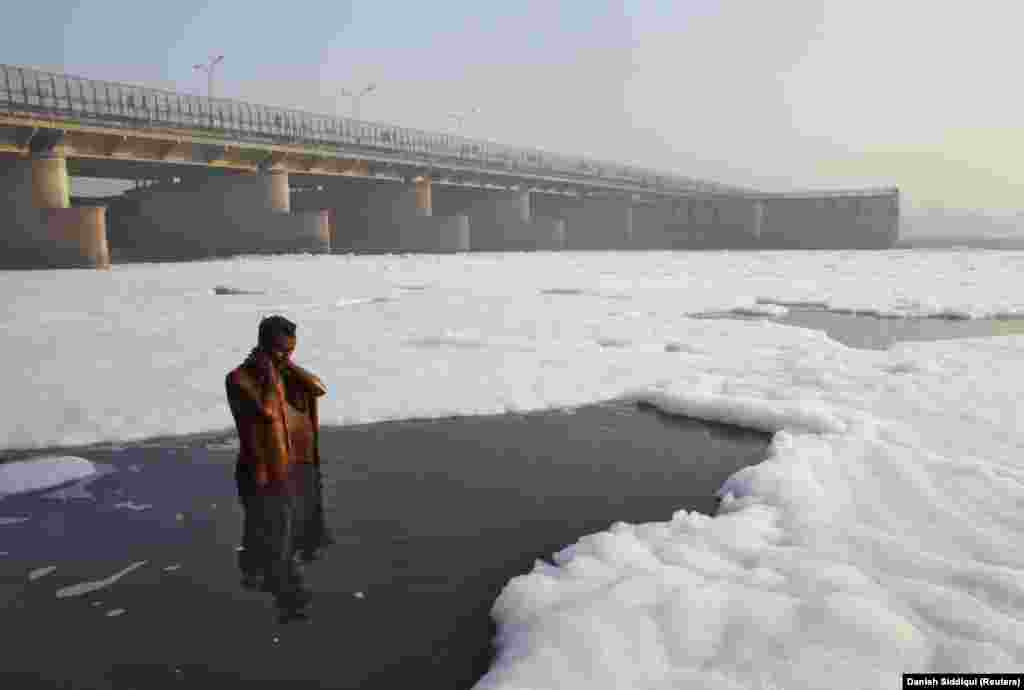
A Hindu devotee takes a ritual dip in the polluted Yamuna River in New Delhi on March 21, 2010.
21/21 A Hindu devotee takes a ritual dip in the polluted Yamuna River in New Delhi on March 21, 2010.
Reuters photojournalist Danish Siddiqui was killed on July 16 while embedded with Afghan special forces battling the advance of the Taliban. The veteran Indian photographer was based in Mumbai and was part of a team that won the Pulitzer Prize for feature photography in 2018. The photos below are highlights from Siddiqui's 11-year career with Reuters. 
Previous slide
Next slide

With heightened international concerns over the Taliban offensive, Kabul was forced on July 23 to publicly refute as "baseless propaganda" a Taliban claim that the militant group now controls 90 percent of Afghanistan's borders.

Afghan government forces have been battling to regain control of Spin Boldak since Taliban fighters captured the district earlier in July.

In the intervening days, Pakistani authorities have repeatedly closed and reopened the Spin Boldak-Chaman crossing.

Its so-called Friendship Gate, a towering brick structure built in 2003, normally facilitates tens of thousands of border crossings a day.

But hundreds of Pakistani and Afghan trucks have been stranded on both sides of the border since its closure on July 18 to coincide with Eid al-Adha, one of Islam's major holidays.

Unlike the Torkham border crossing at the Khyber Pass -- which carries traffic between the eastern Afghan city of Jalalabad and the Pakistani city of Peshawar --there are few visa restrictions on traffic through the Spin-Boldak-Chaman crossing.

Traders and other entrepreneurs on either side of the Torkham crossing have also complained bitterly that the border closure there has affected their businesses.

Maqsood Anwar Mashal, head of the Chamber of Commerce in Khyber Pakhtunkhwa Province, told Radio Mashaal earlier this month that reopening trade routes is a matter of life and death for the province.

"Unless there is peace in Afghanistan, our province will drown because we have no other market," Mashal said. "The social, economic -- there are all kinds of relationships -- they are ours and we are their food. We are one people."

Written by Andy Heil in Prague with reporting by RFE/RL's Radio Mashaal in Chaman, Pakistan, and RFE/RL's Radio Azadi in Kandahar, Afghanistan

  • 16x9 Image

    RFE/RL's Radio Azadi

    RFE/RL's Radio Azadi is one of the most popular and trusted media outlets in Afghanistan. Nearly half of the country's adult audience accesses Azadi's reporting on a weekly basis.

  • 16x9 Image

    RFE/RL's Radio Mashaal

    RFE/RL's Radio Mashaal is a public-service broadcaster providing a powerful alternative to extremist propaganda in Pakistan's remote tribal regions along the border with Afghanistan.

This item is part of
XS
SM
MD
LG