


Accessibility links

Breaking News

Russian Shelling Again Cuts Power In Kherson As Ukrainian Officials Warn Of Tough Months Ahead

A man stands near burning garbage in front of an apartment building during a scheduled power cut in Kyiv.

Russian troops have resumed the shelling of the southern Ukrainian city of Kherson, cutting the electricity supply to the recently liberated city, as fierce fighting continues in the east and officials cautioned that Ukraine faces a tough winter because of the Russian missile attacks on its infrastructure.

"Russian invaders shelled Kherson -- damaged power grids. The city was left without electricity again," Governor Yaroslav Yanushevych said on Telegram, adding that technicians were already at work trying to repair the damage and restore power to the recently liberated city located on the right bank of the Dnieper River.

Kherson was returned to Ukrainian control on November 11, as the Russian military retreated to the left bank of the Dnieper. Russian artillery took new positions across the river and has been regularly pounding the city with artillery and rockets.

Three people were killed the previous day in the city by Russian shelling, Yanushevych said.

Millions of Ukrainians are struggling without electricity and heating at the onset of winter following waves of Russian strikes across the country, and Russian President Vladimir Putin said on December 2 that further attacks on Ukraine's infrastructure were "inevitable."

Ukrainian officials have responded with defiance, vowing to do everything to contain the damage.

Maksym Tymchenko, chief executive officer of DTEK, a major power company, said on December 2 that all six of DTEK's power stations had been attacked, some of them several times. The company has managed to bring them all back to the grid, he said.

Tymchenko voiced confidence that there was no chance "for the Russians to plunge Ukraine into darkness."

Yet, there was a power-generation deficit and issues with electricity transmission, Tymchenko told the Kyiv Security Forum.

He said that in Kyiv, the company was trying to introduce "rolling controlled blackouts: three-four hours of electricity supply, followed by four hours break. This situation will continue, we hope, until next week only, if there are no further attacks. But we are prepared for further attacks."

Additionally, he said, "We managed to accumulate enough coal stock for the country, not just for our company. We have enough gas storage to use gas for power generation. So we have enough capacity for the whole country."

"Transformers, substations, high-voltage transformers: these are what we've been in deficit of, and what we appeal to our international partners for. Some of the equipment is already on the way to Ukraine," he said.

Mayor Vitali Klitschko told the forum that last week Kyiv had faced an almost total blackout. "There was no heat and water supply. And about 4,000 employees of utility companies worked day and night to restore them."

Defense Minister Oleksiy Reznikov told the forum that the months ahead would be difficult.

"The enemy still has significant resources, but there are more and more signs that he needs a pause at any cost," he said.

Echoes Of World War I Highlighted In Mud, Shattered Trees Of Ukraine
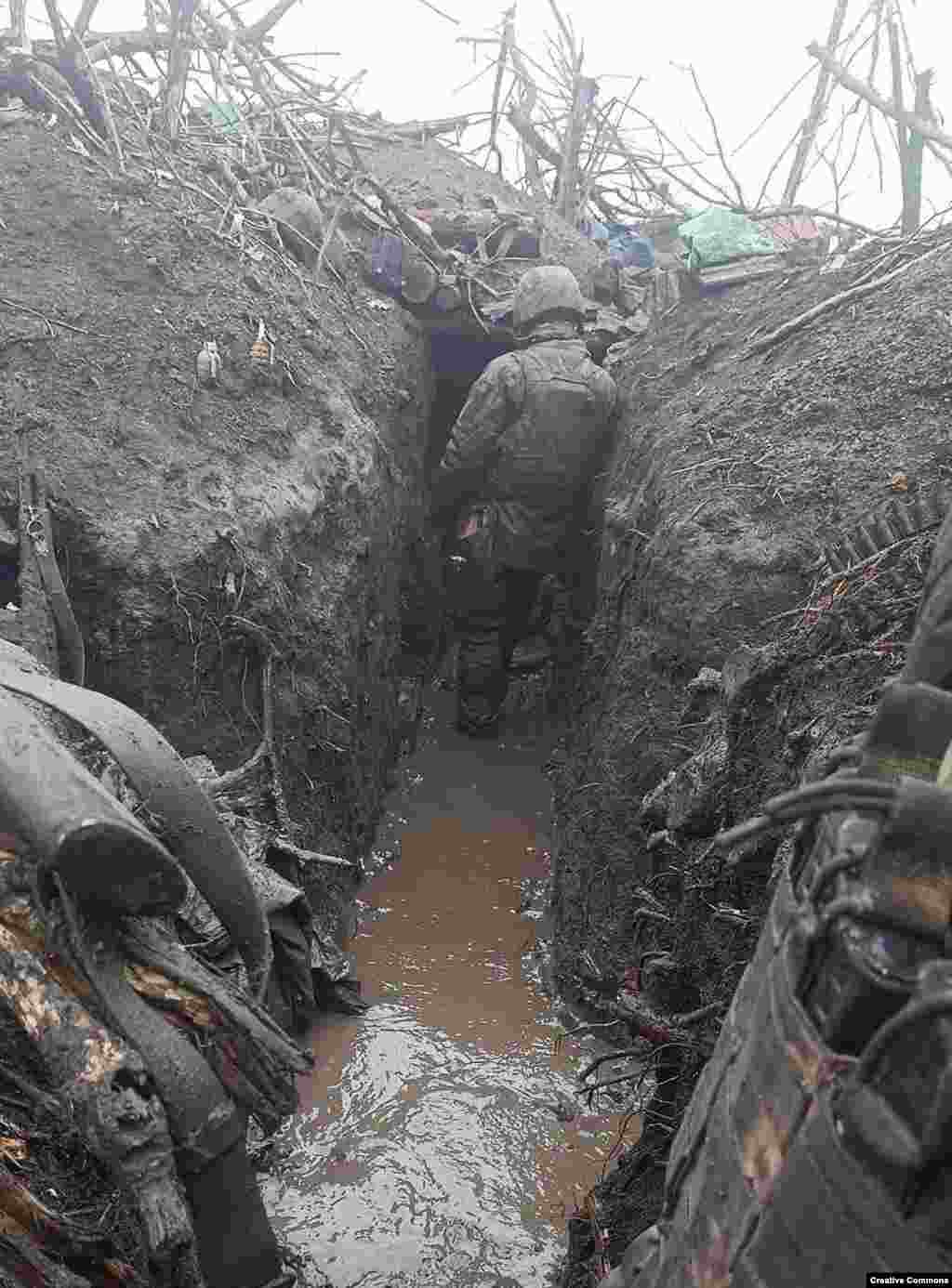
A Ukrainian soldier in a mud-filled trench <strong><a href="https://www.telegraph.co.uk/world-news/2022/11/27/filthy-troops-fight-freezing-mud-ww1-like-horror-bakhmuts/">reportedly near Bakhmut</a></strong>, in eastern Ukraine, in November.
1/20 A Ukrainian soldier in a mud-filled trench reportedly near Bakhmut, in eastern Ukraine, in November.
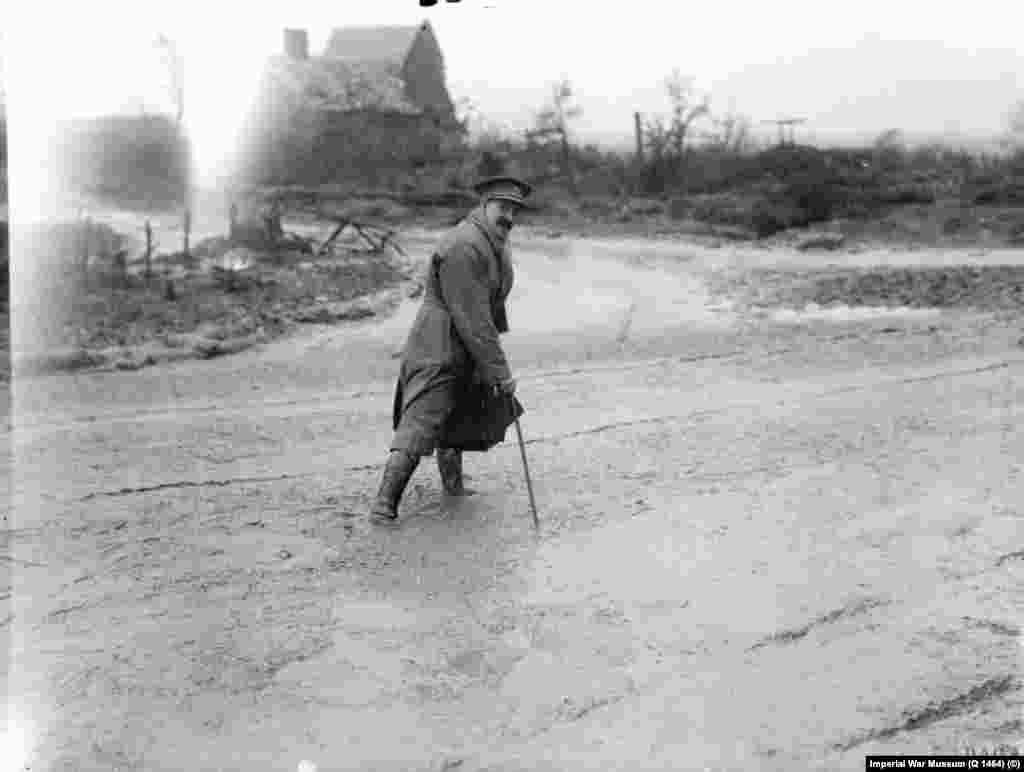
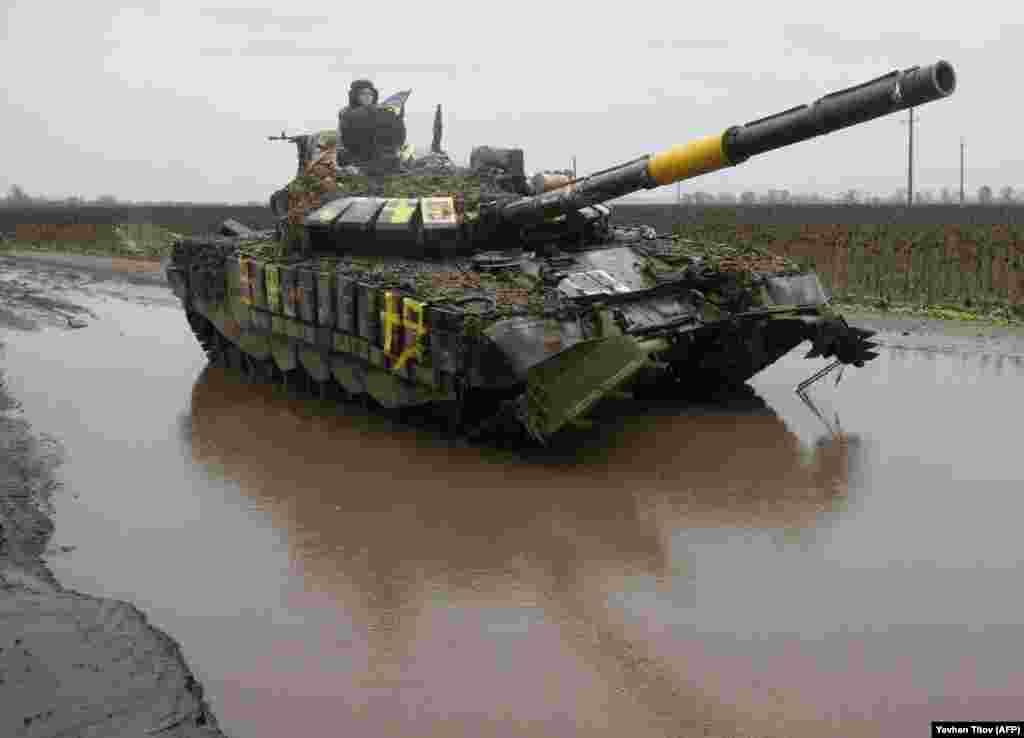
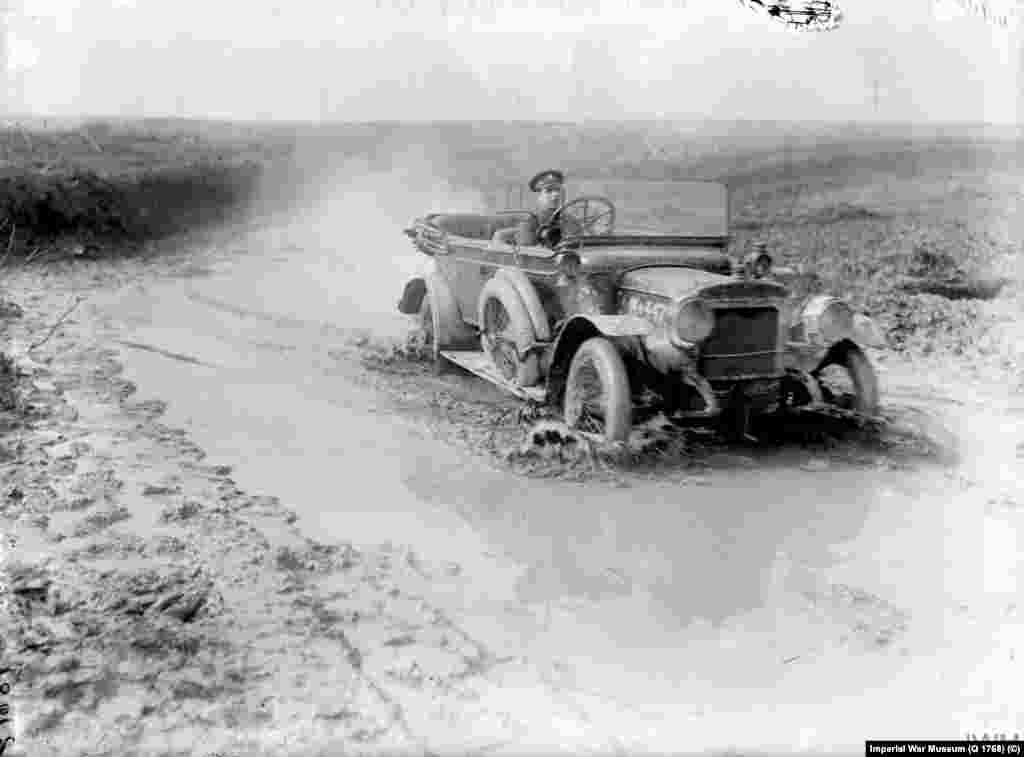
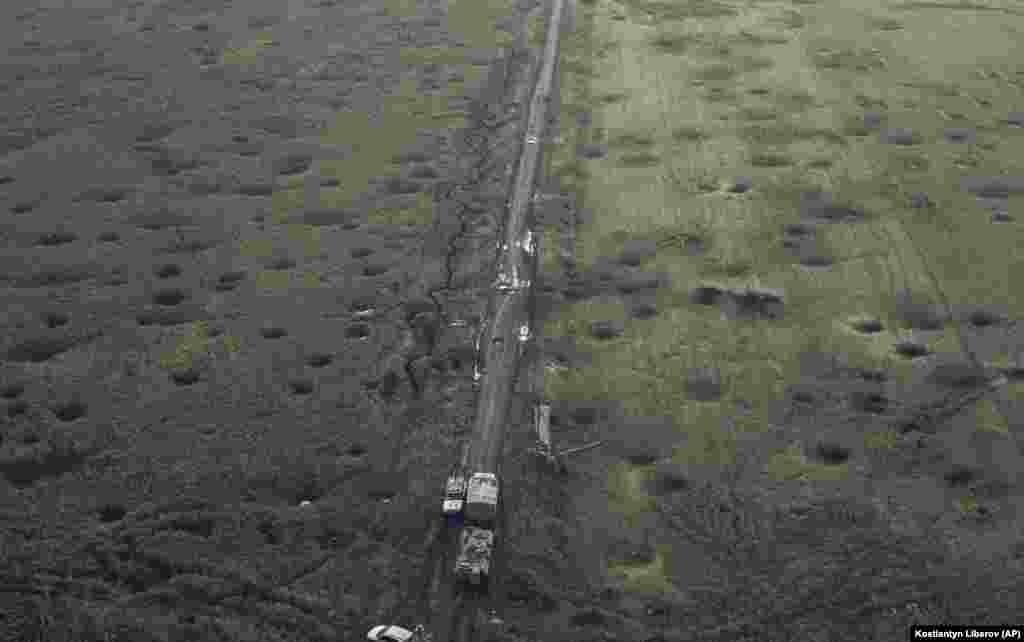
Rain-filled trenches, mud, and shredded trees in Ukraine have drawn comparisons on social media with photos from World War I. Below are comparison photos of two very different conflicts that look increasingly similar as winter takes hold.
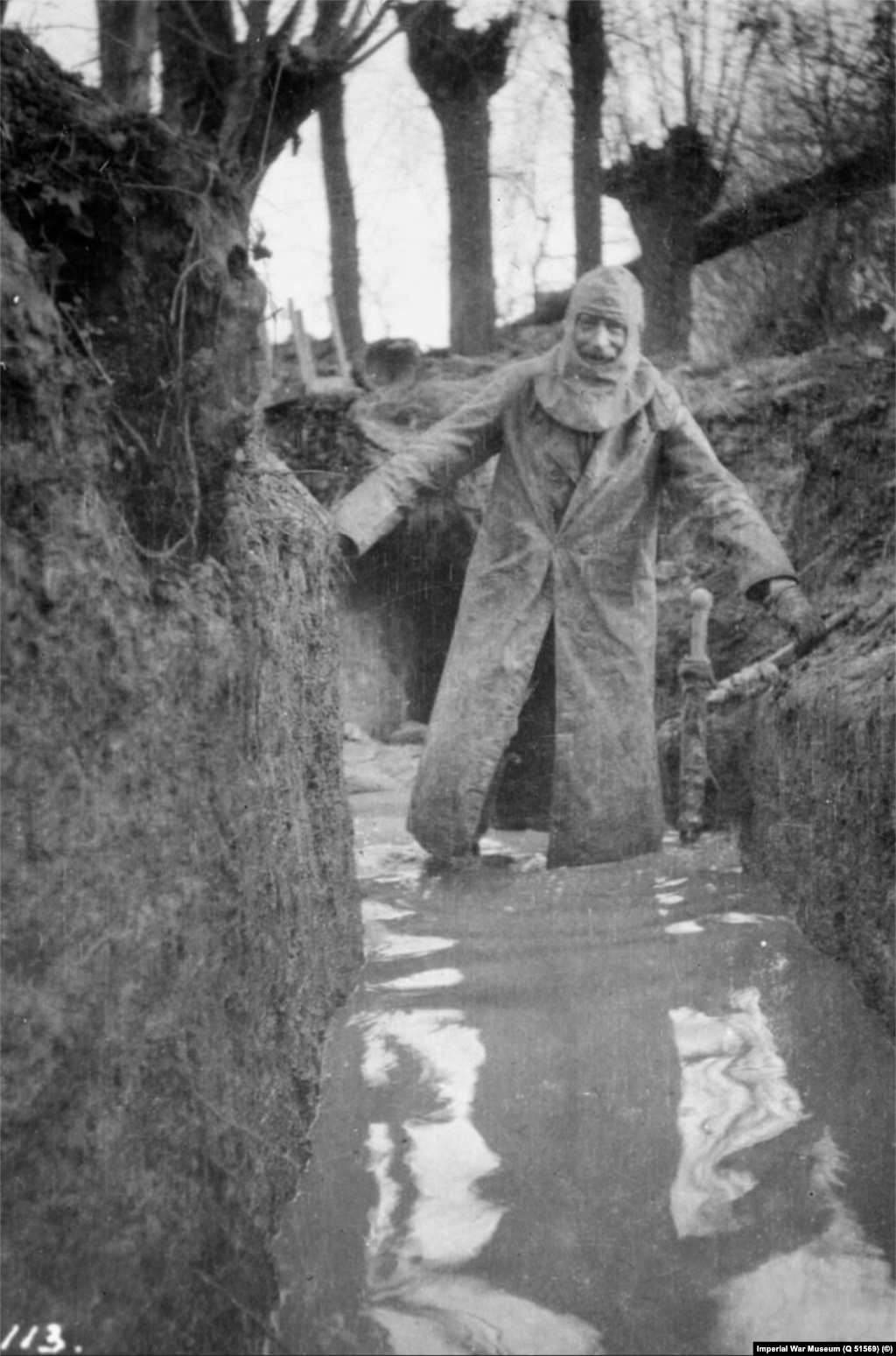
A British officer wades through a trench in&nbsp;Bois Grenier, in northern France, in January 1915.&nbsp;
2/20 A British officer wades through a trench in Bois Grenier, in northern France, in January 1915. 
Rain-filled trenches, mud, and shredded trees in Ukraine have drawn comparisons on social media with photos from World War I. Below are comparison photos of two very different conflicts that look increasingly similar as winter takes hold.
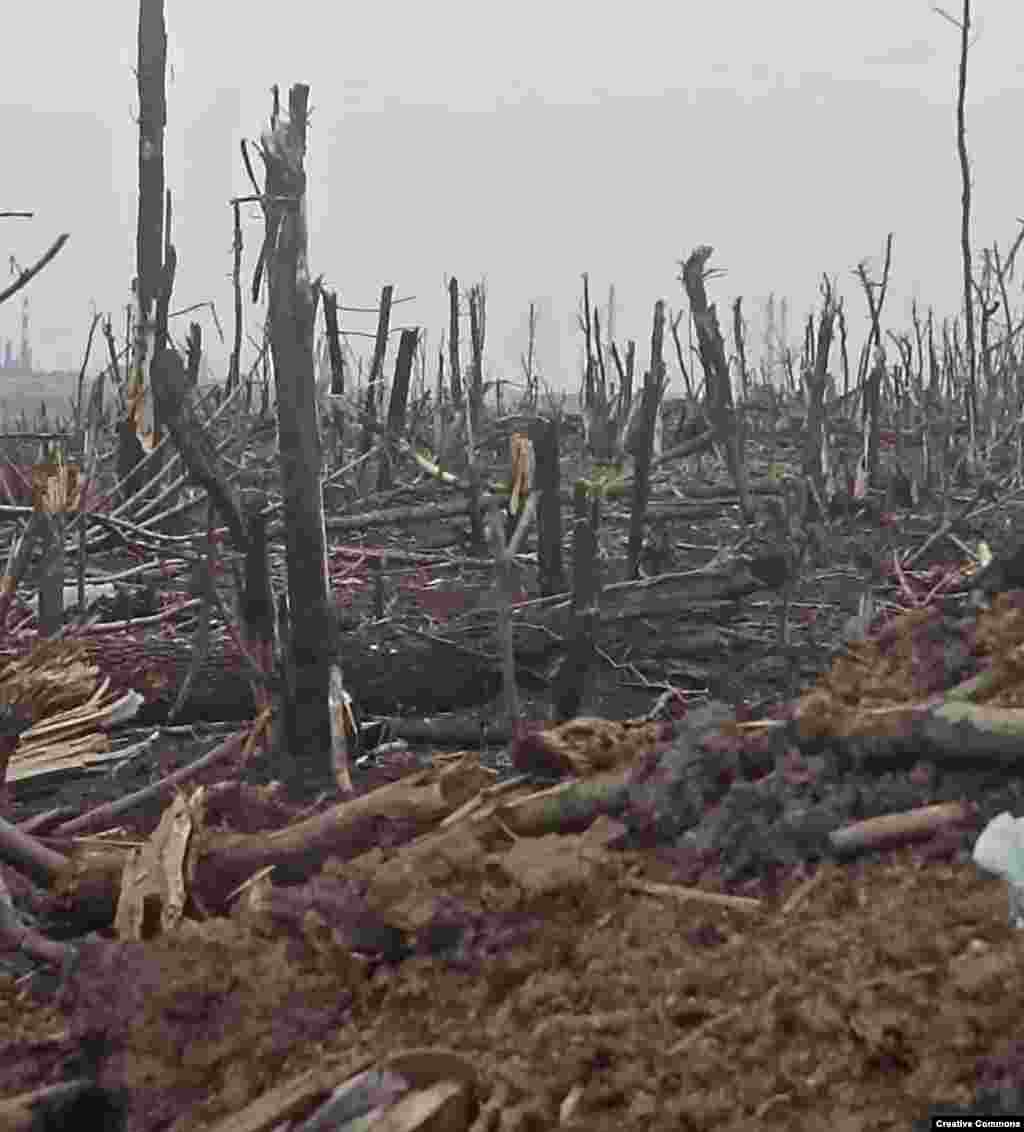
Trees shredded by shrapnel and bullets on a battlefield near Bakhmut in November.<br />
&nbsp;
3/20 Trees shredded by shrapnel and bullets on a battlefield near Bakhmut in November.
 
Rain-filled trenches, mud, and shredded trees in Ukraine have drawn comparisons on social media with photos from World War I. Below are comparison photos of two very different conflicts that look increasingly similar as winter takes hold.
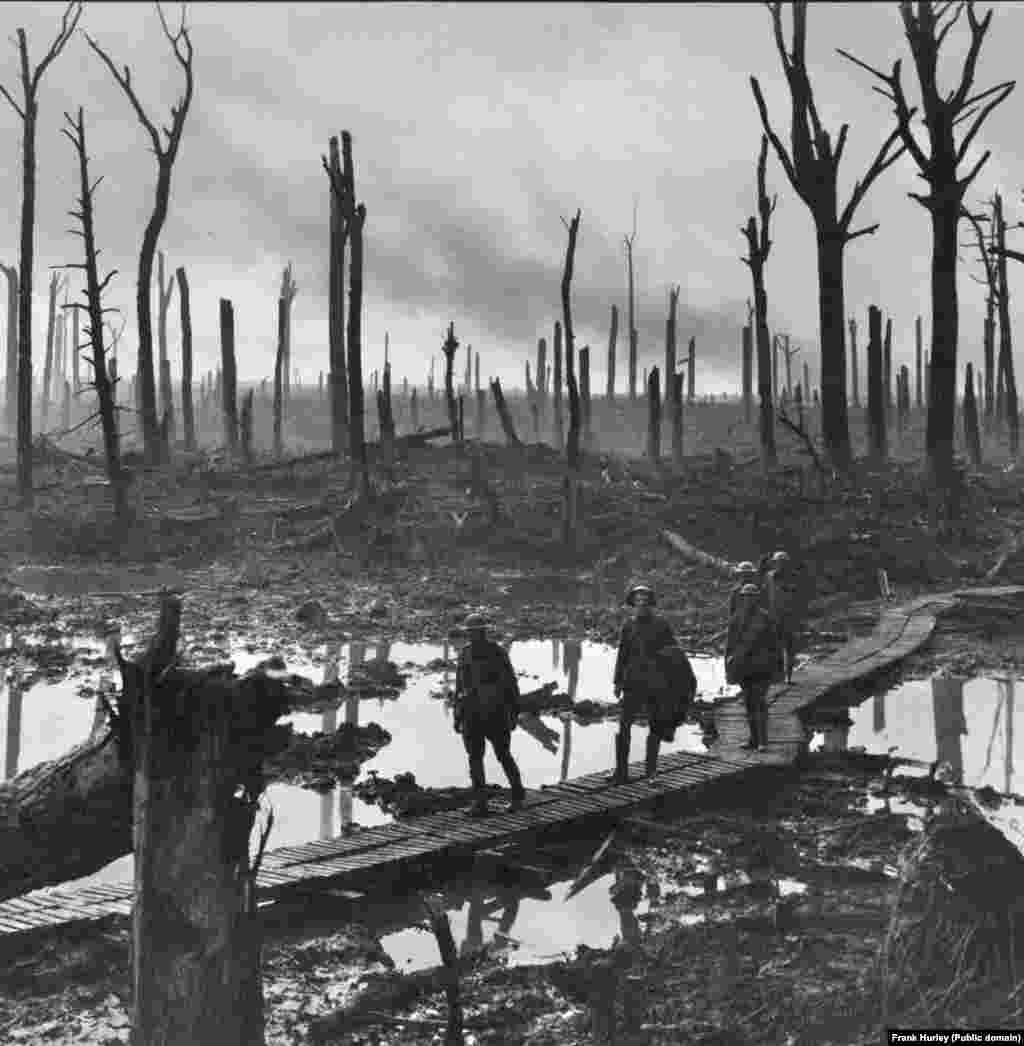
Australian soldiers pass through the shattered landscape of Chateau Wood, Belgium, in October 1917.&nbsp;
4/20 Australian soldiers pass through the shattered landscape of Chateau Wood, Belgium, in October 1917. 
Rain-filled trenches, mud, and shredded trees in Ukraine have drawn comparisons on social media with photos from World War I. Below are comparison photos of two very different conflicts that look increasingly similar as winter takes hold.
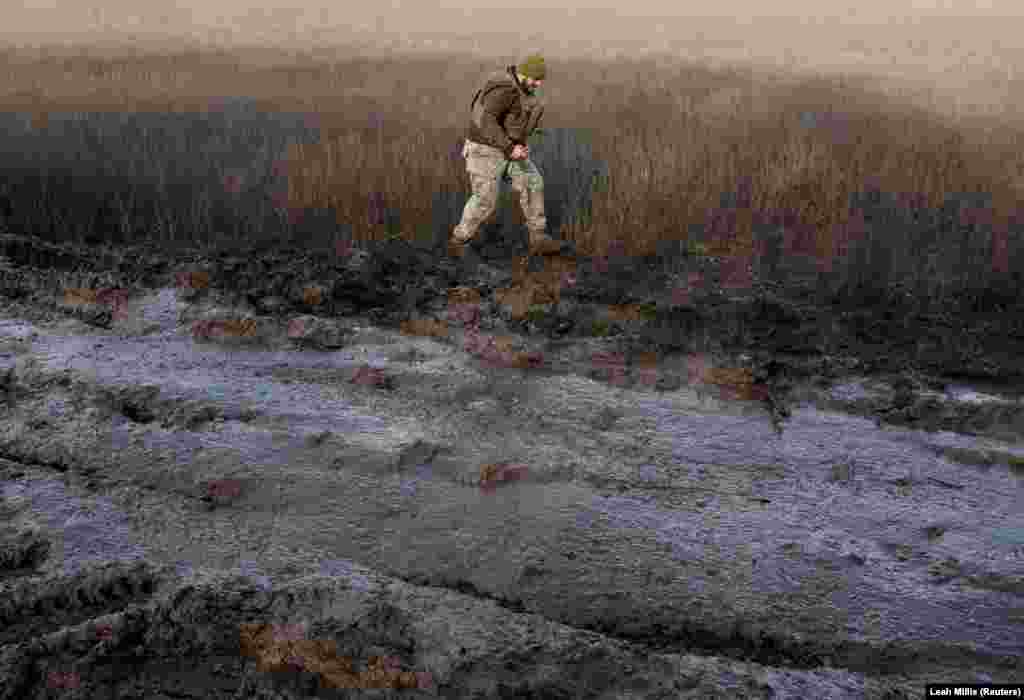
A Ukrainian soldier holding a quadcopter skirts around a muddy rural road in the Donbas region of eastern Ukraine on November 29.&nbsp;
5/20 A Ukrainian soldier holding a quadcopter skirts around a muddy rural road in the Donbas region of eastern Ukraine on November 29. 
Rain-filled trenches, mud, and shredded trees in Ukraine have drawn comparisons on social media with photos from World War I. Below are comparison photos of two very different conflicts that look increasingly similar as winter takes hold.
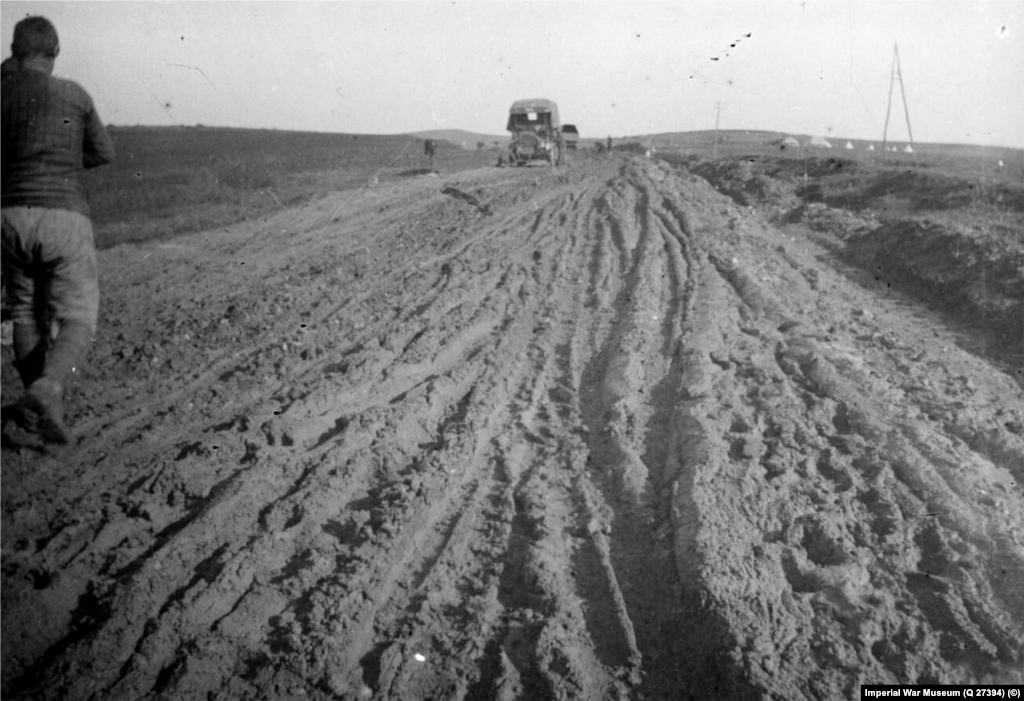
War artist Muirhead Bone navigating a muddy road in Maricourt, in northern France, in September 1916.
6/20 War artist Muirhead Bone navigating a muddy road in Maricourt, in northern France, in September 1916.
Rain-filled trenches, mud, and shredded trees in Ukraine have drawn comparisons on social media with photos from World War I. Below are comparison photos of two very different conflicts that look increasingly similar as winter takes hold.
A Ukrainian tank on a waterlogged road in the Kharkiv region in October.&nbsp;
7/20 A Ukrainian tank on a waterlogged road in the Kharkiv region in October. 
Rain-filled trenches, mud, and shredded trees in Ukraine have drawn comparisons on social media with photos from World War I. Below are comparison photos of two very different conflicts that look increasingly similar as winter takes hold.
A British soldier navigates a muddy road in Hamel, in northern France, in January 1917.
8/20 A British soldier navigates a muddy road in Hamel, in northern France, in January 1917.
Rain-filled trenches, mud, and shredded trees in Ukraine have drawn comparisons on social media with photos from World War I. Below are comparison photos of two very different conflicts that look increasingly similar as winter takes hold.
Shell craters around a Ukrainian trench near Izyum in September.&nbsp;
9/20 Shell craters around a Ukrainian trench near Izyum in September. 
Rain-filled trenches, mud, and shredded trees in Ukraine have drawn comparisons on social media with photos from World War I. Below are comparison photos of two very different conflicts that look increasingly similar as winter takes hold.
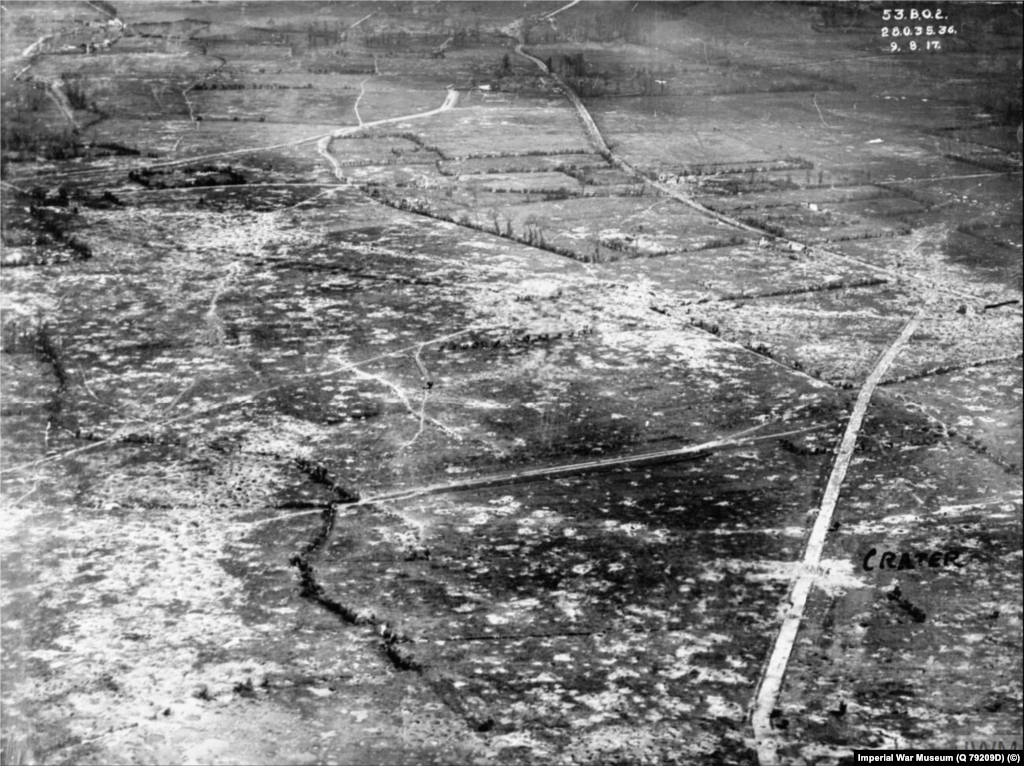
An artillery-pocked landscape near Quatre Rois, Belgium, in 1917.
10/20 An artillery-pocked landscape near Quatre Rois, Belgium, in 1917.
Rain-filled trenches, mud, and shredded trees in Ukraine have drawn comparisons on social media with photos from World War I. Below are comparison photos of two very different conflicts that look increasingly similar as winter takes hold.
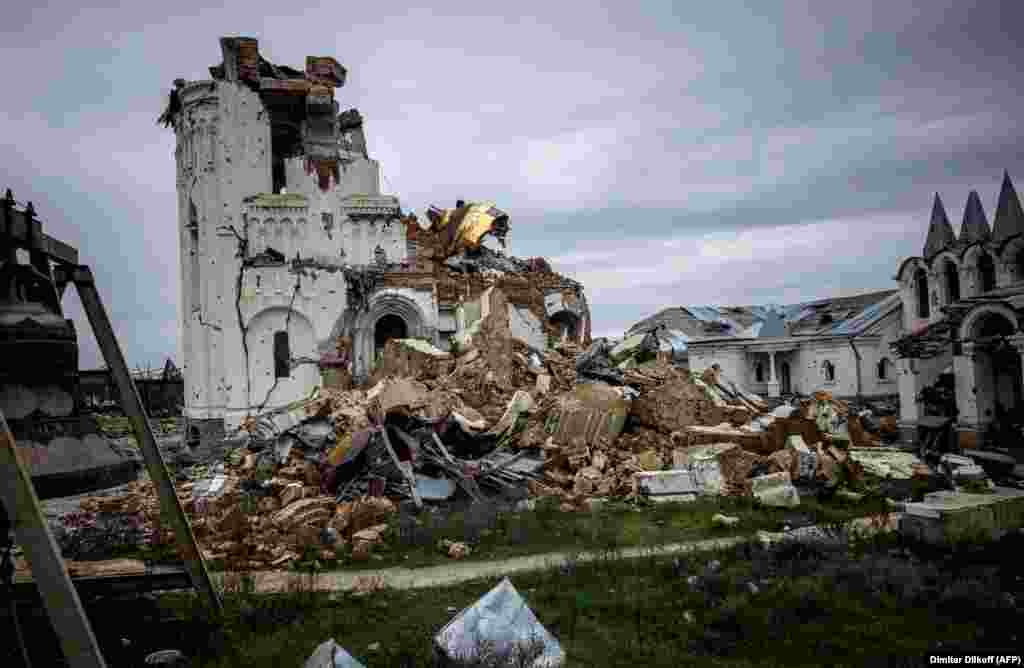
The ruins of the 19th-century monastery at the heart of the St. Heorhiy (George) Skete&nbsp;in Ukraine&#39;s eastern Donetsk region on November 2. The monastery was destroyed during fighting in the spring.&nbsp;
11/20 The ruins of the 19th-century monastery at the heart of the St. Heorhiy (George) Skete in Ukraine's eastern Donetsk region on November 2. The monastery was destroyed during fighting in the spring. 
Rain-filled trenches, mud, and shredded trees in Ukraine have drawn comparisons on social media with photos from World War I. Below are comparison photos of two very different conflicts that look increasingly similar as winter takes hold.
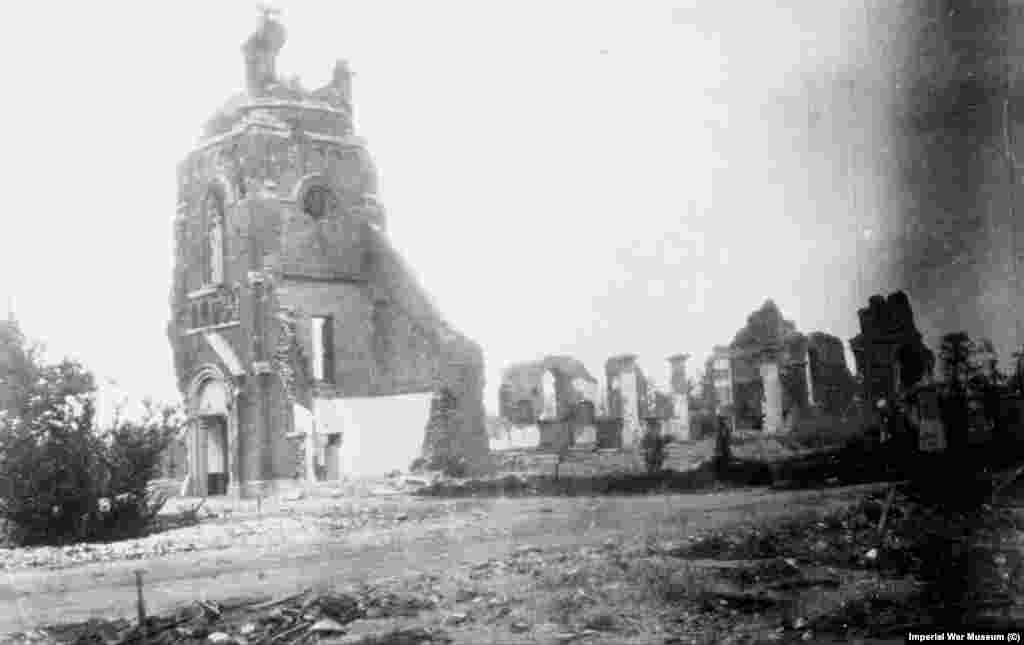
The ruins of a church near Ypres, Belgium, in March 1916.&nbsp;
12/20 The ruins of a church near Ypres, Belgium, in March 1916. 
Rain-filled trenches, mud, and shredded trees in Ukraine have drawn comparisons on social media with photos from World War I. Below are comparison photos of two very different conflicts that look increasingly similar as winter takes hold.
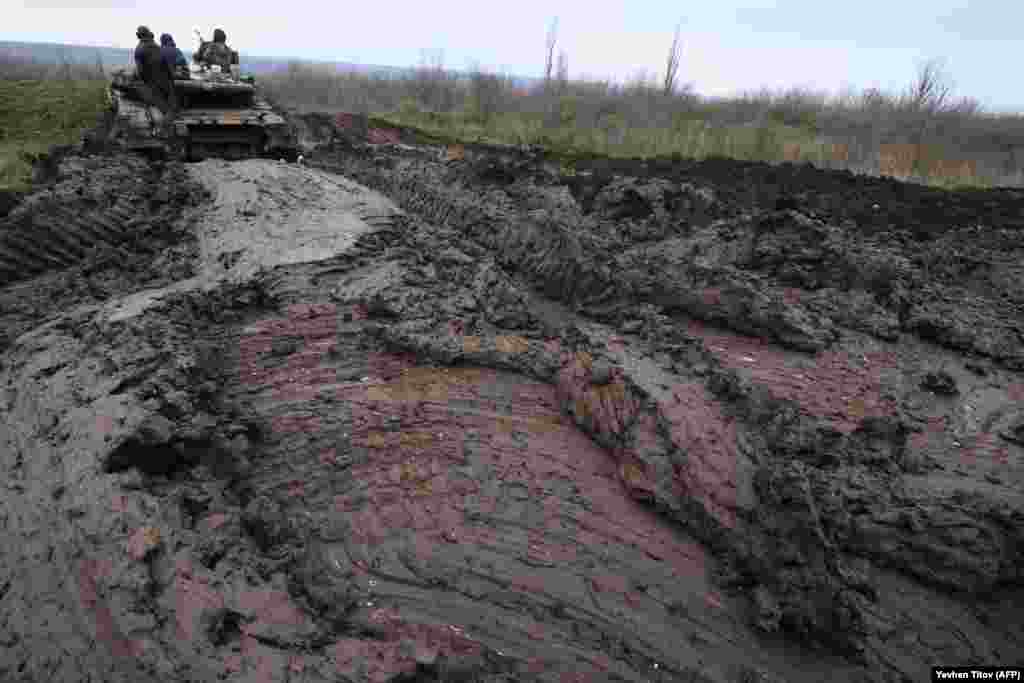
A Ukrainian tank churns through mud at an undisclosed location in November.&nbsp;
13/20 A Ukrainian tank churns through mud at an undisclosed location in November. 
Rain-filled trenches, mud, and shredded trees in Ukraine have drawn comparisons on social media with photos from World War I. Below are comparison photos of two very different conflicts that look increasingly similar as winter takes hold.
A road in the Struma valley, Bulgaria, during fighting in 1916.&nbsp;
14/20 A road in the Struma valley, Bulgaria, during fighting in 1916. 
Rain-filled trenches, mud, and shredded trees in Ukraine have drawn comparisons on social media with photos from World War I. Below are comparison photos of two very different conflicts that look increasingly similar as winter takes hold.
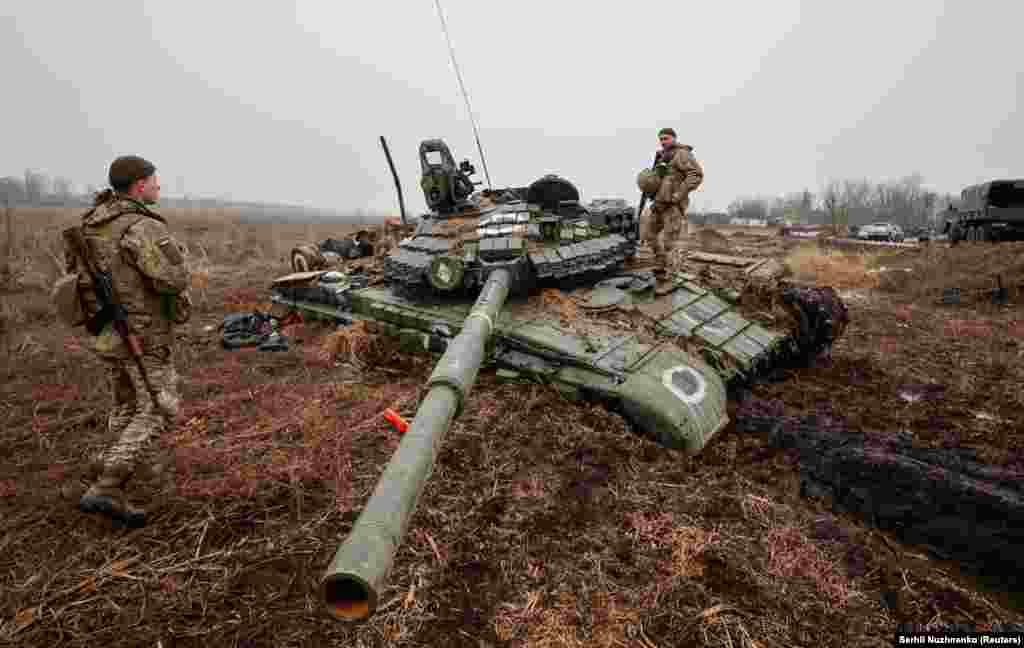
Ukrainian soldiers on a Russian tank that got bogged down in the Chernihiv region on April 1.&nbsp;
15/20 Ukrainian soldiers on a Russian tank that got bogged down in the Chernihiv region on April 1. 
Rain-filled trenches, mud, and shredded trees in Ukraine have drawn comparisons on social media with photos from World War I. Below are comparison photos of two very different conflicts that look increasingly similar as winter takes hold.
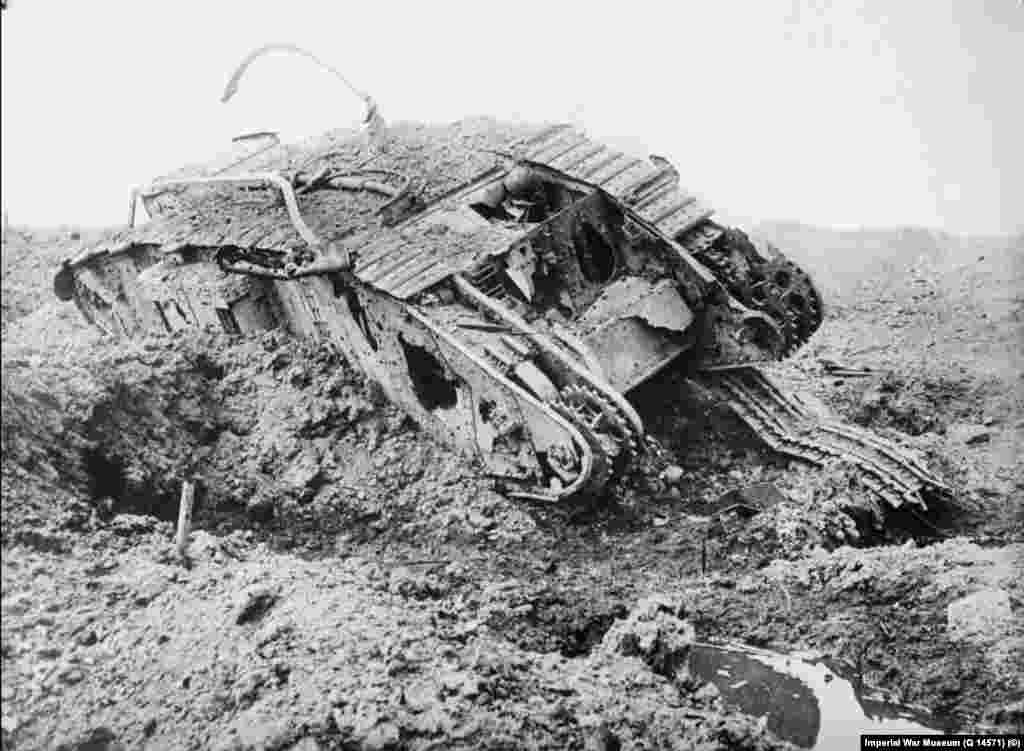
A British tank that was destroyed by a direct hit from an artillery shell on an unidentified battlefield of World War I.
16/20 A British tank that was destroyed by a direct hit from an artillery shell on an unidentified battlefield of World War I.
Rain-filled trenches, mud, and shredded trees in Ukraine have drawn comparisons on social media with photos from World War I. Below are comparison photos of two very different conflicts that look increasingly similar as winter takes hold.
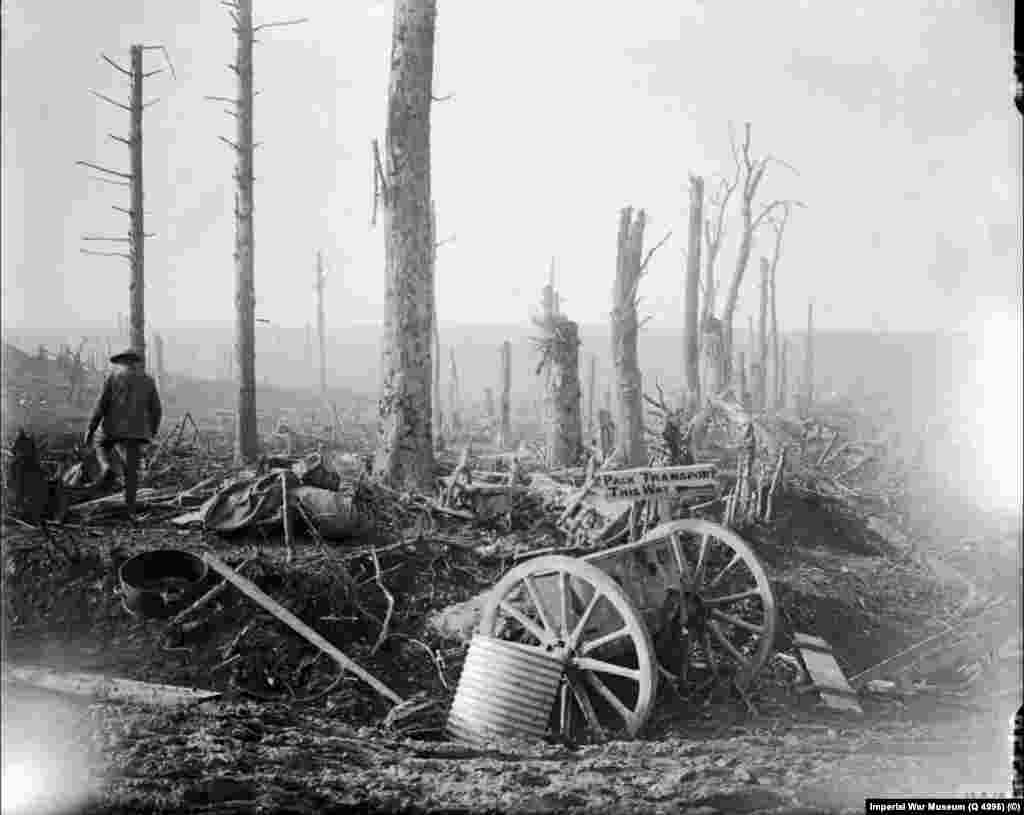
A damaged cart in front of shrapnel-stripped trees near Courcelette, in northern France, in March 1917.&nbsp;
17/20 A damaged cart in front of shrapnel-stripped trees near Courcelette, in northern France, in March 1917. 
Rain-filled trenches, mud, and shredded trees in Ukraine have drawn comparisons on social media with photos from World War I. Below are comparison photos of two very different conflicts that look increasingly similar as winter takes hold.
Broken trees and a destroyed car on the outskirts of Chernihiv in April.&nbsp;<br />
&nbsp;
18/20 Broken trees and a destroyed car on the outskirts of Chernihiv in April. 
 
Rain-filled trenches, mud, and shredded trees in Ukraine have drawn comparisons on social media with photos from World War I. Below are comparison photos of two very different conflicts that look increasingly similar as winter takes hold.
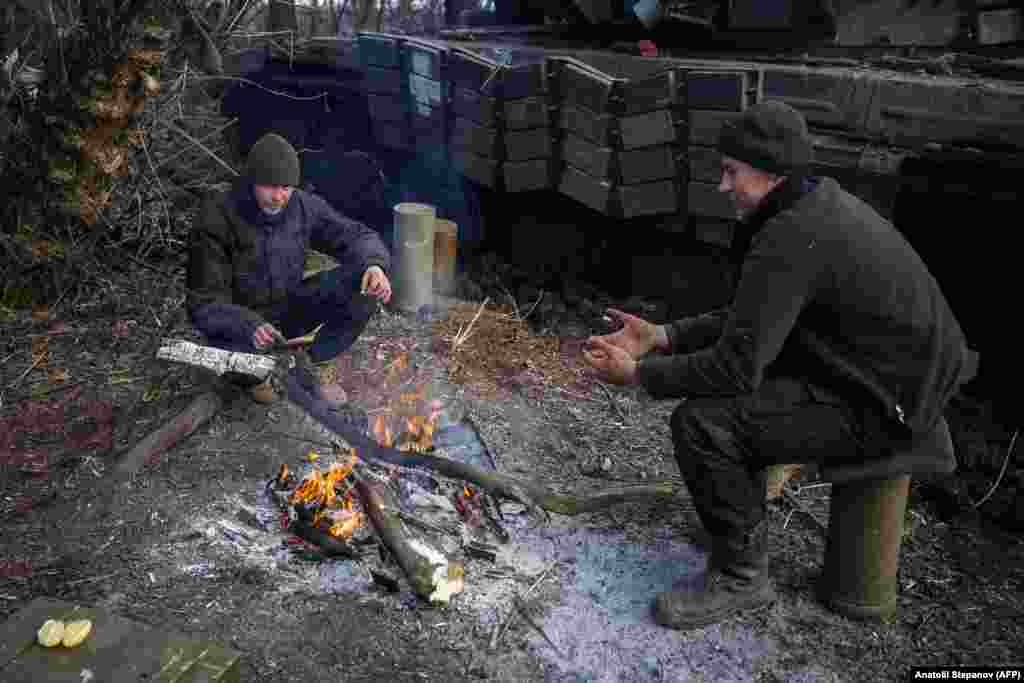
Ukrainian tankers warm up next to their weapon near Bakhmut on November 30.&nbsp;
19/20 Ukrainian tankers warm up next to their weapon near Bakhmut on November 30. 
Rain-filled trenches, mud, and shredded trees in Ukraine have drawn comparisons on social media with photos from World War I. Below are comparison photos of two very different conflicts that look increasingly similar as winter takes hold.
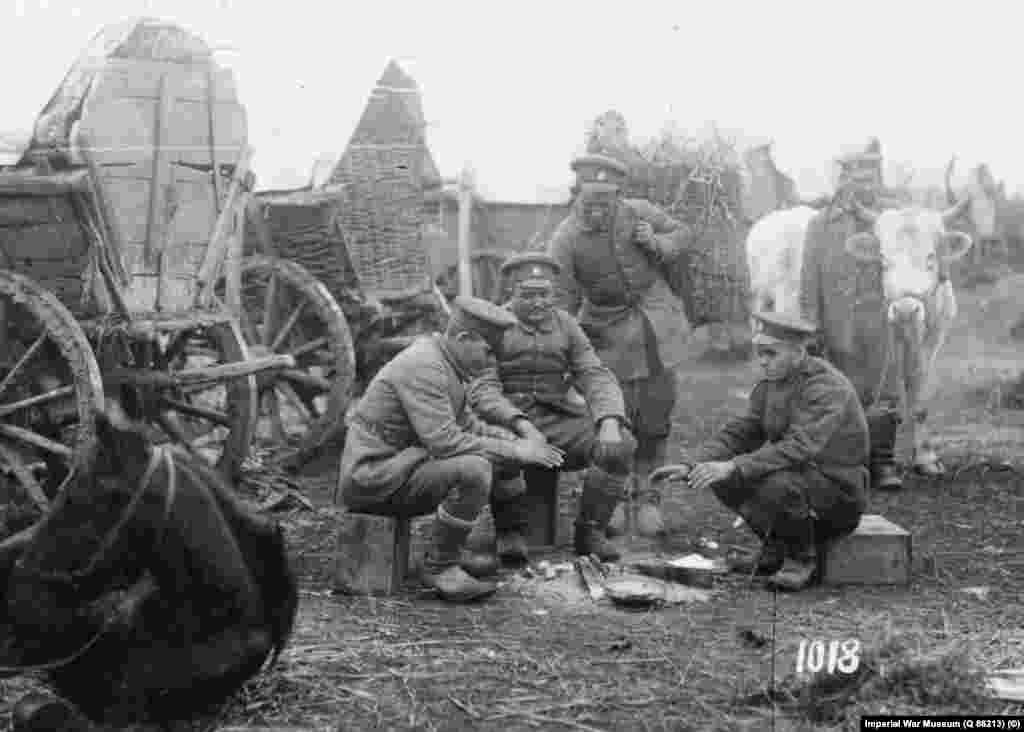
Bulgarian troops gather around a fire during a rest between marches at an unknown location in February 1917.
20/20 Bulgarian troops gather around a fire during a rest between marches at an unknown location in February 1917.
Rain-filled trenches, mud, and shredded trees in Ukraine have drawn comparisons on social media with photos from World War I. Below are comparison photos of two very different conflicts that look increasingly similar as winter takes hold.
Previous slide
Next slide

As fierce fighting continues in the east, where Kyiv's forces fought off waves of attacks in Luhansk and Donetsk regions, the military reported on December 3 that over the previous day it shot down an enemy helicopter and six drones.

The General Staff said in its regular update that Russian forces launched five missile strikes, 27 air strikes, and 44 rocket attacks at civilian infrastructure and Ukrainian Army positions along the contact line.

Meanwhile, Britain's Defense Ministry said in its daily intelligence update that Russia is likely planning to encircle Bakhmut in the Donetsk region with tactical advances to the north and south.

Although the capture of Bakhmut would have limited operational value, it could allow Russia to threaten Kramatorsk and Slovyansk, the ministry said on December 3. "There is a realistic possibility that Bakhmut's capture has become primarily a symbolic, political objective for Russia," it said on Twitter.

The battlefield reports could not be independently verified.

With reporting by Reuters and CNN
  • 16x9 Image

    RFE/RL's Ukrainian Service

    RFE/RL's Ukrainian Service has seen its audience grow significantly since Russia's full-scale invasion in February 2022 and is among the most cited media outlets in the country. Its bold, in-depth reporting from the front lines has won many accolades and awards. Its comprehensive coverage also includes award-winning reporting by the Donbas.Realities and Crimea.Realities projects and the Schemes investigative unit.

This item is part of
XS
SM
MD
LG