Ukraine has begun construction of a new protection shell over the damaged reactor at the Chornobyl nuclear power plant.
The work to replace the existing shell, which is crumbling and leaking radiation, comes on the 26th anniversary of the world's worst civilian nuclear disaster there.
The new shelter, weighing 20,000 tons, is due to be completed by 2015.
Speaking in a ceremony marking the start of construction, Ukrainian President Viktor Yanukovych thanked international donors for pledging a reported $980 million to build the new shelter and a nuclear fuel waste facility.
"I am pleased to say that Ukraine was not left alone to face the tragedy," he said. "We saw the whole world coming to help us."
Containers with radioactive waste near the Chornobyl site (file photo)
The biggest donors are the Group of Eight leading industrial nations -- including Japan, which itself is still dealing with the effects of the Fukushima nuclear power plant disaster, triggered by the March 2011 earthquake and tsunami.
Yanukovych: State's Obligation
Fire and an explosion at one of Chornobyl's reactors on April 26, 1986, caused radiation to spread across parts of Ukraine, Belarus, and elsewhere in Europe. Dozens of workers died in the cleanup effort following the catastrophe.
Yanukovich said 2 million people have been affected by the Chornobyl nuclear accident and that it was the state's obligation to protect and treat them. The government, however, cut social benefits last year for survivors of the Chornobyl cleanup effort.
Hundreds of Chornobyl veterans – cleanup workers as well as victims of radioactive fallout – staged an angry protest in Kyiv with their supporters on April 26, demanding an increase in compensation and pensions.
Some 2,000 people gathered in front of the government headquarters while around 500 picketed the Ukrainian parliament, demanding their social allowances be paid in full.
After the 1986 accident, many of the power plant workers were relocated to the town of Slavutych -- about 50 kilometers from the Chornobyl plant -- leaving much of the radiation-contaminated area around Chornobyl abandoned.
Chornobyl's Legacy
1/11One of the first photos of Chornobyl nuclear plant after the April 26, 1986, blast. A massive power surge at the plant triggered the explosion that blew the 1,000-ton lid off the No. 4 reactor.
An explosion at the Chornobyl (also Chernobyl) nuclear power plant on April 26, 1986, sent radiation spewing across Ukraine, Belarus, and other parts of Europe in what become known as the worst civilian nuclear disaster in history. Dozens of people died in the initial cleanup and many thousands suffered health problems as a result of radiation, but the final health fallout is unknown.
Show moreShow less
2/11The 1986 explosion released at least 100 times more radiation than the nuclear bombs dropped on Nagasaki and Hiroshima during World War II, contaminating large parts of Ukraine, Belarus, and Russia. This is the nearby city of Pripyat.
An explosion at the Chornobyl (also Chernobyl) nuclear power plant on April 26, 1986, sent radiation spewing across Ukraine, Belarus, and other parts of Europe in what become known as the worst civilian nuclear disaster in history. Dozens of people died in the initial cleanup and many thousands suffered health problems as a result of radiation, but the final health fallout is unknown.
Show moreShow less
3/11Mourners light candles at a memorial in Slavutych, Ukraine, more than two decades after the disaster for tens of thousands of "liquidators" sent in for the cleanup effort at Chornobyl.
An explosion at the Chornobyl (also Chernobyl) nuclear power plant on April 26, 1986, sent radiation spewing across Ukraine, Belarus, and other parts of Europe in what become known as the worst civilian nuclear disaster in history. Dozens of people died in the initial cleanup and many thousands suffered health problems as a result of radiation, but the final health fallout is unknown.
Show moreShow less
4/11A brick chimney stands as the sole reminder of a house that was destroyed by fire in the abandoned village of Kazhushki, in the Chornobyl exclusion zone.
An explosion at the Chornobyl (also Chernobyl) nuclear power plant on April 26, 1986, sent radiation spewing across Ukraine, Belarus, and other parts of Europe in what become known as the worst civilian nuclear disaster in history. Dozens of people died in the initial cleanup and many thousands suffered health problems as a result of radiation, but the final health fallout is unknown.
Show moreShow less
5/11A child peers through a window at a children's hematological and oncological center in Minsk that was built after the Chornobyl nuclear accident. The scale of the health problems resulting from radiation remains difficult to assess.
An explosion at the Chornobyl (also Chernobyl) nuclear power plant on April 26, 1986, sent radiation spewing across Ukraine, Belarus, and other parts of Europe in what become known as the worst civilian nuclear disaster in history. Dozens of people died in the initial cleanup and many thousands suffered health problems as a result of radiation, but the final health fallout is unknown.
Show moreShow less
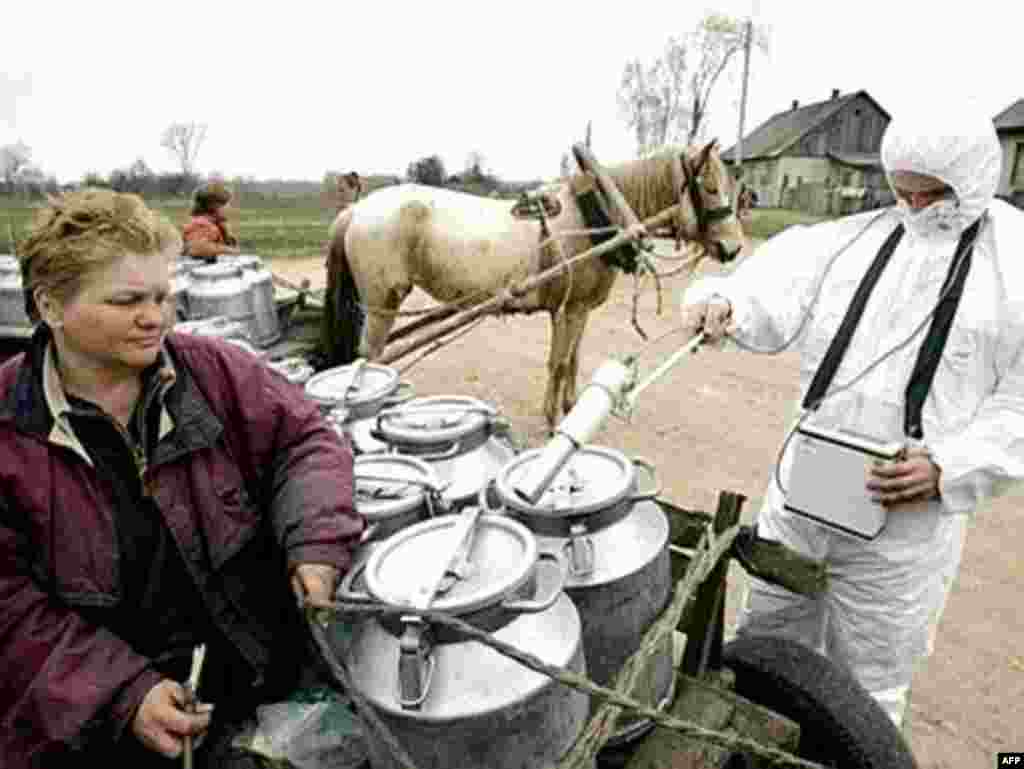
6/11An employee from the Belarusian radiation ecology reserve measures the level of radiation on canisters in the village of Gubarevichi, outside the 30-kilometer exclusion zone around the Chornobyl nuclear reactor, some 360 kilometers from Minsk.
An explosion at the Chornobyl (also Chernobyl) nuclear power plant on April 26, 1986, sent radiation spewing across Ukraine, Belarus, and other parts of Europe in what become known as the worst civilian nuclear disaster in history. Dozens of people died in the initial cleanup and many thousands suffered health problems as a result of radiation, but the final health fallout is unknown.
Show moreShow less
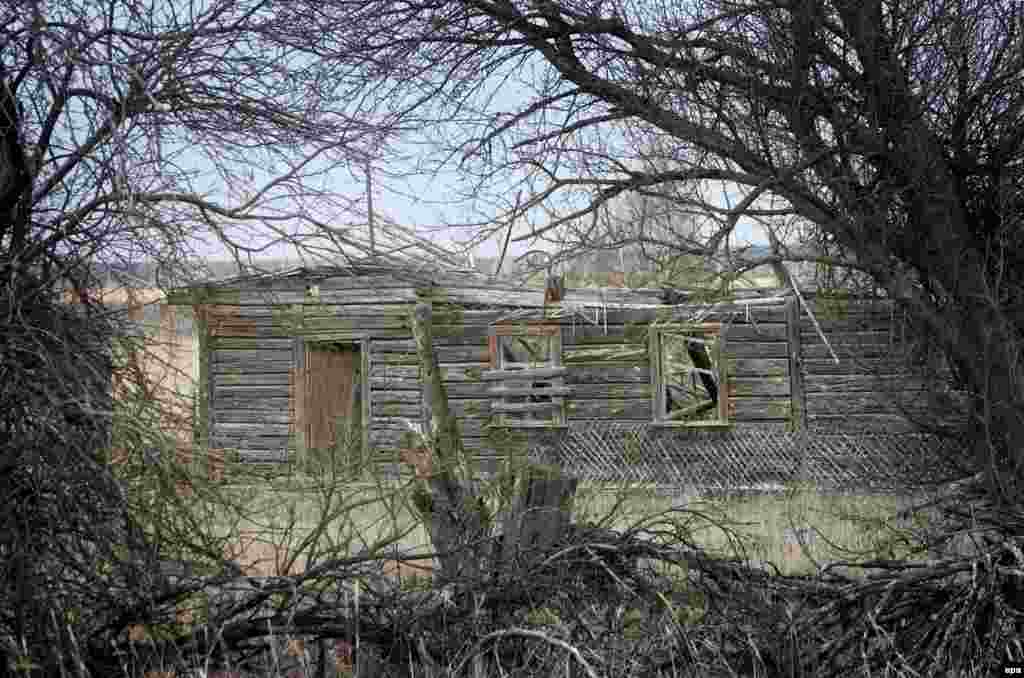
7/11A wooden house stands among abandoned homes in the Chornobyl nuclear power plant's 30-kilometer exclusion zone in 2006. Although the initial radiation killed much of the local flora and fauna, many wild animals continue to live in the restricted zone.
An explosion at the Chornobyl (also Chernobyl) nuclear power plant on April 26, 1986, sent radiation spewing across Ukraine, Belarus, and other parts of Europe in what become known as the worst civilian nuclear disaster in history. Dozens of people died in the initial cleanup and many thousands suffered health problems as a result of radiation, but the final health fallout is unknown.
Show moreShow less
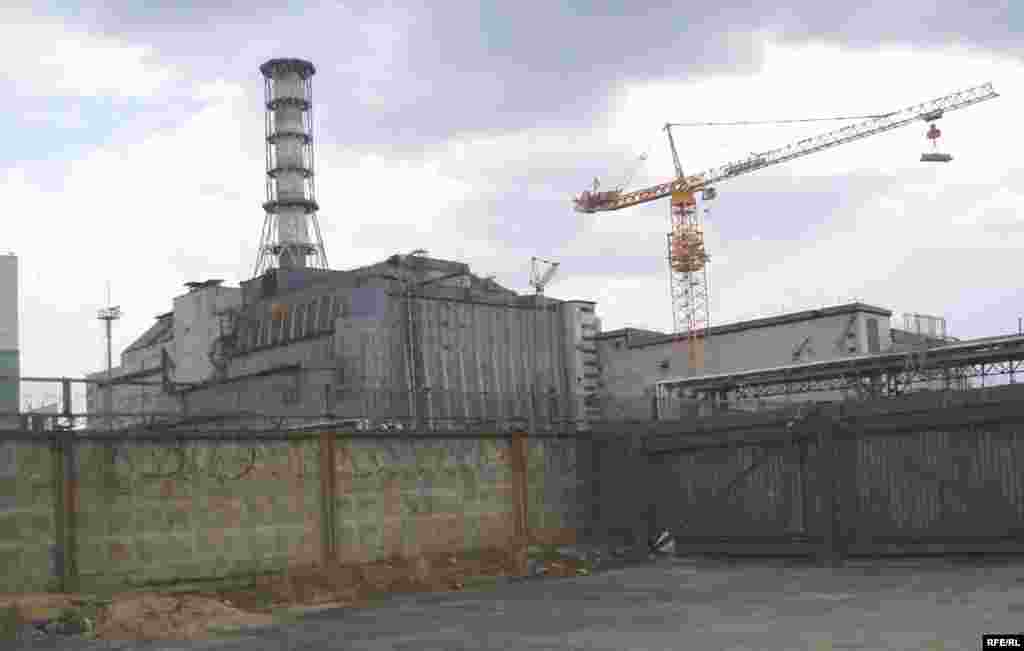
8/11The sarcophagus meant to contain the radiation at Chornobyl was built hastily, and deteriorated quickly. Work continues on a new steel dome designed to last 100 years, labeled the New Safe Confinement.
An explosion at the Chornobyl (also Chernobyl) nuclear power plant on April 26, 1986, sent radiation spewing across Ukraine, Belarus, and other parts of Europe in what become known as the worst civilian nuclear disaster in history. Dozens of people died in the initial cleanup and many thousands suffered health problems as a result of radiation, but the final health fallout is unknown.
Show moreShow less
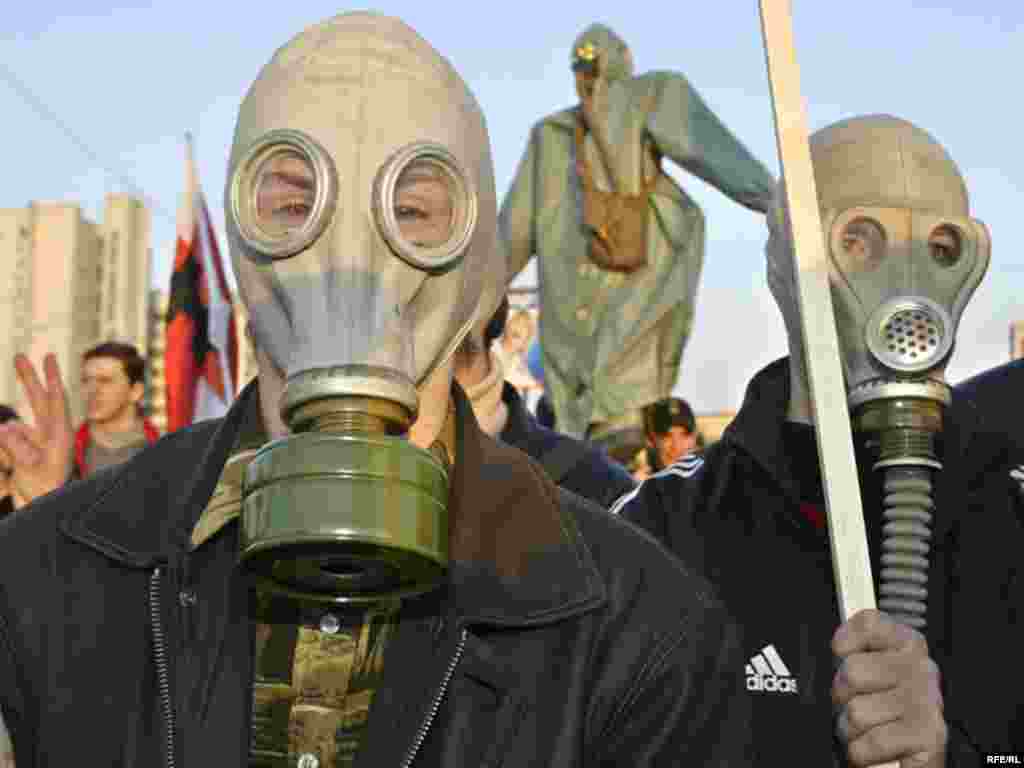
9/11In Belarus, the Chornobyl disaster persists as a political as well as an environmental issue. The opposition adopted the issue, arguing that the government of President Alyaksandr Lukashenka has failed to address Chornobyl's residual effects.
An explosion at the Chornobyl (also Chernobyl) nuclear power plant on April 26, 1986, sent radiation spewing across Ukraine, Belarus, and other parts of Europe in what become known as the worst civilian nuclear disaster in history. Dozens of people died in the initial cleanup and many thousands suffered health problems as a result of radiation, but the final health fallout is unknown.
Show moreShow less
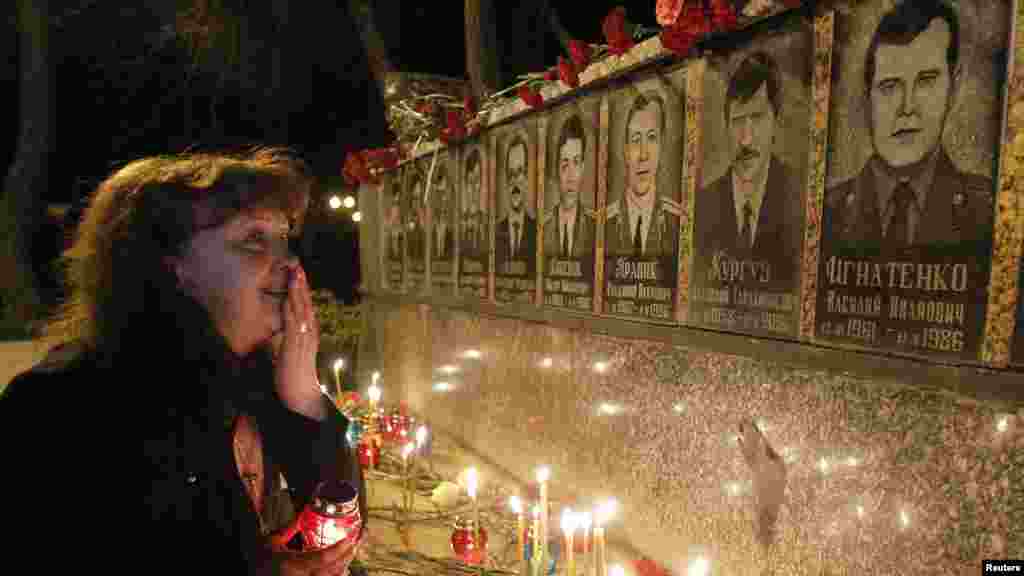
10/11A woman cries in front of a memorial dedicated to firefighters and workers who died after the Chornobyl nuclear disaster during a night service near the Chornobyl plant in the city of Slavutych on April 23, 2012.
An explosion at the Chornobyl (also Chernobyl) nuclear power plant on April 26, 1986, sent radiation spewing across Ukraine, Belarus, and other parts of Europe in what become known as the worst civilian nuclear disaster in history. Dozens of people died in the initial cleanup and many thousands suffered health problems as a result of radiation, but the final health fallout is unknown.
Show moreShow less
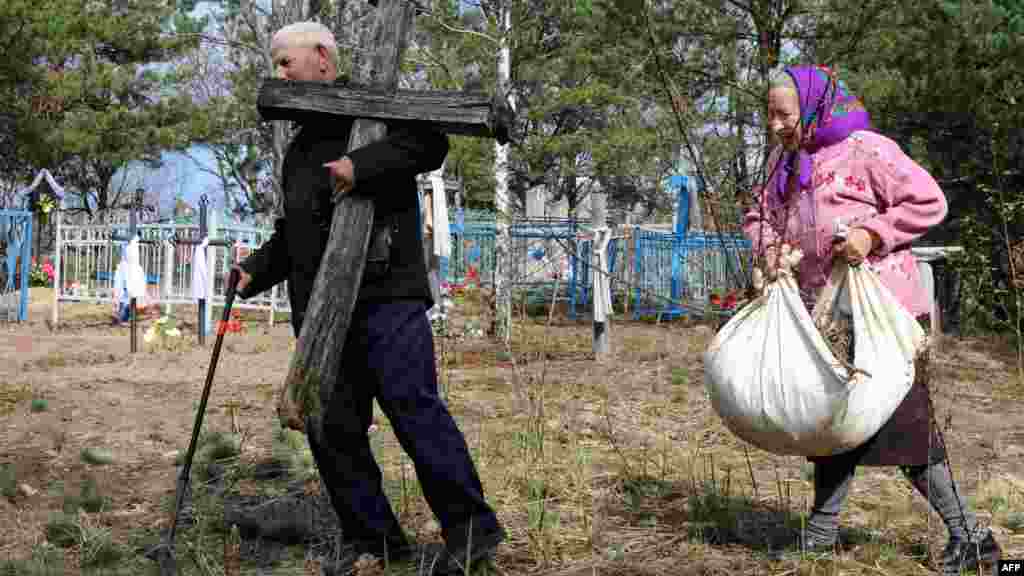
11/11A man carries a cross on April 23, 2012, at a cemetery in the abandoned Belarusian village of Dovliady in the 10-kilometer exclusion zone around the Chornobyl nuclear reactor.
An explosion at the Chornobyl (also Chernobyl) nuclear power plant on April 26, 1986, sent radiation spewing across Ukraine, Belarus, and other parts of Europe in what become known as the worst civilian nuclear disaster in history. Dozens of people died in the initial cleanup and many thousands suffered health problems as a result of radiation, but the final health fallout is unknown.
Show moreShow less
Previous slide
Next slide
Residents of Slavutych gathered on the town's main square on the night of April 25 to remember the victims. People holding candles and lanterns were led by a priest in prayer before they placed candles and flowers near the guard of honor memorial in the square.
Vladimir Sherbina, who worked at the plant at the time of the accident, said he came to the event to remember those who lost their lives and to pray that a similar disaster never happens again.
"The people who we remember today -- they paid for this mistake with their own lives," Sherbina said. "I hope this will never be repeated. And God forbid the people in charge of Chornobyl today repeat the mistake that was made by those in charge at the time of the Chornobyl accident."
The last of the plant's reactors was shut down in 2000. The process to decommission the plant, however, is expected to take decades.
With reporting by AP, Reuters, UNIAN, and RFE/RL's Ukrainian Service
RFE/RL journalists report the news in 24 languages in 18 countries where a free press is banned by the government or not fully established. We provide what many people cannot get locally: uncensored news, responsible discussion, and open debate.