



Accessibility links

Breaking News

Warsaw Marks 70th Anniversary Of Ghetto Uprising

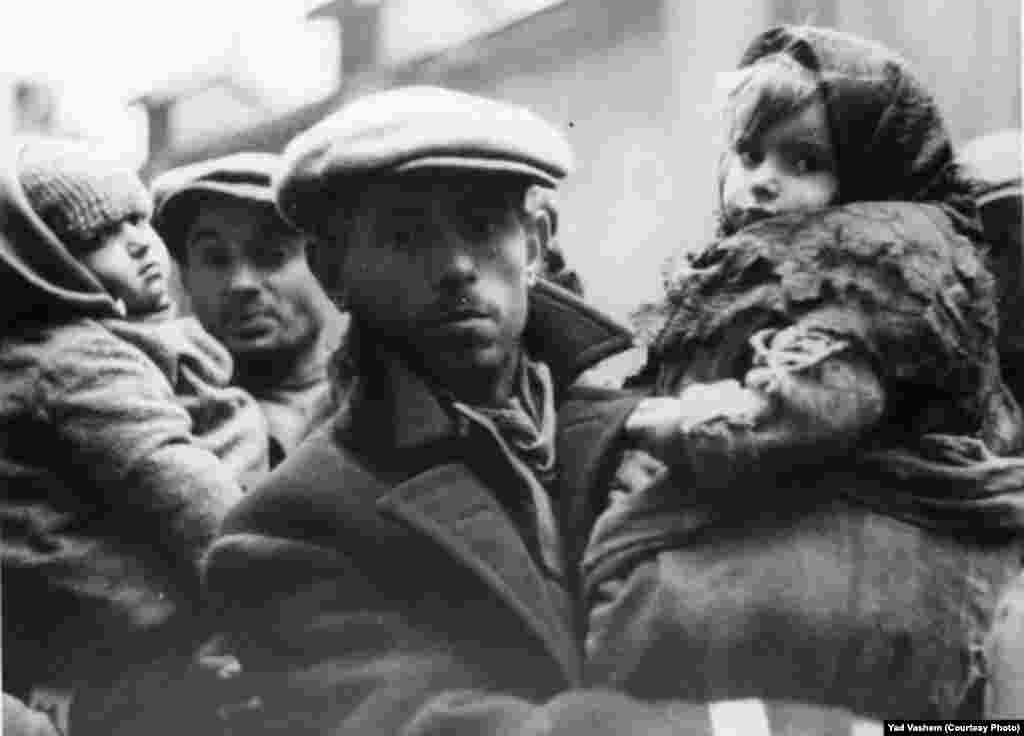
A man holds a girl.
1/18 A man holds a girl.
April 19 marks the 70th anniversary of the Warsaw Ghetto Uprising, in which a small number of armed Jews resisted the German Army as it attempted to clear out the ghetto for a month before being crushed. These photos were taken by Joe J. Heydecker, a German author and journalist who served as a simple soldier in the German Army. Using a Kine Exakta camera, he recorded many scenes that he saw during the war, including a series of photographs from the Warsaw Ghetto taken between November 11, 1941, and April 16, 1942. He continued to take photographs in spite of the ban issued in 1941 on independent photographers. (18 PHOTOS)
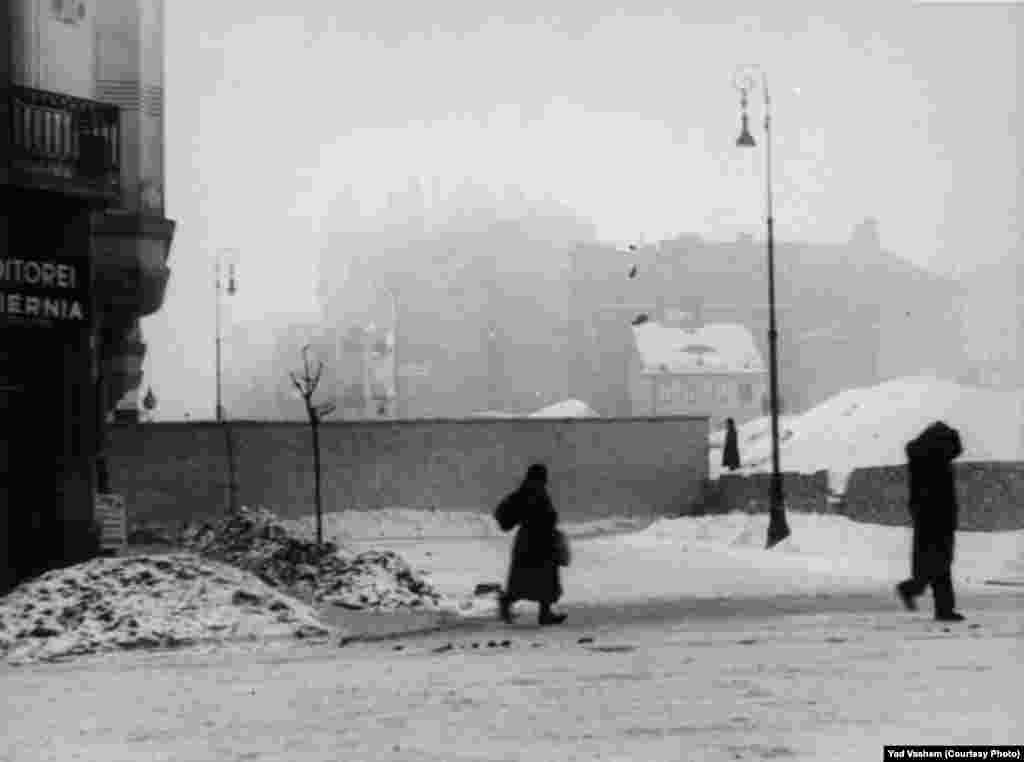
A snowy street in the ghetto
2/18 A snowy street in the ghetto
April 19 marks the 70th anniversary of the Warsaw Ghetto Uprising, in which a small number of armed Jews resisted the German Army as it attempted to clear out the ghetto for a month before being crushed. These photos were taken by Joe J. Heydecker, a German author and journalist who served as a simple soldier in the German Army. Using a Kine Exakta camera, he recorded many scenes that he saw during the war, including a series of photographs from the Warsaw Ghetto taken between November 11, 1941, and April 16, 1942. He continued to take photographs in spite of the ban issued in 1941 on independent photographers. (18 PHOTOS)
Jews stand by bread baskets on a ghetto street.
3/18 Jews stand by bread baskets on a ghetto street.
April 19 marks the 70th anniversary of the Warsaw Ghetto Uprising, in which a small number of armed Jews resisted the German Army as it attempted to clear out the ghetto for a month before being crushed. These photos were taken by Joe J. Heydecker, a German author and journalist who served as a simple soldier in the German Army. Using a Kine Exakta camera, he recorded many scenes that he saw during the war, including a series of photographs from the Warsaw Ghetto taken between November 11, 1941, and April 16, 1942. He continued to take photographs in spite of the ban issued in 1941 on independent photographers. (18 PHOTOS)
A Jew in the ghetto displays newspapers for sale.
4/18 A Jew in the ghetto displays newspapers for sale.
April 19 marks the 70th anniversary of the Warsaw Ghetto Uprising, in which a small number of armed Jews resisted the German Army as it attempted to clear out the ghetto for a month before being crushed. These photos were taken by Joe J. Heydecker, a German author and journalist who served as a simple soldier in the German Army. Using a Kine Exakta camera, he recorded many scenes that he saw during the war, including a series of photographs from the Warsaw Ghetto taken between November 11, 1941, and April 16, 1942. He continued to take photographs in spite of the ban issued in 1941 on independent photographers. (18 PHOTOS)
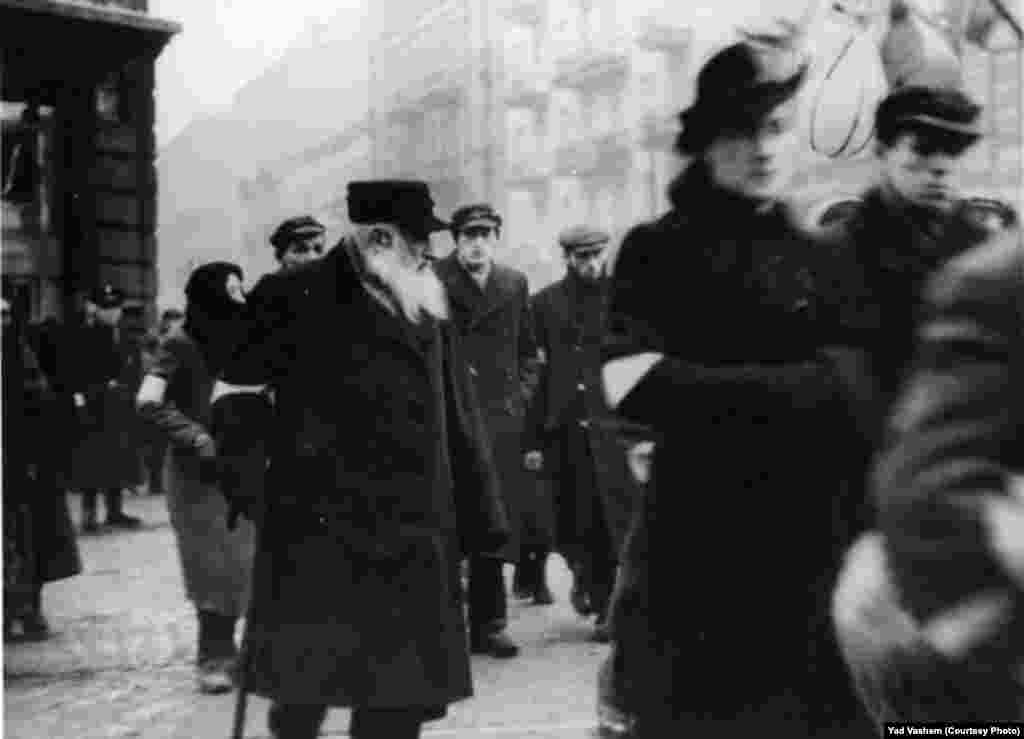
Jews in a ghetto street
5/18 Jews in a ghetto street
April 19 marks the 70th anniversary of the Warsaw Ghetto Uprising, in which a small number of armed Jews resisted the German Army as it attempted to clear out the ghetto for a month before being crushed. These photos were taken by Joe J. Heydecker, a German author and journalist who served as a simple soldier in the German Army. Using a Kine Exakta camera, he recorded many scenes that he saw during the war, including a series of photographs from the Warsaw Ghetto taken between November 11, 1941, and April 16, 1942. He continued to take photographs in spite of the ban issued in 1941 on independent photographers. (18 PHOTOS)
A Jew in the ghetto
6/18 A Jew in the ghetto
April 19 marks the 70th anniversary of the Warsaw Ghetto Uprising, in which a small number of armed Jews resisted the German Army as it attempted to clear out the ghetto for a month before being crushed. These photos were taken by Joe J. Heydecker, a German author and journalist who served as a simple soldier in the German Army. Using a Kine Exakta camera, he recorded many scenes that he saw during the war, including a series of photographs from the Warsaw Ghetto taken between November 11, 1941, and April 16, 1942. He continued to take photographs in spite of the ban issued in 1941 on independent photographers. (18 PHOTOS)
A resident of the ghetto displays his wares.
7/18 A resident of the ghetto displays his wares.
April 19 marks the 70th anniversary of the Warsaw Ghetto Uprising, in which a small number of armed Jews resisted the German Army as it attempted to clear out the ghetto for a month before being crushed. These photos were taken by Joe J. Heydecker, a German author and journalist who served as a simple soldier in the German Army. Using a Kine Exakta camera, he recorded many scenes that he saw during the war, including a series of photographs from the Warsaw Ghetto taken between November 11, 1941, and April 16, 1942. He continued to take photographs in spite of the ban issued in 1941 on independent photographers. (18 PHOTOS)
Two Jewish policemen stand near barbed-wire fences.
8/18 Two Jewish policemen stand near barbed-wire fences.
April 19 marks the 70th anniversary of the Warsaw Ghetto Uprising, in which a small number of armed Jews resisted the German Army as it attempted to clear out the ghetto for a month before being crushed. These photos were taken by Joe J. Heydecker, a German author and journalist who served as a simple soldier in the German Army. Using a Kine Exakta camera, he recorded many scenes that he saw during the war, including a series of photographs from the Warsaw Ghetto taken between November 11, 1941, and April 16, 1942. He continued to take photographs in spite of the ban issued in 1941 on independent photographers. (18 PHOTOS)
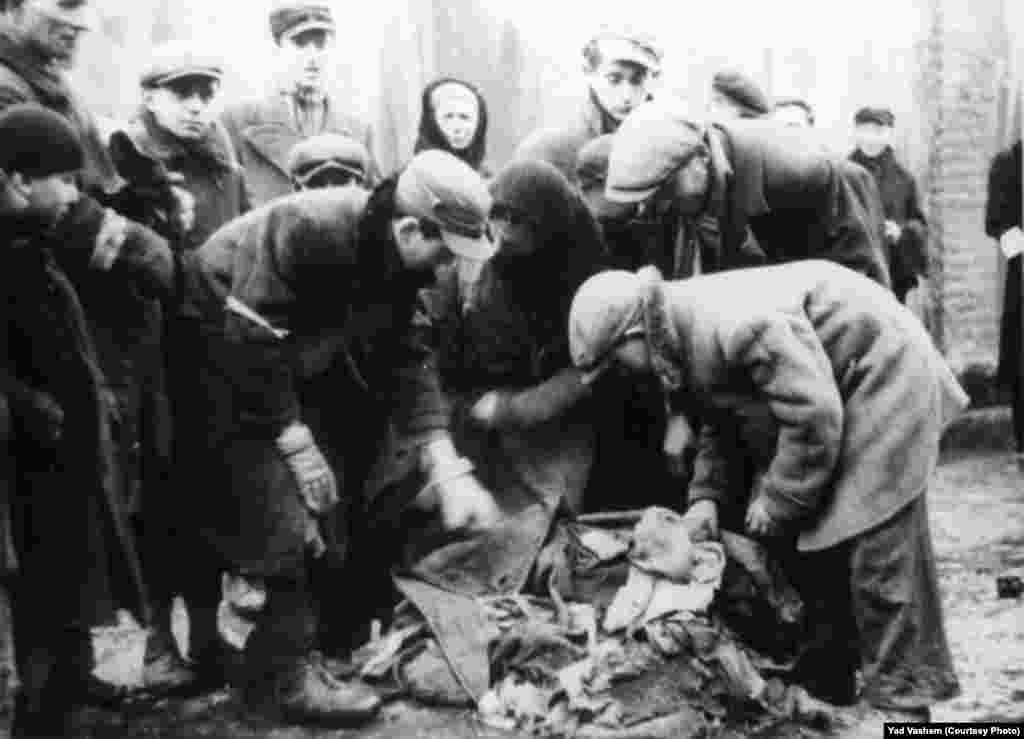
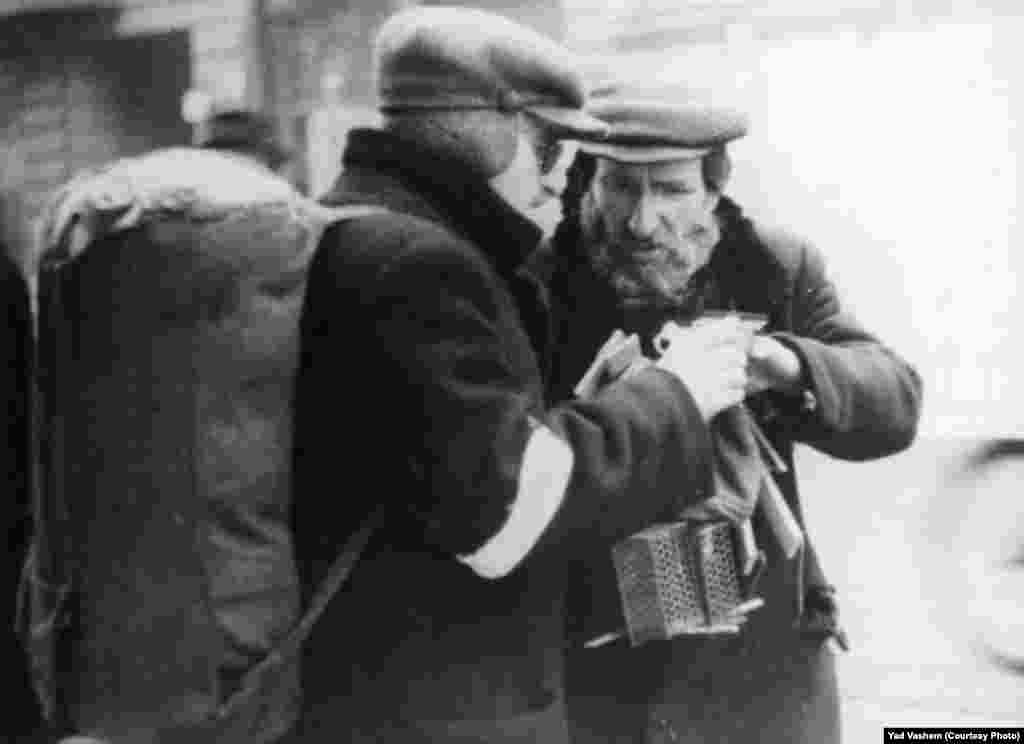
Jews deal with smuggled merchandise.
9/18 Jews deal with smuggled merchandise.
April 19 marks the 70th anniversary of the Warsaw Ghetto Uprising, in which a small number of armed Jews resisted the German Army as it attempted to clear out the ghetto for a month before being crushed. These photos were taken by Joe J. Heydecker, a German author and journalist who served as a simple soldier in the German Army. Using a Kine Exakta camera, he recorded many scenes that he saw during the war, including a series of photographs from the Warsaw Ghetto taken between November 11, 1941, and April 16, 1942. He continued to take photographs in spite of the ban issued in 1941 on independent photographers. (18 PHOTOS)
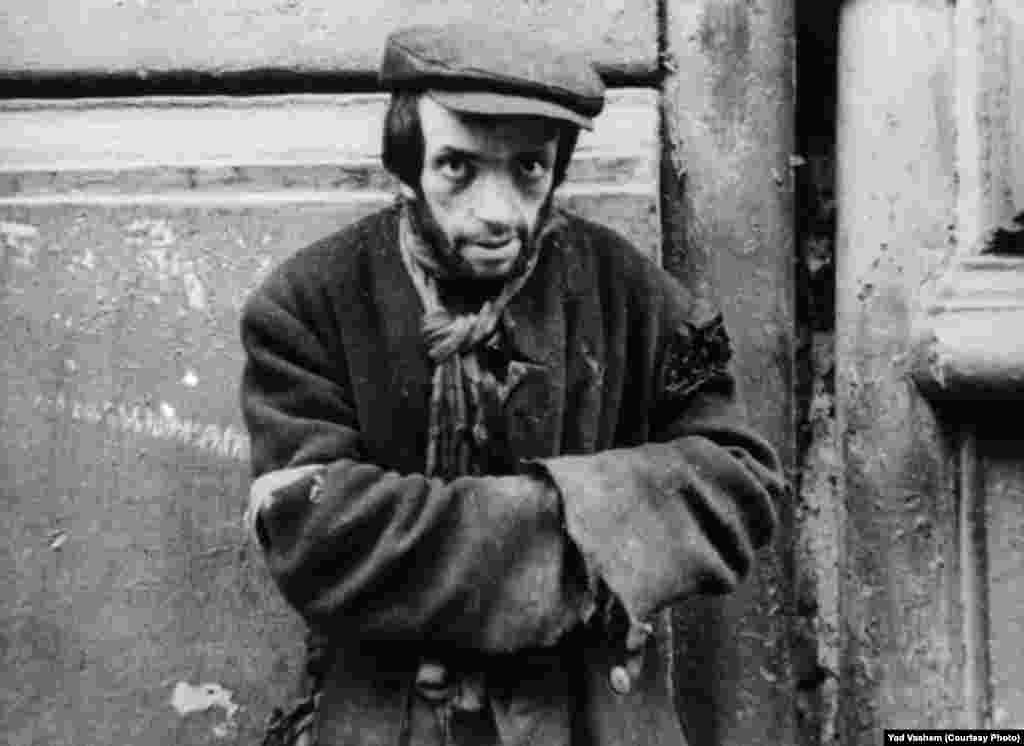
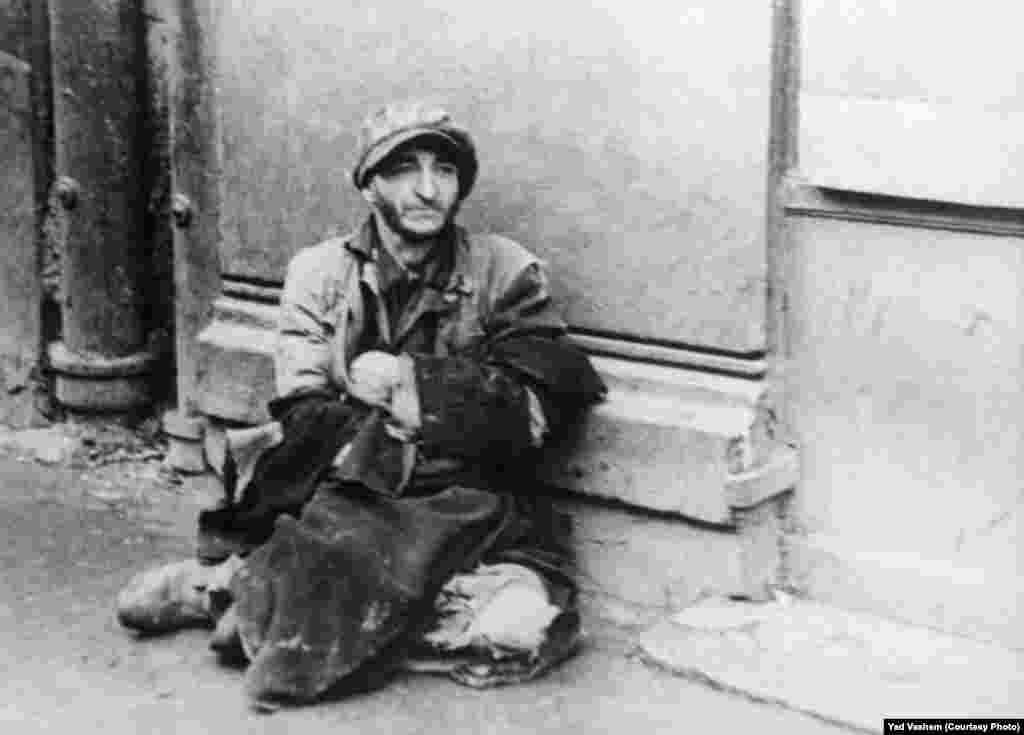
A beggar in the ghetto
10/18 A beggar in the ghetto
April 19 marks the 70th anniversary of the Warsaw Ghetto Uprising, in which a small number of armed Jews resisted the German Army as it attempted to clear out the ghetto for a month before being crushed. These photos were taken by Joe J. Heydecker, a German author and journalist who served as a simple soldier in the German Army. Using a Kine Exakta camera, he recorded many scenes that he saw during the war, including a series of photographs from the Warsaw Ghetto taken between November 11, 1941, and April 16, 1942. He continued to take photographs in spite of the ban issued in 1941 on independent photographers. (18 PHOTOS)
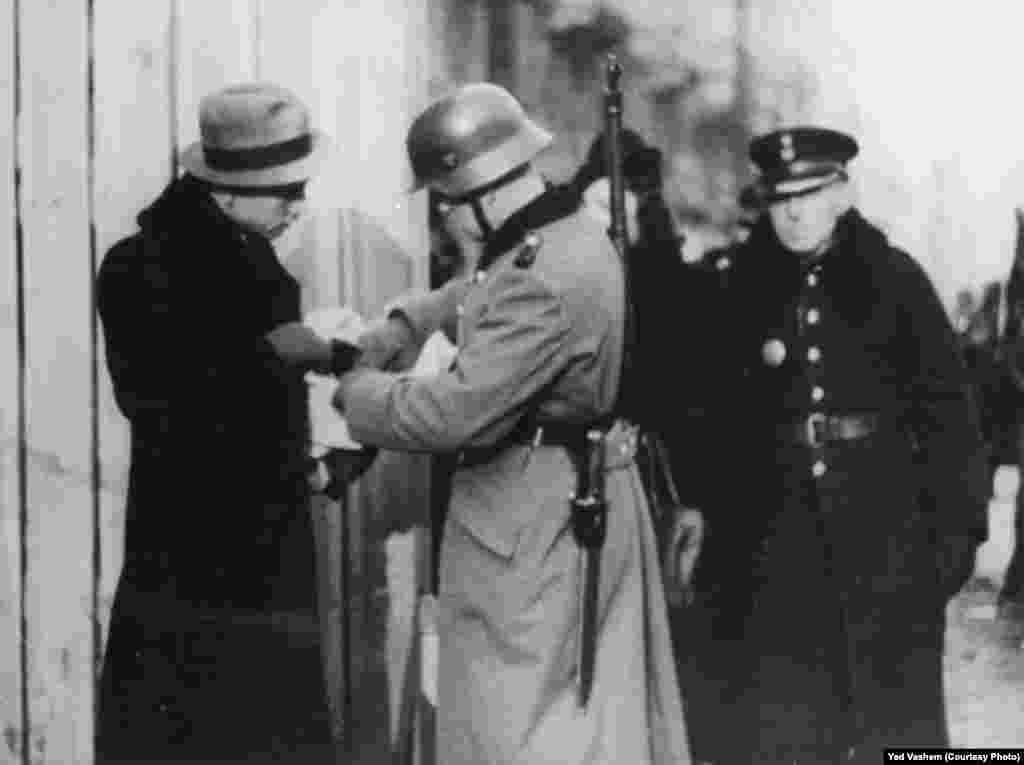
A German soldier inspects a Jew's documents.
11/18 A German soldier inspects a Jew's documents.
April 19 marks the 70th anniversary of the Warsaw Ghetto Uprising, in which a small number of armed Jews resisted the German Army as it attempted to clear out the ghetto for a month before being crushed. These photos were taken by Joe J. Heydecker, a German author and journalist who served as a simple soldier in the German Army. Using a Kine Exakta camera, he recorded many scenes that he saw during the war, including a series of photographs from the Warsaw Ghetto taken between November 11, 1941, and April 16, 1942. He continued to take photographs in spite of the ban issued in 1941 on independent photographers. (18 PHOTOS)
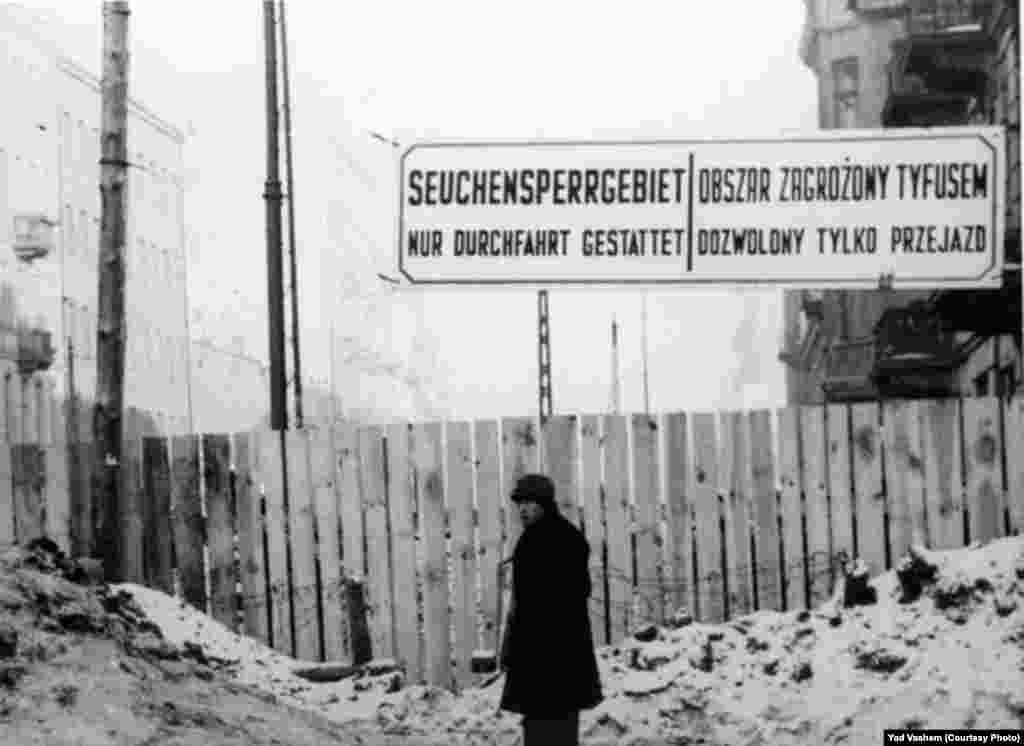
A sign in the ghetto forbids entrance to the area quarantined for typhus sufferers.
12/18 A sign in the ghetto forbids entrance to the area quarantined for typhus sufferers.
April 19 marks the 70th anniversary of the Warsaw Ghetto Uprising, in which a small number of armed Jews resisted the German Army as it attempted to clear out the ghetto for a month before being crushed. These photos were taken by Joe J. Heydecker, a German author and journalist who served as a simple soldier in the German Army. Using a Kine Exakta camera, he recorded many scenes that he saw during the war, including a series of photographs from the Warsaw Ghetto taken between November 11, 1941, and April 16, 1942. He continued to take photographs in spite of the ban issued in 1941 on independent photographers. (18 PHOTOS)
A young woman and a girl beg in the street.
13/18 A young woman and a girl beg in the street.
April 19 marks the 70th anniversary of the Warsaw Ghetto Uprising, in which a small number of armed Jews resisted the German Army as it attempted to clear out the ghetto for a month before being crushed. These photos were taken by Joe J. Heydecker, a German author and journalist who served as a simple soldier in the German Army. Using a Kine Exakta camera, he recorded many scenes that he saw during the war, including a series of photographs from the Warsaw Ghetto taken between November 11, 1941, and April 16, 1942. He continued to take photographs in spite of the ban issued in 1941 on independent photographers. (18 PHOTOS)
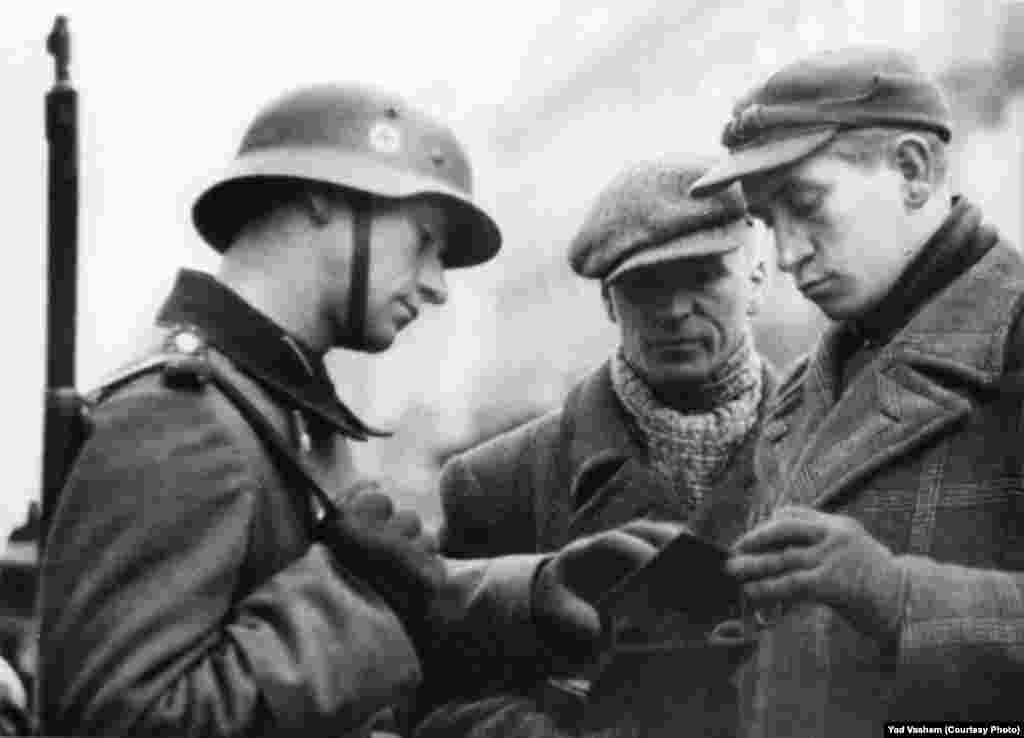
A German soldier checks the documents of two Jews.
14/18 A German soldier checks the documents of two Jews.
April 19 marks the 70th anniversary of the Warsaw Ghetto Uprising, in which a small number of armed Jews resisted the German Army as it attempted to clear out the ghetto for a month before being crushed. These photos were taken by Joe J. Heydecker, a German author and journalist who served as a simple soldier in the German Army. Using a Kine Exakta camera, he recorded many scenes that he saw during the war, including a series of photographs from the Warsaw Ghetto taken between November 11, 1941, and April 16, 1942. He continued to take photographs in spite of the ban issued in 1941 on independent photographers. (18 PHOTOS)
A store sign says "Manicure-Chana Branstein."
15/18 A store sign says "Manicure-Chana Branstein."
April 19 marks the 70th anniversary of the Warsaw Ghetto Uprising, in which a small number of armed Jews resisted the German Army as it attempted to clear out the ghetto for a month before being crushed. These photos were taken by Joe J. Heydecker, a German author and journalist who served as a simple soldier in the German Army. Using a Kine Exakta camera, he recorded many scenes that he saw during the war, including a series of photographs from the Warsaw Ghetto taken between November 11, 1941, and April 16, 1942. He continued to take photographs in spite of the ban issued in 1941 on independent photographers. (18 PHOTOS)
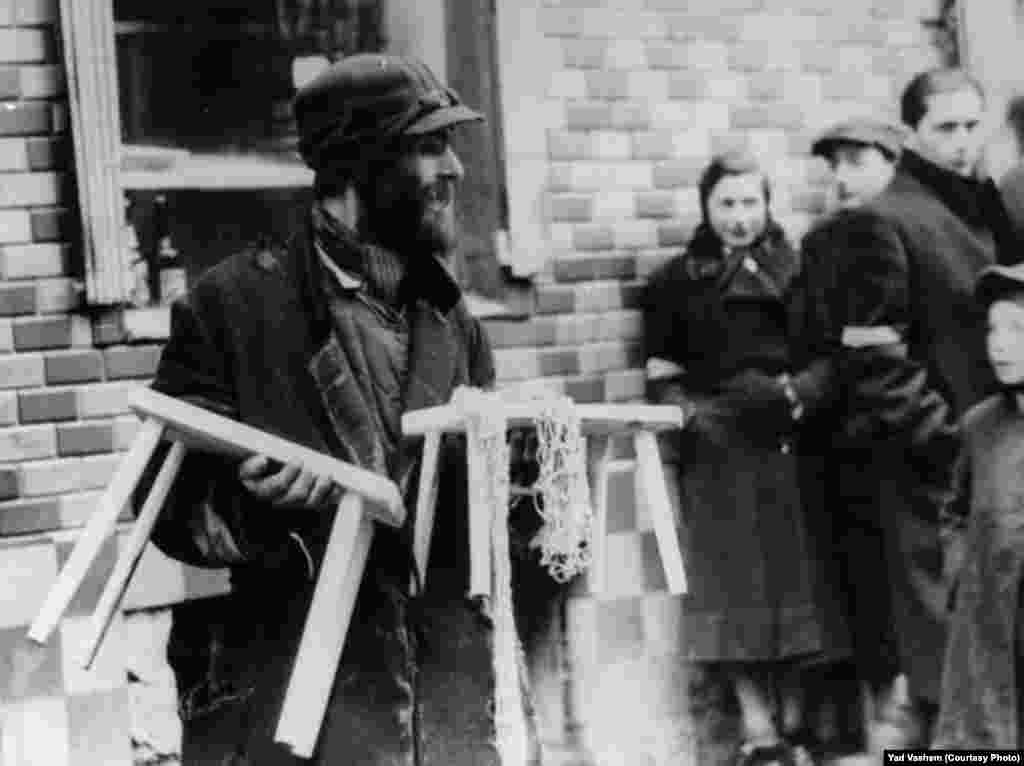
A Jew sells mouse traps in the ghetto.
16/18 A Jew sells mouse traps in the ghetto.
April 19 marks the 70th anniversary of the Warsaw Ghetto Uprising, in which a small number of armed Jews resisted the German Army as it attempted to clear out the ghetto for a month before being crushed. These photos were taken by Joe J. Heydecker, a German author and journalist who served as a simple soldier in the German Army. Using a Kine Exakta camera, he recorded many scenes that he saw during the war, including a series of photographs from the Warsaw Ghetto taken between November 11, 1941, and April 16, 1942. He continued to take photographs in spite of the ban issued in 1941 on independent photographers. (18 PHOTOS)
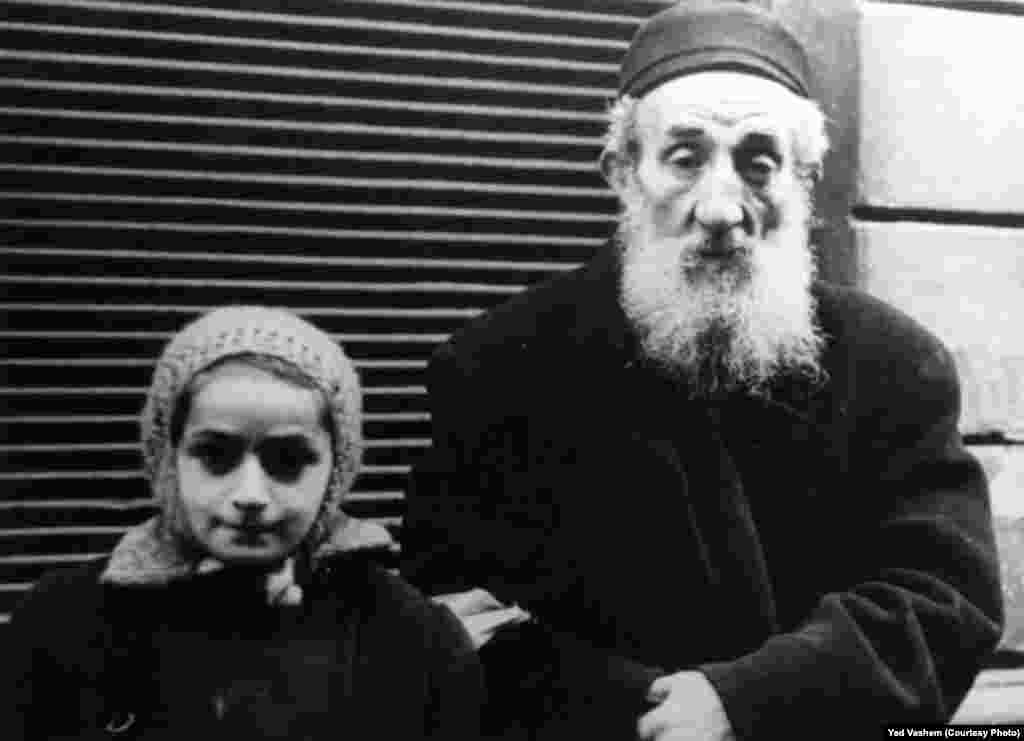
An elderly Jew and a child in the ghetto
17/18 An elderly Jew and a child in the ghetto
April 19 marks the 70th anniversary of the Warsaw Ghetto Uprising, in which a small number of armed Jews resisted the German Army as it attempted to clear out the ghetto for a month before being crushed. These photos were taken by Joe J. Heydecker, a German author and journalist who served as a simple soldier in the German Army. Using a Kine Exakta camera, he recorded many scenes that he saw during the war, including a series of photographs from the Warsaw Ghetto taken between November 11, 1941, and April 16, 1942. He continued to take photographs in spite of the ban issued in 1941 on independent photographers. (18 PHOTOS)
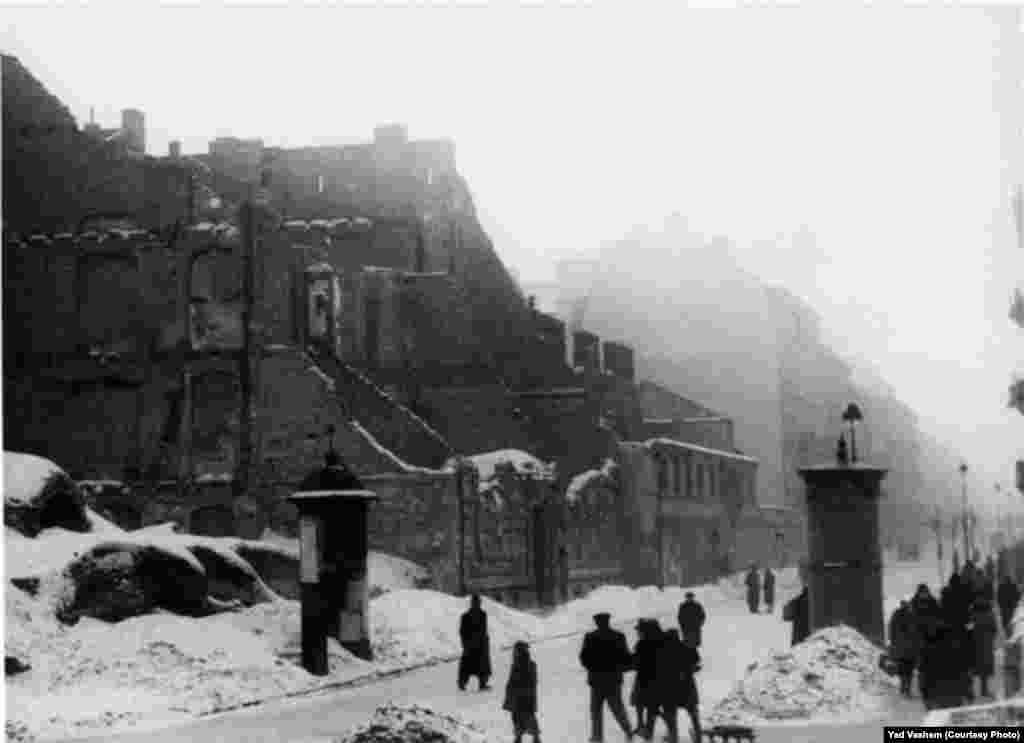
A snowy street in the ghetto
18/18 A snowy street in the ghetto
April 19 marks the 70th anniversary of the Warsaw Ghetto Uprising, in which a small number of armed Jews resisted the German Army as it attempted to clear out the ghetto for a month before being crushed. These photos were taken by Joe J. Heydecker, a German author and journalist who served as a simple soldier in the German Army. Using a Kine Exakta camera, he recorded many scenes that he saw during the war, including a series of photographs from the Warsaw Ghetto taken between November 11, 1941, and April 16, 1942. He continued to take photographs in spite of the ban issued in 1941 on independent photographers. (18 PHOTOS)
Previous slide
Next slide
Commemorations have been held in Warsaw to mark 70 years since hundreds of lightly armed Jewish fighters rose up against a much larger force of German Nazi occupiers.

Sirens and church bells sounded in homage to Jewish fighters who perished during the fight in World War II.

The major Jewish revolt began on April 19, 1943, and was finally crushed by Adolf Hitler’s forces around a month later.

Thousands of Jews died in the uprising, and tens of thousands of survivors were sent to death camps.

Polish President Bronislaw Komorowski led commemoration ceremonies at the Monument to the Ghetto Heroes.

Some surviving veterans of the uprising attended the ceremony.

Before the revolt, the Nazis sent around 300,000 Warsaw Ghetto residents to their deaths in camps, while others died from hunger and disease.

Based on reporting by AFP and AP
XS
SM
MD
LG