




Ukraine, rebels discuss broadening weapons withdrawal-aide
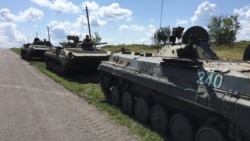
KIEV, April 2 (Reuters) - Ukraine, Russia and Russian-backed separatists are discussing prospects for extending a pull-back of weapons in east Ukraine to include tanks and smaller weapons systems, a press aide to Kiev's representative at peace talks said on Thursday.
"In order to reduce tension in the region the ... mutual withdrawal of tanks, 80-millimetre mortar and also of weapons of up to 100 millimetre calibre is being discussed," a press aide to former President Leonid Kuchma told Reuters.
Up to now, only weapons of more than 100 millimetre calibre including large artillery, heavy mortar and powerful rocket systems have been pulled back from the line of contact between government forces and separatist rebels under an agreement reached in Minsk, Belarus, in February.
Good morning. This is the top Ukraine news story this morning:
Ukraine Signs New Russian Gas Deal
Kyiv has signed a new agreement to buy Russian gas over the next three months at a price of $248 per thousand cubic meters.
In a statement posted on its website, Ukraine's Energy Ministry said the agreement extended all the other terms of the so-called "winter package" which just expired between Ukrainian state energy concern Naftogaz and Russian gas giant Gazprom.
That deal, brokered by the European Union and signed in October, included a price discount of $100 per thousand cubic meters but required Kyiv to pay up front for gas deliveries.
The statement quoted Energy Minister Volodymyr Demchyshyn as saying the agreement represented a "victory" for an economic rather than a political approach to relations between Naftogaz and Gazprom.
Former Ukrainian President Viktor Yanukovych had reached a deal with Moscow to purchase gas for $285 per 1,000 cubic meters, but after his ouster in February 2014 Russia demanded $485 as well as full payment of Ukraine's multibillion dollar gas debt.
Previous gas disputes between Ukraine and Russia have resulted in reduced supplies to the EU, where Gazprom covers a third of gas demand.
Around 40 percent of that gas travels via Ukraine.
This ends our live-blogging for April 1. Be sure to check back tomorrow for our continuing coverage.