



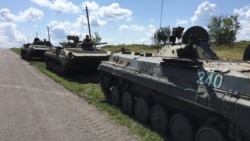
That concludes our live-blogging of the Ukraine crisis for Tuesday, May 5. Thanks for reading. Check back here tomorrow morning for more of our continuing coverage.
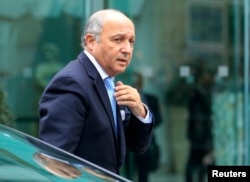
French Foreign Minister To Attend Moscow's Victory Day Celebrations
French Foreign Minister Laurent Fabius says he plans to take part in Moscow’s May 9 celebrations marking the 70th anniversary of the defeat of Nazi Germany in World War II.
Fabius announced his visit in a radio interview on May 6.
Although Moscow invited 68 heads of state and leaders of international organizations, only about 20 have confirmed their attendance amid international condemnation for Russia’s illegal annexation of Crimea and Russia’s support for separatists in eastern Ukraine.
They include Chinese President Xi Jinping and Cuban President Raul Castro, as well as United Nations Secretary-General Ban Ki-moon.
The Moscow celebrations are highlighting the Soviet Union’s role in the allied victory.
Russia plans to march 16,000 soldiers in a Red Square parade along with hundreds of military units -- including new Koalitsiya-SV howitzers artillery pieces and new Armata T-14 tanks.
Based on reporting by Reuters, TASS, and Europa-1
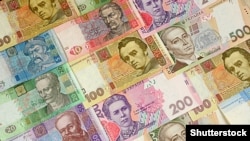
Ukraine faces highest inflation since 1996
KIEV, May 6 (Reuters) -- Prices in Ukraine will rise this year at the fastest rate since 1996 due to a sharp slump in the national hryvnia currency and a rise in utilities prices under an IMF bailout programme, a Reuters monthly survey showed.
Analysts of 14 Ukrainian banks and brokerages see inflation accelerating to 36 percent in 2015 from 24.9 percent last year.
In 1996 consumer prices rose 39.7 percent and gross domestic product contracted 10 percent as Ukraine endured almost a decade of economic crisis after the Soviet Union collapsed and the country became independent.
Ukraine's economy shrank 6.8 percent last year amid political upheaval and a burgeoning conflict with Russia.
Spiralling prices and the central bank's tough monetary policy will limit the lending Ukraine's economy needs to regain its footing in 2015, according to Ukrainian analysts polled by Reuters.
Last month analysts forecast lower annual inflation, at 31.8 percent, but expectations worsened after the index of consumer prices jumped to 45.8 percent in March year-on-year from 34.5 in February and 28.5 percent in January.
"Prices will continue to rise, but maybe not as quickly (as in March). Producers and importers want to get proper profitability and they have included currency depreciation risks in prices", said DaVinci analysts in written comments.
In February the hryvnia lost about 50 percent of its value against the dollar when the rate dived to all time low of 36.1 to the dollar amid the standoff with Russia.
In April the hryvnia strengthened to 22-23/$1 after the central bank imposed stronger controls on import deals and tougher monetary policy.
Even with a more stable hryvnia, analysts expressed doubts that the authorities would be able to tame inflation to the 30.1 percent forecast by the central bank, let alone to the 26.7 percent envisaged by the government in the 2015 budget.
"An expected further rise in utilities' tariffs will fuel inflation", said Oleksander Zholud of the Centre for Policy Studies.
In March the International Monetary Fund approved a four-year $17.5 billion programme supporting reforms in Ukraine. Gradual tariff increases and subsidy cuts in the state budget are among the government's key commitments under the program.
In April the price of gas was raised twice and electricity tariffs soared 50 percent. Householders face further price-hikes in the near future. In order to contain inflation the central bank increased its key refinancing rate to 30 percent from 19.5 percent in March.
Analysts said that expensive refinancing costs, soaring inflation, and losses in the Ukrainian banking system were inhibiting lending, eroding hopes for economic recovery.
Ukraine's central bank sees a two percent economy rise in the fourth quarter of 2015 after seven consecutive quarters of decline.
The analysts worsened their forecast for Ukraine's gross domestic product in 2015 to a contraction of 7.6 percent from 7.0 percent last month and said they did not expect any quarterly rise this year.
"If the military and political situation in the east of the country does not improve in the near future.... we can expect a much deeper recession," analysts of Raiffeisen Bank Aval said in a note.
A year-old armed conflict with pro-Russian separatists in the Ukraine's eastern territories has killed more than 6,000 people and wiped out around 20 percent of the country's industrial assets.