The 'Decommunization' Of Dushanbe
- By Amir Isoev and
- Amos Chapple
Before-and-after images capture the breakneck demolition and development drive that is leaving some locals of the Tajik capital unable to recognize their own city.
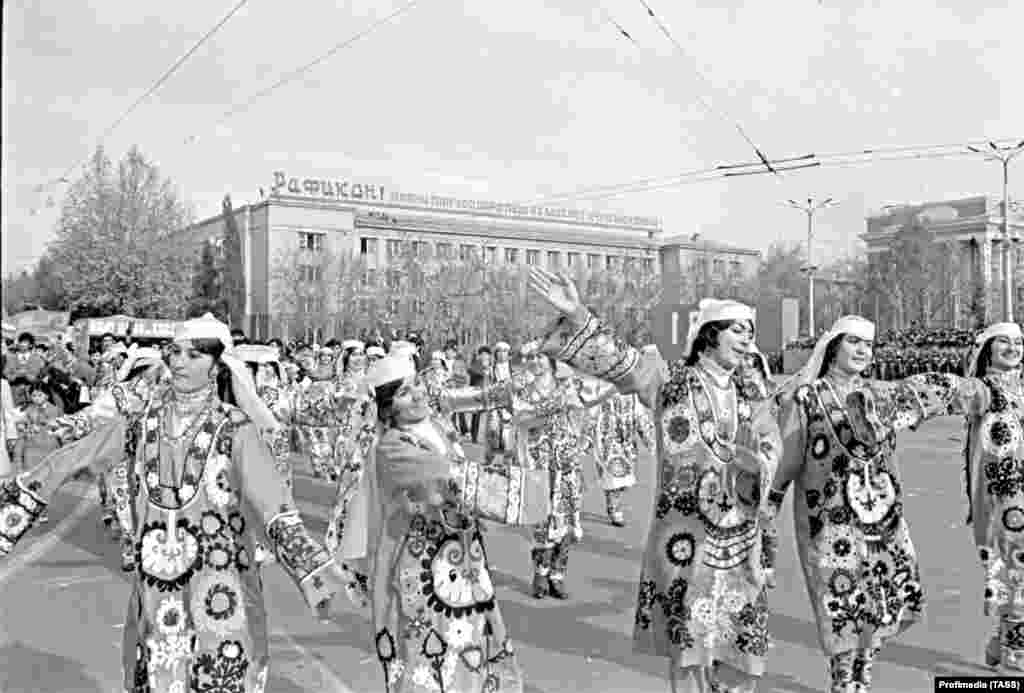
Before
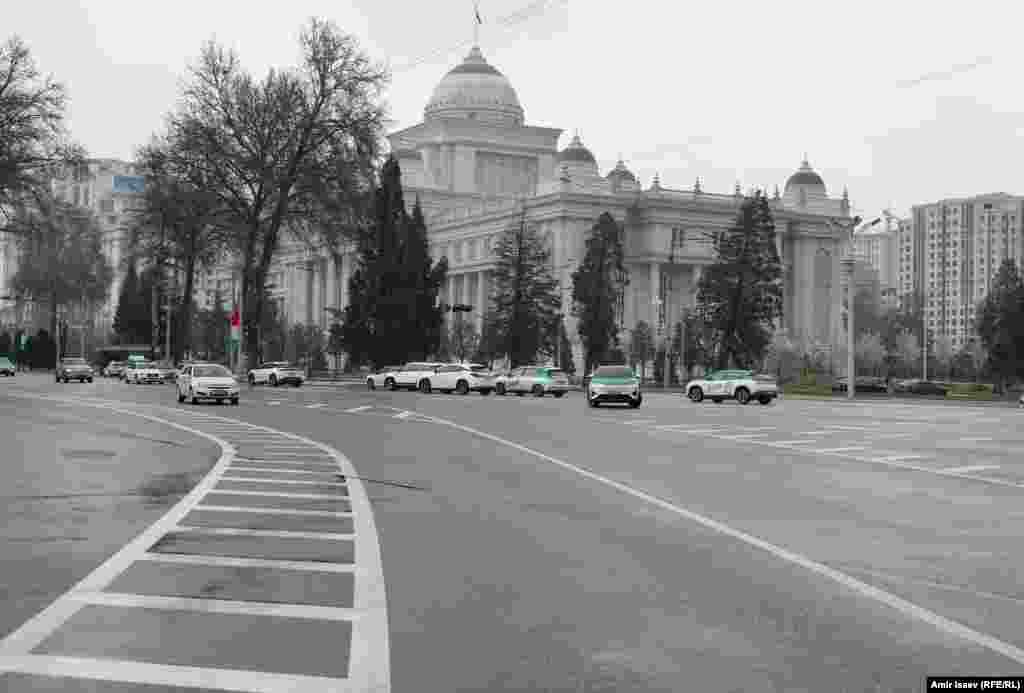
After
1
A low-slung official building in the center of Dushanbe seen during a Soviet-era parade. Today, Tajikistan’s parliament building, which was inaugurated in 2024 as a “gift” from Beijing, stands on the site.
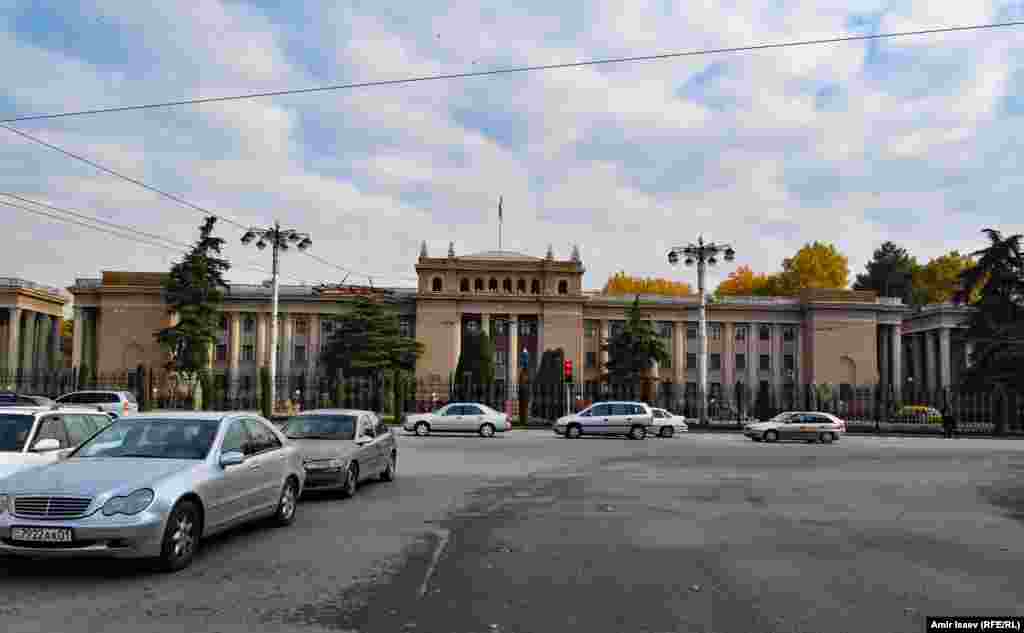
Before
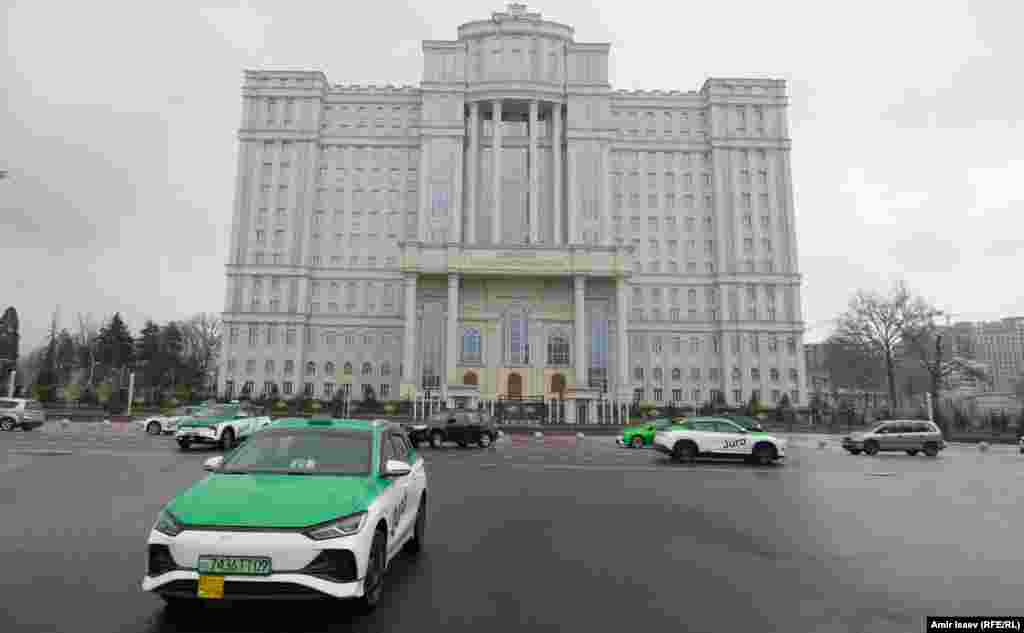
After
2
Tajikistan's Soviet-era presidential palace was demolished in 2020. Now the location hosts Tajikistan's towering government headquarters.
The high-rise building was completed in 2024 by a Chinese firm and touted as an “organic combination of Tajik architectural style and Chinese construction technology.”
The high-rise building was completed in 2024 by a Chinese firm and touted as an “organic combination of Tajik architectural style and Chinese construction technology.”
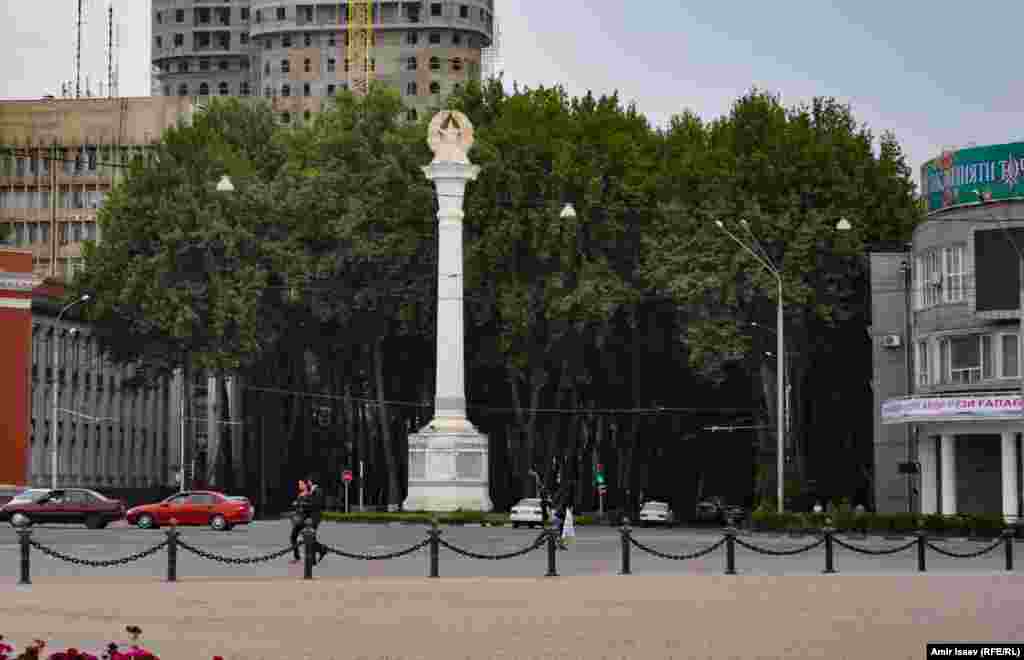
Before
After
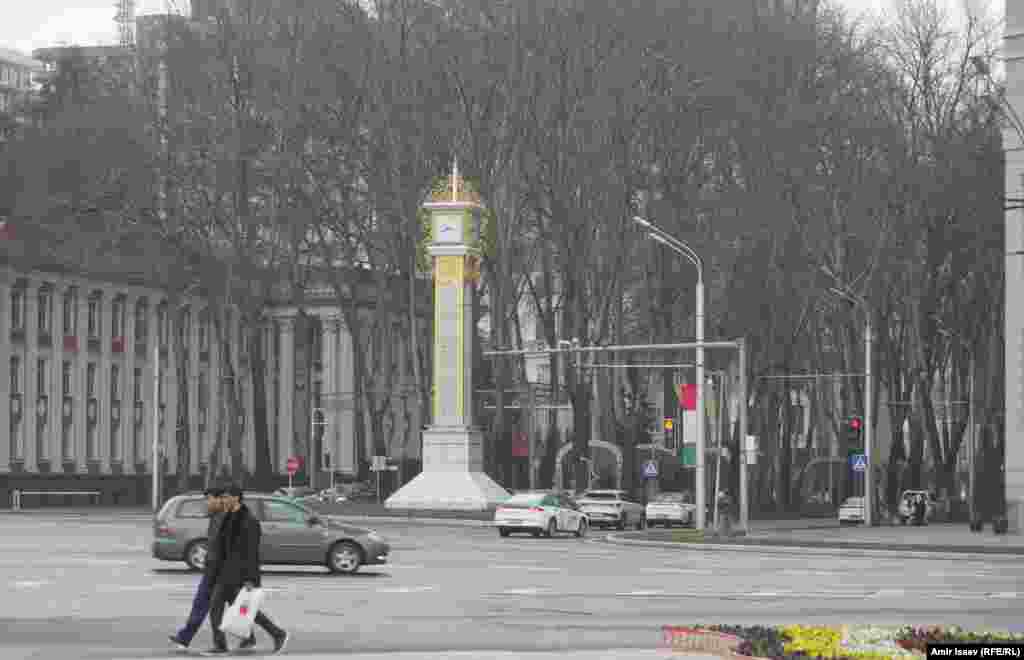
3
A Soviet stele topped with the emblem of the Tajik Soviet Socialist Republic that marked the geographical center of Dushanbe. The monument was demolished in 2015 and replaced with the clock tower seen today.
Some locals have applauded the sleek new aesthetic that has transformed their city since Tajikistan won its independence from the U.S.S.R. in 1991. Others have decried the loss of historic Soviet-era landmarks that were cornerstones of the city's story.
Some locals have applauded the sleek new aesthetic that has transformed their city since Tajikistan won its independence from the U.S.S.R. in 1991. Others have decried the loss of historic Soviet-era landmarks that were cornerstones of the city's story.
Before
After
4
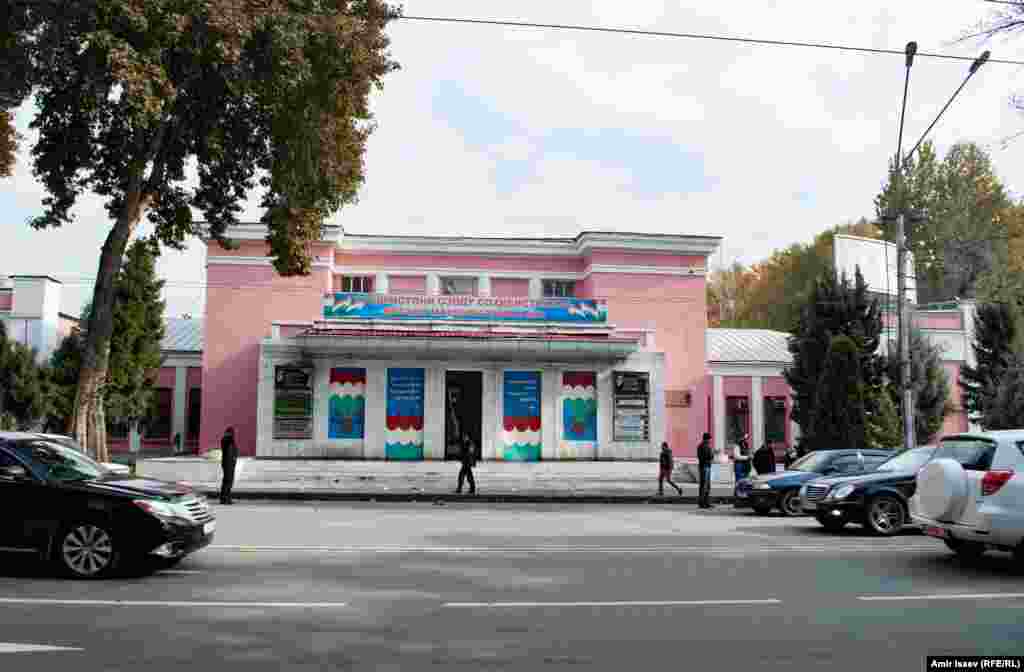
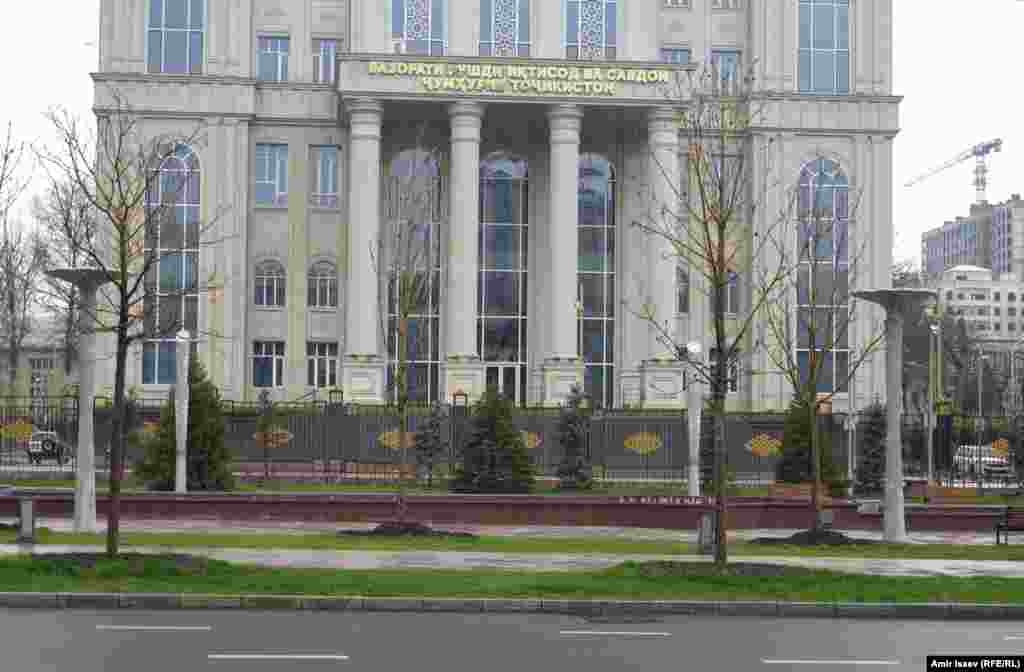
The Mayakovsky Drama Theater housed Tajikistan's last Russian-language theater troupe until the building was torn down in 2016. Tajikistan's Economy and Trade Ministry now stands at the location.
The theater building played a key role in Tajikistan's history and was the site of the declaration of the Tajik Soviet Republic in 1929.
The theater building played a key role in Tajikistan's history and was the site of the declaration of the Tajik Soviet Republic in 1929.
Before
After
5
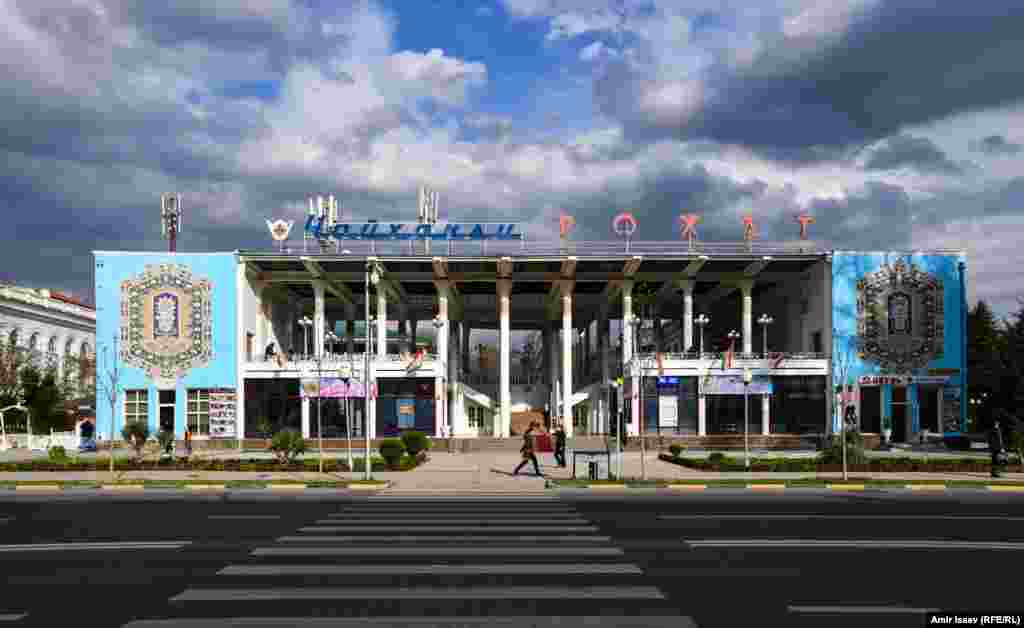
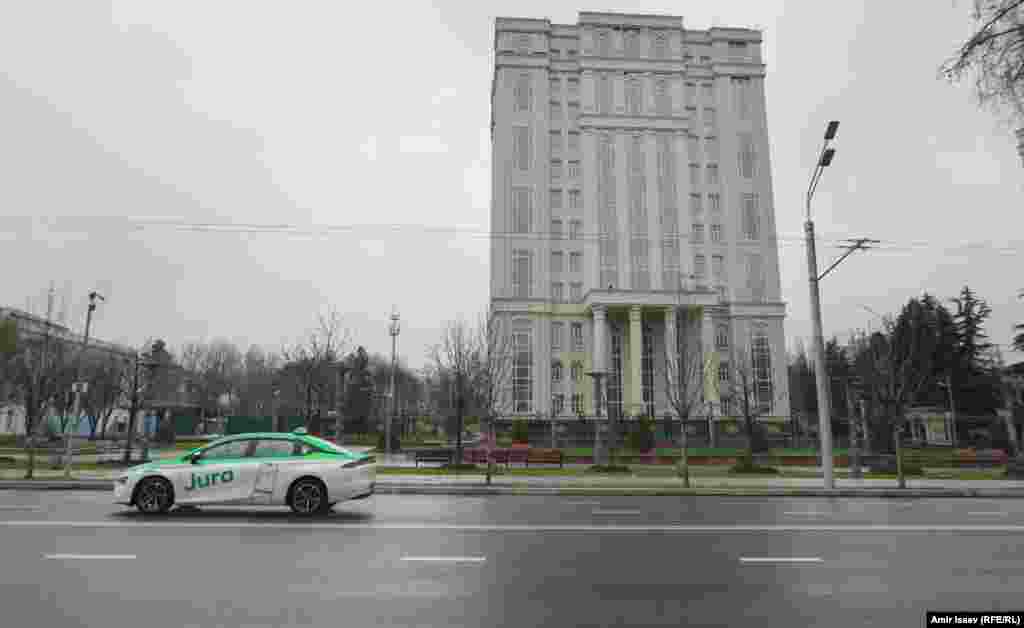
The Rohat Teahouse in Dushanbe. which was demolished in March 2025, now has a high-rise government building standing in its place.
Rohat was a beloved landmark of the Tajik capital and had been named one of the world's best teahouses. Near the demolition site in early 2025. a local told RFE/RL's Tajik Service that "sometimes as a Dushanbe local, I can't recognize my own city."
Rohat was a beloved landmark of the Tajik capital and had been named one of the world's best teahouses. Near the demolition site in early 2025. a local told RFE/RL's Tajik Service that "sometimes as a Dushanbe local, I can't recognize my own city."
Before
![The central square in Dushanbe has variously been named after Soviet founder Vladimir Lenin, Freedom and is now known as Friendship Square.A Dushanbe city official claimed to RFE/RL's Tajik Service that a secret "general plan" to transform Dushanbe is driven in part by the vulnerability of some older buildings to earthquakes."Even in the plans of the former Soviet era, the demolition of several buildings in the city center was envisaged. Now [those plans] are being implemented," he said.](https://gdb.rferl.org/479fe5d2-5c38-4b98-3c07-08de3be37656_w1024_n_q10_s.jpg)
After
![The central square in Dushanbe has variously been named after Soviet founder Vladimir Lenin, Freedom and is now known as Friendship Square.A Dushanbe city official claimed to RFE/RL's Tajik Service that a secret "general plan" to transform Dushanbe is driven in part by the vulnerability of some older buildings to earthquakes."Even in the plans of the former Soviet era, the demolition of several buildings in the city center was envisaged. Now [those plans] are being implemented," he said.](https://gdb.rferl.org/c5023cbd-43d9-4ed2-1a36-08de3bed1b27_w1024_n_q10_s.jpg)
6
The central square in Dushanbe has variously been named after Soviet founder Vladimir Lenin, Freedom and is now known as Friendship Square.
A Dushanbe city official claimed to RFE/RL's Tajik Service that a secret "general plan" to transform Dushanbe is driven in part by the vulnerability of some older buildings to earthquakes.
"Even in the plans of the former Soviet era, the demolition of several buildings in the city center was envisaged. Now [those plans] are being implemented," he said.
A Dushanbe city official claimed to RFE/RL's Tajik Service that a secret "general plan" to transform Dushanbe is driven in part by the vulnerability of some older buildings to earthquakes.
"Even in the plans of the former Soviet era, the demolition of several buildings in the city center was envisaged. Now [those plans] are being implemented," he said.
Before
After
7
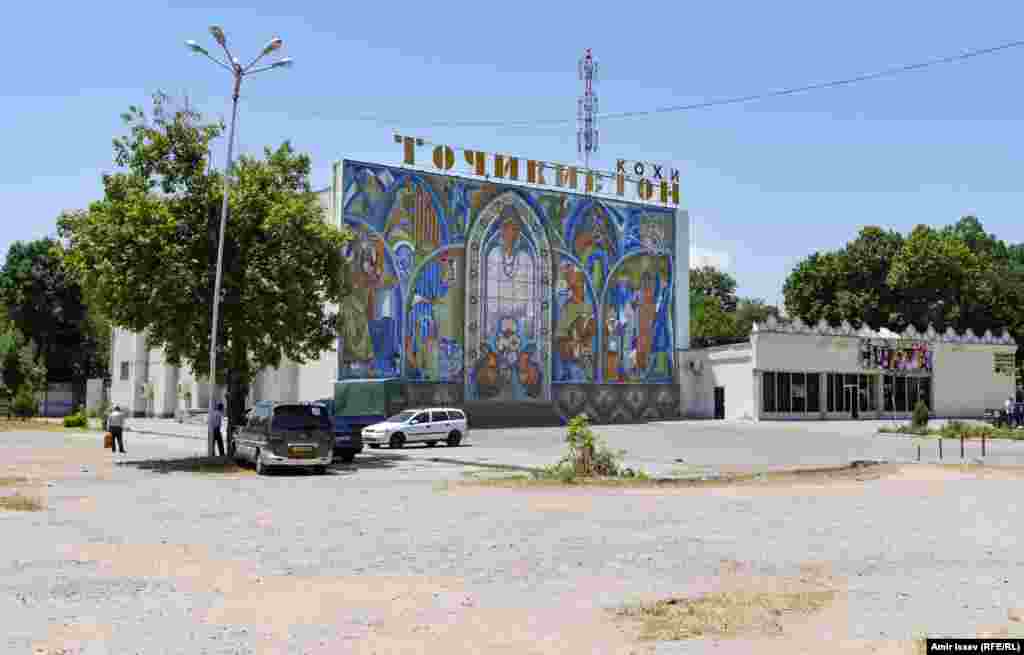
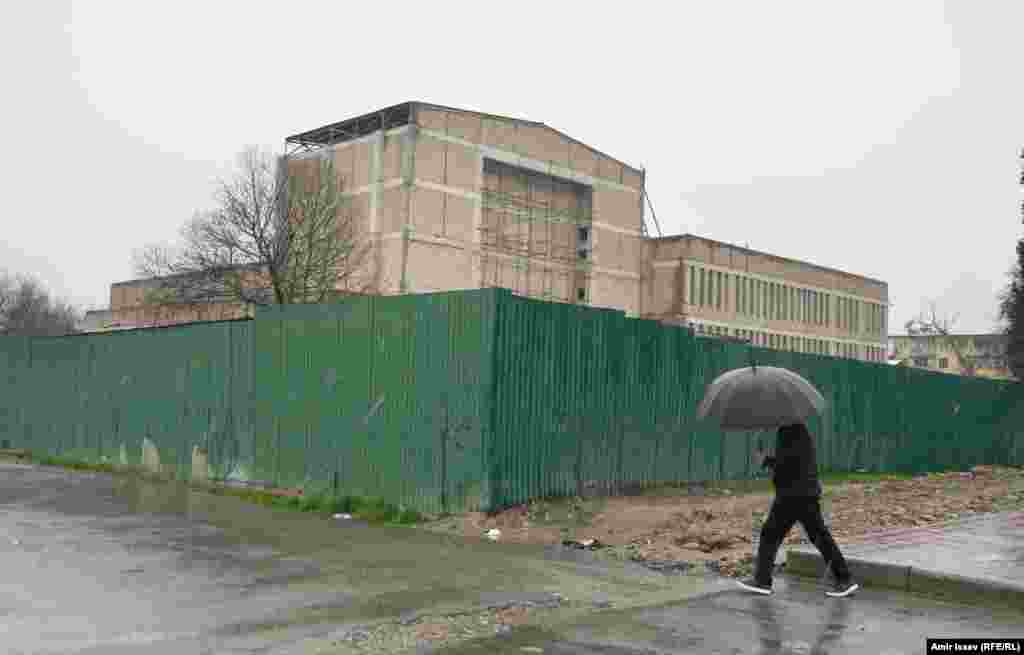
The Kohi Tajikistan Theater was demolished along with its Soviet Mosaic in 2016. The location is currently a construction site.
Commentators have compared Dushanbe's monumental developments to Dubai, which some say is an awkward fit for a city that had a leafy, low-rise Soviet aesthetic.
"This construction boom makes me think of a teenager who is trying everything on while searching for their own style," one local said in 2021.
Commentators have compared Dushanbe's monumental developments to Dubai, which some say is an awkward fit for a city that had a leafy, low-rise Soviet aesthetic.
"This construction boom makes me think of a teenager who is trying everything on while searching for their own style," one local said in 2021.
Before
![A statue of Lenin in central Dushanbe seen in 1968. His modern replacement is a monument to the 10th-century ruler Ismail Samani that was built in 1999. [1968 image courtesy of Erhard K/Flickr].](https://gdb.rferl.org/581e3a3c-4c3d-422a-1a33-08de3bed1b27_w1024_n_q10_s.jpg)
After
![A statue of Lenin in central Dushanbe seen in 1968. His modern replacement is a monument to the 10th-century ruler Ismail Samani that was built in 1999. [1968 image courtesy of Erhard K/Flickr].](https://gdb.rferl.org/7015132b-27ef-4982-3c00-08de3be37656_w1024_n_q10_s.jpg)
8
A statue of Lenin in central Dushanbe seen in 1968. His modern replacement is a monument to the 10th-century ruler Ismail Samani that was built in 1999. [1968 image courtesy of Erhard K/Flickr].
Before
After
9
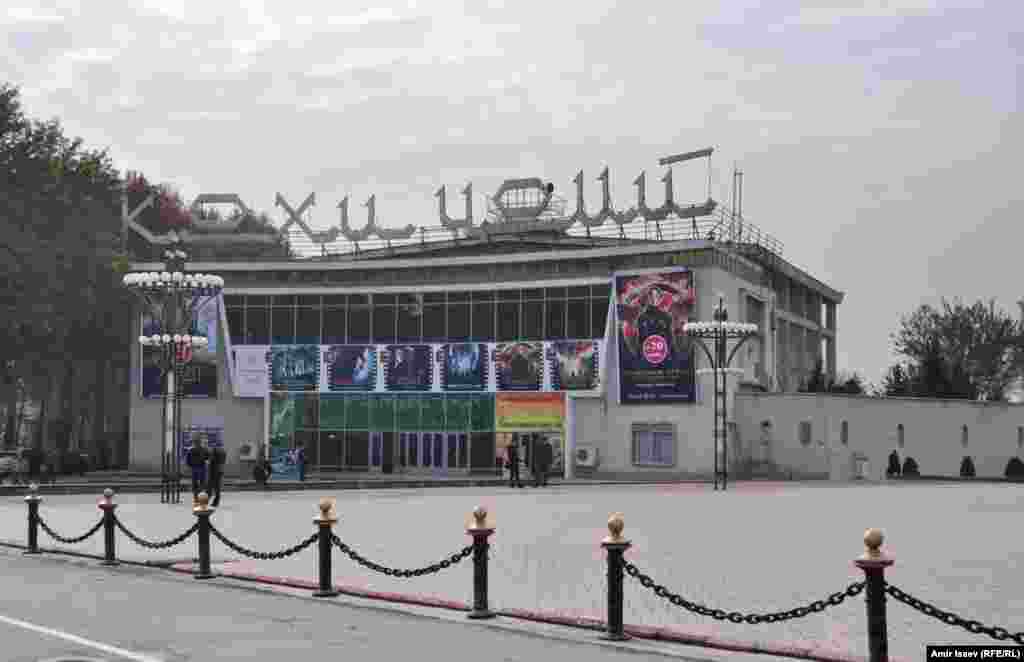
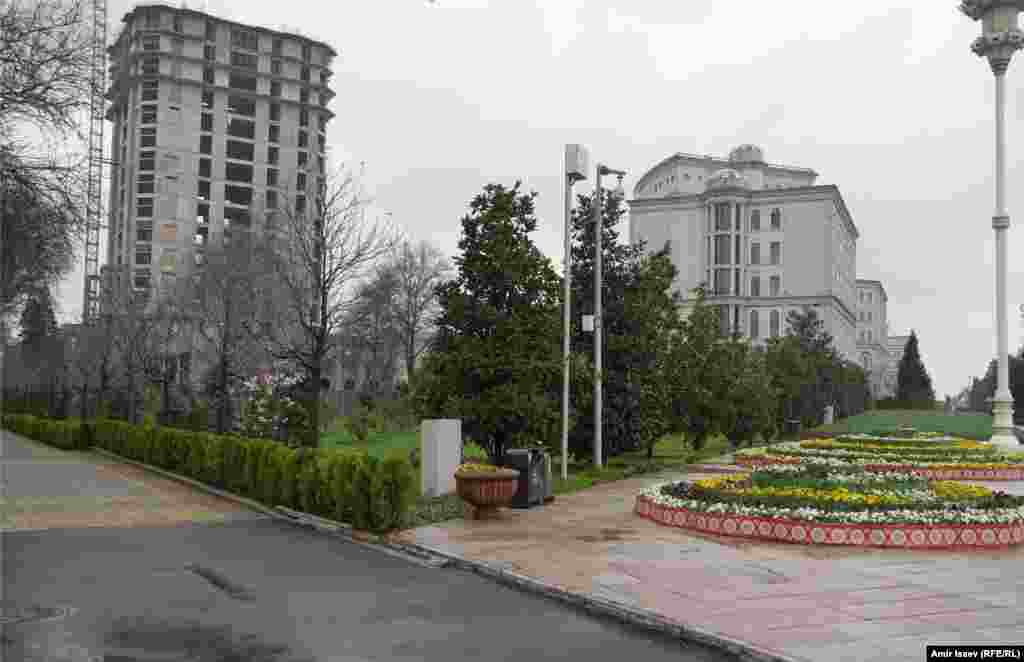
The Jami Cinema in the center of Dushanbe. The cinema was demolished in 2016 and the site is now a patch of green space between other construction projects.
Demolitions of Soviet-era landmarks in the 2010s initially mobilized widespread opposition, but after at least two activists focused on the topic were jailed in recent years, such overt resistance has largely faded.
Demolitions of Soviet-era landmarks in the 2010s initially mobilized widespread opposition, but after at least two activists focused on the topic were jailed in recent years, such overt resistance has largely faded.