



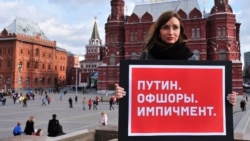
Good morning. We'll start the live blog today with this update from Reuters on how David Cameron has been dealing with the fallout from the Panama Papers:
U.K. PM Releases Tax Records After "Panama Papers" Storm
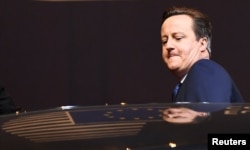
LONDON, April 10 (Reuters) - British Prime Minister David Cameron published his tax records on Sunday in an attempt to draw a line under questions about his personal finances raised by the mention of his late father in the Panama Papers for setting up an offshore fund.
The revelations have led to demands for Cameron's resignation and handed ammunition to opposition lawmakers who questioned why he was reluctant to detail his financial connections with his father.
Cameron took the unorthodox step of releasing the normally confidential details after saying he should have handled the scrutiny of his family's tax affairs better.
The documents from RNS Chartered Accountants - which cover six years - show Cameron paid tax of 75,898 pounds ($107,198) on income of 200,307 pounds in the 2014-2015 financial year, the most recent one included.
His income comprised his 140,522 pound salary, taxable expenses of 9,834 pounds, 46,899 pounds from half of the share of rent from his family home in London and 3,052 pounds in interest on savings, according to the record.
Scores of politicians and business figures have been implicated in the Panama Papers, including the prime minister of Iceland who has since stepped down. The 11.5 million documents leaked from the Panamanian law firm Mossack Fonseca detail the creation of more than 200,000 companies in offshore tax havens.
While Cameron is not accused of doing anything illegal, he made four different statements over four days about his late father's inclusion in the documents.
He said on Thursday he once had a stake in his father's offshore trust and had profited from it.
He said the unit investment trust was not set up to avoid tax but to invest in dollar-denominated shares and that he had paid all taxes due on his own investment, which was worth "something like 30,000 pounds" when he sold out in January 2010, before he became prime minister.
Read the entire article here
We are now closing the live blog for today, but you can catch up with all our other coverage of the Panama Papers here.
And now here's an update from Iceland, via AFP:
Fresh Antigovernment Protests Hit Rejkjavik
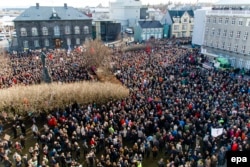
Thousands of Icelanders rallied in Reykjavik on Saturday to demand immediate elections on a sixth consecutive day of anti-government protests over the "Panama Papers" revelations which have already toppled the prime minister.
The leak of millions of documents exposing the hidden offshore dealings of political figures and celebrities across the world triggered huge demonstrations in Rejkjavik this week.
Prime Minister Sigmundur David Gunnlaugsson became the first political casualty of the scandal as he was forced to cave in to protestors' demands for his resignation over revelations that he and his wife owned an offshore company in the British Virgin Islands and had placed millions of dollars of her inheritance there.
The issue is particularly sensitive in Iceland following the 2008 collapse of the nation's three main banks, which plunged the country into a deep recession and left thousands mired in debt.
After Gunnlaugsson's resignation, there was a government reshuffle with Sigurdur Ingi Johannsson, a serving minister, taking over as head of the centre-right coalition comprising the Progressive Party and its junior partner, the Independence Party.
Although he pledged to bring the elections forward by about six months, there has been no let up in the protests or calls for the entire coalition's ouster.
Up to 6,000 people protested outside parliament on Saturday, according to a police estimate -- a major gathering in a country with a population of just 320,000.
Johannsson, who held the fisheries and agriculture portfolio in Gunnlaugsson's government, is seen by critics as emblematic of the old guard that turned a blind eye to the reckless investments that brought about Iceland's financial meltdown.
According to a poll carried out by Reykjavik University on Thursday and Friday, just over half -- 51 percent -- of Icelanders want to see a general election held as early as May or June, while 26 percent agree with Johannsson's proposal to hold the ballot in the autumn.
Another 23 percent want elections to go ahead as scheduled in April 2017, the poll showed.
Johannsson himself only enjoys the support of 23 percent.
By choosing to leave Finance Minister Bjarni Benediktsson and Interior Minister Olof Nordal -- both named in the Panama Papers -- in their posts, the new PM fuelled the protesters' anger.
Protesters waved placards calling for the two ministers to quit at Saturday's demonstration.
Read the entire article here
This has been doing the rounds on social media all day: