


Accessibility links

Breaking News

Tajik Authorities Detain, Question Relatives Of Suspected Moscow Gunmen

Updated
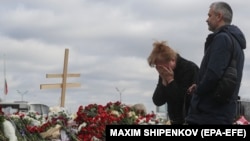
A woman weeps at an impromptu memorial to the victims of a shooting attack at a concert venue near Moscow.

DUSHANBE -- Tajik authorities detained relatives of four Tajik men accused of storming a Moscow-region concert hall and gunning down scores of people, questioning the relatives as the investigation into Russia's worst terrorist attack in decades widens.

The move comes as Russian authorities charged an eighth man in connection with the March 22 attack, which killed at least 139 people and wounded scores more.

The Islamic State militant group has claimed responsibility for the attack on the Crocus City Hall, where people were taking their seats for a concert by a Soviet-era rock band when four men began gunning people down, and then set fire to the venue.

As of March 26, the death toll stood at 139, with more than 120 people wounded, many hospitalized with gunshot wounds or burns.

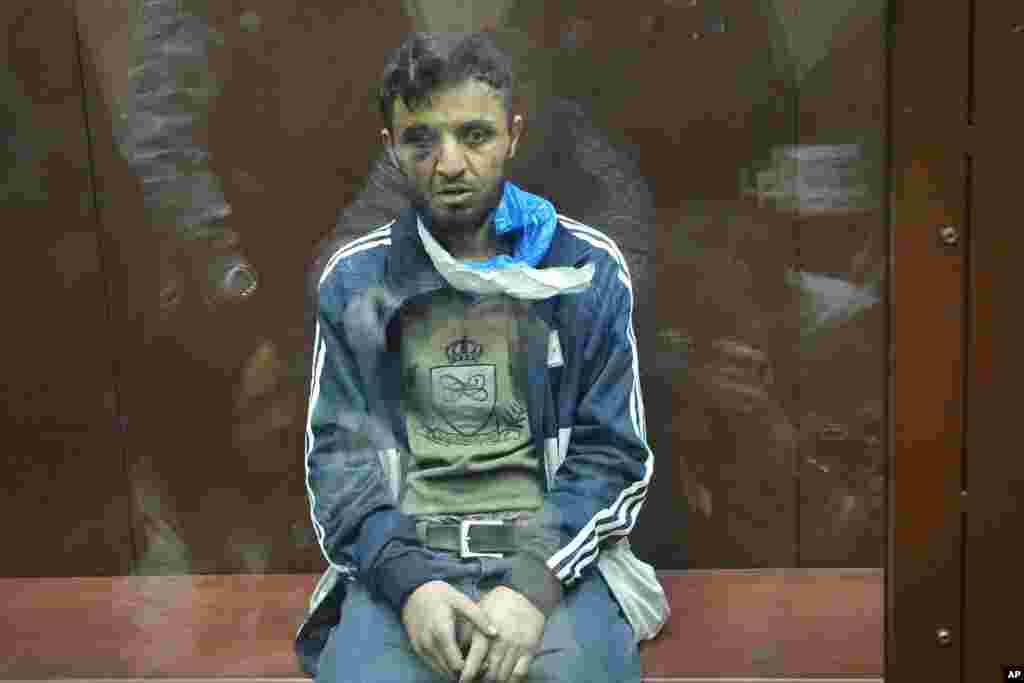
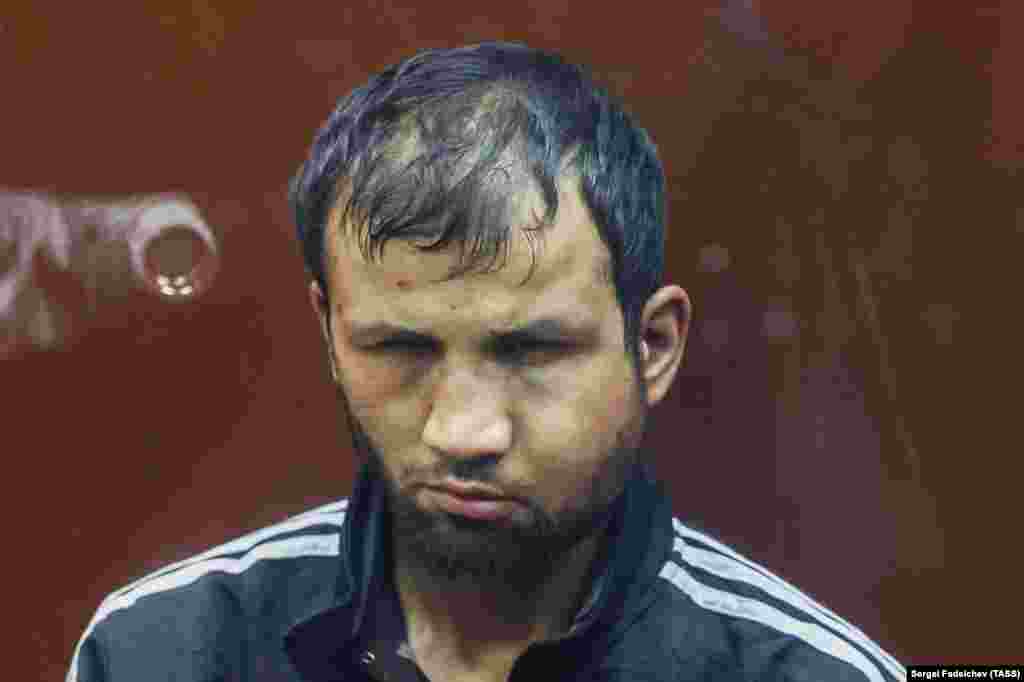
Four ethnic Tajik men who worked as migrant laborers in Russia have been accused of staging the attack. The four appeared in a Moscow court on March 24, and were ordered held in pretrial detention. All four showed signs of being severely beaten, and unconfirmed reports said they may have been tortured while in custody.
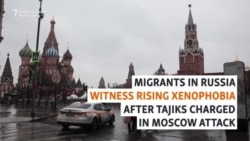
As Tajik Suspects Face Charges For Moscow Attack, Other Migrants Face Backlash In Russia
please wait

No media source currently available

0:00 0:02:02 0:00

In the Tajik capital, Dushanbe, and several surrounding towns, law enforcement authorities went to the homes of relatives of the men, and took them back to the capital for questioning, neighbors and relatives told RFE/RL.

In Vahdat, a town just east of Dushanbe, the mother, brother, two uncles, and other relatives of one of the accused gunmen -- Saidakram Rajabalizoda -- were taken away by police on the evening of March 25, a domestic employee told RFE/RL. Other neighbors said that the head of the neighborhood where the family lived was also taken by police.

An unknown number of relatives of another of the suspected gunmen -- Muhammadsobir Faizov -- were taken from their homes in Dushanbe, neighbors told RFE/RL.

Tajik authorities have made no statement about the detentions. The Foreign Ministry issued a statement hours after the attack, refuting reports identifying three other Tajik men who allegedly participated in the attack, but has made no further comment.

In Moscow, Russians flocked to the venue to lay flowers and mourn the dead, while rescue workers picked through the wreckage of the concert hall, which was gutted by a fire shortly after the shooting.

The Moscow Shooting Heroes Who Saved Dozens Of Lives
please wait

No media source currently available

0:00 0:01:54 0:00

Russian authorities charged an eighth man in connection with the attack, according to the state news agency TASS. Moscow's Basmanny District Court ordered the detention of Alisher Kasimov, a Kyrgyz-born Russian citizen, accusing him of allegedly renting an apartment to the four attackers.

Kasimov's detention brings the number of people ordered held in custody to eight as of March 26; 11 people in all have been detained by police, according to officials.

A day earlier, a Moscow court ordered three men held on charges related to their providing a car and an apartment to the attackers.

President Vladimir Putin has stated that the attack was carried about by "radical Islamists," but he and other top officials have also asserted that Ukraine and the United States had a role to play -- something both countries have dismissed outright.

Nikolai Patrushev, the hawkish director of Russia's Security Council, repeated that allegation on March 26 when asked by reporters in passing whether Kyiv or the Islamic State group was behind the attack.

"Of course, Ukraine," he said.
The director of Russia's main domestic intelligence agency, meanwhile, also asserted Ukraine was involved, repeating earlier statements that the suspects had sought to travel to Ukraine after the attack.

"In general, we believe they are involved in this," Federal Security Service director Aleksandr Bortnikov was quoted by Russian reporters as saying.

"We believe the action was prepared both by the radical Islamists themselves and, of course, facilitated by Western special services, and Ukraine's special services themselves have a direct connection to this," he was cited as saying by Russian news agencies.

He provided no evidence.

In Kyiv, Ukrainian President Volodymyr Zelenskiy again vehemently denied any involvement on March 25, saying in his nightly video address that Putin was always seeking to blame "someone else."

U.S. officials have also dismissed the assertions, saying publicly that intelligence showed Islamic State was behind the attack. And French President Emmanuel Macron also said a branch of Islamic State "planned the attack and carried it out," adding the same group had plotted attacks in France.

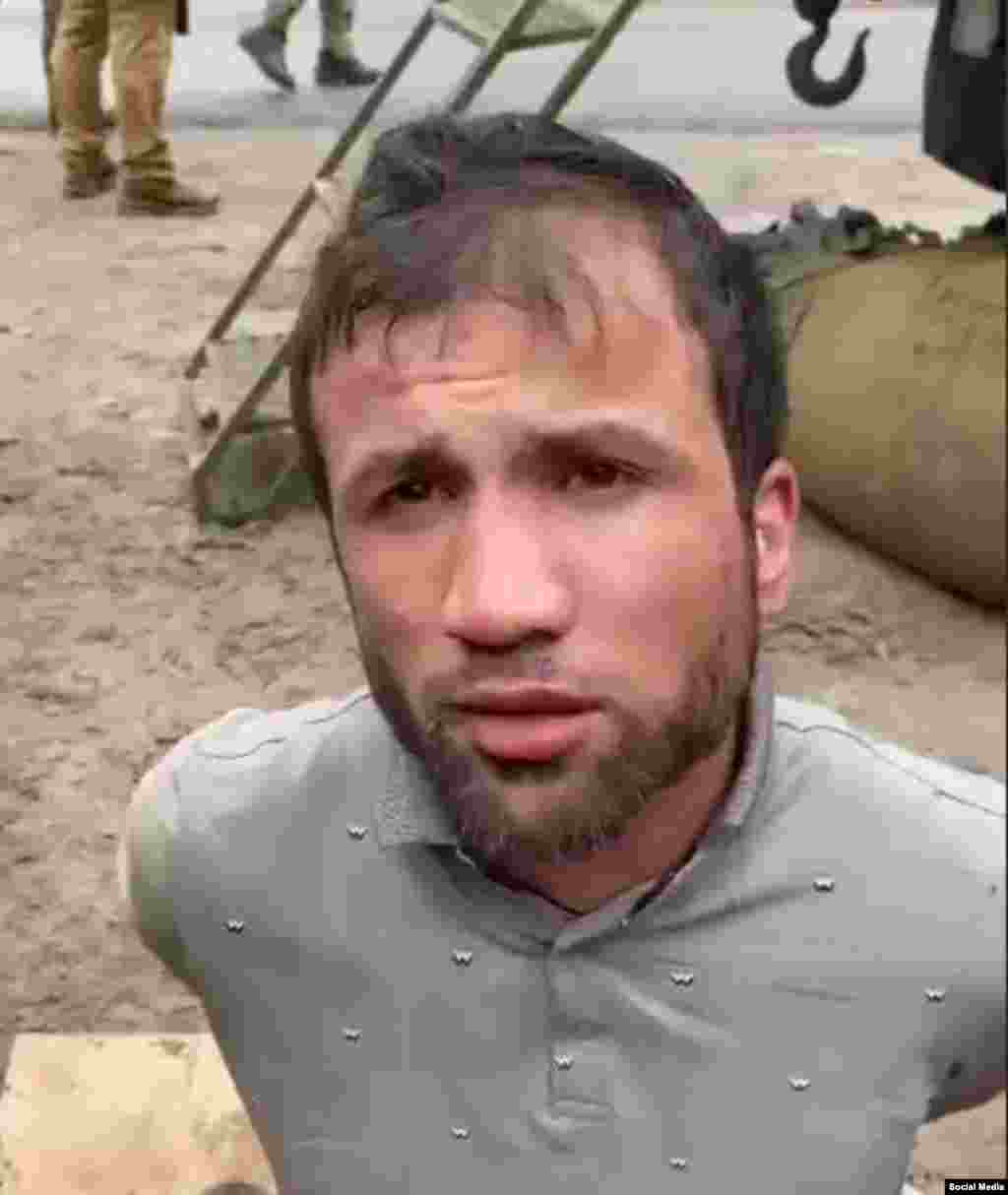
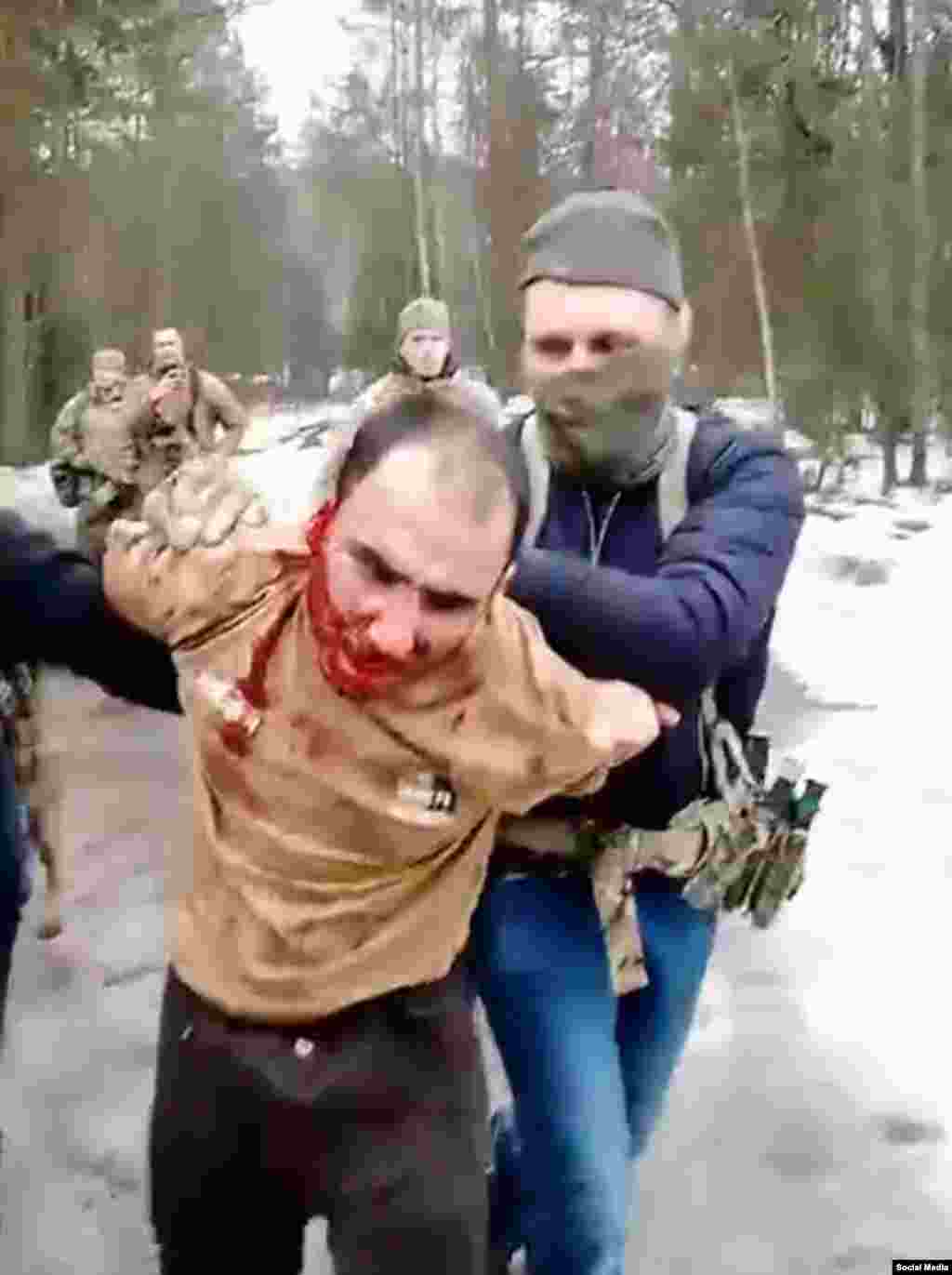
The images of the four Tajik men, shown badly beaten, drew criticism and questions about the Russian authorities' methods.

Before-And-After Images Suggest Severe Abuse Of Moscow Terror Suspects
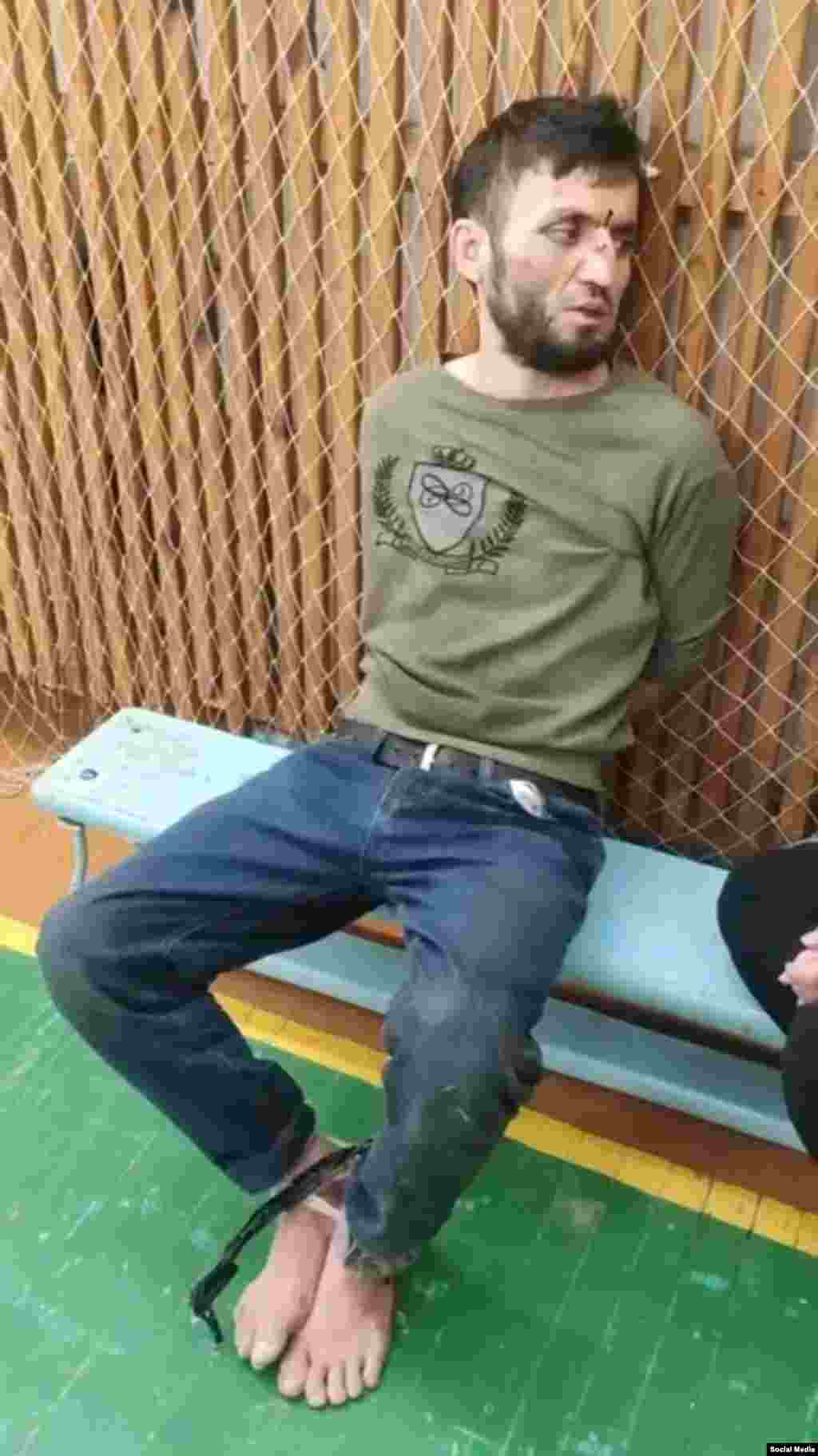
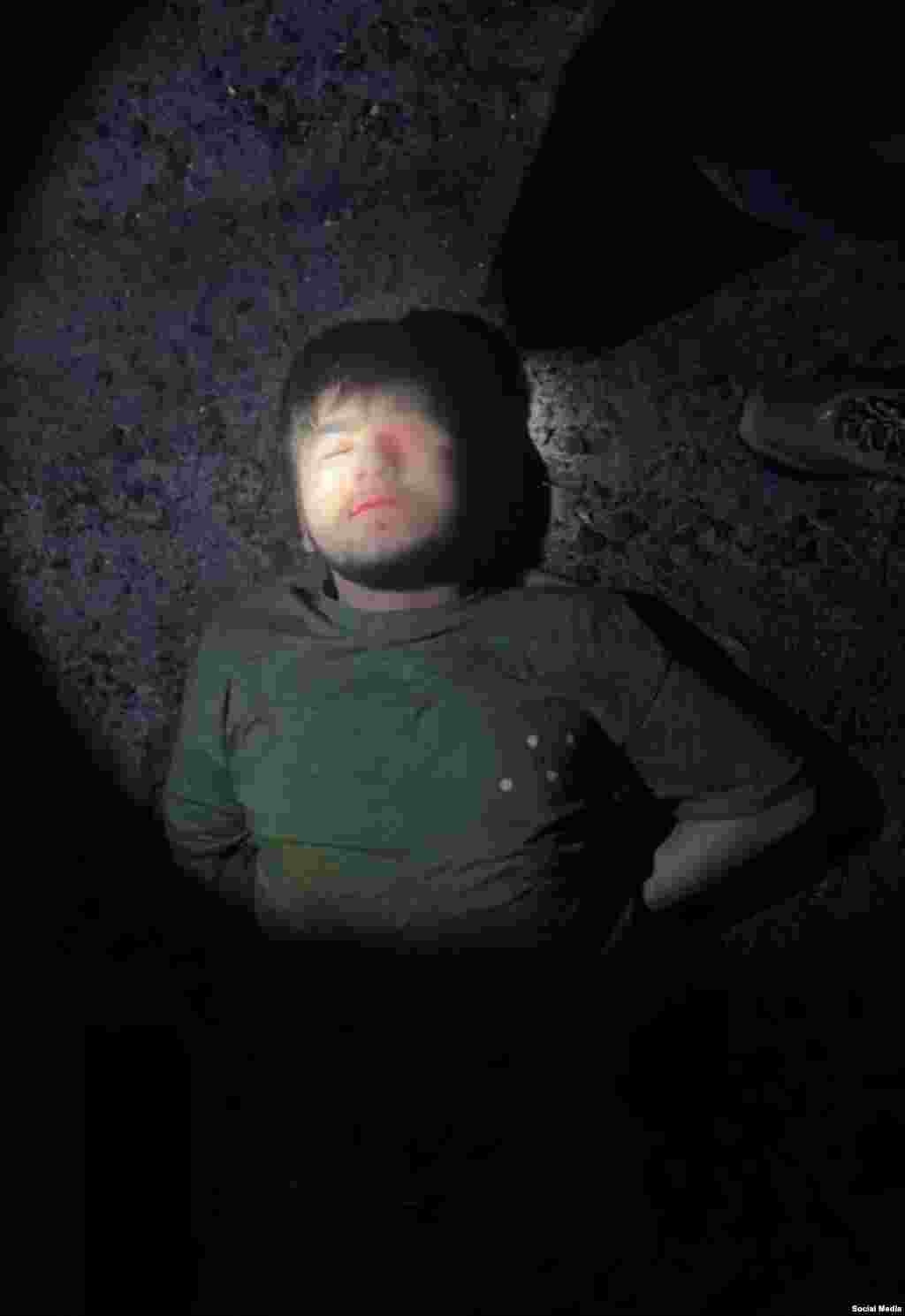
Dalerjon Mirzoev is seen immediately after his capture in the Bryansk region on March 23. He was captured on suspicion of being one of four Tajik nationals involved in the terrorist attack on a concert hall near Moscow on March 22 that left at least 137 dead and more than 180 injured.
1/8 Dalerjon Mirzoev is seen immediately after his capture in the Bryansk region on March 23. He was captured on suspicion of being one of four Tajik nationals involved in the terrorist attack on a concert hall near Moscow on March 22 that left at least 137 dead and more than 180 injured.
Images taken as four Tajik men suspected of committing the Crocus City Hall shooting near Moscow were apprehended in western Russia on March 23 are starkly different from how the men appeared -- battered and bruised -- in court the following day.
Here is Mirzoev pictured in court in Moscow on March 24 wearing the same long-sleeved T-shirt but sporting signs of being beaten.
2/8 Here is Mirzoev pictured in court in Moscow on March 24 wearing the same long-sleeved T-shirt but sporting signs of being beaten.
Images taken as four Tajik men suspected of committing the Crocus City Hall shooting near Moscow were apprehended in western Russia on March 23 are starkly different from how the men appeared -- battered and bruised -- in court the following day.
Faridun Shamsiddin is shown apparently unscathed immediately after his capture in the Bryansk region on March 23. 
3/8 Faridun Shamsiddin is shown apparently unscathed immediately after his capture in the Bryansk region on March 23. 
Images taken as four Tajik men suspected of committing the Crocus City Hall shooting near Moscow were apprehended in western Russia on March 23 are starkly different from how the men appeared -- battered and bruised -- in court the following day.
Shamsiddin is seen here pictured in court in Moscow on March 24 with a swollen and bruised face. Earlier, the Tajik man was filmed as he was apparently being tortured by security forces with an electrical cable attached to his genitals.<br />
<br />
Aiden Aslin, a British national who was captured by Russia while fighting for Ukraine during the battle of Mariupol, told RFE/RL that he believes the publication of apparent torture of the terror suspects is intended to &quot;set an example.&quot;<br />
<br />
The former Ukrainian marine says such abuse of suspects yet to be found guilty of any crime is at &quot;the same level&quot; as the extrajudicial violence he says he witnessed while in Russian captivity.&nbsp;
4/8 Shamsiddin is seen here pictured in court in Moscow on March 24 with a swollen and bruised face. Earlier, the Tajik man was filmed as he was apparently being tortured by security forces with an electrical cable attached to his genitals.

Aiden Aslin, a British national who was captured by Russia while fighting for Ukraine during the battle of Mariupol, told RFE/RL that he believes the publication of apparent torture of the terror suspects is intended to "set an example."

The former Ukrainian marine says such abuse of suspects yet to be found guilty of any crime is at "the same level" as the extrajudicial violence he says he witnessed while in Russian captivity. 
Images taken as four Tajik men suspected of committing the Crocus City Hall shooting near Moscow were apprehended in western Russia on March 23 are starkly different from how the men appeared -- battered and bruised -- in court the following day.
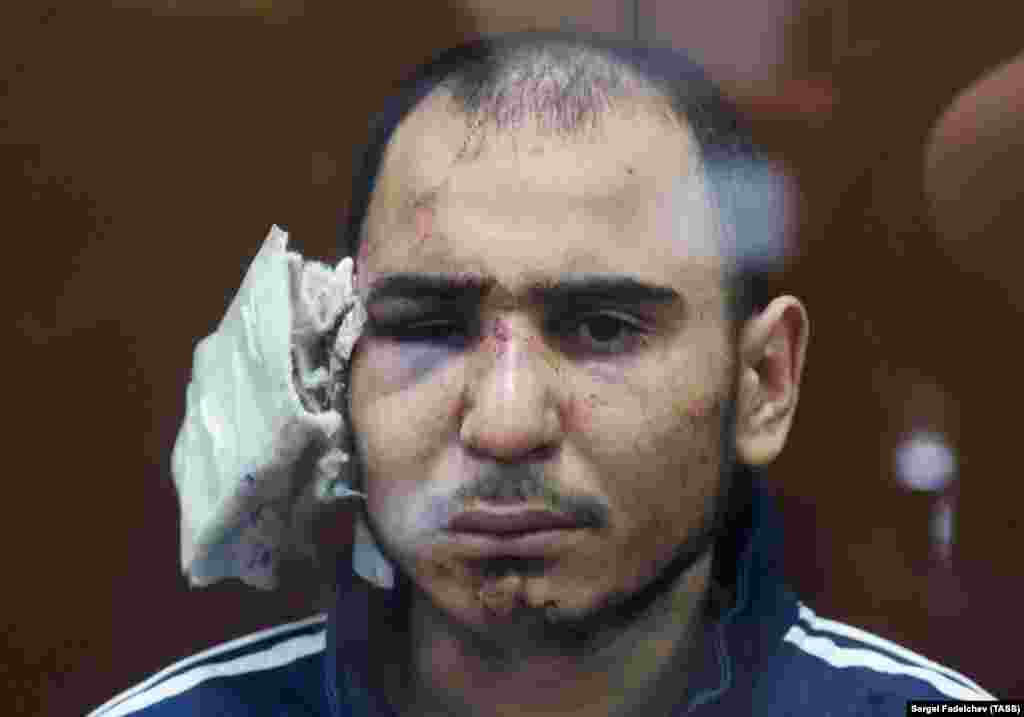
Saidakram Rajabalizoda is seen as he is led away after reportedly having his ear sliced off by uniformed men who caught him in a forest in Russia&#39;s Bryansk region on March 23.<br />
<br />
The Russian Grey Zone Telegram channel, which is connected to the Wagner group, published a video purportedly showing Rajabalizoda&rsquo;s ear being cut off and security agents trying to force him to eat it. A man in the video yells at the suspect: &ldquo;Chew, bastard! I will cut you open and shove it into your mouth.&rdquo;
5/8 Saidakram Rajabalizoda is seen as he is led away after reportedly having his ear sliced off by uniformed men who caught him in a forest in Russia's Bryansk region on March 23.

The Russian Grey Zone Telegram channel, which is connected to the Wagner group, published a video purportedly showing Rajabalizoda’s ear being cut off and security agents trying to force him to eat it. A man in the video yells at the suspect: “Chew, bastard! I will cut you open and shove it into your mouth.”
Images taken as four Tajik men suspected of committing the Crocus City Hall shooting near Moscow were apprehended in western Russia on March 23 are starkly different from how the men appeared -- battered and bruised -- in court the following day.
Rajabalizoda is seen at his March 24 court appearance with his right ear bandaged and showing evidence of being beaten while in detention.&nbsp;
6/8 Rajabalizoda is seen at his March 24 court appearance with his right ear bandaged and showing evidence of being beaten while in detention. 
Images taken as four Tajik men suspected of committing the Crocus City Hall shooting near Moscow were apprehended in western Russia on March 23 are starkly different from how the men appeared -- battered and bruised -- in court the following day.
Muhammadsobir Faizov is pictured after being apprehended on March 23 with an apparently severe eye injury that has been blurred out by Russian media outlets.
7/8 Muhammadsobir Faizov is pictured after being apprehended on March 23 with an apparently severe eye injury that has been blurred out by Russian media outlets.
Images taken as four Tajik men suspected of committing the Crocus City Hall shooting near Moscow were apprehended in western Russia on March 23 are starkly different from how the men appeared -- battered and bruised -- in court the following day.
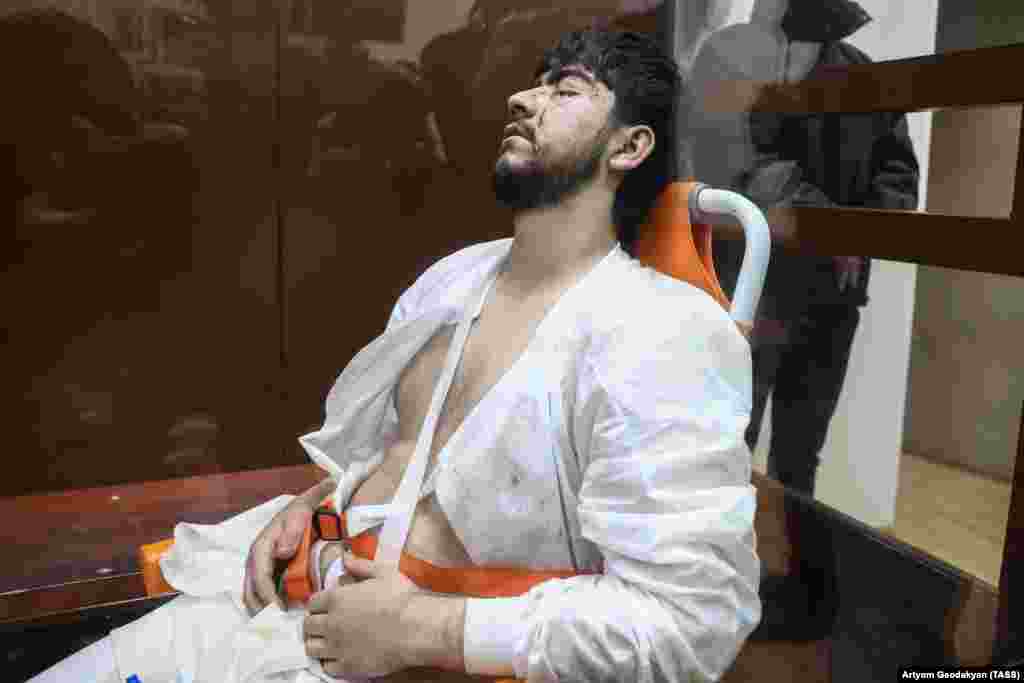
Faizov is seen here at a March 24 court hearing. The terror suspect was wheeled into the courtroom and appeared barely responsive during the appearance.&nbsp;
8/8 Faizov is seen here at a March 24 court hearing. The terror suspect was wheeled into the courtroom and appeared barely responsive during the appearance. 
Images taken as four Tajik men suspected of committing the Crocus City Hall shooting near Moscow were apprehended in western Russia on March 23 are starkly different from how the men appeared -- battered and bruised -- in court the following day.
Previous slide
Next slide

Video that circulated on Telegram purported to show one of the men having his ear cut off and stuffed into his mouth. Another Telegram channel known to be linked to the Wagner mercenary group published a photograph purporting to show one of the detained men with his genitals attached to an electric wire.

Team Against Torture, a Russian organization that advocates against police brutality, said in a statement that the culprits must face stern punishment, but "savagery should not be the answer to savagery."

About two weeks before the attack, the U.S. Embassy in Moscow released an unusual warning, saying radical "extremists" might be plotting to target public locations, and urged American citizens to be careful.

The warning was met with derision by officials, including Putin, who suggested it was aimed at embarrassing him ahead of presidential elections that he easily won in the absence of any credible opponents.

Speaking in Washington on March 25, White House national-security adviser John Kirby said U.S. officials shared the intelligence warnings ahead of time, under a tenet of the U.S. intelligence community called the "duty to warn."

The "duty to warn" is a years-old executive order that obliges U.S. intelligence officials to lean toward sharing knowledge of a threat if conditions allow -- even if the apparent targets are adversaries.

"We had a duty to warn them of information that we had, clearly that they didn't have. We did that," he said.

With reporting by RFE/RL's Russian Service and Current Time
  • 16x9 Image

    RFE/RL's Tajik Service

    RFE/RL’s Tajik Service is a trusted source of local news, attracting audiences with compelling reporting on issues not otherwise covered by Tajikistan’s state-run media.

This item is part of
XS
SM
MD
LG