




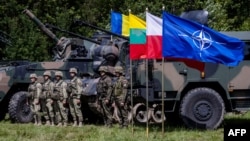
NEW YORK -- Latvian President Edgars Rinkevics disagrees with the mounting calls and reports that Russia may attack NATO or the European Union in the coming months in an attempt to weaken their support for Ukraine. He says they've already started.
"We are not talking about a conventional war. We are talking about all kinds of provocations, all kinds of acts of sabotage, all kinds of tests, and definitely this is something that is already happening as we speak," the Latvian leader told RFE/RL in an interview at United Nations headquarters on September 21.
European intelligence officials, the CIA, and even French President Emmanuel Macron and Polish Prime Minister Donald Tusk have all warned in recent days of assessments that Moscow may go as far as to launch an air attack in some form on NATO territory in the coming months to show the military alliance's Article 5 common defense pledge is little more than a few words on a piece of paper.



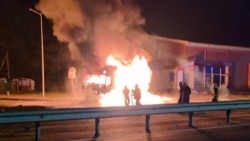
Instances of attacks in recent months attributed to Russia -- what the Institute for the Study of War (ISW) calls a "coordinated series of kinetic campaigns" -- include arson, assassination plans, and the sabotage of infrastructure, such as railway vandalism and electronic interference.
Moscow consistently denies any involvement in the sabotage operations attributed to it by European governments, but officials from NATO and EU capitals have ramped up efforts to draw up contingency plans and measures to counteract.
The Narva Scenario
One such scenario is the so-called Narva scenario, which describes a hypothetical military scenario in which Russia would attack a NATO country using hybrid warfare tactics similar to the initial phase of the actual 2014 Russian invasion of Ukraine's Crimea.
Narva is a small city with a sizeable Russian population on the Estonian side of the border with Russia. Analysts have said that such a move from Russia could be taken as a means to test NATO's willingness to risk a direct confrontation over strategically insignificant territory.

Estonian Foreign Minister Margus Tsahkna warned of growing Russian hybrid attacks across Europe in an interview with RFE/RL this week, saying there are lots of rumors that Putin is going to wage a full-scale military operation against the Baltic states or Poland.
But, he added, "our intelligence doesn’t see any serious military movements on the other side of our borders because Russia is stuck in Ukraine."
Analysts at the ISW, however, said on September 21 that while Estonia and Latvia have both said that they have yet to observe any evidence of a buildup of Russian forces near their borders that would be necessary for a full-scale invasion of their countries, "scenarios for Russian action have not received the detailed analysis they deserve and require."
RFE/RL contacted several diplomats with knowledge of EU and NATO preparedness planning, but none would give concrete examples of what is in the works saying the information was classified.
One Central European official acknowledged that there are informal discussions on a working level on what to do logistically in case the Baltics and Poland are attacked, but added there are no official guidelines and real preparations in place.
A NATO official said the alliance has the national defense plans of members, "which are top secret but essentially spell out what we do in all types of war scenarios."
Rinkevics said calling the current wave of Russian attacks "hybrid" may also be stifling the urgency needed among European officials to address the situation.
"I think that when we use the word "hybrid," then it somehow sounds less, let's say, dangerous, kind of more innocent terminology than actually those acts per se," he said.
"I think that the most dangerous scenario would be if Russia gets reckless, if we do not respond in an efficient manner and there are real casualties happening...Our part of Europe is trying to be as ready as possible. But look, if Russia launches a missile attack, then it is absolutely clear this is Article 5, and then it's absolutely clear that there is going to be a response."
A Permanent US Base In Poland?
The increased tensions have caught the attention of Washington, which has been looking at its European troop deployments, basing arrangements, status-of-forces agreements, and general host-nation negotiations.
Last week, US President Donald Trump says Washington and Warsaw are making "major progress" toward establishing a permanent US Army base in Poland, potentially expanding the American military presence on NATO's eastern flank.
The move came a day after Polish authorities temporarily closed airports in Lublin and Rzeszow as Russian strikes targeted parts of Ukraine near the Polish border, according to Polish officials.

Polish Prime Minister Donald Tusk has also warned that Russia could seek to conduct drone or missile attacks against NATO countries supporting Ukraine while presenting them as accidents.
He too said such incidents could be intended to test NATO's response and undermine allied unity. The assessment was based on intelligence from NATO, Ukraine, and the United States, according to Tusk.
Similarly, the Baltics were rattled last year when three Russian jet fighters violated Estonia’s airspace for 12 minutes.
According to Estonian officials, the Russian pilots acknowledged but disregarded communication from two Italian pilots in F-35 fighter jets, which had been scrambled from NATO’s Baltic Air Policing Mission in Amari Air Base in Estonia, before ultimately being escorted into international skies.
On NATO's Doorstep: The Checkpoints Being Targeted Along Ukraine's Borders
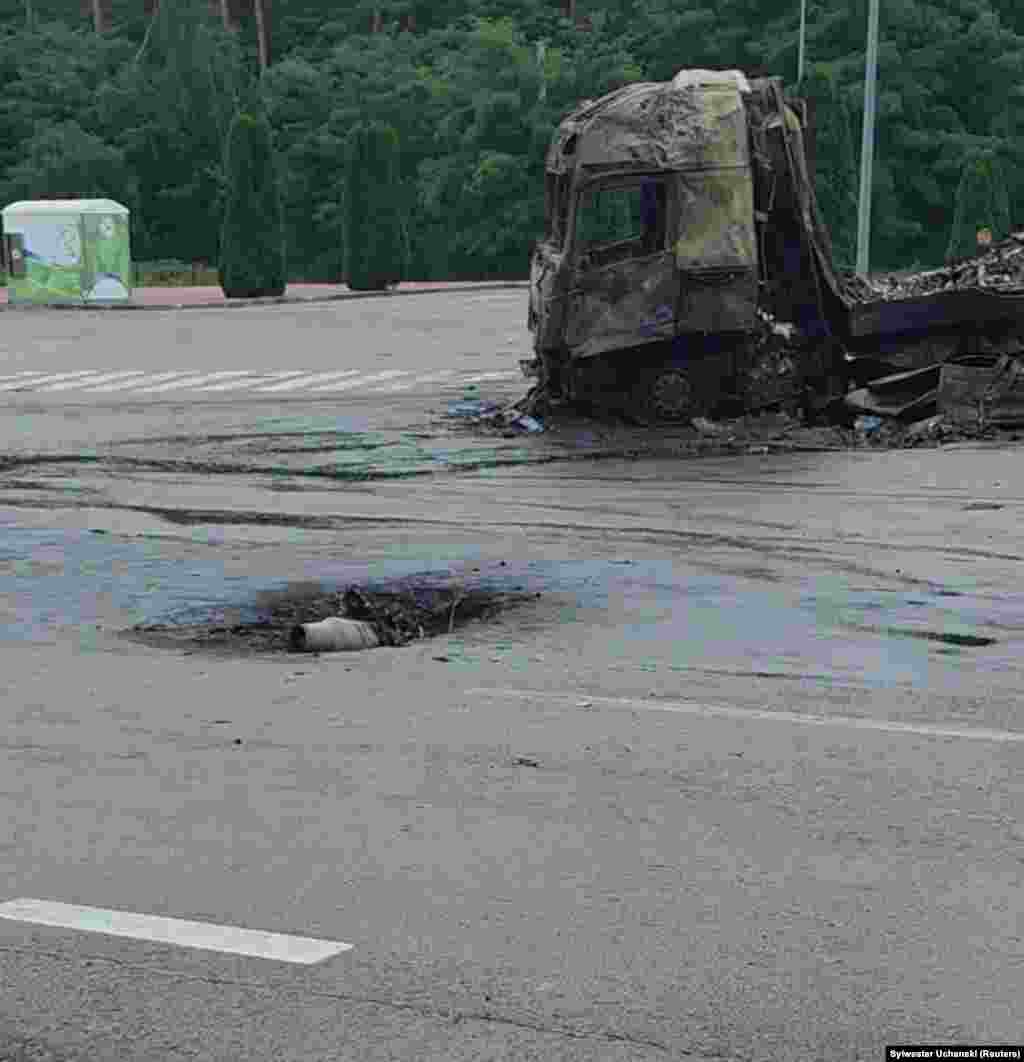
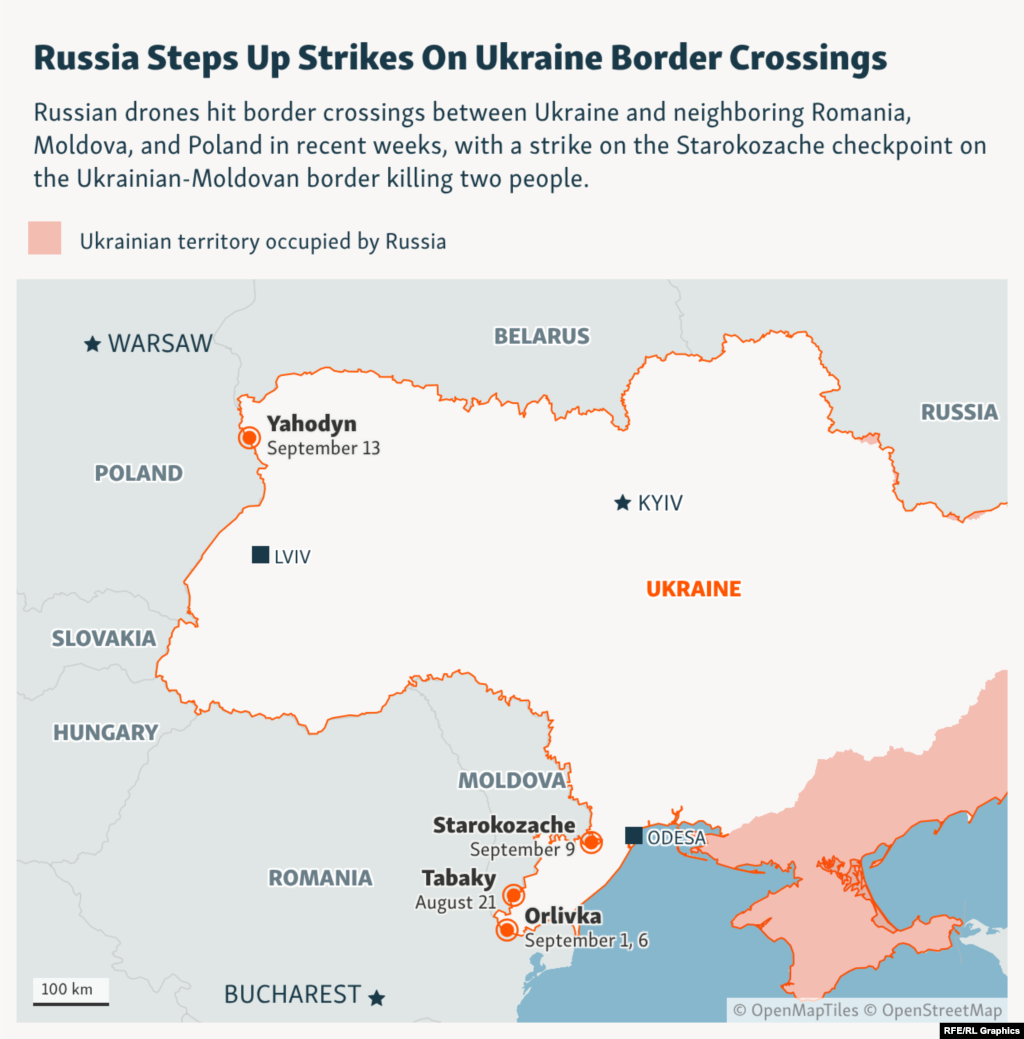
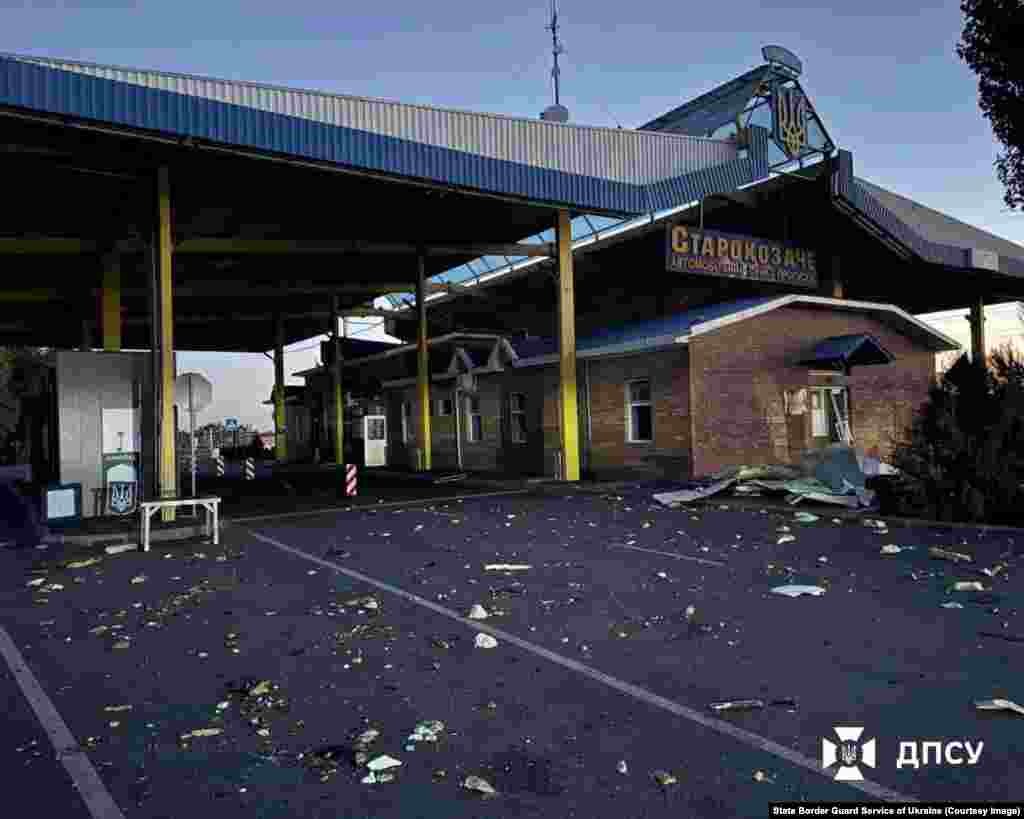
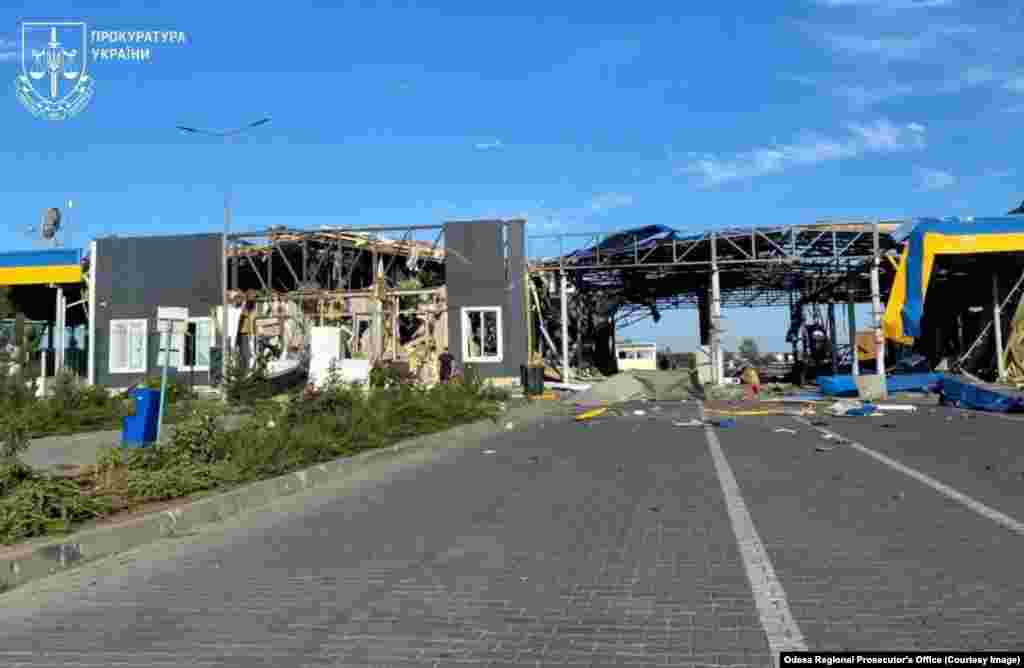
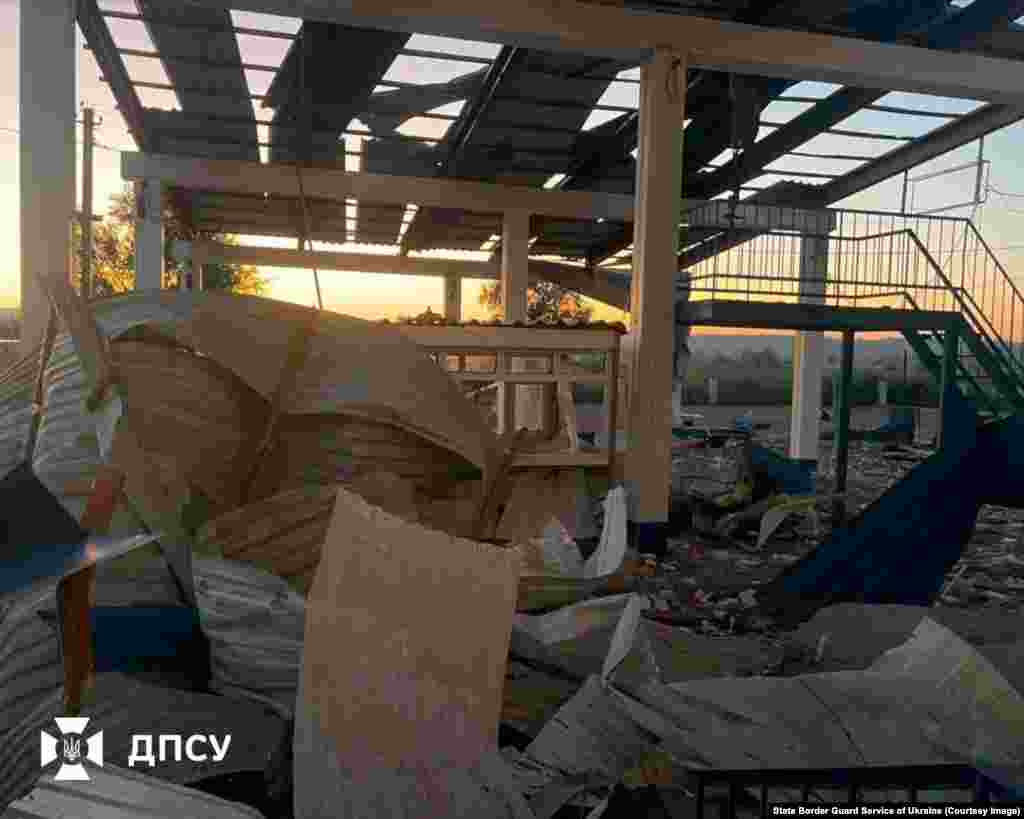
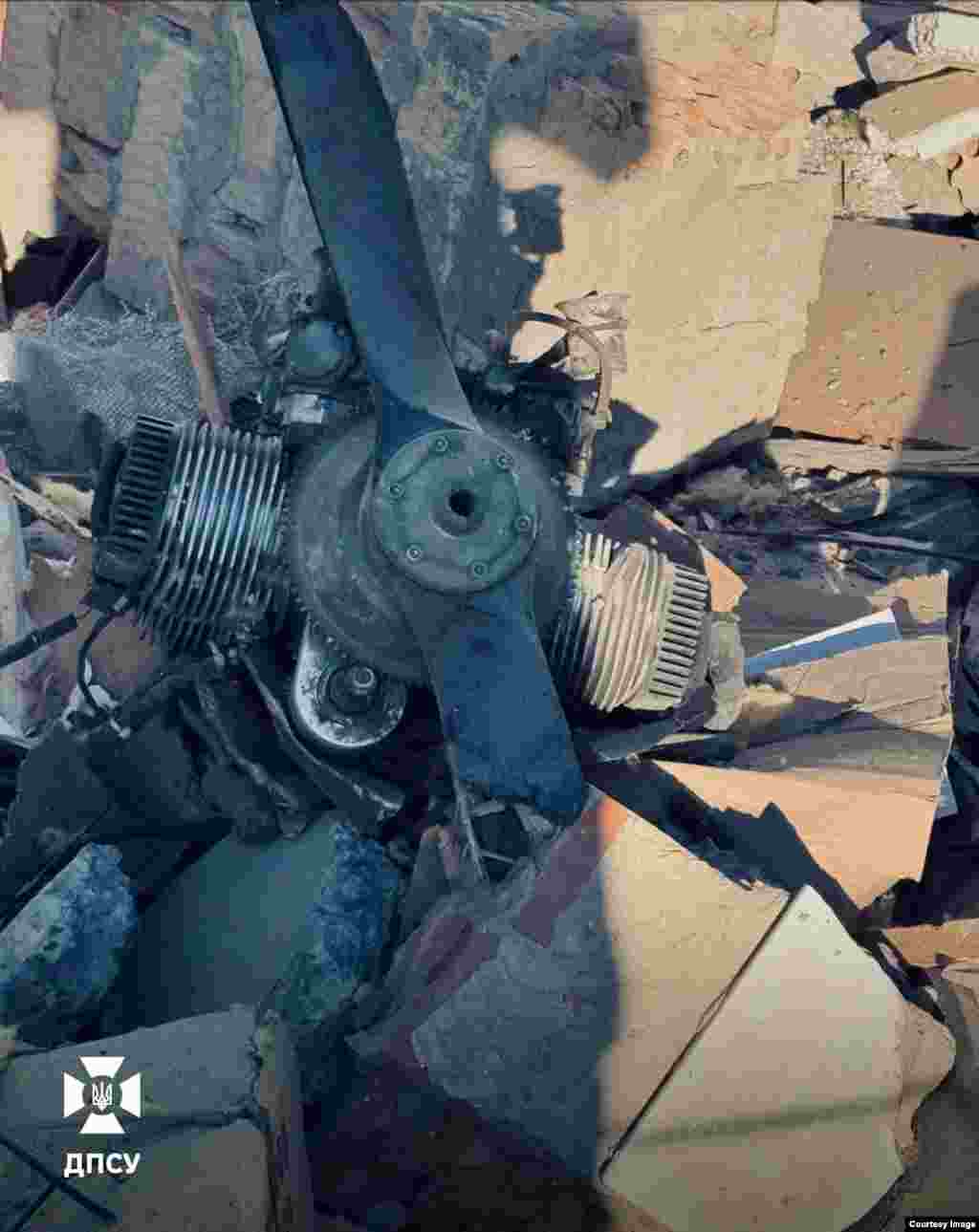
Tsahkna pointed out in his interview with RFE/RL that Russia is already attacking Europe.
In response to the incursion, which Russia denies, Estonian called for Article 4 consultations under NATO's constitution, which are just below invoking the collective defense clause in Article 5.
"We must be ready to act united," Tsahkna said.
Russian President Vladimir Putin is showing no signs that he "really would like to have a meaningful peace and a just and lasting peace" with Ukraine after more than five years of war and is watching how Europe reacts to provocations.
"But if he is going to have Ukraine, it’s just one step, and we’ll see further aggression in Europe," the Estonian minister warned.