

3 Years In: How Moscow's War In Ukraine Has Reshaped Life In Russia
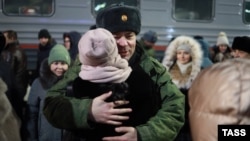
A mobilized Russian soldier in the Tyumen region says goodbye to his loved ones as he departs for the war in Ukraine. (file photo)
For Dmitry, a father of two in the Siberian city of Novosibirsk, Russia’s three-year invasion of Ukraine has been a nuisance in his life more than anything else.
The IT professional, who opposes President Vladimir Putin’s policies, has seen business revenue hurt by Western sanctions, prices for some goods like cars surge, and his son exposed to what he considers dangerous nationalistic propaganda at school.
But on the whole, Dmitry -- who has always spent his vacations at the family’s dacha or in the nearby Altai region -- says life hasn’t changed that much since the invasion. Now nearly 50 years old, he has weathered his share of big shocks over the years, including the Soviet Union’s collapse in 1991, Russia’s ruble crash and debt default in 1998, and the global economic crisis of 2008-09 that hit Russia hard.
“Things are difficult because of sanctions as Russian software just isn’t as good as U.S. technology. But I have enough money to cover expenses -- except for a new car,” he said, adding that automobiles “are now very expensive” and increasingly Chinese.
Like others who spoke to RFE/RL, Dmitry asked that his last name not be given over safety concerns as the state clamps down hard on all forms of criticism.
For Viktoria, a mother of two in Moscow who has relatives in Ukraine, the initial shock and fright from the start of the war have dissipated. The shortage of some medicines caused by hoarding in the early days of the fighting has long been forgotten. The spike in prices for many goods has been offset by higher wages. And the many new attractions that have opened in Moscow over the past three years have made life more enjoyable in some respects.
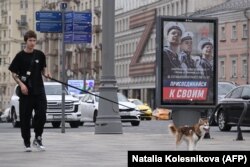
A young man in central Moscow walks dog past a poster promoting contract service in the Russian Army with the slogan "Join your people." (file photo)
The biggest impact has been the inability to travel to the West, she said. Once an annual visitor to European capitals like Paris or Rome, Viktoria and her family have largely vacationed in the Middle East or inside Russia since 2022. Russia’s tourism industry has seen a surge in investment after the West slammed its door on the country in protest over the invasion. Altai, the Caucasus, and Sochi on the Black Sea are now destinations for her and her Muscovite friends, she said.
“None of my friends have really experienced difficulties” because of the war, she added. “But I am from Moscow and the situation in the regions is different.”
Russia’s invasion of Ukraine, which marks its third anniversary on February 24, 2025, has become one of the defining moments of the 21st century, exacting a devastating human toll and shattering the Western-led world order that has been in place since World War II.
In Pictures: 3 Years Of War In Ukraine
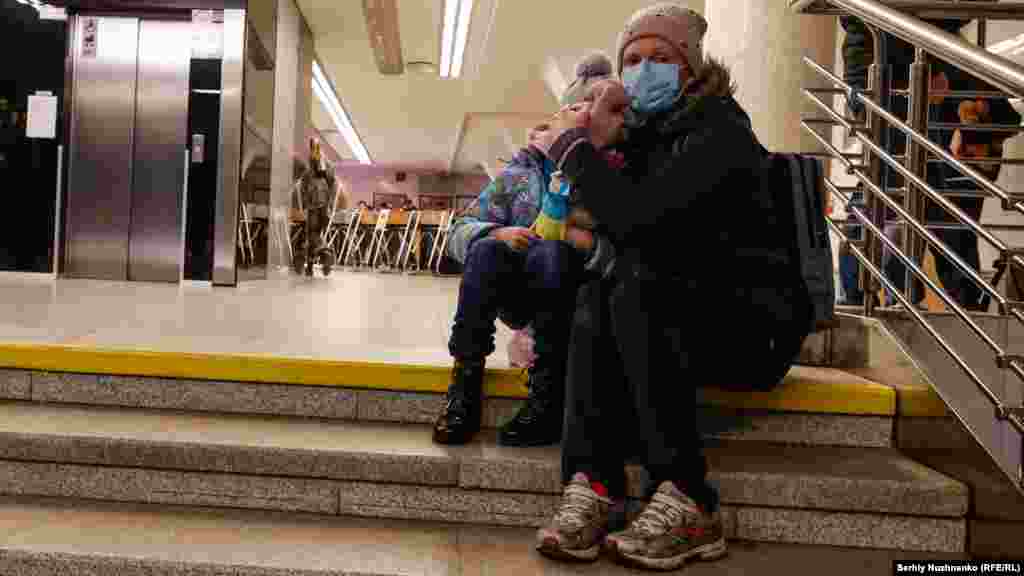
1/36A woman hugs her child in a subway station in Kyiv during the first day of the Russian invasion on February 24, 2022.
Photojournalist Serhiy Nuzhnenko of RFE/RL's Ukrainian Service has spent three years intensively covering the war in his country. We selected 36 of his most powerful pictures of the conflict.
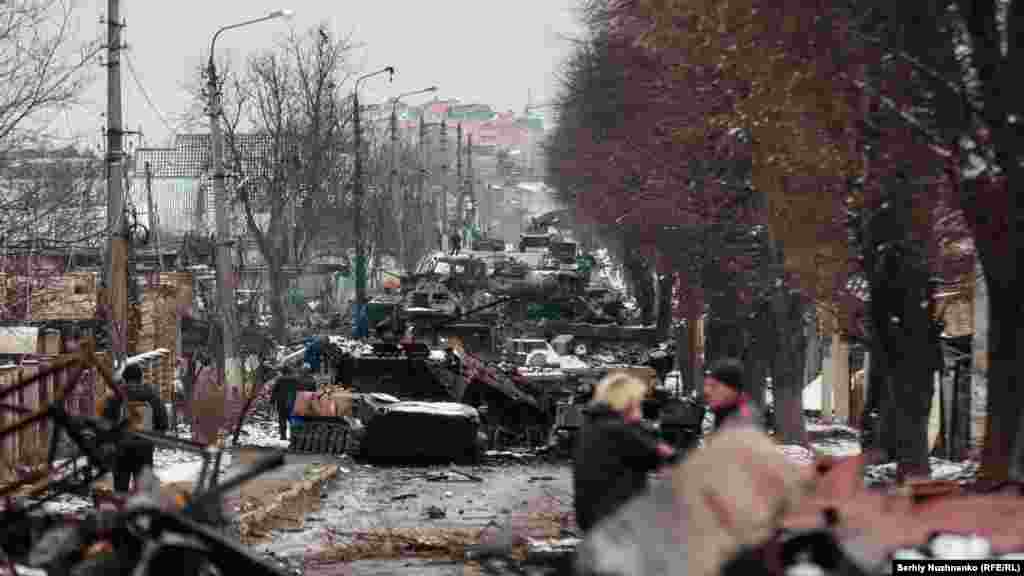
2/36Civilians look at a destroyed Russian armored column in Bucha, near Kyiv, on March 1, 2022. The town was finally captured by Russian troops days after this photo was taken, but they withdrew less than a month later. Following Moscow’s retreat, evidence of war crimes emerged in Bucha, drawing international condemnation.
Photojournalist Serhiy Nuzhnenko of RFE/RL's Ukrainian Service has spent three years intensively covering the war in his country. We selected 36 of his most powerful pictures of the conflict.
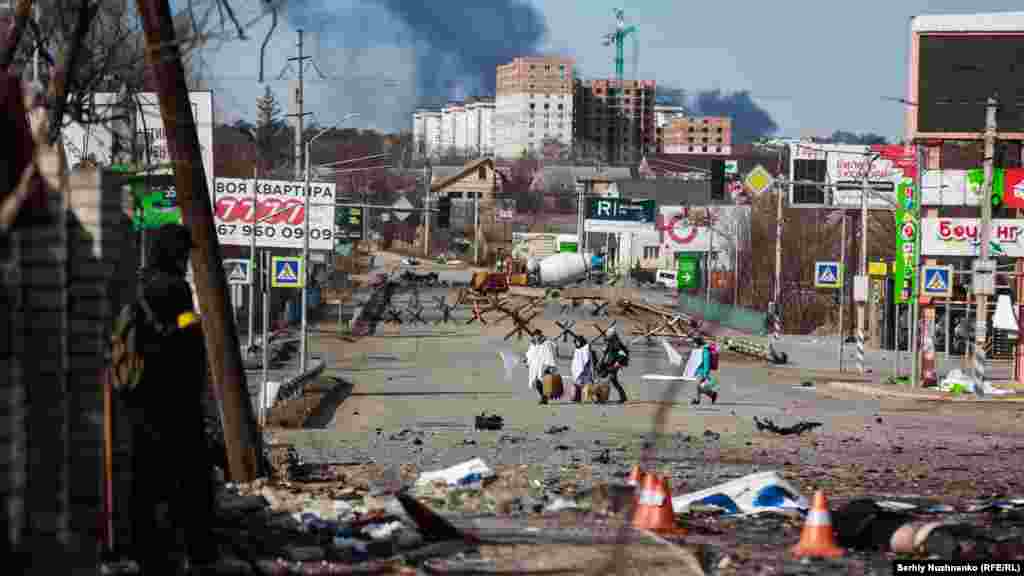
3/36Civilians fleeing from Bucha and Irpin on March 11, 2022.
Photojournalist Serhiy Nuzhnenko of RFE/RL's Ukrainian Service has spent three years intensively covering the war in his country. We selected 36 of his most powerful pictures of the conflict.
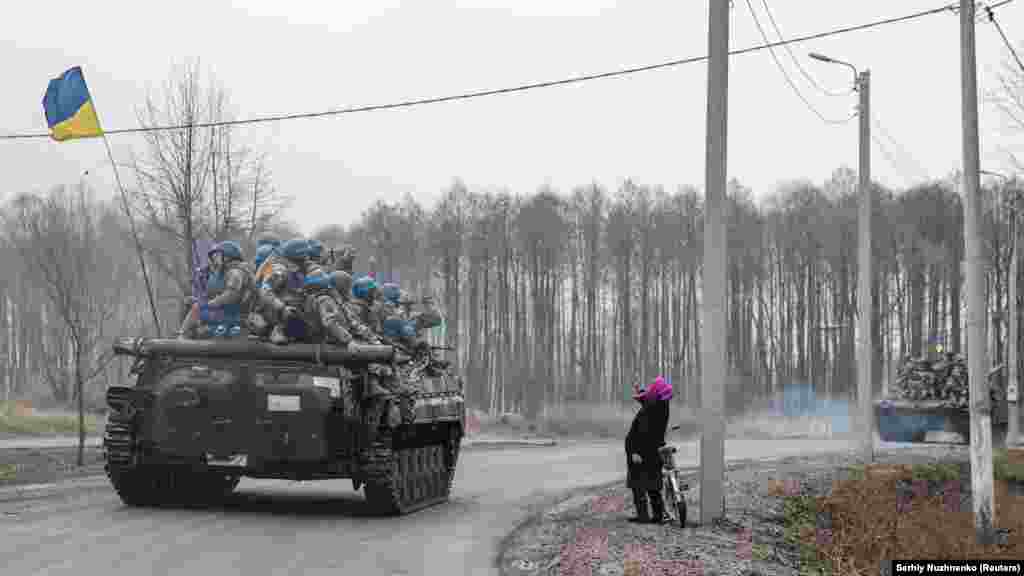
4/36A woman greets Ukrainian troops as they enter a recaptured town in the northern Chernihiv region on April 2, 2022.
Photojournalist Serhiy Nuzhnenko of RFE/RL's Ukrainian Service has spent three years intensively covering the war in his country. We selected 36 of his most powerful pictures of the conflict.
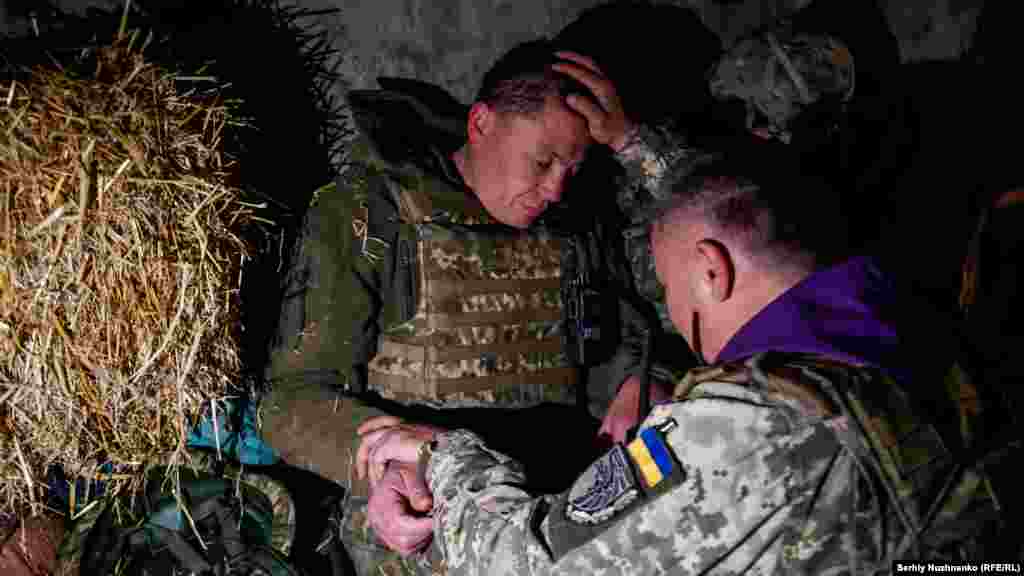
5/36Oleksandr, a military chaplain, blesses a Ukrainian soldier in the northeastern Kharkiv region on April 24, 2022.
Photojournalist Serhiy Nuzhnenko of RFE/RL's Ukrainian Service has spent three years intensively covering the war in his country. We selected 36 of his most powerful pictures of the conflict.
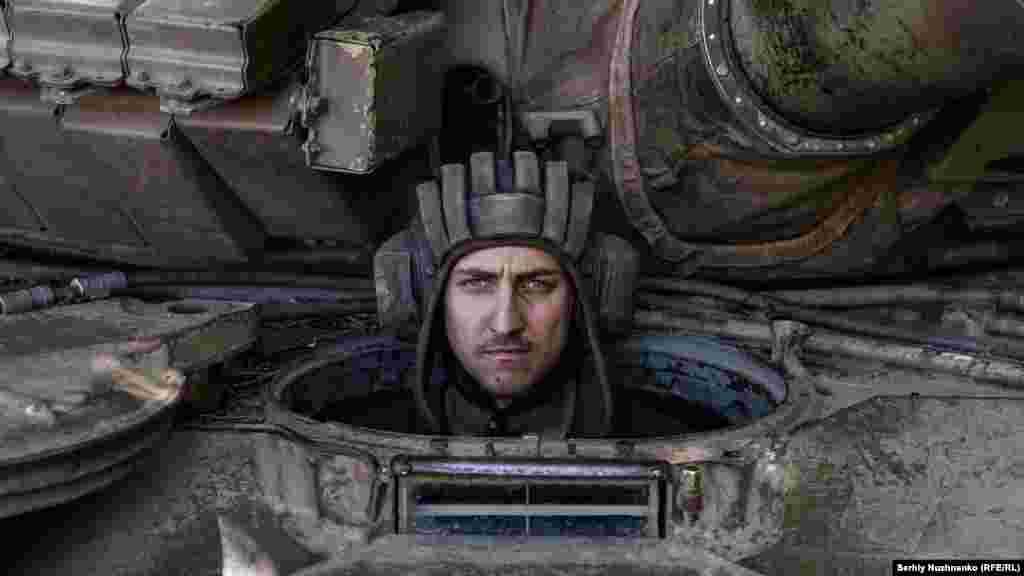
6/36Yuriy, a Ukrainian tank mechanic, photographed in the eastern Donetsk region on June 11, 2022.
Photojournalist Serhiy Nuzhnenko of RFE/RL's Ukrainian Service has spent three years intensively covering the war in his country. We selected 36 of his most powerful pictures of the conflict.
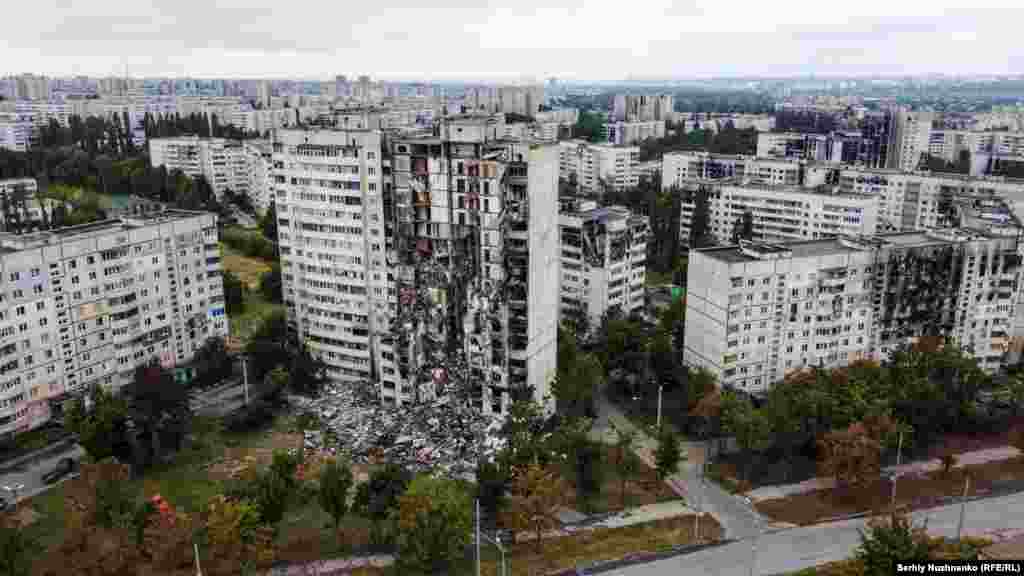
7/36Damaged apartment blocks in Saltivka, a suburb of Kharkiv, seen on September 13, 2022.
Photojournalist Serhiy Nuzhnenko of RFE/RL's Ukrainian Service has spent three years intensively covering the war in his country. We selected 36 of his most powerful pictures of the conflict.
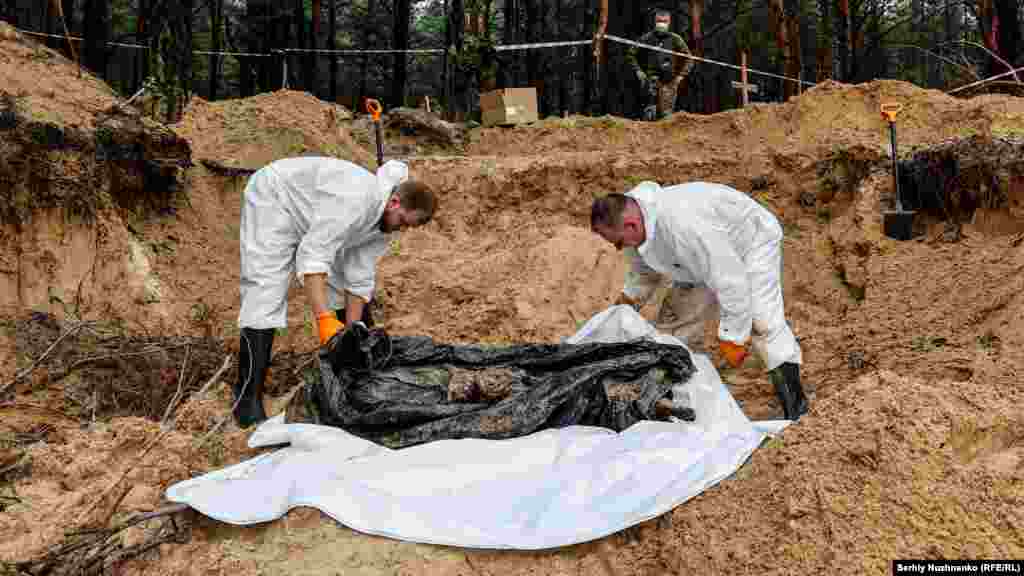
8/36The body of a Ukrainian soldier, found with his hands tied behind his back, in a mass grave near Izyum, in the Kharkiv region, on September 16, 2022.
Photojournalist Serhiy Nuzhnenko of RFE/RL's Ukrainian Service has spent three years intensively covering the war in his country. We selected 36 of his most powerful pictures of the conflict.
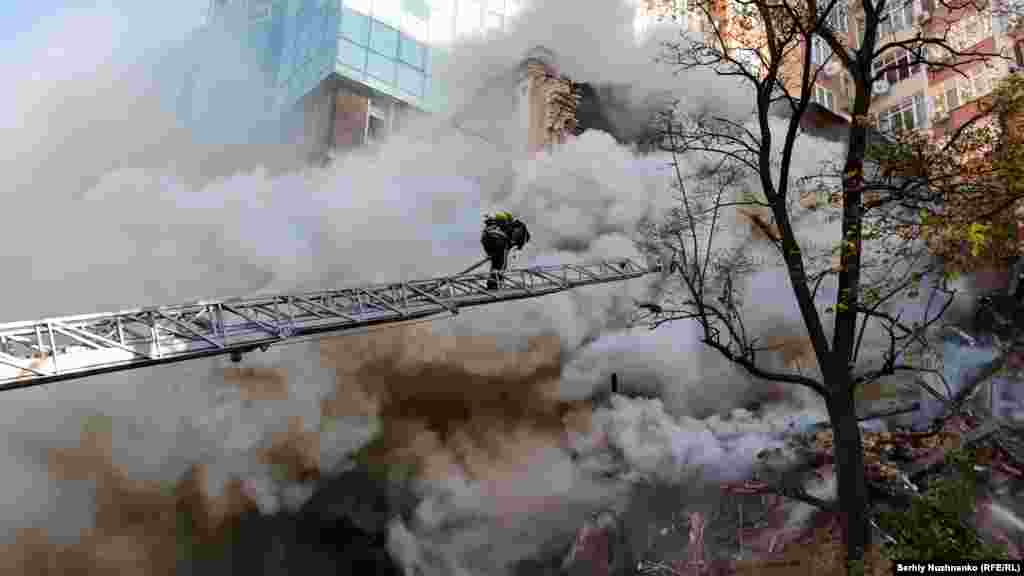
9/36A firefighter battles a blaze after a Shahed suicide drone attack in Kyiv on October 17, 2022.
Photojournalist Serhiy Nuzhnenko of RFE/RL's Ukrainian Service has spent three years intensively covering the war in his country. We selected 36 of his most powerful pictures of the conflict.
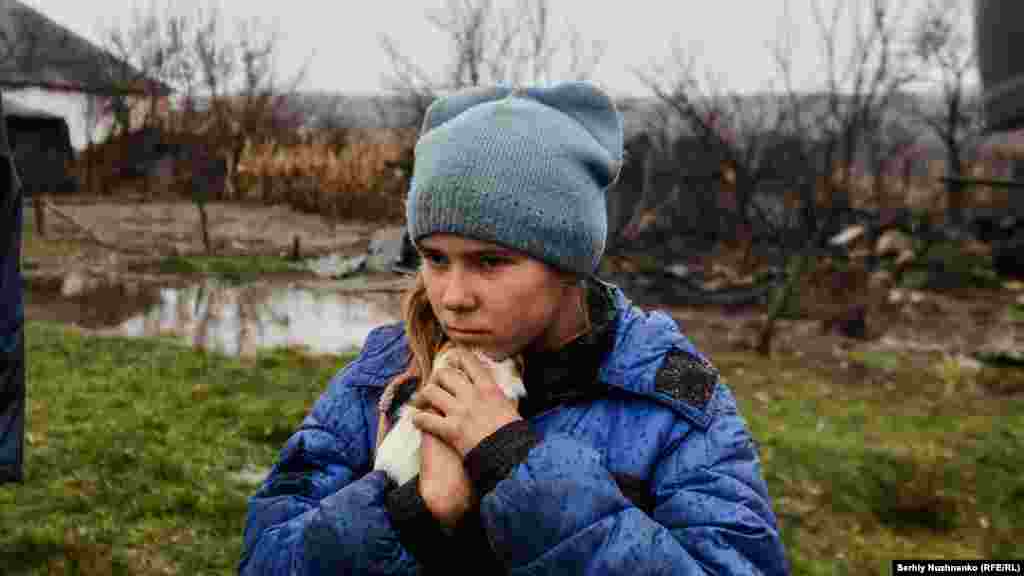
10/36A 9-year-old girl named Sofiyka hugs her guinea pig during her evacuation from Makiyivka, in the eastern Luhansk region, on November 19, 2022.
Photojournalist Serhiy Nuzhnenko of RFE/RL's Ukrainian Service has spent three years intensively covering the war in his country. We selected 36 of his most powerful pictures of the conflict.
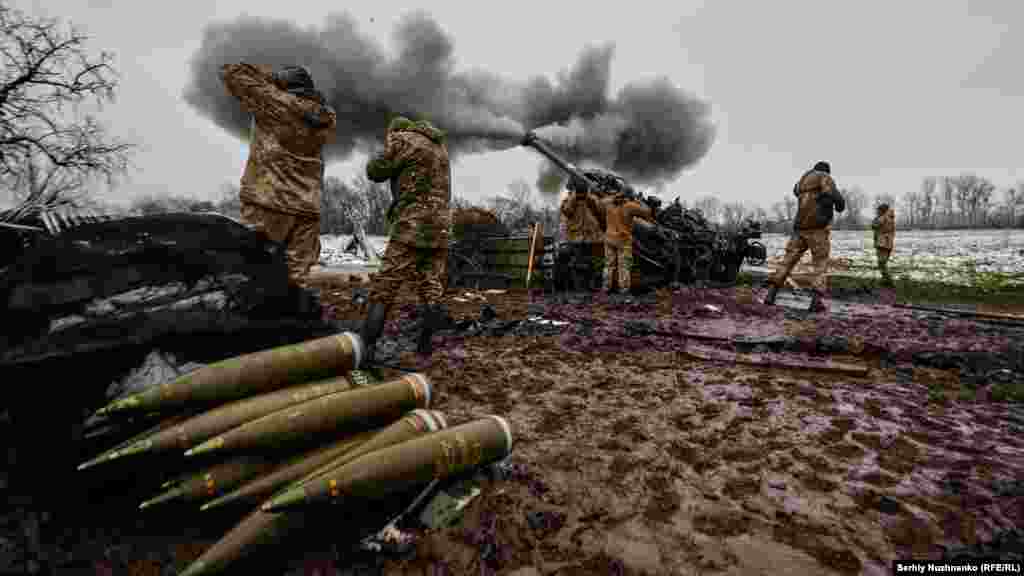
11/36Ukrainian troops fire a howitzer provided by Western allies in the Donetsk region on November 23, 2022.
Photojournalist Serhiy Nuzhnenko of RFE/RL's Ukrainian Service has spent three years intensively covering the war in his country. We selected 36 of his most powerful pictures of the conflict.
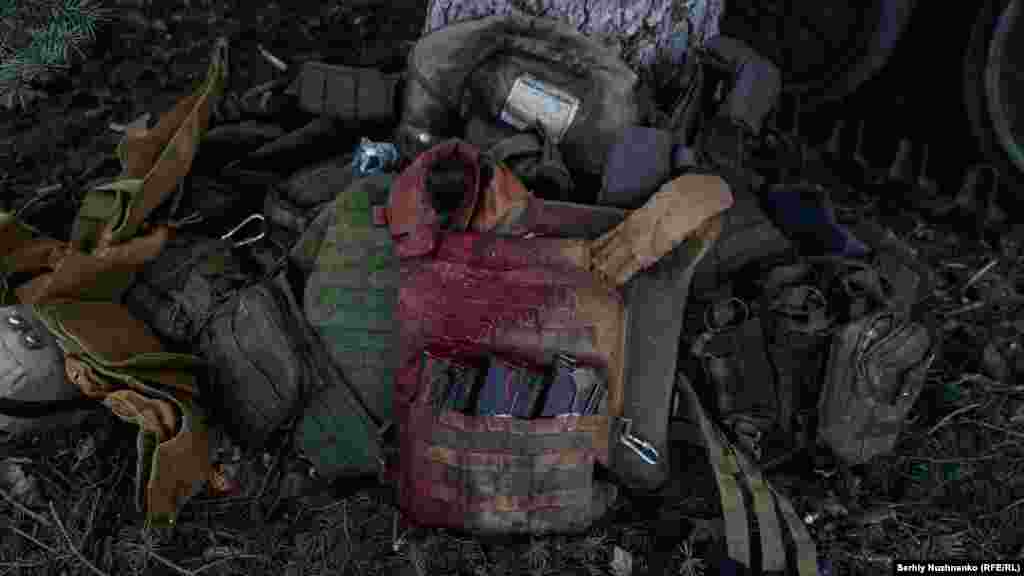
12/36A Ukrainian soldier's bloodied body armor photographed near Soledar, in the Donetsk Region on January 23, 2023.
Photojournalist Serhiy Nuzhnenko of RFE/RL's Ukrainian Service has spent three years intensively covering the war in his country. We selected 36 of his most powerful pictures of the conflict.
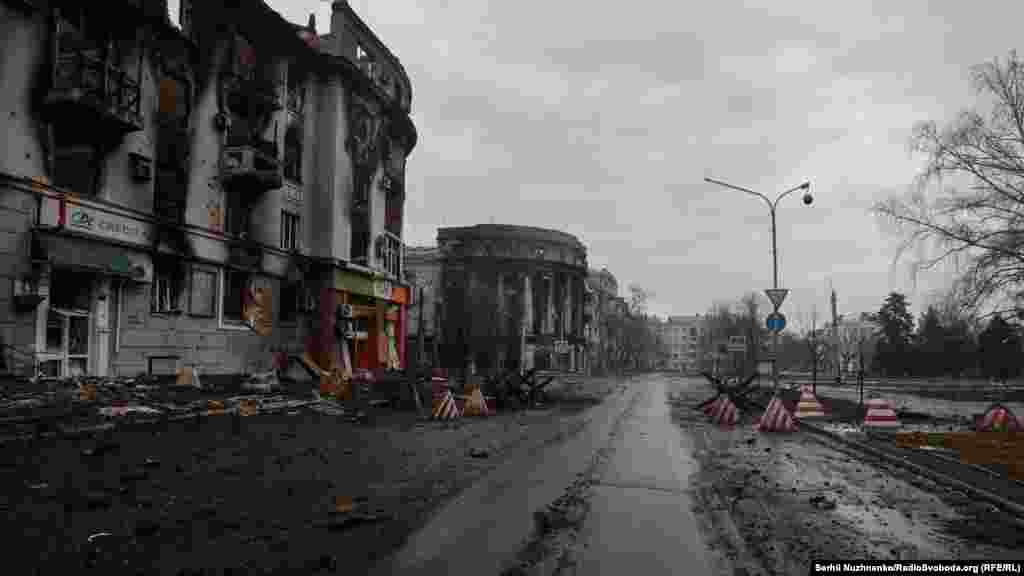
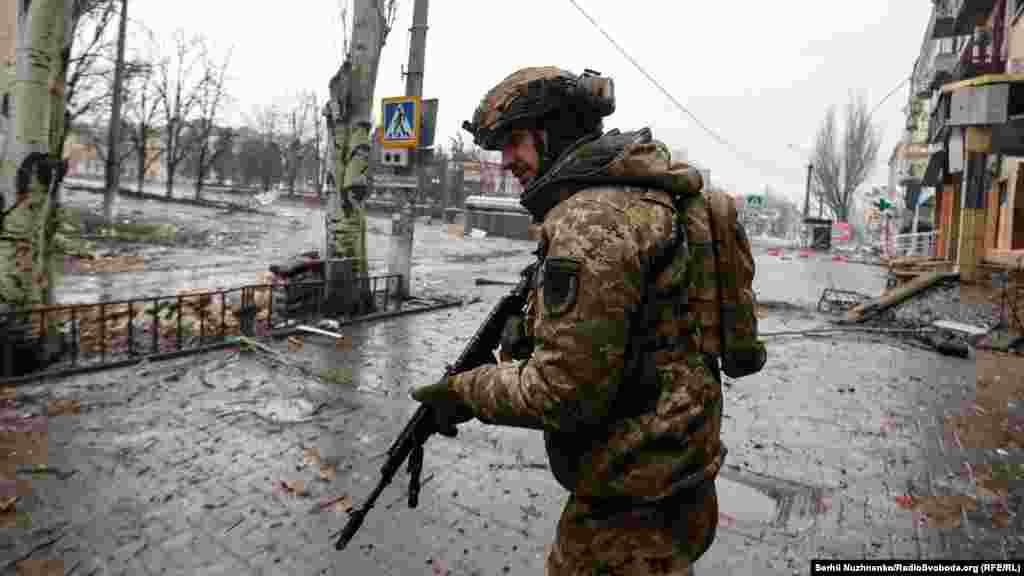
13/36The center of Bakhmut, in the Donetsk Region, photographed on February 25, 2023.
Photojournalist Serhiy Nuzhnenko of RFE/RL's Ukrainian Service has spent three years intensively covering the war in his country. We selected 36 of his most powerful pictures of the conflict.
14/36A Ukrainian serviceman in Bakhmut on February 25, 2023.
Photojournalist Serhiy Nuzhnenko of RFE/RL's Ukrainian Service has spent three years intensively covering the war in his country. We selected 36 of his most powerful pictures of the conflict.
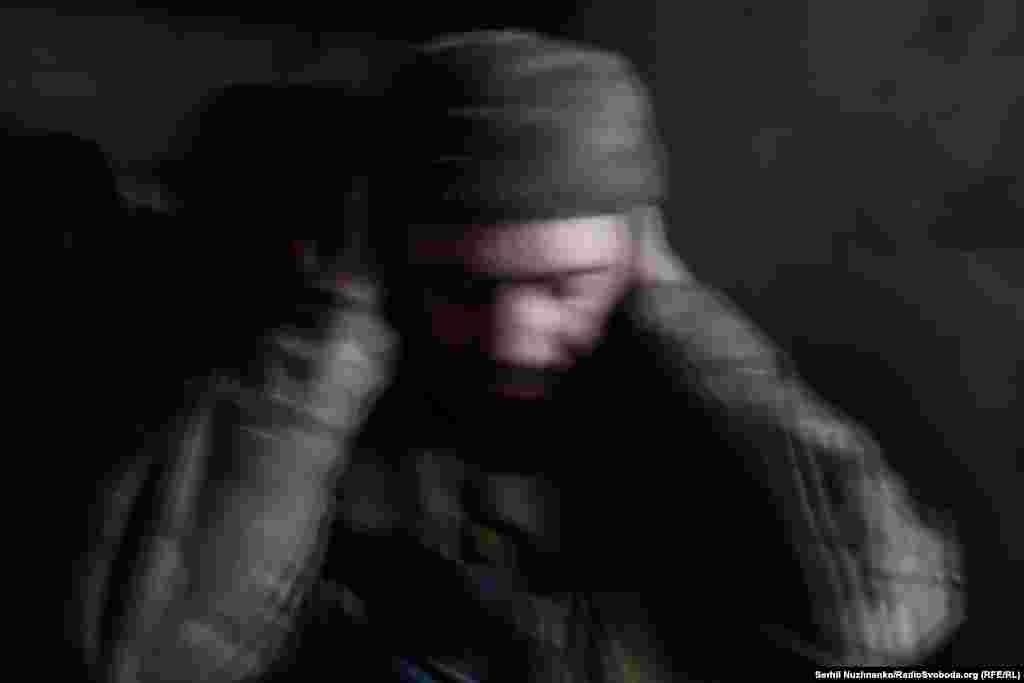
15/36A Ukrainian soldier photographed as his position was being shelled in May 2023.
Photojournalist Serhiy Nuzhnenko of RFE/RL's Ukrainian Service has spent three years intensively covering the war in his country. We selected 36 of his most powerful pictures of the conflict.
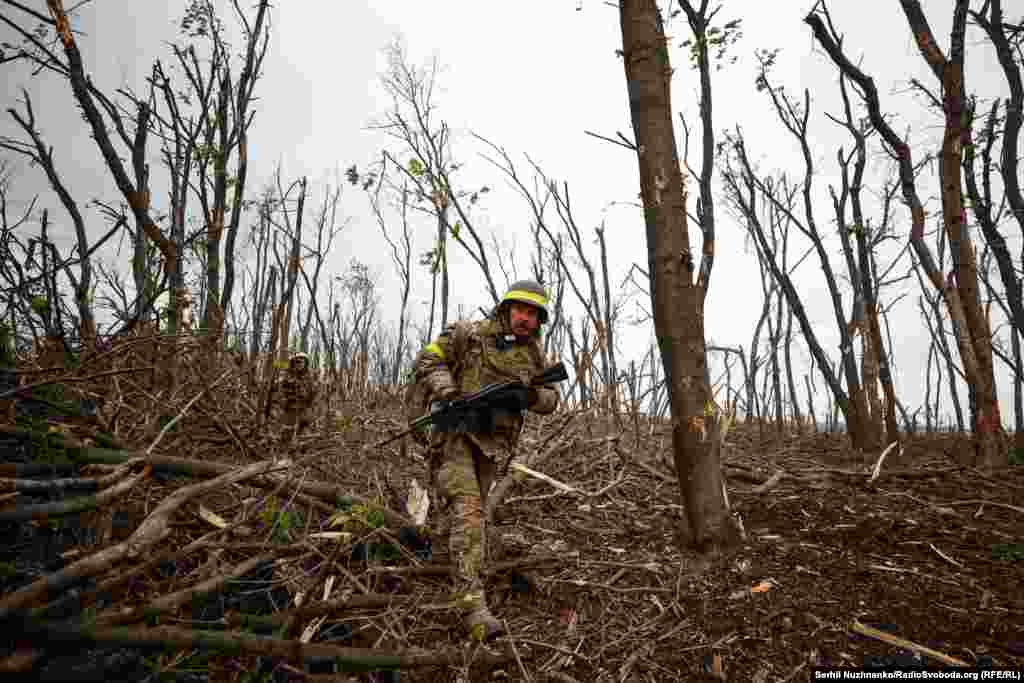
16/36Ukrainian soldiers seen after the storming of a Russian position near Bakhmut in May 2023.
Photojournalist Serhiy Nuzhnenko of RFE/RL's Ukrainian Service has spent three years intensively covering the war in his country. We selected 36 of his most powerful pictures of the conflict.
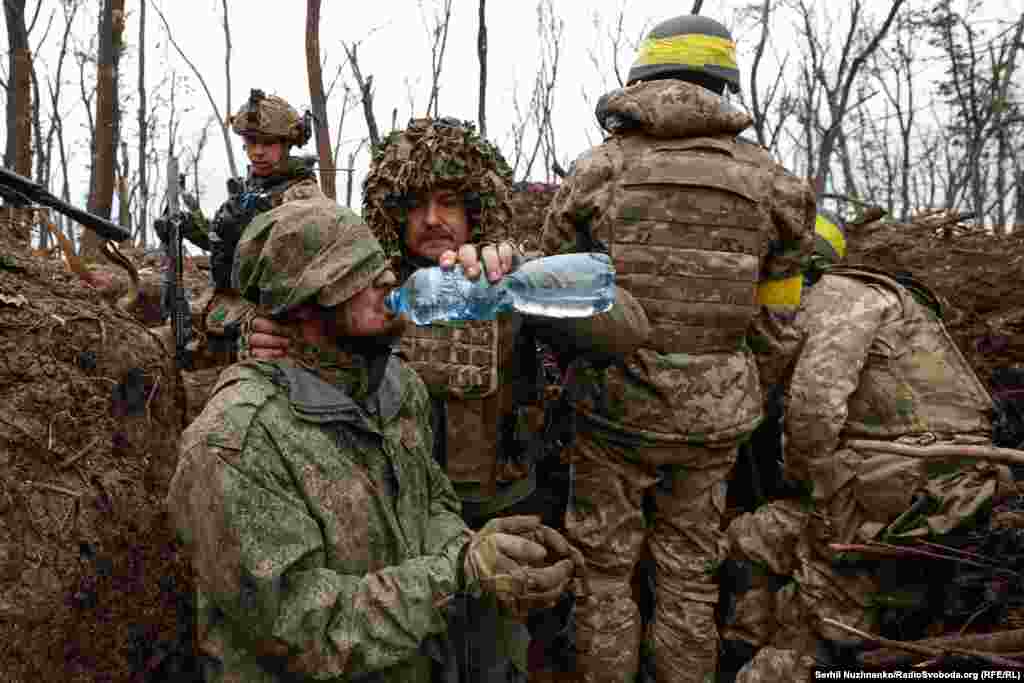
17/36
A Russian soldier is given water after his capture by Ukrainian forces near Bakhmut in May, 2023.
Photojournalist Serhiy Nuzhnenko of RFE/RL's Ukrainian Service has spent three years intensively covering the war in his country. We selected 36 of his most powerful pictures of the conflict.
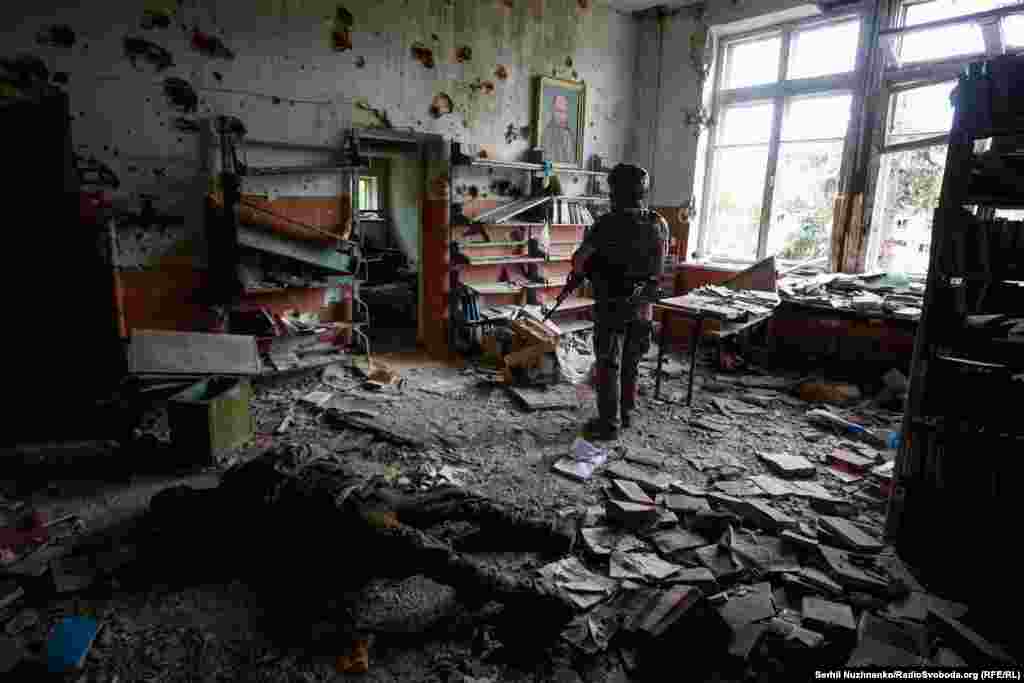
18/36A Ukrainian soldier in a battle-damaged building in Blahodatne in the Donetsk Region on June 17, 2023.
Photojournalist Serhiy Nuzhnenko of RFE/RL's Ukrainian Service has spent three years intensively covering the war in his country. We selected 36 of his most powerful pictures of the conflict.
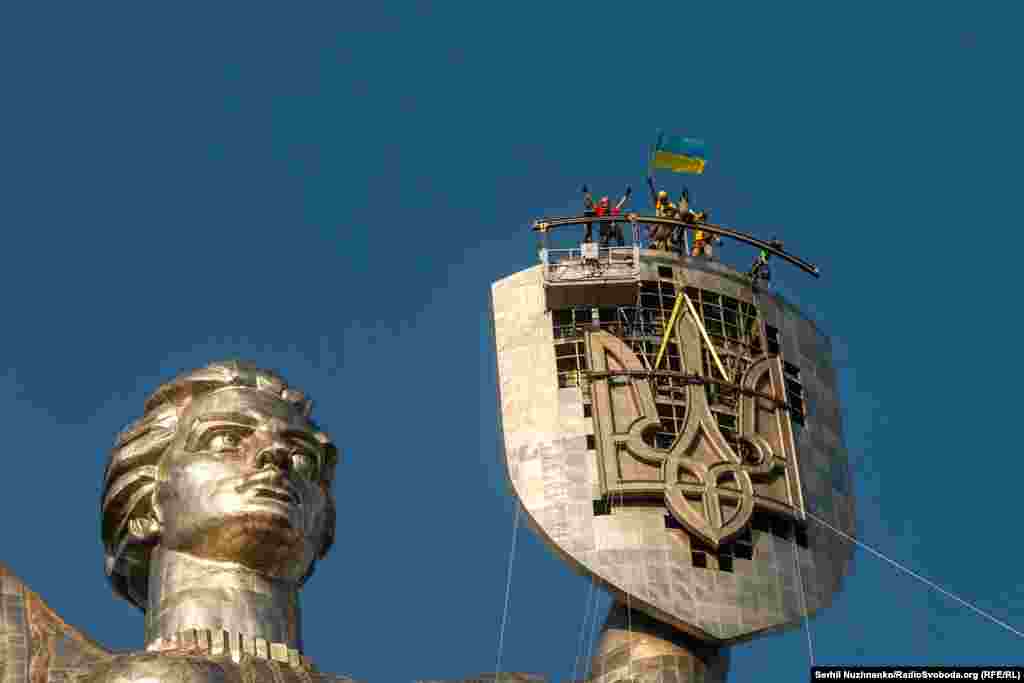
19/36Workers celebrate after the installation of the Ukrainian trident on the shield of Kyiv's motherland monument on August 6, 2023. The massive trident replaced a Soviet emblem.
Photojournalist Serhiy Nuzhnenko of RFE/RL's Ukrainian Service has spent three years intensively covering the war in his country. We selected 36 of his most powerful pictures of the conflict.
20/36The aftermath of a missile strike on the center of Chernihiv on August 19, 2023.
Photojournalist Serhiy Nuzhnenko of RFE/RL's Ukrainian Service has spent three years intensively covering the war in his country. We selected 36 of his most powerful pictures of the conflict.
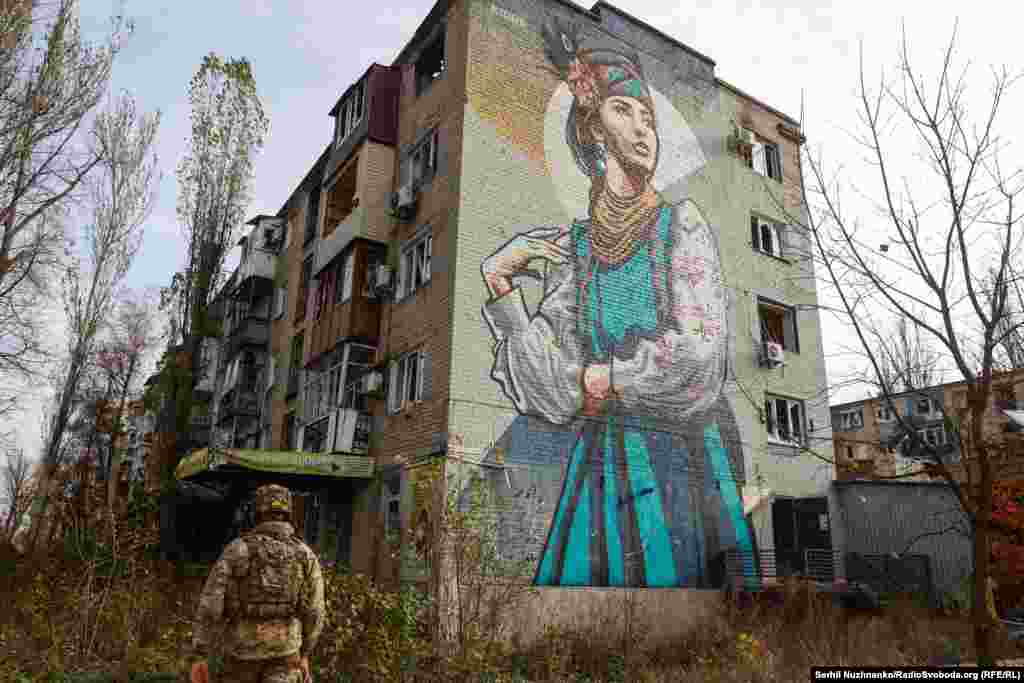
21/36A soldier walks beneath a mural in the embattled town of Avdiyivka in the Donetsk Region in November 2023.
Photojournalist Serhiy Nuzhnenko of RFE/RL's Ukrainian Service has spent three years intensively covering the war in his country. We selected 36 of his most powerful pictures of the conflict.
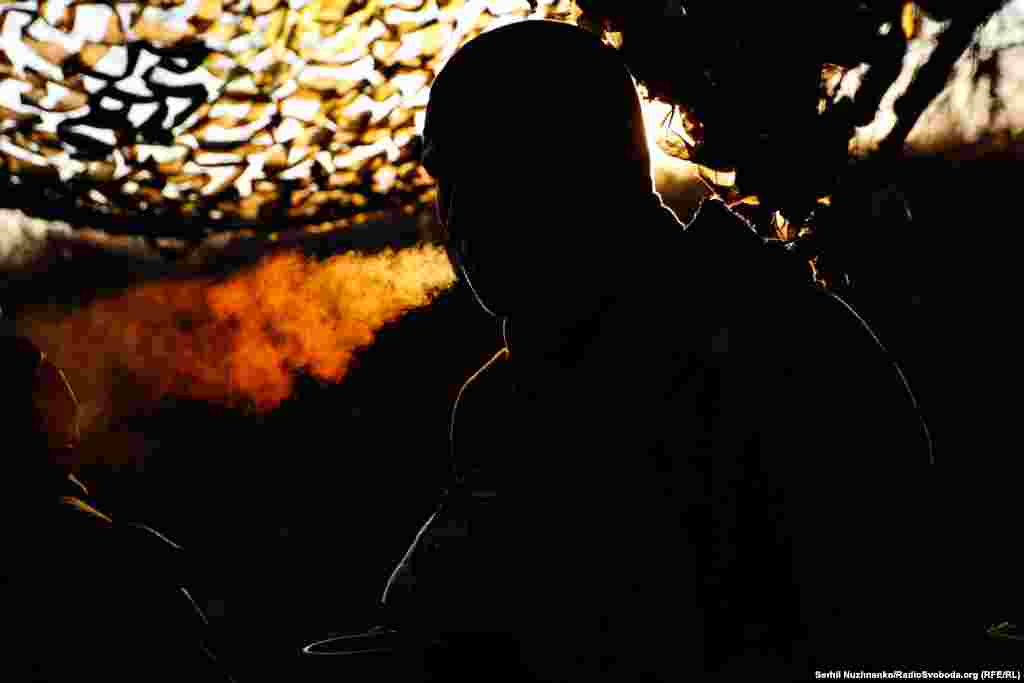
22/36A member of a Ukrainian mortar team pauses for a sunrise cigarette at a position near Bakhmut in December 2023.
Photojournalist Serhiy Nuzhnenko of RFE/RL's Ukrainian Service has spent three years intensively covering the war in his country. We selected 36 of his most powerful pictures of the conflict.
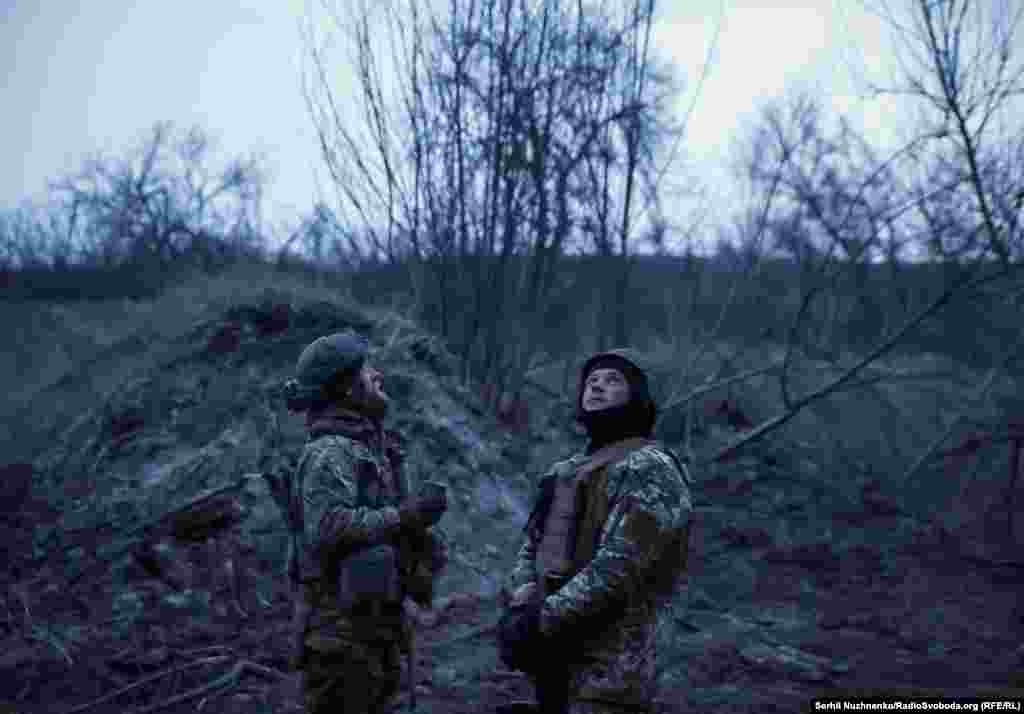
23/36Ukrainian troops watch the sky for enemy drones at a position near Bakhmut on March 6, 2024.
Photojournalist Serhiy Nuzhnenko of RFE/RL's Ukrainian Service has spent three years intensively covering the war in his country. We selected 36 of his most powerful pictures of the conflict.
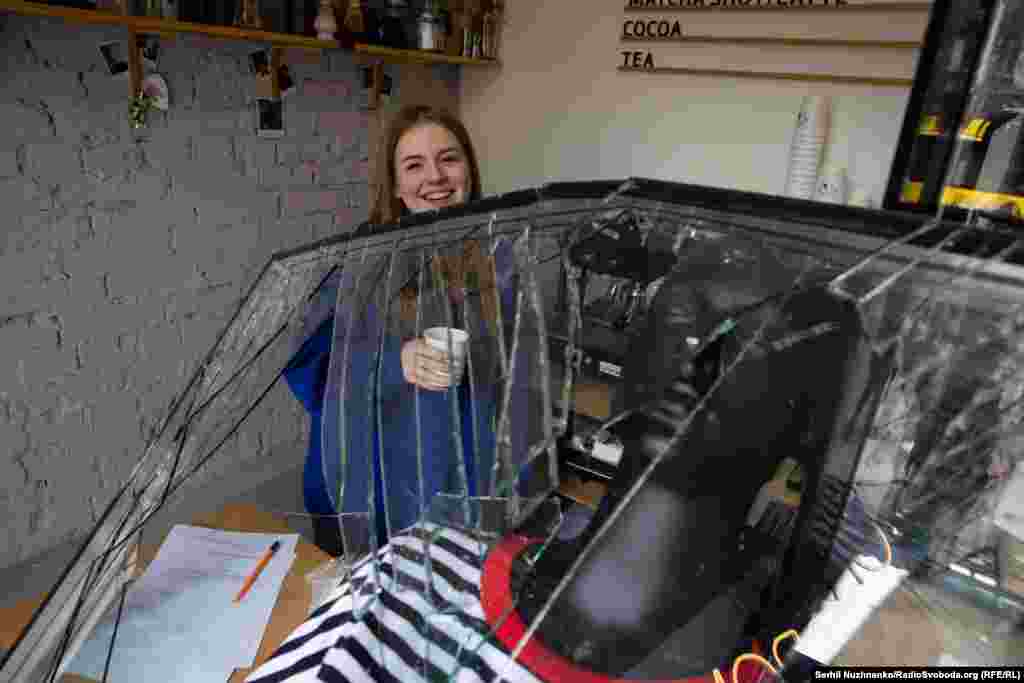
24/36A barista at work inside her explosion-damaged cafe on March 25, 2024 after a Russian missile hit central Kyiv.
Photojournalist Serhiy Nuzhnenko of RFE/RL's Ukrainian Service has spent three years intensively covering the war in his country. We selected 36 of his most powerful pictures of the conflict.
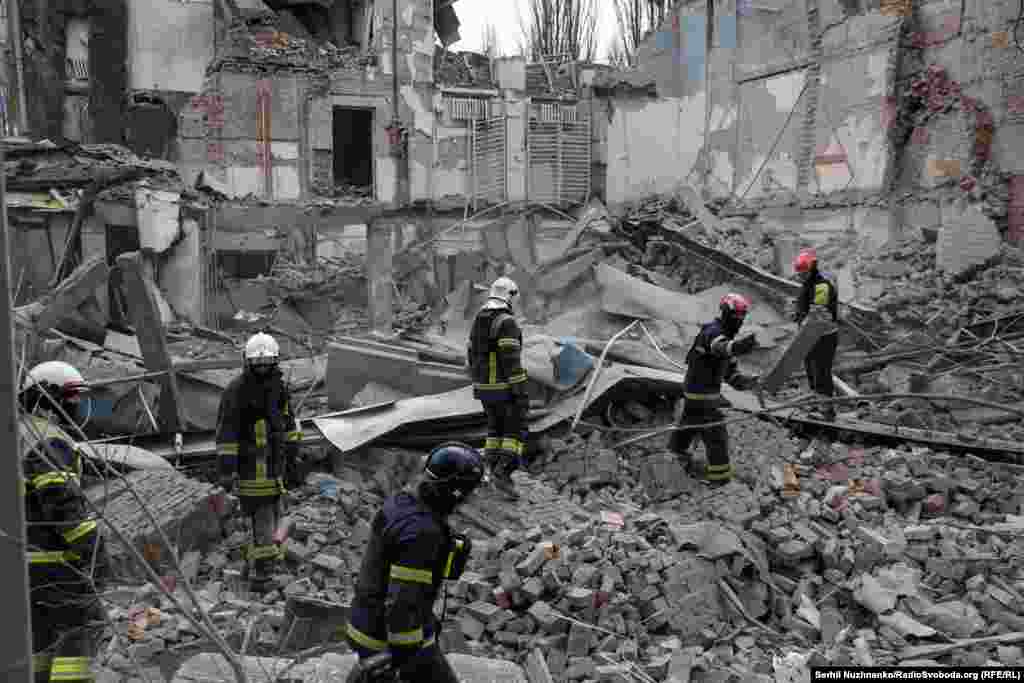
25/36Firefighters pick through the rubble of a building in Kyiv destroyed by a falling Russian missile on March 25, 2024.
Photojournalist Serhiy Nuzhnenko of RFE/RL's Ukrainian Service has spent three years intensively covering the war in his country. We selected 36 of his most powerful pictures of the conflict.
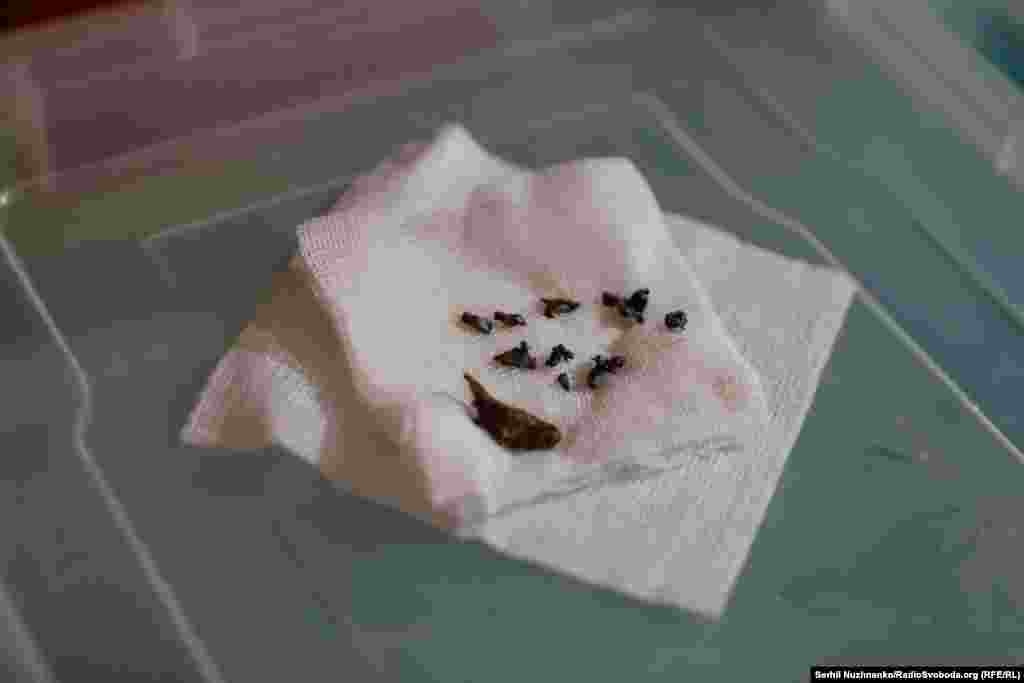
26/36Fragments of shrapnel that were removed from the wounded at a medical facility near Avdiyivka in March 2024.
Photojournalist Serhiy Nuzhnenko of RFE/RL's Ukrainian Service has spent three years intensively covering the war in his country. We selected 36 of his most powerful pictures of the conflict.
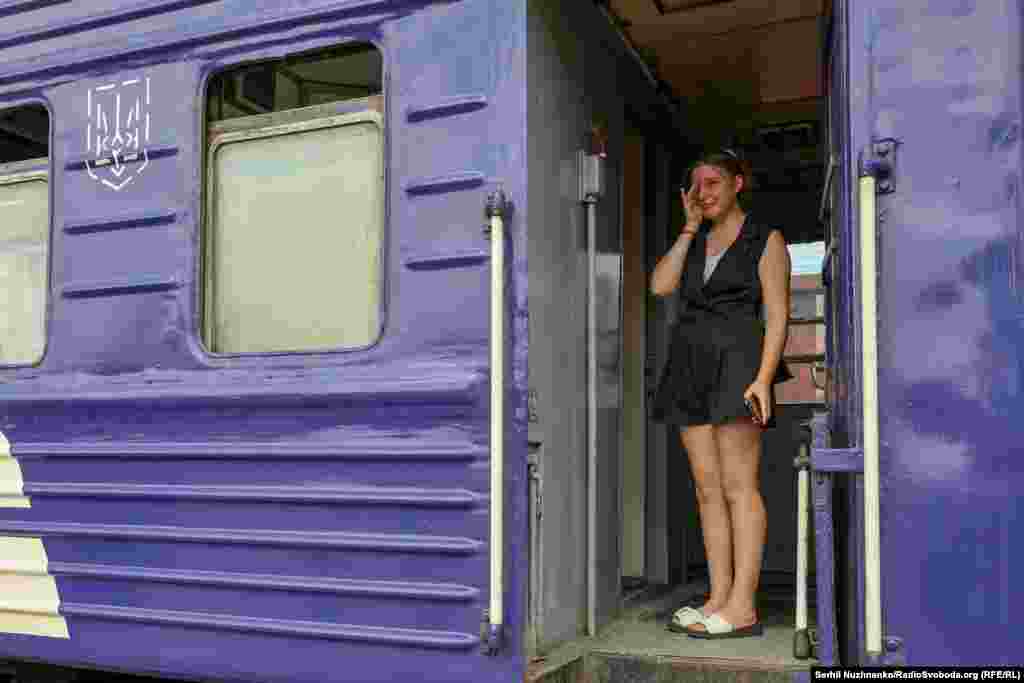
27/36A young woman cries as she bids farewell to family members during an evacuation of Pokrovsk, in the Donetsk Region on August 30, 2024.
Photojournalist Serhiy Nuzhnenko of RFE/RL's Ukrainian Service has spent three years intensively covering the war in his country. We selected 36 of his most powerful pictures of the conflict.
28/36
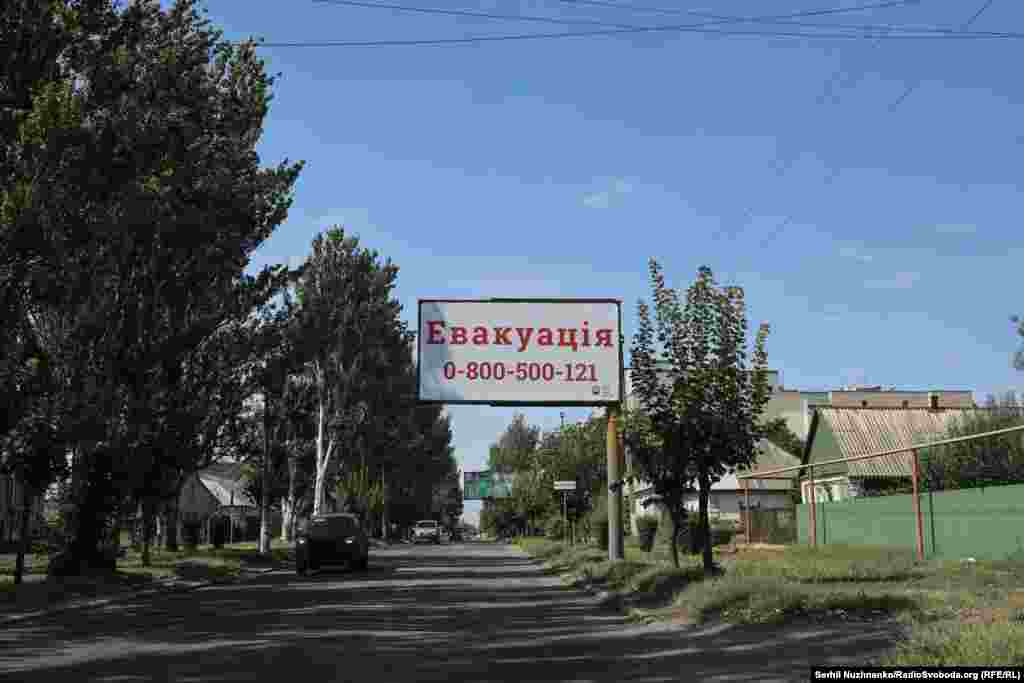
A sign advertises assistance with evacuation out of Pokrovsk on a street in the eastern Ukrainian city in late September 2024.
Photojournalist Serhiy Nuzhnenko of RFE/RL's Ukrainian Service has spent three years intensively covering the war in his country. We selected 36 of his most powerful pictures of the conflict.
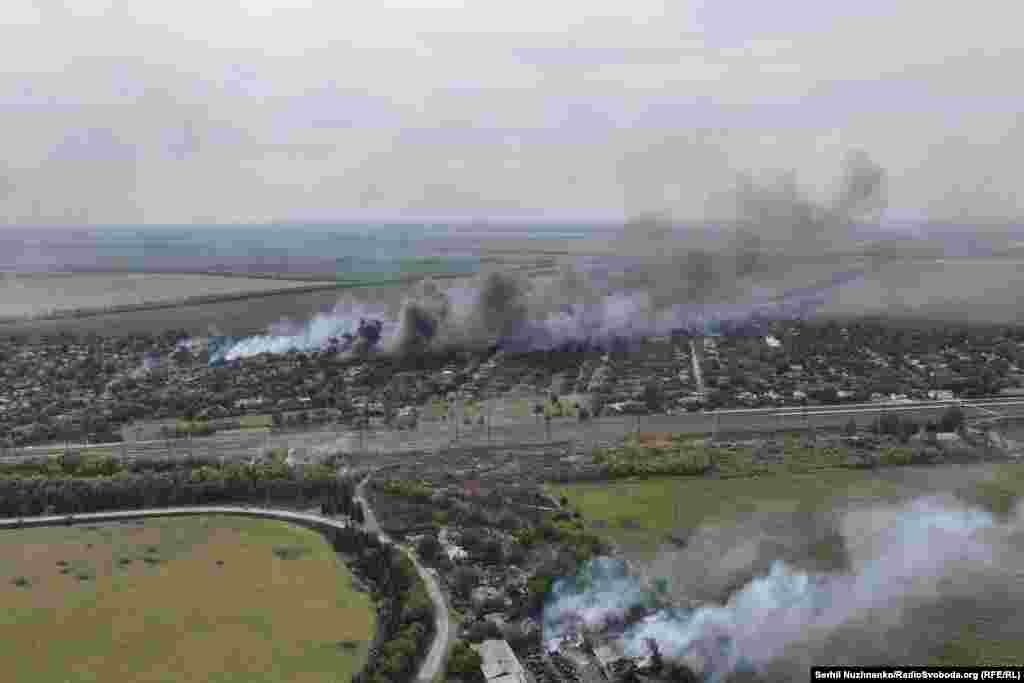
29/36A overview of fires burning in a settlement around Pokrovsk in September 2024.
Photojournalist Serhiy Nuzhnenko of RFE/RL's Ukrainian Service has spent three years intensively covering the war in his country. We selected 36 of his most powerful pictures of the conflict.
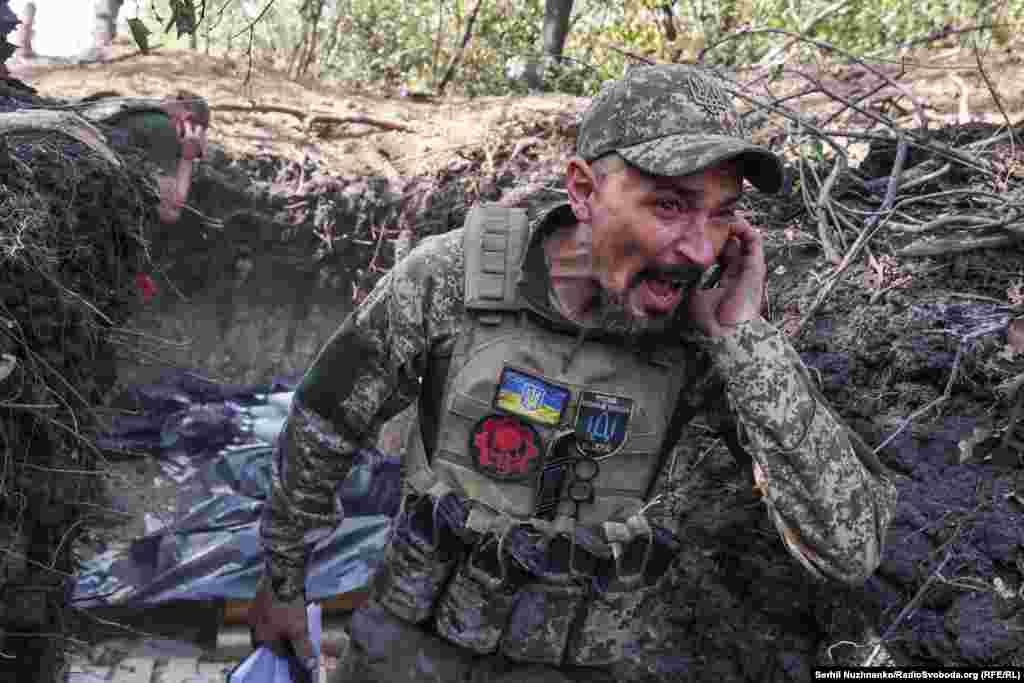
30/36Artem, a 40-year-old Ukrainian commander, shouts a warning before his artillery team fires toward Russian positions near Pokrovsk in early October 2024.
Photojournalist Serhiy Nuzhnenko of RFE/RL's Ukrainian Service has spent three years intensively covering the war in his country. We selected 36 of his most powerful pictures of the conflict.
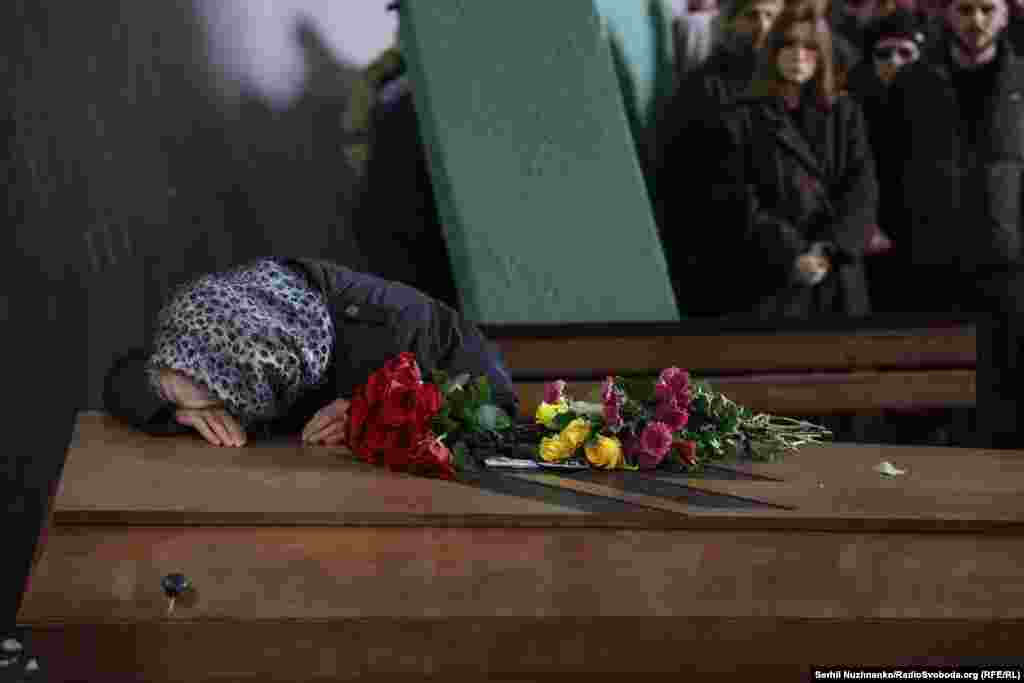
31/36The mother of fallen soldier Danylo Lyashkevych weeps over his coffin during his funeral in Kyiv on November 8, 2024.
Photojournalist Serhiy Nuzhnenko of RFE/RL's Ukrainian Service has spent three years intensively covering the war in his country. We selected 36 of his most powerful pictures of the conflict.
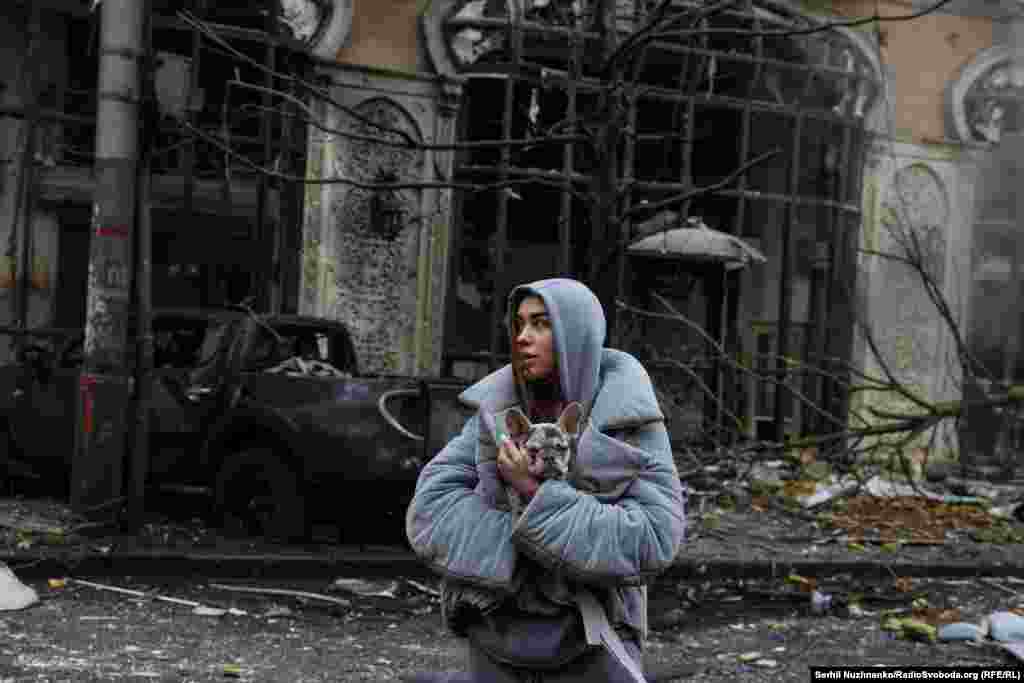
32/36A woman holds her dog in the wake of a Russian strike in Kyiv on December 20, 2024.
Photojournalist Serhiy Nuzhnenko of RFE/RL's Ukrainian Service has spent three years intensively covering the war in his country. We selected 36 of his most powerful pictures of the conflict.
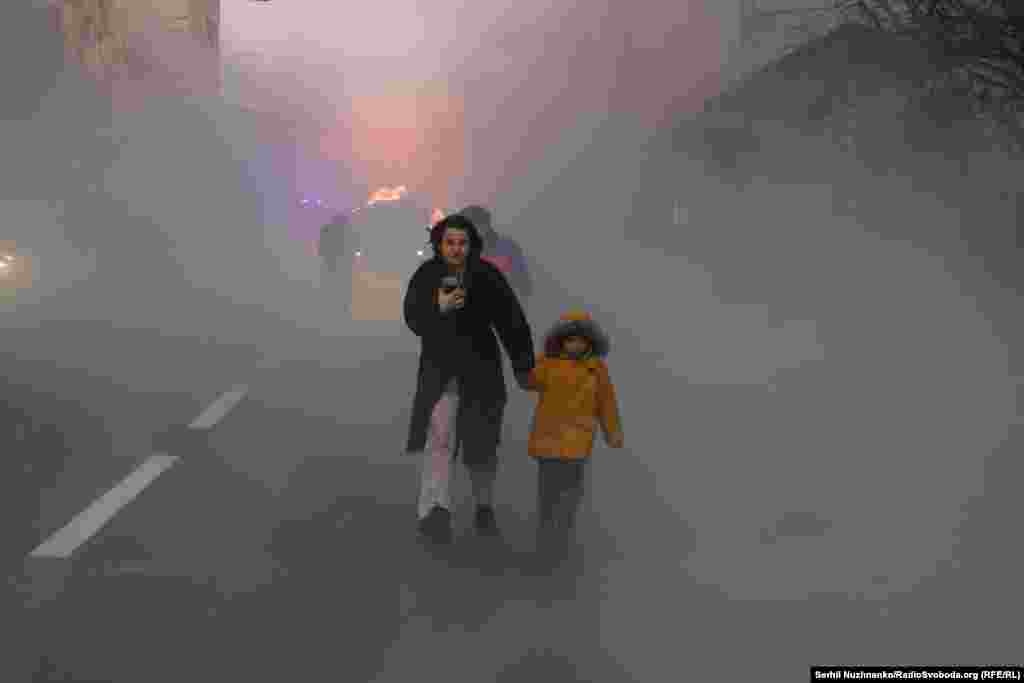
33/36A child is led away from the impact site of a Russian strike on Kyiv on December 20, 2024.
Photojournalist Serhiy Nuzhnenko of RFE/RL's Ukrainian Service has spent three years intensively covering the war in his country. We selected 36 of his most powerful pictures of the conflict.
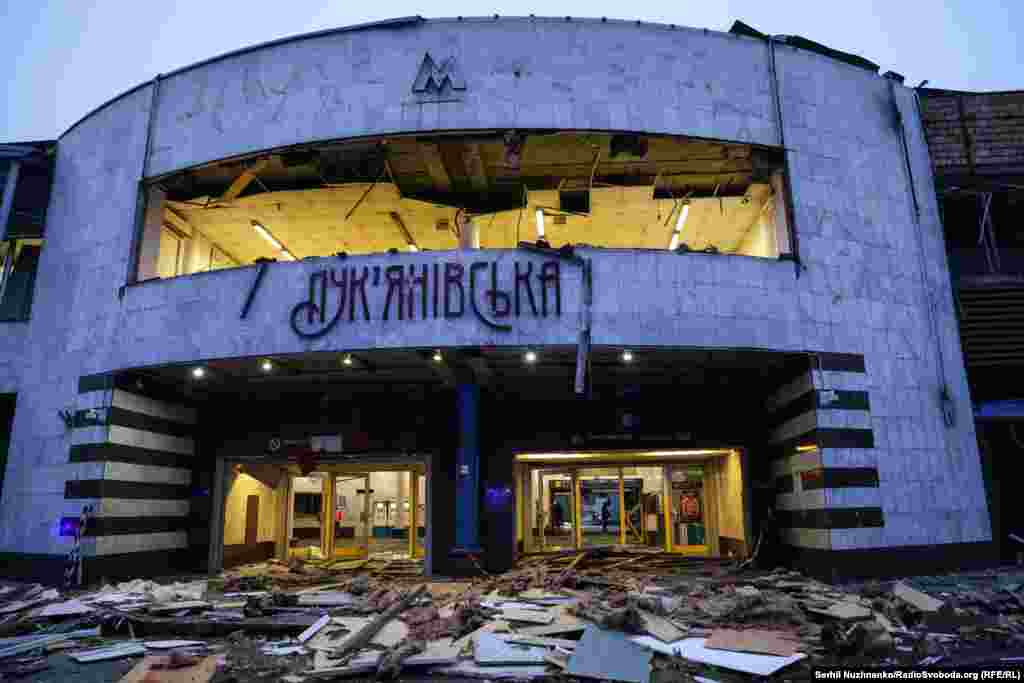
34/36The entrance to Kyiv's Lukyanivska subway station damaged by a Russian attack on January 18, 2025.
Photojournalist Serhiy Nuzhnenko of RFE/RL's Ukrainian Service has spent three years intensively covering the war in his country. We selected 36 of his most powerful pictures of the conflict.
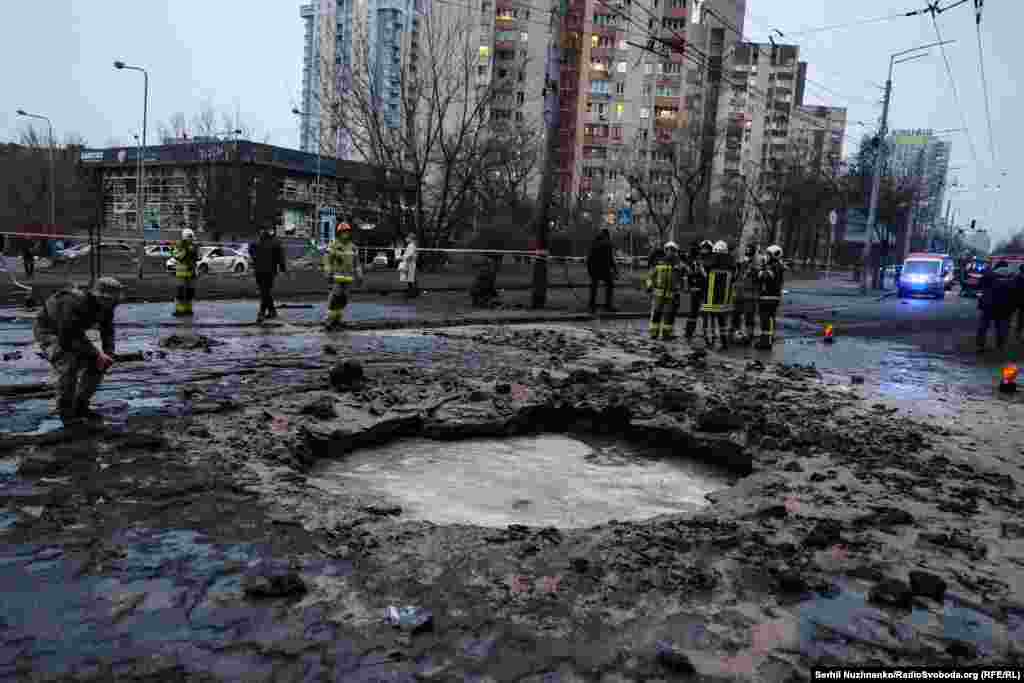
35/36A crater at the site of the Russian attack near the Lukyanivska subway station in Kyiv on January 18, 2025.
Photojournalist Serhiy Nuzhnenko of RFE/RL's Ukrainian Service has spent three years intensively covering the war in his country. We selected 36 of his most powerful pictures of the conflict.
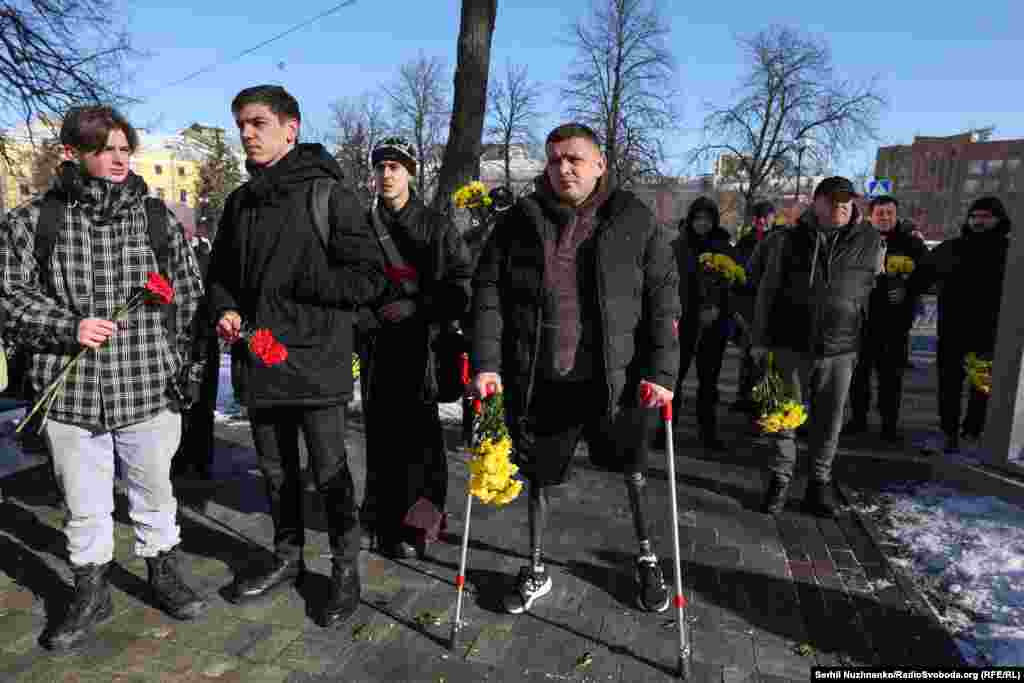
36/36People gather to commemorate Ukraine's 2014 Euromaidan protests in Kyiv on February 20, 2025.
The protests in 2013-14 helped push Moscow-friendly President Vitkor Yanukovych from power. Russia responded by seizing Ukraine's Crimean Peninsula and fomenting unrest that led to conflict in the eastern Donbas region. Russia launched its full-scale invasion of the country in February 2022.
Photojournalist Serhiy Nuzhnenko of RFE/RL's Ukrainian Service has spent three years intensively covering the war in his country. We selected 36 of his most powerful pictures of the conflict.
Previous slide
Next slide
And just as its consequences play out differently around the world, they are also unfolding unevenly inside Russia, leaving some of its 144 million citizens largely untouched, others benefiting and still many more losing -- most notably their rights and their lives.
Regions Feel The Strain
Muscovites -- with the exception of the politically active or members of select minority groups like migrants and the LGBTQ community -- have indeed been largely spared the war’s worst impacts, such as conscription, as Viktoria noted.
In the regions -- places like Belgorod on the border with Ukraine and Buryatia, one of the poorest parts of Siberia -- the impact has been significant and wide-ranging, from a surge in jobs and salaries to innumerable deaths and injuries.
Men from the regions comprise the majority of Russian soldiers fighting in Ukraine and for them, participation in the war has been a lottery ticket with the prize for coming back alive being incredible financial remuneration by local standards.
Soldiers’ salaries are multiples higher than local wages, giving those who survive the opportunity to buy their first apartment, a better car, or afford their first overseas vacation. The significant role high salaries play in driving men in poor regions to volunteer to fight at the front is reflected in how they described their military service to Current Time as “work.”
The war has, in effect, been a large transfer of wealth from the government’s national wealth fund to the poorest regions in the form of troop wages, benefit payments, such as for war deaths and injuries, and orders for military weapons and equipment. Russia is boosting defense spending this year by a quarter to $150 billion. Many of Russia’s military factories are located in the regions.
“The war spending has created a consumer boom across the country, not just in Moscow. But that is not sustainable. As soon as a peace deal is done, that will stop and incomes will go down a lot,” Chris Weafer, founder of the research firm Macro-Advisory, told RFE/RL.
Body Bags And Coffins
But the war has also brought pain and suffering to Russia despite it largely being fought in Ukraine. The Kremlin has been tight-lipped about casualties, but former U.S. Defense Secretary Llyod Austin said in January that Russia had suffered more than 700,000 casualties to date in the war, putting enormous stress on the country’s historically underfunded health care system. Ethnic regions like Buryatia have borne the burden of war deaths.
The arrival of black body bags and coffins containing dead soldiers in small towns and villages around the country were a shocking sight at the start of the war. Now, three years in, the number of Russian soldiers killed in battle has soared into the tens of thousands, according to independent investigations by RFE/RL’s Idel.Realities, the BBC, and other news outlets, prompting the Kremlin to make the death total a state secret lest it spark social unrest. Hiding the true extent of the country’s losses, however, has not prevented Russians from becoming desensitized to the news of another neighbor’s death.
"Initially, every death was discussed, and we attended funerals And now I don't even know who was the last one to die, or if they died at all, or how many of them,” a 40-year-old teacher in Ulan-Ude said.
The war has brought destruction to some Russian regions and diverted funding from education and other services. Belgorod is regularly the target of shelling while parts of neighboring Kursk have been seized by Ukraine, bringing the war home to at least a small portion of Russia’s population. Energy and military facilities in Russia’s most western regions -- from St. Petersburg to Krasnodar -- are also regularly struck.
Repressive State
With the launch of his full-scale invasion of Ukraine in 2022, Putin accelerated the crackdown on freedom of expression, association, and privacy -- with liberals, LGBTQ individuals, migrants, and women experiencing the worst of the repression.
People expressing opposition to the war have been routinely rounded up on extremism charges and sentenced to long prison terms. LGBTQ organizations have been outlawed and gay bars shut. Meanwhile, migrants from Central Asia have been coerced into fighting and others deported.
Russia’s opposition movement has crumbled as leaders have been jailed, killed, and chased out of the country, while their followers have either fled abroad for safety or halted their public criticism amid fear of arrest.
Putin has also ramped up patriotic indoctrination at all levels of society, especially in schools, where pupils are taught to “love the motherland” and encouraged to serve the country.
The potent mix of war, indoctrination, and repression have divided society, with Russians frequently snitching on neighbors who dare to criticize the war in personal settings, such as at a doctor’s office.
Meanwhile, as the war worsens Russia’s already dreadful demographic situation, the government is throttling back access to abortion and stepping up incentives for women to have more babies.
Following the Kremlin’s signaling on the issue, more than a dozen Russian regions have passed laws banning "coercion to abortion" in recent months.
East In, West Out
Russia’s all-out invasion of Ukraine has also broken decades-old trade ties to the West. U.S. and European firms -- including manufacturers and retail chains – have pulled out of the country. Domestic and Asian companies have taken their place.
“If you walk around the streets, you notice that a lot of the familiar Western brand names and shops are not there. There are a lot of either Russian companies selling similar products or Asian products,” Weafer said. “And you definitely see a lot more Chinese cars on the roads.”
The European tourists that flocked to Moscow and St. Petersburg during the high summer months have been replaced by Arab and to a lesser extent Chinese visitors, he said, as Russian airlines, banned in Western countries, develop new and more routes in the Middle East and Asia.

The war has forced Russia to reorientate its economy toward Asia, China in particular, after the West curtailed or halted energy imports and cut the country off from its financial markets.
Even if diplomatic and business relations with the West are fully restored following a peace deal, trade and other ties with Russia are unlikely to revert back to their prior state, according to Weafer.
“Russians won’t necessarily go back to the old habits of buying Western goods or traveling mainly to the West, because they have gotten used to the new brands and destinations,” he said.

RFE/RL's Russian Service is a multi-platform alternative to Russian state-controlled media, providing audiences in the Russian Federation with informed and accurate news, analysis, and opinion.
Todd Prince is a senior correspondent for RFE/RL based in Washington, D.C. He lived in Russia from 1999 to 2016, working as a reporter for Bloomberg News and an investment adviser for Merrill Lynch. He has traveled extensively around Russia, Ukraine, and Central Asia.