





We know that rferl.org isn't the only website you read, and it's possible that you may have missed some of our most interesting journalism from the past week. To make sure you're up-to-date, here are some of the highlights produced by RFE/RL's team of correspondents, multimedia editors, and visual journalists over the past seven days.
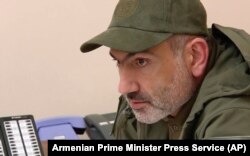
As Karabakh War Rages, Armenian Leader Treads Delicately In Relations With Kremlin
Fighting over Nagorno-Karabakh has complicated Armenian Prime Minister Nikol Pashinian’s relations with the Kremlin, as it has created new geopolitical opportunities and challenges for Russia in the South Caucasus. By Ron Synovitz
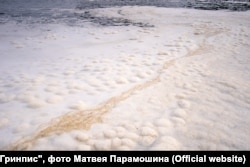
With Fish Dying And Talk Of Rocket Fuel In The Water, Residents Of Russia's Kamchatka Want Answers
Some experts fear that toxic rocket fuel could be behind Russia's latest ecological disaster, a mysterious event that has sickened people and left hundreds of marine carcasses strewn on the coast of the Kamchatka Peninsula. By Matthew Luxmoore
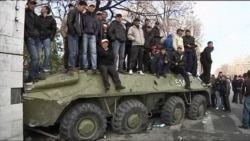

Upheaval In Kyrgyzstan Follows Two Revolutions This Century
The political turmoil in Kyrgyzstan follows a period of relative calm in the country's post-Soviet history, which is marked by revolutions in 2010 and 2005. By Ray Furlong
What Happened To Russia's Amber Room?


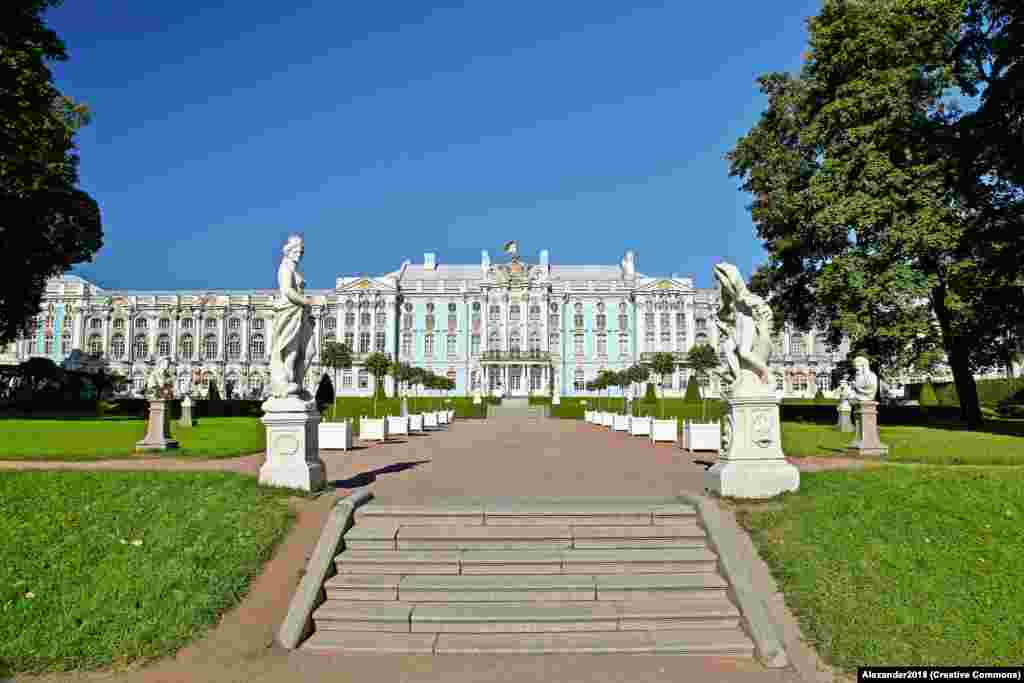

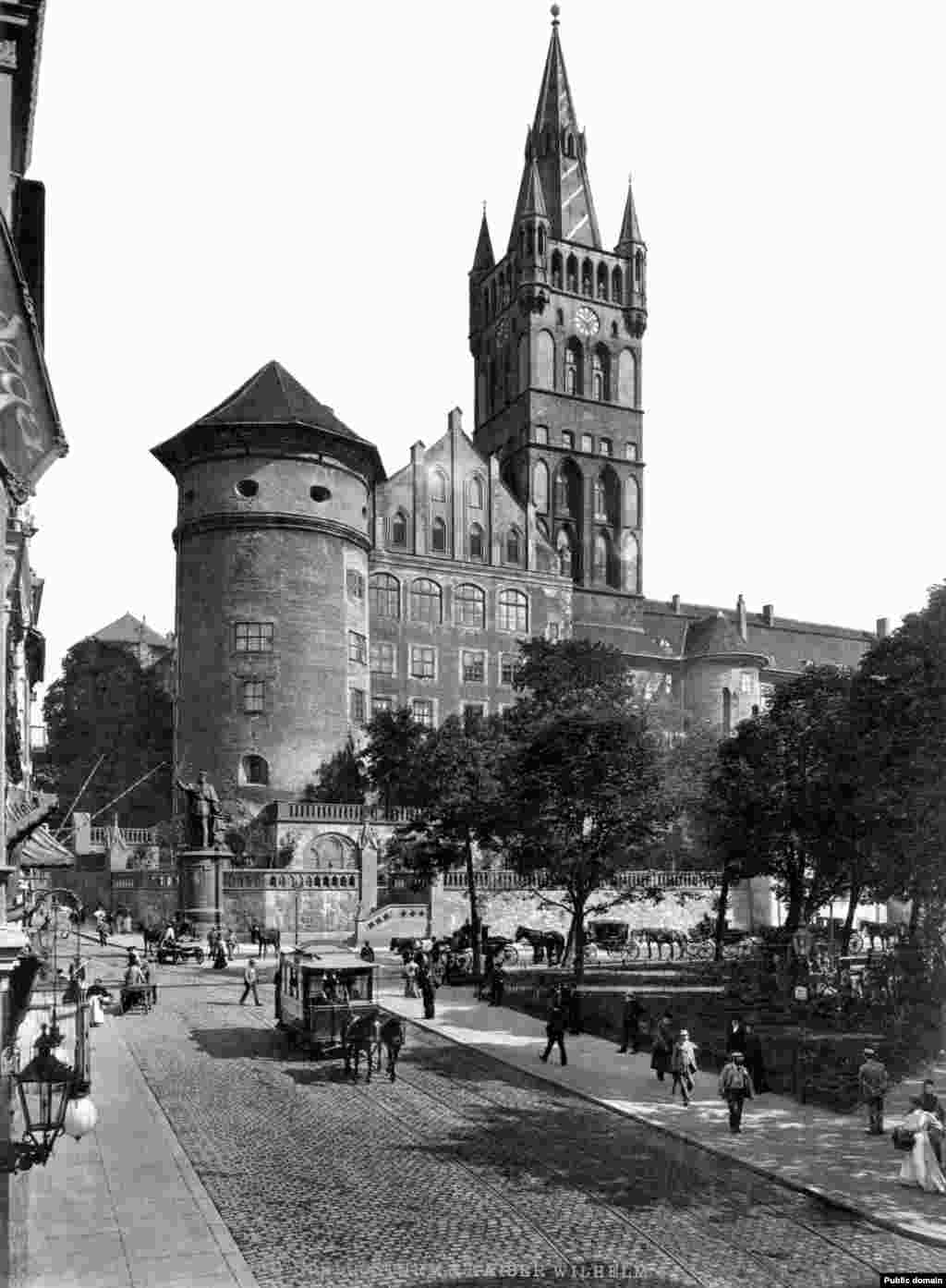
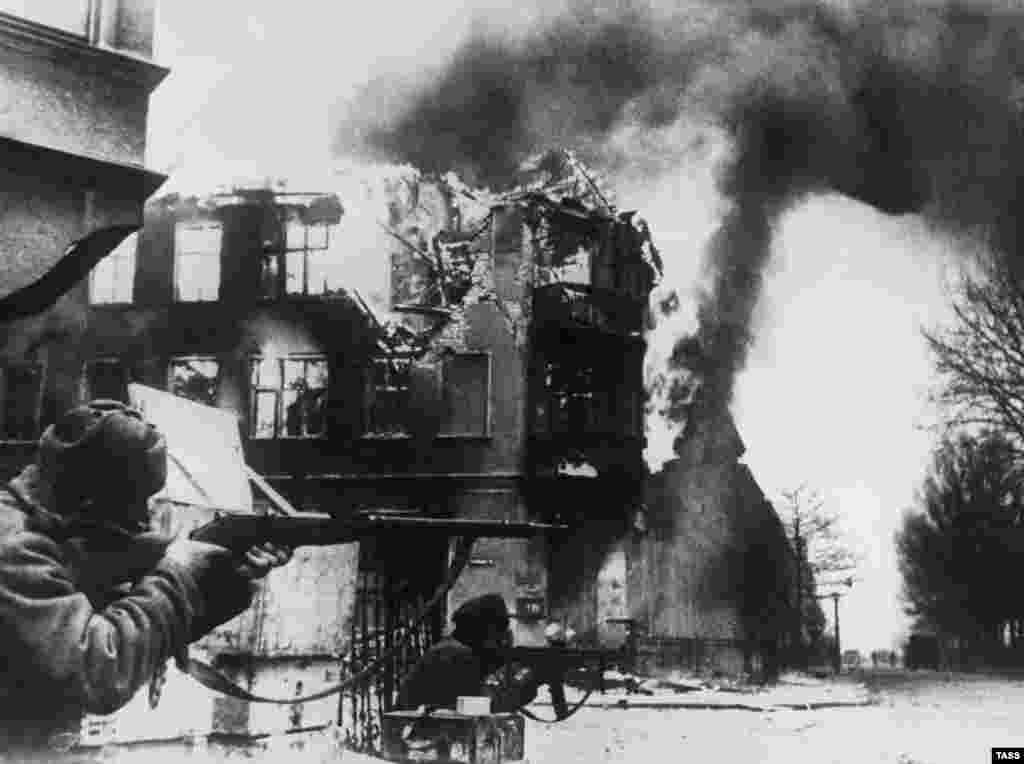
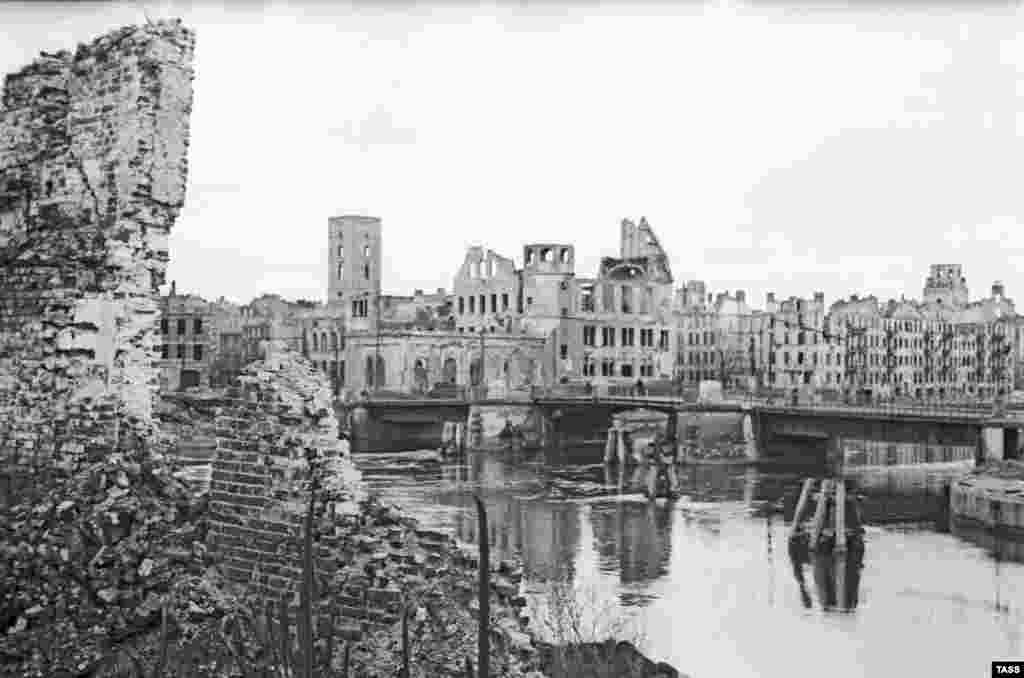

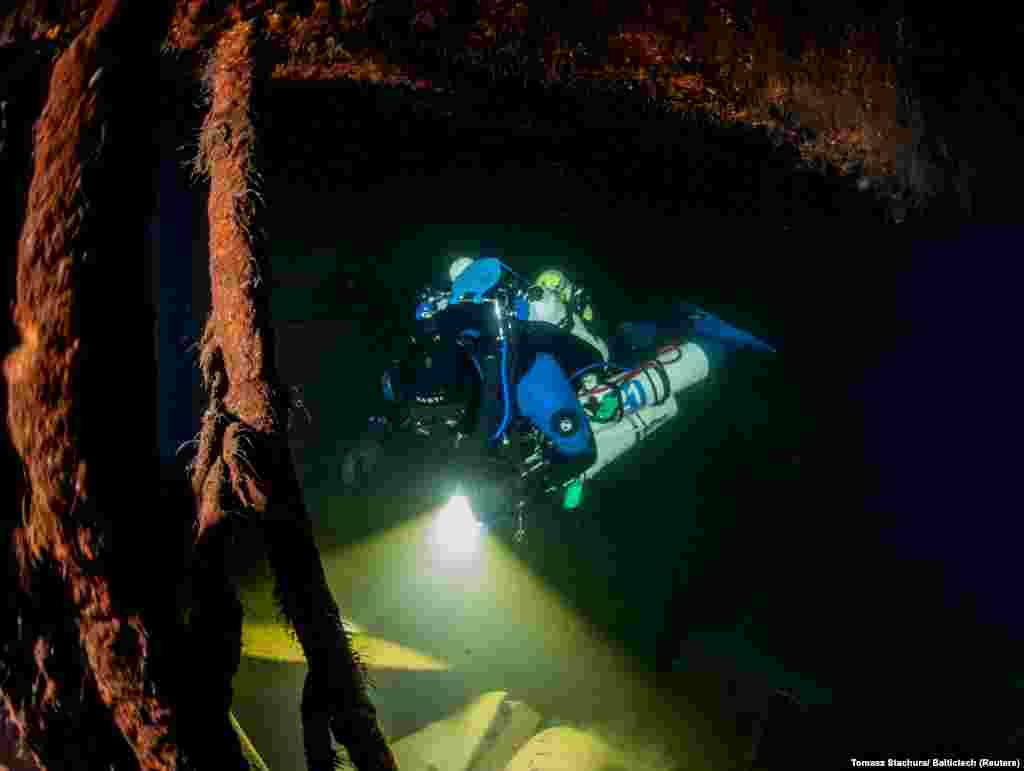

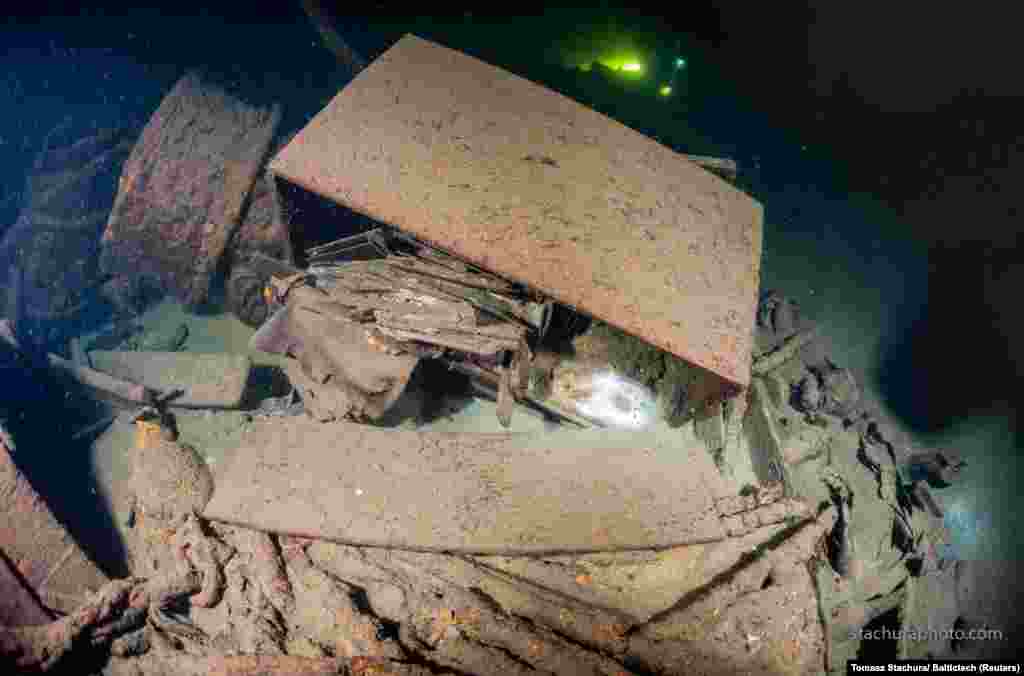
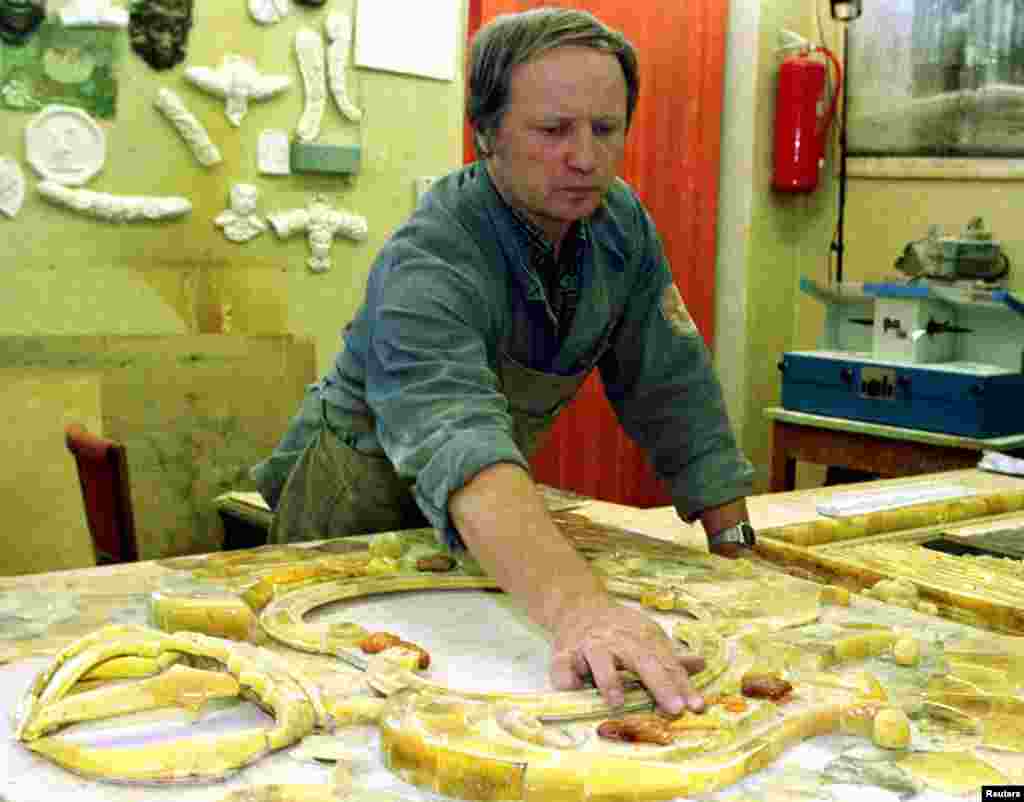


What Happened To Russia's Amber Room?
Polish divers have discovered a shipwreck that media reports suggest may hold the remains of the storied, tsarist-era Amber Room. The priceless treasure mysteriously disappeared after being looted by Nazi forces during World War II. By RFE/RL
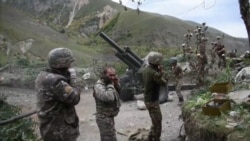
Explosions Rock Cities As Armenia-Azerbaijan Fighting Escalates
Cities on both sides of the conflict between Armenian and Azerbaijani forces have been by hit by sustained rocket and artillery fire, marking an escalation in fighting that was already some of the heaviest since a truce in 1994. By Ray Furlong, RFE/RL's Armenian Service, and RFE/RL's Azerbaijani Service

Belarusian Protests Spill Off The Streets, Into The Sports Arena
In the wake of the jailing of one of Belarus's biggest basketball stars for attending a protest, athletes across the country have expressed solidarity and called for boycotts of competition. In the case of the handball club Vitsyaz, the refusal to compete earned it banishment from its practice facilities and national competition. By RFE/RL's Belarus Service

'Mockery Of Justice': Wife Of Detained Belarusian Blogger Demands His Release
The wife of a popular Belarusian blogger held by the authorities for over 100 days in pretrial detention has demanded his immediate release. RFE/RL social-media consultant and blogger Ihar Losik was arrested on June 25 and accused by authorities of using his popular Telegram channel to "prepare to disrupt public order" ahead of the disputed August 9 presidential election. His wife, Daria, claims Losik is being held in "deliberately inhumane conditions" and is being pressured to admit to crimes he did not commit. By RFE/RL's Belarus Service and Current Time

Serbian Officials Double Down On Ethnic Insult, Stoking Tensions With Albanians
Two of Belgrade's most powerful ministers have poured gasoline on smoldering ethnic tensions by repeatedly hurling epithets at ethnic Albanians and disrespecting war victims. By Bekim Bislimi, Ljudmila Cvetkovic, and Andy Heil
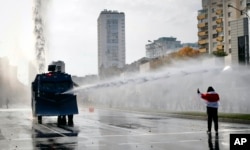
Belarusians Ponder Slow Course Of Change After Seeing Quick Results In Kyrgyzstan
Belarusian protesters got a glimpse of how to bring about immediate change when they saw their Kyrgyz counterparts' rapid success in getting disputed election results overturned. But while some may envy that achievement, others found stark differences between the situation in the two countries and calling for a continuation on the path of nonviolent resistance. By Michael Scollon

