




Hopes that shipping would resume through the Strait of Hormuz proved short-lived on April 18, as Iranian forces attacked at least three civilian ships after Tehran announced it was reversing its decision to reopen the vital waterway.
United Kingdom Maritime Trade Operations (UKMTO), a shipping security monitor, detailed three attacks -- the first such incidents since a cease-fire began on April 8.
In the first incident, two Islamic Revolutionary Guards Corps (IRGC) gunboats fired on a tanker without warning, UKMTO said.
Later, it said a container ship was "hit by a projectile," while there was a near miss with an attack on a third vessel.
Two of the ships were Indian-flagged, prompting India to summon the Iranian ambassador in protest.
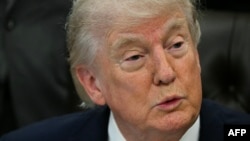
Speaking in Washington, US President Donald Trump said "They got a little cute...They wanted to close up the strait again, you know, as they've been doing for years. And they can't blackmail us."
But Trump also said there were "good conversations going on" with Iran and that "we'll have some information by the end of the day."
Earlier, shipping tracking data had showed several vessels passing through the strait. But many of them turned back as news of Iran's decision and the IRGC attacks filtered through.
Maritime intelligence company Windward noted in a social media post that 13 vessels had made "abrupt U-turns, illustrating the volatility of the situation."
The dramatic events followed a mood of optimism the previous day, when global oil prices had plunged following the initial reopening announcement.

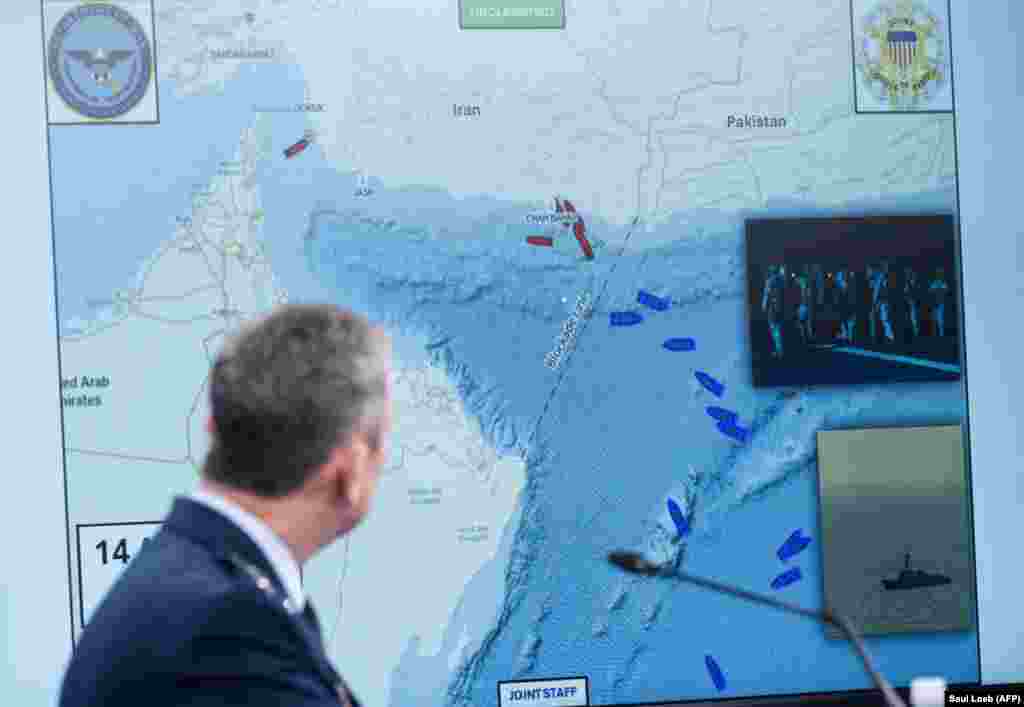
But the optimism dissolved as Iranian state media announced that the decision to open the strait had now been reversed, in response to Trump's decision to keep his country's naval blockade of Iran in place.
“As long as the passage of vessels from Iranian origin [or] to Iranian destination remains under threat, the status of the Strait of Hormuz will remain in its previous state,” said a statement by the IRGC command.
After the civilian vessels were fired upon, the IRGC naval forces late on April 18 issued a statement saying that "ships of any kind" approaching the strait "will be targeted."
Roadblock To Peace
The status of the strait is a key area of dispute between Washington and Tehran.
Prior to the war, it was the conduit for 20 percent of global oil and liquefied natural gas (LNG) shipments. It has been effectively closed to traffic since US and Israeli air strikes on Iran on February 28.
Iran's moves to shut it down sent oil prices skyrocketing and shook the global economy.
Reopening the strait is a key US demand in peace talks, and Iran's announcement on April 17, indicating that shipping could resume, appeared to suggest diplomatic momentum was building.
It followed a cease-fire coming into effect in Lebanon, which had been an Iranian demand.
Later on April 17, Trump said there were now no "significant differences" between Washington and Tehran and that talks would continue over the weekend.
“We'll see how it all turns out, but it should be good, some very good discussions,” he said. "A lot of good things are happening.”
But that high-water mark of optimism was followed by a series of negative signals.
In a blistering social media post, Iranian Parliament speaker Mohammad Baqer Qalibaf accused Trump of telling "lies" and said that "with the continuation of [the US] blockade, the Strait of Hormuz will not remain open."
This threat was carried out hours later, shortly after it was announced that the key Pakistani mediator, army chief Field Marshal Asim Munir, has left Tehran after three days of talks.
Where this now leaves the prospects of direct talks resuming following the failed US-Iranian negotiations in Islamabad on April 11 is unclear.
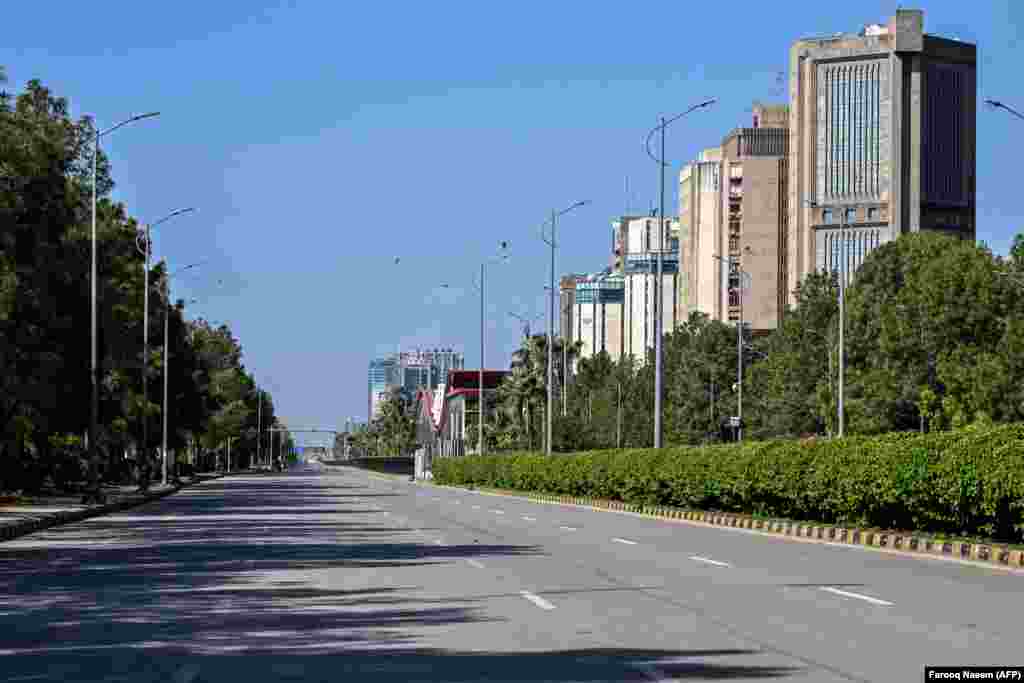
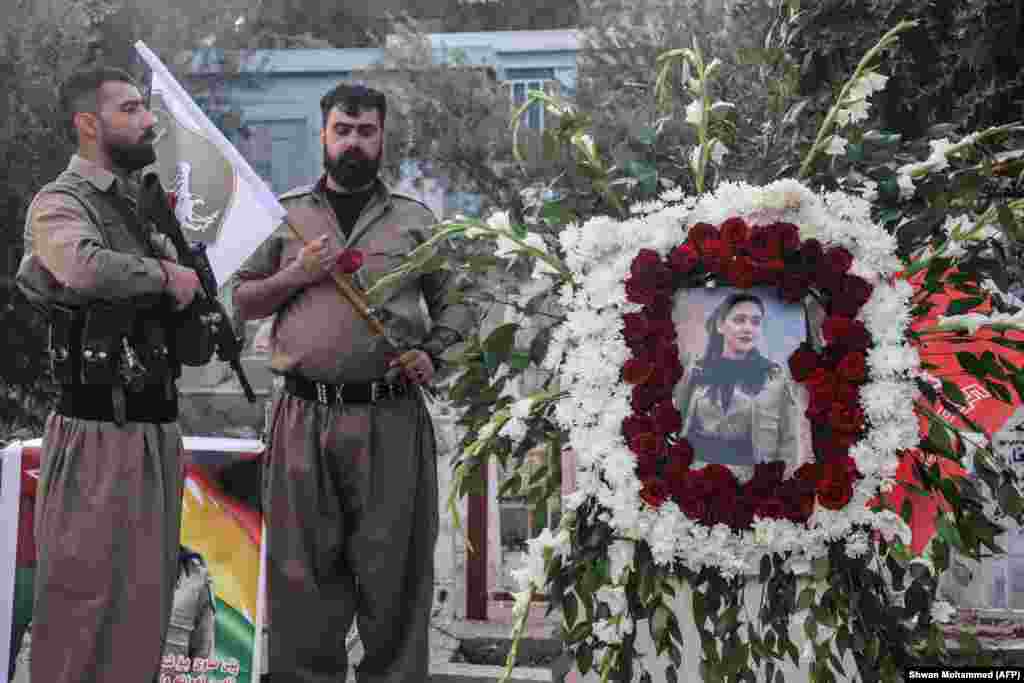
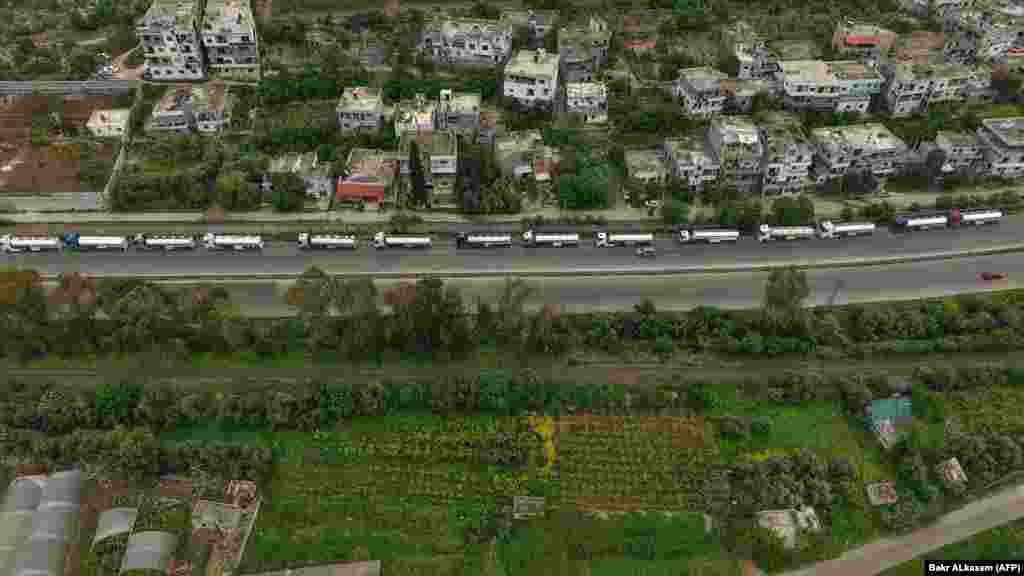
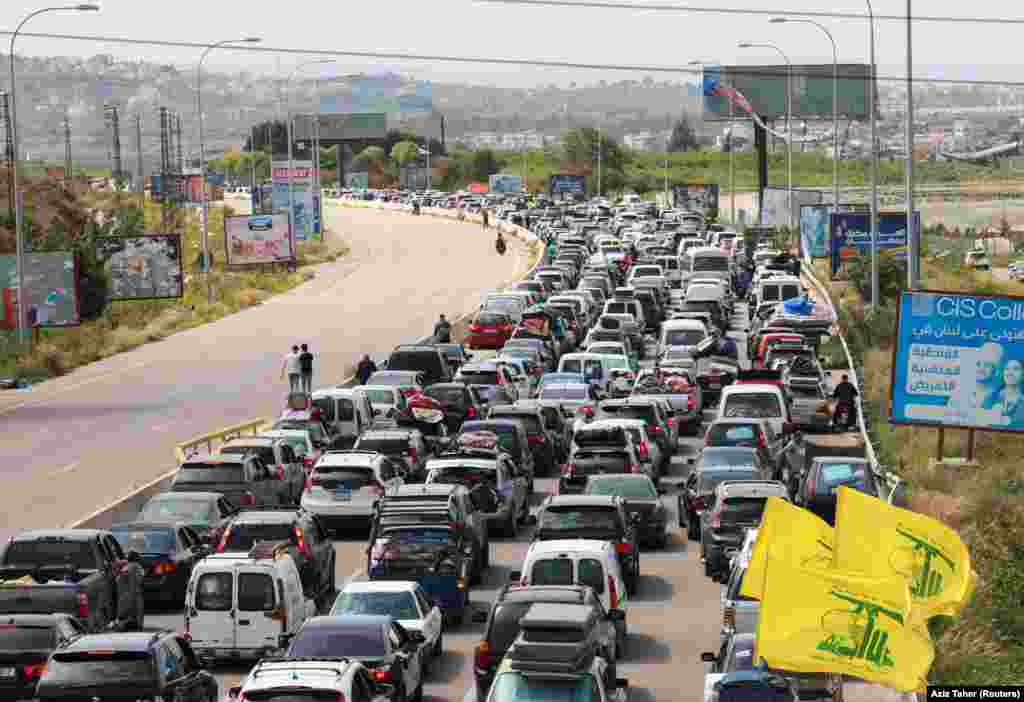
In Photos: Week Seven Of The Iran War




Fate Of Enriched Uranium
There is also ongoing uncertainty about another key stumbling block in the talks -- the fate of some 450 kilograms of highly enriched uranium held by Iran.
The US president on April 17 repeated his suggestion that Tehran has agreed to give this up.
Some confusion remained over precisely what material Trump was referring to. Tehran denied it had agreed to give up its supply, saying, "Iran's enriched uranium is not going to be transferred anywhere."
"Transfer of Iran's enriched uranium to the US has never been raised in negotiations," said Iranian Foreign Ministry spokesman Esmail Baqaei.
Reuters cited Trump as referring to "nuclear dust" and said it would be retrieved "very soon."
The report added that Trump's mention of “nuclear dust” was a reference to what he believes remains after the US and Israel bombed Iran's nuclear installations" in June 2025, although Trump has occasionally referred to enriched uranium as "nuclear dust."
Later, speaking to reporters in Phoenix, Trump also referred to "nuclear dust."
"Somebody said, how are we going to get the nuclear dust? We're going to get it by going in with Iran, with lots of excavators," Trump said. "But we're going to go in together with Iran. We're going to get it. We're going to take it back home to the USA very soon."
He added that no money would be changing hands in a deal with Iran. Some media reports had suggested that the US would release frozen Iranian assets in exchange for the right to take control of Tehran's enriched uranium.

