



The OSCE responds to a report by Andrew Kramer in The New York Times that suggested the organization's observers in eastern Ukraine were only out monitoring during "banking hours", thereby missing most of the hostilities, which usually occur at night:
A new item from our news desk:
Google Maps Reverts To Soviet-Era Place Names In Crimea
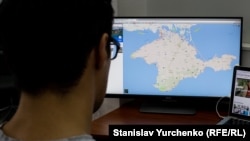
U.S. tech giant Google has reinstated existing Soviet-era place names on online maps of Russia-annexed Crimea after it angered Moscow by changing them to correspond with names that Ukraine hopes to adopt in future under its "decommunization" law.
Google Maps had briefly changed about 900 Crimean place names, using names Ukraine plans to give to towns and streets under legislation passed in Kyiv last year banning Soviet symbols -- part of a campaign that Russia has called “Russophobic.”
However, under a resolution adopted by Ukraine's parliament in May, the new names do not take effect until Kyiv restores control over Crimea, which Russia took over in March 2014 after sending in troops and staging a referendum widely dismissed as illegitimate.
Google's press service in Moscow said in an e-mailed response that it has restored the existing names, and included links to Russian-language Google maps showing towns such as Sovyetsky (Soviet) and Krasnogvardeiskoye (Red Guard). It did not immediately explain its reasons.
The names appeared to have also been restored on the Ukrainian-language version of Google Maps. Under decommunization, Sovyetsky is to be renamed Ichkiy and Krasnogvardeiskoye is to be called Kurman.
Google's changes had been swiftly condemned by Russia, whose communications minister suggested that it was illegal. The head of the Russian-imposed government in Crimea, Sergei Aksyonov, accused Google of producing a "propaganda product rather than real maps."
Ties between Moscow and Kyiv have been severely damaged by Russia's seizure of Crimea and its separatists in a war in eastern Ukraine.
Many of the names that Ukraine hopes to give places in Crimea come from the language of the Crimean Tatars, an ethnic minority whose members were deported en masse by Soviet dictator Josef Stalin during World War II and activists say, have faced new repression from Russia since the annexation.