


And from Poland:
Poland's Parliament Declares Volyn Massacres ‘Genocide,' Ukraine Laments Move
By RFE/RL’s Ukrainian Service
Poland’s lower house of parliament, the Sejm, has voted to declare World War II-era killings committed by Ukrainian nationalists against Polish civilians “genocide” in a move that could provoke tensions between the two neighbors.
Kyiv, which rejects the genocide label for the crimes, reacted cautiously, with President Petro Poroshenko expressing "regret" over Warsaw's move.
Poroshenko cautioned that the resolution could be used against his country. Ukraine has been embroiled in a conflict with Russia-backed separatists that has claimed more than 9,400 lives since April 2014.
Poroshenko also called for reconciliation and forgiveness between the two nations.
The move by the right-wing-dominated Sejm reverses a 2013 decision led by liberal lawmakers that stopped short of calling the killings of tens of thousands Poles by Ukrainian nationalists a genocide.
“The victims of the crimes committed in the 1940s by Ukrainian nationalists were not duly commemorated, and the mass murder was not defined as genocide in accordance with the historical truth," reads the Sejm resolution, which was adopted by a 432-1 vote with one abstention.
Historians say that in 1943-44 members of the paramilitary Ukrainian Insurgent Army (UPA) massacred between 35,000-60,000 Polish civilians, including many children, women, and elderly in the Volyn region of what is now northwest Ukraine, known in Polish as Wolyn.
The UPA's main objective was said to have been to win Ukrainian independence by ousting Nazi and later Soviet occupiers and to clear Poles from territories that were historically Ukrainian land.
The killings provoked bloody reprisals by Polish partisans grouped in the anti-Nazi and anti-Soviet Home Army (AK). They killed an estimated 20,000 Ukrainians.
None of the massacres was officially acknowledged under communism, but they have remained a painful part of Poland’s national consciousness.
The Sejm resolution also recognizes Polish crimes, saying: "Nor can one dismiss or downplay acts of Polish revenge on Ukrainian villages, during which civilian populations also perished."
"I'm sorry to hear about the decision of the Polish Sejm. I know that many will seek to use it for political speculations,” Poroshenko wrote on Facebook.
“However, we must return to the commandments of [Pope] John Paul II -- forgive and ask for forgiveness. Only by joint steps can we achieve Christian reconciliation and unity. Only together can we clarify all the facts of the tragic pages of our common history."
Andriy Deshchytsia, Ukraine’s ambassador to Poland, also said he regrets that "preference was given to a unilateral assessment of political events, rather than professional or even international Ukrainian-Polish expert research and relevant legal conclusions about what happened."
Poland has been a strong backer of Ukraine’s independence and democracy, and has been a Western counterbalance to Russia’s influence.
Warsaw has also supported closer ties between the European Union and Kyiv.
Occasionally, controversies from their shared history have resurfaced between the two neighbors, who share a 500 kilometer border, though without a major impact on bilateral relations.
In 2013, the liberal government adopted a softer version of the resolution to maintain amicable relations with Ukraine, which was moving closer to the European Union.
The 2013 referred to the war-time mass-murders as "ethnic cleansing characterized by signs of genocide.”
But Jaroslaw Kaczynski, Poland's powerful leader of the governing right-wing Law and Justice Party (PiS), has long pushed for the killings to be labeled genocide.
Kaczynski holds no government post but is widely regarded as Poland’s real powerbroker.
The PiS gained won a clear victory in October’s parliamentary elections on an antimigrant populist platform, handing a heavy defeat to the liberal Civic Platform.
HIV: East Ukraine's Silent Crisis
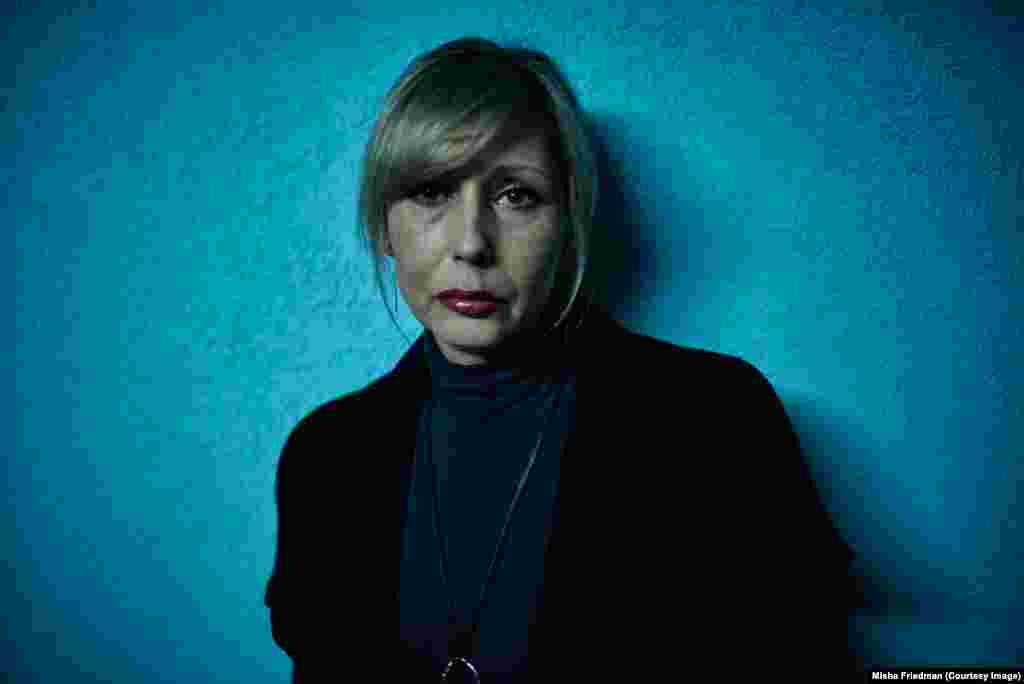


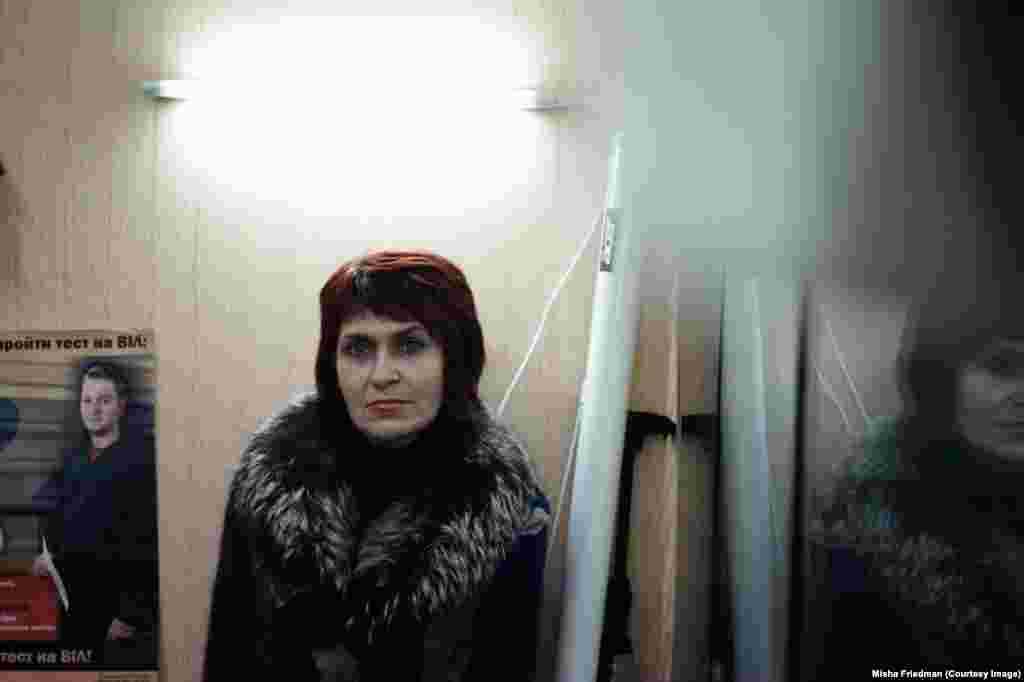


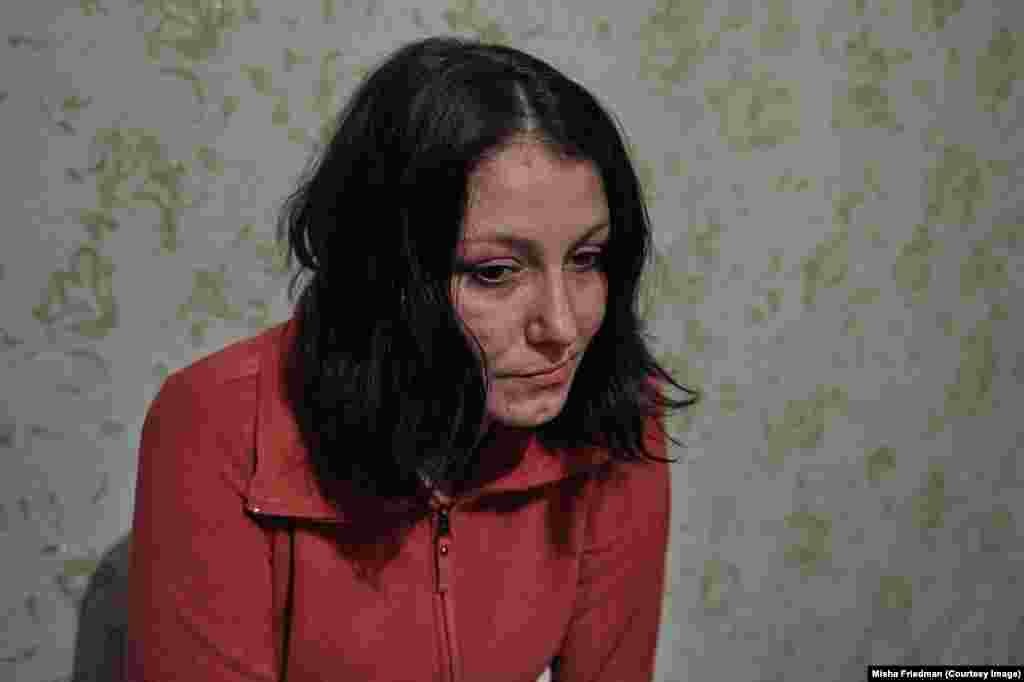


HIV: East Ukraine's Silent Crisis
As the conflict in eastern Ukraine grinds on, a hidden crisis that began long before the fighting is becoming increasingly severe. Ukraine has one of the highest rates of HIV/AIDS in Europe and, in the war-torn east of the country, the numbers are reportedly three times higher than in the rest of Ukraine. With Russia-backed separatists banning most international medical organizations and taking a harsh stance toward people living with HIV/AIDS, many who can, flee the region, becoming some of Ukraine's most vulnerable IDPs. Photographs by Misha Friedman. Reporting for this story was partially funded by the Pulitzer Center.
Sheremet's funeral will take place shortly:
A farewell ceremony honoring prominent Belarusian-born journalist Pavel Sheremet, who was killed in a car bombing in Kyiv on July 20, is taking place at Minsk’s Church of All Saints.
His funeral will take place at 1430 (1530 Prague time).
Sheremet, a journalist at news website Ukrayinska Pravda, was driving to a radio station to do a morning show when the bomb exploded.
His killing shook Ukraine’s media community and sent shock waves into Russia and Belarus.
The 44-year-old had previously worked in Russia and his native Belarus, where he faced pressure from the authorities for his reporting.
The Interior Ministry said the explosives were “skillfully” planted underneath the car and the blast may have been set off by a “remote-controlled or delayed-action” detonator.
On July 22 thousands of mourners took part in a solemn procession through Kyiv’s Ukrainian House including friends, colleagues, lawmakers, and government officials -- among them President Petro Poroshenko.
Barring any major developments, that ends the live blogging for today.
Good morning, it seems relatively quiet on the Ukraine front this morning, but here's a few things that caught our attention overnight: