




Hmm...
Good morning. To get the live blog rolling today, here are a few of the things that caught our eye overnight:
A Time magazine reporter speculates on how Russia might react to the resignation of U.S. national security adviser Michel Flynn:
And here's some background:
Meanwhile, in eastern Ukraine...
And then there's this tweet from RFE/RL's correspondent in Kyiv pointing you in the direction of a report by RFE/RL's Ukrainian Service
We are now closing the live blog for today, but we'll be back again tomorrow morning to follow all the latest developments. Until then, you can keep up with all our other Ukraine coverage here.
Here's an item from RFE/RL's Rikard Jozwiak in Brussels that is good news for those in Ukraine who want the country to move closer to the EU:
European Parliament Paves Way For Visa-Free Travel For Georgians, Ukrainians
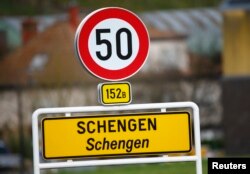
BRUSSELS -- The European Parliament is set to endorse new rules governing the suspension of visa-free regimes with countries outside the European Union, a key step toward visa-free travel for Georgians and Ukrainians to the Schengen zone.
EU lawmakers approved the visa-suspension mechanism in December, and an announcement of its final version was made on February 13 after the text was translated into all EU languages and vetted by legal experts.
Under the new set of rules, visa-waiver agreements with third countries may be suspended faster in certain cases, such as an upsurge in baseless asylum applications or imminent security threats posed by third-country nationals.
The measure paves the way for Georgia and Ukraine to be allowed visa-free travel to the Schengen Area within months.
The European Parliament overwhelmingly approved visa liberalization for Georgia in a February 3 vote, and this will be implemented now that the new visa-suspension mechanism has been endorsed. Diplomats say visa liberalization for Georgia is expect to enter into force in late March.
The approval of the suspension mechanism also clears the way for further steps on visa liberalization for Ukraine, which diplomats say is expected to enter into force in June.
Georgia and Ukraine have long sought greater integration with Europe, largely as a bulwark against Russian influence, but have been frustrated in the past with the pace of EU moves to bring it closer.
Russian forces drove deep into Georgia in a five-day war in 2008, and Moscow supports the breakaway Georgian regions of Abkhazia and South Ossetia. Russia seized control of Ukraine's Crimean Peninsula in March 2014 and backs separatists in a war that has killed more than 9,750 people in eastern Ukraine since April 2014.
The 26 Schengen Area countries are Austria, Belgium, the Czech Republic, Denmark, Estonia, Finland, France, Germany, Greece, Hungary, Iceland, Italy, Latvia, Liechtenstein, Lithuania, Luxembourg, Malta, the Netherlands, Norway, Poland, Portugal, Slovakia, Slovenia, Spain, Sweden, and Switzerland.
Reporting by RFE/RL Brussels Correspondent Rikard Jozwiak
For those in need of a quick re-cap:
From a tweeter who's known for her strongly pro-Kyiv views: