




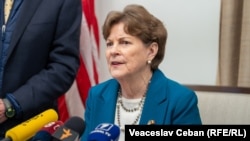
WASHINGTON -- With a sweeping Russia sanctions bill headed to President Donald Trump’s desk, US Senator Jeanne Shaheen told RFE/RL the legislation is intended to squeeze Moscow’s energy revenues and pressure countries buying Russian oil and gas.
She also discussed in an interview with RFE/RL on September 17 Ukraine’s urgent military needs, the prospects for diplomacy, Russian hybrid warfare, and security risks in the Balkans.
(This interview has been edited for length and clarity)
RFE/RL: Congress has just passed the Russia sanctions bill, the first major bipartisan congressional legislation supporting Ukraine since the emergency aid package approved in April 2024. What changes for Moscow now that the legislation is headed to President Trump’s desk?
Jeanne Shaheen: Well, hopefully, it sends an important message. It was a very strong bipartisan vote in both houses. In the Senate, it passed 86 to 11, and it passed with over 100 votes yesterday in the House with overwhelming bipartisan support. [Editor’s Note: The House passed the bill 262-159 on September 16.]
Both Democrats and Republicans supported it. What it would do is crack down not just on Russia's financial industry, the oligarchs, and those people around Vladimir Putin who are helping to make this war possible for Russia. It would also crack down on the revenue that's funding this war -- the oil and gas revenue.



It would tariff the top five countries that are using Russian oil and gas, and that's really China and India. They're the big users. And what we've heard from India is that if this bill passed, they were going to stop buying Russian oil and gas. [Editor’s note: The legislation authorizes tariffs of up to 100 percent on the top five purchasers of Russian oil or natural gas, subject to certain exceptions.]
So hopefully, it will send a strong message not just to Putin and Russia, but to China and those other purchasers of Russian oil and gas. It shuts down the shadow fleet [vessels used to evade restrictions on its oil trade].
But also, to Ukraine, we had a press conference yesterday where the leaders in both houses talked about the message to the Ukrainians. It is to tell them we appreciate their courage. They're fighting for democracy and freedom, and we're going to try and do everything we can to support them.
RFE/RL: How quickly could these sanctions begin putting measurable pressure on Russia’s war economy, and what will determine how fast they take effect?
Shaheen: Well, that depends on the administration. Now, the president is planning to sign this bill within the next day or so. Hopefully, as soon as it's signed, we'll see the Treasury Department begin to put those sanctions in place.
We worked very closely with the trade representative, Ambassador Jamieson Greer, on the legislation, so that they are engaged in it and they're looking at the countries and how to determine which of those countries are affected.
And so, we're very hopeful that we're going to see action by the administration as soon as the bill passes.
RFE/RL: Critics have questioned whether the sanctions will actually alter Moscow’s calculations. What specific indicators will you be watching in the weeks and months ahead to determine whether the measures are working?
Shaheen: Well, we're going to be watching the implementation very closely. And it's not just the sanctions piece that we think is important, but it's also, as I said, shutting down the revenues.
Russia gets over 50 percent of its revenue from selling oil and gas. And we know that Europe's already weaned itself off of Russian oil and is in the process of weaning itself off of Russian gas. But there are other countries in the world that have not done that.

Most notably, China. And so, China needs to get the message that if they want to continue to buy Russian gas, if they want to continue to help Russia fuel and pay for this unprovoked war that is killing civilians, that is horrific, and that Russia is losing about 35,000 Russian soldiers a month in casualties, then they're going to have to pay. And they're going to have to pay market value.
No more of this getting oil and gas on the black market through the shadow fleet, where they're not paying market prices.
RFE/RL: Ukraine is entering another difficult phase of the war. You are in regular contact with Ukrainian officials. What does Kyiv most urgently need from Washington right now?
Shaheen: Well, I think we need to do everything we can to provide those interceptors that are helping them defend against the Russian missiles.
That is a challenge because we are having difficulties with our defense industrial base, not just in the United States, but in our European allies. And I think we're trying to do everything we can to get those interceptors to the country.
We need to make sure that they've got Starlink connections so that they can track what's going on with Russian missiles. And we need to help them prepare for what's going to be another very cold winter.
And we need to think of every way we can to put pressure on Vladimir Putin to get him to the table to stop this war. His economy is teetering at this point.
RFE/RL: President Trump has talked about an energy truce between Russia and Ukraine. Under what conditions could a limited cease-fire become a pathway toward a broader settlement?
Shaheen: Well, I think it depends on how it's structured and whether Russia is really serious about coming to the table. So far, they haven't been.
Vladimir Putin has been stringing everyone along, stringing along the Trump administration and his envoys because he thinks he can wait us out.
Well, I think we saw a strong message from Congress in a bipartisan way yesterday that we are not going to let Putin and Russia wait us out. We are going to do everything we can to put pressure on them.
RFE/RL: Russia is increasingly using drones, cyberattacks, sabotage, and other tools beyond Ukraine. Where, in your view, does conventional warfare end and hybrid warfare begin?
Shaheen: Well, hybrid warfare has been going on for some time, and we're seeing an increase now.
The good news is that the Ukrainians are very innovative. They have stayed ahead of the Russian drone technology, and we need to do everything we can to support that.
It's not only in Ukraine's interest; it's in America's interest. What we've seen in the Middle East is that those drones have done significant damage to American assets in the Middle East.
We need to be as technologically advanced on drones and counter drones as we can be, and Ukraine can help us with that.
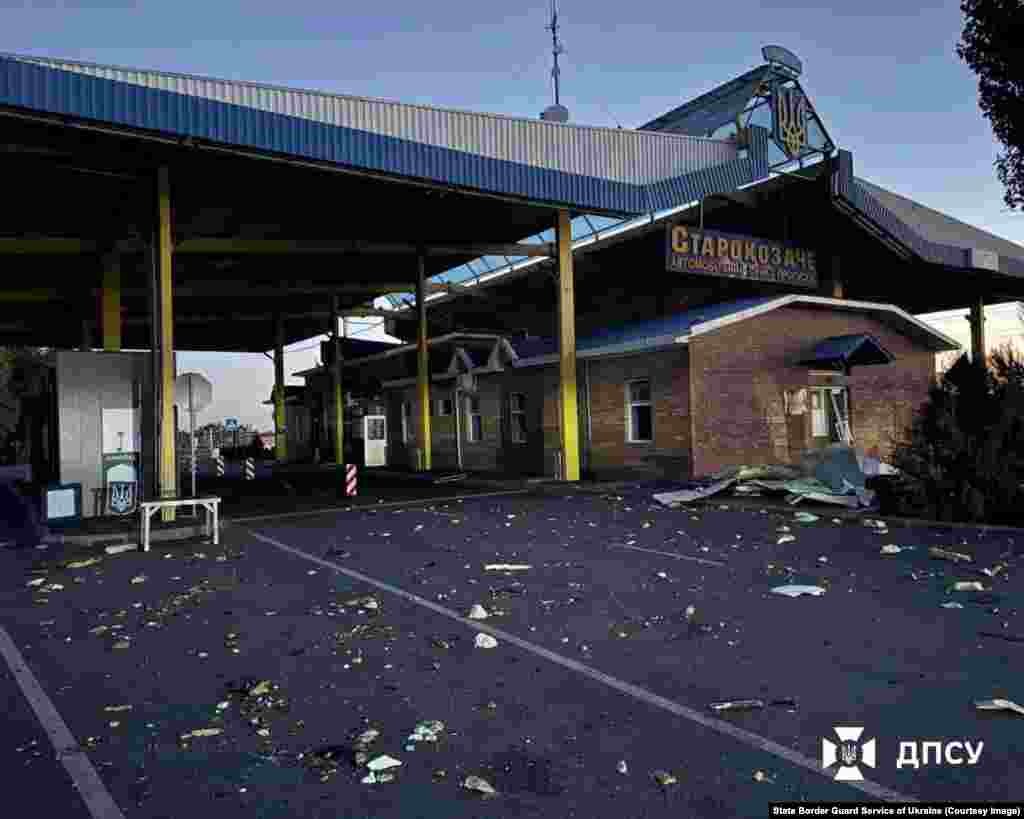
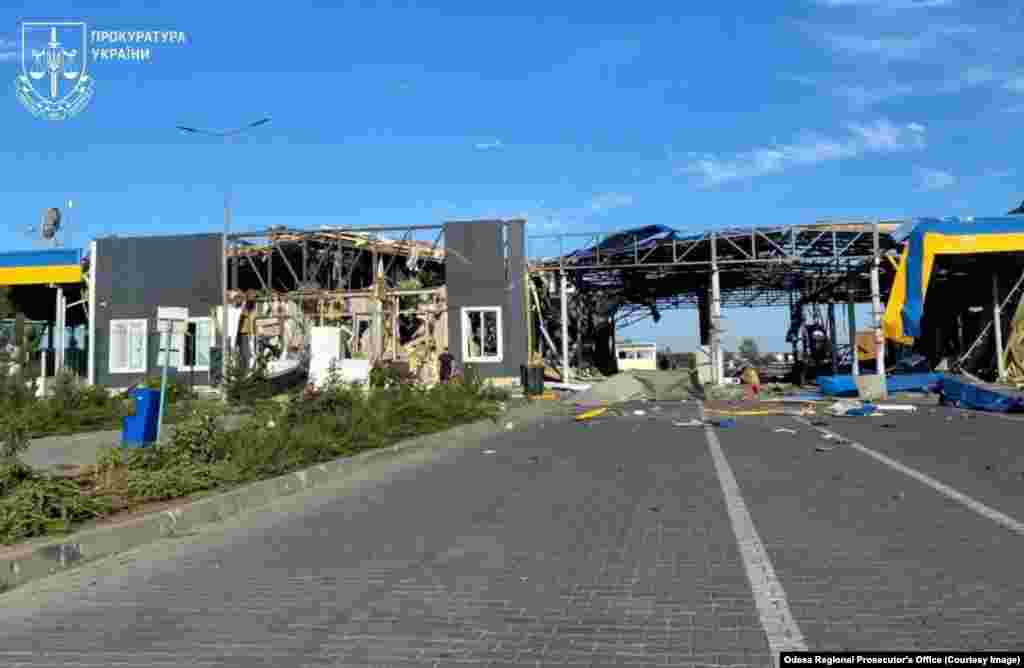
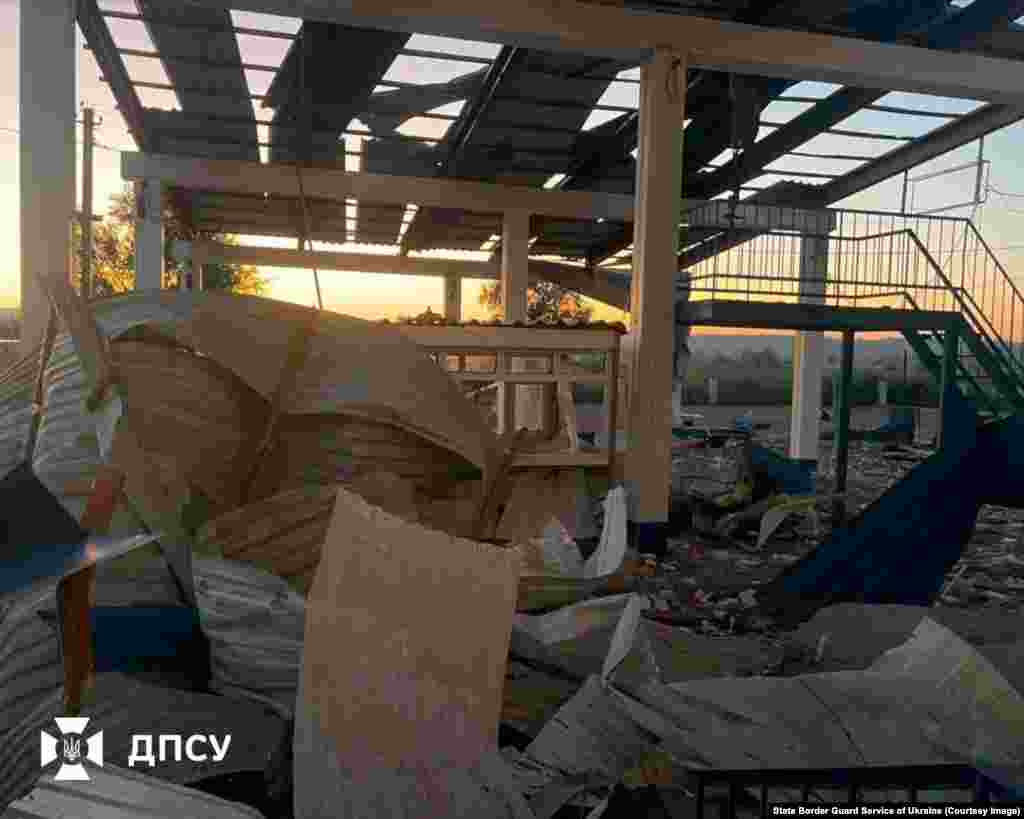
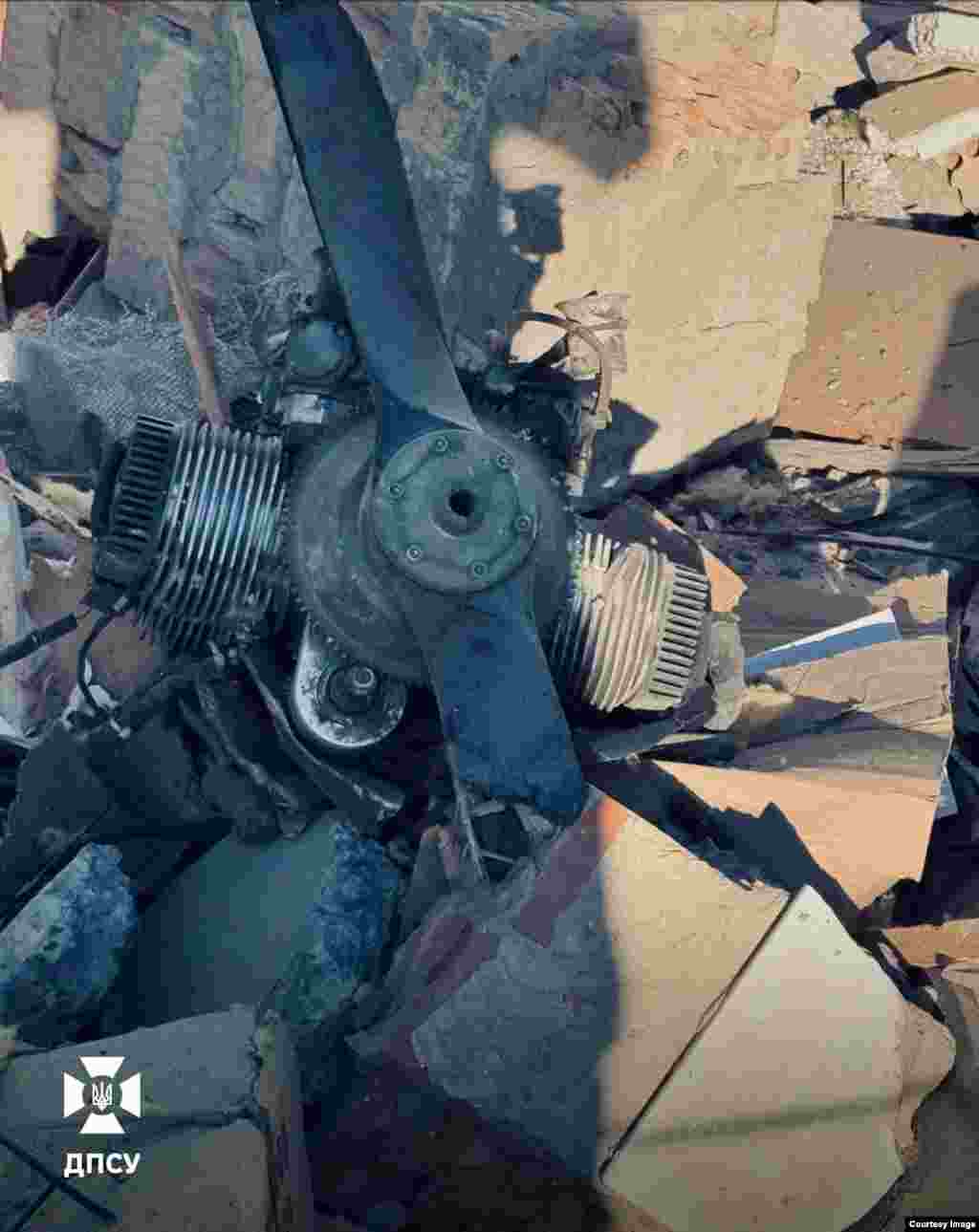
On NATO's Doorstep: The Checkpoints Being Targeted Along Ukraine's Borders
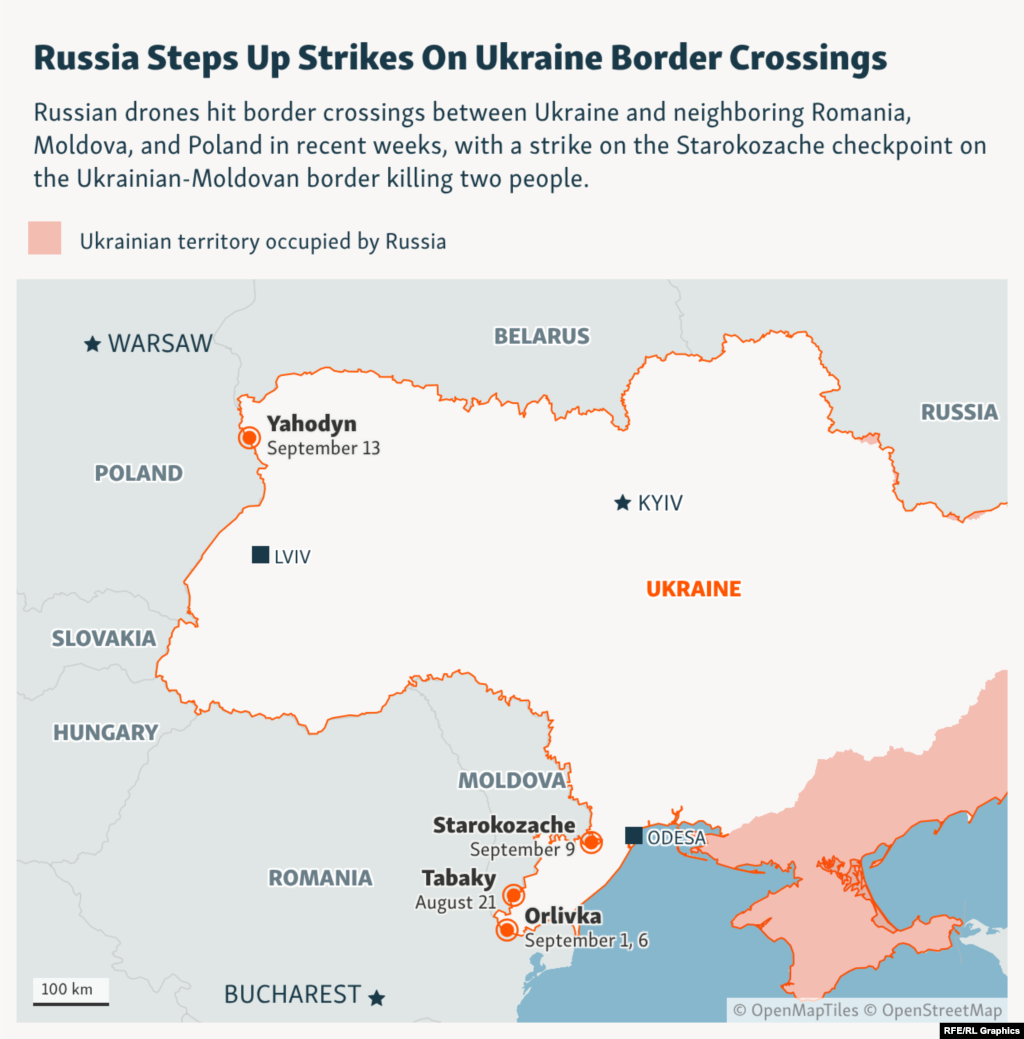
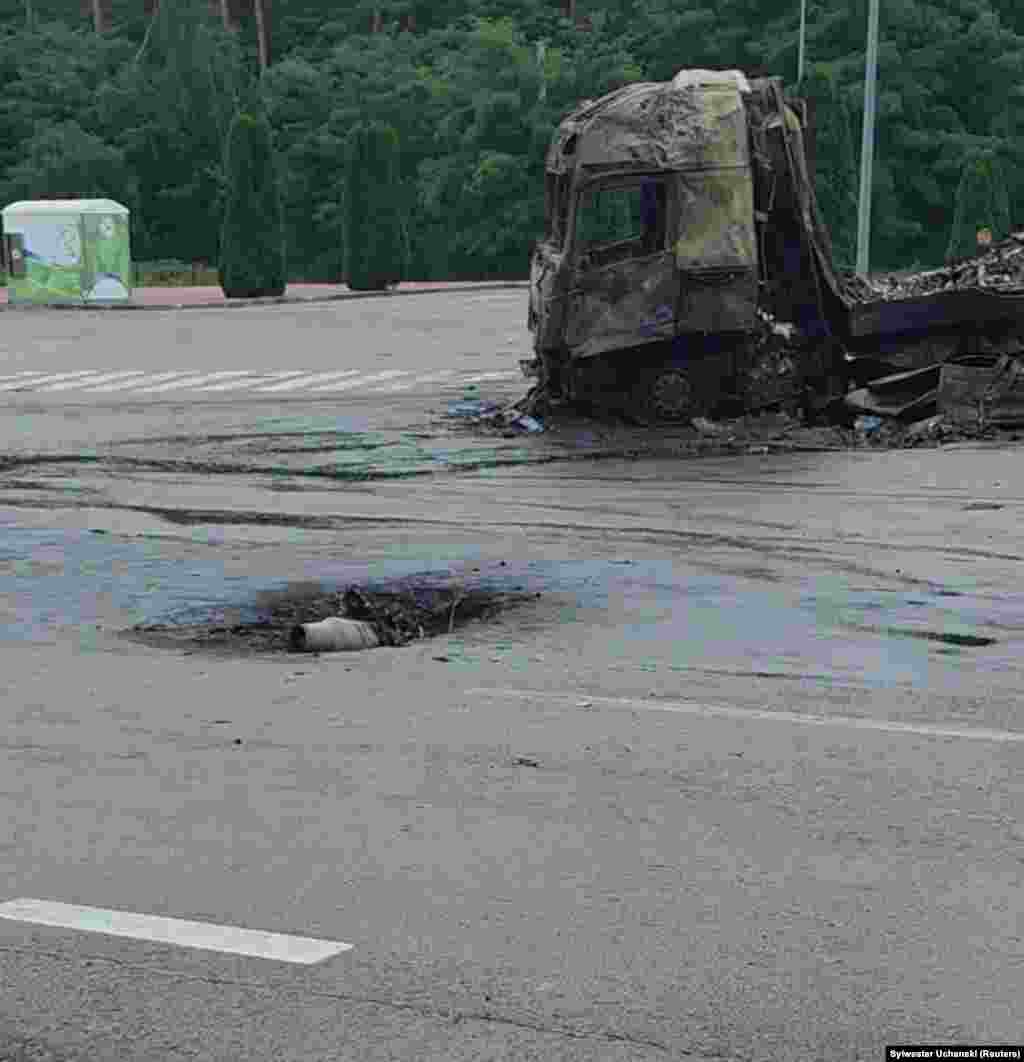
RFE/RL: You have specifically raised concerns about Russian activity along NATO’s eastern flank. What, in your assessment, is Moscow testing in the Baltics and in Poland?
Shaheen: Well, he's not just testing it in the Baltics. He's testing it in Poland….
We just had a hearing today in the Foreign Relations Committee, and one of the issues that came up was the fact that Serbia has served as a way station for the Russians when they did their attack in Leipzig. They then came back to Serbia. [Editor’s note: German authorities are investigating suspected Russian intelligence involvement in an August drone incident at Leipzig/Halle Airport. German media report that a suspect later traveled to Serbia.]
So, we need to make sure that we're attacking that hybrid warfare everywhere we can. And it's not only in America's interest, but it's in our European allies' interest.
RFE/RL: You have raised concerns about the potential for instability involving Kosovo, Serbia, and Bosnia-Herzegovina. What concerns you most today?
Shaheen: It is the affiliation that Serbia and Serbians in the Republic of Srpska have with Russia and their interest in destabilizing the region.
Russia sees that as a potential second front, and we need to do everything we can to maintain stability in the region. And we need to make it clear that our military is also watching very closely.
We have a NATO presence in Kosovo. We have EUFOR mission in Bosnia-Herzegovina. We need to make sure that the Russians know that they are on high alert, watching what happens.
RFE/RL: Turning to Russia itself, what role can the Russian opposition realistically play while the war continues and repression inside Russia remains intense?
Shaheen: Well, they've been very effective in pointing out what's going on in Russia and maintaining ties back to the country in ways that can help increase the dissidents who are on the ground in Russia and sharing information about what Vladimir Putin is doing in terms of cracking down on anybody who doesn't toe the line that he has.
They are revealing the implications for those casualties that are happening. And they're talking about the impact on the Russian economy from the sanctions that have been in place, not only in the United States but in Europe, and also the implications for this new legislation and what that's going to mean.
So they've been very critical to efforts to hold Putin accountable.
RFE/RL: From Ukraine to the Baltics and Poland to the Balkans, are these separate crises, or do you see them as interconnected elements of a broader challenge to European security?
Shaheen: Well, let's be clear. What's happening is all related, and we're seeing Russia collaborate with China, with Iran, with North Korea, not only in Ukraine but Iran.
We know that the Iranians are using targeting information from China and Russia to help them hit American assets.
It is unconscionable that we are not doing everything possible to go after Vladimir Putin, to go after China, to stop their attacks against American men and women who are serving in the Middle East and against our assets there.
That's costing American taxpayers money, and it's costing American lives, and it should not be allowed. And this administration needs to do more to shut that down.

