



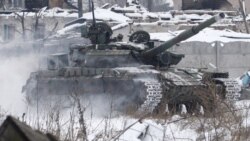

Reuters: #Ukraine lodges case with Stockholm tribunal over #Russia's gas transit http://t.co/KGQvYeZxKb
— Kyiv Post (@KyivPost) October 14, 2014
Цитата дня: "В кожній сім`ї є хоча б один автомат Калашникова" - Кучма http://t.co/3krrPzkGPS pic.twitter.com/XJJNQHmMBk
— Ukrinform (@UKRINFORM) October 14, 2014
Reports Russian forces in east Ukraine will attempt a decisive assault on airport in Donetsk, @Interpreter_Mag finds http://t.co/N1WBlJA3V3
— Conflict News (@rConflictNews) October 14, 2014
How the Russia-Ukraine dispute could mean a frigid winter for Europe. Data Dive: http://t.co/cJTmglcMbe pic.twitter.com/lkJ8GgOJNN
— Conflict News (@rConflictNews) October 14, 2014
FYI: "Ukrainian Insurgent Amy" was funded by Nazi Germany, mass murdered Jews and Poles. https://t.co/mXwXyRguec
— Yasha Levine (@yashalevine) October 14, 2014
Torch-lit march in Kharkiv w/ demands to recognize controversial 'Ukrainian Insurgent Army' @MaidanKharkiv pic.twitter.com/XA6IUD7KKt
— Conflict News (@rConflictNews) October 14, 2014
It seems Putin is still pretty popular in Serbia (from RFE/RL's Balkan Service)
Vladimir Putin is visiting Belgrade on October 16 to mark the 70th anniversary of the liberation of Belgrade by Soviet forces in 1944. The visit comes as Serbia resists pressure from Western countries to join international sanctions on Russia. Belgrade residents, watching rehearsals for a planned military parade, voiced support for Putin's presence at the celebrations.
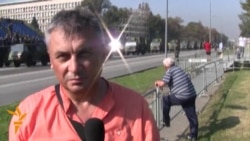

RFE/RL's Ukrainian Service has sent us this video of war-weary Ukrainian troops protesting in Kyiv:
Hundreds of Ukrainian National Guard conscripts protested in front of the presidential administration building in Kyiv on October 13 to demand their demobilization. As evening fell, they were confronted by injured war veterans telling them to continue the fight against pro-Russian separatists in eastern Ukraine. Despite a cease-fire that went into effect September 5, fighting has continued, particularly around the Donetsk airport.

This piece by Christopher Miller for Mashable on life in Donbas has deservedly been generating a lot of heat on social networks:
On city squares, entertainment is often provided by kids — one child poet, carrying a toy gun and wearing a camouflage bandana around her head, jumped on a stage recently, giving a live mic performance in which she damned the Ukrainian “Nazi morons."
On another day, a group of school children performed a play in which they depicted Ukrainians as Nazis while black-and-white footage of World War II fascists played on big screen behind them.
Propaganda like this is ubiquitous. The city resembles the pages of a certain George Orwell novel, with gunmen roaming the streets reminding people to “speak the truth,” and billboards portraying the current fight to that of the Second World War.
The message is working. Many here believe they are fighting a continuation of their grandfathers’ war against the fascists. Question firing squad executions, extrajudicial detentions or the parade of prisoners of war through Donetsk and you’re likely to be called a fascist yourself and thrown into the makeshift prison called “Isolation” — an art center before rebels seized it and turned it into a dungeon.
Against this surreal backdrop, the rebel leadership wants to project normalcy and give the impression that life is returning to routine. To ensure schools would open on Oct. 1, separatist leaders paid teachers one-time cash payments of about $231. They’ve also begun paying some pensions to retirees who have not received any payments since May.
But credibility has been tough to come by for the separatists.
But credibility has been tough to come by for the separatists.It’s unclear where the money doled out to the teachers and pensioners is coming from and, more importantly, how long it will last. And while Donetsk and Luhansk held referendums on independence in May, only the breakaway Georgian territory of South Ossetia has recognized the regions as self-ruling statelets.
Even supporters seem skeptical about the future of Donetsk.
“We wanted to leave Ukraine — that’s why we voted in the referendum,” says Maria Valeryevna, a 67-year-old pensioner who came to Lenin Square recently to protest the human cost of the conflict. “We wanted independence. But this," she says, referring to the thousands of lives lost, "is too high a price to pay."
Read the entire article here
Here is some more news from the Crimean Desk of RFE/RL's Ukrainian Service. Also, in case you missed it at the weekend, here is a link to Brian Whitmore's podcast on the current plight of the Crimean Tatars.):
The pro-Russia leadership in Crimea is urging Muslim residents of the annexed territory to get rid of "banned Islamic literature" by January 1, 2015.
The Moscow-backed leader of the region, Sergei Aksyonov, told reporters in Simferopol today that the authorities "will not confiscate for three months Islamic literature that was allowed by Ukrainian authorities and is banned by Russian legislation."
Aksyonov added that the list of Islamic literature banned by Russian law will be made public by local media.
Aksyonov initially said authorities would stop confiscating banned printed materials from Muslims at his meeting with Crimean Muslims on October 13.
Muslims in Crimea are mainly Crimean Tatars, the majority of whom opposed Russia's annexation of the peninsula in March.
Leading members of the Crimean Tatar community have been targeted by police for possessing so-called "banned Islamic books" in recent weeks.