Armenian Prime Minister Nikol Pashinian speaks during a cabinet meeting in Yerevan on December 22.
Armenian Prime Minister Nikol Pashinian has warned that the humanitarian situation in the breakaway region of Nagorno-Karabakh has become precarious as groups of protesters continue to block the Lachin Corridor.
The route is the only land connection across Azerbaijani territory between Armenia and the Nagorno-Karabakh region, and shops and businesses in Yerevan and Stepanakert are beginning to feel the effects after more than a week without deliveries.
"The situation is extremely tense as a result of the illegal blockade by Azerbaijan of the Lachin Corridor," Pahsinian said during a cabinet meeting on December 22., adding he had made a proposal to Azerbaijan to end the standoff.
Armenia has accused Azerbaijan of dispatching the protesters in an attempt to block Armenia's access to the region. Baku denies this.
Karabakh imports items such as cooking oil, dairy products, rice, and virtually all medicines. These and other imports ground to a halt on December 12 after the Azerbaijanis, posing as environmental activists, blocked the corridor, making ecology-related demands.
Inside Stepanakert As Azerbaijani Blockade Continues
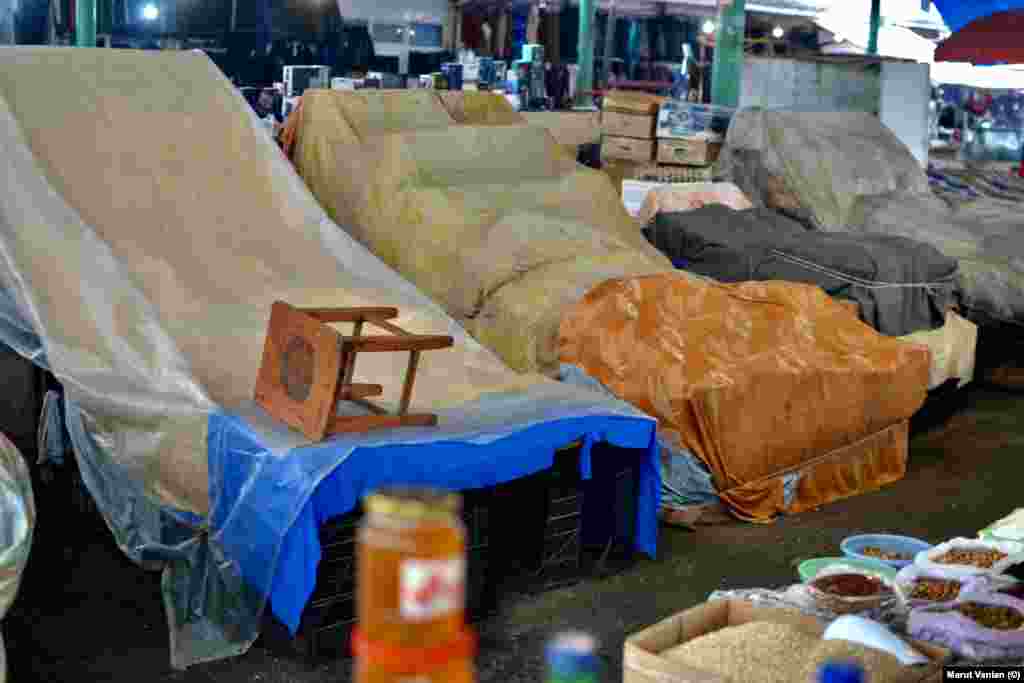
1/12This December 20 image shows stalls, which were recently piled high with fruit, now lying empty in the central market of Stepanakert, a city known as Xankendi in Azeri.
A local photojournalist details life inside Nagorno-Karabakh as provisions begin to run out and Azerbaijani "environmentalists" continue a blockade of the only supply road into the breakaway region.
Show moreShow less
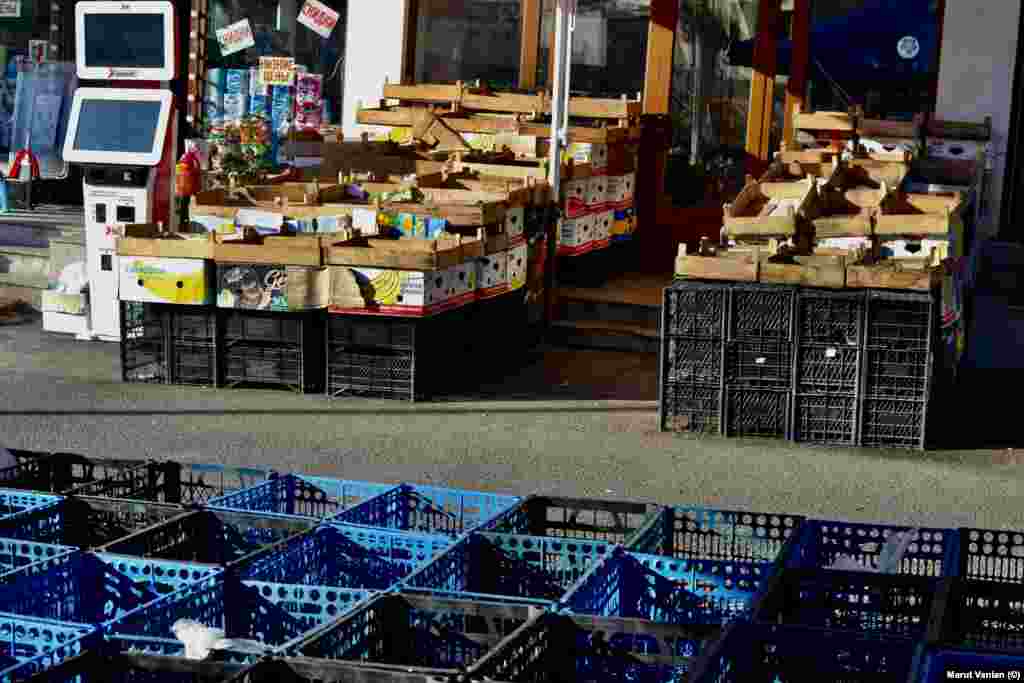
2/12Empty fruit and vegetable boxes outside a store on December 19.
Stepanakert is the largest city in Azerbaijan’s breakaway region of Nagorno-Karabakh. Approximately 100,000 ethnic Armenians are currently stuck in the territory, and vital supplies are unable to be imported due to Azerbaijani activists blocking the only road in from Armenia.
A local photojournalist details life inside Nagorno-Karabakh as provisions begin to run out and Azerbaijani "environmentalists" continue a blockade of the only supply road into the breakaway region.
Show moreShow less
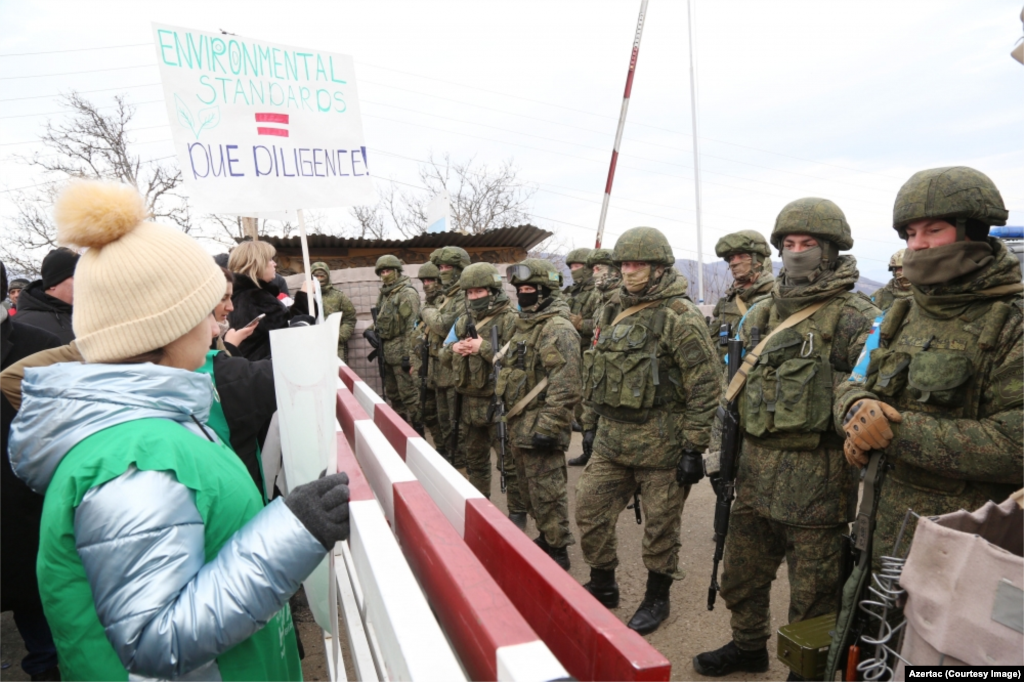
3/12Russian peacekeepers face Azerbaijanis blocking the highway connecting Nagorno-Karabakh to Armenia on December 13. (Photo by Azertac)
Spontaneous protests are routinely broken up within minutes by police in Azerbaijan, and many have accused Baku of staging the Lachin protest to put pressure on Yerevan and Karabakh Armenians.
A local photojournalist details life inside Nagorno-Karabakh as provisions begin to run out and Azerbaijani "environmentalists" continue a blockade of the only supply road into the breakaway region.
Show moreShow less
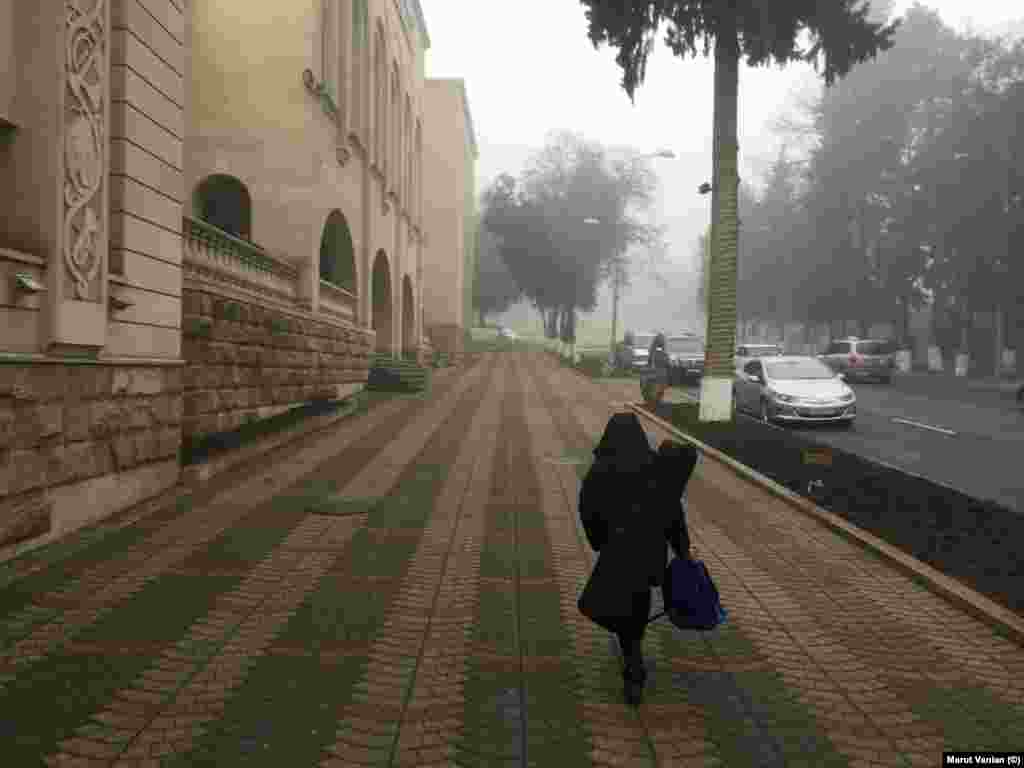
4/12A street in the center of Stepanakert.
Marut Vanian, a local journalist and photographer in Stepanakert, has been posting regular updates from his blockaded city. He says the situation became especially tense between December 13 and December 16 when the gas supply to Stepanakert was cut off amid freezing weather, leading to schools, kindergartens, and other facilities shutting down.
A local photojournalist details life inside Nagorno-Karabakh as provisions begin to run out and Azerbaijani "environmentalists" continue a blockade of the only supply road into the breakaway region.
A local photojournalist details life inside Nagorno-Karabakh as provisions begin to run out and Azerbaijani "environmentalists" continue a blockade of the only supply road into the breakaway region.
Show moreShow less
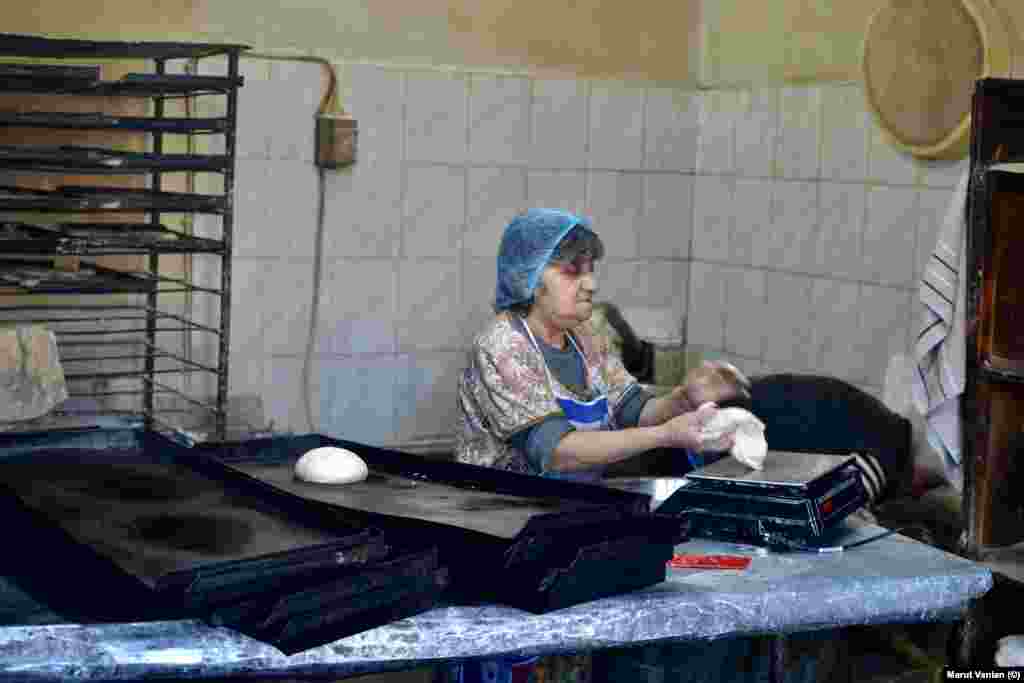
6/12Lida Mikayelian portions dough in a bakery in Stepanakert.
The baker told photographer Vanian: “There is still bread, thank God, but there are no vegetables at all.” The 87-year-old said the Russian peacekeepers tasked with protecting the Lachin Corridor have become increasingly toothless as Russia’s disastrous invasion of Ukraine grinds on.
“Azerbaijan is using this moment to advance its plans,” Mikayelian said, adding, “Russia is not able to maintain our security, but at the same time, it doesn’t want to ‘lose’ us. This is the situation.”
A local photojournalist details life inside Nagorno-Karabakh as provisions begin to run out and Azerbaijani "environmentalists" continue a blockade of the only supply road into the breakaway region.
Show moreShow less
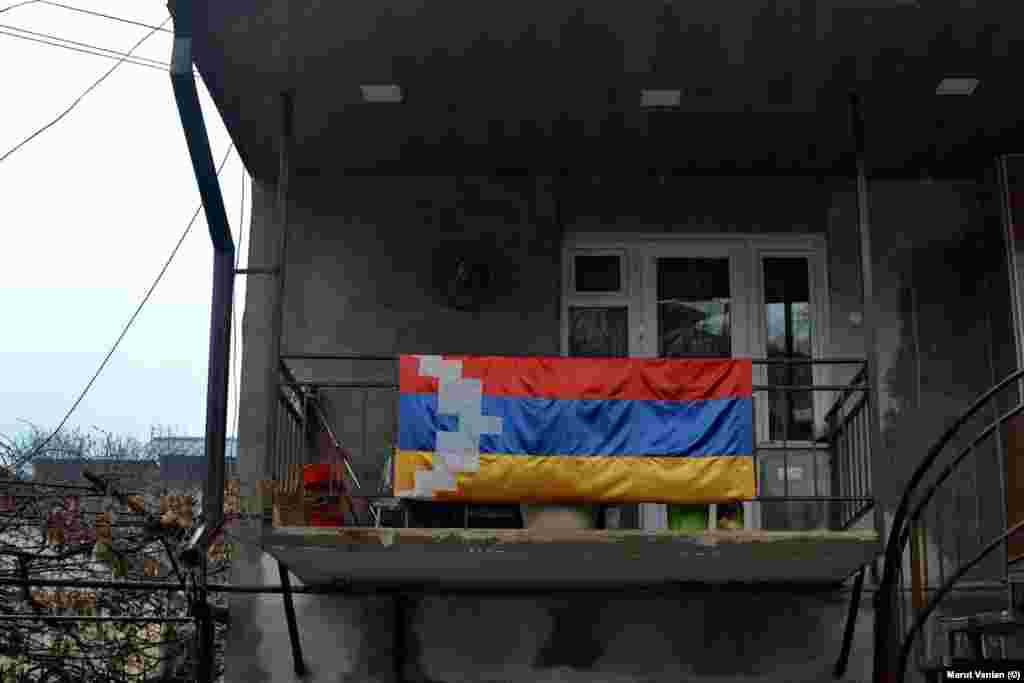
7/12The flag of Nagorno-Karabakh seen on a house in Stepanakert.
Armenia and Azerbaijan have been fighting over Nagorno-Karabakh since Armenia-backed separatists captured the mountainous territory, populated by ethnic Armenians, in the 1990s. Nagorno-Karabakh today is internationally recognized as part of Azerbaijan.
A local photojournalist details life inside Nagorno-Karabakh as provisions begin to run out and Azerbaijani "environmentalists" continue a blockade of the only supply road into the breakaway region.
Show moreShow less
8/12An ATM in the center of Stepanakert.
Azerbaijani Foreign Minister Jeyhun Bayramov claimed on December 15 that Karabakh Armenians had “no problems with food or medicines,” adding that Azerbaijan is “ready to provide any humanitarian assistance.” He blamed the recent gas outage on cold weather and mountainous terrain.
A local photojournalist details life inside Nagorno-Karabakh as provisions begin to run out and Azerbaijani "environmentalists" continue a blockade of the only supply road into the breakaway region.
Show moreShow less
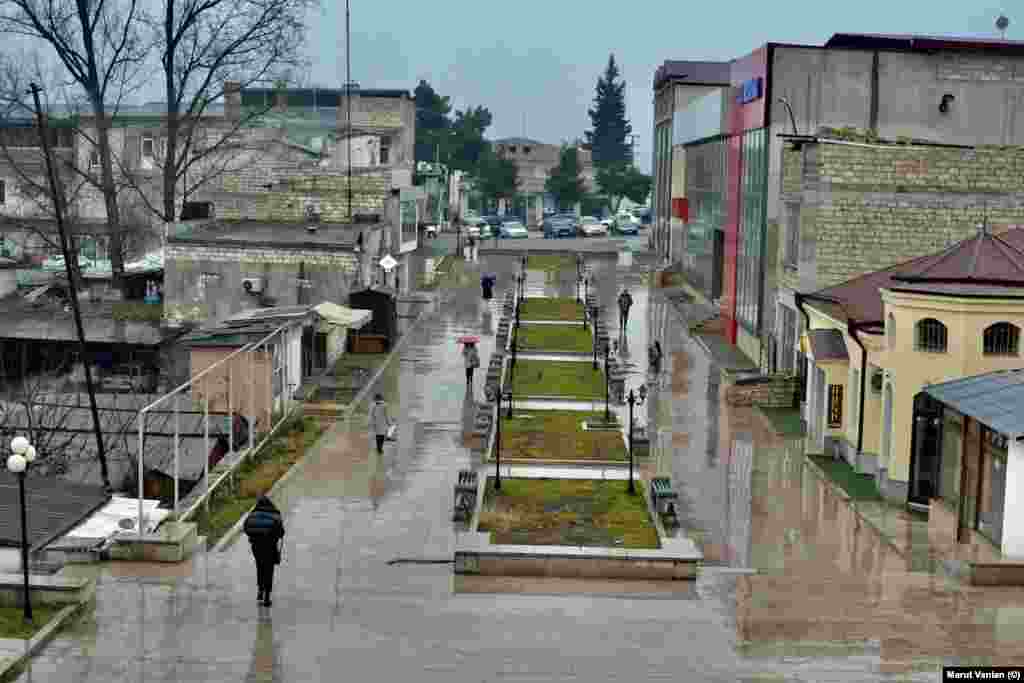
9/12A view of central Stepanakert on December 20.
A severely ill hospital patient was evacuated out of Nagorno-Karabakhand through the Lachin blockade for emergency open-heart surgery in Yerevan on December 19.
A local photojournalist details life inside Nagorno-Karabakh as provisions begin to run out and Azerbaijani "environmentalists" continue a blockade of the only supply road into the breakaway region.
Show moreShow less
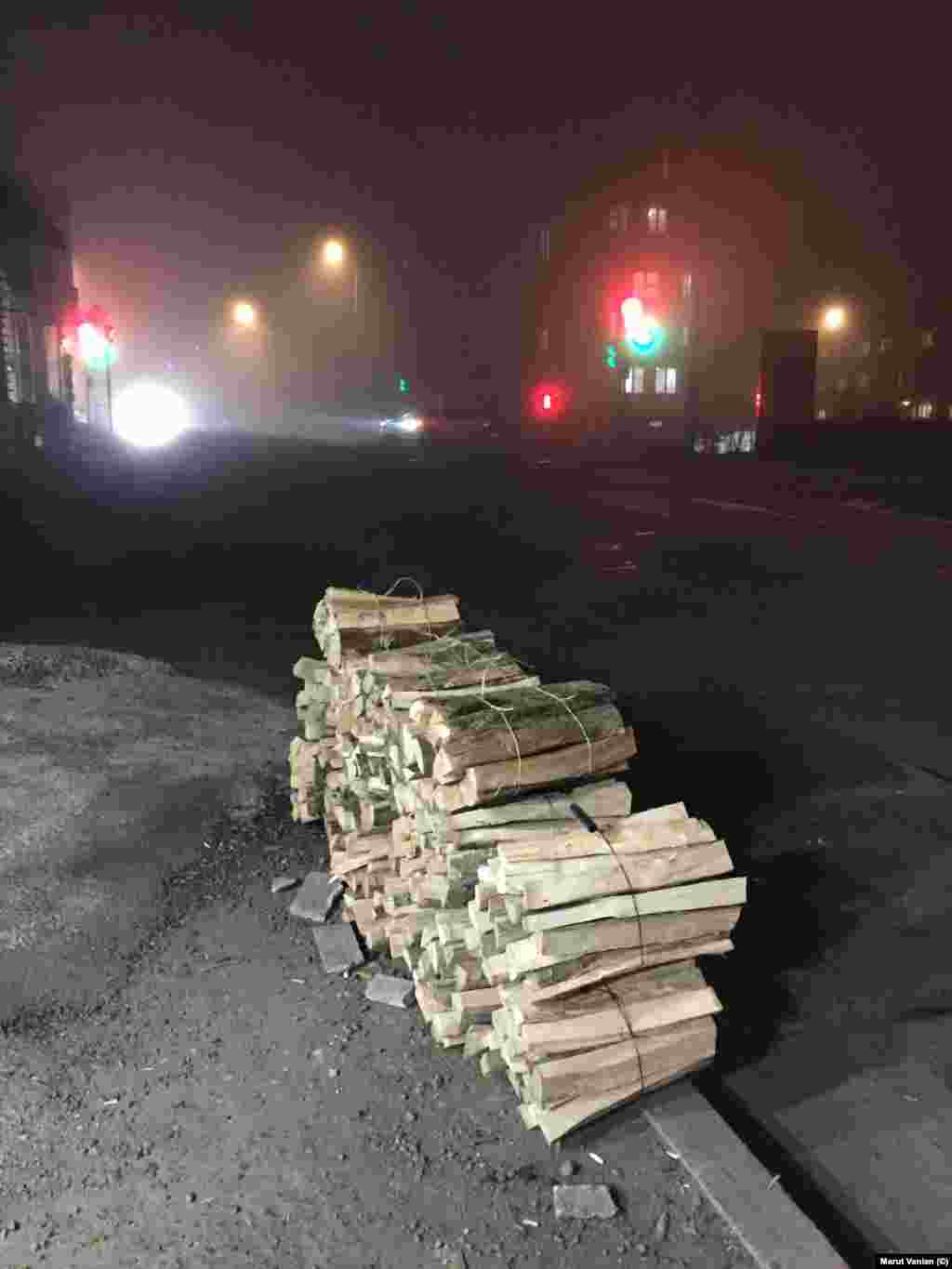
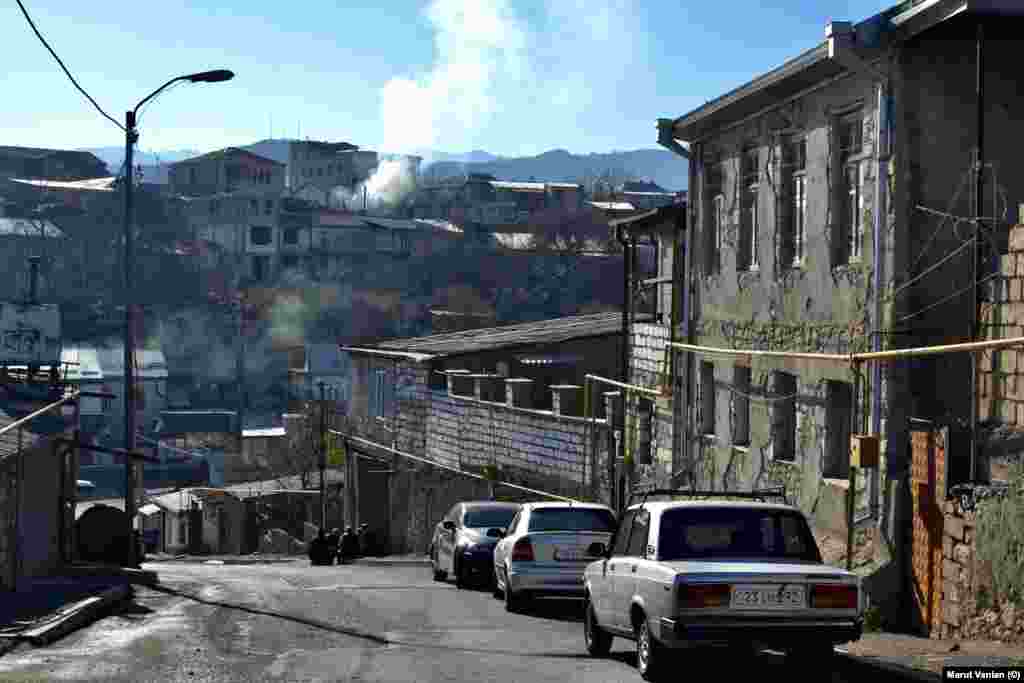
10/12Smoke rises from houses in Stepanakert on December 19.
As the blockade continues, some locals are continuing to use firewood to heat their homes due to its low cost. Local authorities have urged residents to reduce electricity usage amid fears vital electrical supply cables that run through Azerbaijani-held territory could be cut.
A local photojournalist details life inside Nagorno-Karabakh as provisions begin to run out and Azerbaijani "environmentalists" continue a blockade of the only supply road into the breakaway region.
Show moreShow less
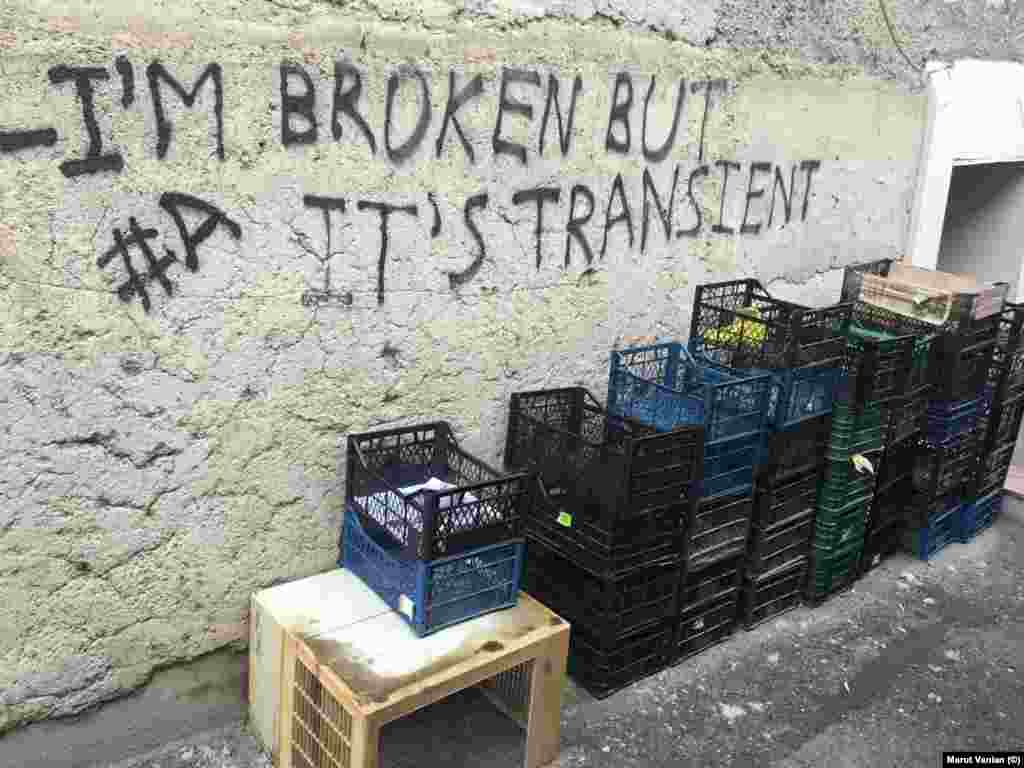
11/12Graffiti next to empty produce boxes.
Some locals joked to Vanian that, if the blockade continued, potatoes would soon be listed on the exchange boards alongside dollars and euros.
A local photojournalist details life inside Nagorno-Karabakh as provisions begin to run out and Azerbaijani "environmentalists" continue a blockade of the only supply road into the breakaway region.
Show moreShow less
12/12Empty produce boxes near a bus stop in central Stepanakert.
For many residents, the ongoing blockade is hard to joke about. Stepanakert mother Anna Muradian is one of around 1,100 people now locked out of her home city after visiting her soldier husband’s grave in Yerevan. He was killed in the 2020 conflict with Azerbaijan.
“On the one hand, [my children] pine for their father. It’s suffocating for them” Muradian told RFE/RL’s Armenian Service. On the other hand, she says that, due to the blockade, her youngest son now “misses his mother,” too.
A local photojournalist details life inside Nagorno-Karabakh as provisions begin to run out and Azerbaijani "environmentalists" continue a blockade of the only supply road into the breakaway region.
Show moreShow less
Previous slide
Next slide
According to Azerbaijani media, the protesters’ new demand is that Baku establish control over the Lachin Corridor.
Protesters have been blocking the road in a peaceful standoff with Russian troops who belong to a 5,000-strong mission deployed to the region after Armenia and Azerbaijan fought a war in 2020.
Pahsinian scolded Moscow for "not fulfilling the obligation assumed" by Russia as part of the cease-fire deal reached to stop the fighting.
He called on the United Nations or the Organization for Security and Cooperation in Europe (OSCE) to send a fact-finding mission to the region to clarify and help resolve the situation.
Armenia and Azerbaijan have been locked in a conflict over Nagorno-Karabakh for years. Some 30,000 people were killed in a war in the early 1990s that left ethnic Armenians in control of the breakaway region and seven adjacent districts of Azerbaijan proper.
Nagorno-Karabakh is internationally recognized as part of Azerbaijan.
RFE/RL’s Armenian Service, operating out of a bureau in Yerevan, is a leading source of trusted reporting and technical innovation, reaching outsized audiences when developments demand authoritative, up-to-the-minute news most.







![Empty produce boxes near a bus stop in central Stepanakert. <br />
<br />
For many residents, the ongoing blockade is hard to joke about. Stepanakert mother Anna Muradian is one of around 1,100 people now locked out of her home city after visiting her soldier husband’s grave in Yerevan. He was killed in the 2020 conflict with Azerbaijan.<br />
<br />
“On the one hand, [my children] pine for their father. It’s suffocating for them” <strong><a href="https://www.azatutyun.am/a/32184450.html">Muradian told RFE/RL’s Armenian Service</a>. </strong>On the other hand, she says that, due to the blockade, her youngest son now “misses his mother,” too.](https://gdb.rferl.org/058a0000-0aff-0242-7346-08dae2a838cb_w1024_q10_s.jpg)

