




In an unprecedented move, Iran is looking to import water as an official strategy to confront one of the worst water crises in its modern history, Energy Minister Abbas Aliabadi announced on December 3.
The move comes as Iran faces what officials say is the driest year in more than half a century.
Nationwide rainfall has plummeted, reservoirs behind major dams are approaching critical levels, and decades of over-extraction have depleted aquifers. Large cities, including the capital, Tehran, have already introduced water rationing.


The new strategy envisions purchasing surplus water from willing neighbors and expanding imports of water-intensive goods to conserve domestic resources, which is known as "virtual water" transfer.
The concept of “virtual water,” which refers to outsourcing water consumption by importing crops or products that require large amounts of water to produce, marks a significant departure from the Islamic republic’s long-standing emphasis on agricultural self-sufficiency.
Most of Iran’s neighbors, including Afghanistan, Iraq, and Pakistan’s border regions, are themselves struggling with drought and water scarcity. Armenia, to Iran’s northwest, has relatively more abundant water resources.
Still, Norway-based climatologist Nasser Karami told RFE/RL’s Radio Farda that Iran will most likely approach Afghanistan and seek to strike a trade or barter arrangement.
“Afghanistan has many rivers that flow out of its territory, including three that go to Iran,” he said. “And they need us for things that don’t cost us much, like access to international waters.”
Karami also questioned Iran’s decades-long pursuit of agricultural self-sufficiency, arguing that the country lacks the water resources to feed its population of some 90 million without heavy imports.
“We’re not a country that can produce food for around 100 million people,” he warned. “With our fertile land and water, we can at most grow food for 40 to 50 million people and must import the rest. This is a very good and logical move.”
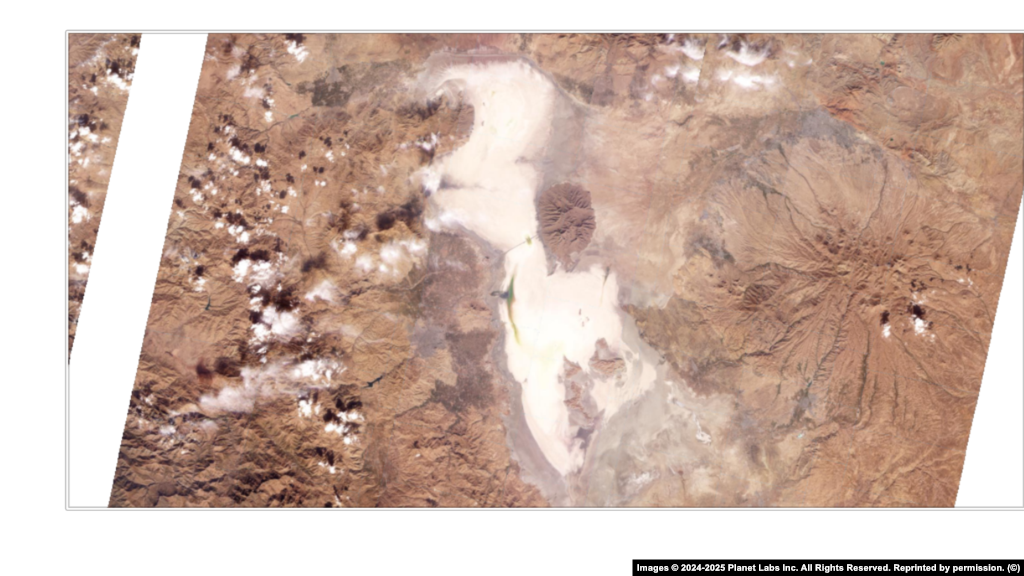
Iran's Devastating Drought Crisis Seen From Space
Nov 2024
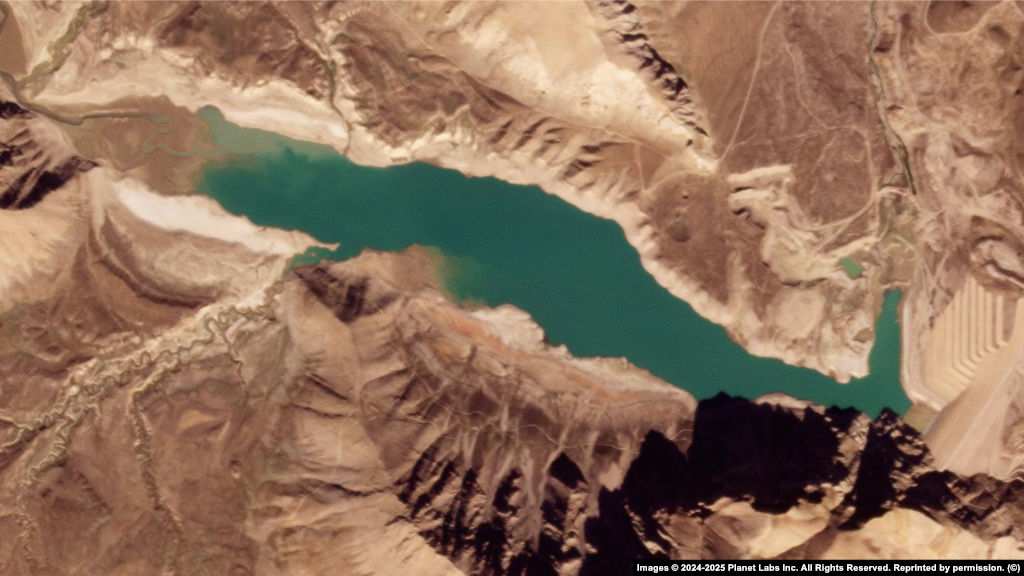
Nov 2025
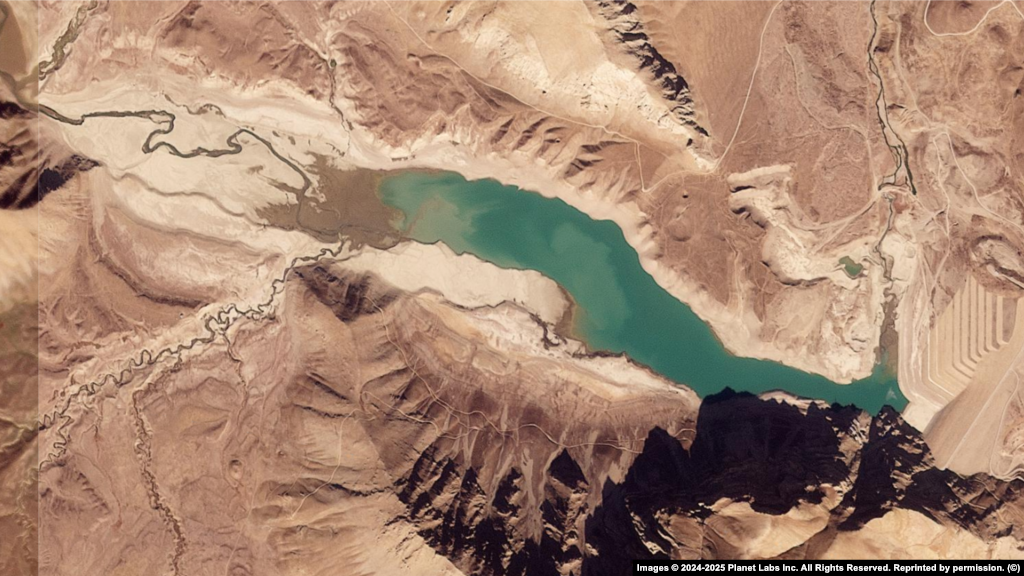
Nov 2024
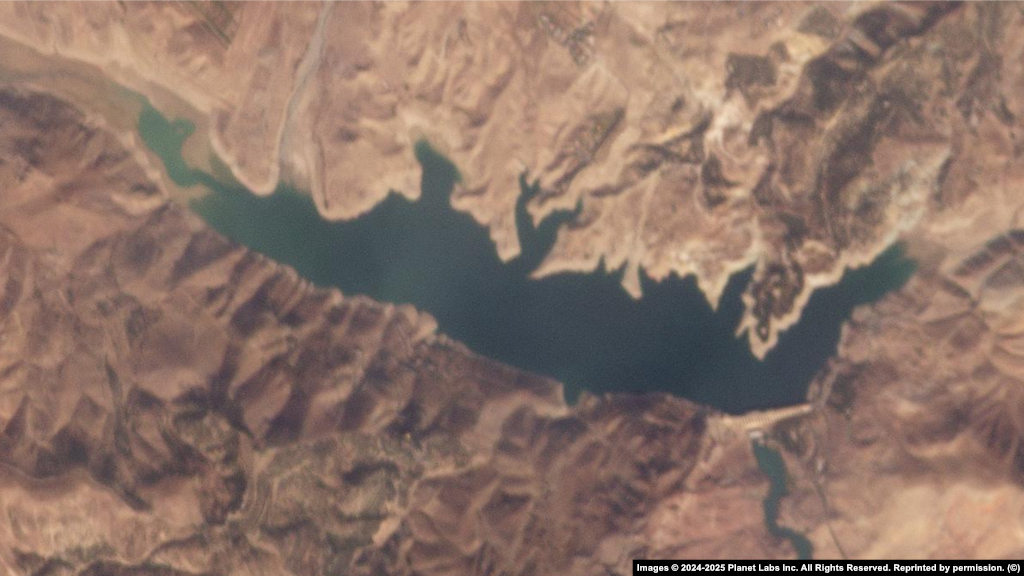
Nov 2025
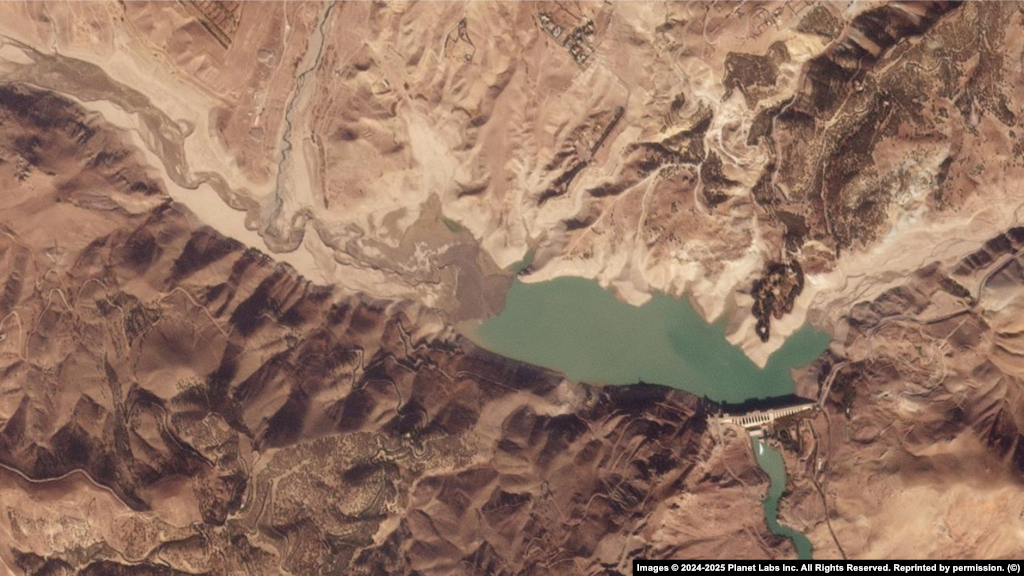
Nov 2024
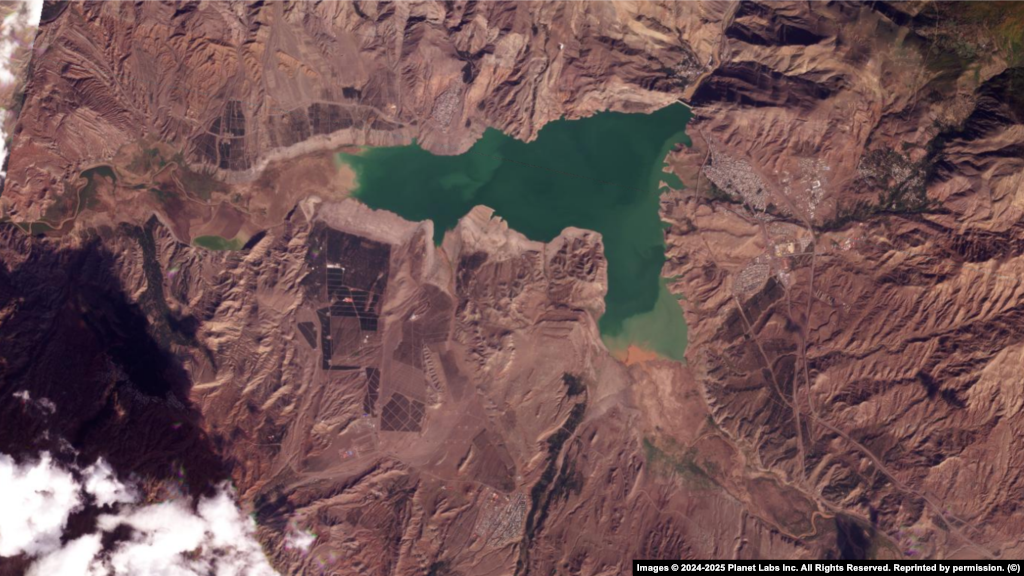
Nov 2025
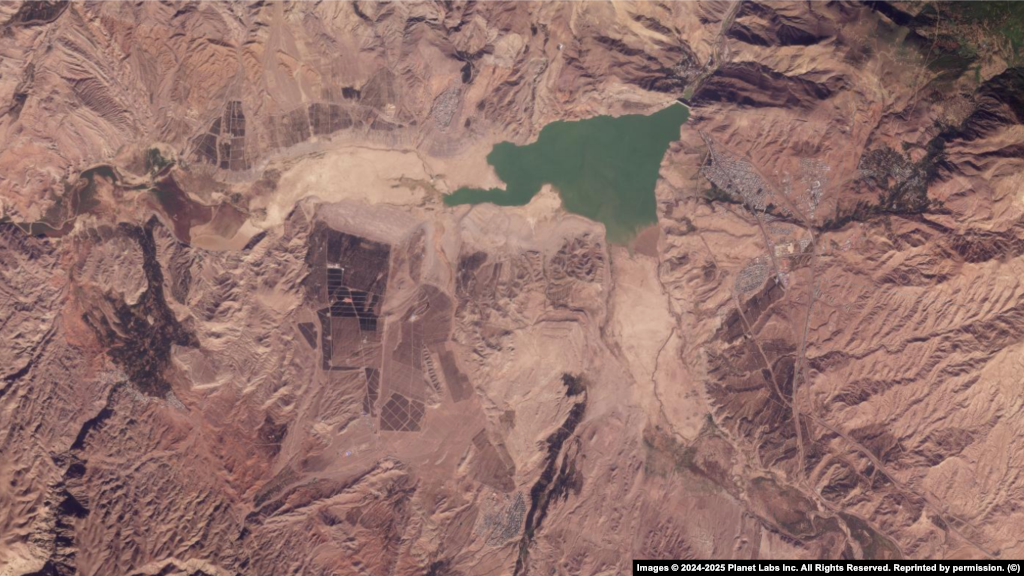
Nov 2024
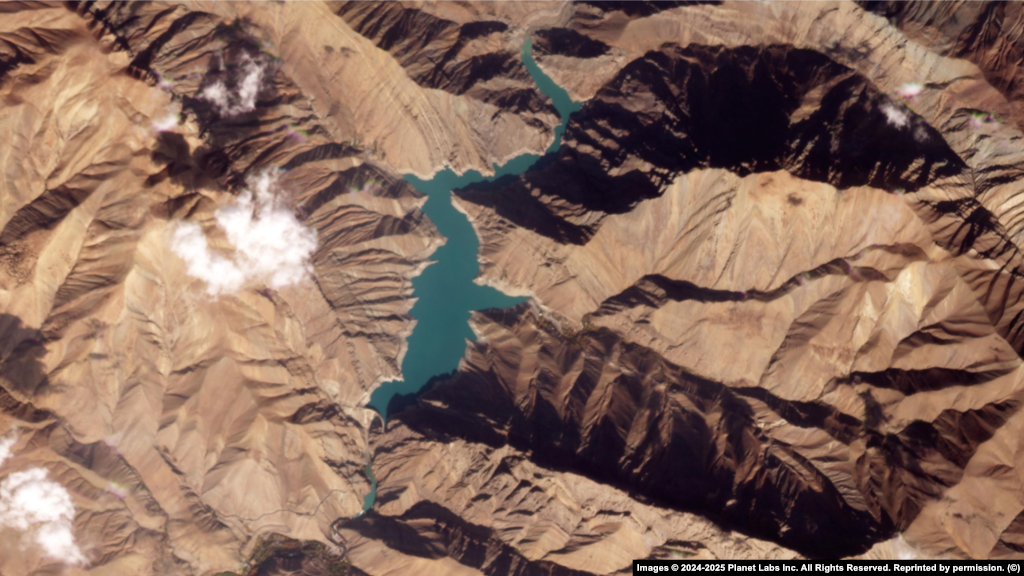
Nov 2025
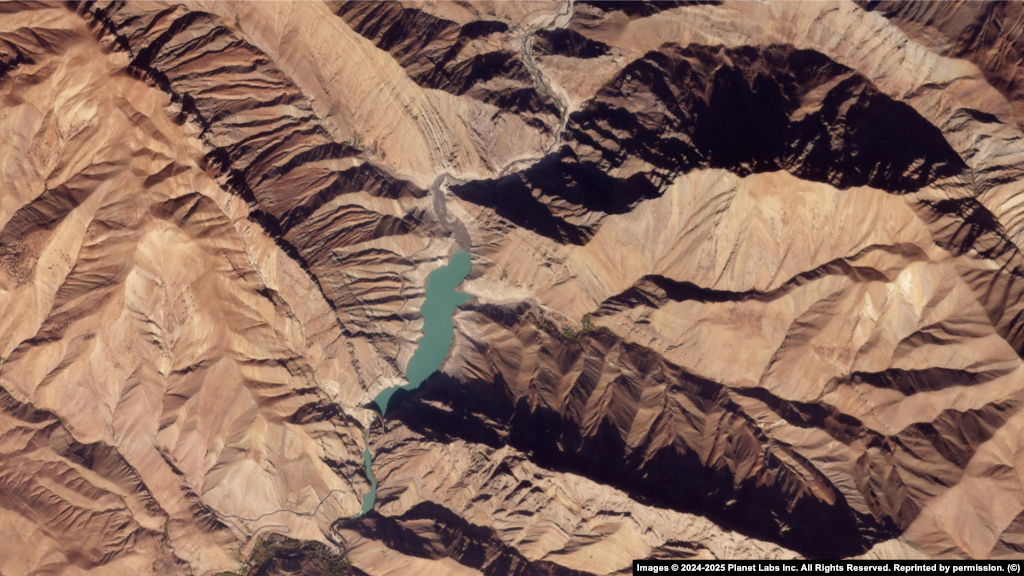
Nov 2024
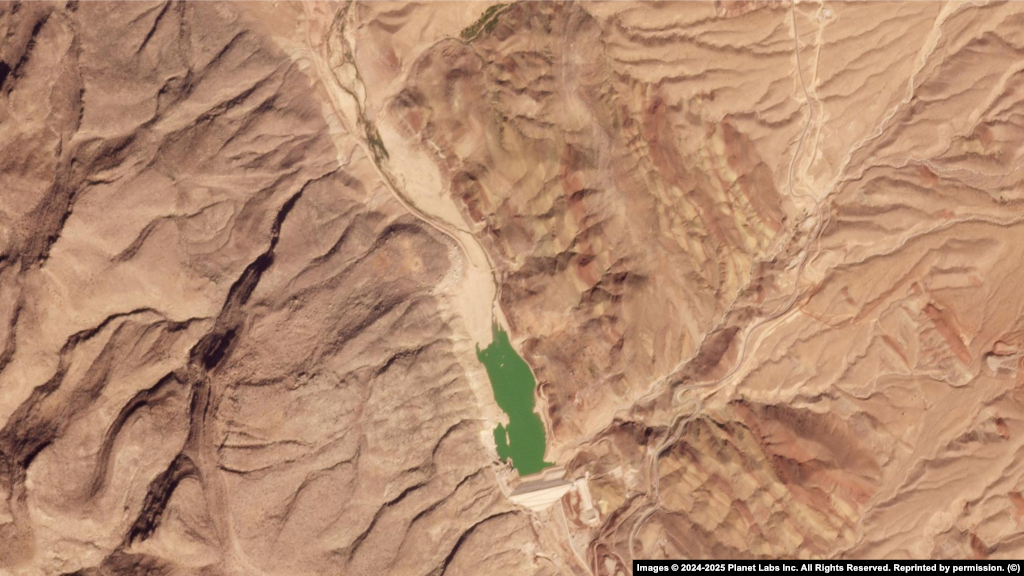
Nov 2025
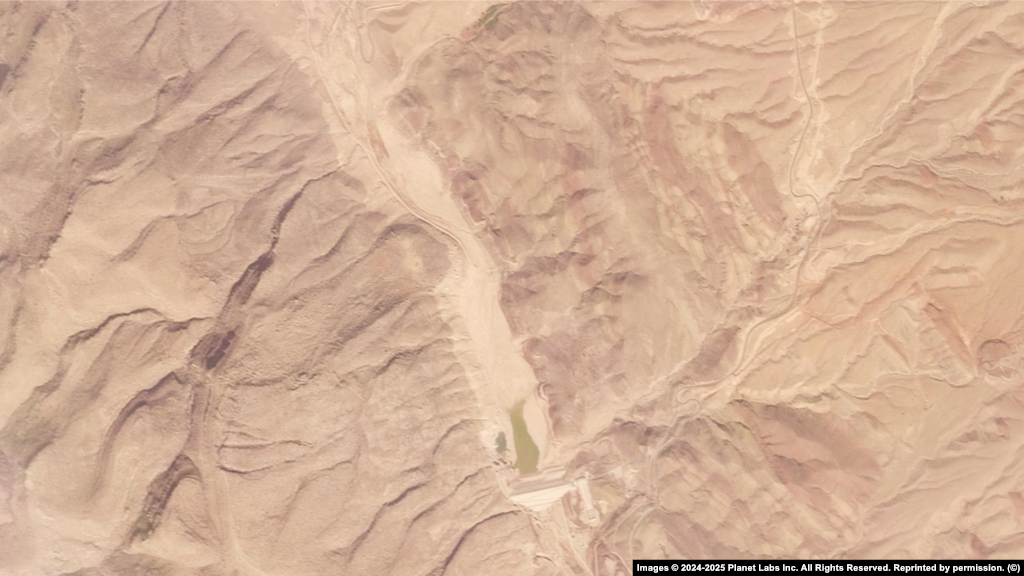
Nov 2024
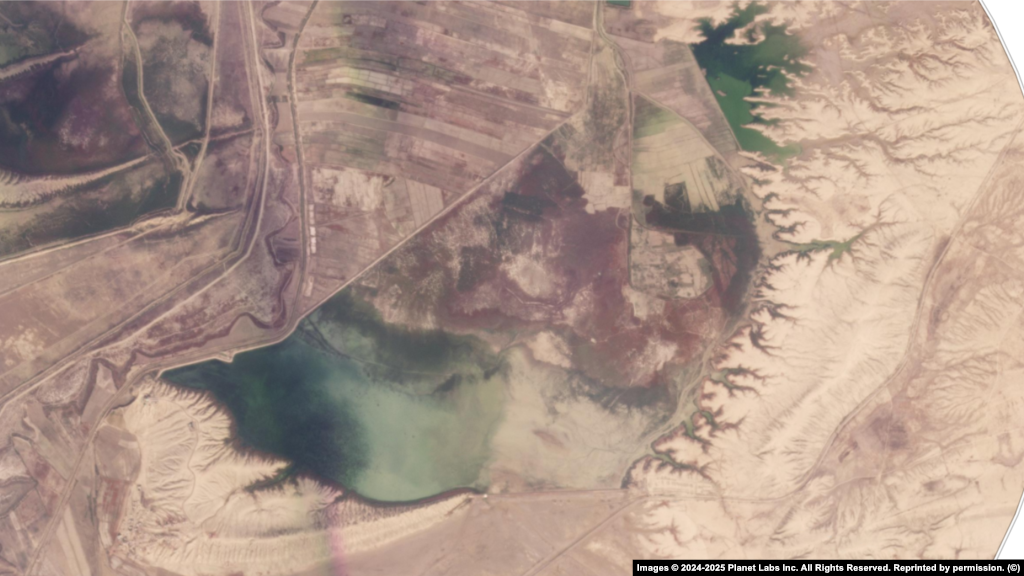
Nov 2025
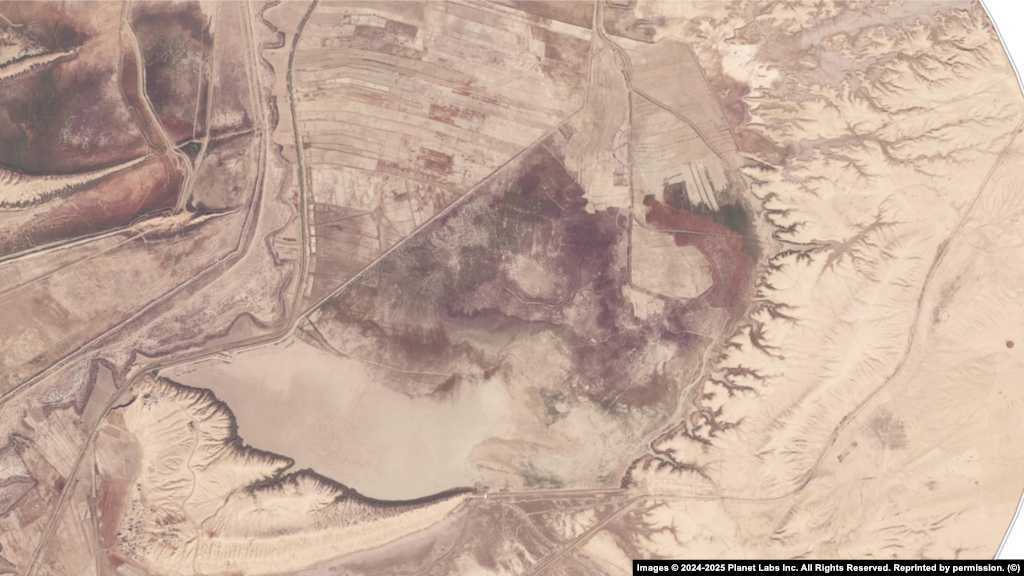
Nov 2024
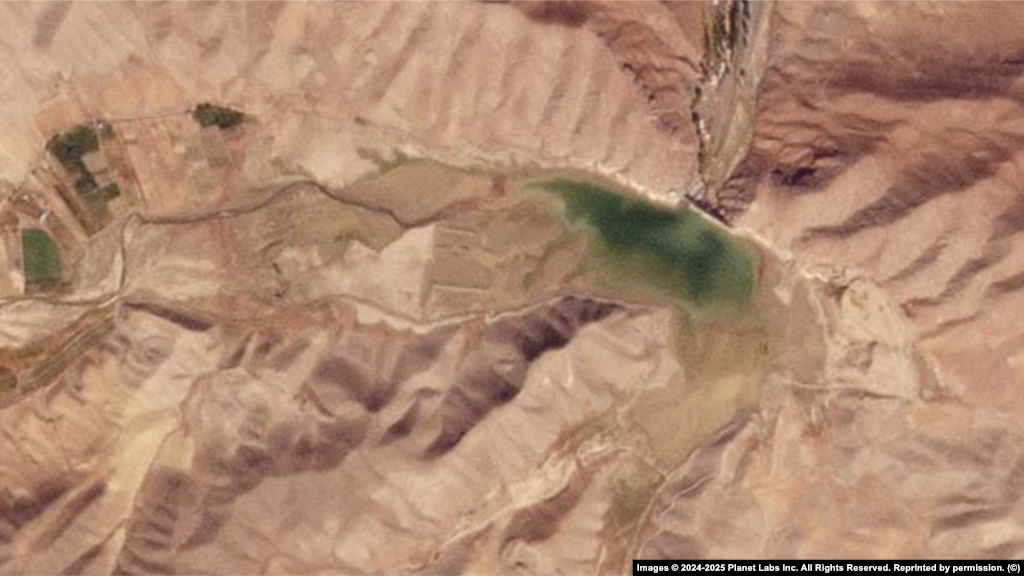
Nov 2025
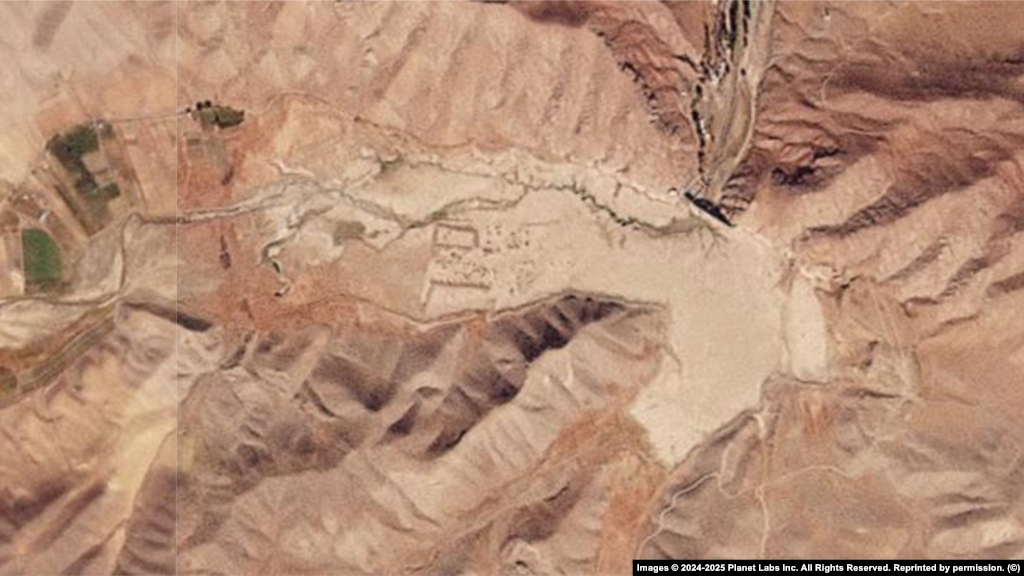
Nov 2024
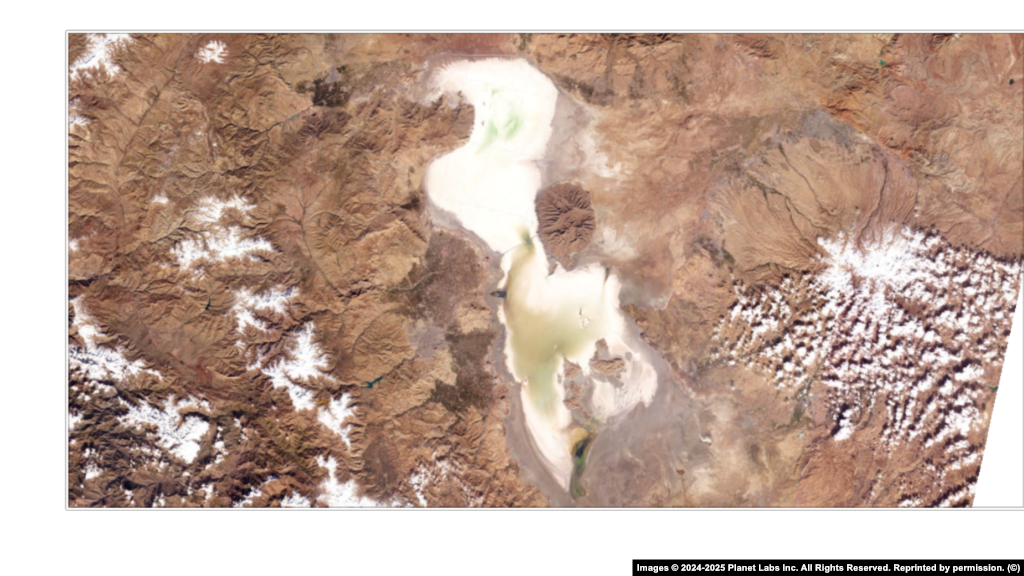
Nov 2025
The crisis has also been exacerbated by what local media and environmentalists call Iran’s “water mafia” -- a network of politically connected agricultural lobbies, dam contractors, and local power brokers who have long benefited from unrestricted water use, excessive groundwater pumping, and large-scale farming subsidies.
For many Iranians, the idea of buying water is jarring, challenging a national narrative built around independence and resilience. But experts say the shift reflects a necessary reckoning. Iran’s water shortages are driven not only by prolonged drought but also by decades of mismanagement and accelerating climate change.