


Romanian PM-Designate Loses Confidence Vote To Extend Political Crisis Amid COVID Surge
Romanian Prime Minister-designate Dacian Ciolos
BUCHAREST -- Romania's Prime Minister-designate Dacian Ciolos has failed in his bid to form the next government after his centrist minority cabinet was rejected in a confidence vote, extending the country's political crisis.
The defeat was widely expected. Ciolos's proposed cabinet received only 88 votes from lawmakers on October 20, well short of the 234 needed to be approved.
The political turmoil comes as one of the European Union's poorest states struggles with a huge spike in COVID-19 cases and deaths, a sputtering economy, and rising energy prices.
“Regardless of the result of the vote, regardless of the political struggle, we share the good or bad results with the citizens. We are in a time of deep crisis,” said the 52-year-old Ciolos, a former prime minister and EU commissioner who is currently the leader of center-right Save Romania Union (USR).
Romanian lawmakers from across the political spectrum on October 5 voted overwhelmingly to topple liberal Prime Minister Florin Citu's center-right minority government.

The move came after the USR withdrew from Citu's National Liberal Party (PNL)-led government last month, complaining about his "dictatorial attitude" after he sacked several USR members of the government, including the justice and health ministers.
The ongoing crisis threatens to further hamper Romania’s efforts to tackle an alarming surge of COVID-19 infections in the nation of 19 million.
The country on October 20 confirmed more than 17,000 new coronavirus infections and 423 deaths, a day after a pandemic-high of 18,863 cases and 574 fatalities.
The explosion in infections and deaths prompted President Klaus Iohannis on October 20 to announce a night curfew for all those unvaccinated, the reintroduction of masks both indoors and outdoors, and the requirement of the EU-wide COVID-19 pass for virtually all events.
Iohannis also said all primary, secondary, and high schools are going on an extended two-week vacation from October 25.
Iohannis also said he wants increases in vaccinations and tried to give assurances to skeptical Romanians that the vaccines available are safe and effective.
The measures and the time frame announced by Iohannis came under immediate criticism by medical experts as too mild and bordering on procrastination since they are only going to come into force next week.
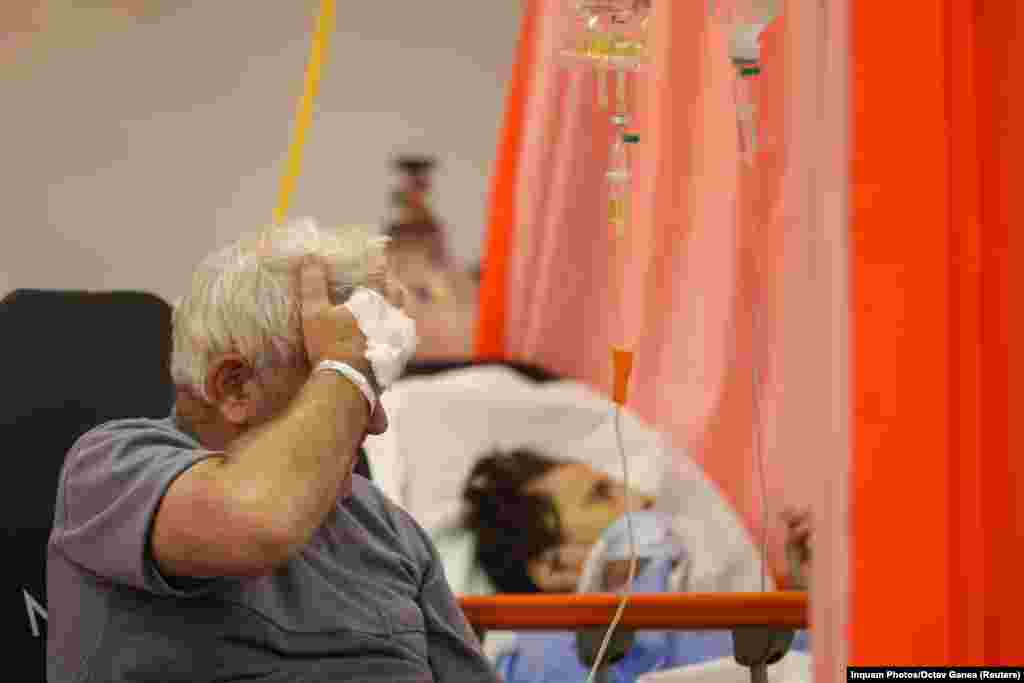
Inside Romania's Hospitals As COVID Crisis Intensifies
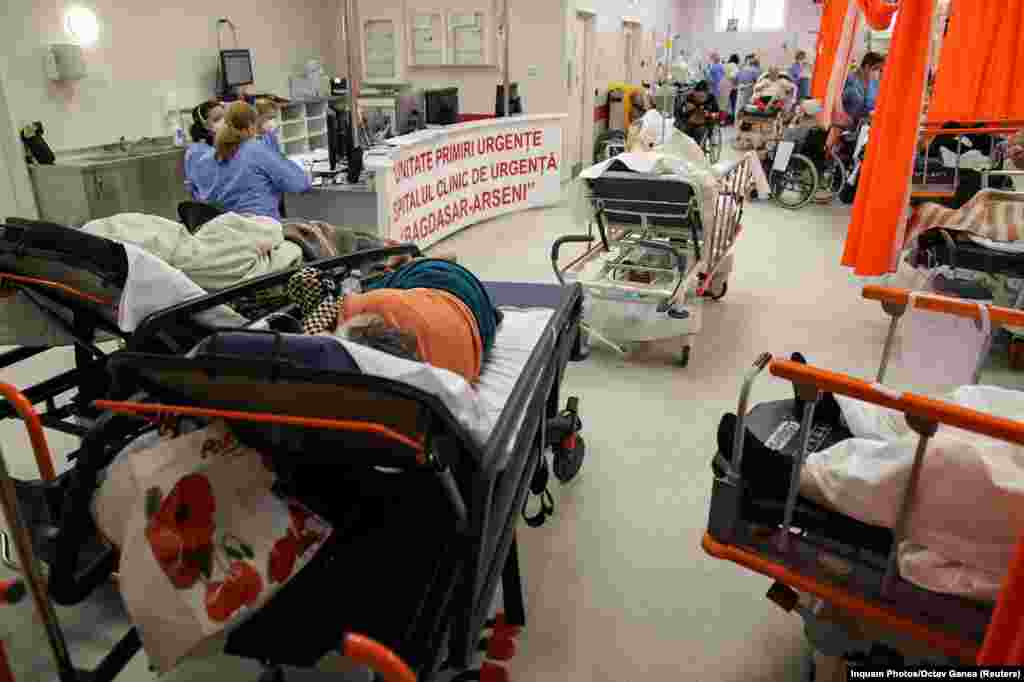
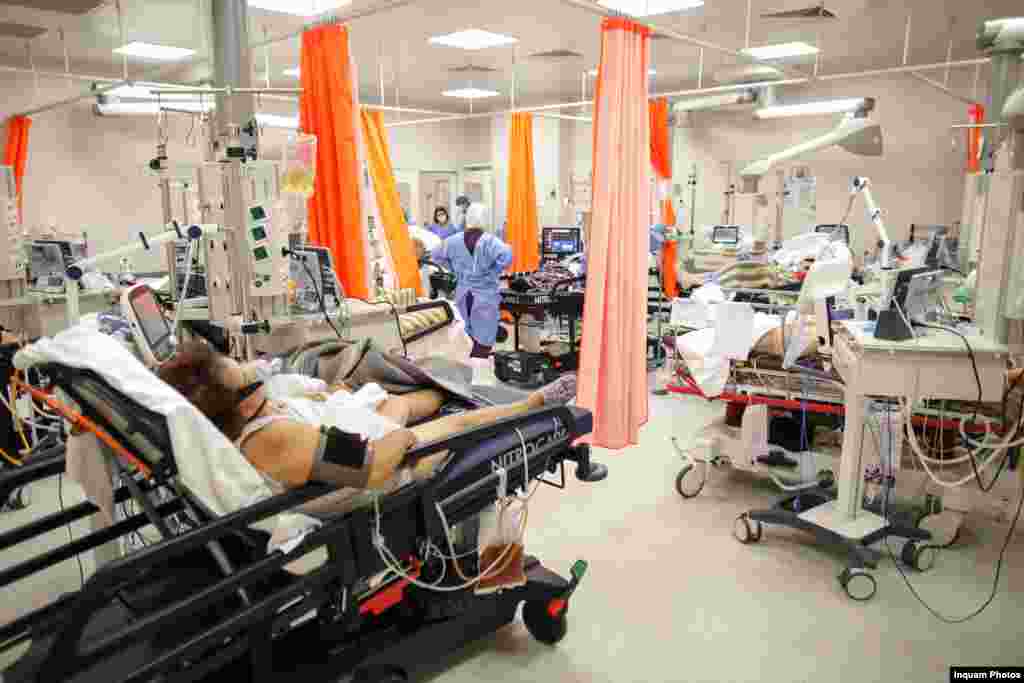
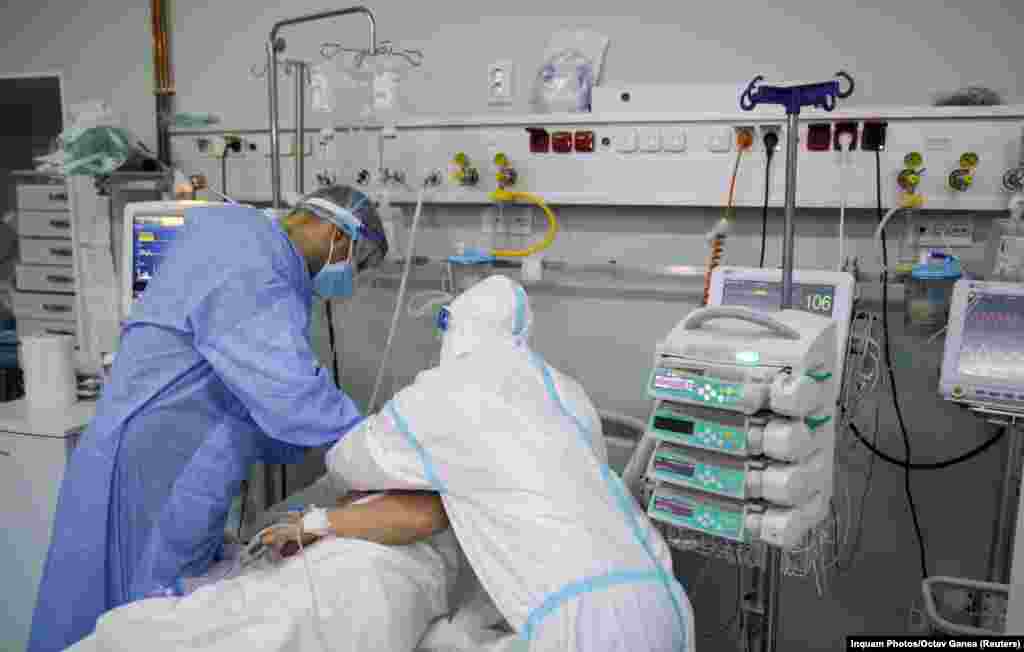
1/12Medical staff are surrounded by COVID-19 patients in the intensive-care unit of the Bagdasar-Arseni Hospital in Bucharest on October 19.
New photos from the intensive-care units of several Bucharest hospitals capture the scale of the health crisis now gripping Romania.
2/12Coronavirus patients in the intensive-care unit of the Bagdasar-Arseni Hospital in Bucharest on October 19. Intensive-care doctor Claudiu Rusu told Reuters on October 19 that hospitals in the capital were stretched beyond capacity. "There isn't enough room to take all the cases that need us," he said.
New photos from the intensive-care units of several Bucharest hospitals capture the scale of the health crisis now gripping Romania.
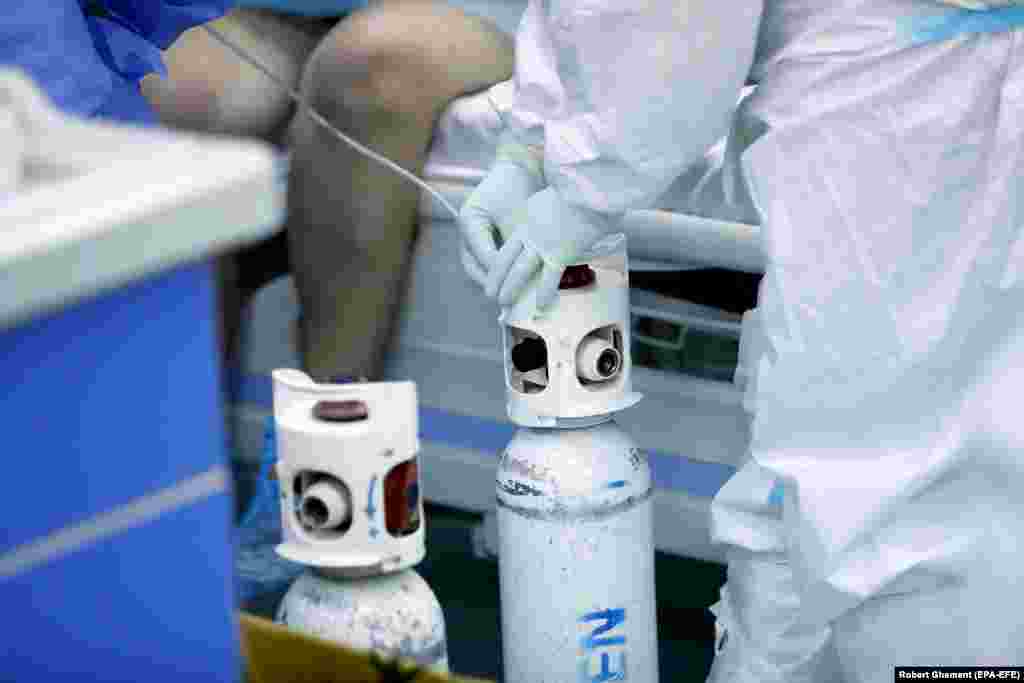
4/12The same day these photos were taken in the Bagdasar-Arseni Hospital, Romania confirmed a record high of 18,863 new COVID-19 infections and 574 deaths in a single day.
New photos from the intensive-care units of several Bucharest hospitals capture the scale of the health crisis now gripping Romania.
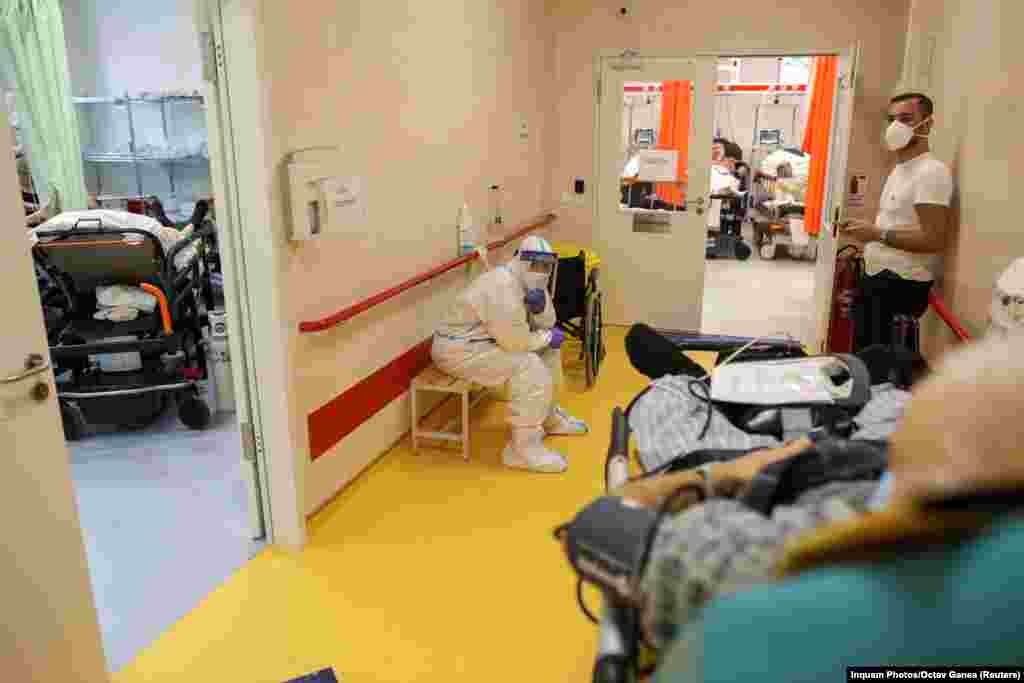
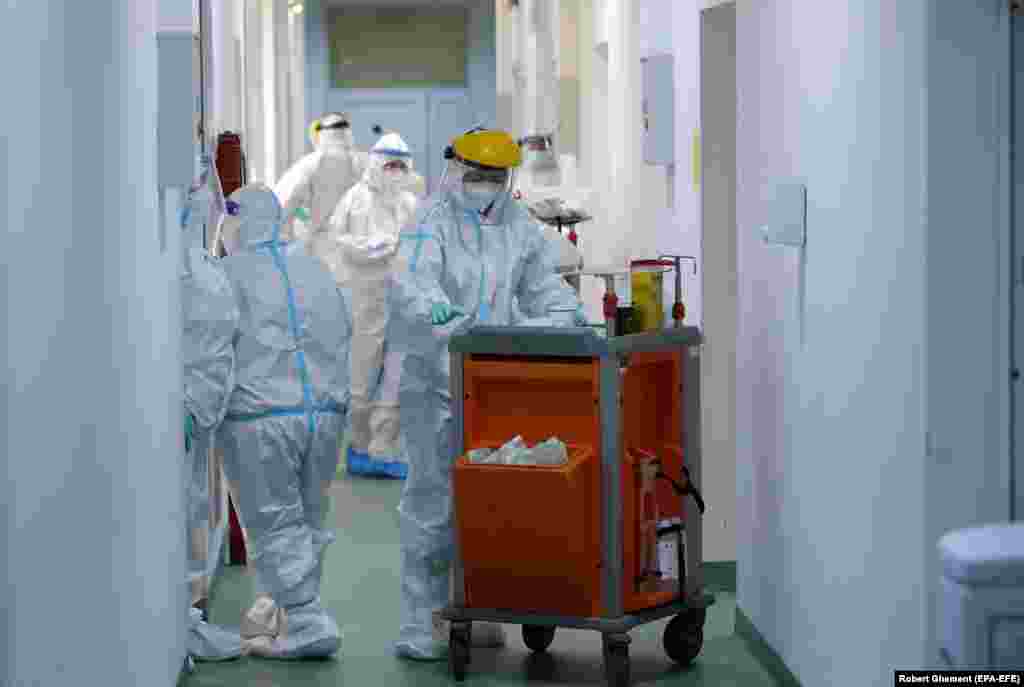
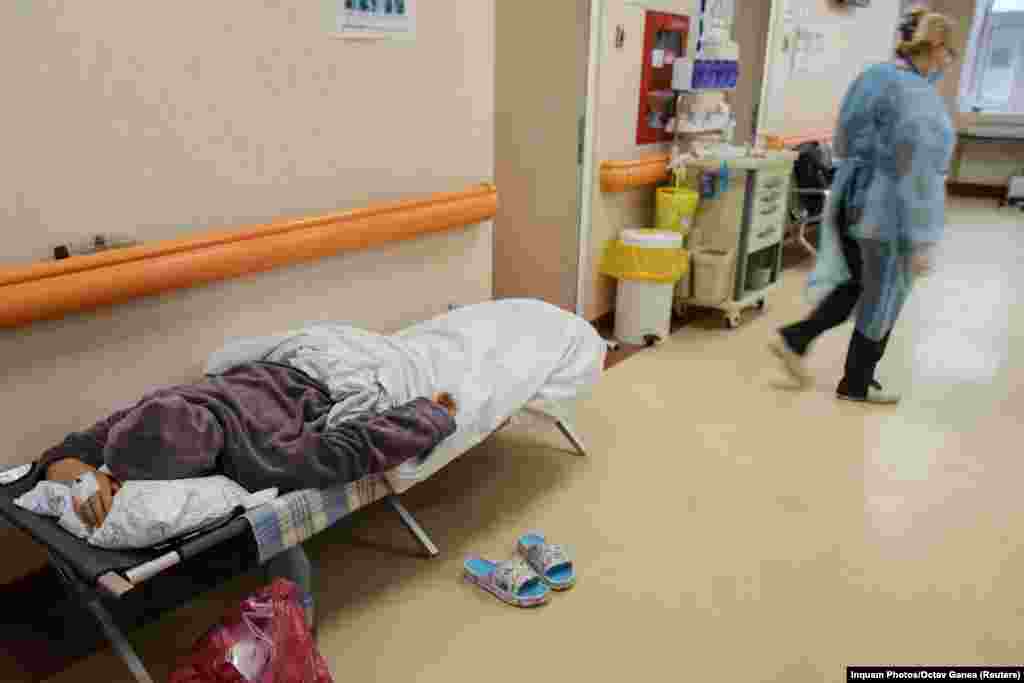
5/12A crowded corridor in the Bagdasar-Arseni Hospital. There are currently around 1,800 COVID-19 patients in intensive care in Romania. The country has one of the EU's least developed health-care systems.
New photos from the intensive-care units of several Bucharest hospitals capture the scale of the health crisis now gripping Romania.
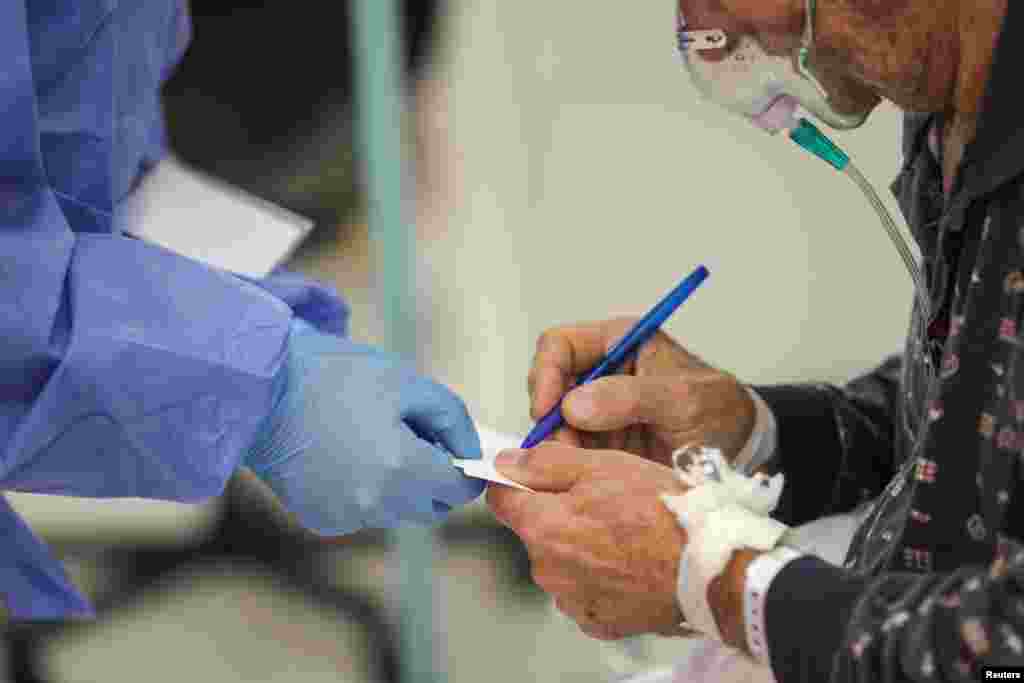
6/12Staff of the Marius Nasta Pneumology Institute in Bucharest adjust a breathing mask on a coronavirus patient's face on October 17. Romania's president said on October 19 the crisis in Romania's overflowing hospitals was a "national drama of terrible proportions," blaming low vaccination rates among the Romanian population and a sluggish response from the authorities for the soaring coronavirus infection rates.
New photos from the intensive-care units of several Bucharest hospitals capture the scale of the health crisis now gripping Romania.
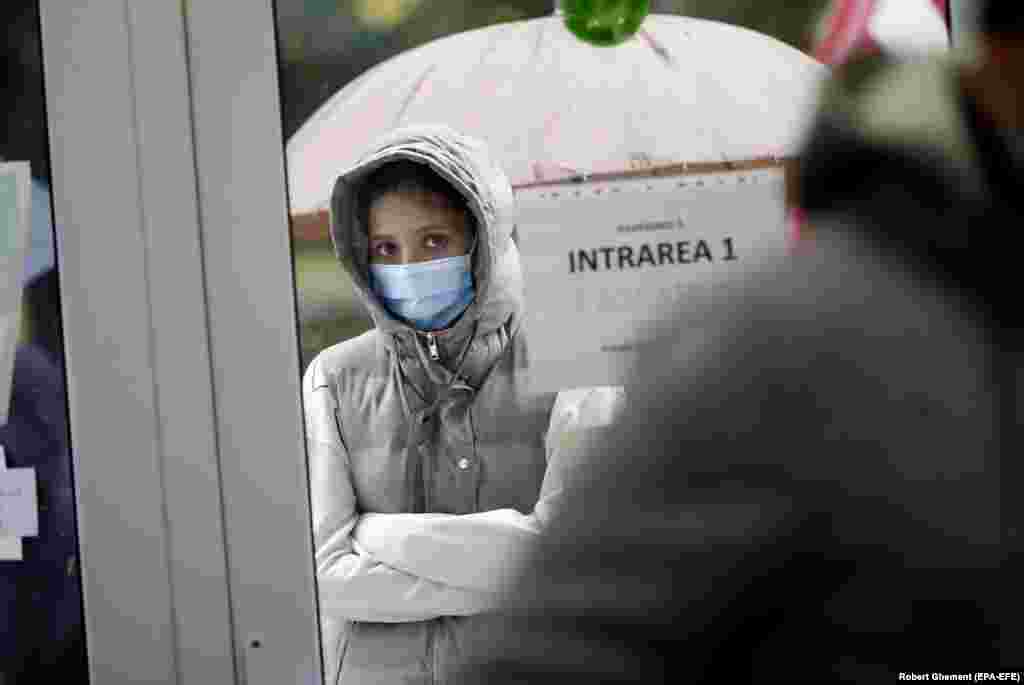
7/12A woman looks through the window of the reception hall at the COVID-19 section of the Marius Nasta Institute of Pneumology in Bucharest on October 15.
New photos from the intensive-care units of several Bucharest hospitals capture the scale of the health crisis now gripping Romania.
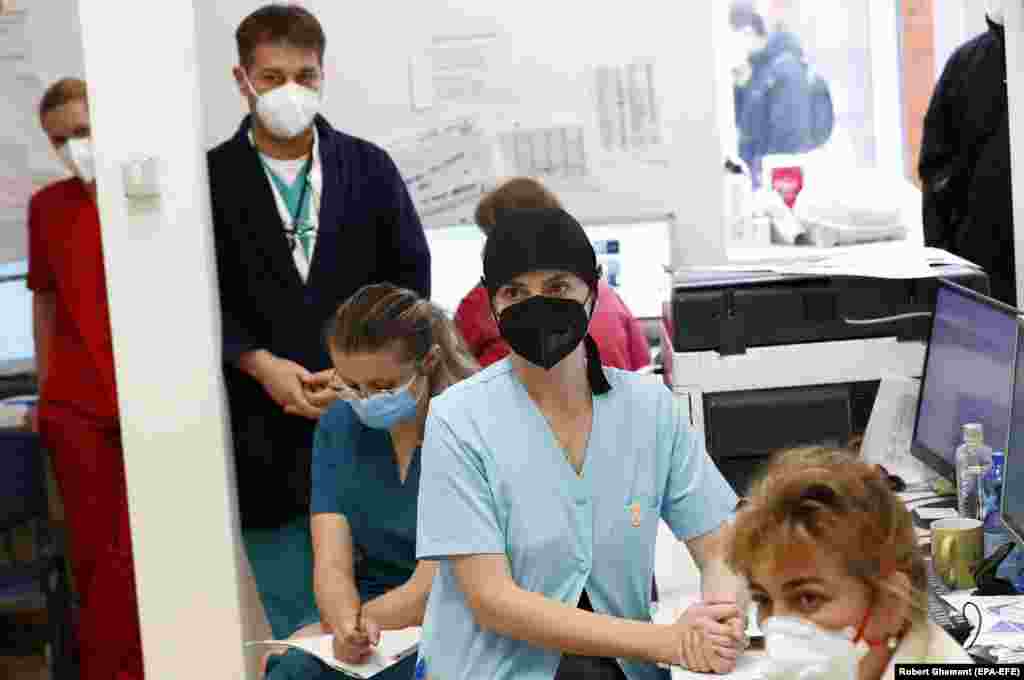
10/12Medical staff listen to a presentation by a psychiatrist on how to cope with stress at the main operations room of COVID-19 section of the Marius Nasta Institute of Pneumology on October 15.
New photos from the intensive-care units of several Bucharest hospitals capture the scale of the health crisis now gripping Romania.
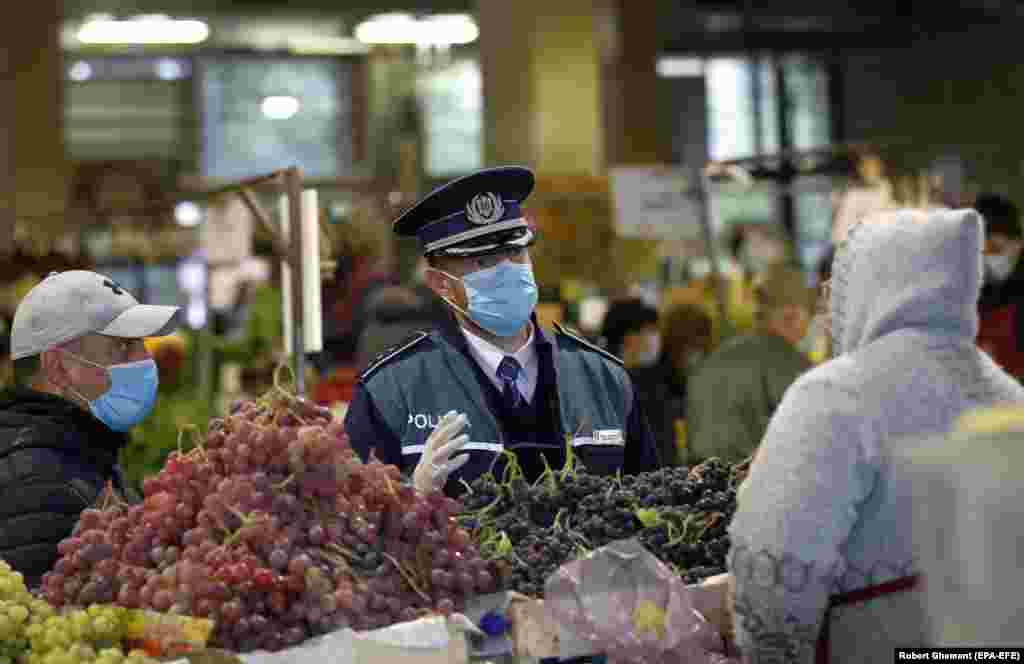
12/12A policeman speaks to fruit sellers at a market in Bucharest on October 16. President Klaus Iohannis suggested restrictive new measures are likely. "Whether we are talking about the green certificate or other measures to reduce mobility and human interaction, we must not waste any more time...no matter how unpopular it may seem," he said on October 19.
New photos from the intensive-care units of several Bucharest hospitals capture the scale of the health crisis now gripping Romania.
Previous slide
Next slide
Critics and the social-democratic opposition have pointed fingers at both Iohannis and Citu for what they say was a chaotic management of the pandemic over the summer, when they all but declared it "defeated" and dropped mask-wearing regulations while being overly involved in political infighting.
A lackluster vaccination campaign insufficiently pushed forward by authorities has seen Romania rank at the bottom of the EU, together with Bulgaria, with just 34 percent of adults fully inoculated. That compares with the bloc's average of 74 percent.
Romania has also been struggling with a wave of anti-vaccination fake news aggressively promoted by members of the extreme-right AUR party that unexpectedly stormed into parliament in the latest parliamentary elections in December and even by some senior Orthodox church officials.

After a decade-long closure, RFE/RL's Romanian Service relaunched in 2019 on digital platforms to help address declining media independence in Romania and the spread of disinformation.