





Russia is putting mothballed planes back into service amid sanctions that have limited the country's ability to sustain its passenger fleet. Planes being dusted off include a Ukrainian-designed aircraft that had been grounded over safety concerns.
Pro-Kremlin news outlet Izvestia reported on January 19 that 12 aircraft will be “reactivated” by Russian airlines in 2026. Ten planes have already been sent to airlines to address a decline in inventory “which is being exacerbated by sanctions,” according to the report.
Sanctions imposed after Moscow's full-scale invasion of Ukraine have blocked Russia from buying Western-made aircraft or parts. Around 75 percent of Russia’s commercial air fleet were built in the United States, EU, or Canada.
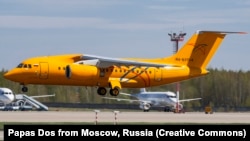
Planes being reinstated include one Antonov AN-148, a Ukrainian-designed jet model that had been grounded in Russia since 2018 following a crash in February that year that killed all 71 on board. Russia’s entire contingent of more than two dozen of the planes was taken out of service following the crash and in May of the same year Cuba banned its national carrier from flying a version of the same aircraft.
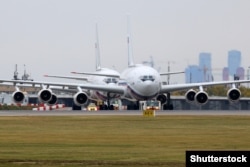
Other jets returning to commercial service are the Ilyushin Il-96, and the medium-range Tupolev Tu-204/214. Both planes made their maiden flights in the final years of the Soviet Union.
The Tupolev airliner is currently flying for the sanctions-hampered national carriers of North Korea and Cuba, and Russia’s Red Wings Airlines. A version of the long-haul Ilyushin passenger jet serves as Vladimir Putin’s presidential aircraft. Other Tu-204/214s are being used by Cuba’s national airline and one Russian air cargo company.
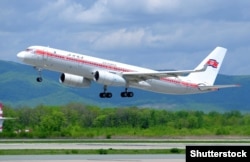
American-made Boeing 747s, which ceased manufacture in 2023, are also being prepared for a return to Russia’s skies. The long-haul Boeings are reported to be relatively easy to return to service due to the abundance of parts that were made for the more than 1,500 747s that have been built since the 1970s.
Despite being cut off from the US aviation industry for decades, Iran currently keeps a small fleet of 747s in operation, one of which is nearly 50 years old. Russia’s Aeroflot has previously sent its EU-made Airbus aircraft to Tehran for maintenance.
The shortfall in jets for Russia’s airliners was intended to be countered with a drive to produce 127 new aircraft from 2023 until 2025. As of January 2026, just 13 planes have been delivered to civilian airline companies.
Russia is reported to have established a complex network of companies to dodge sanctions on aviation parts. In February 2025, the US Department of Justice announced that three people linked to an Ohio company had been arrested on charges of exporting $2 million worth of aircraft parts to Russia.

