Accessibility links

Breaking News

Ahead Of Crunch Meeting Of EU Energy Ministers, Five Questions Answered About Russia And The Coming Winter

Germany could probably cope if Moscow retaliated with a complete shutdown of gas deliveries. The bigger issue is if several landlocked Central European states could.

As electricity prices soar to record-high levels with the ongoing war in Ukraine and after a scorching-hot summer, European leaders and officials are scrambling to come up with a response to what is likely to be a tough winter ahead, with possible blackouts and fears of social and political unrest.

Governments across Europe have warned their citizens of sky-high energy and utilities bills, with some analysts estimating that household costs could double or triple.

With the Russian energy giant Gazprom last week announcing an indefinite shutdown of the Nord Stream 1 pipeline to Germany -- citing technical reasons -- and the Kremlin warning that Russian gas deliveries will be limited as long as Western sanctions remain in place, all eyes will be on Brussels this week as the European Commission is expected to come up with various proposals, with a crunch meeting of the bloc's energy ministers on September 9.

1. Will The EU Impose A Price Cap On Russian Gas?

European Commission President Ursula von der Leyen has signaled that the time is ripe for such a move, one that is also backed by France as well as other countries that aren't too dependent on Russian gas. Germany, however, has not been too enthusiastic, hinting that it wants to create a national expert commission to examine the options regarding capping gas prices -- a sign that an EU-wide measure won't be too quick in the making.

Yet Germany could probably cope if Moscow retaliated with a complete shutdown of gas deliveries. The bigger issue is if several landlocked Central European states could. EU member states have already managed to fill their gas stores to over 80 percent, a target agreed in the summer, but if the winter is long and harsh, these stocks won't last forever.

Imposing a price cap on Russian gas raises several questions. Perhaps the most pertinent one is if it isn't something of an empty gesture: A price cap won't help much if Russia's already dwindling gas exports drop to zero. At the start of Russia's all-out invasion of Ukraine on February 24, imports of Russian pipelined gas were 40 percent of all EU gas imports. That figure is now down to 9 percent. Impose a price cap and Moscow will probably retaliate with a complete halt of gas supplies.

Going Dark: Germans Prepare For Winter Without Russian Gas
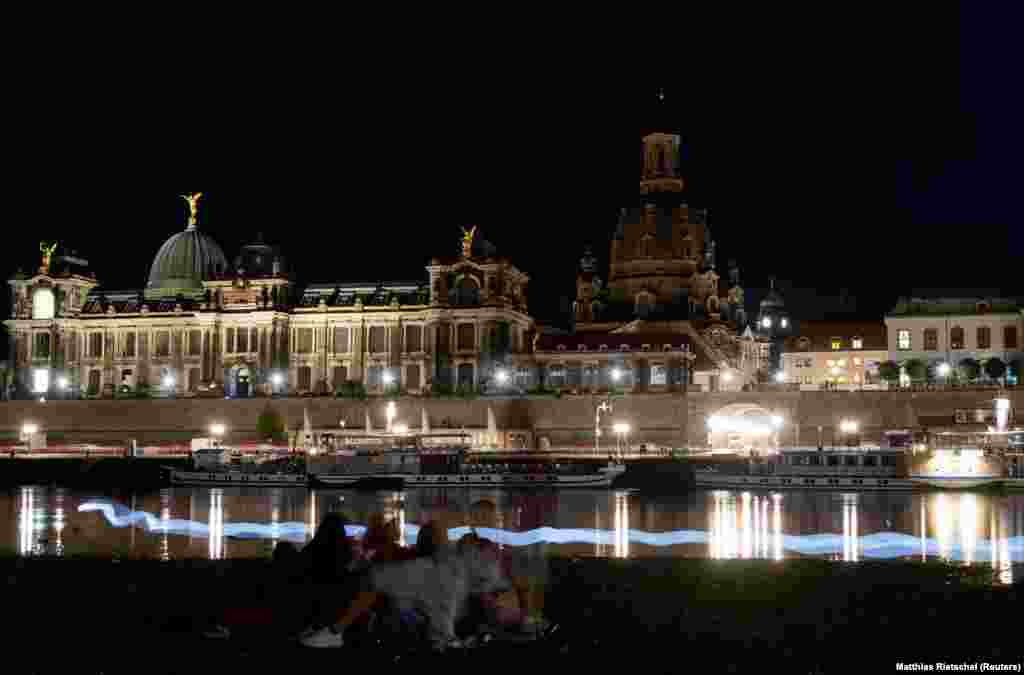
This is how the famed riverside of Dresden looked on the evening of August 22. Bright lights usually showcase the eastern German city&#39;s architecture, but in recent weeks the skyline has gone dark.&nbsp;<br />
<br />
&nbsp;
1/11 This is how the famed riverside of Dresden looked on the evening of August 22. Bright lights usually showcase the eastern German city's architecture, but in recent weeks the skyline has gone dark. 

 
Lights have been switched off at famous landmarks and Germans are stocking up on wood and coal as gas flows from Russia become increasingly uncertain.
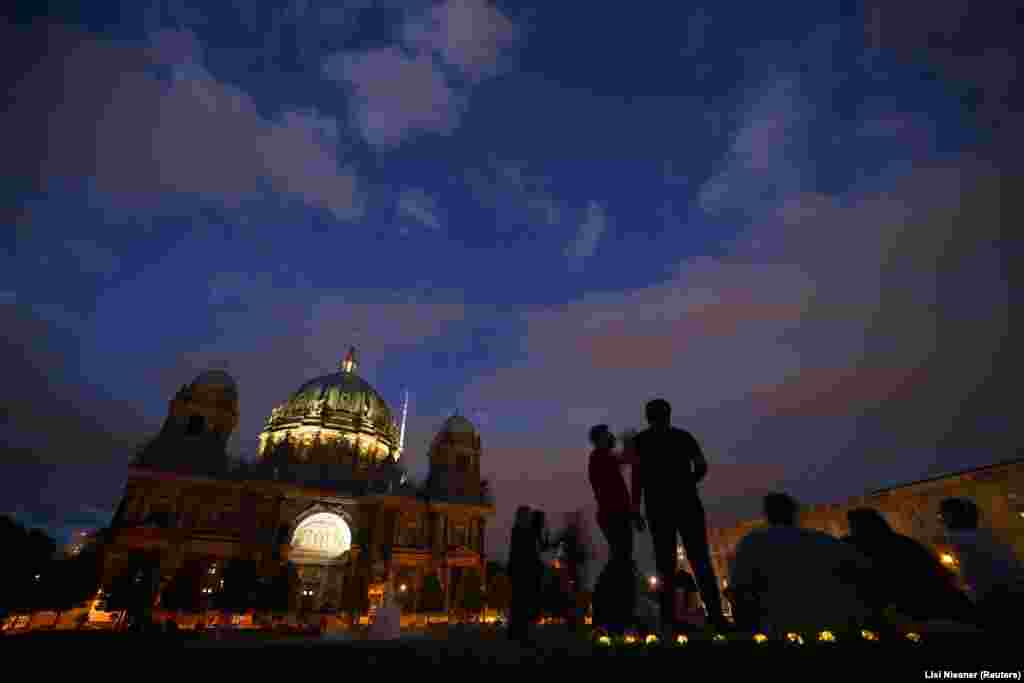
In Berlin too, historic sites stand largely unlit after sunset. People enjoy a summer evening next to Berlin&#39;s central cathedral.&nbsp;<br />
&nbsp;
2/11 In Berlin too, historic sites stand largely unlit after sunset. People enjoy a summer evening next to Berlin's central cathedral. 
 
Lights have been switched off at famous landmarks and Germans are stocking up on wood and coal as gas flows from Russia become increasingly uncertain.
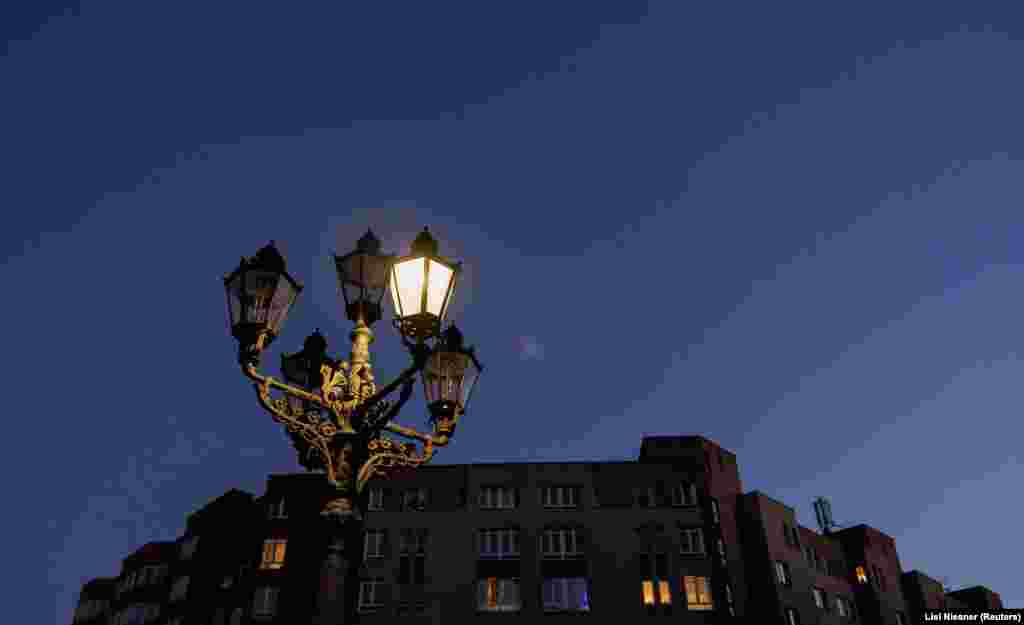
Gas lanterns are lit at a minimum in Berlin.&nbsp;<br />
<br />
The power-saving measures are part of an attempt by Germany to reduce its energy consumption and stockpile gas as supplies from Russia become increasingly uncertain.
3/11 Gas lanterns are lit at a minimum in Berlin. 

The power-saving measures are part of an attempt by Germany to reduce its energy consumption and stockpile gas as supplies from Russia become increasingly uncertain.
Lights have been switched off at famous landmarks and Germans are stocking up on wood and coal as gas flows from Russia become increasingly uncertain.
A corner of Berlin&#39;s Reichstag at dusk.&nbsp;<br />
<br />
Germany relies heavily on Russia for its energy needs. Before the Kremlin&#39;s February 24 invasion of Ukraine, 55 percent of Germany&#39;s gas was purchased from Russia.&nbsp;
4/11 A corner of Berlin's Reichstag at dusk. 

Germany relies heavily on Russia for its energy needs. Before the Kremlin's February 24 invasion of Ukraine, 55 percent of Germany's gas was purchased from Russia. 
Lights have been switched off at famous landmarks and Germans are stocking up on wood and coal as gas flows from Russia become increasingly uncertain.
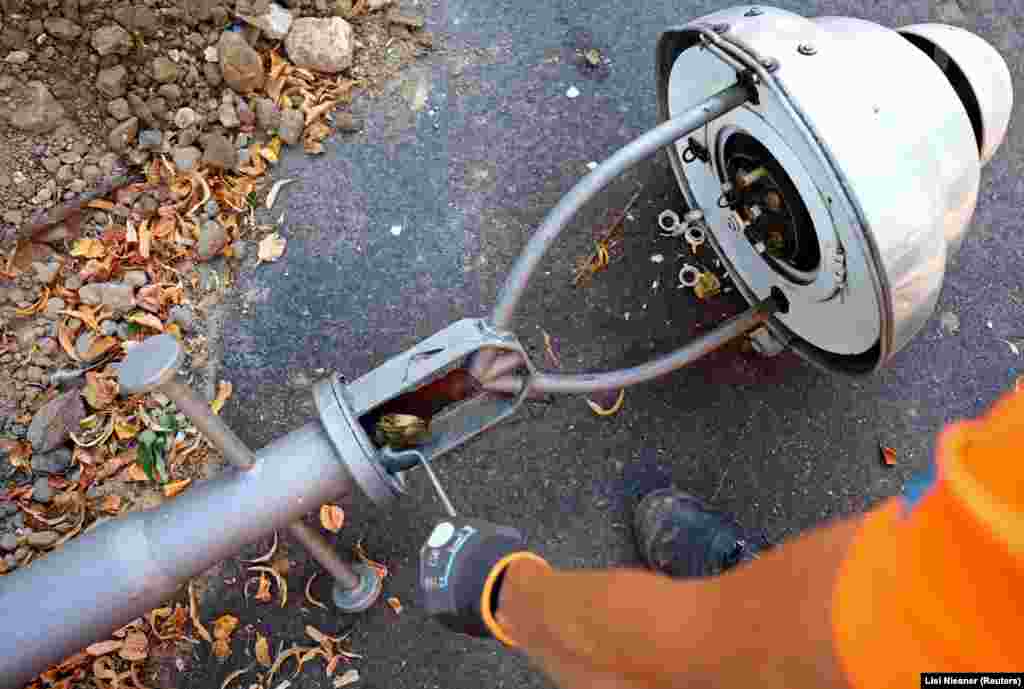
A worker dismantles a gas street lamp in Berlin on August 10.&nbsp;<br />
<br />
The Kremlin appears to be using its gas-powered leverage to pressure Germany over its support for Ukraine. Flows of Russian gas through the Nord Stream 1 pipeline were cut <a href="https://www.bundesnetzagentur.de/EN/Areas/Energy/Companies/SecurityOfSupply/GasSupply/Downloads/07_July_22/20220727.pdf?__blob=publicationFile&amp;v=2">to less than 20 percent of capacity</a> in July, with Russia&#39;s Gazprom citing &quot;equipment repairs&quot; for the strangled gas flow.&nbsp;
5/11 A worker dismantles a gas street lamp in Berlin on August 10. 

The Kremlin appears to be using its gas-powered leverage to pressure Germany over its support for Ukraine. Flows of Russian gas through the Nord Stream 1 pipeline were cut to less than 20 percent of capacity in July, with Russia's Gazprom citing "equipment repairs" for the strangled gas flow. 
Lights have been switched off at famous landmarks and Germans are stocking up on wood and coal as gas flows from Russia become increasingly uncertain.
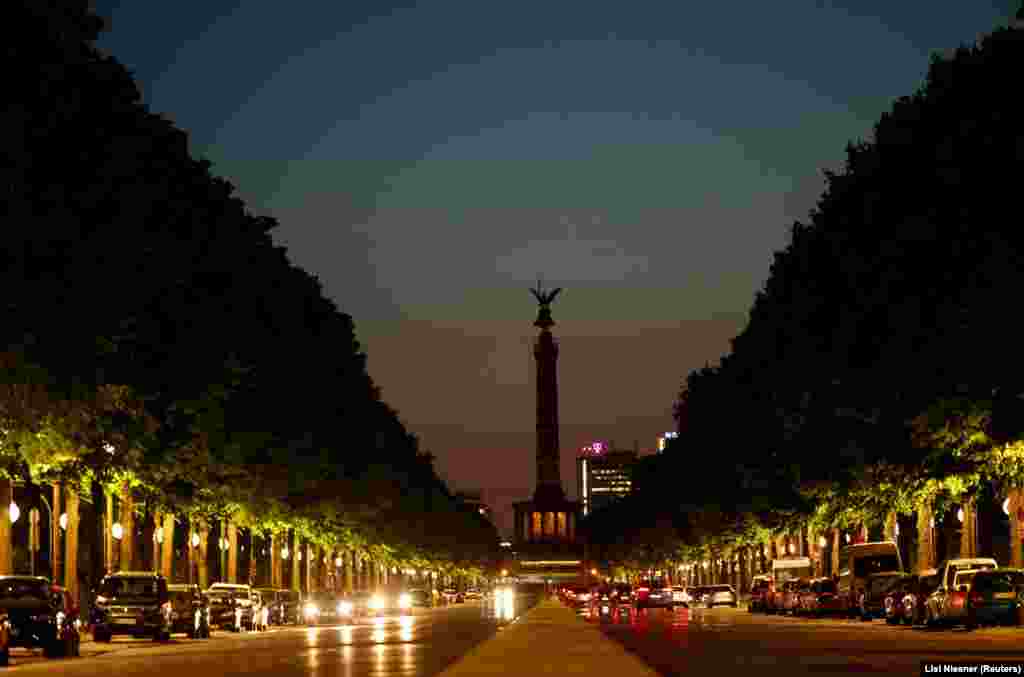
Berlin&#39;s Victory Column is among the monuments that have gone dark.&nbsp;<br />
<br />
On August 24, Germany approved <a href="https://www.reuters.com/business/energy/german-government-approves-energy-saving-measures-rein-gas-usage-2022-08-24/">drastic measures</a> to cut back on energy use including limiting heating to 19 degrees Celsius (66 degrees Fahrenheit) inside public buildings and switching off aesthetic lighting on monuments. A ban on private heated swimming pools is also being considered.&nbsp;
6/11 Berlin's Victory Column is among the monuments that have gone dark. 

On August 24, Germany approved drastic measures to cut back on energy use including limiting heating to 19 degrees Celsius (66 degrees Fahrenheit) inside public buildings and switching off aesthetic lighting on monuments. A ban on private heated swimming pools is also being considered. 
Lights have been switched off at famous landmarks and Germans are stocking up on wood and coal as gas flows from Russia become increasingly uncertain.
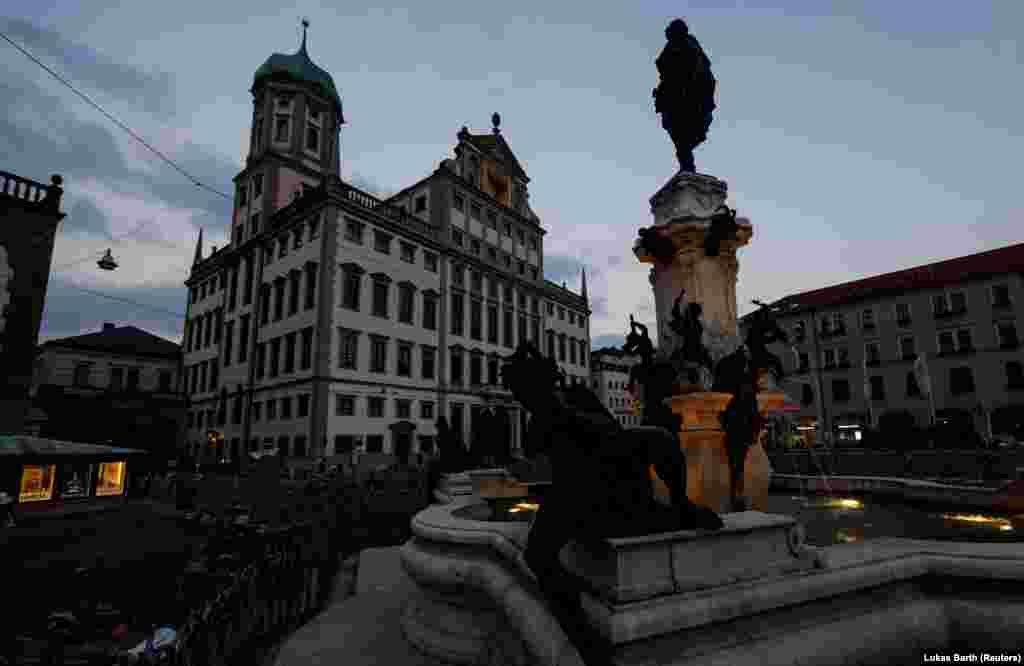
The town hall of Augsburg and the surrounding square are normally brightly lit in the evening.&nbsp;<br />
<br />
From September, Germany&#39;s rail network will prioritize trains carrying coal and oil, meaning passenger trains will need to wait as the fuel wagons move through.&nbsp;
7/11 The town hall of Augsburg and the surrounding square are normally brightly lit in the evening. 

From September, Germany's rail network will prioritize trains carrying coal and oil, meaning passenger trains will need to wait as the fuel wagons move through. 
Lights have been switched off at famous landmarks and Germans are stocking up on wood and coal as gas flows from Russia become increasingly uncertain.
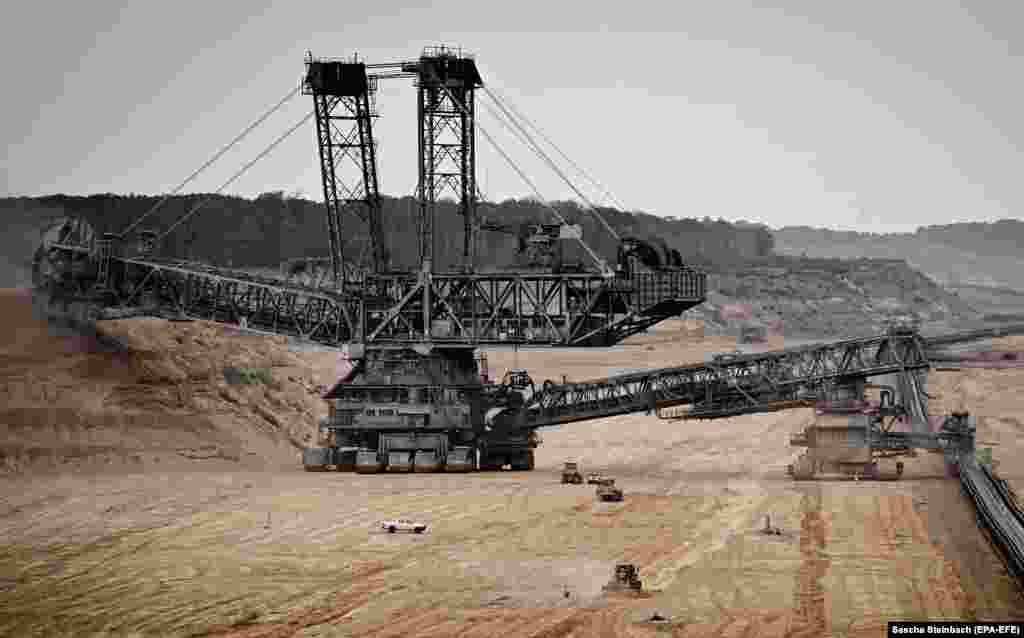
A brown coal excavator works at the Tagebau Hambach mine on August 17.&nbsp;<br />
<br />
The coal industry in Germany is currently seeing a surge in sales as consumers prepare for winter and gas bills for households climb.&nbsp;
8/11 A brown coal excavator works at the Tagebau Hambach mine on August 17. 

The coal industry in Germany is currently seeing a surge in sales as consumers prepare for winter and gas bills for households climb. 
Lights have been switched off at famous landmarks and Germans are stocking up on wood and coal as gas flows from Russia become increasingly uncertain.
A worker fills bags with coal at Hans Engelke Energie, a&nbsp;heating products company,&nbsp;in Berlin on August 10.&nbsp;<br />
<br />
In August, the head of Hans Engelke Energie told AFP new customers had arrived en masse this year for cheap coal and wood products and that he had postponed his holidays to keep up with demand. &ldquo;Those who heat with gas but who still have a [coal-burning] stove at home now all want to have coal,&rdquo; he said.&nbsp;
9/11 A worker fills bags with coal at Hans Engelke Energie, a heating products company, in Berlin on August 10. 

In August, the head of Hans Engelke Energie told AFP new customers had arrived en masse this year for cheap coal and wood products and that he had postponed his holidays to keep up with demand. “Those who heat with gas but who still have a [coal-burning] stove at home now all want to have coal,” he said. 
Lights have been switched off at famous landmarks and Germans are stocking up on wood and coal as gas flows from Russia become increasingly uncertain.
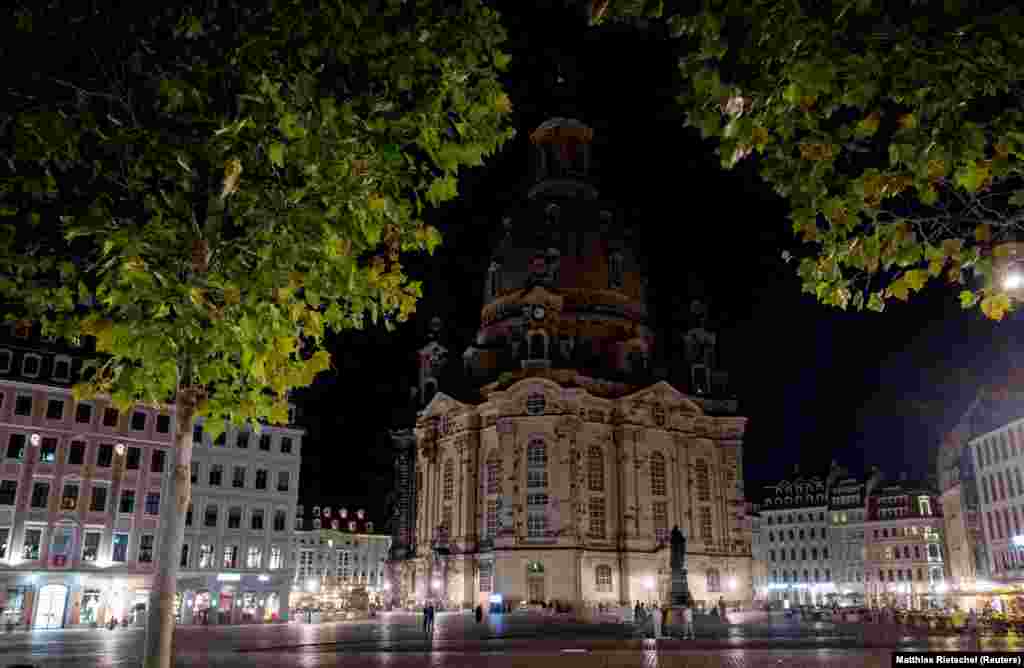
The darkened Frauenkirche in Dresden seen on August 22.&nbsp;<br />
<br />
Some have expressed fears of mass unrest in Germany as winter approaches and energy continues to be restricted and more expensive. Chancellor Olaf Scholz <a href="https://www.dw.com/en/germany-braces-for-social-unrest-over-energy-prices/a-62726300">recently described</a> soaring energy costs as a &quot;powder keg for society.&quot;&nbsp;
10/11 The darkened Frauenkirche in Dresden seen on August 22. 

Some have expressed fears of mass unrest in Germany as winter approaches and energy continues to be restricted and more expensive. Chancellor Olaf Scholz recently described soaring energy costs as a "powder keg for society." 
Lights have been switched off at famous landmarks and Germans are stocking up on wood and coal as gas flows from Russia become increasingly uncertain.
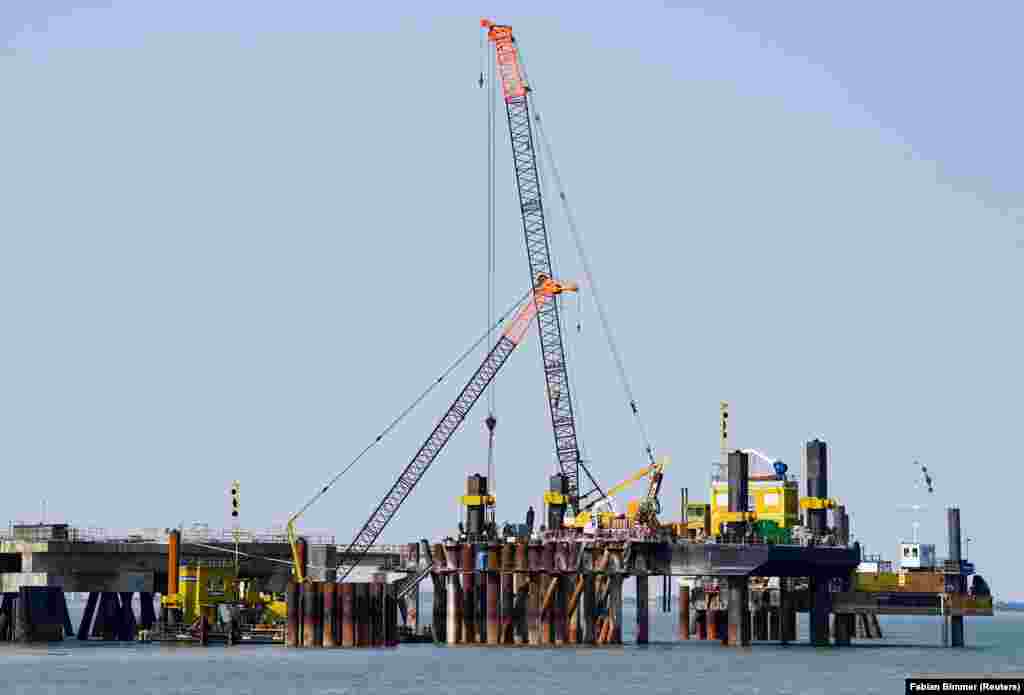
A floating liquefied natural gas terminal was under construction near Wilhelmshaven on August 16.&nbsp;<br />
<br />
Germany is building two gas terminals that will streamline imports from other countries as it attempts to stockpile in time for winter. Berlin is aiming to fill gas reserves to 95 percent by November.&nbsp;
11/11 A floating liquefied natural gas terminal was under construction near Wilhelmshaven on August 16. 

Germany is building two gas terminals that will streamline imports from other countries as it attempts to stockpile in time for winter. Berlin is aiming to fill gas reserves to 95 percent by November. 
Lights have been switched off at famous landmarks and Germans are stocking up on wood and coal as gas flows from Russia become increasingly uncertain.
Previous slide
Next slide


There are other aspects to consider. At what level should the cap be set? One price often mentioned is 50 euros per megawatt-hour, which is about 20 percent of the current spot price of electricity per megawatt-hour on the market.

Another option is to simply create a single buyer of Russian gas that would negotiate prices with Moscow.

Gazprom is unlikely to agree to any of this, pointing to various existing "force majeure" clauses in contracts with various EU energy companies. If it doesn't get what it wants, Gazprom can either take European energy companies to court or just cut off the supply.

2. Are There Any Other Options?

The dilemma here is that while there is such a thing as a European energy market, individual capitals can -- and probably will -- take national measures to respond to domestic concerns. So don't expect too many concrete decisions already this week.

Expect more headlines about cities switching off the lights on historic buildings overnight, or companies making office workers bring an extra sweater.

Despite that, two ideas have received the most attention recently from European officials and policymakers.

The one most likely to eventually be adopted is the suggestion that a price ceiling be put on the electricity generated by non-gas producers, or so-called "infra-marginal producers," such as renewables, nuclear, and even coal. This, for example, could be implemented by introducing a tax on the extra profit those producers are making and then use the funds generated to support households and industries under financial stress.

These infra-marginal producers have been making huge profits recently due to the specific way that the EU-wide energy market functions. The price on the market is set by the most expensive energy source, which these days is natural gas. So even if production costs for solar or wind are much cheaper than gas, the electricity price will be the same – i.e. sky-high. The German government recently spoke in favor of this approach, and while it is expected to offer some relief to the most hard-hit consumers, few officials believe it is a silver bullet.

Then there is the "Iberian model," so-called because it is being used in Portugal and Spain. Those countries have relatively few energy connections with the rest of Europe, making them something of an "energy island."

The model consists of a subsidized cap on gas prices, essentially a decoupling of gas and electricity prices. The pair will probably continue to enjoy this exemption, but the Iberian model is unlikely to be adopted wholesale by the EU due to the enormous cost such a subsidy would entail and the fact that it would encourage a higher consumption of gas -- a commodity that is increasingly scarce and whose dependency the bloc wants to rid itself of.
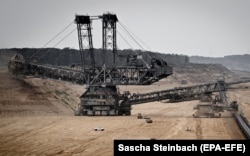
A brown coal excavator removes layers of soil in a mine operated by German energy supplier RWE near Juelich, Germany, in August.

3. What About More Nuclear And Coal?

Both energy sources are likely to be used more and, while they are likely to help, at least in some countries, they are no panacea for the current crisis. Germany has already announced that it will delay its phaseout of its nuclear plants and has restarted some of its coal-fired power stations. France soon hopes to have more of its nuclear plants online, with over half of its 56 reactors currently shut down due to maintenance work.

Other countries, notably in Central and Eastern Europe, are also trying to speed up the construction of new nuclear plants. Coal will also experience something of an unlikely renaissance, one that Brussels hopes is temporary as it still wants to cut its greenhouse gas emissions by 55 percent by 2030 and reach climate neutrality by 2050.

A skier glides down the Montmartre hill near the Sacre Coeur Basilica in Paris. (file photo)

4. Will People Be Asked To Turn Down The Heat In Their Homes?

While much of the focus has been on energy supplies, many officials and experts believe that the real solution lies in lowering the demand for energy over the winter.

The European Commission will propose a mandatory target for reducing electricity use at peak hours in all 27 EU member states. Expect more headlines about cities switching off the lights on historic buildings overnight, like Berlin recently did, or companies making office workers bring an extra sweater to cope with lower daily temperatures.

There will also be EU and government initiatives to cajole people into turning down the thermostat and take shorter showers. Such measures aren't likely to solve the problem, but many believe it is a step in the right direction.

5. Is This The New Normal?

EU officials say that this winter will be harsh, but the bloc will be better equipped to cope in the future.

Firstly, EU countries are expecting more liquefied natural gas (LNG) and pipeline gas from the United States, Azerbaijan, Algeria, and Norway in the future.

Secondly, more gas interconnectors, which connect countries' gas networks, more LNG terminals, and possibly even more pipelines should be in place in Europe next winter.

  • 16x9 Image

    Rikard Jozwiak

    Rikard Jozwiak is the Europe editor for RFE/RL in Prague, focusing on coverage of the European Union and NATO. He previously worked as RFE/RL’s Brussels correspondent, covering numerous international summits, European elections, and international court rulings. He has reported from most European capitals, as well as Central Asia.

This item is part of
XS
SM
MD
LG