WATCH: Former Chechen Commander Slain In Berlin Buried In Native Georgian Village
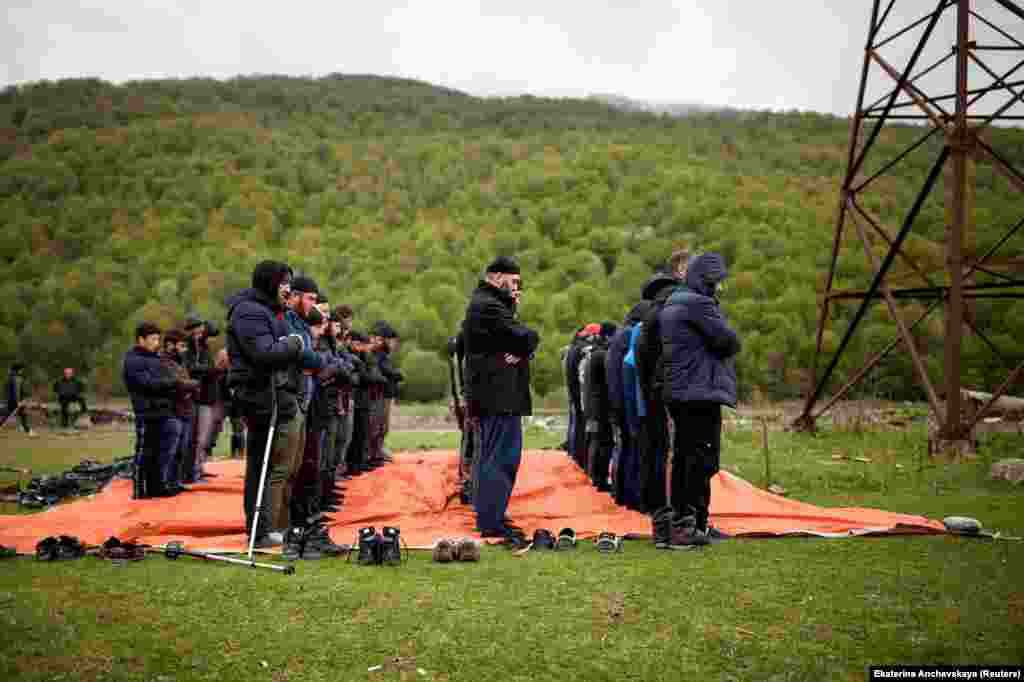
DUISI, Georgia -- A Georgian national, Zelimkhan Khangoshvili, who was shot dead in Berlin last week, has been buried in his native village of Duisi in Georgia's Pankisi Gorge, the home of ethnic Chechens known as Kists.
Khangoshvili's body was transferred to the Pankisi Gorge on August 29 and buried hours later.
The 40-year-old Khangoshvili was shot to death in the German capital on August 23. German police arrested a 49-year-old Russian citizen as a suspect in the apparent assassination.
Many in the Duisi village say that Khangoshvili's killing was organized by Russian secret services.
The Kremlin has officially denied any involvement in the killing.
“There is a Russian trace in this case because [Khangoshvili] was a prominent fighter,” Khaso Khangoshvili, head of the council of elders in Pankisi Gorge, told RFE/RL during the funeral.
Civil activist Luiza Mutoshvili said that “everyone who was fighting for national independence or who lived for this idea have been targeted by the Russian special forces.”
Khangoshvili “is the victim of Russian special services. There can be no alternative version,” Mutoshvili said.
Russian President Vladimir Putin's spokesman, Dmitry Peskov, said on August 28 that "the case has nothing to do with Russia or its agencies."
Inside Pankisi: Life In Georgia's Troubled Muslim Enclave
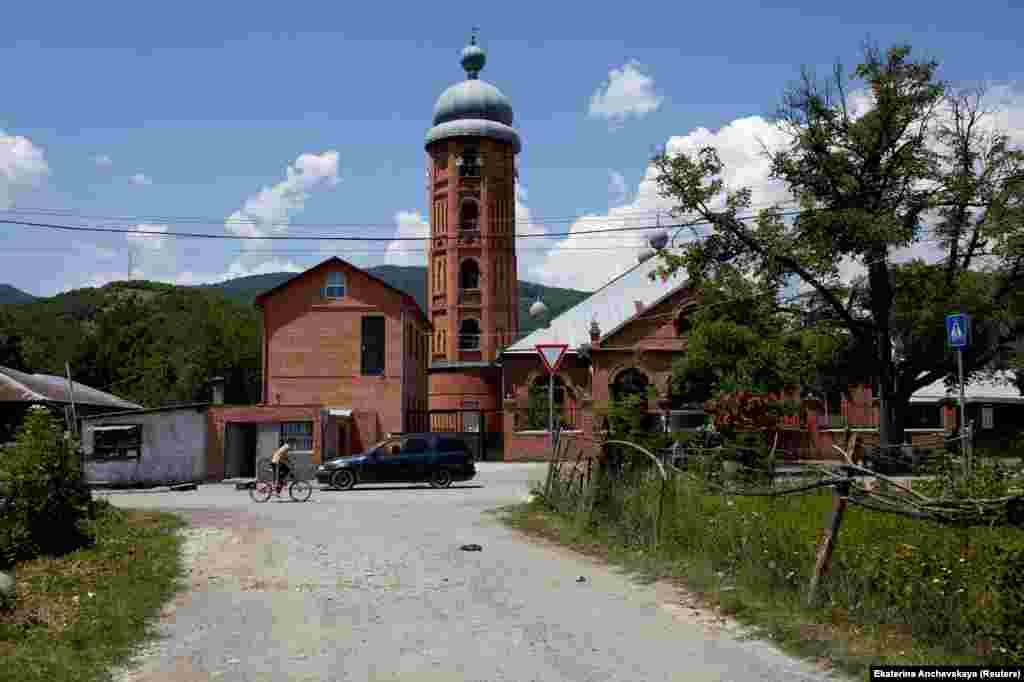
1/12A mosque in the village of Duisi, in Pankisi Gorge – a majority-Muslim enclave inside mostly Christian Georgia.
Photojournalist Ekaterina Anchevskaya spent 10 days in the Pankisi Gorge, where local efforts to develop tourism are being hampered by a history of unrest.
Show moreShow less
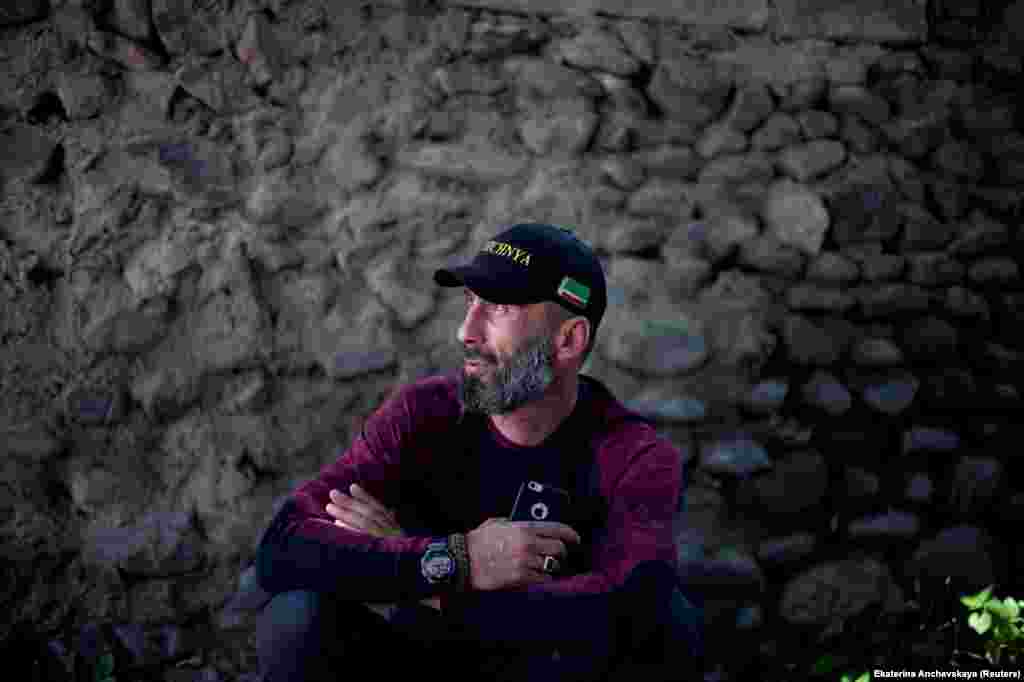
2/12Abu Achishvili, a mountain guide in Duisi, wearing a hat with a Chechen flag on it. Most of the gorge's inhabitants are Kists – Muslims with ethnic links to Russia’s nearby Chechen republic -- or Chechens who fled there during the wars of the 1990s.
Photojournalist Ekaterina Anchevskaya spent 10 days in the Pankisi Gorge, where local efforts to develop tourism are being hampered by a history of unrest.
Show moreShow less
3/12Pankisi Gorge runs for just 30 kilometers but has had an outsized influence on Georgia's recent history.
Photojournalist Ekaterina Anchevskaya spent 10 days in the Pankisi Gorge, where local efforts to develop tourism are being hampered by a history of unrest.
Show moreShow less
4/12Georgian soldiers training near the Pankisi Gorge in 2002. The gorge was notorious at the time for harboring often foreign-born Islamic militants. Georgian security forces reportedly captured “more than a dozen Arab militants” in Pankisi in 2002.
Photojournalist Ekaterina Anchevskaya spent 10 days in the Pankisi Gorge, where local efforts to develop tourism are being hampered by a history of unrest.
Show moreShow less
5/12Boys of the gorge during martial-arts training. In recent years, at least dozens of young locals left to join Islamic militants fighting in the Middle East. More than two dozen Pankisi men have been killed in Syria, including one of Islamic State’s (IS) most notorious commanders.
Photojournalist Ekaterina Anchevskaya spent 10 days in the Pankisi Gorge, where local efforts to develop tourism are being hampered by a history of unrest.
Show moreShow less
6/12Many locals today see tourism as the only way to develop the gorge. Bela Mutoshvili, 55, a teacher and guesthouse owner in the village of Jokolo, says, "Developing tourism is the only way for the village to survive now. There are no other jobs here."
Photojournalist Ekaterina Anchevskaya spent 10 days in the Pankisi Gorge, where local efforts to develop tourism are being hampered by a history of unrest.
Show moreShow less
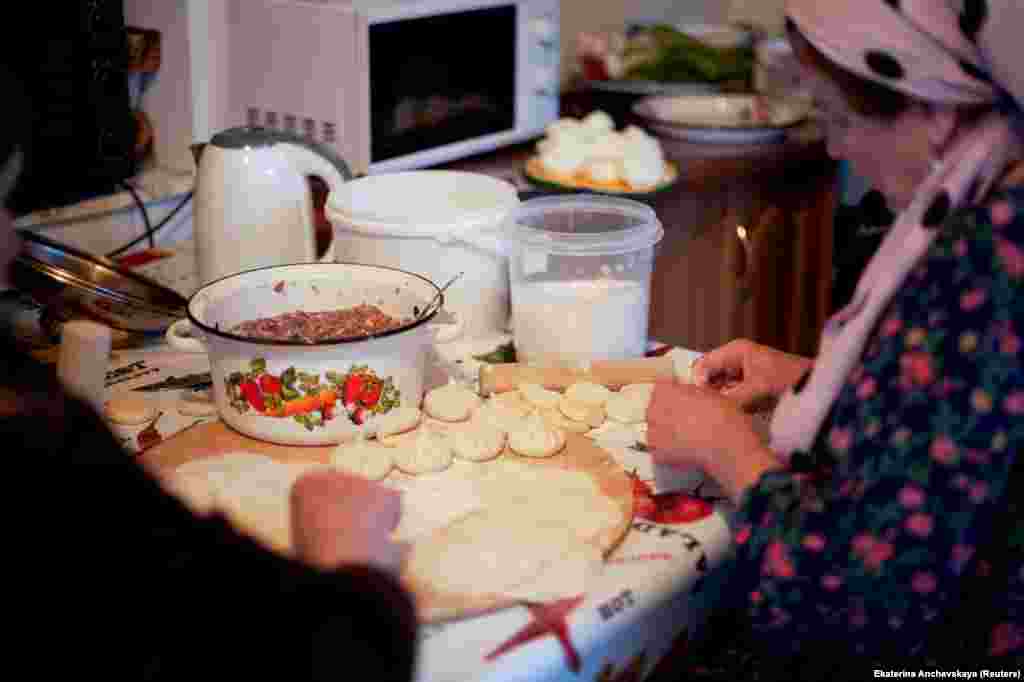
7/12Pankisi women prepare kinkhali, a traditional Georgian dumpling dish. Photographer Anchevskaya told RFE/RL there are an increasing number of Saudi and other Arab tourists now staying in the gorge. “They come because it’s cheap, and also because of the Muslim culture -- they feel comfortable.”
Photojournalist Ekaterina Anchevskaya spent 10 days in the Pankisi Gorge, where local efforts to develop tourism are being hampered by a history of unrest.
Show moreShow less
8/12But recent events have again pushed Pankisi into the headlines.
Photojournalist Ekaterina Anchevskaya spent 10 days in the Pankisi Gorge, where local efforts to develop tourism are being hampered by a history of unrest.
Show moreShow less
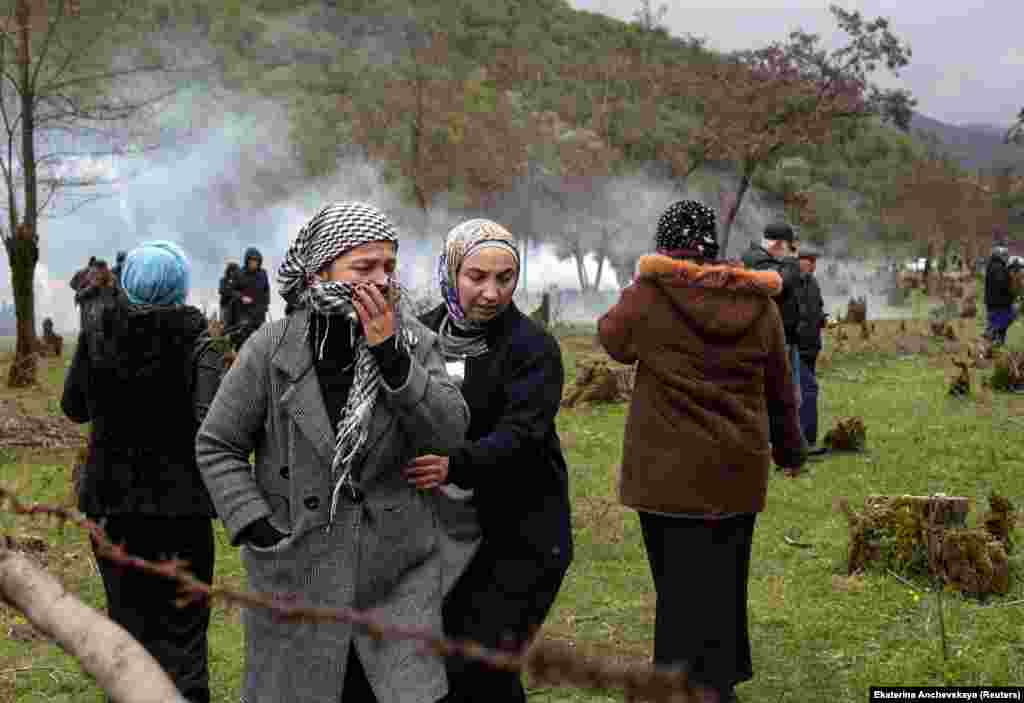
9/12In April, violent clashes broke out (pictured) between police and locals angry at the planned construction of a dam in the gorge. After locals rained rocks down on riot police, the authorities responded with tear gas and rubber bullets.
Photojournalist Ekaterina Anchevskaya spent 10 days in the Pankisi Gorge, where local efforts to develop tourism are being hampered by a history of unrest.
Show moreShow less
10/12
Dozens of people, mostly police, were injured in the clashes. Anchevskaya, who witnessed the violence that day, says for many of the Pankisi protesters the planned dam rekindled painful memories. “They already lost their homes in Chechnya,” the photographer told RFE/RL. “They are refugees and they are afraid they will lose their homes again.”
Photojournalist Ekaterina Anchevskaya spent 10 days in the Pankisi Gorge, where local efforts to develop tourism are being hampered by a history of unrest.
Show moreShow less
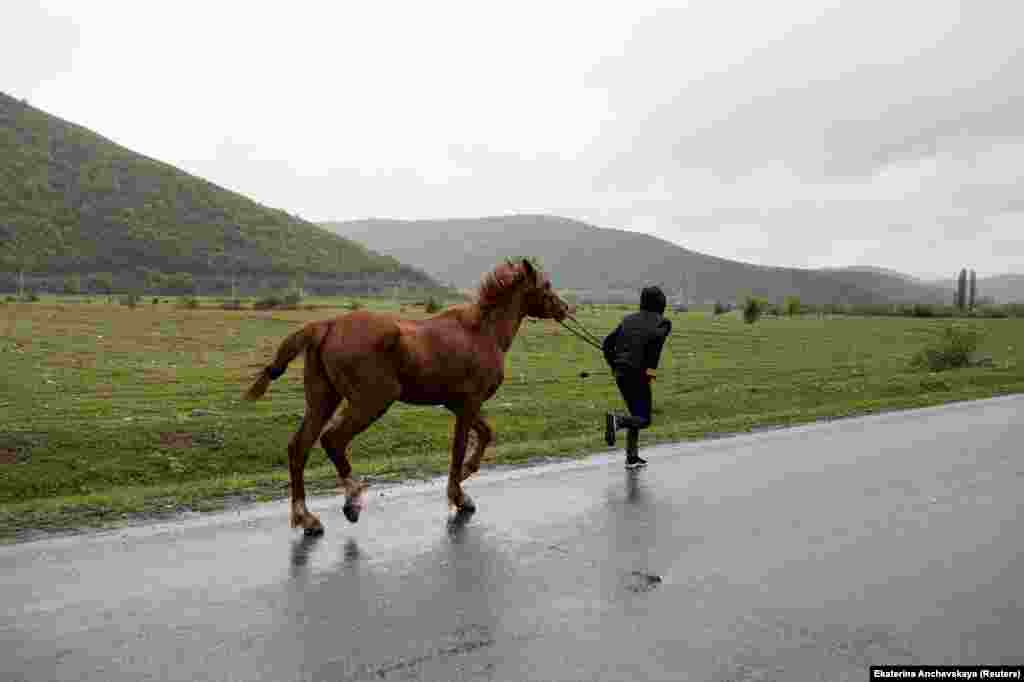
11/12A boy jogs his horse toward Duisi. Anchevskaya says that despite its troubled history she feels a deep affinity for the gorge, and she urges other people to experience it for themselves.
Photojournalist Ekaterina Anchevskaya spent 10 days in the Pankisi Gorge, where local efforts to develop tourism are being hampered by a history of unrest.
Show moreShow less
12/12
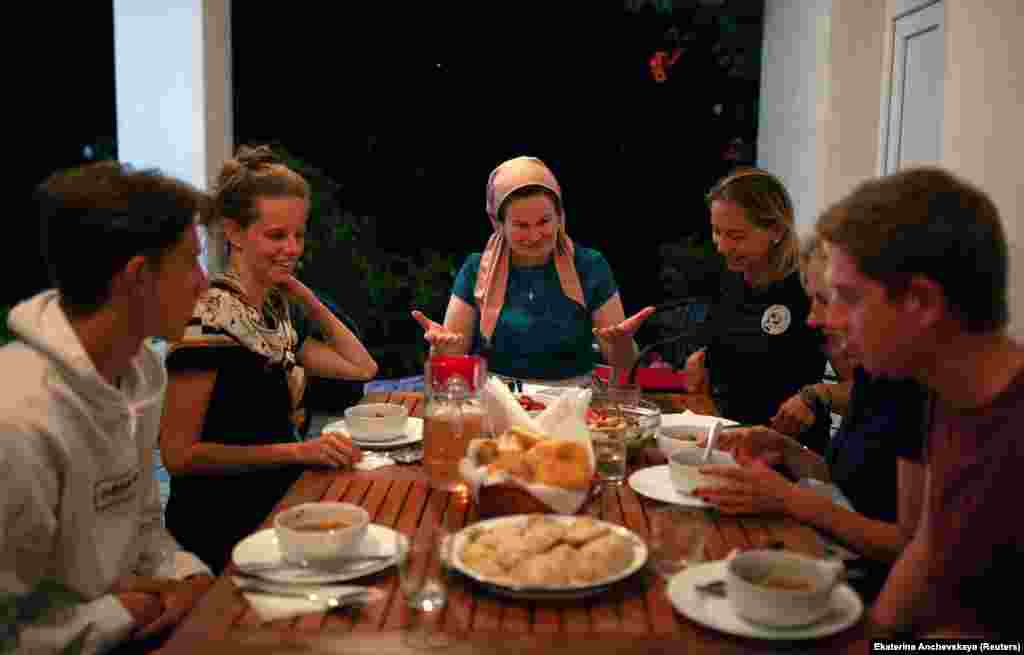
Leila Achishvili (center), a guesthouse owner in Jokolo whose two sons were killed fighting in Syria, at dinner with tourists.
Photographer Anchevskaya told RFE/RL: “In Pankisi, they say if you are a guest of someone in the village, you are the guest of the whole village. These people have been through a lot and still face prejudice and conflicts, but they respect their guests, traditions, and nature they live in, and they want to share it with others.”
Photojournalist Ekaterina Anchevskaya spent 10 days in the Pankisi Gorge, where local efforts to develop tourism are being hampered by a history of unrest.
Show moreShow less
Previous slide
Next slide
Khangoshvili reportedly fought Russian troops during the Second Chechen War from 1999 to 2009, where he served as a rebel field commander from 2001 to 2005.
He later joined Georgian counterterrorist forces and played a key role in a Georgian operation against militants holding hostages in the remote Lopota Gorge near the border with Russia's North Caucasus region of Daghestan in 2012.
Russia has been accused by Western governments of organizing killings and attempted assassinations in foreign countries, including the poisonings of ex-spies Aleksandr Litvinenko and Sergei Skripal in England.
RFE/RL's Georgian Service is a trusted source of politically and financially independent journalism in a country where much of the media is aligned with the government or the opposition.