




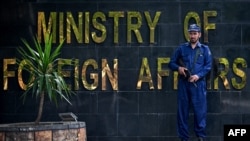
Pakistan appears to have achieved a significant diplomatic breakthrough by playing a proactive role in brokering a 14-day cease-fire and setting the stage for the US-Iran talks in Islamabad on April 10.
The last-minute cease-fire, announced by Pakistani Prime Minister Shehbaz Sharif on X late on April 8, came just hours before the expiration of US President Donald Trump’s deadline warning Iran of consequences that could lead to the destruction of a civilization “never to be brought back again.”
“The Islamic Republic of Iran and the United States of America, along with their allies, have agreed to an immediate cease-fire everywhere, including Lebanon and elsewhere, effective immediately,” Sharif posted, tagging senior US administration officials.
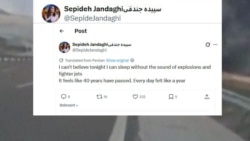


Referring to his conversation with Sharif and Pakistan’s army chief, Asim Munir, whom he has previously described as his “favorite field marshal,” Trump posted on Truth Social, “I agree to suspend the bombing and attack of Iran for a period of two weeks.” Iranian Foreign Minister Abbas Araqchi also praised Sharif and the army chief for their efforts.
'Godsend' For Pakistan
Analysts have described the development as a “godsend” for nuclear-armed Pakistan, which has repeatedly faced accusations from various US administrations -- including that of Trump -- of playing a double game during the NATO-US war against the Taliban in Afghanistan.
Pakistan also strengthened its ties with the oil-rich Gulf states while successfully avoiding the risk of an unwanted conflict with Iran -- especially since Saudi Arabia, which signed a Strategic Mutual Defense Agreement with Islamabad last year, could have been drawn into the war.
“Pakistan played it very wisely by bolstering its diplomatic image while also avoiding a war with its closest neighbor, Iran,” said Ayesha Siddiqa, a fellow at the Department of War Studies at King’s College London and author of Military Inc.: Inside Pakistan’s Military Economy.
“It is easier to join a war, but it is very difficult to get out of it,” said Siddiqa, who added that Pakistan was the only country in the region that could talk to both Iran and the United States and it used the opportunity very wisely.
Pakistan shares a roughly 900-kilometer-long border with Iran, separating Iran’s Sistan and Baluchestan Province from Pakistan’s Balochistan. The region, marked by rugged terrain and limited state control, is home to a range of militant groups, including the anti-Iranian outfit Jaysh al-Adl (formerly Jundallah) as well as Baloch separatist groups operating on the Pakistani side of the border.
The Role Of Saudi Arabia
Siddiqa also argued that Pakistan had little choice but to step in and mediate a settlement. In her view, given the escalating situation, Saudi Arabia could eventually have been drawn into the conflict had Iran continued targeting installations inside the kingdom. Under the Strategic Mutual Defence Agreement -- which stipulates that an attack on one party is considered an attack on both -- Pakistan would have faced significant pressure to support Saudi Arabia, potentially leaving it with little choice but to join a Saudi-led war against Iran."
Under the temporary cease-fire, Iran would reopen the Strait of Hormuz allowing marine traffic through the sea route. The closure has caused an oil shortage affecting consumers around the world. Around one-fifth of the world’s oil flows through the Strait of Hormuz.
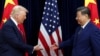
Citing Iranian media, Reuters reported that the Iranian proposal for the peace negotiations include the lifting of sanctions against Iran, releasing the country’s frozen assets, and withdrawing US troops from the region. President Trump had described the proposal as a “workable basis on which to negotiate.”
Iran's semi-official ISNA news agency reported on April 8 that the speaker of Iran's parliament, Mohammad Baqer Qalibaf, will lead the Iranian negotiating team during the talks due to be held on April 10 in Pakistan. But the Tasnim news agency, quoting an unnamed source, reported that no decision about the names of the Iranian delegation had yet been made.
The news agency reported that the Supreme National Security Council, along with the three branches of government and other relevant officials, are considering all aspects of the negotiations and official announcements on this matter will be made soon.
The United States has also not confirmed the in-person talks. White House Press Secretary Karoline Leavit was quoted as saying that “there are discussions about in-person talks, but nothing is final until announced by the president or the White House.”
Israel also supported the suspension of strikes against Iran. In an X post, the office of the Israeli prime minister said “Israel supports President Trump's decision to suspend strikes against Iran for two weeks subject to Iran immediately opening the straits and stopping all attacks on the US, Israel ,and countries in the region."
“Pakistan and Iran never remained on very cordial terms. But being the closest neighbors and Muslim countries, Iran trusts Pakistan more than any other country in the region,” said Khalid Sultan, an Islamabad-based analyst.
Sultan argued that Pakistan’s “unexpected victory” against India in the four-day war in May 2025 has increased Pakistan’s importance for the Gulf countries. Despite its fragile economic situation, many Gulf countries are now trying to keep Pakistan on their side.
“This provided Pakistan a diplomatic clout to come forward and play a lead role in defusing the US-Iran conflict.” He said the fresh developments have improved Pakistan’s image as well as strengthened its diplomatic role.

