



US Promises 'Unprecedented' Economic Isolation Of Iran. What Could That Mean?
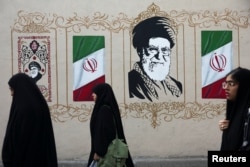
WASHINGTON -- US President Donald Trump’s administration is promising a new phase of economic pressure on Iran, with Treasury Secretary Scott Bessent suggesting Washington will announce measures next week unlike anything previously used to isolate a country economically.
What those measures will be is unclear. But experts who spoke to RFE/RL said truly unprecedented action could mean moving beyond another round of sanctions against Iranian companies and targeting the international financial and commercial networks that have helped Tehran keep selling oil despite decades of US pressure.
That could include Chinese banks, yuan-denominated payments for Iranian oil, alternative payment systems, and the shipping, insurance, refining, and financial intermediaries behind the trade.
"Watch this space for more announcements coming next week because we are going to apply measures like have never been seen in the history of economic isolation on a country," Bessent said in an August 13 interview with Newsmax. He said the measures would form part of a "one-two punch" alongside the continued blockade of Iran's ports.
Trump amplified the remarks the following day by sharing a Newsmax report on them on Truth Social.
The White House has provided few details. Asked on August 14 about the expected action, spokeswoman Karoline Leavitt said “there are more tools at our disposal that we can use to continue punishing Iran and crippling their economy, which is in a very weak spot as it is right now.
The administration says Iran is suffering from rising inflation, reduced energy revenues, poverty, and limited access to foreign currency. A Pentagon assessment cited by The Hill found that the first iteration of the US blockade, from April 13 to June 18, cost Iran about $4.8 billion in oil revenue.
The question now is where Washington can apply pressure that it has not already tried -- and whether the steps it takes can change Tehran’s calculus.
Read more here
Lebanon Says At Least 9 People Killed In Israeli Strikes
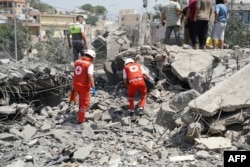
Lebanese authorities said Israeli strikes in southern Lebanon on August 15 killed at least nine people, including three children, in what appeared to be the deadliest attack since cease-fire deals eased hostilities between Israel and Hezbollah in early summer.
The Israeli military said its latest strikes in Lebanon were in response to cease-fire violations by Hezbollah, claiming that the militants had attacked Israeli forces “inside the agreed-upon security zone.”
However, Lebanese Prime Minister Nawaf Salam said civilians had been killed in the strikes, stressing that they were not “military targets” and urging Israel to halt what he called an “extremely dangerous” escalation.
Hezbollah, a militant group and political party that controls much of southern Lebanon and is considered a terrorist organization by the United States, urged Beirut to halt “humiliating” negotiations with Israel after the strikes.
Both Israel and Lebanon frequently accuse each other of cease-fire violations. Israel has carried out strikes targeting Hezbollah militants in Lebanon since March 2, two days after the start of the US-Israeli war with Iran, when Hezbollah forces opened fire in support of Tehran.
With reporting by Reuters and AFP
Yemen Government Says Houthi Strike On Red Sea Port Kills 4
Yemen’s internationally recognized government said Iran-aligned Houthi forces fired six ballistic missiles at the Red Sea port of Mokha on August 14, killing at least four civilians amid escalating hostilities in the country.
Government-aligned armed forces said the attack targeted a civilian facility as well as economic and maritime installations, killing a port security guard and wounding eight civilians. Two sailors were reported missing. A military source cited by the official Saba News Agency said four civilians were killed and several fishing boats caught fire.
The Houthis confirmed firing ballistic missiles but said they had targeted a military buildup of weapons and warships belonging to Saudi-backed forces in Mocha.
Separately, the Houthis said they targeted a Saudi Aramco facility in Najran, Saudi Arabia, with a drone. There was no immediate confirmation from Saudi authorities or Aramco.
The attacks come amid heightened regional tensions from the US-Israeli war on Iran.
Saudi Arabia intervened militarily in Yemen in 2015 at the head of a coalition supporting the internationally recognized government against the Houthis, who had seized the capital, Sanaa, the previous year. Major fighting largely subsided following a UN-brokered truce in 2022, but efforts to reach a lasting settlement have stalled.
The Houthis declared that they were imposing a naval blockade against Saudi Arabia on July 20 and have threatened vessels using Saudi ports, disrupting the kingdom’s Red Sea oil exports and raising risks for shipping through the region.
With reporting by Reuters
Iran Says No Decision Yet On New US Talks
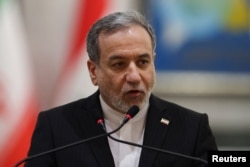
Iranian Foreign Minister Abbas Araqchi said Tehran has not decided whether to resume negotiations with the United States, stressing that messages exchanged through Qatar and Pakistan do not constitute talks.
Pakistan and Qatar have played key mediation roles in the conflict. Pakistan helped broker an interim agreement between Tehran and Washington in Islamabad in June, with support from Qatar. The deal quickly unraveled, however, with both sides accusing the other of violations and hostilities resuming.
“There have been no negotiations between us and the United States so far,” Araqchi told the Iranian outlet Shahrara News on August 15, adding that Qatar and Pakistan were conveying messages between the sides, “but this does not mean negotiations are taking place.”
Araqchi also rejected reports of a “60-day cease-fire,” saying the Islamabad agreement provided for an “end to the war” and a 60-day period to negotiate a final settlement.
He described separate talks with Oman over the Strait of Hormuz as “entirely technical and specialized,” focused on establishing new shipping lanes. Araqchi said reopening the strategic waterway was a separate issue and depended on Washington meeting unspecified conditions set by Tehran.
With reporting by RFE/RL's Radio Farda
UAE Oil Company Says Another Vessel Attacked In Hormuz Strait
The United Arab Emirates' state-owned oil giant ADNOC said one of its vessels was attacked while transiting the Strait of Hormuz on August 14, the latest incident in the strategic waterway at the center of the US-Iran conflict. No injuries were reported.
Tehran has effectively blockaded the strait, a vital route for global energy supplies, and has carried out strikes on commercial vessels since the war began in February. Iran says it wants to charge ships for passage, a demand opposed by Washington.
The August 15 announcement follows a series of attacks on ADNOC-linked vessels. A day earlier, the UAE condemned what it called a “hostile Iranian attack” on two ships. ADNOC also said three of its vessels were targeted last week.
With reporting by AFP
Trump Says He Will 'Soon' Declare Strait Of Hormuz US Territory
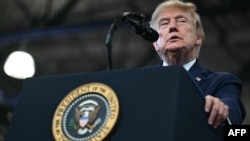
President Donald Trump said on August 14 that he would “soon” declare the Strait of Hormuz part of US territory, suggesting this would happen after the United States “finish defeating Iran.”
“After we finish defeating Iran, which is being very badly defeated -- pretty soon I’ll be declaring the Hormuz Strait a territory of the United States,” he said during a rally in New York state.
The president also claimed that Washington had full control of the waterway, saying that “no ships get through” unless US forces let them pass through the key transit route, which accounted for around one-fifth of global oil and gas supplies before the war.
Over the past week, Washington and Tehran have clashed over who controls the Strait of Hormuz, with Iranian military officials disputing Trump’s assertion of US control and saying that Iran continues to manage traffic through the waterway.
Commenting on Trump’s latest remarks, Iranian Deputy Foreign Minister Kazem Gharibabadi said Tehran would not be intimidated by threats or a show of force from Washington.
Writing on X, Gharibabadi added that the strategic waterway would be opened or closed only under Iran’s authority.
With reporting by Reuters.
Canada Hits Iran's New Military Chief, Four Others With Sanctions
Canada has imposed sanctions on five Iranian officials for their roles in restricting traffic through the Strait of Hormuz, the conduit for one-fifth of the world’s oil before Iran’s war with the US and Israel began in late February.
The Iranians listed include Ali Abdollahi, whose appointment as chief of the Armed Forces General Staff was announced on August 10 as part of a series of mostly military personnel moves attributed to Supreme Leader Mojtaba Khamenei, who has not been seen in public since he succeeded his father, killed on the first day of the war, in early March.
“Freedom of navigation through the Strait of Hormuz is essential to global trade and energy security,” Canadian Foreign Minister Anita Anand said in an August 14 statement. “Today’s sanctions target individuals whose actions undermine these principles and threaten global economic and energy security.”
“Canada calls on Iran to de-escalate and respect international navigation rights,” Anand said.
The others sanctioned were Ebrahim Zolfaghari, a spokesman for Iran's military command; Ebrahim Azizi, head of the National Security and Foreign Policy Commission of the Islamic Consultative Assembly; navy commander Shahram Irani; and Hamid Hosseini, board chairman and spokesman for the Iranian Oil, Gas and Petrochemical Exporters Union.
Sentenced To 15 Years For Photography: The Images Of Iranian Yalda Moaiery
- By RFE/RL
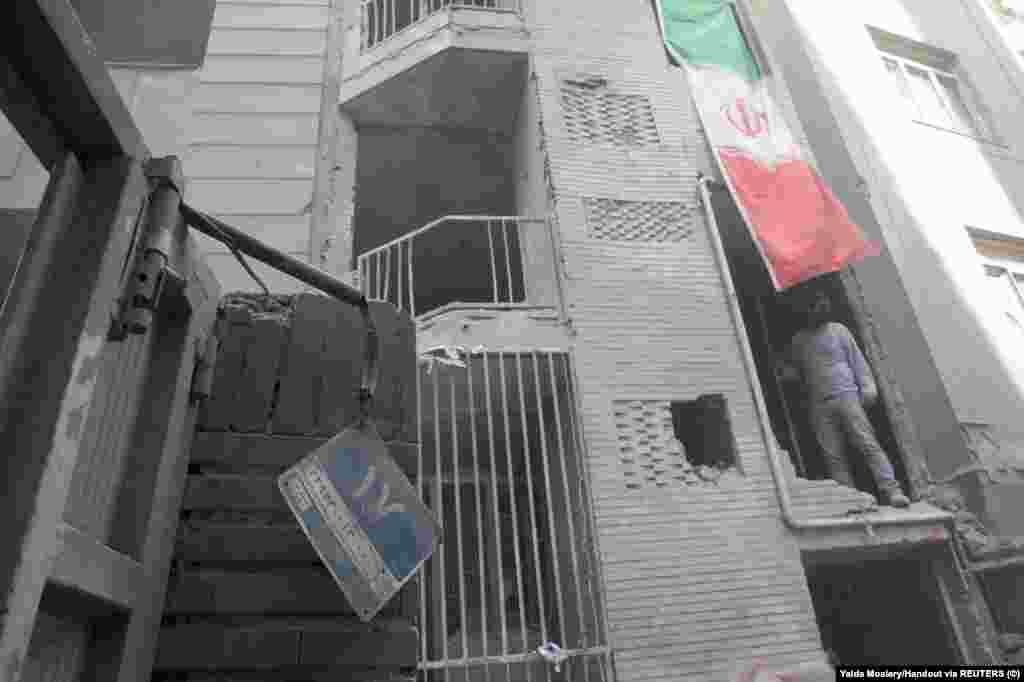
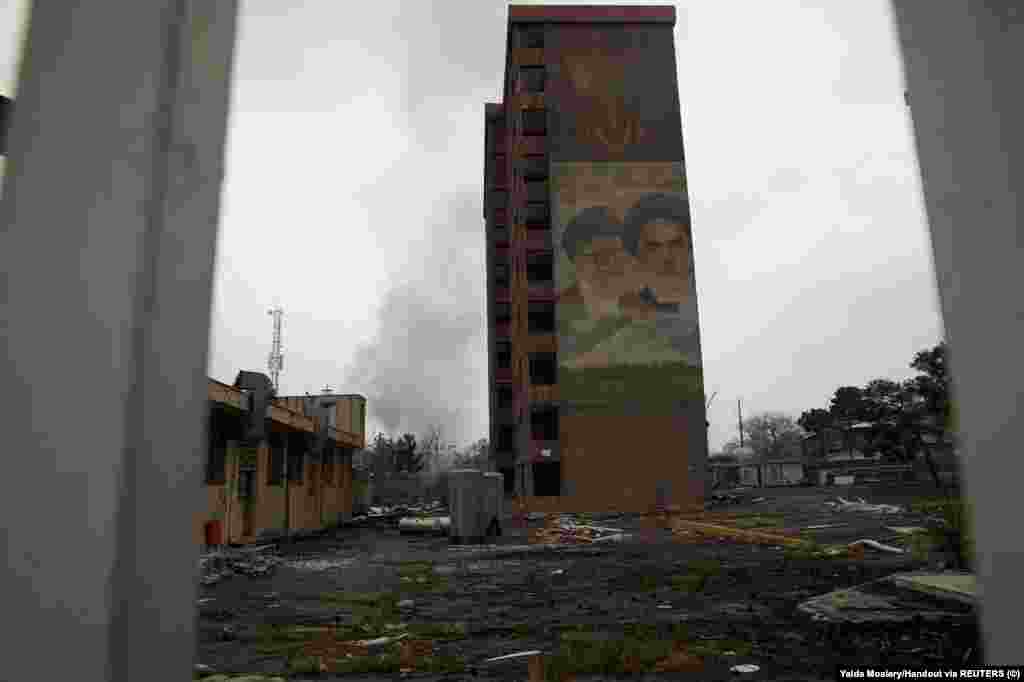
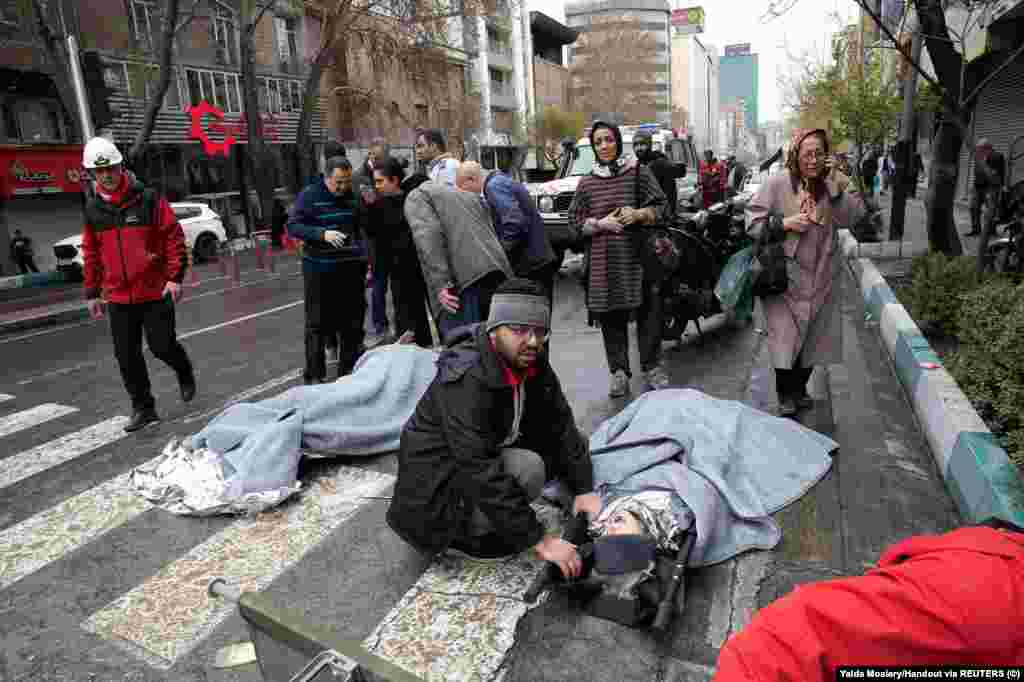
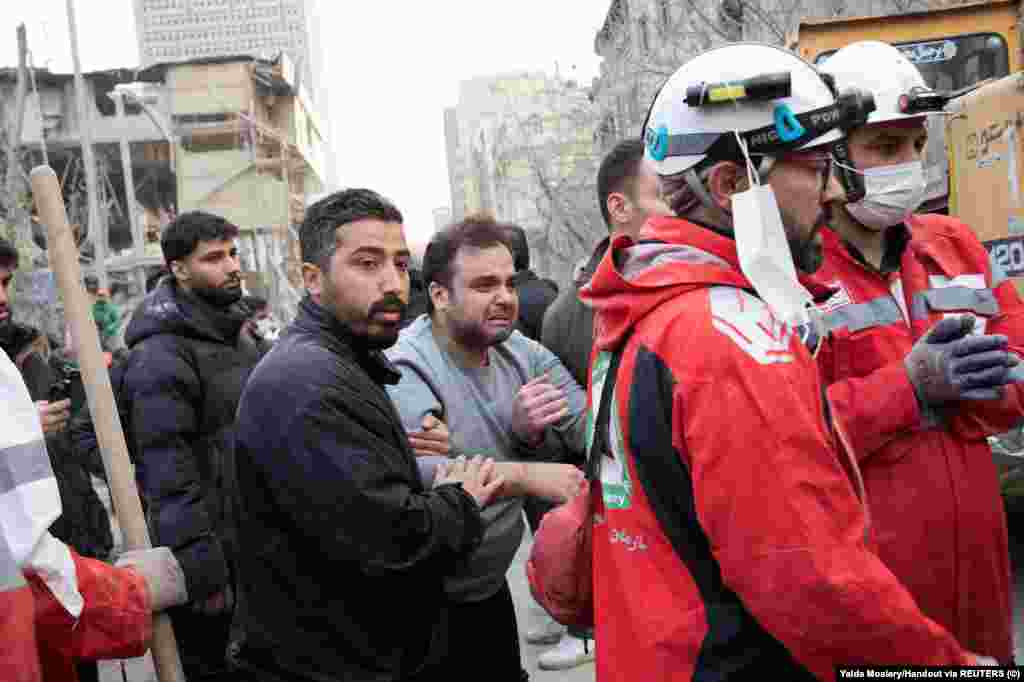
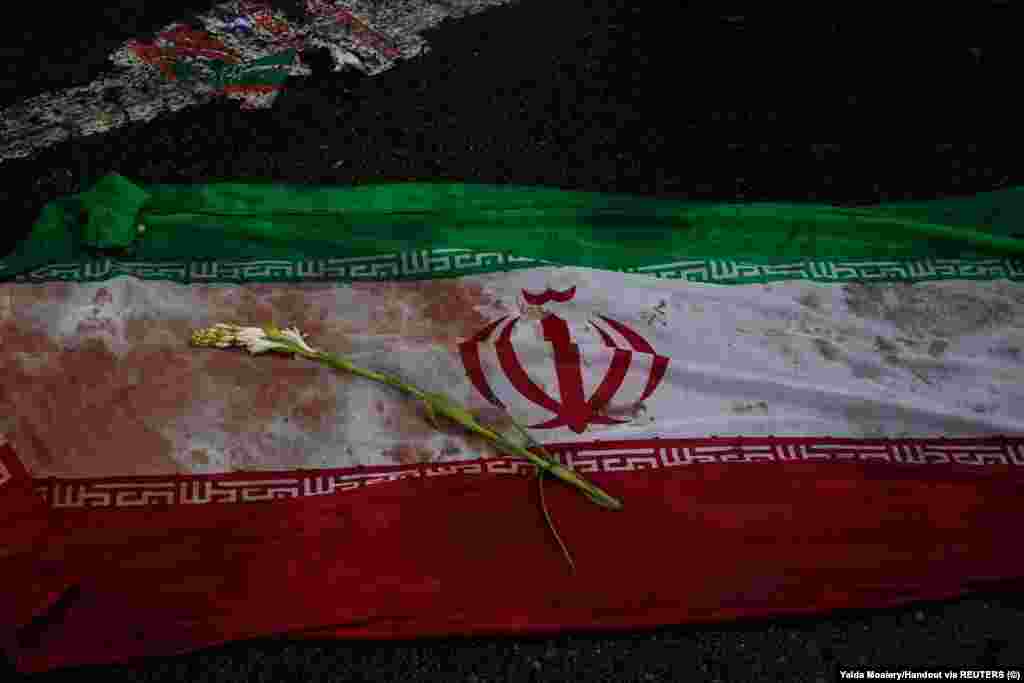
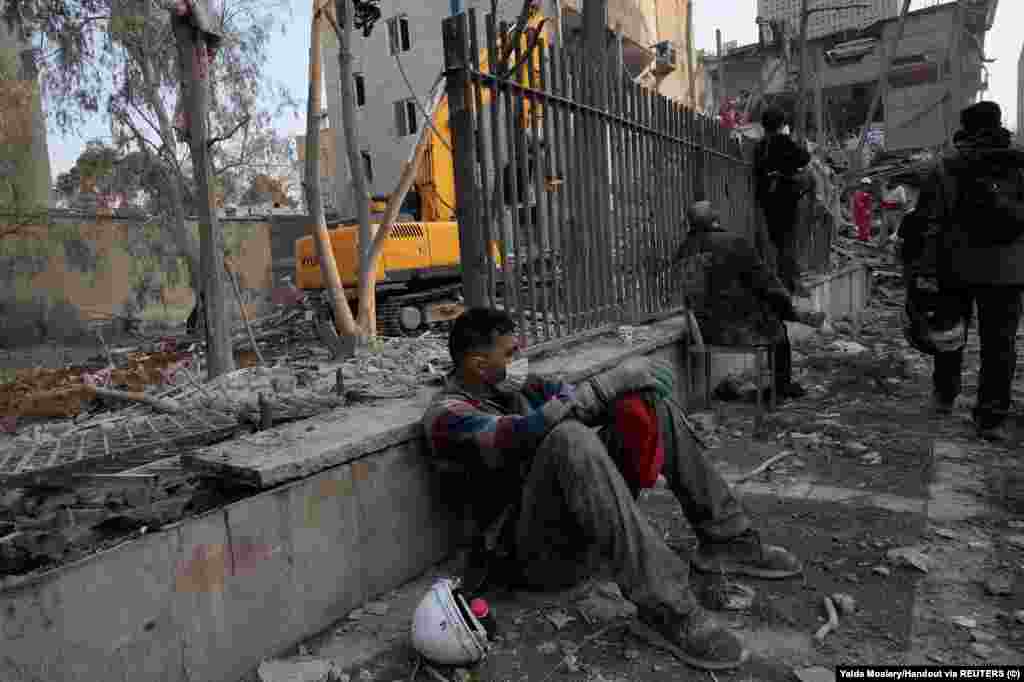
Prominent Iranian photojournalist Yalda Moaiery has been sentenced to a 15-year prison term for her work covering the US-Israeli war with Iran. Here are some of the images she captured of the conflict before the shock sentence was announced.
Sentenced To 15 Years For Photography In Iran: The Images Of Iranian Yalda Moaiery



Gulf Cooperation Council Condemns Attack On UAE Vessels
The Gulf Cooperation Council (GCC) on August 14 condemned "Iran's attack" on two fuel tankers operated by the Abu Dhabi National Oil Company (ADNOC).
Calling the assault a "dangerous and unacceptable escalation," the six-member, Riyadh-based group of oil-producing countries said in a statement that the United Arab Emirates (UAE)-owned tankers came under attack while exiting the Strait of Hormuz.
The GCC said the attack was a "direct threat to the security and safety of maritime navigation" and urged the international community to take a firm stance to stop these "dangerous attacks."
The group also reiterated its solidarity with the UAE and support for measures taken by Abu Dhabi to protect its security, sovereignty, and interests.
The attack also drew condemnation from the Egyptian Foreign Ministry, which said it threatened the safety of maritime navigation and freedom of movement through a key international waterway.
In a statement on August 7, ADNOC said that 15 of its vessels had been attacked with missiles and drones while transiting the Strait of Hormuz since the start of the conflict in the Middle East.
UAE Blames Iran For Tanker Strikes In Strait Of Hormuz
The British shipping security monitor United Kingdom Maritime Trade Operations (UKMTO) has reported two near-identical incidents involving drone strikes on tankers in the Strait of Hormuz, while the United Arab Emirates (UAE) blamed Iran for attacks on two vessels linked to its state-owned oil company.
Reporting the incidents, UKMTO said the two vessels sustained “minor damage” on August 13, while both crews were “safe and accounted for.” It added that no environmental impact had been reported.
Meanwhile, the UAE Foreign Ministry strongly condemned and denounced what it called a "hostile Iranian attack" targeting two vessels affiliated with the Abu Dhabi National Oil Company (ADNOC) as they transited the Strait of Hormuz. The ministry said no injuries were reported in either incident.
The UAE also urged Iran to halt what it described as "unprovoked attacks" and called for the complete and unconditional reopening of the Strait of Hormuz.
Tehran claims the Strait of Hormuz is “under Iran’s control and management,” while it has repeatedly targeted commercial vessels and sought to impose transit fees, a move strongly opposed by Washington.