Lyudmila Alekseyeva, who now heads the Moscow Helsinki Group
Lyudmila Alekseyeva is widely recognized as an indefatigable defender of human rights in Russia.
What fewer people know is that Alekseyeva, 85, is also a veteran freelancer for Radio Free Europe/Radio Liberty’s Russian Service, with contributions spanning almost four decades.
The rights activist first tuned in to RFE/RL’s Russian Service -- then known as Radio Liberation and later renamed Radio Liberty, or Radio Svoboda in Russian -- in 1954, roughly one year after the radio started broadcasting to the Soviet Union.
She became an instant fan.
“I took advantage of every opportunity to listen to Svoboda," Alekseyeva says. "We lived in a place where jammers worked very powerfully. We would go to friends' homes, or at the cottage, and listen all night."
The radio station's audience quickly swelled as people like Alekseyeva, frustrated by their country’s information blockade, tuned their receivers to its frequency in defiance of Soviet censors.
RFE/RL was not the sole radio beaming from the West.
Voice of America had pioneered Russian-language broadcasts into the Soviet Union as early as 1947, and Britain's BBC and Germany’s Deutsche Welle soon followed suit.
But for Alekseyeva, Radio Liberty remained the most exhaustive source of independent news by and for the Soviet people.
"It felt as if we ourselves were the ones telling our fellow countrymen what we wanted to tell them. Svoboda broadcast 'Chronicles of Current Events.' It is precisely on Svoboda that we would hear about everything that was happening to us, in a detailed format and with analysis."
Radio Liberty Marks 60 Years
1/12Composer Vernon Duke (Vladimir Dukelsky) is interviewed by Radio Liberty correspondents Viktoriya Semenova (center) and Michael Koryakov (right) in a studio in Munich in 1955.
Radio Liberty (originally called Radio Liberation) began broadcasting to the former Soviet Union from West Germany on March 1, 1953, and it almost immediately gained a substantial audience when it covered the death of Josef Stalin four days later. Throughout the Cold War, Radio Liberty and its fellow broadcaster Radio Free Europe transmitted uncensored news and information to audiences behind the Iron Curtain, while also giving a voice to dissidents and opposition movements in communist countries. In this way, both stations are widely believed to have played an important role in the collapse of communism and the rise of democracies in the former Eastern Bloc. Based in Prague since 1995, RFE/RL is now a multimedia outlet providing news and information to countries where an independent media is either banned by government authorities or not fully developed.
Show moreShow less
2/12Radio Liberty’s master control room in Munich in 1964.
Radio Liberty (originally called Radio Liberation) began broadcasting to the former Soviet Union from West Germany on March 1, 1953, and it almost immediately gained a substantial audience when it covered the death of Josef Stalin four days later. Throughout the Cold War, Radio Liberty and its fellow broadcaster Radio Free Europe transmitted uncensored news and information to audiences behind the Iron Curtain, while also giving a voice to dissidents and opposition movements in communist countries. In this way, both stations are widely believed to have played an important role in the collapse of communism and the rise of democracies in the former Eastern Bloc. Based in Prague since 1995, RFE/RL is now a multimedia outlet providing news and information to countries where an independent media is either banned by government authorities or not fully developed.
Show moreShow less
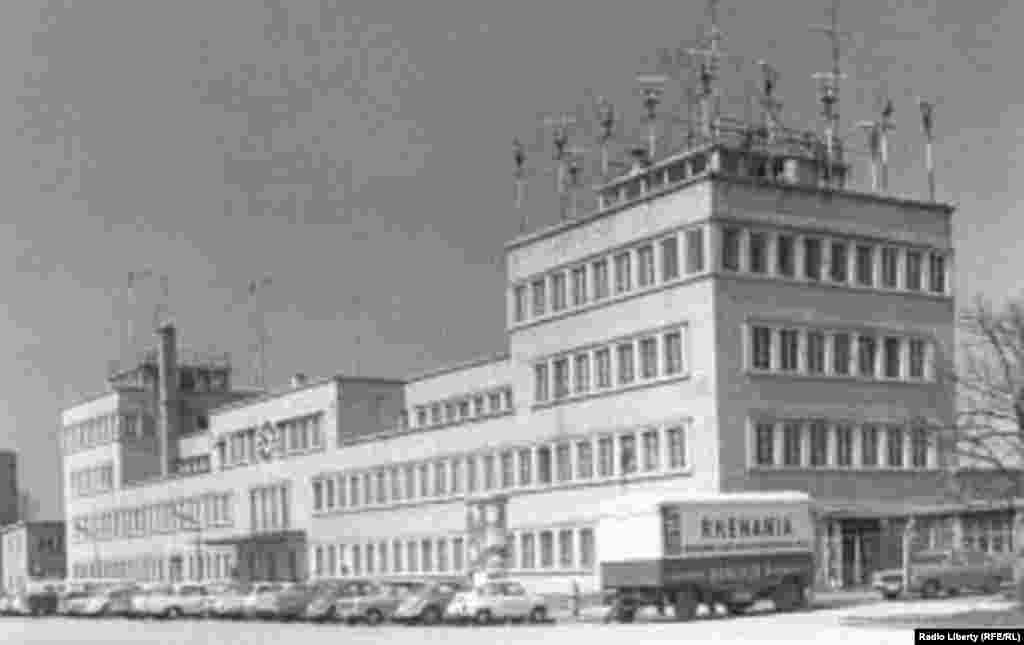
3/12The first Radio Liberation building in Munich's Obervizenfeld in 1953.
Radio Liberty (originally called Radio Liberation) began broadcasting to the former Soviet Union from West Germany on March 1, 1953, and it almost immediately gained a substantial audience when it covered the death of Josef Stalin four days later. Throughout the Cold War, Radio Liberty and its fellow broadcaster Radio Free Europe transmitted uncensored news and information to audiences behind the Iron Curtain, while also giving a voice to dissidents and opposition movements in communist countries. In this way, both stations are widely believed to have played an important role in the collapse of communism and the rise of democracies in the former Eastern Bloc. Based in Prague since 1995, RFE/RL is now a multimedia outlet providing news and information to countries where an independent media is either banned by government authorities or not fully developed.
Show moreShow less
4/12A Radio Liberty teletype operator in the 1950s.
Radio Liberty (originally called Radio Liberation) began broadcasting to the former Soviet Union from West Germany on March 1, 1953, and it almost immediately gained a substantial audience when it covered the death of Josef Stalin four days later. Throughout the Cold War, Radio Liberty and its fellow broadcaster Radio Free Europe transmitted uncensored news and information to audiences behind the Iron Curtain, while also giving a voice to dissidents and opposition movements in communist countries. In this way, both stations are widely believed to have played an important role in the collapse of communism and the rise of democracies in the former Eastern Bloc. Based in Prague since 1995, RFE/RL is now a multimedia outlet providing news and information to countries where an independent media is either banned by government authorities or not fully developed.
Show moreShow less
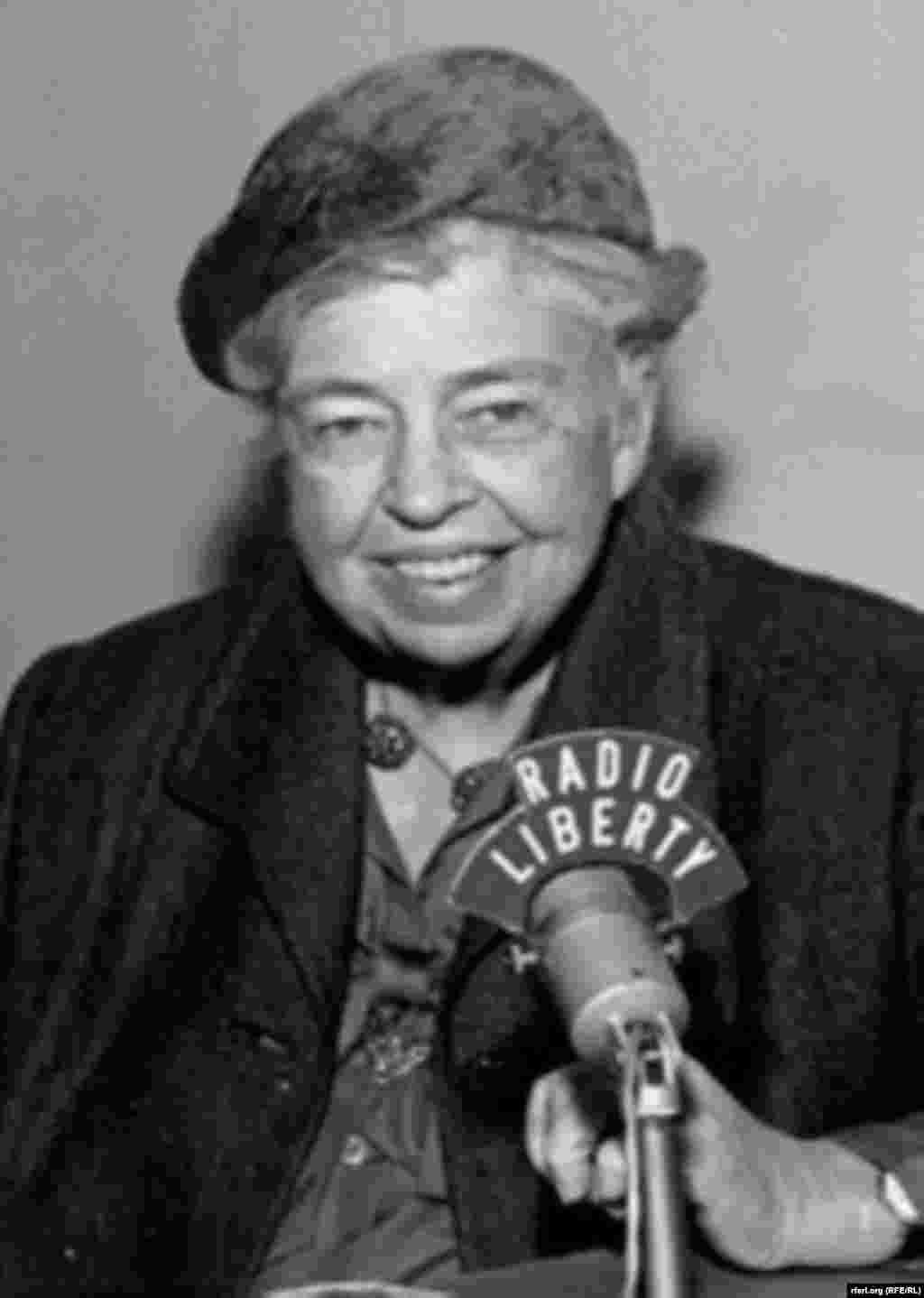
5/12Former U.S. first lady and human rights champion Eleanor Roosevelt sits down for an interview with Radio Liberty in the late 1950s.
Radio Liberty (originally called Radio Liberation) began broadcasting to the former Soviet Union from West Germany on March 1, 1953, and it almost immediately gained a substantial audience when it covered the death of Josef Stalin four days later. Throughout the Cold War, Radio Liberty and its fellow broadcaster Radio Free Europe transmitted uncensored news and information to audiences behind the Iron Curtain, while also giving a voice to dissidents and opposition movements in communist countries. In this way, both stations are widely believed to have played an important role in the collapse of communism and the rise of democracies in the former Eastern Bloc. Based in Prague since 1995, RFE/RL is now a multimedia outlet providing news and information to countries where an independent media is either banned by government authorities or not fully developed.
Show moreShow less
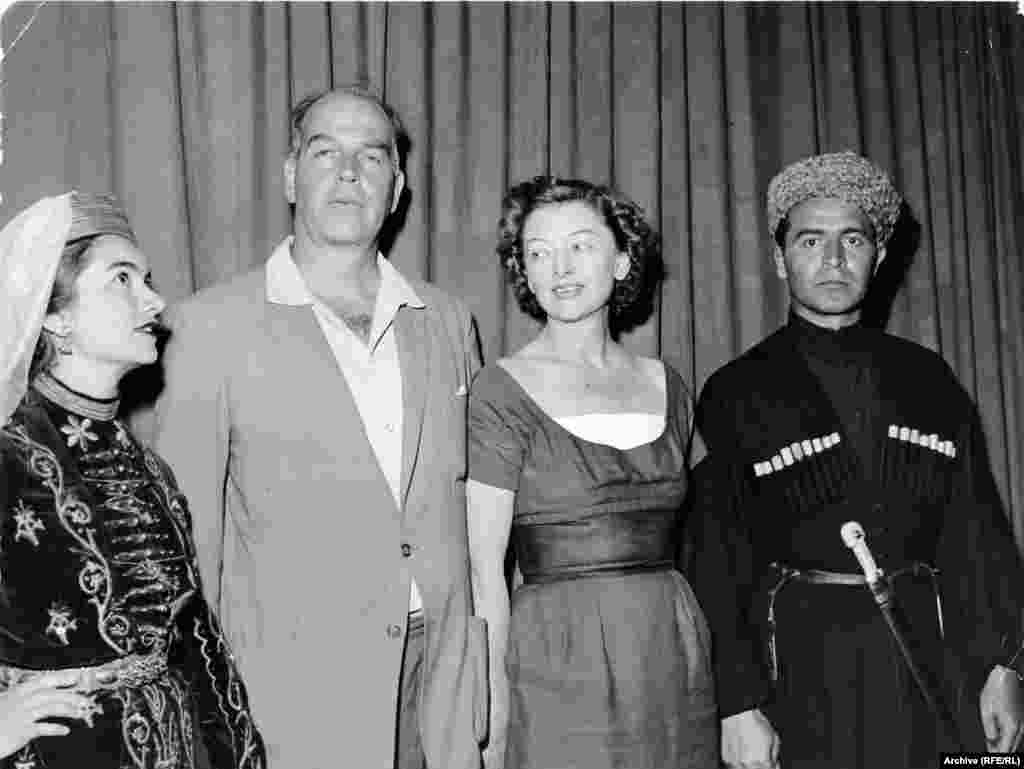
6/12Radio Liberty employees relax in national dress at a retreat in Bavaria in the late 1950s. From left, Aza Ryzer, the head of the music library; Radio Liberty President Howland H. Sargeant; film star Myrna Loy, who was married to Sargeant; and Ibrahim Gelischanow, a founding member of the North Caucasus Desk.
Radio Liberty (originally called Radio Liberation) began broadcasting to the former Soviet Union from West Germany on March 1, 1953, and it almost immediately gained a substantial audience when it covered the death of Josef Stalin four days later. Throughout the Cold War, Radio Liberty and its fellow broadcaster Radio Free Europe transmitted uncensored news and information to audiences behind the Iron Curtain, while also giving a voice to dissidents and opposition movements in communist countries. In this way, both stations are widely believed to have played an important role in the collapse of communism and the rise of democracies in the former Eastern Bloc. Based in Prague since 1995, RFE/RL is now a multimedia outlet providing news and information to countries where an independent media is either banned by government authorities or not fully developed.
Show moreShow less
7/12Radio Liberty journalist Valerian Obolensky in the 1950s.
Radio Liberty (originally called Radio Liberation) began broadcasting to the former Soviet Union from West Germany on March 1, 1953, and it almost immediately gained a substantial audience when it covered the death of Josef Stalin four days later. Throughout the Cold War, Radio Liberty and its fellow broadcaster Radio Free Europe transmitted uncensored news and information to audiences behind the Iron Curtain, while also giving a voice to dissidents and opposition movements in communist countries. In this way, both stations are widely believed to have played an important role in the collapse of communism and the rise of democracies in the former Eastern Bloc. Based in Prague since 1995, RFE/RL is now a multimedia outlet providing news and information to countries where an independent media is either banned by government authorities or not fully developed.
Show moreShow less
8/12The head of Radio Liberty's Engineering Department, Richard Jewel Tanksley (left), shows some guests the master control room in Munich in 1964.
Radio Liberty (originally called Radio Liberation) began broadcasting to the former Soviet Union from West Germany on March 1, 1953, and it almost immediately gained a substantial audience when it covered the death of Josef Stalin four days later. Throughout the Cold War, Radio Liberty and its fellow broadcaster Radio Free Europe transmitted uncensored news and information to audiences behind the Iron Curtain, while also giving a voice to dissidents and opposition movements in communist countries. In this way, both stations are widely believed to have played an important role in the collapse of communism and the rise of democracies in the former Eastern Bloc. Based in Prague since 1995, RFE/RL is now a multimedia outlet providing news and information to countries where an independent media is either banned by government authorities or not fully developed.
Show moreShow less
9/12Radio Liberty editor Francis Ronalds interviews U.S. civil rights leader Martin Luther King Jr. about the ongoing fight for racial equality in America in 1966.
Radio Liberty (originally called Radio Liberation) began broadcasting to the former Soviet Union from West Germany on March 1, 1953, and it almost immediately gained a substantial audience when it covered the death of Josef Stalin four days later. Throughout the Cold War, Radio Liberty and its fellow broadcaster Radio Free Europe transmitted uncensored news and information to audiences behind the Iron Curtain, while also giving a voice to dissidents and opposition movements in communist countries. In this way, both stations are widely believed to have played an important role in the collapse of communism and the rise of democracies in the former Eastern Bloc. Based in Prague since 1995, RFE/RL is now a multimedia outlet providing news and information to countries where an independent media is either banned by government authorities or not fully developed.
Show moreShow less
10/12In 1976, Radio Free Europe and Radio Liberty merged into one entity (RFE/RL), which had its headquarters in Munich's "English Garden."
Radio Liberty (originally called Radio Liberation) began broadcasting to the former Soviet Union from West Germany on March 1, 1953, and it almost immediately gained a substantial audience when it covered the death of Josef Stalin four days later. Throughout the Cold War, Radio Liberty and its fellow broadcaster Radio Free Europe transmitted uncensored news and information to audiences behind the Iron Curtain, while also giving a voice to dissidents and opposition movements in communist countries. In this way, both stations are widely believed to have played an important role in the collapse of communism and the rise of democracies in the former Eastern Bloc. Based in Prague since 1995, RFE/RL is now a multimedia outlet providing news and information to countries where an independent media is either banned by government authorities or not fully developed.
Show moreShow less
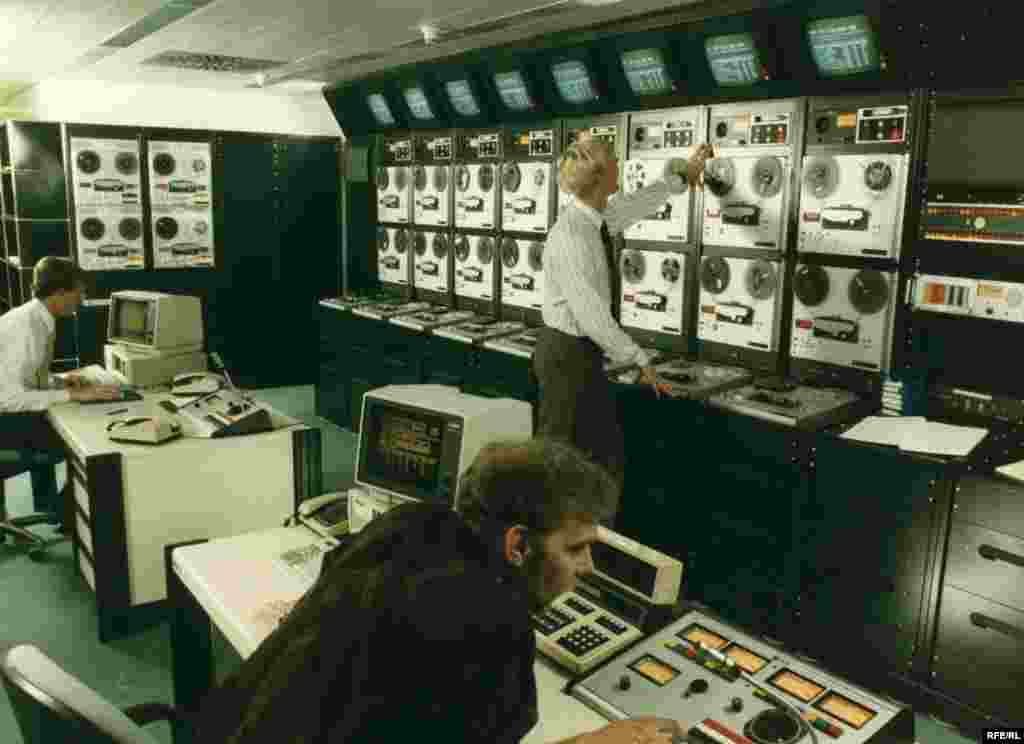
11/12RFE/RL's master control room in Munich in the 1980s.
Radio Liberty (originally called Radio Liberation) began broadcasting to the former Soviet Union from West Germany on March 1, 1953, and it almost immediately gained a substantial audience when it covered the death of Josef Stalin four days later. Throughout the Cold War, Radio Liberty and its fellow broadcaster Radio Free Europe transmitted uncensored news and information to audiences behind the Iron Curtain, while also giving a voice to dissidents and opposition movements in communist countries. In this way, both stations are widely believed to have played an important role in the collapse of communism and the rise of democracies in the former Eastern Bloc. Based in Prague since 1995, RFE/RL is now a multimedia outlet providing news and information to countries where an independent media is either banned by government authorities or not fully developed.
Show moreShow less
12/12RFE/RL now broadcasts from its headquarters in Prague, Czech Republic.
Radio Liberty (originally called Radio Liberation) began broadcasting to the former Soviet Union from West Germany on March 1, 1953, and it almost immediately gained a substantial audience when it covered the death of Josef Stalin four days later. Throughout the Cold War, Radio Liberty and its fellow broadcaster Radio Free Europe transmitted uncensored news and information to audiences behind the Iron Curtain, while also giving a voice to dissidents and opposition movements in communist countries. In this way, both stations are widely believed to have played an important role in the collapse of communism and the rise of democracies in the former Eastern Bloc. Based in Prague since 1995, RFE/RL is now a multimedia outlet providing news and information to countries where an independent media is either banned by government authorities or not fully developed.
Show moreShow less
Previous slide
Next slide
From listener, Alekseyeva unexpectedly turned into a contributor after her forced exile from the Soviet Union, taking up freelance work for RFE/RL just months after resettling in the United States with her family in 1977.
Her first programs were devoted to the work of the Helsinki Group in the Soviet Union.
A founding member of the Moscow Helsinki Group in 1976, Alekseyeva ended up recording a cycle of 22 programs.
But her favorite program was the weekly "Documents and Fates," in which she ran a 10-minute segment on the lives of political prisoners in the Soviet Union.
Much later, after the collapse of the Soviet Union, several political prisoners highlighted in her programs told her that the broadcasts had led to questionings by law-enforcement officers.
In several instances the officers, after establishing that the inmates had not been involved in the programs, kindly gave them the scripts as a gift.
If Svoboda was a precious source of information for Soviet citizens, it was also a channel through which emigres like Alekseyeva could stay connected with their home country.
Working for RFE/RL, she says, helped her cope with the homesickness that marked her 16-year exile.
"I regarded this work as my most important and treasured mission," Alekseyeva says. "When we emigrated, we thought that it was forever. It is hard to express how difficult, how frightening it was to know that I would never return. I wanted, at least with my voice, to be with my compatriots, to be in my country. Svoboda gave me this opportunity."
In the chaotic years that followed the Soviet collapse, Alekseyeva fervently countered calls in the United States to disband the radio.
Today, as the Kremlin continues to tighten its grip on the media, she says RFE/RL’s Russian Service remains every bit as relevant as when it first hit the airwaves 60 years ago.
RFE/RL marked the Russian Service’s birthday with a roundtable discussion at its Washington office featuring Alekseyeva and U.S. journalist and author David Satter.
A parallel event was held in Moscow by a group of former Russian Service journalists laid off last year as part of a restructuring plan. Alekseyeva was among the leading critics of that plan.