The brooch and ear clips are from the jewelry box of Grand Duchess Maria Pavlovna, the aunt of the last Russian tsar.
Royal jewels that belonged to Russia's Romanov imperial dynasty before they were smuggled out of the country during the 1917 revolution are set to be auctioned off by Sotheby's.
A sapphire-and-diamond brooch and matching ear clips dating from about 1900 have "a unique story born out of Romanov turmoil," according to Sotheby's in Geneva, Switzerland, where the live auction will be held on November 10.
The brooch and ear clips are from the jewelry box of Grand Duchess Maria Pavlovna, the aunt of the last Russian tsar, Nicholas II, and were spirited out of Russia during the 1917 revolution. Their estimated value is between $307,000 and $526,000, the auction house said.
The jewelry made it safely to London thanks to a friend of Pavlovna, a British art dealer and diplomatic courier, to whom she entrusted the set and other jewels for safekeeping.
Pavlovna was the wife of the Grand Duke Vladimir, the son of Tsar Alexander II, "and she had a fantastic collection of jewels," Olivier Wagner, head of sales and jewelry expert at Sotheby's Geneva, told Reuters.
Before The Killings: Rare Photographs Of Russia's Last Royal Family
1/28Nicholas II and his wife, Empress Aleksandra (far right), with their four daughters and son. The tsar was forced to abdicate in 1917 and he and his family were shot and stabbed to death by Bolshevik troops, in 1918, before their bodies were doused in acid and dumped into a mine shaft.
After Tsar Nicholas II and his family were executed by Bolshevik revolutionaries early on the morning of July 17, 1918, a collection of the royal family's personal photographs was smuggled out of Russia. The albums offer a haunting glimpse into the life of a family destined for tragedy. (All photos reproduced courtesy of the Beinecke Rare Book and Manuscript Library, Yale University.) (Originally published on March 13, 2017)
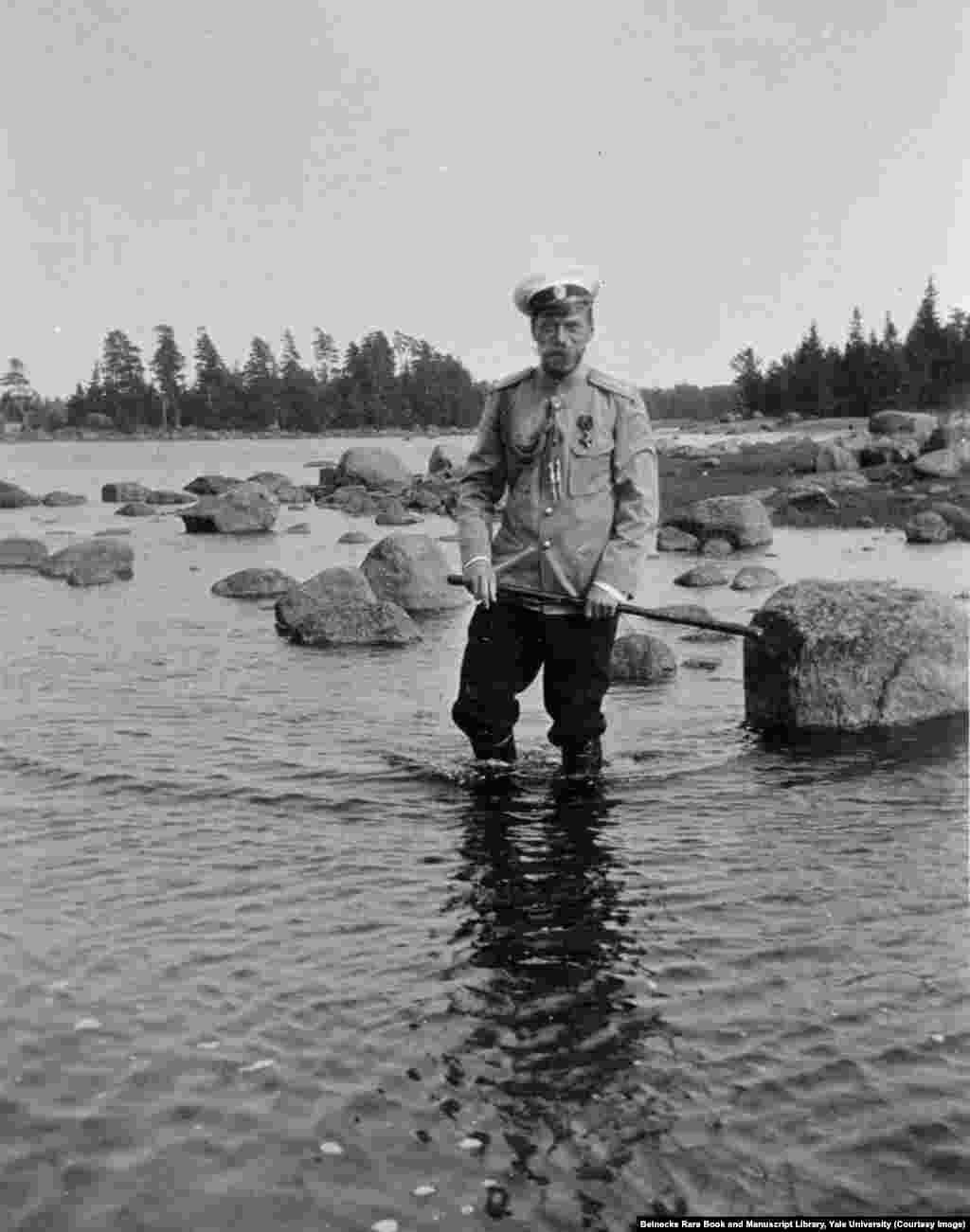
2/28Tsar Nicholas II wading on the rocky shore of Finland. After the early death of his father, he confided to a friend, "I am not yet ready to be tsar. I know nothing of the business of ruling."
After Tsar Nicholas II and his family were executed by Bolshevik revolutionaries early on the morning of July 17, 1918, a collection of the royal family's personal photographs was smuggled out of Russia. The albums offer a haunting glimpse into the life of a family destined for tragedy. (All photos reproduced courtesy of the Beinecke Rare Book and Manuscript Library, Yale University.) (Originally published on March 13, 2017)
3/28Tsar Nicholas II and his son, Aleksei, near St. Petersburg. The young heir suffered from hemophilia, a genetic disorder that prevents blood from clotting.
After Tsar Nicholas II and his family were executed by Bolshevik revolutionaries early on the morning of July 17, 1918, a collection of the royal family's personal photographs was smuggled out of Russia. The albums offer a haunting glimpse into the life of a family destined for tragedy. (All photos reproduced courtesy of the Beinecke Rare Book and Manuscript Library, Yale University.) (Originally published on March 13, 2017)
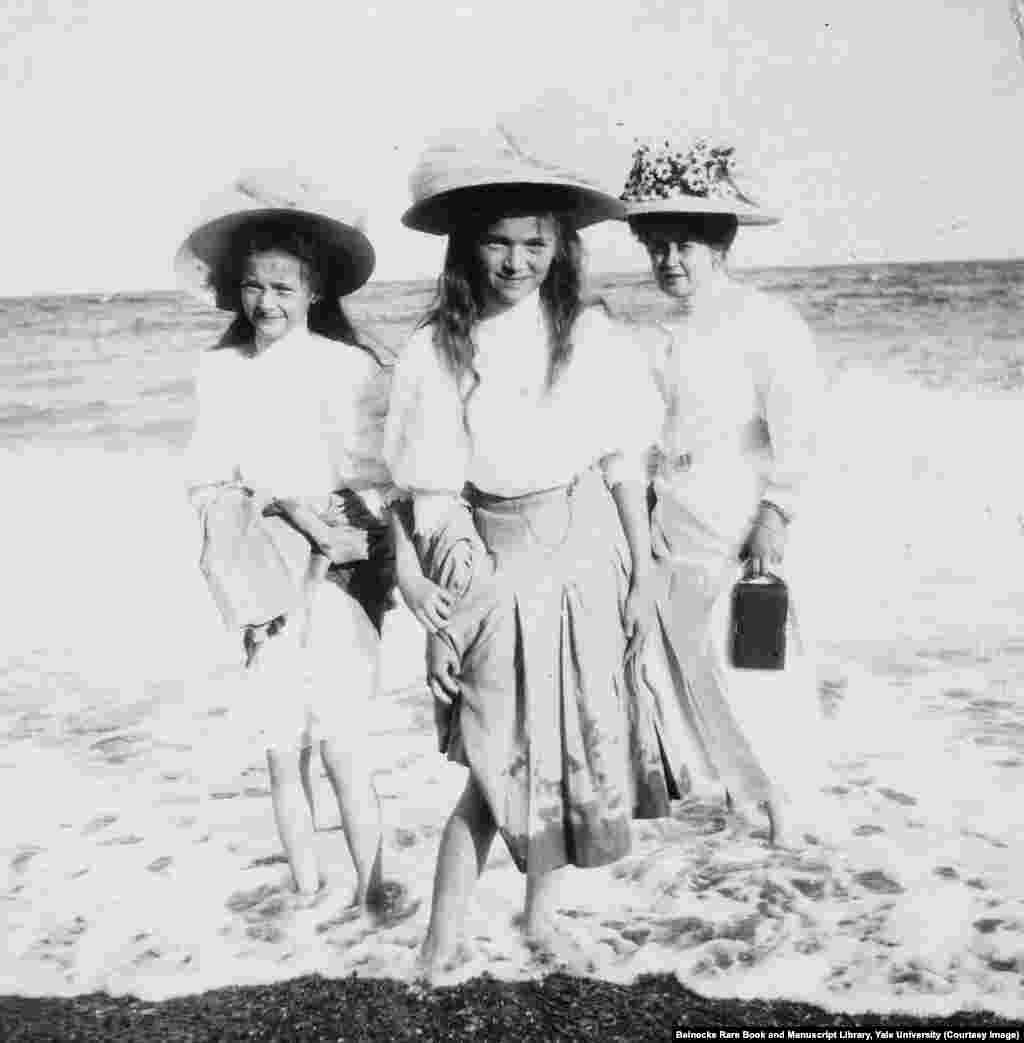
4/28Anna Vyrubova (right) wading at the beach with Grand Duchesses Tatyana and Olga. After the family was murdered, Anna, a close friend of the royal family, was able to flee Soviet Russia with six albums containing these photographs.
After Tsar Nicholas II and his family were executed by Bolshevik revolutionaries early on the morning of July 17, 1918, a collection of the royal family's personal photographs was smuggled out of Russia. The albums offer a haunting glimpse into the life of a family destined for tragedy. (All photos reproduced courtesy of the Beinecke Rare Book and Manuscript Library, Yale University.) (Originally published on March 13, 2017)
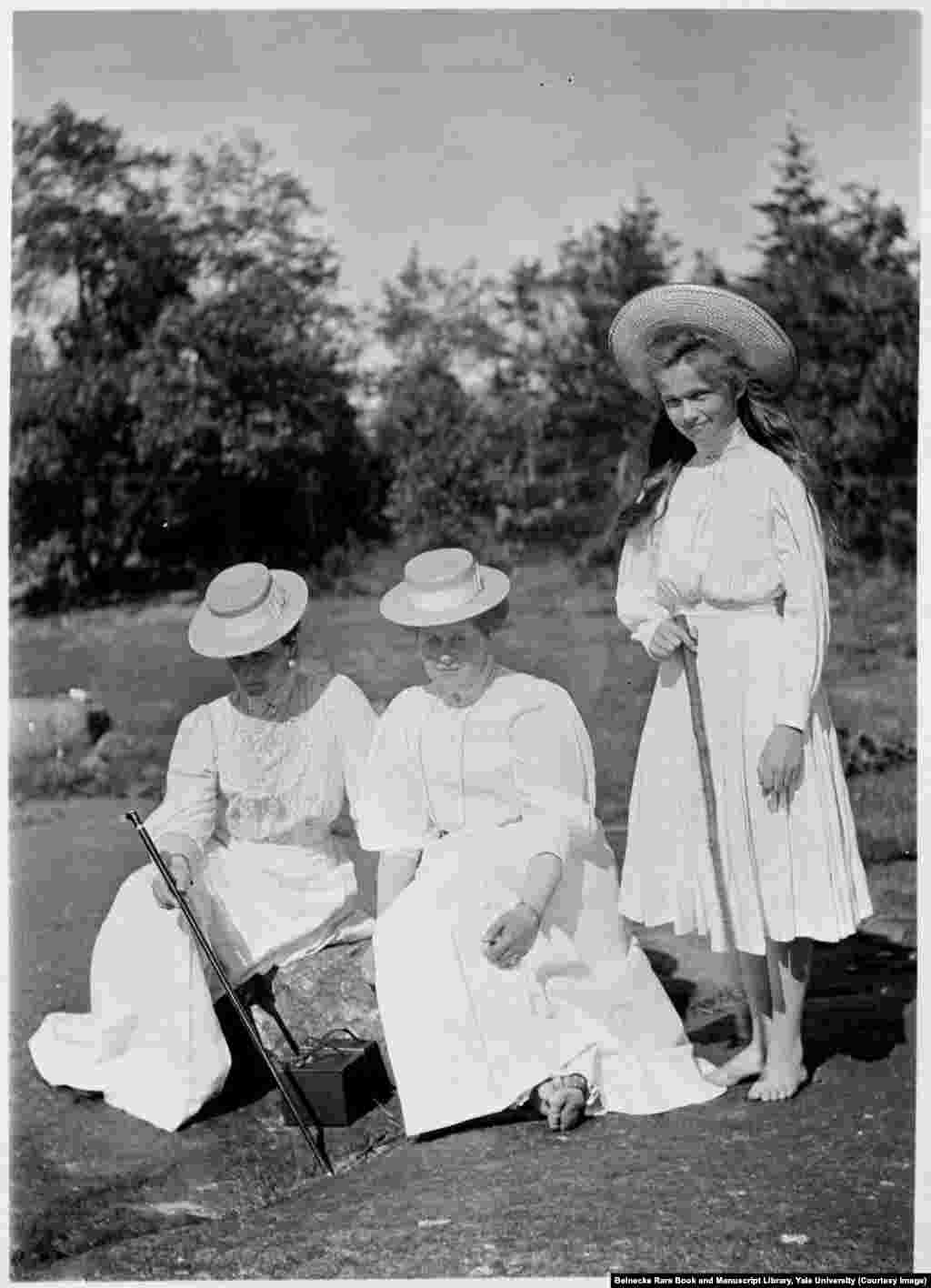
5/28Empress Aleksandra (left) with Anna Vyrubova, and Olga, the eldest of the grand duchesses. Anna was arrested after the revolution but managed to escape to Finland with the albums, which contain more than 2,600 photographs of the private lives of the Romanovs. She died in Helsinki in 1964.
After Tsar Nicholas II and his family were executed by Bolshevik revolutionaries early on the morning of July 17, 1918, a collection of the royal family's personal photographs was smuggled out of Russia. The albums offer a haunting glimpse into the life of a family destined for tragedy. (All photos reproduced courtesy of the Beinecke Rare Book and Manuscript Library, Yale University.) (Originally published on March 13, 2017)
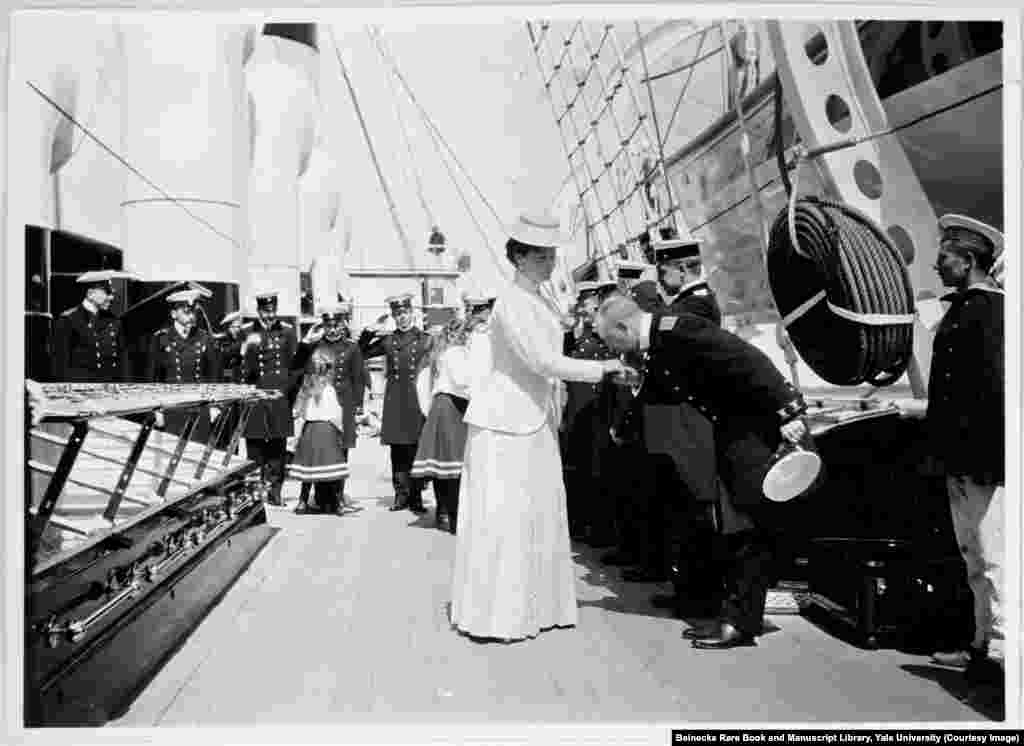
6/28Empress Aleksandra being greeted aboard the Standart, the imperial yacht that served the tsar's family for holidays and official tours. In the background, her young daughters, known as Russia's grand duchesses, are saluted by the crew.
After Tsar Nicholas II and his family were executed by Bolshevik revolutionaries early on the morning of July 17, 1918, a collection of the royal family's personal photographs was smuggled out of Russia. The albums offer a haunting glimpse into the life of a family destined for tragedy. (All photos reproduced courtesy of the Beinecke Rare Book and Manuscript Library, Yale University.) (Originally published on March 13, 2017)
7/28Two of the grand duchesses aboard the Standart. When the children were small, each was assigned a sailor to ensure they didn't fall overboard.
After Tsar Nicholas II and his family were executed by Bolshevik revolutionaries early on the morning of July 17, 1918, a collection of the royal family's personal photographs was smuggled out of Russia. The albums offer a haunting glimpse into the life of a family destined for tragedy. (All photos reproduced courtesy of the Beinecke Rare Book and Manuscript Library, Yale University.) (Originally published on March 13, 2017)
8/28Nicholas II and his daughters hiking in Crimea
After Tsar Nicholas II and his family were executed by Bolshevik revolutionaries early on the morning of July 17, 1918, a collection of the royal family's personal photographs was smuggled out of Russia. The albums offer a haunting glimpse into the life of a family destined for tragedy. (All photos reproduced courtesy of the Beinecke Rare Book and Manuscript Library, Yale University.) (Originally published on March 13, 2017)
9/28A footbridge at Spala in Poland. During the royal family's 1912 trip here, Tsarevich Aleksei fell while jumping into a rowboat and badly bruised his thigh, triggering internal bleeding that brought the heir apparent to the brink of death.
After Tsar Nicholas II and his family were executed by Bolshevik revolutionaries early on the morning of July 17, 1918, a collection of the royal family's personal photographs was smuggled out of Russia. The albums offer a haunting glimpse into the life of a family destined for tragedy. (All photos reproduced courtesy of the Beinecke Rare Book and Manuscript Library, Yale University.) (Originally published on March 13, 2017)
10/28Tsar Nicholas II posing with a deer felled at Spala shortly before the crisis with his son began. When the Siberian mystic Rasputin apparently helped the tsarevich make a miraculous recovery from his internal bleeding, Rasputin became a close confidant of the royal family.
After Tsar Nicholas II and his family were executed by Bolshevik revolutionaries early on the morning of July 17, 1918, a collection of the royal family's personal photographs was smuggled out of Russia. The albums offer a haunting glimpse into the life of a family destined for tragedy. (All photos reproduced courtesy of the Beinecke Rare Book and Manuscript Library, Yale University.) (Originally published on March 13, 2017)
11/28Empress Aleksandra and her daughter, Grand Duchess Tatyana. The two were said to be especially close.
After Tsar Nicholas II and his family were executed by Bolshevik revolutionaries early on the morning of July 17, 1918, a collection of the royal family's personal photographs was smuggled out of Russia. The albums offer a haunting glimpse into the life of a family destined for tragedy. (All photos reproduced courtesy of the Beinecke Rare Book and Manuscript Library, Yale University.) (Originally published on March 13, 2017)
12/28Tsar Nicholas II (left) greeting an unidentified man aboard the Standart. (A previous version of this caption incorrectly identified the man on the right as King Gustav of Sweden.)
After Tsar Nicholas II and his family were executed by Bolshevik revolutionaries early on the morning of July 17, 1918, a collection of the royal family's personal photographs was smuggled out of Russia. The albums offer a haunting glimpse into the life of a family destined for tragedy. (All photos reproduced courtesy of the Beinecke Rare Book and Manuscript Library, Yale University.) (Originally published on March 13, 2017)
13/28Tsarevich Aleksei Romanov, the heir to the Russian throne. The boy was 13 years old when he and his family were assassinated.
After Tsar Nicholas II and his family were executed by Bolshevik revolutionaries early on the morning of July 17, 1918, a collection of the royal family's personal photographs was smuggled out of Russia. The albums offer a haunting glimpse into the life of a family destined for tragedy. (All photos reproduced courtesy of the Beinecke Rare Book and Manuscript Library, Yale University.) (Originally published on March 13, 2017)
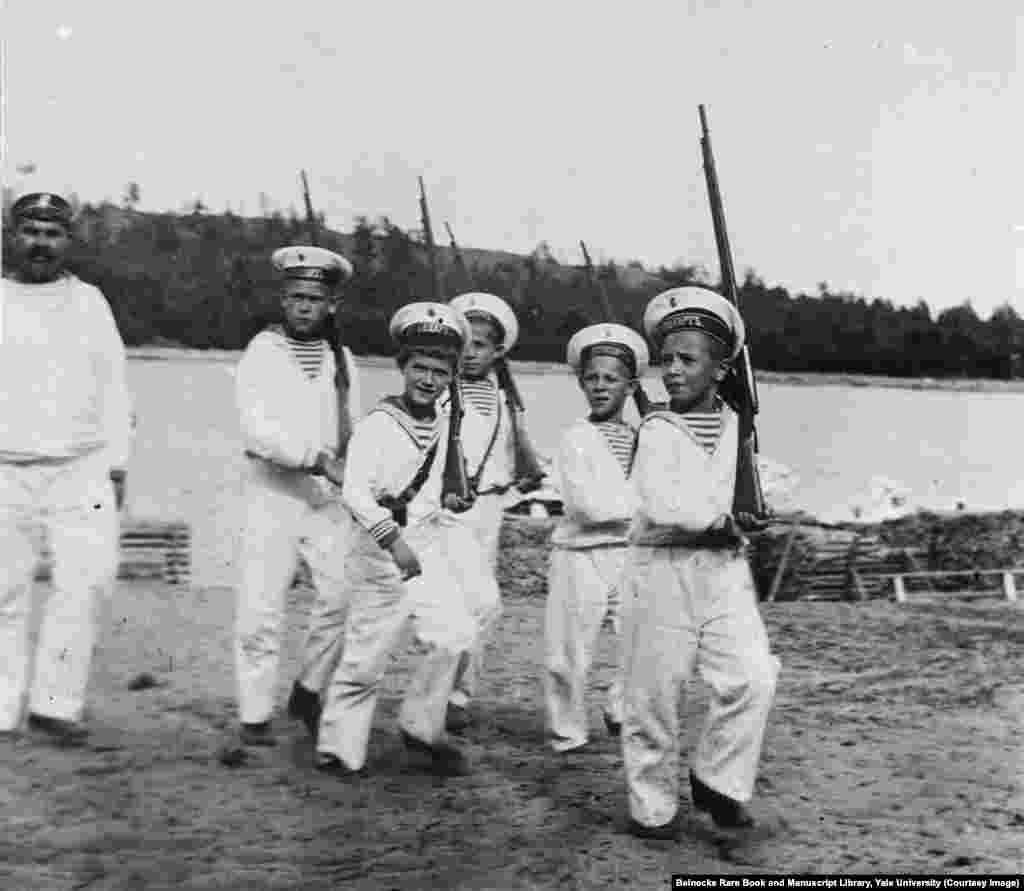
14/28Tsarevich Aleksei, third from left, playing soldiers. Andrey Derevenko (far left) was one of two minders tasked with looking after the vulnerable heir apparent. Derevenko joined the Bolsheviks soon after the revolution and taunted the tsarevich before disappearing into obscurity.
After Tsar Nicholas II and his family were executed by Bolshevik revolutionaries early on the morning of July 17, 1918, a collection of the royal family's personal photographs was smuggled out of Russia. The albums offer a haunting glimpse into the life of a family destined for tragedy. (All photos reproduced courtesy of the Beinecke Rare Book and Manuscript Library, Yale University.) (Originally published on March 13, 2017)
15/28Klementy Nagorny (right) was also tasked with looking after Tsarevich Aleksei (second from right on trolley). After the 1917 revolution, Nagorny joined the royal family in captivity despite knowing it was likely he would be killed. While imprisoned with the Romanovs, he intervened to stop a Bolshevik guard from stealing Aleksei's gold chain; he was shot a few days later.
After Tsar Nicholas II and his family were executed by Bolshevik revolutionaries early on the morning of July 17, 1918, a collection of the royal family's personal photographs was smuggled out of Russia. The albums offer a haunting glimpse into the life of a family destined for tragedy. (All photos reproduced courtesy of the Beinecke Rare Book and Manuscript Library, Yale University.) (Originally published on March 13, 2017)
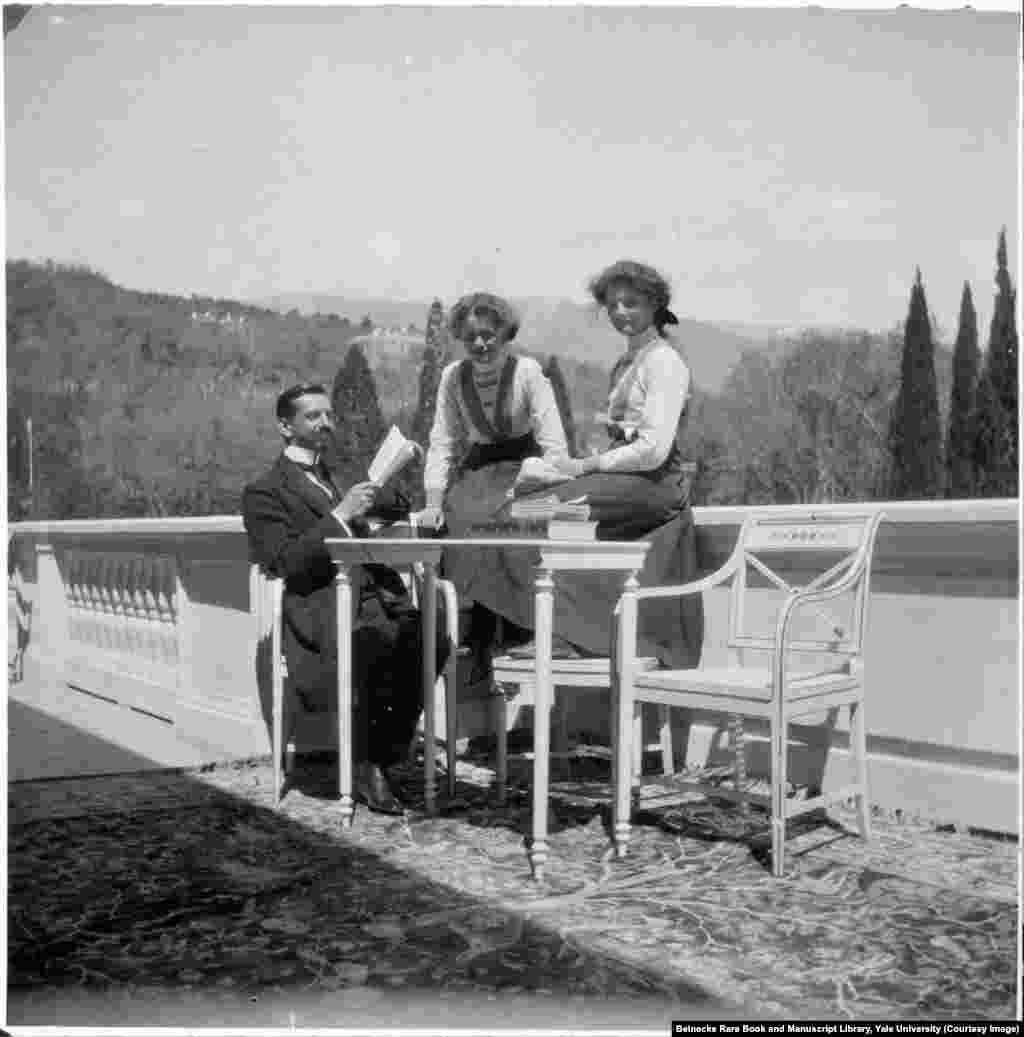
16/28Pierre Gilliard, the family's French tutor, with his pupils Olga and Tatyana Romanov. Gilliard was another of the family's retinue who joined them in captivity. After the murders, he assisted the investigation into the killings before fleeing Russia as Vladimir Lenin tightened his grip on power. He died in Switzerland in 1962.
After Tsar Nicholas II and his family were executed by Bolshevik revolutionaries early on the morning of July 17, 1918, a collection of the royal family's personal photographs was smuggled out of Russia. The albums offer a haunting glimpse into the life of a family destined for tragedy. (All photos reproduced courtesy of the Beinecke Rare Book and Manuscript Library, Yale University.) (Originally published on March 13, 2017)
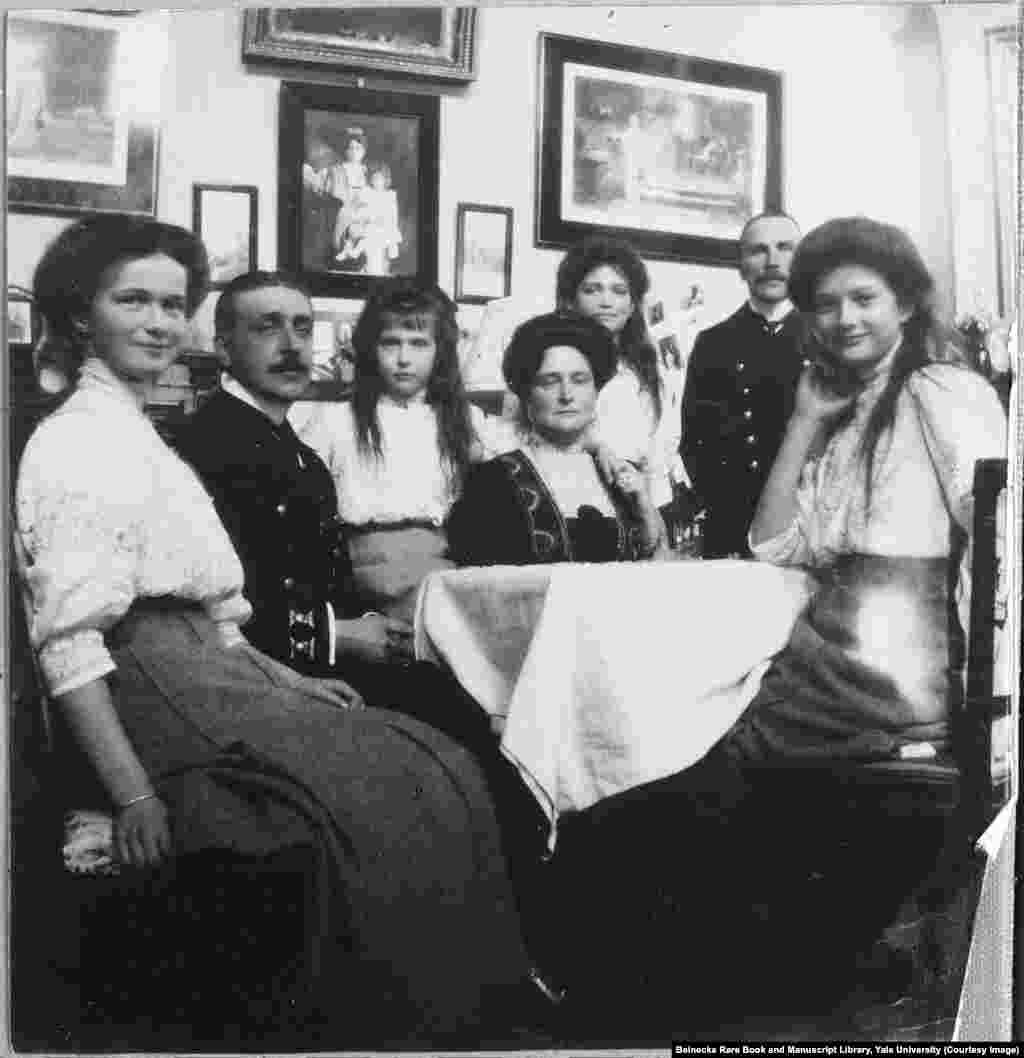
17/28The grand duchesses with their mother and two officers
After Tsar Nicholas II and his family were executed by Bolshevik revolutionaries early on the morning of July 17, 1918, a collection of the royal family's personal photographs was smuggled out of Russia. The albums offer a haunting glimpse into the life of a family destined for tragedy. (All photos reproduced courtesy of the Beinecke Rare Book and Manuscript Library, Yale University.) (Originally published on March 13, 2017)
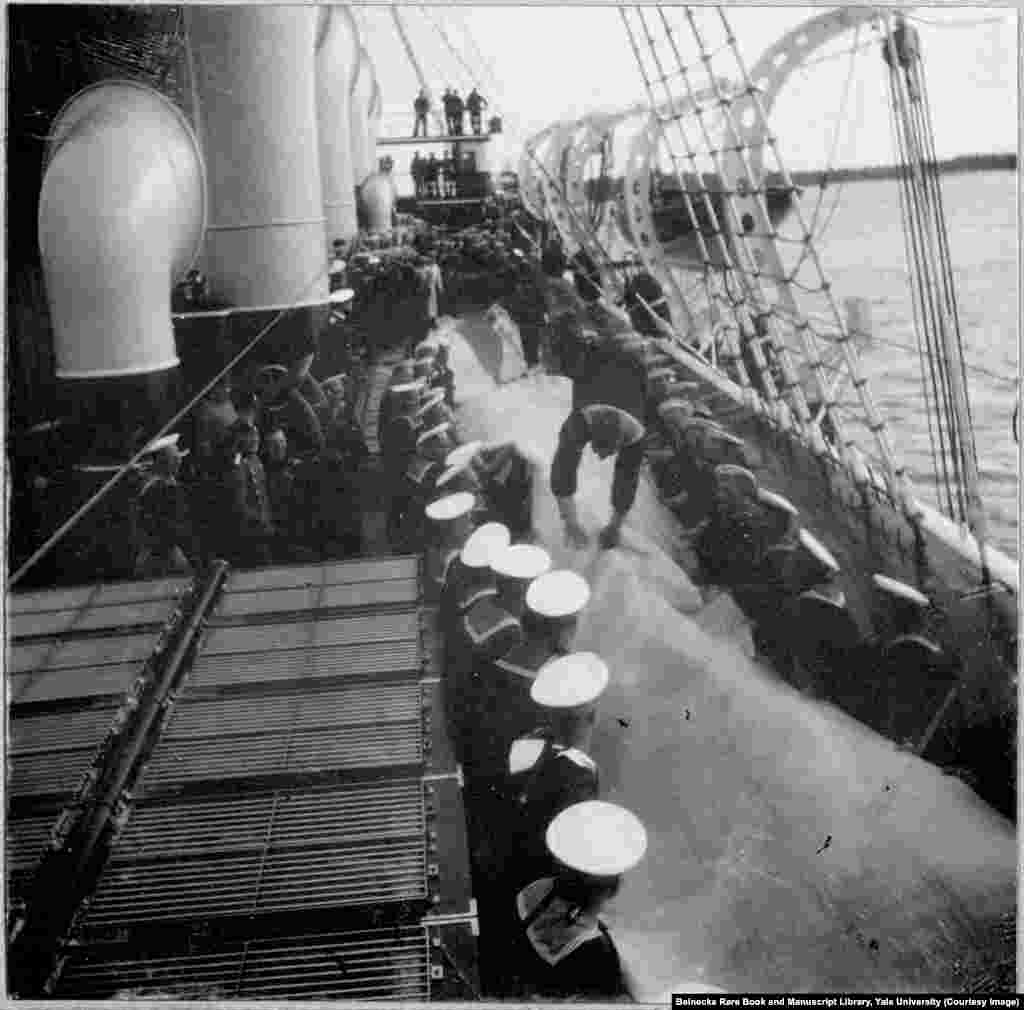
18/28Aboard the Standart, sailors take turns bouncing their shipmates down the deck on mats.
After Tsar Nicholas II and his family were executed by Bolshevik revolutionaries early on the morning of July 17, 1918, a collection of the royal family's personal photographs was smuggled out of Russia. The albums offer a haunting glimpse into the life of a family destined for tragedy. (All photos reproduced courtesy of the Beinecke Rare Book and Manuscript Library, Yale University.) (Originally published on March 13, 2017)
19/28Tatyana Romanov aboard the Standart. Tatyana was described by an associate as a "poetical creature, always yearning for the ideal, and dreaming of great friendships which might be hers."
After Tsar Nicholas II and his family were executed by Bolshevik revolutionaries early on the morning of July 17, 1918, a collection of the royal family's personal photographs was smuggled out of Russia. The albums offer a haunting glimpse into the life of a family destined for tragedy. (All photos reproduced courtesy of the Beinecke Rare Book and Manuscript Library, Yale University.) (Originally published on March 13, 2017)
20/28Grand Duchesses Olga, Tatyana, and Maria aboard the Standart in 1914. The sisters were 22, 21, and 19 years old when they were killed.
After Tsar Nicholas II and his family were executed by Bolshevik revolutionaries early on the morning of July 17, 1918, a collection of the royal family's personal photographs was smuggled out of Russia. The albums offer a haunting glimpse into the life of a family destined for tragedy. (All photos reproduced courtesy of the Beinecke Rare Book and Manuscript Library, Yale University.) (Originally published on March 13, 2017)
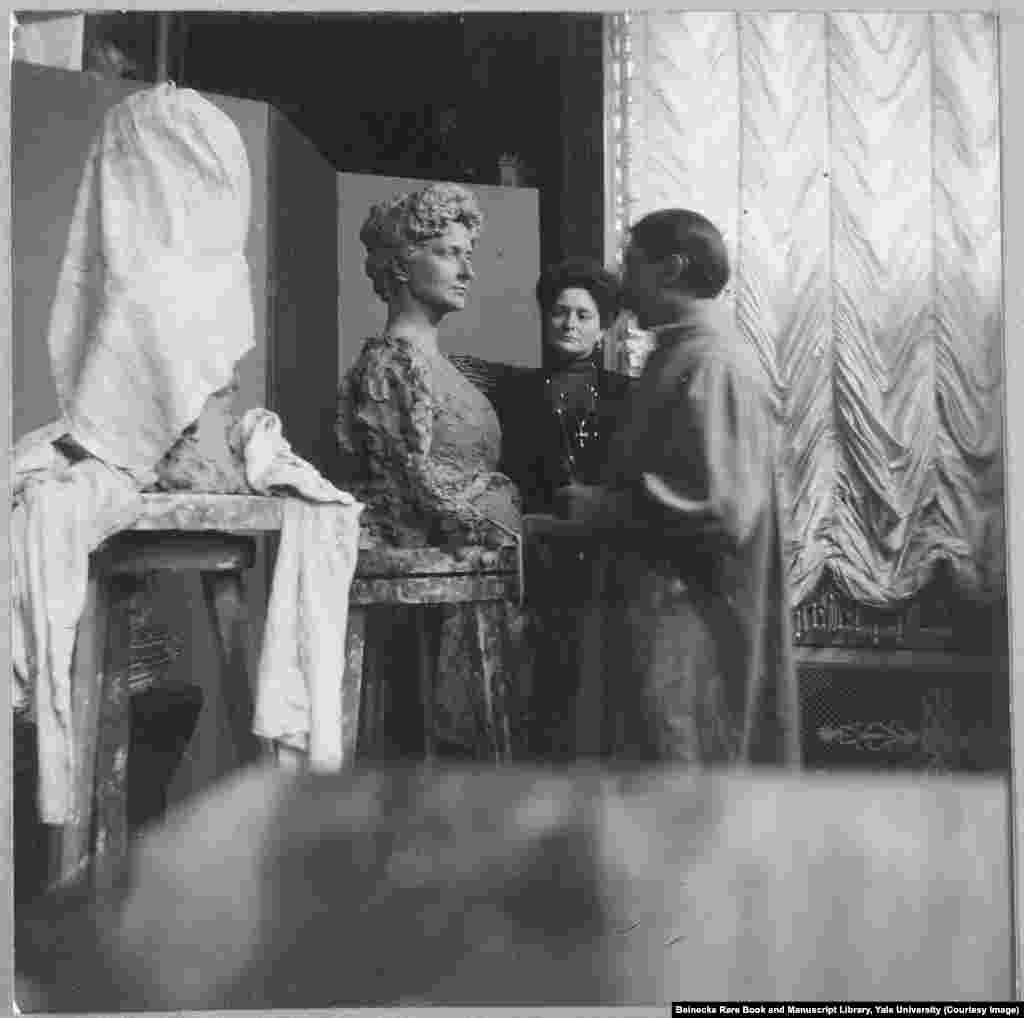
21/28Empress Aleksandra having her likeness modeled in clay. In the three years before the revolution of 1917, the German-born Empress became a figure of suspicion and contempt as Russia fought against Germany on the ruinous battlefields of WWI.
After Tsar Nicholas II and his family were executed by Bolshevik revolutionaries early on the morning of July 17, 1918, a collection of the royal family's personal photographs was smuggled out of Russia. The albums offer a haunting glimpse into the life of a family destined for tragedy. (All photos reproduced courtesy of the Beinecke Rare Book and Manuscript Library, Yale University.) (Originally published on March 13, 2017)
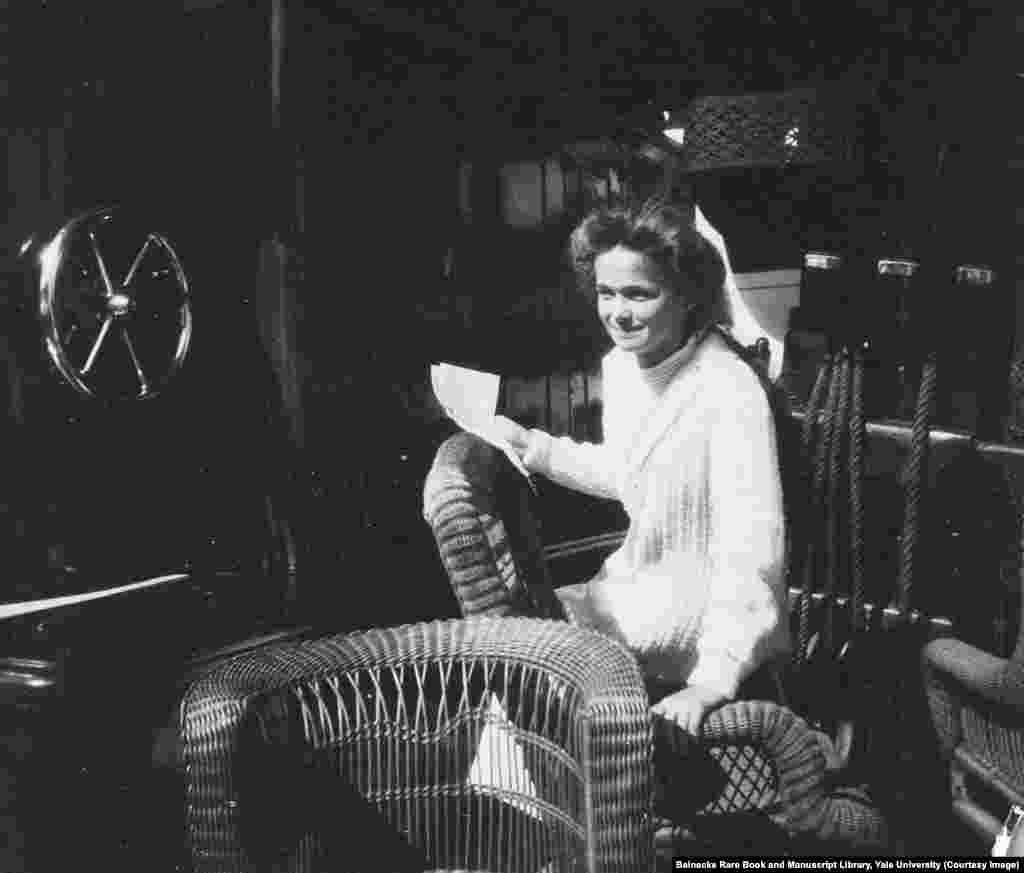
22/28Olga Romanov in a wicker chair aboard the Standart
After Tsar Nicholas II and his family were executed by Bolshevik revolutionaries early on the morning of July 17, 1918, a collection of the royal family's personal photographs was smuggled out of Russia. The albums offer a haunting glimpse into the life of a family destined for tragedy. (All photos reproduced courtesy of the Beinecke Rare Book and Manuscript Library, Yale University.) (Originally published on March 13, 2017)
23/28Villagers photographed during a trip made by the tsar and his family. The picture is one of only a few in the albums which focus on the ordinary people of Russia.
After Tsar Nicholas II and his family were executed by Bolshevik revolutionaries early on the morning of July 17, 1918, a collection of the royal family's personal photographs was smuggled out of Russia. The albums offer a haunting glimpse into the life of a family destined for tragedy. (All photos reproduced courtesy of the Beinecke Rare Book and Manuscript Library, Yale University.) (Originally published on March 13, 2017)
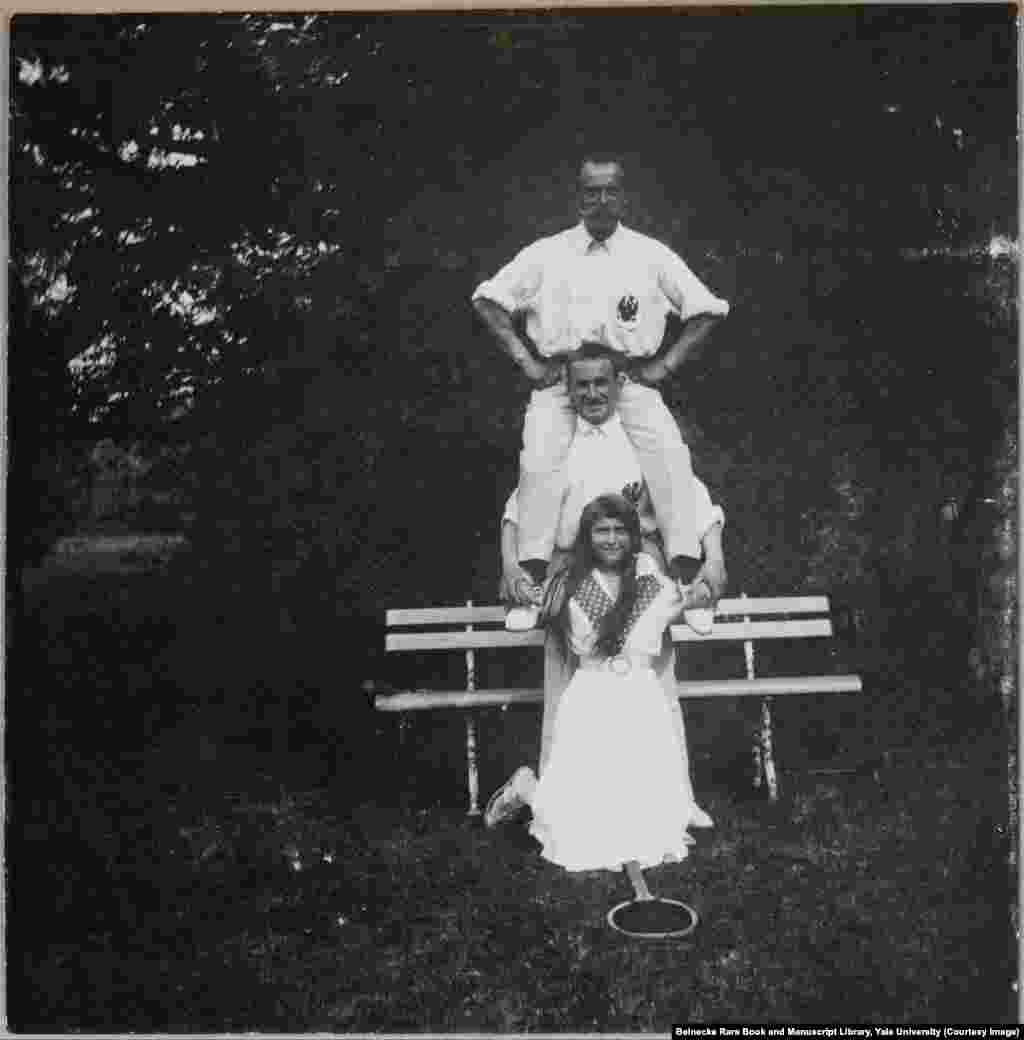
24/28Anastasia, the youngest of the Grand Duchesses, photographed after a round of tennis with an officer and her father, Nicholas II. On the night of the murders, on July 17, 1918, Anastasia fainted in the initial hail of bullets. She awoke moments later and screamed before the Bolshevik troops piled onto her with bayonets.
After Tsar Nicholas II and his family were executed by Bolshevik revolutionaries early on the morning of July 17, 1918, a collection of the royal family's personal photographs was smuggled out of Russia. The albums offer a haunting glimpse into the life of a family destined for tragedy. (All photos reproduced courtesy of the Beinecke Rare Book and Manuscript Library, Yale University.) (Originally published on March 13, 2017)
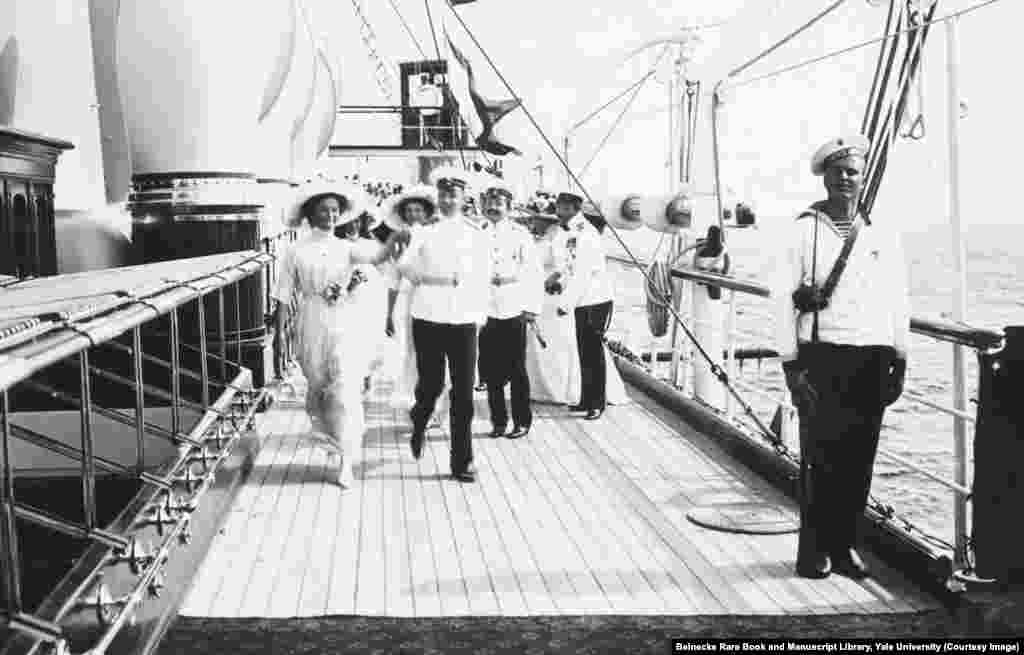
25/28The grand duchesses striding across the deck of the Standart. Life on board the yacht was relaxed and informal, and flirtations sprang up between the sailors and the grand duchesses.
After Tsar Nicholas II and his family were executed by Bolshevik revolutionaries early on the morning of July 17, 1918, a collection of the royal family's personal photographs was smuggled out of Russia. The albums offer a haunting glimpse into the life of a family destined for tragedy. (All photos reproduced courtesy of the Beinecke Rare Book and Manuscript Library, Yale University.) (Originally published on March 13, 2017)
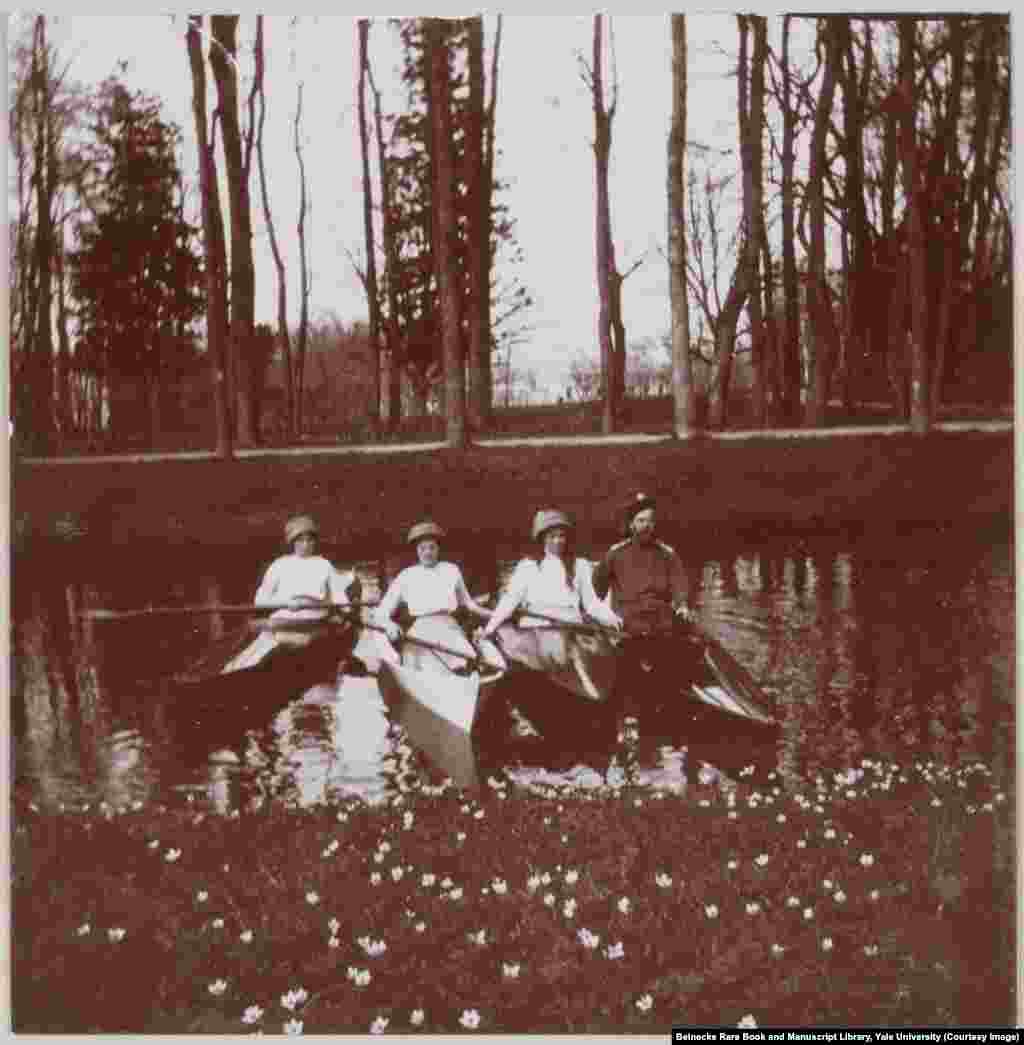
26/28Nicholas II and three of the grand duchesses floating in one of the canals of Tsarskoe Selo, near St. Petersburg.
After Tsar Nicholas II and his family were executed by Bolshevik revolutionaries early on the morning of July 17, 1918, a collection of the royal family's personal photographs was smuggled out of Russia. The albums offer a haunting glimpse into the life of a family destined for tragedy. (All photos reproduced courtesy of the Beinecke Rare Book and Manuscript Library, Yale University.) (Originally published on March 13, 2017)
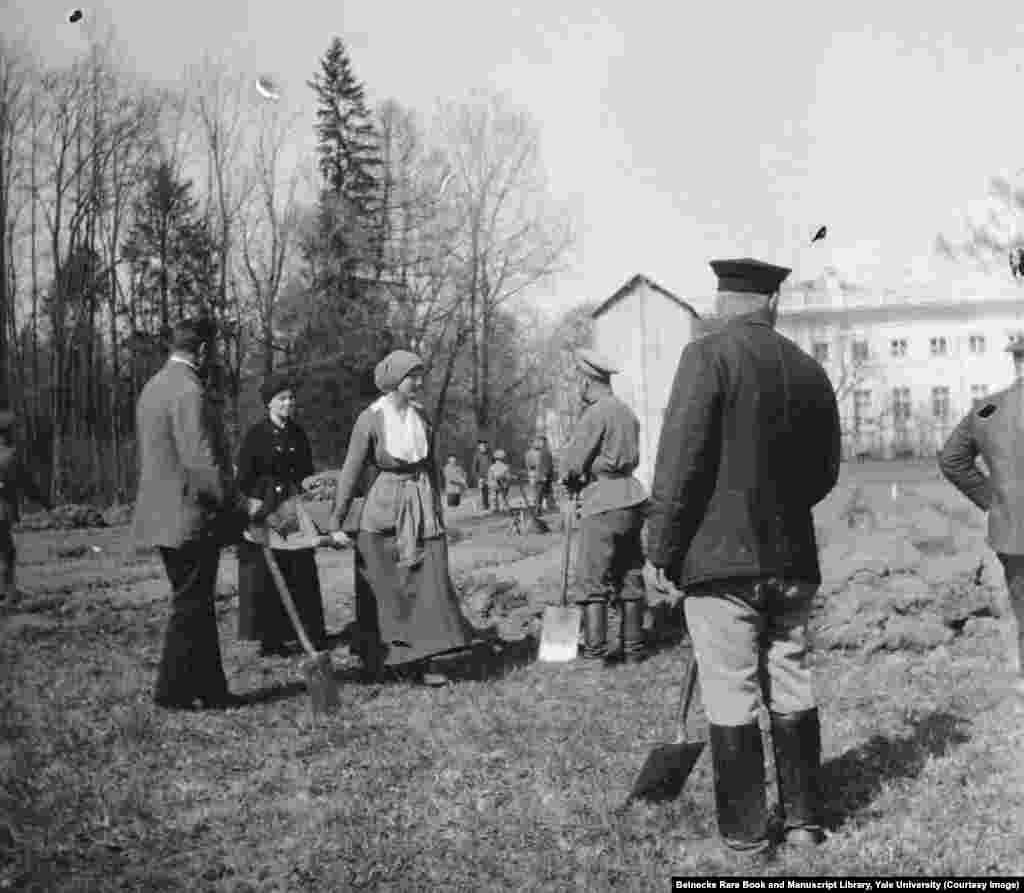
27/28In the months after the 1917 Revolution, Grand Duchess Tatiana helping to dig a vegetable garden while being held in captivity by revolutionaries.
After Tsar Nicholas II and his family were executed by Bolshevik revolutionaries early on the morning of July 17, 1918, a collection of the royal family's personal photographs was smuggled out of Russia. The albums offer a haunting glimpse into the life of a family destined for tragedy. (All photos reproduced courtesy of the Beinecke Rare Book and Manuscript Library, Yale University.) (Originally published on March 13, 2017)
28/28Tsar Nicholas II and his son Aleksei sawing wood while in captivity. They were killed a few months later. The diary of a senior Soviet leader recalls that Vladimir Lenin made the decision to have the Romanovs executed, after concluding "we shouldn't leave the [anti-Bolshevik forces] a living emblem to rally around, especially under the present difficult circumstances."
After Tsar Nicholas II and his family were executed by Bolshevik revolutionaries early on the morning of July 17, 1918, a collection of the royal family's personal photographs was smuggled out of Russia. The albums offer a haunting glimpse into the life of a family destined for tragedy. (All photos reproduced courtesy of the Beinecke Rare Book and Manuscript Library, Yale University.) (Originally published on March 13, 2017)
Previous slide
Next slide
She escaped Russia in 1919 in the face of advancing Bolshevik forces as one of the last Romanovs to leave the country. She died in France in 1920. Her brooch and ear clips are being sold by a European family who bought them at auction in 2009, the auction house said.
Sotheby's said the auction features many other pieces made with rare colored diamonds, including the item expected to capture the highest bid, an orange-pink diamond weighing 25.62 carats set in a ring. The auction house said it has an estimated value between $3.9 million to $5.9 million.













![Tsar Nicholas II and his son Aleksei sawing wood while in captivity. They were killed a few months later. The diary of a senior Soviet leader recalls that Vladimir Lenin made the decision to have the Romanovs executed, after concluding "we shouldn't leave the [anti-Bolshevik forces] a living emblem to rally around, especially under the present difficult circumstances."](https://gdb.rferl.org/db6a49ec-9b35-4aa6-8252-6f43b69656d3_w1024_q10_s.jpg)