



MOSCOW -- Russian police have detained more than 1,700 people across the country during protests demanding the release of jailed opposition leader Aleksei Navalny, amid reports his health is failing as he enters the third week of a hunger strike.
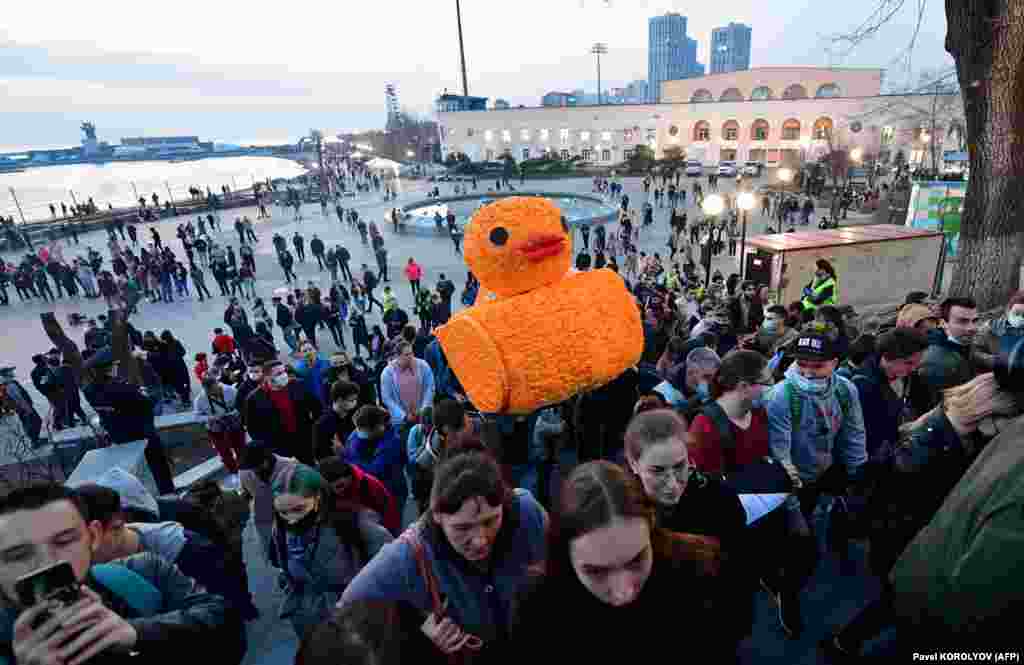
On a day when President Vladimir Putin gave his annual state-of-the-nation address, thousands of citizens from Vladivostok in the Far East to Kaliningrad on the Baltic Sea joined the April 21 protests called by leaders of Navalny's Anti-Corruption Foundation (FBK), who fear the Kremlin critic will be harmed "irreparably" if he doesn't get adequate medical treatment.
OVD-Info, which monitors the detention of political protesters and activists, reported more than 1,700 people had been rounded up across the country by late in the night, with nearly half the detentions in St. Petersburg.
The nationwide demonstrations come just days after the authorities took steps to shut down the FBK, claiming it is an "extremist" organization. Navalny's FBK has rattled the Kremlin over the years with its video investigations exposing the unexplained wealth of top officials, including Putin.
"It's obvious why we came today. We want freedom for Navalny," Yevgeny Fartuk, a 35-year-old engineer who joined the Moscow protest, told RFE/RL.
Fartuk, who was carrying a toilet brush, a reference to Navalny’s expose on the president's alleged billion-dollar palace in southern Russia, said the opposition leader had "opened everyone's eyes" to the state of corruption inside the country.
Navalny's allies initially intended to call a rally later this spring but moved it up amid fears the activist's health is quickly deteriorating. Navalny went on a hunger strike to demand doctors treat him for severe pain in his back and legs.
"We believe Mr. Navalny's life is in serious danger," a group of four independent UN experts on the issues of freedom of expression, torture, extrajudicial executions, and the right to physical and mental health said in a statement on April 21.
"We are deeply troubled that Mr. Navalny is being kept in conditions that could amount to torture or cruel, inhuman or degrading treatment or punishment," said the experts, who are appointed by the UN but do not speak on behalf of the world body.
Navalny Protests Roll Across Russia






'Deplorable' Arrests
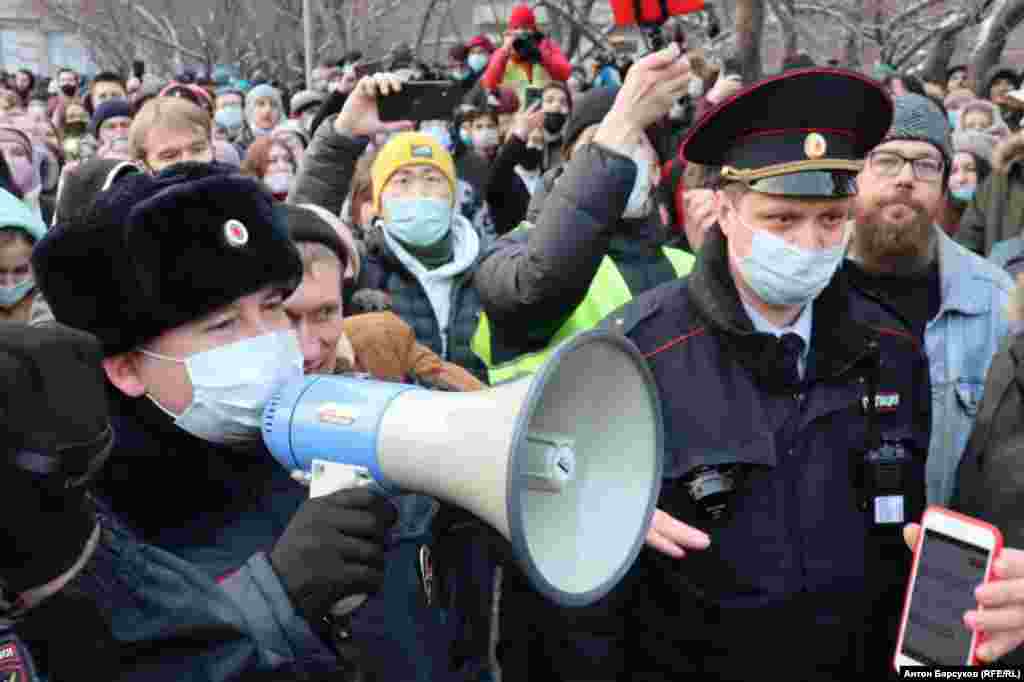
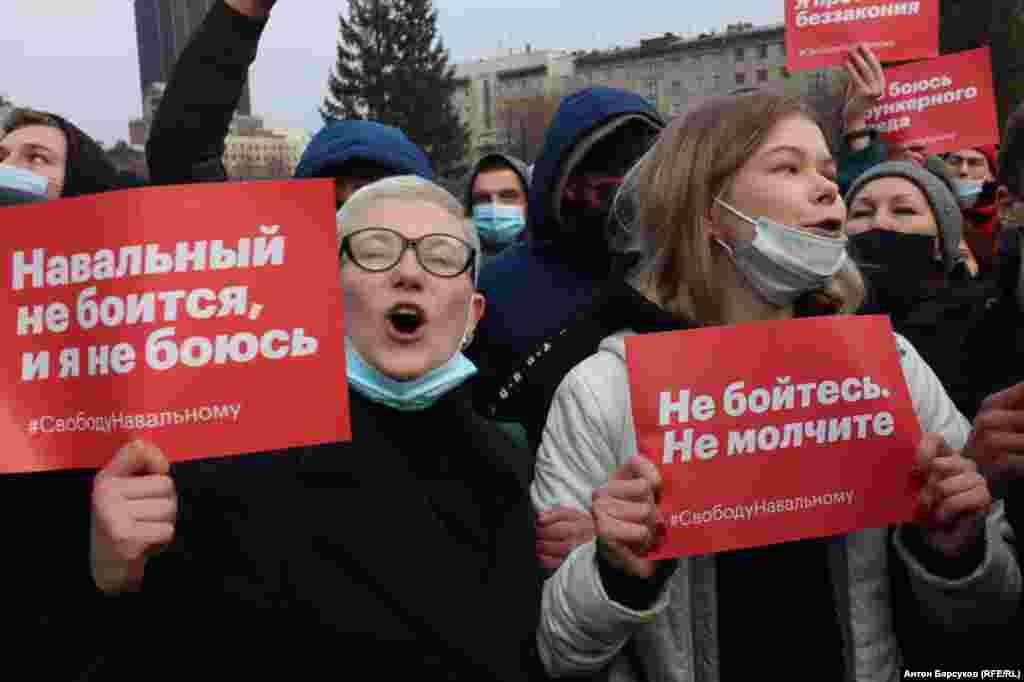
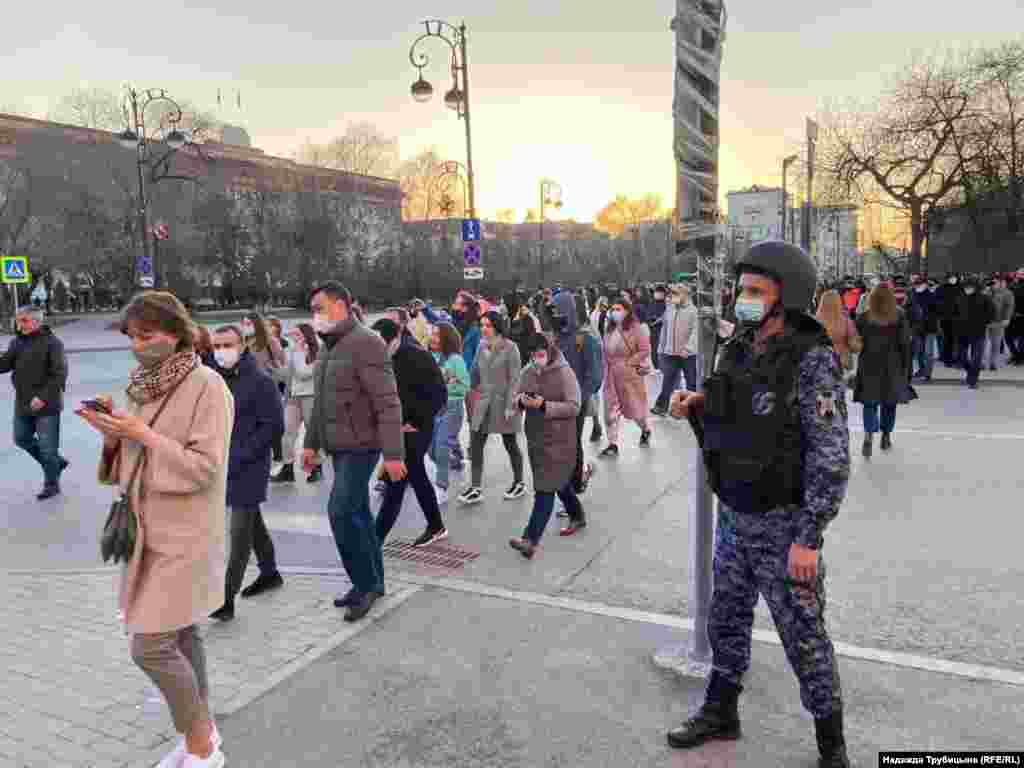
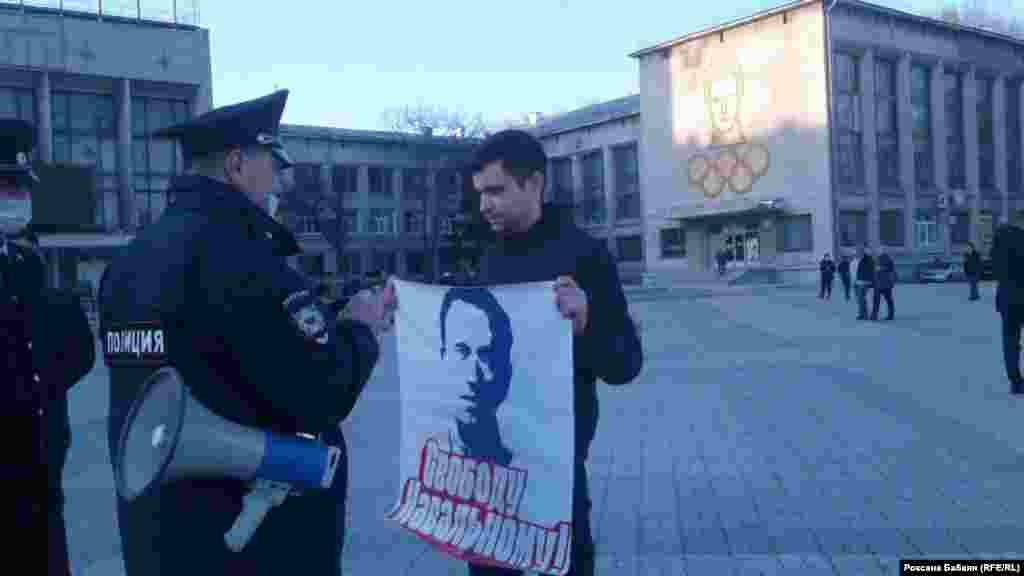
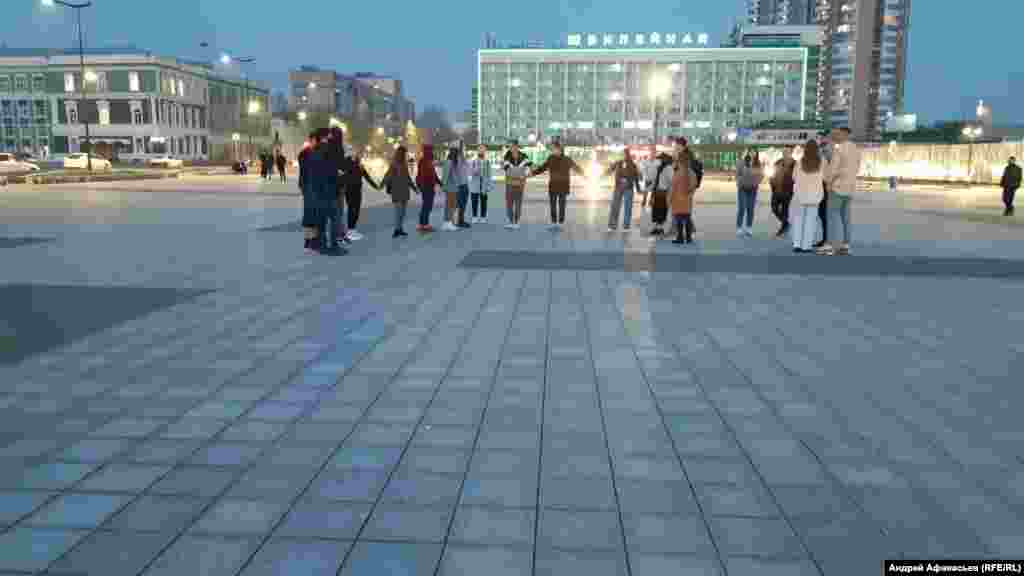
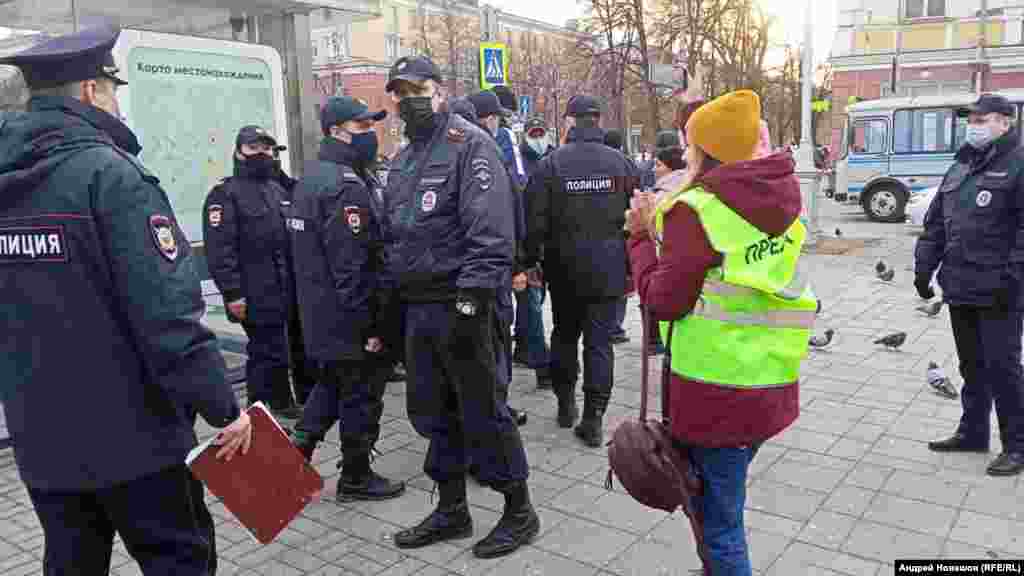
As they gathered at central squares around the country, some protesters carried signs demanding Navalny be freed while others chanted "Let the doctor in," a reference to the activist's demand to receive medical treatment.
Nastasia Madison, an 18-year-old who joined the protest in Moscow, told RFE/RL she feared the authorities "are slowly trying to kill" the activist.
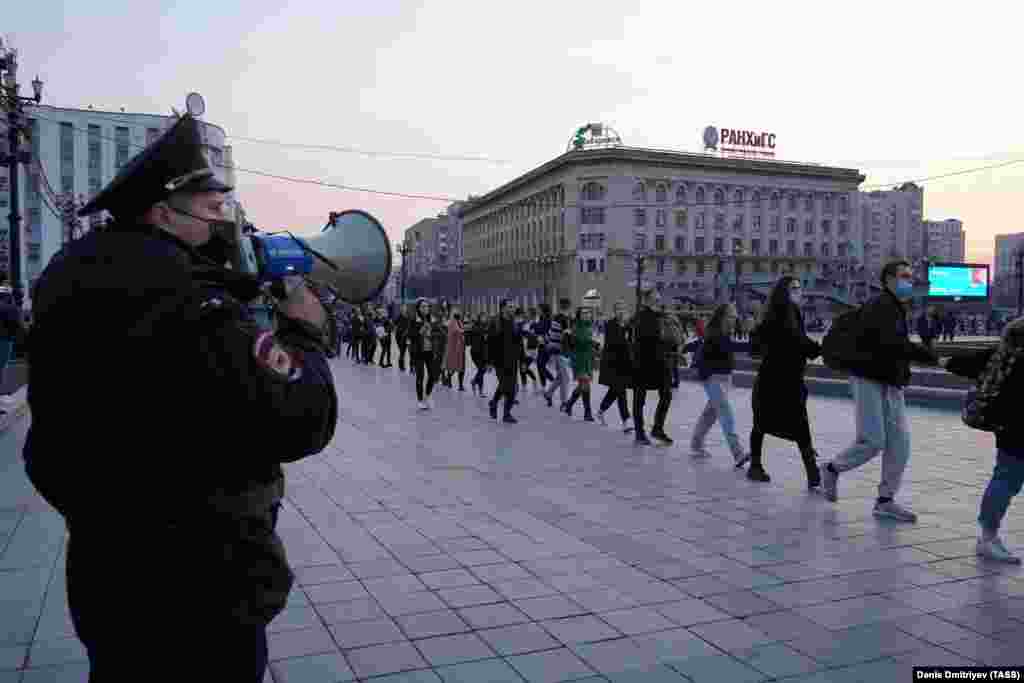
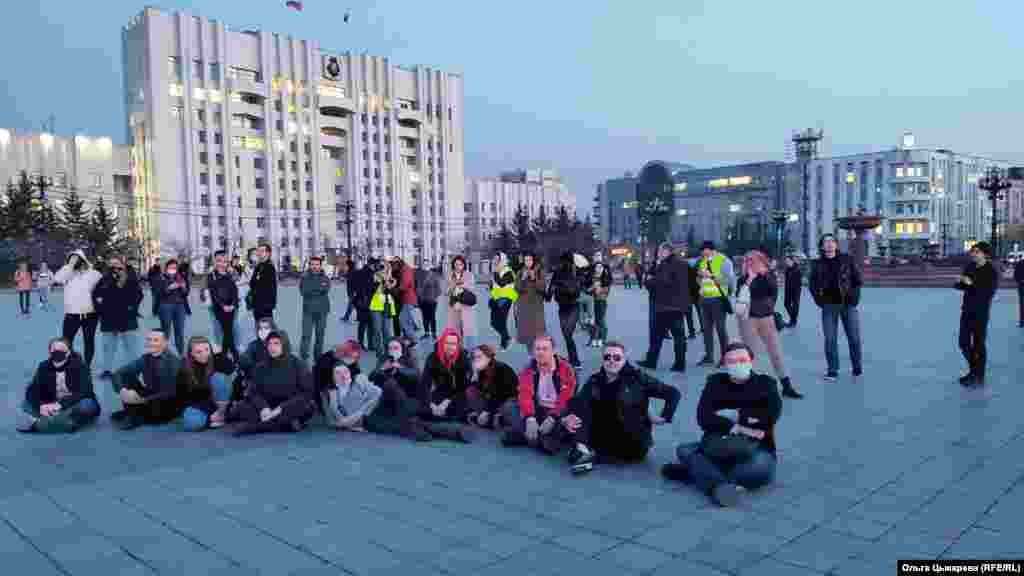
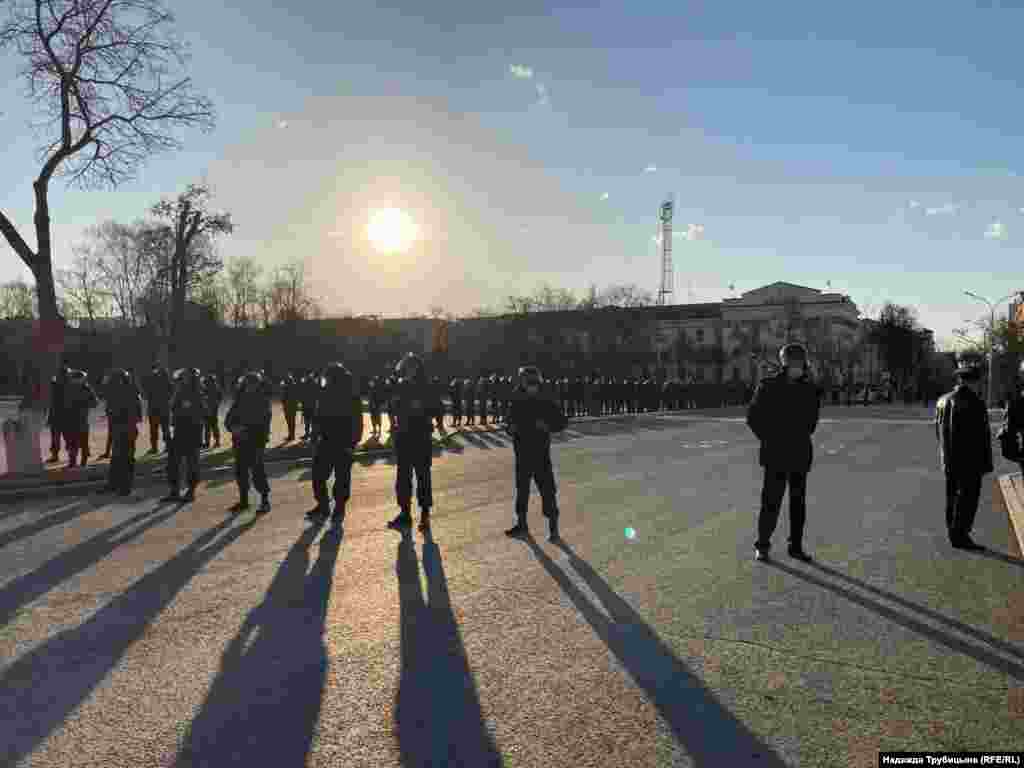
The number of protesters appeared smaller than expected amid a heavy police presence, a roundup of Navalny allies early in the day, threats of arrest, and the closure of key meeting spots, like Manezh Square near the Kremlin.
Protests called by Navalny and his allies in January to condemn his arrest drew tens of thousands of people, making them the largest anti-government demonstrations in years.
Police began to detain key Navalny supporters on April 21 even before the start of the rallies at 7 p.m. local time, prompting criticism at home and abroad for the heavy-handed tactics.
Leonid Volkov, a close Navalny associate, said police carried out searches, preventive arrests, and attacks on FBK offices in 20 regions earlier in the day.
In Moscow, Lyubov Sobol, one of the faces of Navalny's popular YouTube channel, and Kira Yarmysh, his spokeswoman, were both detained on April 21, according to their lawyers.
Yarmysh was later sentenced to 10 days in jail.
Human Rights Watch (HRW) on April 22 condemned the "unjustified" clampdown on the protests.
"There was less police violence and brutality on April 21 compared with the January and February pro-Navalny protests, but the authorities' continued clampdown on freedom of assembly is wholly unjustified," HRW Russia researcher Damelya Aitkhozhina said.
"The authorities are quick to allege that without police interference so-called 'unauthorized' gatherings become violent, but the April 21 protests showed how baseless that allegation is."
Calling the preventive arrests "deplorable," European Council President Charles Michel said the authorities "must respect the right to assembly."
'Extremist' Label
Just days before the protest, the Moscow Prosecutor's Office asked a court to label as "extremist" three organizations tied to Navalny -- the FBK, the Citizens' Rights Protection Foundation, and Navalny's regional headquarters.
Prosecutors claim the organizations were "engaged in creating conditions for destabilizing the social and sociopolitical situation under the guise of their liberal slogans."
The request comes ahead of crucial parliamentary elections later this year, in which Navalny's organizations are seeking to organize citizens to vote against the ruling United Russia party at a time its ratings have tumbled amid growing frustration over eroding living standards.
Some Navalny supporters have expressed fear that the April 21 protest could be among the last if the authorities win their case. Others hoped a large protest turnout would cause the state to back off.
"This isn't the final battle. There'll be many other opportunities to be heard," Oleg, a 32-year-old who joined the Moscow protest, told RFE/RL.

Independent Doctors
Navalny was arrested on January 17 upon his return to Russia from Germany, where he received life-saving treatment for a poisoning attack in Siberia in August.
He has insisted that his poisoning with a Soviet-style chemical nerve agent was ordered directly by Putin. The Kremlin has denied any role in the poisoning.
In February, a Moscow court ruled that while in Germany, Navalny had violated the terms of parole from an old embezzlement case that is widely considered as being politically motivated.
Navalny's 3 1/2-year suspended sentence from the case was converted to a jail term, though the court said he will serve 2 1/2 years in prison given time already served in detention.
The activist, who is serving his term in a notorious prison about 100 kilometers from Moscow, went on a hunger strike three weeks ago to protest the lack of medical treatment he has received while in detention. He is demanding an independent doctor be allowed in to see him.
Russian human rights commissioner Tatyana Moskalkova was quoted by the RIA Novosti news agency as saying four doctors from outside Russia's Federal Penitentiary Service (FSIN) visited Navalny on April 20 and found no serious health problems.
She gave no details on the doctors and there was no immediate word from Navalny's team about the report.
However, the assessment runs contrary to a letter to the FSIN last week by Anastasia Vasilyeva, Navalny's personal physician, and three other doctors, including a cardiologist, who said the 44-year-old's health was rapidly deteriorating and his potassium count had reached a "critical level," meaning "both impaired renal function and serious heart rhythm problems can happen any minute."
U.S. lawmakers later on April 21 introduced a bipartisan nonbinding resolution condemning the poisoning, "wrongful imprisonment and brutal treatment" of Navalny.
The United States and European Union have already imposed sanctions on Russia for the use of a chemical weapon to poison Navalny.
His supporters are now calling on the West to impose new sanctions on Russia to force the Kremlin to address Navalny's health needs.
"I prefer that Putin be held accountable for what's happening now, before Navalny dies," Volkov said the day before the rally.

