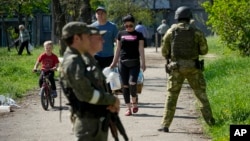
There has been increasing speculation that Russia is preparing to stage referendums in parts of Ukraine that its troops have occupied.
A draft document prepared by top officials with Russia’s ruling political party calls for a new state named Southern Rus to be created from some regions of Ukraine occupied by Russian forces.
News of the proposal, obtained by Schemes, an investigative project of RFE/RL’s Ukrainian Service, comes as fighting rages in Ukraine’s eastern and southern regions, with Russian forces pressing an offensive on multiple fronts against fierce Ukrainian resistance.
It also comes with Russian officials signaling an intention to stage referendums in parts of Ukraine’s Donetsk and Luhansk regions, much of which have been under the control of Russia-backed separatists for nearly eight years, as well as another region, Kherson.
The vote would be aimed at uniting occupied regions with Russia, similar to what happened in Crimea in 2014.
Just days before the February 24 invasion of Ukraine, President Vladimir Putin announced that Russia would recognize the Donetsk and Luhansk regions under separatist control as independent states; a declaration that Kyiv, and much of the rest of the world, dismissed.
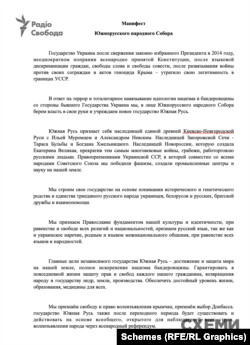
A copy of the draft proposal, which was obtained by Schemes.
The draft document obtained by Schemes, titled The Manifesto Of The South Russian People's Council and dated April 16, does not specify which occupied territories would make up the new state of “Southern Rus.”
The name “Rus” is derived from the name given to loosely organized lands in the 8th to 10th centuries that were first controlled by a kingdom in Kyiv, until power shifted to Moscow, leading to the creation of Russia.
But the manifesto declares that Ukraine lost legitimacy after the 2013-2014 Maidan revolution, which culminated in the ouster of President Viktor Yanukovych. Russia has long tried to argue that the street protests were a coup d’etat, and that the government was taken over by “Nazis” and “Banderites” -- a reference to the 20th century Ukrainian nationalist leader, Stepan Bandera.
“In response to terror and the totalitarian imposition of the ideology of Nazism and Bandera by the former State of Ukraine, we, in the form of the South Russian People's Council, take power into our own hands and establish a new state of Southern Rus,” the document says.
“We recognize the Russian language, as well as the Ukrainian dialect, as the native language and the language of interethnic communication, with the equality of all languages and nationalities,” the text reads.
The document’s sketch for a new “Southern Rus” state echoes earlier language promoted by Putin and other top Kremlin officials, who called for the establishment of “Novorossia” -- another historical concept referring to lands, mainly in Ukraine, that were previously part of the Russian Empire in the 18th and 19th centuries.
"We are building our state on the basis of the understanding of the historical and genetic kinship and unity of the tripartite Russian nationality -- Ukrainians, Belarusians, and Russians -- fraternal friendship, and mutual assistance,” the document states.
'Kherson Is Waiting For Liberation'
Metadata for the word document identified by Schemes indicates that Roman Romanov, а top official with United Russia, was either author of the document, or involved in its creation. United Russia is the Kremlin-affiliated party that dominates Russia’s parliament and the country’s political life.
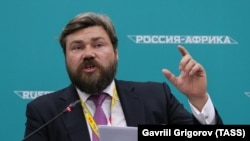
Officials who spoke to Schemes anonymously said the document was later passed to aides of Konstantin Malofeyev, a wealthy and influential Russian businessman who has been instrumental in financing and supporting separatist efforts in the Donbas for years.
Russian oligarch Konstantin Malofeyev (file photo)
Malofeyev was sanctioned by the United States and the European Union in 2014 for his role in the annexation of Crimea. He was indicted in early April for trying to evade those sanctions.
Neither Romanov nor United Russia’s secretary-general, Andrei Turchak, could be reached for comment by Schemes. Malofeyev refused to discuss the manifesto when contacted, and hung up the phone, saying he did not communicate with journalists.
The online news site Meduza reported this week that the Kremlin was considering holding two referendums in the Donetsk and Luhansk regions on May 14 and 15.
Undercover In Ukraine's Occupied Kherson: 'You Don't Know What Will Happen Tomorrow'
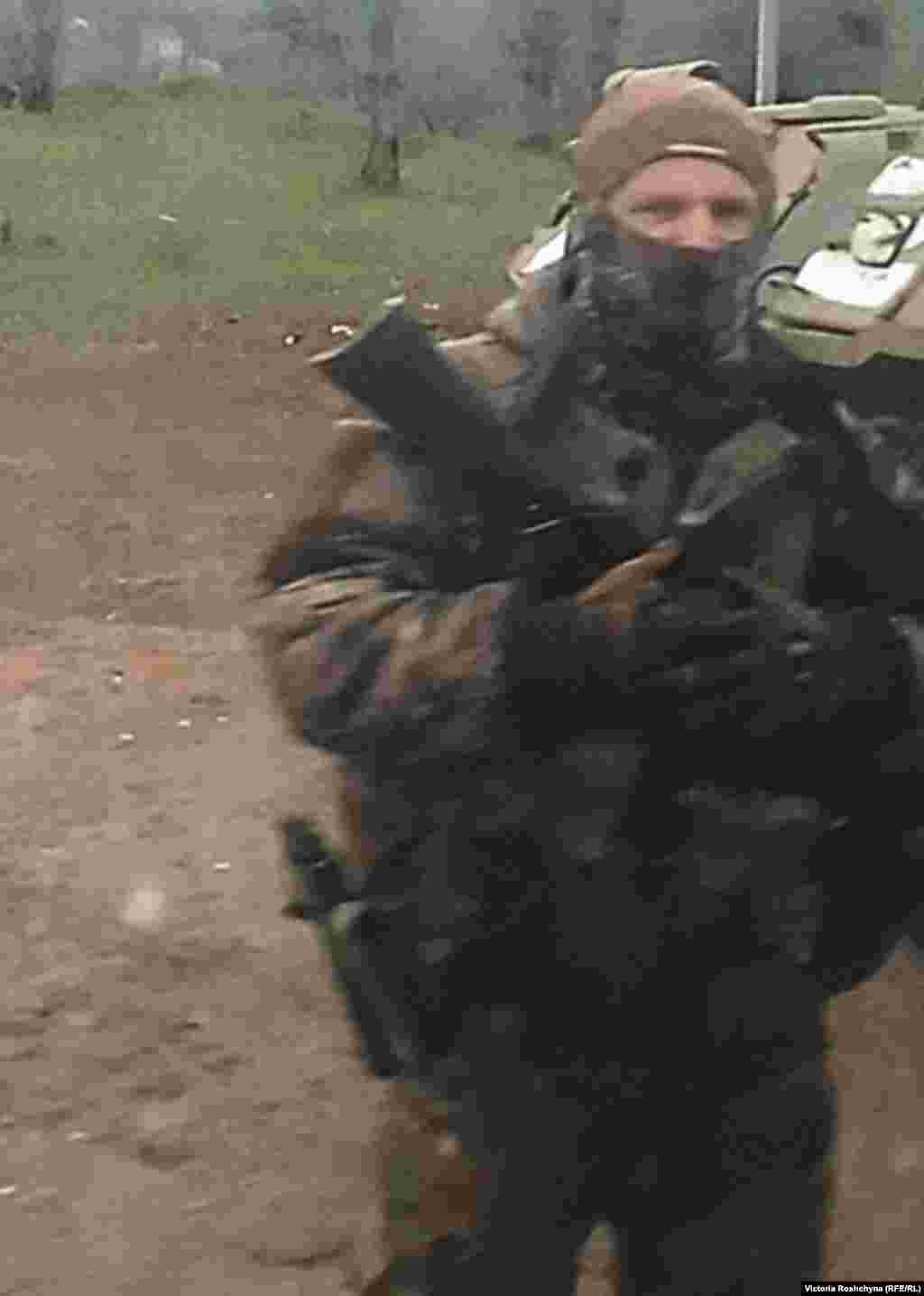
1/16A Russian servicemen outside one of the occupied villages near Kherson.
"We are from Donetsk. How do you feel about May 9?" one soldier asked RFE/RL at a checkpoint, referring to the date on which Russia commemorates Victory Day over Nazi Germany. After checking documents, those manning checkpoints often ask for cigarettes.
Kherson is the only Ukrainian provincial capital to have fallen during Moscow's invasion of its western neighbor. Earlier this month, RFE/RL reporter Viktoria Roshchyna traveled undercover to the city and nearby settlements to speak with people who are living under Russian occupation and to discuss the problems they face.
Show moreShow less
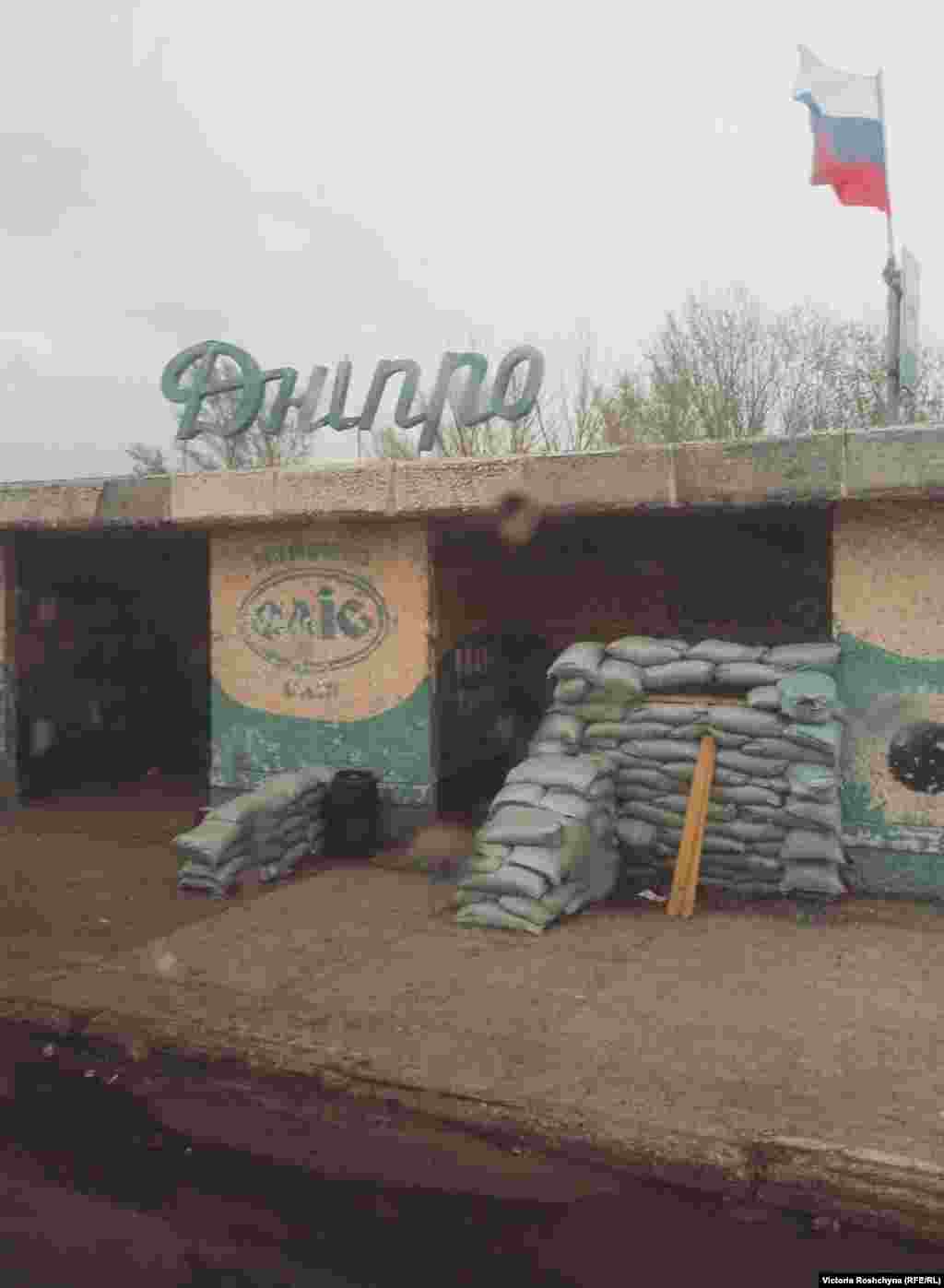
2/16A Russian checkpoint in the occupied Kherson region in April 2022.
The road to Kherson is nearly empty. On the way you can find broken equipment, plundered gas stations, and shell craters. Fields and forests -- what the Kherson region has always been famous for -- are now "sown" with the equipment of the Russian occupiers.
“People were sowing and planning the harvest. And now what? ” one local driver told RFE/RL.
Kherson is the only Ukrainian provincial capital to have fallen during Moscow's invasion of its western neighbor. Earlier this month, RFE/RL reporter Viktoria Roshchyna traveled undercover to the city and nearby settlements to speak with people who are living under Russian occupation and to discuss the problems they face.
Show moreShow less
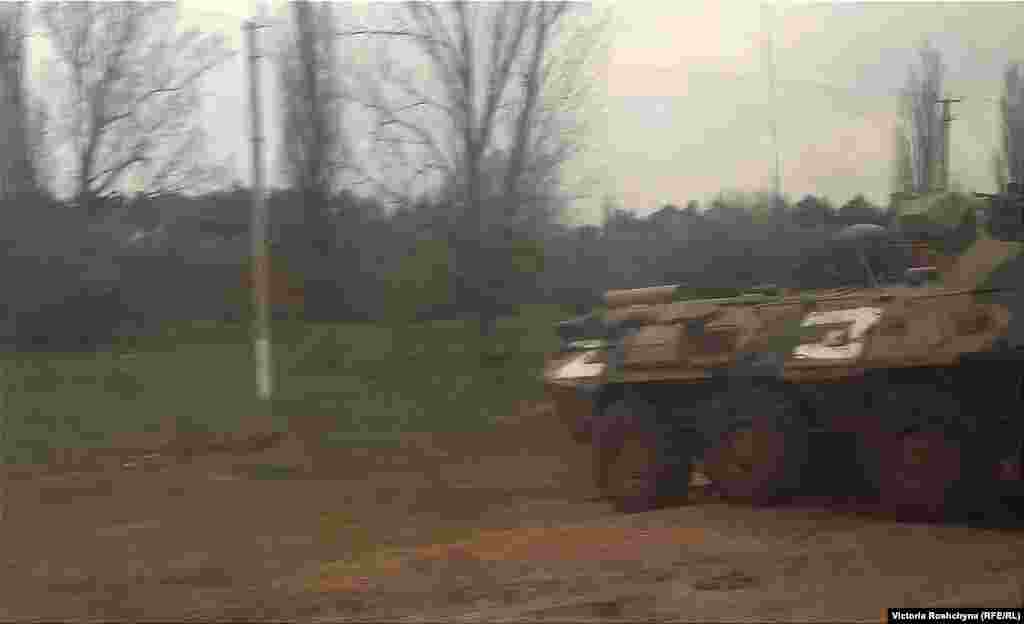
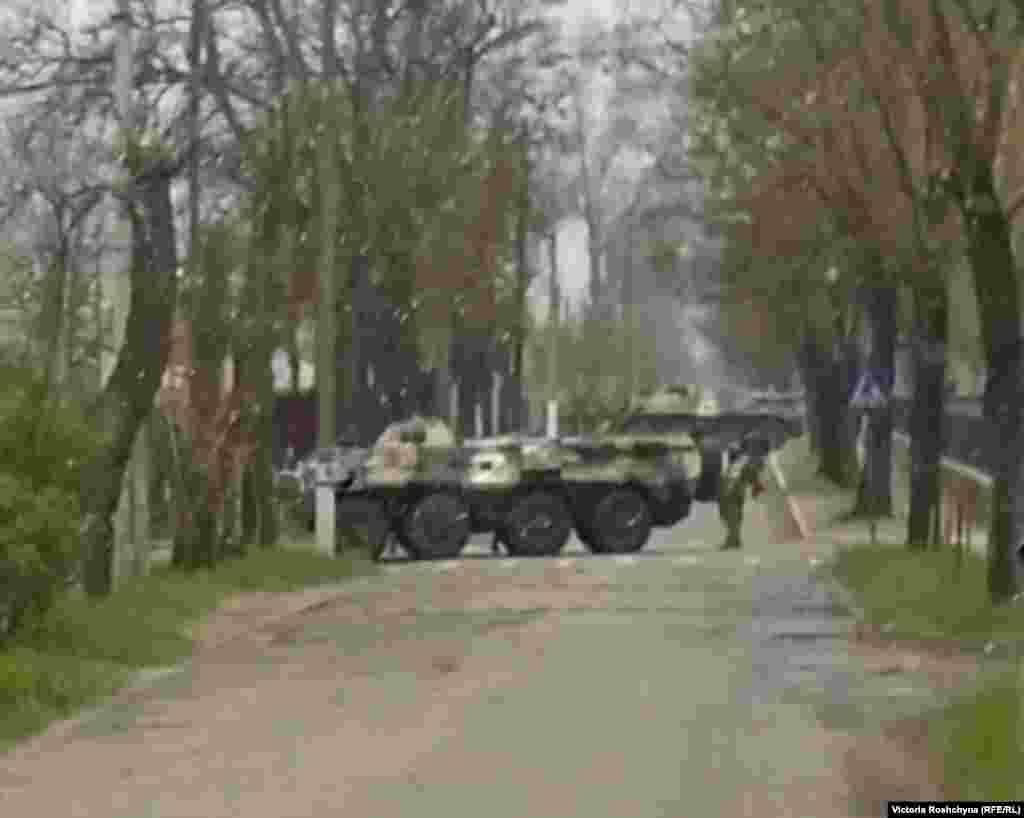
3/16A Russian armored personnel carrier near one of the villages in the occupied Kherson region.
"A lot of vehicles are coming in from Crimea. Every night, we hear them move," one local resident said. "When our troops start a counterattack, it will be hot."
Kherson is the only Ukrainian provincial capital to have fallen during Moscow's invasion of its western neighbor. Earlier this month, RFE/RL reporter Viktoria Roshchyna traveled undercover to the city and nearby settlements to speak with people who are living under Russian occupation and to discuss the problems they face.
Show moreShow less
4/16Occupying troops raise a Soviet victory banner, featuring the hammer and sickle, at Park Slavy (Park of Glory) in central Kherson. It's a copy of the flag raised over Berlin's Reichstag and is now an official symbol of the U.S.S.R.'s victory over Nazi Germany.
Kherson is the only Ukrainian provincial capital to have fallen during Moscow's invasion of its western neighbor. Earlier this month, RFE/RL reporter Viktoria Roshchyna traveled undercover to the city and nearby settlements to speak with people who are living under Russian occupation and to discuss the problems they face.
Show moreShow less
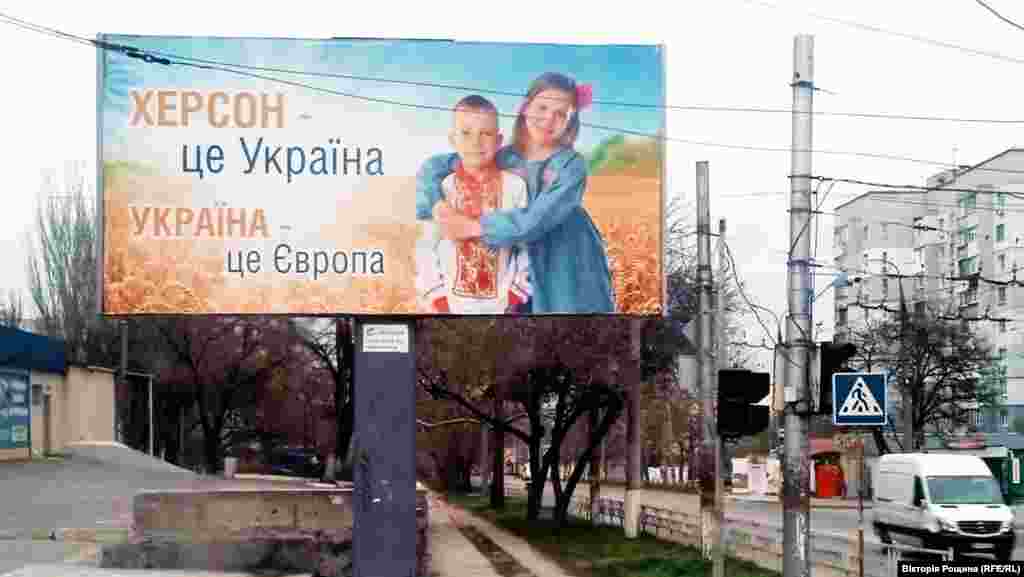
5/16A billboard in Kherson says: “Kherson is Ukraine. Ukraine is Europe."
"The occupiers are deeply disappointed because there is no support for them," says one local farmer. "They are not wanted here. The Kherson region is a deeply pro-Ukrainian territory. They were lucky with Crimea because there really was a large pro-Russian population there. Here, no."
Kherson is the only Ukrainian provincial capital to have fallen during Moscow's invasion of its western neighbor. Earlier this month, RFE/RL reporter Viktoria Roshchyna traveled undercover to the city and nearby settlements to speak with people who are living under Russian occupation and to discuss the problems they face.
Show moreShow less
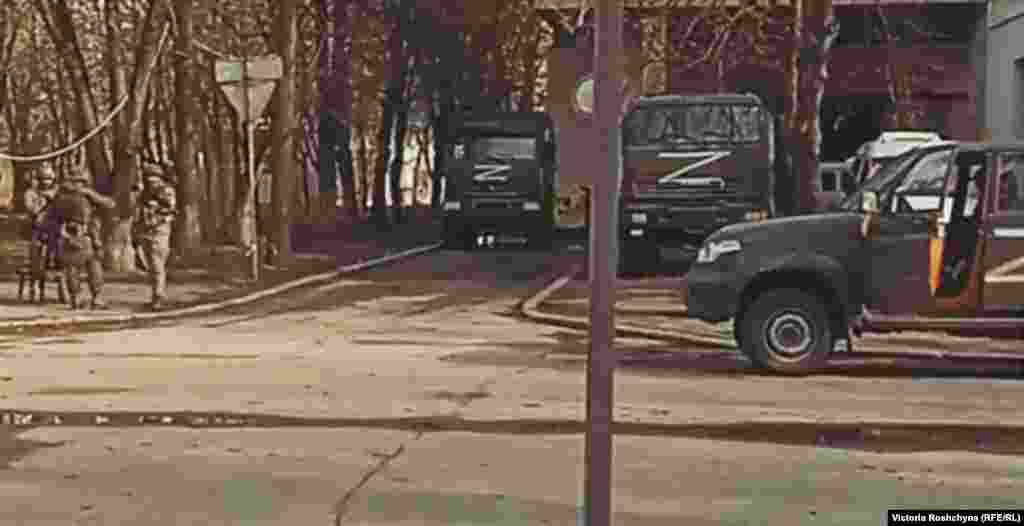
6/16Russian vehicles move through the streets of occupied Kherson.
"The sense of protection is completely absent," says one city resident. "When a person comes to you with a machine gun, you clearly understand that he can do anything with you."
Kherson is the only Ukrainian provincial capital to have fallen during Moscow's invasion of its western neighbor. Earlier this month, RFE/RL reporter Viktoria Roshchyna traveled undercover to the city and nearby settlements to speak with people who are living under Russian occupation and to discuss the problems they face.
Show moreShow less
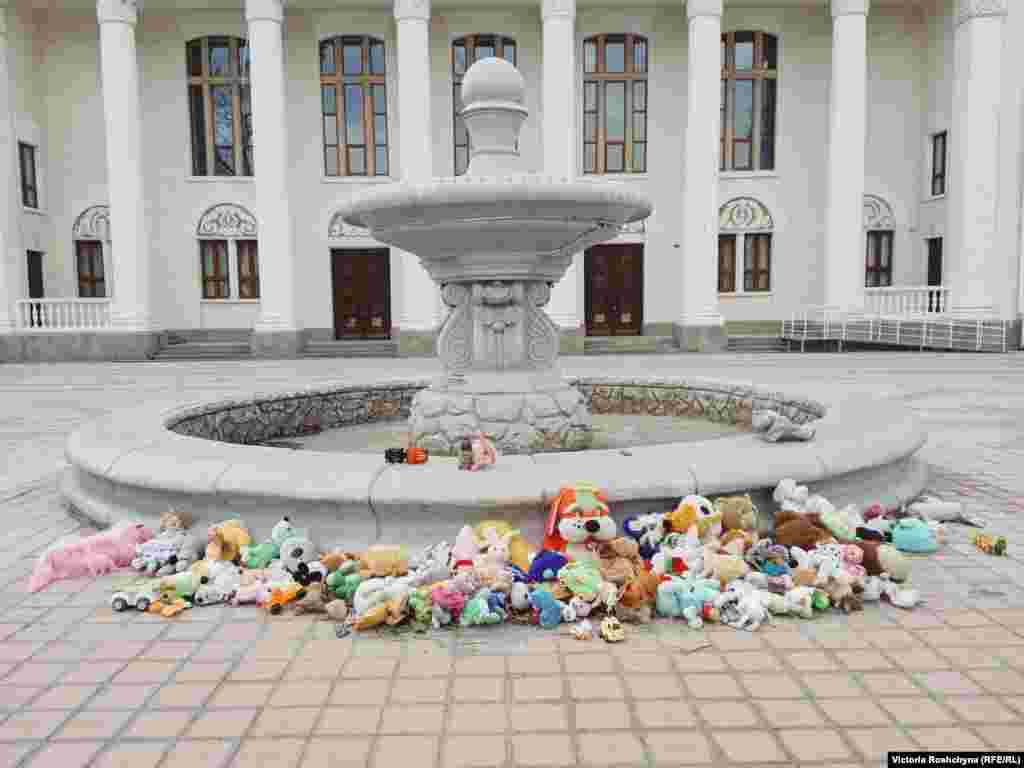
7/16An impromptu memorial for children who have died during the war in front of the Palace of Culture in the town of Nova Kakhovka in the Kherson region.
"This building is opposite the Russian commandant's office," said one man as he walked by. "They bring toys here so that they can see and remember."
Kherson is the only Ukrainian provincial capital to have fallen during Moscow's invasion of its western neighbor. Earlier this month, RFE/RL reporter Viktoria Roshchyna traveled undercover to the city and nearby settlements to speak with people who are living under Russian occupation and to discuss the problems they face.
Show moreShow less
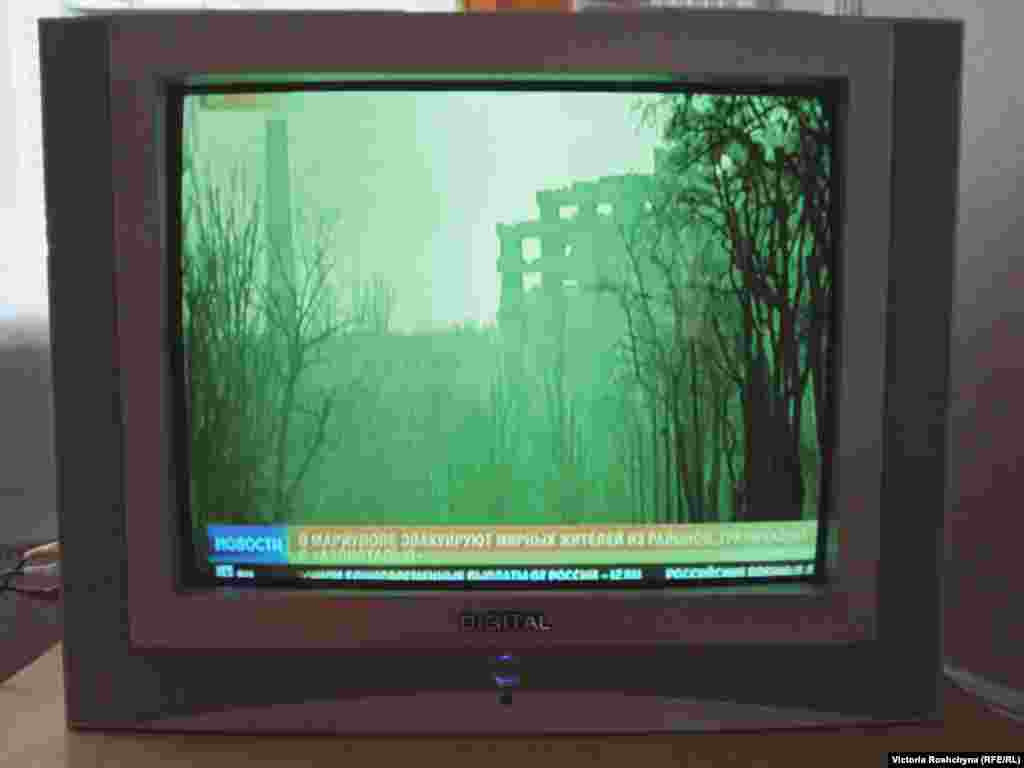
8/16A pro-Russia TV channel broadcasting the "liberation operation" in occupied Kherson.
"As soon as they entered the city, they drowned out the Ukrainian channels and launched their own. After a while, cable TV and radio stations were turned off. Not a single Ukrainian newspaper is published in Kherson," said a local media expert, who also warned of the dangers of reporting in the occupied territories.
"You know, we used to think that a camera and a microphone were a means of protection," he said. "But now, it is a 'red rag' to the occupiers. Going out and filming something is putting yourself in danger.”
Kherson is the only Ukrainian provincial capital to have fallen during Moscow's invasion of its western neighbor. Earlier this month, RFE/RL reporter Viktoria Roshchyna traveled undercover to the city and nearby settlements to speak with people who are living under Russian occupation and to discuss the problems they face.
Show moreShow less
9/16Russian troops patrol near the Kherson Regional State Administration.
"All thinking Kherson residents are for Ukraine, of course," one local resident told RFE/RL. "But now there is some uncertainty -- and this gives rise to fear. You don't know what will happen tomorrow."
Kherson is the only Ukrainian provincial capital to have fallen during Moscow's invasion of its western neighbor. Earlier this month, RFE/RL reporter Viktoria Roshchyna traveled undercover to the city and nearby settlements to speak with people who are living under Russian occupation and to discuss the problems they face.
Show moreShow less
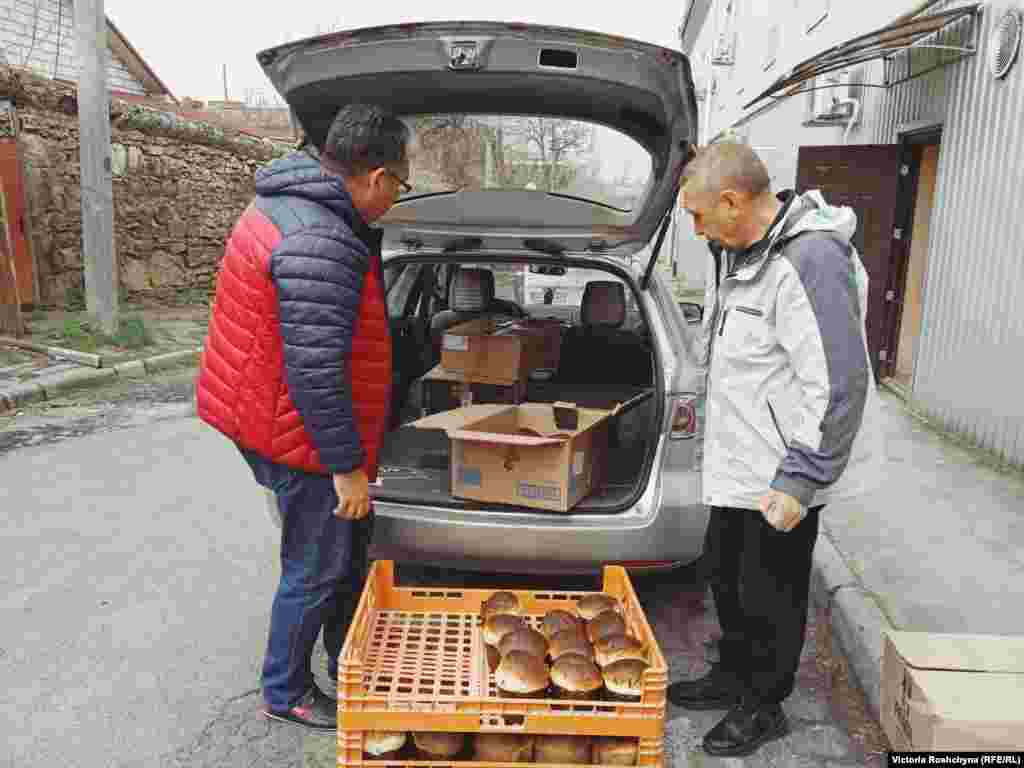
10/16Volunteers from occupied Kherson prepare and distribute Easter cakes for residents of nearby settlements who are under heavy shelling.
According to one local volunteer, the occupiers have "artificially created a humanitarian catastrophe in Kherson in order to import goods from Crimea. They do not allow any humanitarian convoys from Ukraine to pass through. All of this is delivered by volunteers at their own risk."
Kherson is the only Ukrainian provincial capital to have fallen during Moscow's invasion of its western neighbor. Earlier this month, RFE/RL reporter Viktoria Roshchyna traveled undercover to the city and nearby settlements to speak with people who are living under Russian occupation and to discuss the problems they face.
Kherson is the only Ukrainian provincial capital to have fallen during Moscow's invasion of its western neighbor. Earlier this month, RFE/RL reporter Viktoria Roshchyna traveled undercover to the city and nearby settlements to speak with people who are living under Russian occupation and to discuss the problems they face.
Show moreShow less
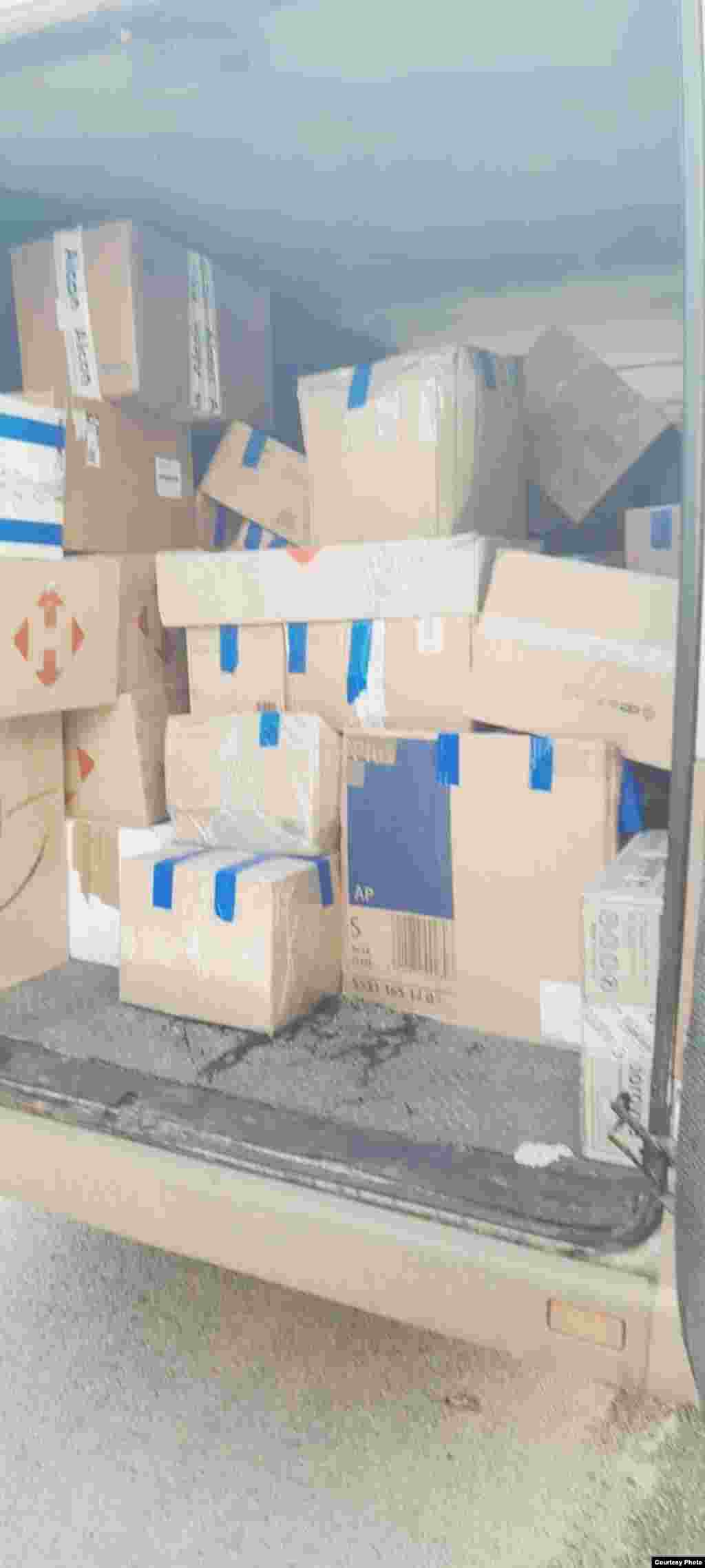
12/16Medicines are prepared for delivery in occupied Kherson.
"It is very difficult to supply medicines to the Kherson region now," says Iryna, a local volunteer. "The invaders do not give us 'green corridors.' Drivers who carry medical supplies often disappear. They take away their phones, cars, and the medicines themselves."
Kherson is the only Ukrainian provincial capital to have fallen during Moscow's invasion of its western neighbor. Earlier this month, RFE/RL reporter Viktoria Roshchyna traveled undercover to the city and nearby settlements to speak with people who are living under Russian occupation and to discuss the problems they face.
Show moreShow less
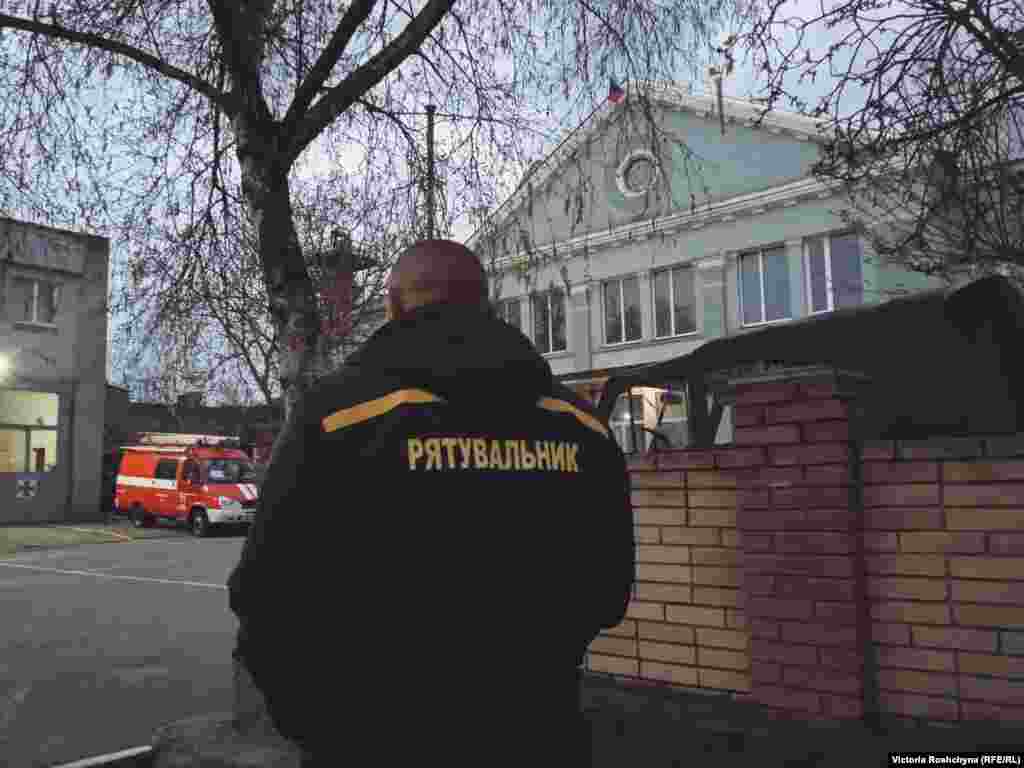
13/16A rescue worker in occupied Nova Kakhovka walks toward the State Emergency building where a Russian flag now flies.
While some rescue workers left when the occupation began, others remained to assist their fellow citizens. "As for the fact that the government abandoned Kherson, this is just an insult," said a local volunteer. "There is no feeling yet that we will be liberated."
Kherson is the only Ukrainian provincial capital to have fallen during Moscow's invasion of its western neighbor. Earlier this month, RFE/RL reporter Viktoria Roshchyna traveled undercover to the city and nearby settlements to speak with people who are living under Russian occupation and to discuss the problems they face.
Show moreShow less
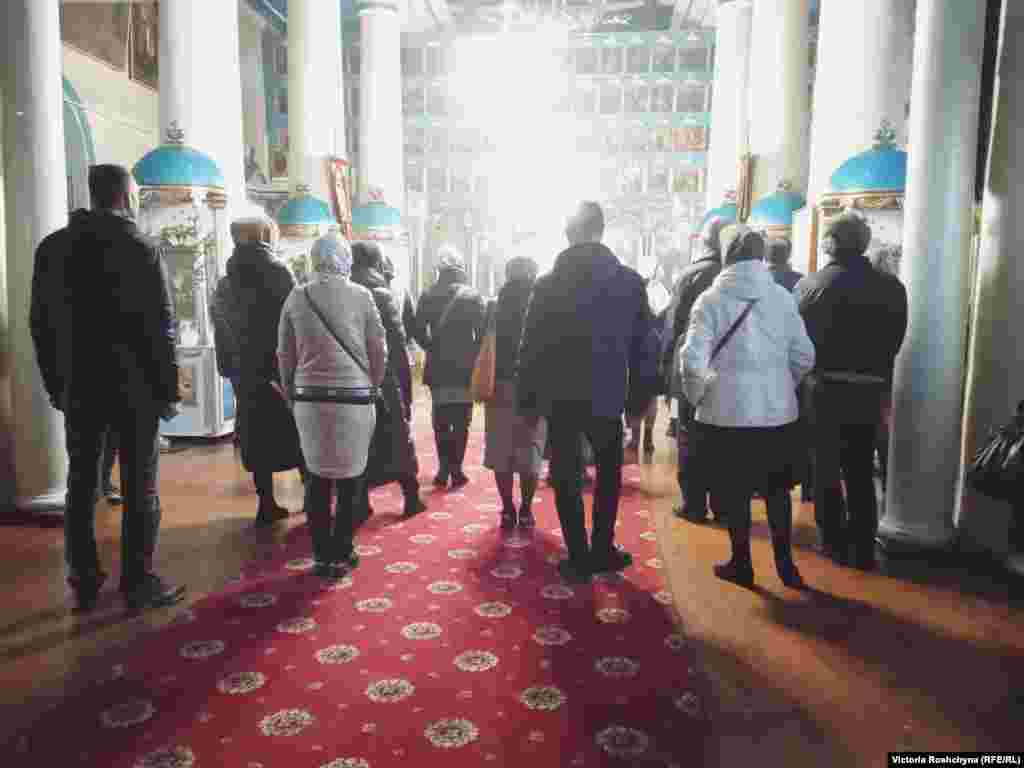
14/16People attend a church service in occupied Kherson.
"We pray. We do our jobs. Of course, we want Ukraine to be here," said a local clergymen. "I also have a family. They also cry. But I try to avoid politics."
Kherson is the only Ukrainian provincial capital to have fallen during Moscow's invasion of its western neighbor. Earlier this month, RFE/RL reporter Viktoria Roshchyna traveled undercover to the city and nearby settlements to speak with people who are living under Russian occupation and to discuss the problems they face.
Show moreShow less
15/16A Russian checkpoint in occupied Nova Kakhovka in the Kherson region.
According to Kherson Mayor Ihor Kolykhayev, more than 40 percent of residents have left the city, including more than 3,000 children. In a Facebook post on April 16, Ukraine's ombudswoman for human rights, Lyudmyla Denisova, said that Russia intends to hold a "referendum" to create a "People's Republic of Kherson."
According to the Denisova, Russian troops intend to turn off all communications in Kherson and to stop anyone entering or exiting the city between May 1 and May 10. The vote they reportedly plan to stage mirrors what occurred in the occupied Luhansk and Donetsk regions in 2014.
Kherson is the only Ukrainian provincial capital to have fallen during Moscow's invasion of its western neighbor. Earlier this month, RFE/RL reporter Viktoria Roshchyna traveled undercover to the city and nearby settlements to speak with people who are living under Russian occupation and to discuss the problems they face.
Show moreShow less
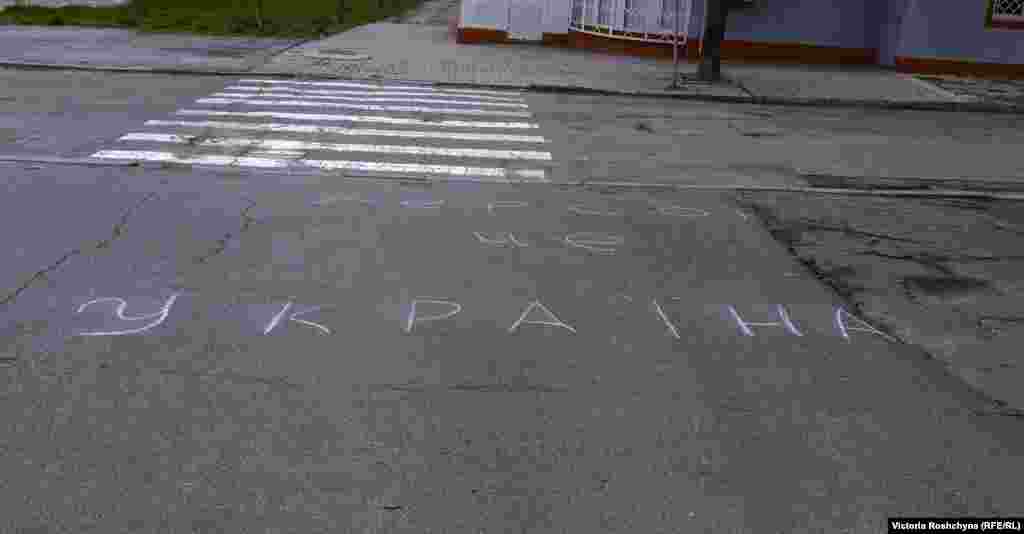
16/16An inscription on the asphalt: "Kherson is Ukraine."
Kherson is the only Ukrainian provincial capital to have fallen during Moscow's invasion of its western neighbor. Earlier this month, RFE/RL reporter Viktoria Roshchyna traveled undercover to the city and nearby settlements to speak with people who are living under Russian occupation and to discuss the problems they face.
Show moreShow less
Previous slide
Next slide
Meduza said another referendum may also be staged in Kherson, a region that is just north of Crimea and is partially occupied by Russian forces.
"Unfortunately, there have been rumors that the occupiers are preparing something [in Kherson] for the first days of May.” Hennady Lahuta, the head of the region’s military administration, told RFE/RL. “Either a 'referendum' or whatever else you want to call it.”
“I can only say this: the entire Kherson region is waiting for liberation. It is Ukrainian,” he added. “It wants to live in a united, peaceful, glorious, conjoined Ukraine.”
Heorhiy Shabayev is a journalist with Schemes (Skhemy), an investigative news project run by RFE/RL's Ukrainian Service. He is a graduate of the Institute of Journalism at Taras Shevchenko National University of Kyiv and the author of a dozen investigations into corruption in the government, the construction industry, and in large state-owned enterprises.