WATCH: RFE/RL's Ukrainian Service spoke to some survivors of the famine in the village of Targan, south of Kyiv, where 360 of 900 households died of starvation, originally broadcast in 2011.
"Holodomor," the man-made famine that killed millions of Ukrainians in the early 1930s, will be the subject of a new book by acclaimed U.S. journalist and author Anne Applebaum.
A number of works have been published on the Holodomor, or "death by hunger," including Anglo-American scholar Robert Conquest's seminal 1986 book "Harvest of Sorrow."
But as Ukraine prepares to mark the 80th anniversary of the devastating famine, Applebaum says she feels the tragedy remains little known in the West.
"I think it's a topic that still needs a really good summary, a summary that will present the subject and particularly what we know now about the subject, the new material, to an audience that doesn't know anything about it," Applebaum says.
"And I think that audience is a both Western audience, and it may also be at this point in history even a Russian and a Ukrainian audience."
The famine swept through the Soviet Union in 1932-33 following Josef Stalin's forced collectivization of agriculture. Fertile Ukraine, the Soviet Union's bread basket, was worst hit.
When its harvest failed to meet the Kremlin's targets in 1932, officials and activists were sent to villages to confiscate grain and food. The confiscations continued well into 1933, reducing entire families to starvation.
Some scholars say the move was partly driven by a desire to crush mounting Ukrainian nationalism, seen in Moscow as a threat to the Soviet Union's integrity.
Historians say at least 3 million people died of hunger in less than a year, with some estimates putting the death toll at up to 10 million.
PHOTO GALLERY: Alexander Wienerberger was recruited into the army of the Austro-Hungarian Empire during World War I. In 1915, he was taken prisoner in Russia and ended up staying in the U.S.S.R. until 1934. In 1933, he was technical director of a synthetic factory in Kharkiv, when we took these pictures.
Ukraine's Holodomor Through An Austrian's Eyes
1/15The jaded population has lost all interest in the gruesome sight of the famished and the dying.
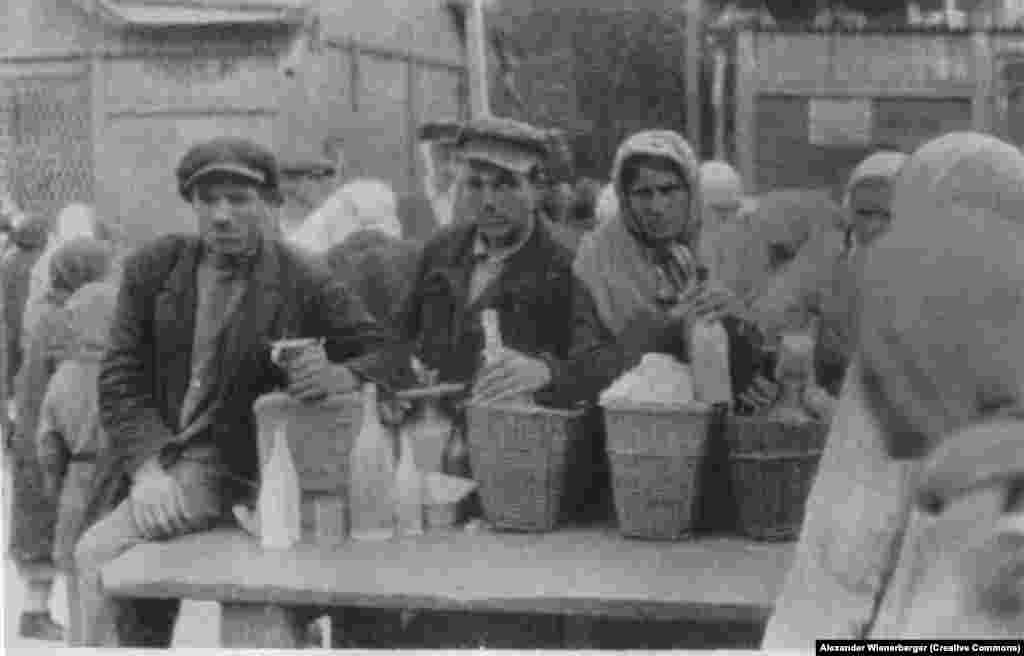
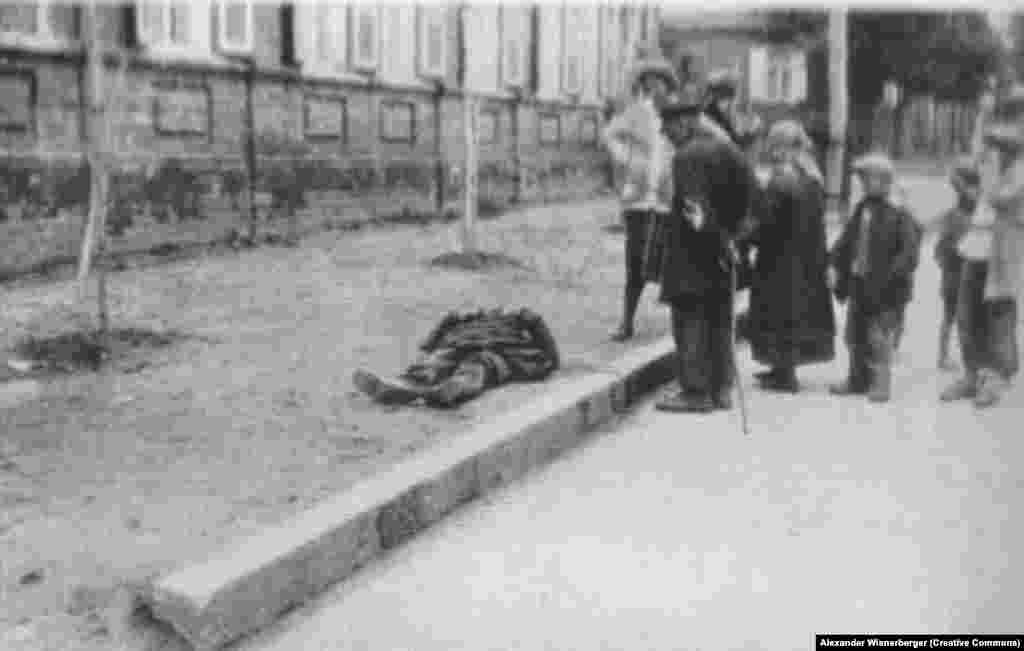
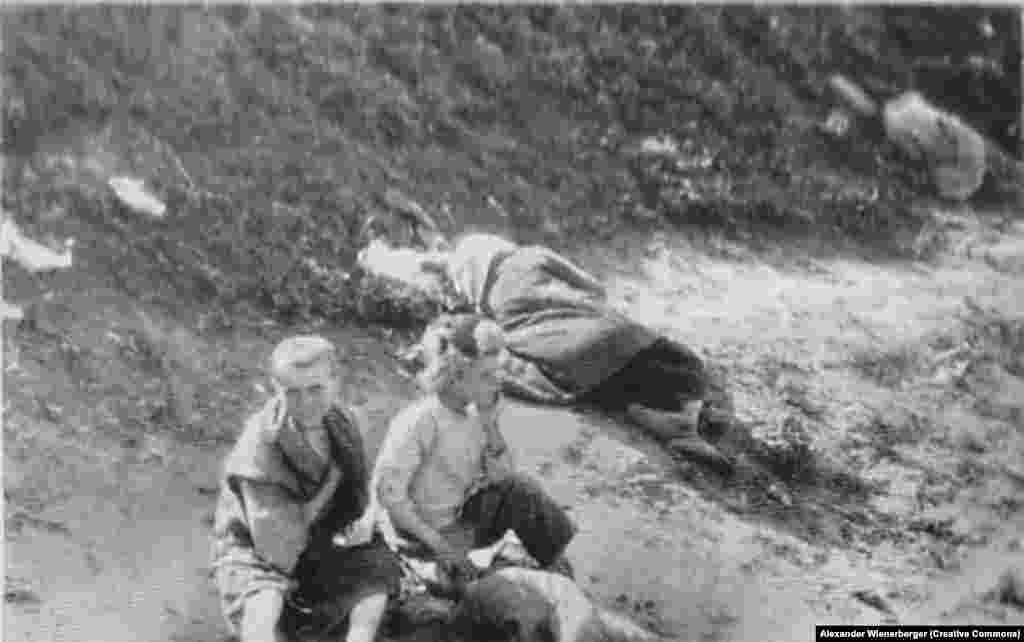
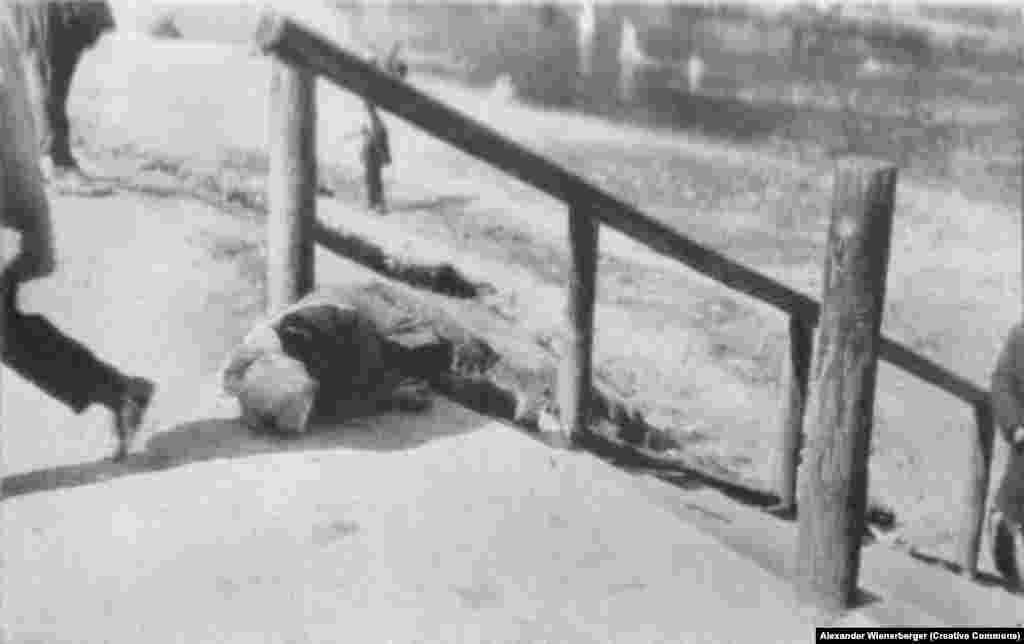
Alexander Wienerberger was recruited into the army of the Austro-Hungarian Empire during World War I. In 1915, he was taken prisoner in Russia and ended up staying in the U.S.S.R. until 1934. Later, he worked as a chemical engineer specializing in explosives, and he established chemical factories in the Soviet Union. In 1933, he was assigned as technical director of a synthetic factory in Kharkiv and became witness to the man-made famine orchestrated by the Soviet government, the Holodomor. His photographs -- made with a Leica camera -- are some of about 100 images verified to be authentic portrayals of those harrowing events. The captions are based on the photographer's own notes.
Show moreShow less
2/15Everyday conversation in sight of a corpse
Alexander Wienerberger was recruited into the army of the Austro-Hungarian Empire during World War I. In 1915, he was taken prisoner in Russia and ended up staying in the U.S.S.R. until 1934. Later, he worked as a chemical engineer specializing in explosives, and he established chemical factories in the Soviet Union. In 1933, he was assigned as technical director of a synthetic factory in Kharkiv and became witness to the man-made famine orchestrated by the Soviet government, the Holodomor. His photographs -- made with a Leica camera -- are some of about 100 images verified to be authentic portrayals of those harrowing events. The captions are based on the photographer's own notes.
Show moreShow less
3/15Queues in front of a milk distribution center
Alexander Wienerberger was recruited into the army of the Austro-Hungarian Empire during World War I. In 1915, he was taken prisoner in Russia and ended up staying in the U.S.S.R. until 1934. Later, he worked as a chemical engineer specializing in explosives, and he established chemical factories in the Soviet Union. In 1933, he was assigned as technical director of a synthetic factory in Kharkiv and became witness to the man-made famine orchestrated by the Soviet government, the Holodomor. His photographs -- made with a Leica camera -- are some of about 100 images verified to be authentic portrayals of those harrowing events. The captions are based on the photographer's own notes.
Show moreShow less
4/15At the food market in Kharkiv -- each bottle of milk, desperately clasped, represents a valuable possession in free trade
Alexander Wienerberger was recruited into the army of the Austro-Hungarian Empire during World War I. In 1915, he was taken prisoner in Russia and ended up staying in the U.S.S.R. until 1934. Later, he worked as a chemical engineer specializing in explosives, and he established chemical factories in the Soviet Union. In 1933, he was assigned as technical director of a synthetic factory in Kharkiv and became witness to the man-made famine orchestrated by the Soviet government, the Holodomor. His photographs -- made with a Leica camera -- are some of about 100 images verified to be authentic portrayals of those harrowing events. The captions are based on the photographer's own notes.
Show moreShow less
5/15The corpses of the starved in the streets of Kharkiv arouse sympathy at first.
Alexander Wienerberger was recruited into the army of the Austro-Hungarian Empire during World War I. In 1915, he was taken prisoner in Russia and ended up staying in the U.S.S.R. until 1934. Later, he worked as a chemical engineer specializing in explosives, and he established chemical factories in the Soviet Union. In 1933, he was assigned as technical director of a synthetic factory in Kharkiv and became witness to the man-made famine orchestrated by the Soviet government, the Holodomor. His photographs -- made with a Leica camera -- are some of about 100 images verified to be authentic portrayals of those harrowing events. The captions are based on the photographer's own notes.
Show moreShow less
6/15Hungry and neglected children -- the so-called "Besprisornyje" ("the waifs")
Alexander Wienerberger was recruited into the army of the Austro-Hungarian Empire during World War I. In 1915, he was taken prisoner in Russia and ended up staying in the U.S.S.R. until 1934. Later, he worked as a chemical engineer specializing in explosives, and he established chemical factories in the Soviet Union. In 1933, he was assigned as technical director of a synthetic factory in Kharkiv and became witness to the man-made famine orchestrated by the Soviet government, the Holodomor. His photographs -- made with a Leica camera -- are some of about 100 images verified to be authentic portrayals of those harrowing events. The captions are based on the photographer's own notes.
Show moreShow less
7/15Hunger forces farmers to migrate
Alexander Wienerberger was recruited into the army of the Austro-Hungarian Empire during World War I. In 1915, he was taken prisoner in Russia and ended up staying in the U.S.S.R. until 1934. Later, he worked as a chemical engineer specializing in explosives, and he established chemical factories in the Soviet Union. In 1933, he was assigned as technical director of a synthetic factory in Kharkiv and became witness to the man-made famine orchestrated by the Soviet government, the Holodomor. His photographs -- made with a Leica camera -- are some of about 100 images verified to be authentic portrayals of those harrowing events. The captions are based on the photographer's own notes.
Show moreShow less
8/15Besprisornyje sitting on a stone-heap, delousing themselves
Alexander Wienerberger was recruited into the army of the Austro-Hungarian Empire during World War I. In 1915, he was taken prisoner in Russia and ended up staying in the U.S.S.R. until 1934. Later, he worked as a chemical engineer specializing in explosives, and he established chemical factories in the Soviet Union. In 1933, he was assigned as technical director of a synthetic factory in Kharkiv and became witness to the man-made famine orchestrated by the Soviet government, the Holodomor. His photographs -- made with a Leica camera -- are some of about 100 images verified to be authentic portrayals of those harrowing events. The captions are based on the photographer's own notes.
Show moreShow less
9/15A starving child whom nobody cares about
Alexander Wienerberger was recruited into the army of the Austro-Hungarian Empire during World War I. In 1915, he was taken prisoner in Russia and ended up staying in the U.S.S.R. until 1934. Later, he worked as a chemical engineer specializing in explosives, and he established chemical factories in the Soviet Union. In 1933, he was assigned as technical director of a synthetic factory in Kharkiv and became witness to the man-made famine orchestrated by the Soviet government, the Holodomor. His photographs -- made with a Leica camera -- are some of about 100 images verified to be authentic portrayals of those harrowing events. The captions are based on the photographer's own notes.
Show moreShow less
10/15The empty "Chartorg" (Charower Trade Cooperative) food distribution site is besieged by a devastated population in Kharkiv..
Alexander Wienerberger was recruited into the army of the Austro-Hungarian Empire during World War I. In 1915, he was taken prisoner in Russia and ended up staying in the U.S.S.R. until 1934. Later, he worked as a chemical engineer specializing in explosives, and he established chemical factories in the Soviet Union. In 1933, he was assigned as technical director of a synthetic factory in Kharkiv and became witness to the man-made famine orchestrated by the Soviet government, the Holodomor. His photographs -- made with a Leica camera -- are some of about 100 images verified to be authentic portrayals of those harrowing events. The captions are based on the photographer's own notes.
Show moreShow less
11/15The sympathy recedes!
Alexander Wienerberger was recruited into the army of the Austro-Hungarian Empire during World War I. In 1915, he was taken prisoner in Russia and ended up staying in the U.S.S.R. until 1934. Later, he worked as a chemical engineer specializing in explosives, and he established chemical factories in the Soviet Union. In 1933, he was assigned as technical director of a synthetic factory in Kharkiv and became witness to the man-made famine orchestrated by the Soviet government, the Holodomor. His photographs -- made with a Leica camera -- are some of about 100 images verified to be authentic portrayals of those harrowing events. The captions are based on the photographer's own notes.
Show moreShow less
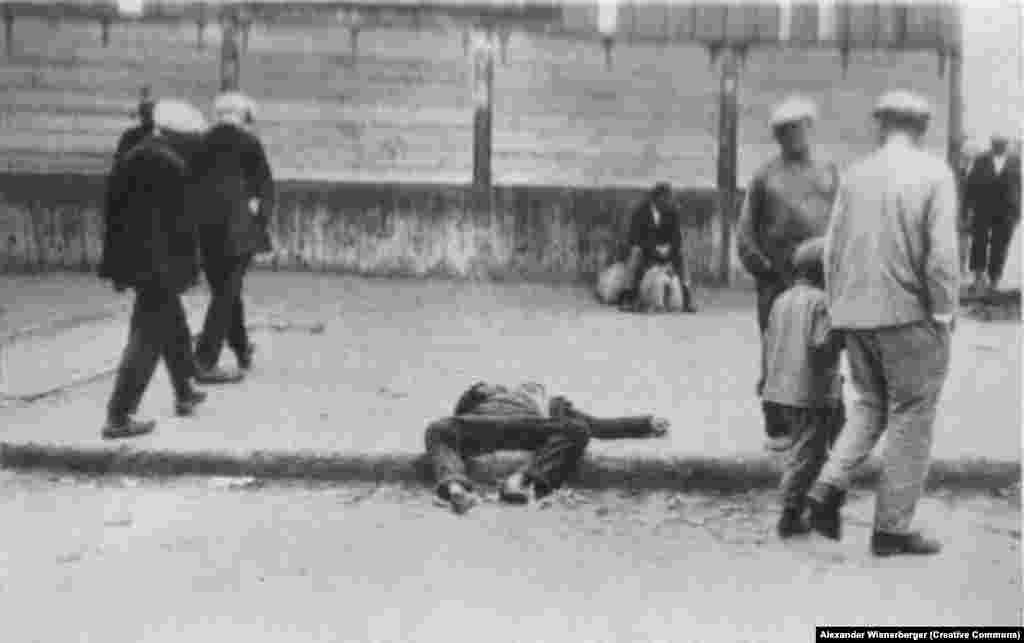
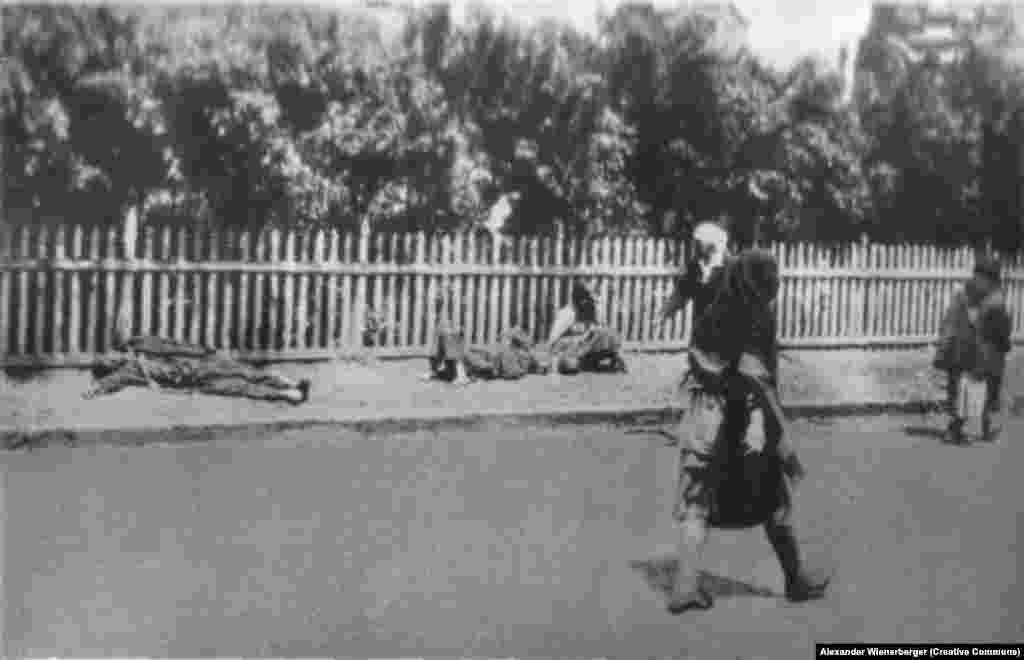
12/15The corpses of the starving lie on the roadside. Passersby no longer pay them any attention.
Alexander Wienerberger was recruited into the army of the Austro-Hungarian Empire during World War I. In 1915, he was taken prisoner in Russia and ended up staying in the U.S.S.R. until 1934. Later, he worked as a chemical engineer specializing in explosives, and he established chemical factories in the Soviet Union. In 1933, he was assigned as technical director of a synthetic factory in Kharkiv and became witness to the man-made famine orchestrated by the Soviet government, the Holodomor. His photographs -- made with a Leica camera -- are some of about 100 images verified to be authentic portrayals of those harrowing events. The captions are based on the photographer's own notes.
Show moreShow less
13/15This corpse still excites attention
Alexander Wienerberger was recruited into the army of the Austro-Hungarian Empire during World War I. In 1915, he was taken prisoner in Russia and ended up staying in the U.S.S.R. until 1934. Later, he worked as a chemical engineer specializing in explosives, and he established chemical factories in the Soviet Union. In 1933, he was assigned as technical director of a synthetic factory in Kharkiv and became witness to the man-made famine orchestrated by the Soviet government, the Holodomor. His photographs -- made with a Leica camera -- are some of about 100 images verified to be authentic portrayals of those harrowing events. The captions are based on the photographer's own notes.
Show moreShow less
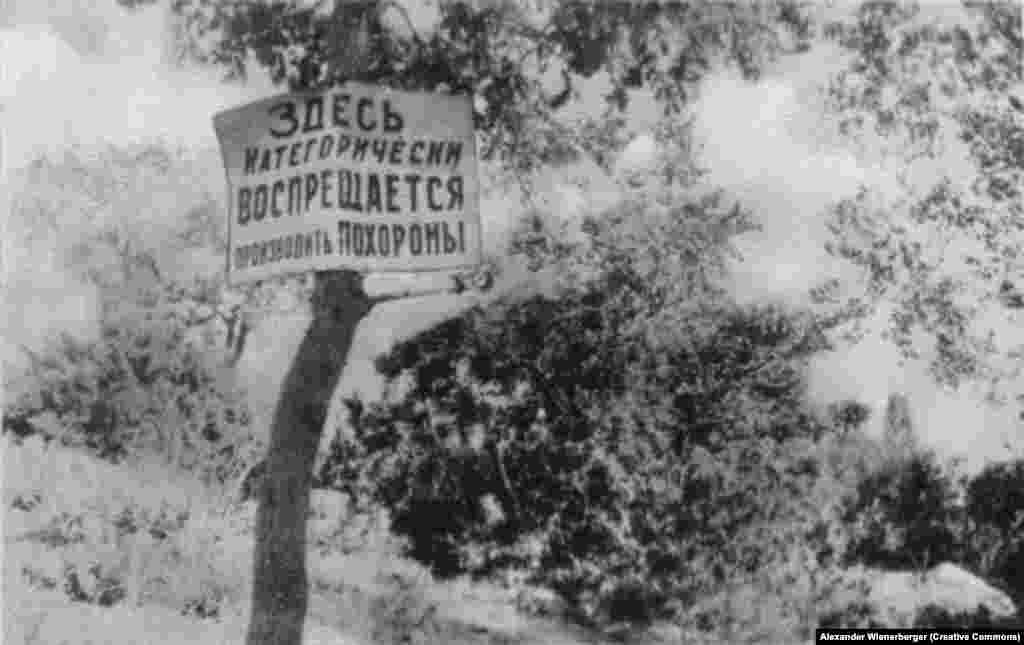
14/15In the blooming countryside, a sign reads: "The burial of corpses is strictly forbidden here!"
Alexander Wienerberger was recruited into the army of the Austro-Hungarian Empire during World War I. In 1915, he was taken prisoner in Russia and ended up staying in the U.S.S.R. until 1934. Later, he worked as a chemical engineer specializing in explosives, and he established chemical factories in the Soviet Union. In 1933, he was assigned as technical director of a synthetic factory in Kharkiv and became witness to the man-made famine orchestrated by the Soviet government, the Holodomor. His photographs -- made with a Leica camera -- are some of about 100 images verified to be authentic portrayals of those harrowing events. The captions are based on the photographer's own notes.
Show moreShow less
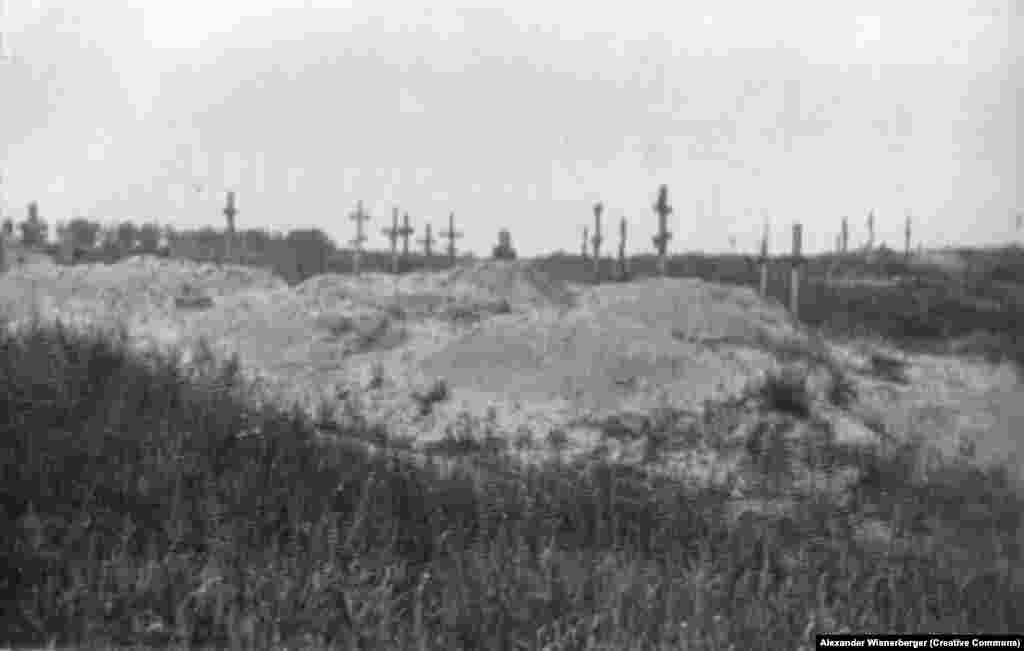
15/15The corpses of those who died of starvation are buried in mass graves.
Alexander Wienerberger was recruited into the army of the Austro-Hungarian Empire during World War I. In 1915, he was taken prisoner in Russia and ended up staying in the U.S.S.R. until 1934. Later, he worked as a chemical engineer specializing in explosives, and he established chemical factories in the Soviet Union. In 1933, he was assigned as technical director of a synthetic factory in Kharkiv and became witness to the man-made famine orchestrated by the Soviet government, the Holodomor. His photographs -- made with a Leica camera -- are some of about 100 images verified to be authentic portrayals of those harrowing events. The captions are based on the photographer's own notes.
Show moreShow less
Previous slide
Next slide
'Deliberately Organized Mass Starvation'
Applebaum is best known for penning "Gulag," a chilling account of life in the vast network of Soviet camps that won the 2004 Pulitzer Prize for nonfiction. She says her new book, which she is currently researching, will focus on the man-made aspect of the Holodomor.
"What clearly starts out as a mistake and a policy disaster, which was the result of collectivization, at a particular moment in the spring of that year turns into an organized famine," Applebaum says. "In other words, the roads were cut off, food was not let in, people had their houses searched, food was taken away from people. It was a deliberately organized mass starvation."
The Soviet authorities spared no effort to prevent news of the massacre from spreading. Even in Ukraine, many knew little or nothing about the Holodomor until the country gained independence in 1991. "It was a very, very well managed cover-up. The attempt to make sure the outside world heard nothing of it was very successful," Applebaum notes.
In 2006, Ukraine's parliament classified the Holodomor as genocide. But following his election in 2010, President Viktor Yanukovych told the Council of Europe's Parliamentary Assembly that it would be "wrong and unfair to recognize the Holodomor as an act of genocide against one nation."
Russia, for its part, insists the famine was caused by drought that brought starvation to other parts of the U.S.S.R. and has accused Kyiv of using the tragedy for political purposes.