A woman lays a piece of bread next to candles during a ceremony in memory of the victims of the Holodomor famine in Kyiv on November 26.
Ukrainian President Petro Poroshenko has called for the Holodomor, the Ukraine famine of the 1930s, to be recognized as "genocide."
Poroshenko spoke at a ceremony in Kyiv on November 26 marking the official Day of Remembrance of the Victims of the Holodomor, which commemorates the millions who died of famine under Soviet dictator Josef Stalin.
"I just signed a presidential decree that among other things tasks the Foreign Ministry to continue its work to achieve a recognition of Holodomor among the international community, foreign countries, and international organizations as the genocide of the Ukrainian people," he said.
Poroshenko, Prime Minister Volodymyr Hroysman, representatives from Ukraine's churches, and envoys from various countries attended a ceremony to honor the victims.
There was also a nationwide minute's silence observed at 4 p.m. local time.
Ukraine's Holodomor Through An Austrian's Eyes
1/15The jaded population has lost all interest in the gruesome sight of the famished and the dying.
Alexander Wienerberger was recruited into the army of the Austro-Hungarian Empire during World War I. In 1915, he was taken prisoner in Russia and ended up staying in the U.S.S.R. until 1934. Later, he worked as a chemical engineer specializing in explosives, and he established chemical factories in the Soviet Union. In 1933, he was assigned as technical director of a synthetic factory in Kharkiv and became witness to the man-made famine orchestrated by the Soviet government, the Holodomor. His photographs -- made with a Leica camera -- are some of about 100 images verified to be authentic portrayals of those harrowing events. The captions are based on the photographer's own notes.
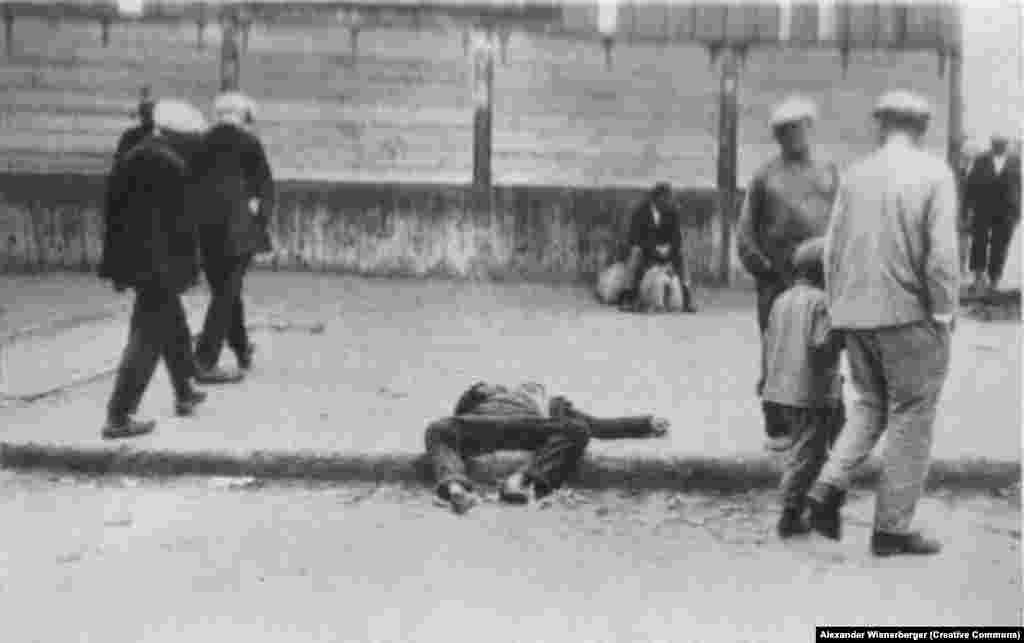
2/15Everyday conversation in sight of a corpse
Alexander Wienerberger was recruited into the army of the Austro-Hungarian Empire during World War I. In 1915, he was taken prisoner in Russia and ended up staying in the U.S.S.R. until 1934. Later, he worked as a chemical engineer specializing in explosives, and he established chemical factories in the Soviet Union. In 1933, he was assigned as technical director of a synthetic factory in Kharkiv and became witness to the man-made famine orchestrated by the Soviet government, the Holodomor. His photographs -- made with a Leica camera -- are some of about 100 images verified to be authentic portrayals of those harrowing events. The captions are based on the photographer's own notes.
3/15Queues in front of a milk distribution center
Alexander Wienerberger was recruited into the army of the Austro-Hungarian Empire during World War I. In 1915, he was taken prisoner in Russia and ended up staying in the U.S.S.R. until 1934. Later, he worked as a chemical engineer specializing in explosives, and he established chemical factories in the Soviet Union. In 1933, he was assigned as technical director of a synthetic factory in Kharkiv and became witness to the man-made famine orchestrated by the Soviet government, the Holodomor. His photographs -- made with a Leica camera -- are some of about 100 images verified to be authentic portrayals of those harrowing events. The captions are based on the photographer's own notes.
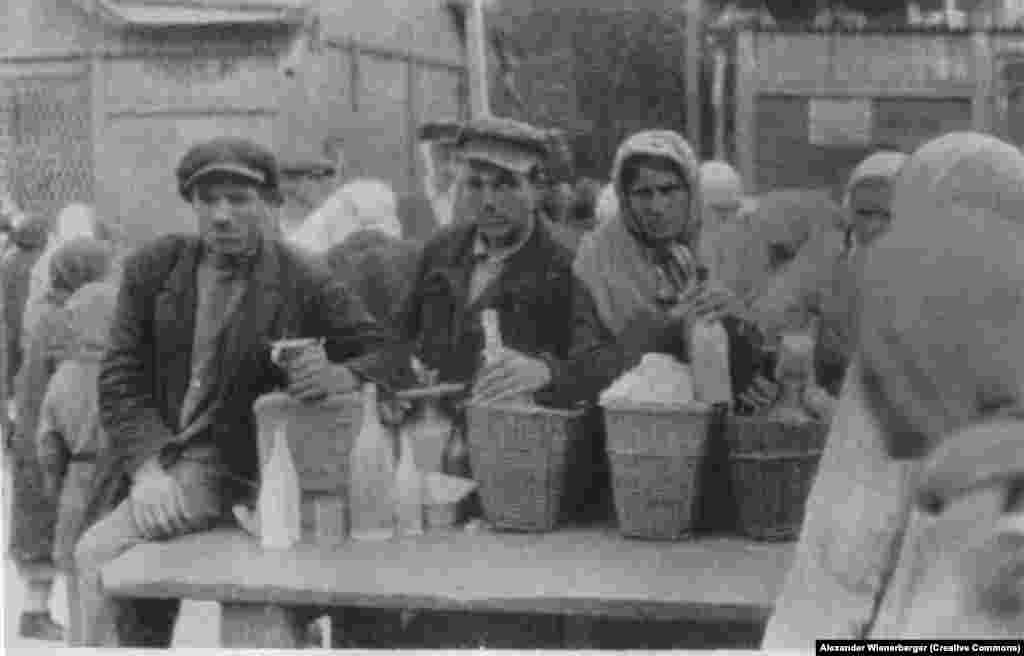
4/15At the food market in Kharkiv -- each bottle of milk, desperately clasped, represents a valuable possession in free trade
Alexander Wienerberger was recruited into the army of the Austro-Hungarian Empire during World War I. In 1915, he was taken prisoner in Russia and ended up staying in the U.S.S.R. until 1934. Later, he worked as a chemical engineer specializing in explosives, and he established chemical factories in the Soviet Union. In 1933, he was assigned as technical director of a synthetic factory in Kharkiv and became witness to the man-made famine orchestrated by the Soviet government, the Holodomor. His photographs -- made with a Leica camera -- are some of about 100 images verified to be authentic portrayals of those harrowing events. The captions are based on the photographer's own notes.
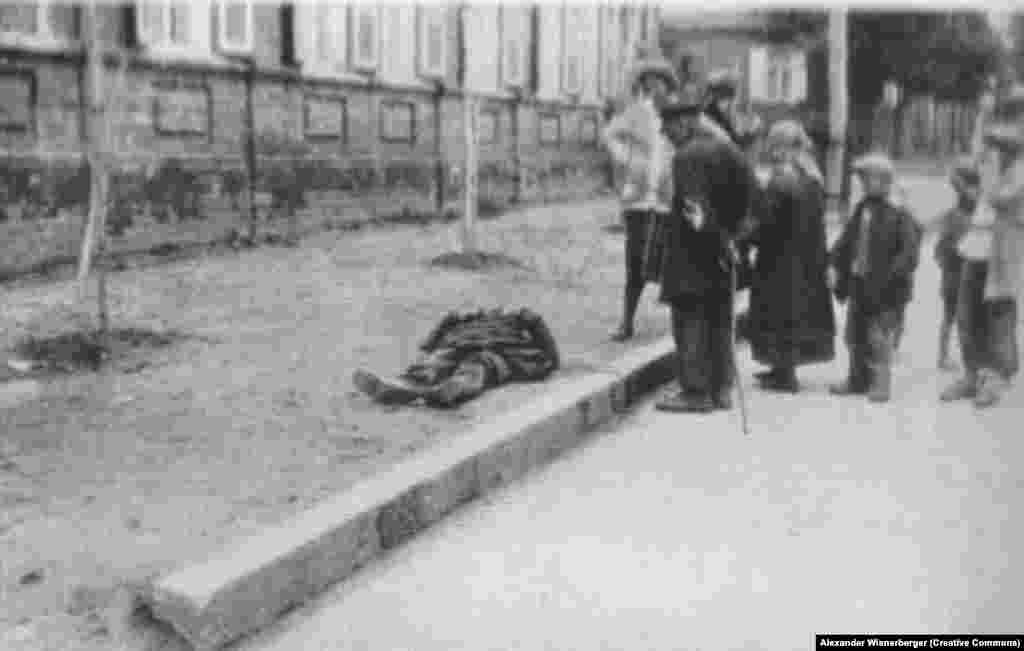
5/15The corpses of the starved in the streets of Kharkiv arouse sympathy at first.
Alexander Wienerberger was recruited into the army of the Austro-Hungarian Empire during World War I. In 1915, he was taken prisoner in Russia and ended up staying in the U.S.S.R. until 1934. Later, he worked as a chemical engineer specializing in explosives, and he established chemical factories in the Soviet Union. In 1933, he was assigned as technical director of a synthetic factory in Kharkiv and became witness to the man-made famine orchestrated by the Soviet government, the Holodomor. His photographs -- made with a Leica camera -- are some of about 100 images verified to be authentic portrayals of those harrowing events. The captions are based on the photographer's own notes.
6/15Hungry and neglected children -- the so-called "Besprisornyje" ("the waifs")
Alexander Wienerberger was recruited into the army of the Austro-Hungarian Empire during World War I. In 1915, he was taken prisoner in Russia and ended up staying in the U.S.S.R. until 1934. Later, he worked as a chemical engineer specializing in explosives, and he established chemical factories in the Soviet Union. In 1933, he was assigned as technical director of a synthetic factory in Kharkiv and became witness to the man-made famine orchestrated by the Soviet government, the Holodomor. His photographs -- made with a Leica camera -- are some of about 100 images verified to be authentic portrayals of those harrowing events. The captions are based on the photographer's own notes.
7/15Hunger forces farmers to migrate
Alexander Wienerberger was recruited into the army of the Austro-Hungarian Empire during World War I. In 1915, he was taken prisoner in Russia and ended up staying in the U.S.S.R. until 1934. Later, he worked as a chemical engineer specializing in explosives, and he established chemical factories in the Soviet Union. In 1933, he was assigned as technical director of a synthetic factory in Kharkiv and became witness to the man-made famine orchestrated by the Soviet government, the Holodomor. His photographs -- made with a Leica camera -- are some of about 100 images verified to be authentic portrayals of those harrowing events. The captions are based on the photographer's own notes.
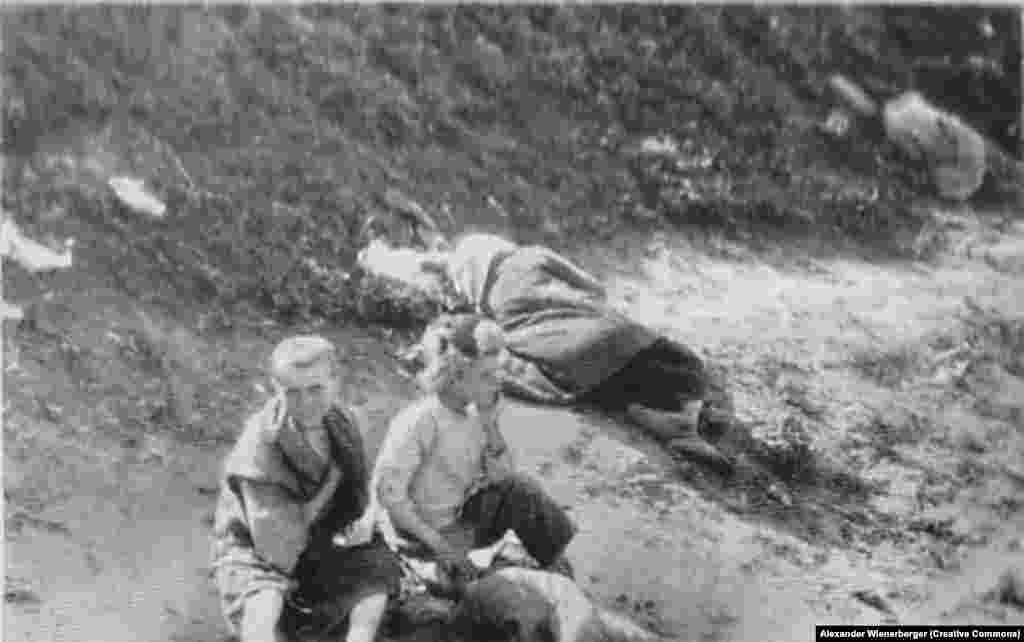
8/15Besprisornyje sitting on a stone-heap, delousing themselves
Alexander Wienerberger was recruited into the army of the Austro-Hungarian Empire during World War I. In 1915, he was taken prisoner in Russia and ended up staying in the U.S.S.R. until 1934. Later, he worked as a chemical engineer specializing in explosives, and he established chemical factories in the Soviet Union. In 1933, he was assigned as technical director of a synthetic factory in Kharkiv and became witness to the man-made famine orchestrated by the Soviet government, the Holodomor. His photographs -- made with a Leica camera -- are some of about 100 images verified to be authentic portrayals of those harrowing events. The captions are based on the photographer's own notes.
9/15A starving child whom nobody cares about
Alexander Wienerberger was recruited into the army of the Austro-Hungarian Empire during World War I. In 1915, he was taken prisoner in Russia and ended up staying in the U.S.S.R. until 1934. Later, he worked as a chemical engineer specializing in explosives, and he established chemical factories in the Soviet Union. In 1933, he was assigned as technical director of a synthetic factory in Kharkiv and became witness to the man-made famine orchestrated by the Soviet government, the Holodomor. His photographs -- made with a Leica camera -- are some of about 100 images verified to be authentic portrayals of those harrowing events. The captions are based on the photographer's own notes.
10/15The empty "Chartorg" (Charower Trade Cooperative) food distribution site is besieged by a devastated population in Kharkiv..
Alexander Wienerberger was recruited into the army of the Austro-Hungarian Empire during World War I. In 1915, he was taken prisoner in Russia and ended up staying in the U.S.S.R. until 1934. Later, he worked as a chemical engineer specializing in explosives, and he established chemical factories in the Soviet Union. In 1933, he was assigned as technical director of a synthetic factory in Kharkiv and became witness to the man-made famine orchestrated by the Soviet government, the Holodomor. His photographs -- made with a Leica camera -- are some of about 100 images verified to be authentic portrayals of those harrowing events. The captions are based on the photographer's own notes.
11/15The sympathy recedes!
Alexander Wienerberger was recruited into the army of the Austro-Hungarian Empire during World War I. In 1915, he was taken prisoner in Russia and ended up staying in the U.S.S.R. until 1934. Later, he worked as a chemical engineer specializing in explosives, and he established chemical factories in the Soviet Union. In 1933, he was assigned as technical director of a synthetic factory in Kharkiv and became witness to the man-made famine orchestrated by the Soviet government, the Holodomor. His photographs -- made with a Leica camera -- are some of about 100 images verified to be authentic portrayals of those harrowing events. The captions are based on the photographer's own notes.
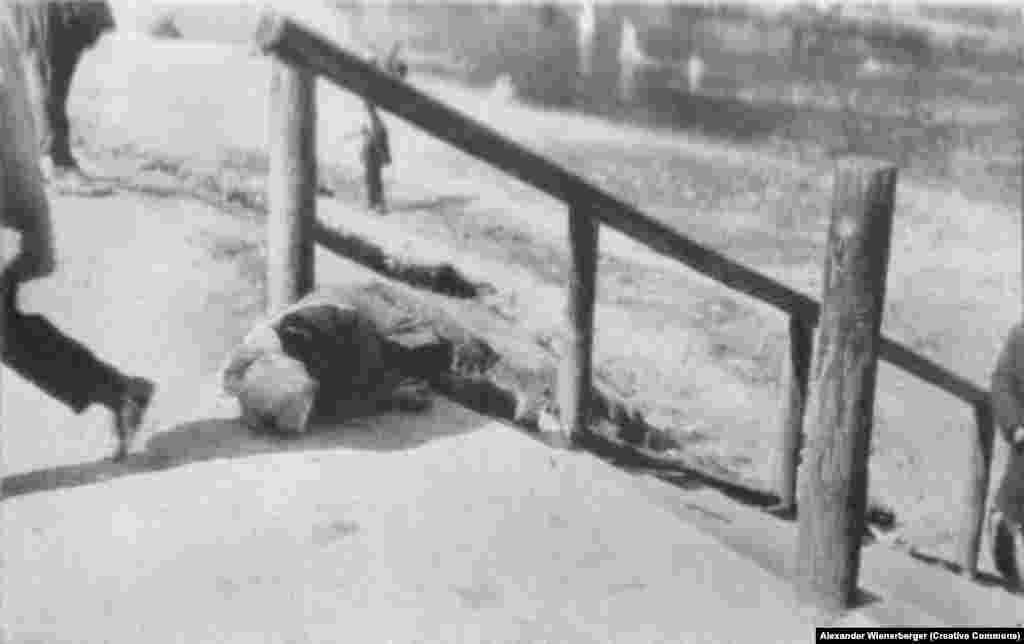
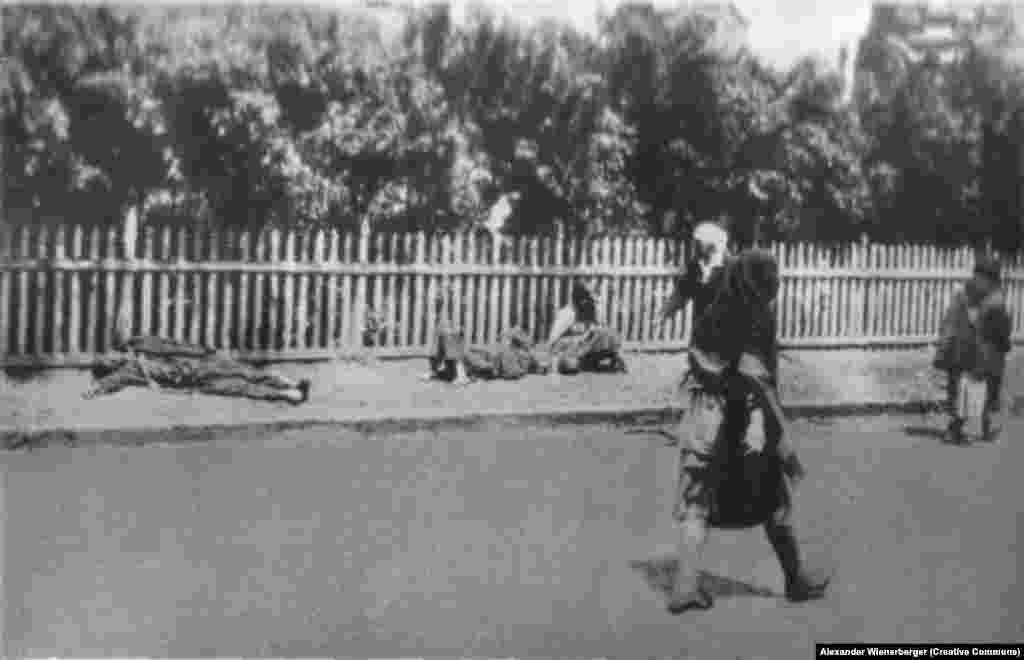
12/15The corpses of the starving lie on the roadside. Passersby no longer pay them any attention.
Alexander Wienerberger was recruited into the army of the Austro-Hungarian Empire during World War I. In 1915, he was taken prisoner in Russia and ended up staying in the U.S.S.R. until 1934. Later, he worked as a chemical engineer specializing in explosives, and he established chemical factories in the Soviet Union. In 1933, he was assigned as technical director of a synthetic factory in Kharkiv and became witness to the man-made famine orchestrated by the Soviet government, the Holodomor. His photographs -- made with a Leica camera -- are some of about 100 images verified to be authentic portrayals of those harrowing events. The captions are based on the photographer's own notes.
13/15This corpse still excites attention
Alexander Wienerberger was recruited into the army of the Austro-Hungarian Empire during World War I. In 1915, he was taken prisoner in Russia and ended up staying in the U.S.S.R. until 1934. Later, he worked as a chemical engineer specializing in explosives, and he established chemical factories in the Soviet Union. In 1933, he was assigned as technical director of a synthetic factory in Kharkiv and became witness to the man-made famine orchestrated by the Soviet government, the Holodomor. His photographs -- made with a Leica camera -- are some of about 100 images verified to be authentic portrayals of those harrowing events. The captions are based on the photographer's own notes.
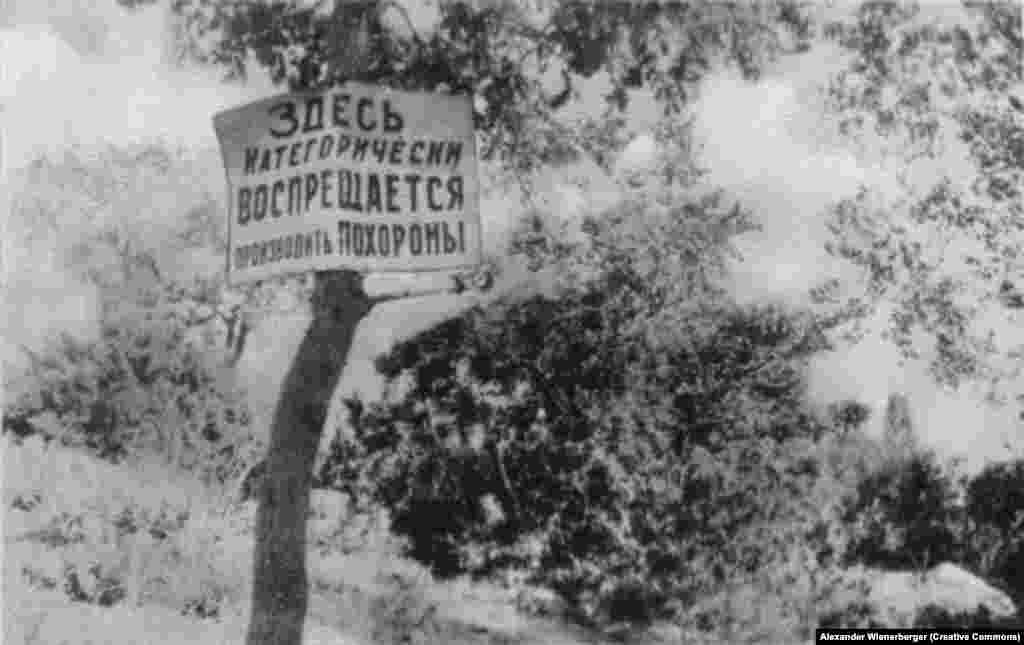
14/15In the blooming countryside, a sign reads: "The burial of corpses is strictly forbidden here!"
Alexander Wienerberger was recruited into the army of the Austro-Hungarian Empire during World War I. In 1915, he was taken prisoner in Russia and ended up staying in the U.S.S.R. until 1934. Later, he worked as a chemical engineer specializing in explosives, and he established chemical factories in the Soviet Union. In 1933, he was assigned as technical director of a synthetic factory in Kharkiv and became witness to the man-made famine orchestrated by the Soviet government, the Holodomor. His photographs -- made with a Leica camera -- are some of about 100 images verified to be authentic portrayals of those harrowing events. The captions are based on the photographer's own notes.
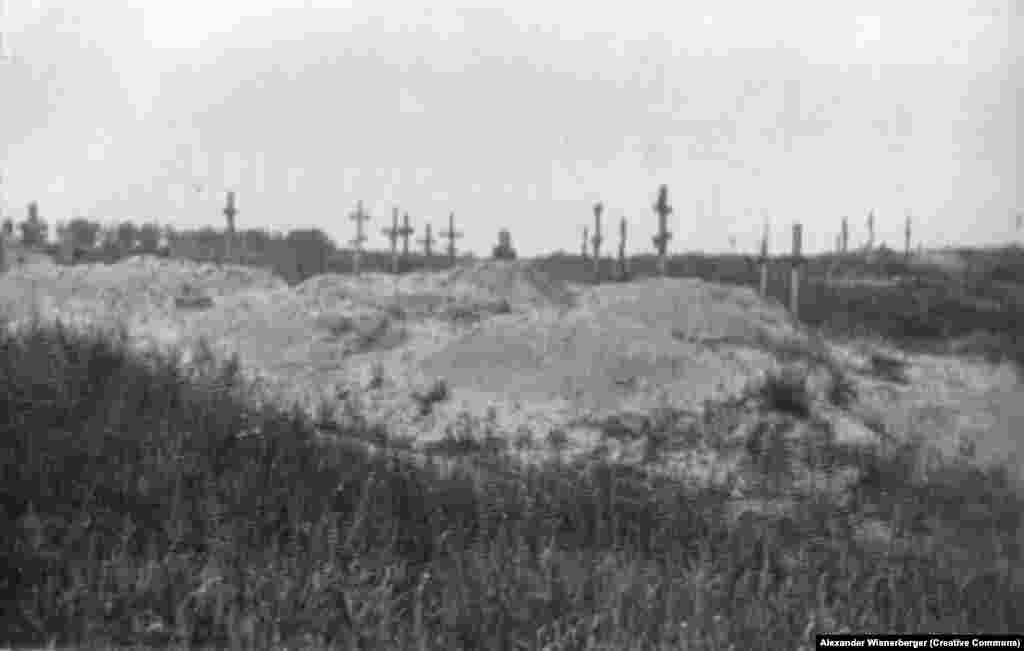
15/15The corpses of those who died of starvation are buried in mass graves.
Alexander Wienerberger was recruited into the army of the Austro-Hungarian Empire during World War I. In 1915, he was taken prisoner in Russia and ended up staying in the U.S.S.R. until 1934. Later, he worked as a chemical engineer specializing in explosives, and he established chemical factories in the Soviet Union. In 1933, he was assigned as technical director of a synthetic factory in Kharkiv and became witness to the man-made famine orchestrated by the Soviet government, the Holodomor. His photographs -- made with a Leica camera -- are some of about 100 images verified to be authentic portrayals of those harrowing events. The captions are based on the photographer's own notes.
Previous slide
Next slide
The official Day of Remembrance for the victims of the famine is marked every year on the fourth Saturday of November.
The Holodomor took place in 1932 and 1933 as Soviet authorities forced peasants in Ukraine to join collective farms by requisitioning their grain and other foodstuffs.
Historians say the seizure of the 1932 crop in Ukraine by Soviet authorities was the main cause of the famine. Moscow has long denied any systematic effort to target Ukrainians, arguing a poor harvest at the time wiped out many in other parts of the then Soviet Union.
It is estimated that as many as 9 million people may have died as a result of executions, deportation, and starvation during the Stalin-era campaign.
Last year, a monument commemorating the Ukrainians who perished in the Holodomor was unveiled in the U.S. capital.
The monument -- a bronze slab resting on a stone plinth and showing a field of wheat stalks -- symbolizes the seizure of grain by the Soviets.
"The famine was an attempt to force the Ukrainian people to their knees, to deprive us of our dignity, to destroy our national identity and to kill our hope for the right to create our own destiny in our own land," Poroshenko said in a taped video address that was played at the unveiling.
RFE/RL's Ukrainian Service has seen its audience grow significantly since Russia's full-scale invasion in February 2022 and is among the most cited media outlets in the country. Its bold, in-depth reporting from the front lines has won many accolades and awards. Its comprehensive coverage also includes award-winning reporting by the Donbas.Realities and Crimea.Realities projects and the Schemes investigative unit.